


Portugal is the better choice for ease, lower costs, and city surf, unless island-hopping and ruins are your focus.
Travelers seeking a straightforward trip with city and beach mix should pick Portugal.
Deciding between Portugal’s surf scene and Greece’s island-hopping can make or break your trip.
Planning a European coastal trip often boils down to a choice: Portugal’s Atlantic surf and Lisbon’s city vibe, or Greece’s island-hopping and ancient ruins. Both promise sun, sea, and good food, but the logistics and costs can swing the decision. If you’re after a laid-back city break with decent beaches, Portugal’s your pick. For a slow-paced island adventure with historic sites, Greece wins. The question is whether you want to spend more time on the mainland or hopping between islands. Your trip’s focus, surf, history, or relaxation, sets the tone for which country makes sense.

Right now, travelers are weighing ease of travel against experience depth. Portugal offers more straightforward logistics and lower costs, while Greece’s scattered islands demand planning but deliver iconic ruins and crystal waters. Knowing these differences helps avoid surprises and makes your trip smoother. Keep reading to see which country aligns with your travel style, budget, and timing. The choice isn’t just about scenery, it’s about how you want to spend your days and what you’re willing to plan for.
Portugal’s flights from the US are typically 20 hours shorter than Greece’s, saving you travel fatigue.
Key Differences Between Portugal and Greece
| Topic | Portugal | Greece |
|---|---|---|
| Travel vibe | ||
| Budget level | ||
| Top destinations | ||
| Nature & landscape | ||
| Food & cuisine | ||
| Accommodation quality | ||
| Crowds in peak season | ||
| Transport & infrastructure | ||
| Safety | ||
| Planning effort |

Best for Portugal
- City lovers wanting Lisbon’s nightlife
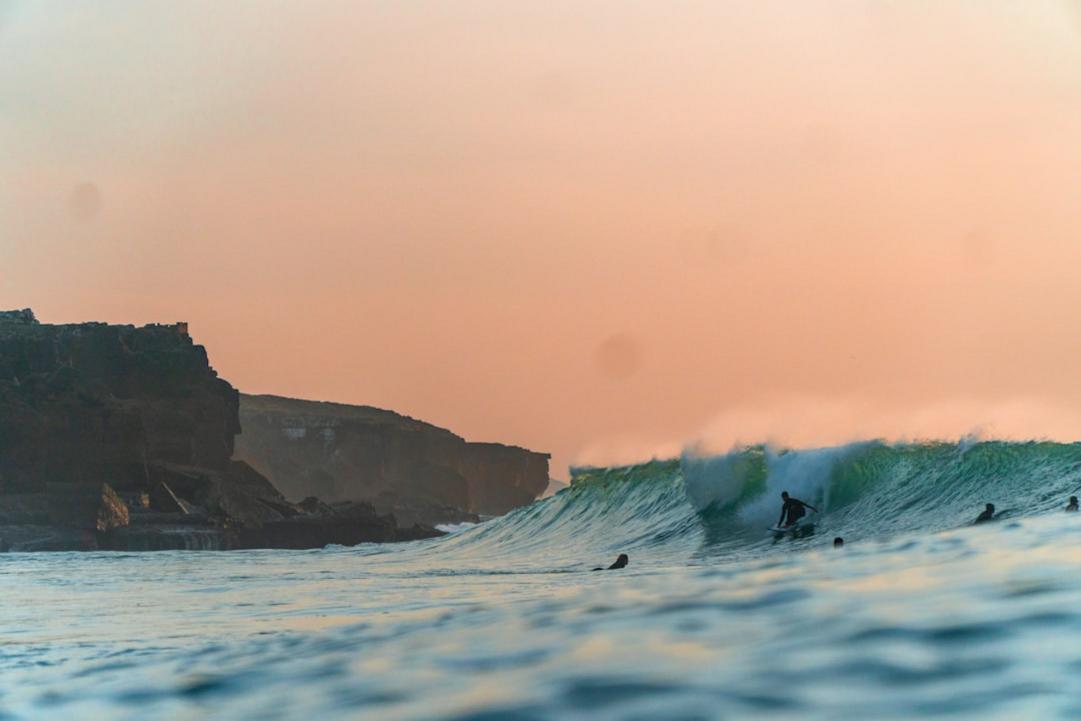
- Surf fans chasing Atlantic waves
- Travelers seeking straightforward logistics
Best for Greece
- History buffs exploring Athens and ruins
- Island-hoppers aiming for Santorini or Mykonos
- Relaxed travelers wanting slow island days
Top Reasons to Choose Portugal or Greece
- If you prefer city scenes and easier travel, choose Portugal. Pack Lightly safety score (90/100).
- For island adventures and ancient sites, Greece offers iconic ruins and beaches, but expect more planning.
- Budget travelers find Portugal slightly cheaper daily, $80 vs. Greece’s $90.
- Both countries have good safety scores, but Portugal’s infrastructure makes logistics simpler.
- Best time to visit Portugal is spring and fall; Greece’s islands are best in late spring or early fall.
- Visa requirements are straightforward for US citizens in both, but Greece’s islands may require ferry bookings.
Pack Lightly Scores
11 categories scored from 0 (low) to 100 (high)
Still can’t decide?
Use the comparison tool to see how Portugal and Greece stack up across 11 categories tailored to your travel style. Adjust the timing filter to find the perfect season for your trip.
Watch: Greece vs Portugal in motion

What you’ll actually spend

For mid-range travelers, Portugal is cheaper than Greece by about $15 per day. Portugal’s daily budget ranges from $80 to $130 USD, while Greece’s runs from $95 to $145 USD. Both countries are affordable, but Portugal offers a slight edge on cost.
Cost breakdown
| Category | Portugal (USD) | Greece (USD) |
|---|---|---|
| Backpacker daily budget | $15 – $25 | $20 – $30 |
| Mid-range daily budget | $80 – $130 | $95 – $145 |
| Luxury daily budget | $150 – $200 | $180 – $220 |
| Street food meal | $5 – $8 | $6 – $10 |
| Restaurant meal | $12 – $20 | $15 – $25 |
| Local transport (per day) | $3 – $7 | $4 – $8 |
| Activities/tours (average) | $20 – $50 | $25 – $60 |
Portugal wins on mid-range costs, saving about $15 daily. Pack Lightly budgetFriendly: Portugal 70, Greece 65. Hotels PortugalHotels Greece. For budget travelers, sticking to street food and public transport keeps costs low. Greece’s higher prices mean you’ll spend more for similar experiences. Book early in Portugal for the best deals on accommodations and tours.
Pro tip: Opt for local buses instead of taxis in Lisbon and Athens to cut transport costs.
Watch out: Hidden fees like city taxes or tips can add 10-15% to your bill if overlooked.
What You’ll Eat

In Portugal, pastel de nata costs about $2 at local bakeries, perfect for breakfast. In Greece, gyros are around $4, served fresh from street vendors. Portugal’s pastries beat Greek desserts for affordability and variety.
Vegetarian options are plentiful in Portugal, with many veggie-friendly cafes in Lisbon’s Bairro Alto. Greece struggles with halal options outside major cities but excels in fresh seafood and vegetarian tavernas.
Portugal’s drink scene features Ginjinha cherry liqueur and local wines for about $8 a glass. Greece favors ouzo and local beers like Mythos, both easy to find in tavernas across Athens and islands.
Signature Dishes & Food Quality
| Category | Portugal | Greece |
|---|---|---|
| Signature dish | Pastel de nata | Souvlaki |
| Street food quality | High | High |
| Vegetarian-friendly | Excellent | Good |
| Restaurant variety | Wide | Wide |
| Drink culture | Vineyards, port | Ouzo, Mythos |
Bacalhau à Brás
Iconic salted cod dish, affordable and authentic, shows Portugal’s seafood mastery.
Insider tip: Order a bifana sandwich in Lisbon’s Alfama for a quick, cheap, and filling local snack.
Where to Sleep
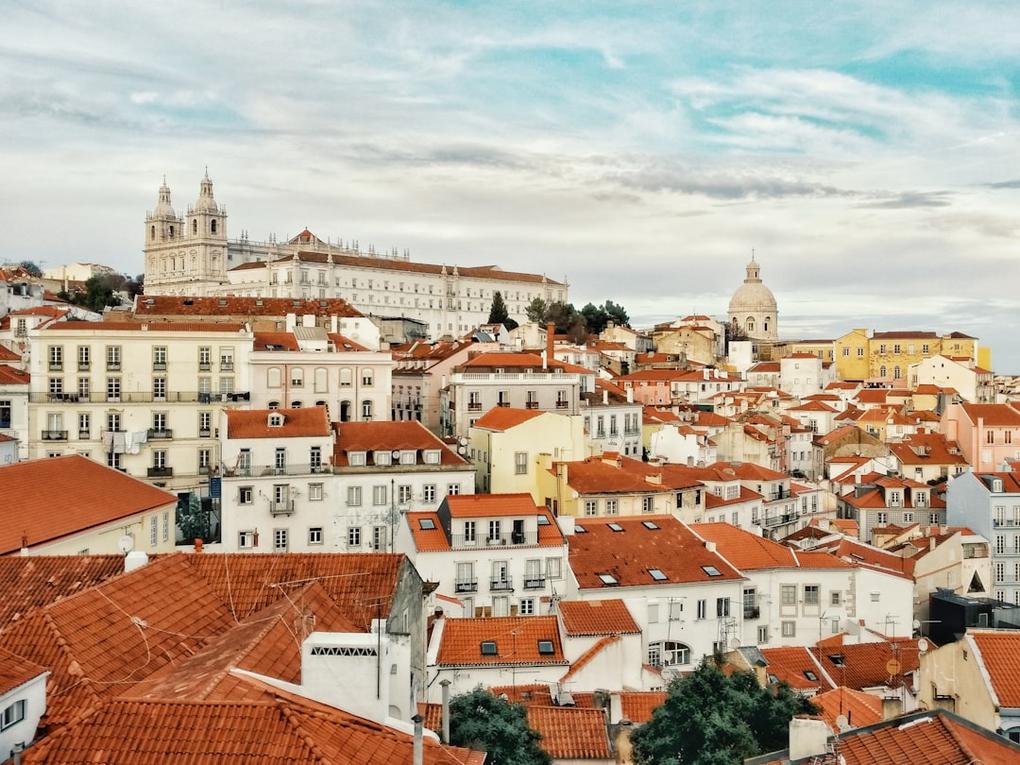
Portugal offers hotelQuality score of 80; expect mid-range hotels in Baixa or Alfama for $70 – $120. Greece’s hotelQuality is 80; good mid-range stays are in Plaka or Koukaki for similar prices.
Weak spots include Portugal’s outskirts, where quality drops sharply, and Greece’s less-developed islands, with limited options. Avoid cheap listings on unverified platforms in remote areas to prevent surprises. Hotels Portugal Greece’s lesser-known neighborhoods like Exarcheia or Piraeus can offer better value and fewer crowds.
See full lodging breakdown by budget
Accommodation Options
| Type | Country A | Country B |
|---|---|---|
| Budget hostels | Lisbon Bairro Alto, $20 – $40 | Athens Omonia, $15 – $35 |
| Mid-range hotels | Baixa, $70 – $120 | Koukaki, $70 – $120 |
| Boutique stays | Chiado, $100 – $180 | Plaka, $100 – $180 |
| Luxury resorts | Algarve coast, $200+ | Santorini, $250+ |
| Alternatives | Airbnb apartments | Villas in Crete |
Booking tip: Book mid-range hotels in neighborhoods with good transit links via Booking.com, ideally 2 months ahead.
What It Feels Like on the Ground
In Lisbon, mornings start with the scent of fresh baked pastel de nata and the sound of trams clattering through narrow streets.
In Athens, the midday sun beats down on ancient ruins, with the aroma of grilled souvlaki drifting from nearby tavernas.
Portugal demands patience with its winding streets and slow-paced cafes, while Greece pushes you to keep moving through bustling markets and historic sites. Each country tests your stamina differently.
A trip in Portugal lets you linger over wine and explore quiet coastal villages, while Greece’s islands invite long days of swimming and island-hopping that keep you constantly on the move.
Portugal highlights
- Belém Tower(Lisbon)
Iconic fortress with panoramic river views, best at sunset. - Algarve Beaches(Southern Portugal)
Cliffside coves with golden sands and clear Atlantic water. - Sintra Palaces(Sintra)
Fairy-tale castles nestled in lush hills, perfect for day trips. - Port Wine Cellars(Porto)
Tour historic cellars and sample world-famous port.
Greece highlights
- Acropolis(Athens)
Ancient ruins with sweeping city views, iconic at sunrise. - Santorini Sunset(Santorini)
Cliffside views with vibrant sunset colors over the caldera. - Mykonos Windmills(Mykonos)
Picturesque windmills overlooking the Aegean Sea. - Delphi Ruins(Delphi)
Ancient oracle site with mountain backdrop, ideal for history buffs.
Ideal duration: Portugal: 10 – 14 days, enough to explore Lisbon, Porto, and coastal villages without rushing. · Greece: 10 – 14 days, covers Athens, Santorini, and key archaeological sites comfortably.
Do
- Portugal: Ride Tram 28 through Lisbon’s historic neighborhoods
- Portugal: Taste port wine in Vila Nova de Gaia
- Portugal: Hike along the Algarve coast
- Portugal: Visit Sintra’s palaces
- Greece: Climb the Acropolis early morning
- Greece: Take a boat tour around Santorini
- Greece: Explore the ancient site of Delphi
- Greece: Sample local cheeses in Crete
Don’t
- Portugal: Skip overhyped tourist traps in Bairro Alto
- Portugal: Avoid rushing through Lisbon’s museums
- Portugal: Ignore small villages outside major cities
- Greece: Avoid overpacked tourist beaches in Mykonos
- Greece: Skip the crowded tavernas in tourist hotspots
- Greece: Ignore the need for reservations in high season
Choose based on
- If you prefer relaxed pace and coastal scenery, choose Portugal. Pack Lightly safety score 90.
- If you want ancient ruins and island-hopping, choose Greece, more active, with a focus on history and beaches.
- If your trip is 7 – 10 days, Portugal offers more variety without rush.
- If you have 10+ days, Greece’s islands and archaeological sites justify the longer stay.
Portugal’s relaxed pace means less rushing, but Greece’s islands demand more planning and stamina.
How safe is it really
Safety overview
Portugal
Greece

Portugal scores 90 on safety, Greece 85. Portugal is slightly safer overall, especially for solo female travelers. Both countries are generally safe, but staying vigilant in busy tourist areas is wise.
See detailed safety factors table
Safety Factors Comparison
| Factor | Portugal | Greece | Practical Tip |
|---|---|---|---|
| Pickpocketing | Moderate risk in Lisbon’s Baixa district, use a money belt. | Higher risk in Athens’ Monastiraki area, keep valuables close. | Use apps like WalletGuard to monitor your belongings. |
| Tourist scams | Fake taxi drivers near major sights, always book official taxis. | Overpriced souvenirs in Santorini, agree on prices upfront. | Download local taxi apps or use ride-hailing services. |
| Solo female traveler safety | Very safe, especially in Lisbon’s neighborhoods like Alfama. | Generally safe, but avoid isolated areas at night in Athens. | Stay in well-lit, populated areas after dark. |
| Health risks | Minimal health risks, good healthcare infrastructure. | Same, but watch out for heat exhaustion in summer. | Carry hydration and use health apps for nearby clinics. |
| Road safety | Driving is safe, but narrow streets in historic districts require caution. | Driving can be risky in rural areas, watch for aggressive drivers. | Use GPS with real-time traffic updates. |
| Natural disasters | Low risk, occasional wildfires in summer. | Low risk, some earthquake activity in Athens region. | Check local alerts via weather apps before travel. |
Scam spotlight: Athens taxi stands
How it works: Fake taxi drivers overcharge tourists by claiming meter issues or taking longer routes.
How to avoid: Always use official ride-hailing apps or pre-book taxis.
Watch out: Overpaying for taxis or souvenirs can cost hundreds of dollars over a trip.
Insider tip: In Lisbon, avoid tourist traps by exploring neighborhoods like Graça and Mouraria.
Visa & Entry Requirements
US citizens do not need a visa for Portugal or Greece for stays up to 90 days. Both countries require an ETIAS authorization costing $22, valid for 90 days.
Full visa & entry requirements table
Visa Requirements Comparison
| Requirement | Portugal | Greece | Practical Note |
|---|---|---|---|
| Visa requirement | No visa needed for 90 days, ETIAS required. | No visa needed for 90 days, ETIAS required. | Apply for ETIAS via travel-europe.europa.eu/etias_en before travel. |
| Visa type & cost | ETIAS, $22 | ETIAS, $22 | Cost is the same; process is straightforward online. |
| Application process | Online via travel-europe.europa.eu/etias_en | Same as Portugal | Apply at least 72 hours before departure. |
| On-arrival option | No, ETIAS required beforehand | No, ETIAS required beforehand | No visas issued on arrival; plan ahead. |
| Max stay & extension | 90 days, no extension | 90 days, no extension | Stay within the 90-day limit to avoid penalties. |
Visa rules can change quickly; always check official government sites before booking. ETIAS is a new system, so verify your approval before travel.
Getting around in Portugal and Greece

Portugal’s infrastructure scores 85, Greece’s 80. Portugal is easier for quick, reliable travel between cities and regions. Both countries have decent public options, but Portugal’s system is more streamlined and consistent.
Compare every transport option side-by-side
Transport Comparison: Portugal vs Greece
| Mode | Portugal | Greece | Practical Note |
|---|---|---|---|
| Domestic flights | Available between Lisbon, Porto, Faro, and islands, ~$50 – $150, 1 – 2 hours | Available between Athens, Thessaloniki, Crete, Rhodes, ~$60 – $200, 1 – 2 hours | Flights are quick but add cost and time; best for island trips or long distances. |
| Buses | Extensive network, ~$10 – $30, 1 – 6 hours depending on route | Good coverage, ~$10 – $35, 1 – 8 hours, especially on mainland | Cheap and reliable for most routes; schedules are consistent but slow for long hauls. |
| Trains | Modern network, high-speed options, ~$15 – $50, 1 – 4 hours | Limited high-speed, ~$20 – $60, 2 – 6 hours, mainly on mainland | Portugal’s trains are faster and more frequent; Greece’s are more limited outside major cities. |
| Taxi/ride-hailing | Widely available in cities, ~$5 – $20 per ride | Available in cities, ~$5 – $25, less common outside urban areas | Convenient for short trips; expect higher costs in tourist hotspots. |
| Ferries | Frequent between Lisbon, Cascais, and nearby beaches, ~$10 – $20 | Frequent between Athens, islands, ~$10 – $30, essential for island hopping | Ferries are reliable; Greece’s ferry network is more extensive for islands. |
| Scooter rental | Popular in Lisbon, ~$25/day, good for city exploration | Available in Athens and islands, ~$20/day, ideal for short distances | Great for city cruising; traffic can be dense, so ride carefully. |
| Bicycle rental | Available in cities and some coastal areas, ~$10 – $15/day | Available in Athens and some islands, ~$10 – $20/day | Best for short, scenic rides; infrastructure supports cycling in cities. |
Portugal’s transport system is more modern and reliable overall, especially for trains and internal flights. Greece’s ferry network is a major plus for island-hopping but can be slower and less predictable. Both countries are manageable without a car, but Portugal’s infrastructure makes it easier to move efficiently. Book transport
App tip: Use Rome2rio for route planning and schedules across both countries.
Clear English Gets You Far, But Not Everywhere
In Portugal, English is widely spoken in Lisbon and tourist hotspots, but less so in rural areas. Greece’s major islands and Athens have good English coverage, yet rural villages can be challenging. Apps like Google Translate can bridge the gap when locals don’t speak your language. Expect to struggle with menus or directions outside the main tourist zones without it.
App tip: Google Translate app for instant language help on the go.
Reliable Wi-Fi and Mobile Data Are Standard
Wi-Fi is common in cafes, hotels, and airports across both countries. Mobile data coverage is solid in cities but can be spotty in remote areas. Cash is still king at small shops and markets, but cards are accepted at most restaurants and hotels. eSIM Portugal and eSIM Greece make staying connected easier without local SIM hassle.
eSIM picks:
Portugal: Airalo, $10, 3GB
Greece: GigSky, $12, 3GB
Cash is still preferred at small vendors and rural spots; cards dominate in urban areas and tourist spots.
When to go
When to go, month by month
Portugal
Greece
Portugal
Greece

Both Portugal and Greece shine in late spring and early fall. Portugal’s shoulder seasons are more forgiving, with milder weather and less rain. Greece peaks in summer but can be very hot and crowded. Choose your timing based on your tolerance for heat and crowds.
Full season-by-season climate breakdown
Seasonal Comparison
| Season | Portugal | Greece | Best Pick | Notes |
|---|---|---|---|---|
| Winter (Dec – Feb) | Average temps 12 – 16°F / -11 – -9°C, rain varies, mostly mild, some rain days. | Temps 11 – 19°F / -12 – -7°C, some rain, cooler, fewer tourists. | Portugal | Milder winter, fewer rain days, easier to explore. |
| Spring (Mar – May) | Temps 55 – 70°F / 13 – 21°C, low rain, pleasant, ideal for sightseeing. | Temps 50 – 75°F / 10 – 24°C, some rain, warm enough for outdoor activities. | Portugal | Less crowded, comfortable weather, good for city and coast. |
| Summer (Jun – Aug) | Temps 65 – 80°F / 18 – 27°C, dry, hot, peak season for beaches. | Temps 75 – 85°F / 24 – 29°C, very hot, crowded, best for islands and beaches. | Greece | High heat and crowds, best for beach lovers. |
| Fall (Sep – Nov) | Temps 65 – 75°F / 18 – 24°C, low rain, still warm, fewer tourists. | Temps 55 – 75°F / 13 – 24°C, some rain, less crowded, good for sightseeing. | Portugal | Ideal shoulder season, mild weather, fewer tourists. |
Climate tip: Visit Portugal in May or September for warm weather with minimal rain and crowds.

The call
Portugal offers better shoulder season weather, less crowding, and milder winters. Greece is best in summer for island-hopping and beaches. If you prefer city exploration and mild seasons, choose Portugal. For beach and island focus during peak season, Greece wins. Both are excellent, but your trip style determines the best choice.
Comparison Summary
| Topic | Winner | Reason |
|---|---|---|
| Budget | tie | Similar costs, both affordable for mid-range travelers. |
| Nature | Greece | More diverse landscapes, islands, and coastlines. |
| Culture | Portugal | Rich history, vibrant cities, and diverse architecture. |
| Cities | Portugal | Lisbon and Porto offer more urban variety. |
| Food & drinks | tie | Both excel in local cuisine and fresh ingredients. |
| Accommodation | tie | Wide range of options in both countries. |
| Transport | Greece | Better internal flights and ferry networks for islands. |
| Safety | Portugal | Slightly lower crime rates and safer infrastructure. |
| Crowds | Portugal | Less crowded outside peak summer months. |
| Digital infrastructure | tie | Good connectivity in both destinations. |
The bottom line
Portugal is the more versatile choice for year-round comfort; Greece excels in summer beach trips.
Choose Portugal if city culture, milder shoulder seasons, and ease matter most. Opt for Greece if island adventures and summer beaches are your priority.
Book your trip
Using these links supports Pack Lightly at no extra cost to you.
Still weighing your options? See how Spain compares to Portugal, how Portugal stacks up against Malta, or how Spain compares to Greece for a different Mediterranean mix.
Your questions, answered
01Which country is cheaper in 2026?
Portugal generally offers more budget-friendly options, especially in accommodation and dining, with costs about 10-15% lower than Greece. Expect to spend around $80-120 per day in Portugal versus $100-150 in Greece.
02Best time to visit, month-by-month comparison
Visit Portugal from May to September for warm, dry weather ideal for beaches and outdoor activities. Greece peaks from June to September, but shoulder months like May and October offer fewer crowds and better prices.
03Safety comparison for solo travelers
Both countries are safe for solo travelers, but Portugal scores slightly higher for overall safety and lower petty crime rates. Portugal’s relaxed vibe makes it easier to navigate alone.
04Visa requirements and process for US citizens
US citizens need an ETIAS authorization for both Portugal and Greece, costing $22 and valid for 90 days. Apply online via travel-europe.europa.eu/etias_en, no visa needed for stays under three months.
05Which country is better for beaches and island hopping?
Greece dominates with its iconic islands like Santorini and Mykonos, perfect for island-hopping. Portugal offers great Atlantic beaches, but Greece’s islands are more diverse and scenic.
06Which has richer cultural experiences and historical sites?
Greece takes the lead with ancient ruins, temples, and archaeological sites like Athens’ Acropolis. Portugal offers historic neighborhoods and castles, but Greece’s ruins are more iconic.
07Which country is better for nature, hiking, and adventure?
Portugal’s lush landscapes, mountains, and coastal trails make it a top choice for outdoor activities. Greece’s rugged terrain and scenic islands also offer good hiking, but Portugal’s diversity is broader.
08Which has better street food and local cuisine?
Both countries excel in street food, but Greece’s souvlaki, gyros, and fresh seafood stand out. Portugal’s pastel de nata and seafood dishes are top-tier, but Greece’s flavors are more distinctive.
Insider tip: Travel in shoulder seasons for the best mix of weather, fewer crowds, and lower prices in both countries.


