


For most travelers, Spain offers better value and easier logistics; Italy suits those seeking art and cuisine with more planning.
Choose Italy if you prioritize cultural immersion and don’t mind higher costs and effort.
Decide between Spain’s beaches and Italy’s art for your next European escape.
Planning a trip between Spain and Italy often comes down to what you want from your vacation. Are you after lively beaches, nightlife, and relaxed days? Or do you prefer art, history, and culinary adventures? The choice isn’t just about scenery but how much effort and money you’re willing to invest. Both countries attract millions, but they cater to different travel styles. Your decision impacts everything from daily costs to travel logistics. Knowing which country aligns with your trip goals saves time and avoids frustration.

Right now, travelers face a clear decision: Spain offers more beach days and party scenes, while Italy delivers a concentrated dose of culture and cuisine. The key difference? Spain’s lower visa barrier and more straightforward infrastructure make it easier for a quick, budget-friendly trip. Italy’s cultural depth demands more planning but rewards with iconic sights and food. Keep reading to see which country matches your travel style and how to make the most of your time abroad.
Insider tip: Book flights early in the off-season for better deals and fewer crowds in both countries.
Spain’s higher safety score means less worry about petty crime and better overall security for travelers.
Key Differences Between Spain and Italy
| Topic | Country A | Country B |
|---|---|---|
| Travel vibe | Lively beaches, nightlife, party towns like Barcelona | Art museums, historic sites, slow-paced cities like Rome |
| Budget level | Average daily cost around $80, cheaper hostels | Average $100, more premium options |
| Top destinations | Barcelona, Costa del Sol, Ibiza | Rome, Florence, Venice |
| Nature & landscape | Beaches, mountains in the Pyrenees | Rolling hills, lakes, coastal cliffs |
| Food & cuisine | Tapas, paella, affordable street eats | Pasta, pizza, high-end trattorias |
| Accommodation quality | Wide range, budget options available | Higher average quality, boutique hotels |
| Crowds in peak season | Very crowded in summer, especially beaches | Crowded at major sights, less on beaches |
| Transport & infrastructure | Good train network, budget airlines | Excellent train system, internal flights common |
| Safety | Pack Lightly’s safety score 85/100 | Score 80/100, slightly more petty crime |
| Visa requirements | No visa needed for US citizens for 90 days | Same, but border crossings can be slower |

Best for Spain
- Beach lovers on a $80/day budget
- Nightlife seekers in lively cities
- Travelers wanting easy logistics
Best for Italy
- Culture and art enthusiasts
- Foodies chasing authentic Italian cuisine
- Travelers willing to plan more for iconic sights
Top Takeaways
- Choose Spain if you want beach days and nightlife without high costs.
- Pick Italy for cultural depth and culinary experiences, but expect higher prices.
- Spain’s safety score (85/100) offers peace of mind for solo travelers.
- Italy’s attractions demand more planning but deliver historic sights.
- Spain’s infrastructure makes short trips easier, especially with budget airlines.
- Italy’s visa process is straightforward, but border crossings can slow down travel.
Pack Lightly Scores
11 categories scored from 0 (low) to 100 (high)
Still can’t decide?
Use the comparison tool to see how Spain and Italy stack up across 11 key categories tailored to your travel style. Filter by timing to find the perfect window for your trip.
Cost breakdown

For a mid-range traveler, Spain is cheaper than Italy by about $15 per day. Spain’s daily budget ranges from $80 to $120 USD, while Italy’s is $95 to $135 USD. Both countries use the euro, with 1 USD = 0.911 euro.
Daily costs comparison
| Category | Spain | Italy |
|---|---|---|
| Backpacker daily budget | €15-€20 ($13- $18) | €20-€25 ($18- $23) |
| Mid-range daily budget | €80-€120 ($73- $110) | €95-€135 ($87- $124) |
| Luxury daily budget | €200+ ($183+) | €250+ ($229+) |
| Street food meal | €3-€6 ($3- $5) | €4-€8 ($4- $7) |
| Restaurant meal | €10-€20 ($9- $18) | €12-€25 ($11- $23) |
| Local transport (per day) | €2-€4 ($2- $4) | €3-€6 ($3- $5) |
| Activities/tours (average) | €20-€50 ($18- $45) | €25-€60 ($23- $55) |
Spain is the cheaper option for mid-range travelers, saving about $15 daily compared to Italy. Pack Lightly budgetFriendly: Spain 60, Italy 55. Book Hotels Spain in Spain for better deals. Opt for local markets and free city tours to cut costs. Watch out for hidden fees like city taxes or attraction surcharges. The daily budget difference for a mid-range trip is roughly $15, making Spain the smarter choice for budget-conscious travelers.
What You’ll Eat
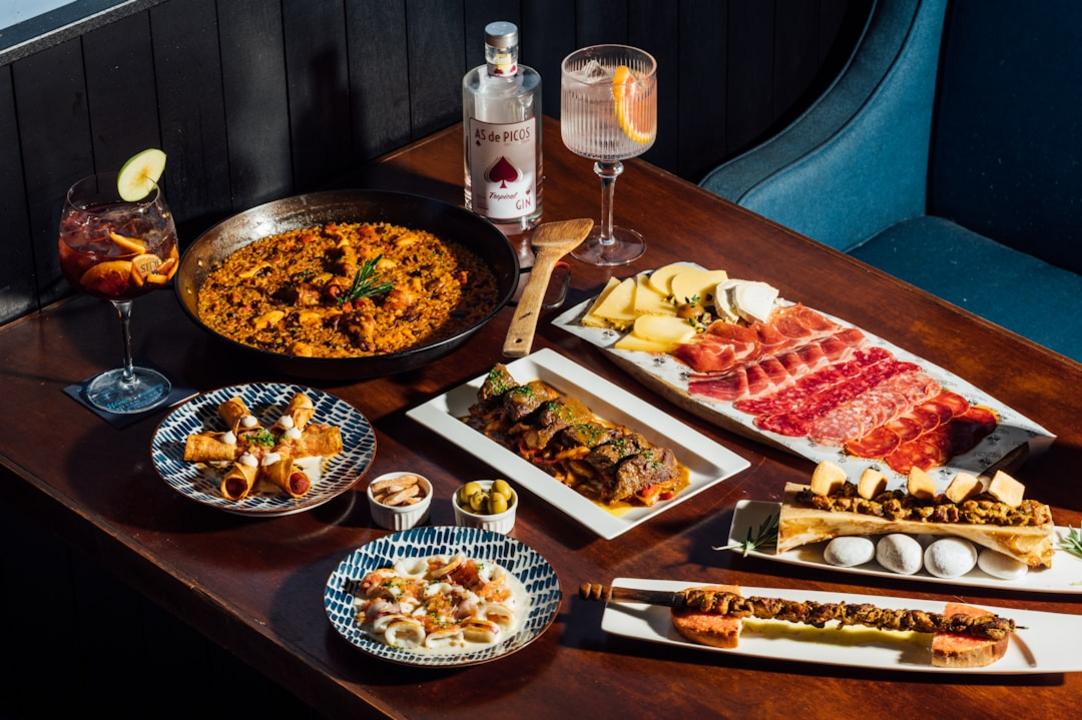
Spain’s tapas scene is unbeatable. Small plates like patatas bravas and jamón ibérico cost around $10 for a plate in Madrid. Italy offers pasta dishes like carbonara and pizza Margherita for about $12 in Rome, with fresh ingredients making a difference.
Vegetarian options are plentiful in Italy, especially in Rome and Florence, with many trattorias offering veggie pasta and antipasti. Spain is strong on seafood and ham, but vegetarian choices can be limited outside major cities.
Drinks are social in both countries. Spain’s local beer Estrella Damm is easy to find for $3 a bottle, and sangria is a staple. Italy’s regional wines like Chianti or Prosecco cost about $8 – $12 per glass, perfect for sharing.
(Variant B only) Dealbreaker foods include Spain’s gazpacho, which some find bland, and Italy’s tripe dishes, which are an acquired taste. Avoid if you dislike offal or cold soups.
| Signature Dish | Street Food Quality | Vegetarian-Friendly | Restaurant Variety | Drink Culture |
|——————|———————|———————|———————|—————-|
| Patatas Bravas | Excellent in Madrid markets | Very good | Wide range from tapas bars to fine dining | Tapas and local beers |
| Pizza Margherita | Consistent in Naples pizzerias | Good | Pizzerias dominate | Local wines and beers |
| Jamón Ibérico | Top quality in Madrid | Limited outside major cities | Tapas bars | Sangria and regional wines |
| Carbonara | Classic in Rome | Excellent | Wide from casual to upscale | Local wines and beers |
| Estrella Damm | Popular in Spain | N/A | N/A | $3 per bottle |
insider_tip: Try jamón ibérico at Mercado de San Miguel in Madrid for the best quality at fair prices. Look for small plates, not big portions, to sample more.
Signature Dishes & Food Quality
| Category | Spain | Italy |
|---|---|---|
| Signature Dish | Patatas Bravas, $10, Madrid markets, iconic Spanish tapas | Pizza Margherita, $12, Naples, classic Italian comfort food |
| Street Food Quality | Excellent, lively markets | Very good, authentic pizzerias |
| Vegetarian-Friendly | Limited outside cities | Plenty of veggie pasta and antipasti |
| Restaurant Variety | Wide, from casual to upscale | Very wide, from trattorias to fine dining |
| Drink Culture | Tapas, local beers | Regional wines, aperitivo culture |
Jamón Ibérico
Best quality ham, slices for around $15, perfect for tasting Spain’s culinary pride
Insider tip: Visit Mercado de San Miguel early in the day for the freshest jamón and a variety of small bites.
Where to Sleep

Spain’s hotel quality score is 85; in Madrid, neighborhoods like Malasaña and La Latina offer great options for $70 – $150 a night. Italy’s hotel quality is also 85; in Rome, Trastevere and Monti are popular for mid-range stays around $80 – $160.
Both countries have weak spots. Spain’s outskirts can be hit-or-miss, and Italy’s smaller towns lack consistent quality. Avoid booking on platforms with poor reviews or in neighborhoods known for noise and sketchy service.
(Variant B only) Hidden gems include Madrid’s Lavapiés and Rome’s San Lorenzo, which offer authentic stays at lower prices and fewer tourists.
| Budget Hostels | Spain (Madrid, $25 – $50) | Italy (Rome, $30 – $55) |
|—————-|————————|————————|
| Mid-range Hotels | Madrid, La Latina, $70 – $150 | Rome, Trastevere, $80 – $160 |
| Boutique Stays | Madrid, Malasaña, $100 – $200 | Rome, Monti, $100 – $200 |
| Luxury Resorts | Costa del Sol, $200+ | Amalfi Coast, $250+ |
| Alternatives | Guesthouses, Airbnb | B&Bs, Airbnb |
booking_tip: Book mid-range hotels in neighborhoods like La Latina or Trastevere via Booking.com at least 3 months ahead for best deals.
budget_spotlight: In Madrid, stay in La Latina for around $80 a night, with easy access to tapas bars. In Rome, Trastevere offers similar prices and lively streets.
On the ground

Spain feels lively from dawn, with street cafes spilling into plazas, the scent of churros and sangria in the air.
Italy offers a more measured pace, mornings spent in quiet piazzas, the aroma of fresh espresso and baked bread filling narrow streets.
Spain demands your energy, late-night tapas, bustling markets, while Italy invites you to slow down, savoring each moment and meal.
Spain’s vibrant street life can be overwhelming if you seek calm, whereas Italy’s relaxed pace suits lingering over meals and art.
Spain highlights
- La Sagrada Familia(Barcelona)
Gothic-modern basilica with intricate facades, buzzing with tourists and street performers. - Alhambra Palace(Granada)
Moorish fortress with lush gardens, stunning architecture, and panoramic views. - Seville Cathedral(Seville)
Massive Gothic cathedral, home to the Giralda tower, lively flamenco nearby. - Ibiza Beaches(Ibiza)
Cliffside coves and lively beach clubs, perfect for sun and party.
Italy highlights
- Colosseum(Rome)
Ancient amphitheater, iconic symbol of Roman engineering and gladiator fights. - Venice Canals(Venice)
Winding waterways, gondola rides, and historic bridges in a floating city. - Uffizi Gallery(Florence)
World-class art collection, Renaissance masterpieces, and historic architecture. - Amalfi Coast(Southern Italy)
Cliffside villages, stunning sea views, and scenic drives. - Tuscany Countryside(Tuscany)
Vineyards, rolling hills, and rustic farm stays for relaxed exploration.
Ideal duration: Spain: 10 – 14 days, enough to cover major cities, beaches, and relax in cafes. · Italy: 10 – 14 days, balances art, history, and coastal leisure without rushing.
Do
- Spain: Visit La Sagrada Familia in Barcelona
- Spain: Explore Alhambra Palace in Granada
- Spain: Party at Ibiza’s beach clubs
- Italy: Tour the Colosseum in Rome
- Italy: Gondola ride in Venice
- Italy: Taste wine in Tuscany
- Italy: Hike along Amalfi Coast
- Italy: Visit Uffizi Gallery in Florence
Don’t
- Spain: Skip overhyped souvenir shops in tourist hotspots
- Spain: Avoid rushing through Seville’s attractions
- Spain: Don’t stay only in Madrid, explore beyond
- Italy: Avoid overbooked museums without reservations
- Italy: Skip tourist trap restaurants near major sights
- Italy: Don’t rush through Venice’s alleys
Choose based on
- If you want lively nightlife and beaches, choose Spain. Pack Lightly safety score 85.
- If you prefer art, history, and slower pace, choose Italy, 95 on culture and food.
- For a shorter trip with diverse city life, pick Spain.
- For a trip focused on art and scenic drives, pick Italy.
Spain offers vibrant nightlife and beaches but can be overwhelming; Italy rewards with art and relaxed pace, but slower city visits.
Getting around in Spain and Italy

Spain’s infrastructure scores 90, Italy’s 85. Both countries have solid options, but Spain offers slightly easier internal travel. Expect fewer surprises in Spain’s domestic connections, especially for longer distances.
Compare every transport option side-by-side
Transport Options Comparison: Spain vs Italy
| Mode | Spain | Italy | Practical Note |
|---|---|---|---|
| Domestic flights | Available, frequent, $50 – $150, 1 – 2 hours | Available, frequent, $60 – $160, 1 – 2 hours | Both countries have good coverage, but Spain’s airports are more centralized. |
| Buses | Extensive network, $10 – $30, 2 – 8 hours | Extensive, $10 – $30, 3 – 9 hours | Buses are reliable in both, but Spain’s routes are more direct for long-distance travel. |
| Trains | High-speed, $20 – $80, 1 – 4 hours | High-speed, $25 – $90, 1 – 4 hours | Spain’s AVE trains are faster and more punctual; Italy’s are good but less frequent. |
| Taxi/ride-hailing | Widely available, $3 – $10 per mile | Widely available, $3 – $10 per mile | Both are convenient in cities, but expect surge pricing in peak hours. |
| Ferries | Limited, $15 – $50, 30 min – 2 hours | Limited, $20 – $60, 30 min – 2 hours | Useful for coastal trips, especially in Spain’s Balearic Islands. |
| Scooter rental | Popular, $15 – $30/day | Popular, $15 – $30/day | Great for city exploration; both countries have dense urban zones. |
| Bicycle rental | Widely available, $10 – $20/day | Widely available, $10 – $20/day | Ideal for city and countryside; both countries support cycling. |
Spain’s infrastructure makes internal travel easier and more predictable. Trains and flights are more frequent and reliable, especially for longer distances. Use Book transport for quick bookings and route planning.
App tip: Use Rome2rio for comprehensive route planning across modes.
Speak the Language, Skip the Headache
English is somewhat common in major cities like Madrid, Barcelona, Rome, and Milan, but it drops off in rural areas. Expect to struggle with menus and directions outside tourist zones. Download Google Translate for instant help, it works offline and covers both countries well. Knowing basic phrases like ‘Hello,’ ‘Thank you,’ and ‘Where is…?’ will save you time and frustration. In Spanish, ‘Hola,’ ‘Gracias,’ ‘¿Dónde está…?’; in Italian, ‘Ciao,’ ‘Grazie,’ ‘Dove…?’. Use Google Translate app for quick translations on the go.
App tip: Google Translate app, offline mode, instant translations, covers both countries.
Stay Connected Without Breaking the Bank
Wi-Fi is widespread in cafes, hotels, and airports, but don’t rely on it exclusively. Mobile data is reliable in cities but can be spotty in rural areas. Cash still rules in small shops and markets, but cards are accepted almost everywhere in cities. eSIM Spain and eSIM Italy make staying online easy without local SIMs. Download your eSIM before departure to avoid delays and high roaming fees.
eSIM picks:
Spain: Airalo, $10, 3GB
Italy: Truphone, $12, 3GB
Cash is still king in small towns and markets; cards dominate in cities and tourist spots.
Optimal Travel Windows
When to go, month by month
Spain
Italy
Spain
Italy

Spring (April – May) and fall (September – October) offer the best weather for both. Spain’s shoulder seasons are more forgiving, especially in late spring. Italy’s summer can be hot and crowded, but spring and fall are ideal for avoiding the heat and crowds.
Full season-by-season climate breakdown
Seasonal Climate Comparison
| Season | Spain | Italy | Best Pick | Notes |
|---|---|---|---|---|
| Winter (Dec – Feb) | Temps 6 – 28°F / -14 – -2°C, rain varies, Madrid is cold and wet, especially Jan and Feb. | Temps 8 – 28°F / -13 – -2°C, rain 44 – 90mm, Rome is chilly, some rain, less crowded. | Italy | Mild weather and fewer tourists in Italy’s winter. |
| Spring (Mar – May) | Temps 10 – 70°F / -12 – 21°C, rain 17 – 111mm, Spain warms quickly, spring blooms. | Temps 12 – 73°F / -11 – 23°C, rain 24 – 124mm, Italy’s spring is warm and dry. | depends | Both countries are pleasant, but Italy’s spring is more consistently dry. |
| Summer (Jun – Aug) | Temps 17 – 84°F / -8 – 29°C, rain 0 – 107mm, hot in Spain, beach season peaks. | Temps 18 – 84°F / -8 – 29°C, rain 17 – 140mm, Italy is hot, crowded, especially July and August. | Spain | Spain offers more beach options and less congestion in summer. |
| Fall (Sep – Nov) | Temps 11 – 28°C, rain 19 – 107mm, Spain cools but still warm early fall. | Temps 12 – 21°C, rain 20 – 149mm, Italy’s fall is mild but wetter later. | Spain | Spain’s fall is more stable and less rainy overall. |
Climate tip: Late spring (April – May) and early fall (September) are best for avoiding extreme heat and crowds.

The Clear Choice
For most travelers, Spain is the better pick. It offers more reliable shoulder seasons, better beach weather, and less summer congestion. Italy shines if you want art, history, and cuisine during a specific festival or slow period. But overall, Spain’s climate and ease make it the smarter option for a 10-14 day trip.
Travel Preference Breakdown
| Topic | Winner | Reason |
|---|---|---|
| Budget | tie | Similar costs, no significant difference in daily expenses. |
| Nature | Italy | More varied landscapes, from mountains to lakes. |
| Culture | Italy | Rich art, history, and architecture. |
| Cities | tie | Both have vibrant urban centers. |
| Food & drinks | tie | World-renowned cuisine in both countries. |
| Accommodation | tie | Comparable quality and options. |
| Transport | Spain | Better internal flight network, easier to hop between regions. |
| Safety | tie | Both are safe for travelers. |
| Crowds | Spain | Less crowded outside peak summer months. |
| Digital infrastructure | tie | Strong connectivity in both. |
The bottom line
Spain offers better weather flexibility and beach access for a shorter trip.
Weighing other Mediterranean pairings? See how Spain compares to France or how Italy compares to Greece for a similar 7 to 21 day trip. For a coastal alternative to Italy, check Italy versus Croatia.
Choose Spain if you want beaches, nightlife, and a relaxed pace. Italy suits art lovers and food enthusiasts seeking cultural depth.
Book your trip
Using these links supports Pack Lightly at no extra cost to you.
Quick Questions About Spain vs Italy
01Which country is cheaper in 2026?
Spain is generally more budget-friendly, especially on food and accommodation, with costs about 10-15% lower than Italy. Expect to spend around $80-120/day in Spain versus $100-150 in Italy.
02Best time to visit, month-by-month comparison
Visit Spain in spring (April to June) or fall (September to October) for mild weather and fewer crowds. Italy peaks in late spring and early fall; summer gets hot and crowded, especially in coastal areas.
03Safety comparison for solo travelers
Both countries are safe for solo travelers, but Spain’s larger cities like Madrid and Barcelona have slightly higher petty crime rates. Stay alert, especially at night, and avoid isolated areas.
04Visa requirements and process for US citizens
US citizens need an ETIAS authorization for both Spain and Italy, costing $22 and valid for 90 days. Apply online before travel; no visa needed for stays under 90 days.
05Which country for first-time visitors to this region?
Spain is the better first stop with its easier logistics, English-friendly tourist infrastructure, and diverse attractions. Italy’s art and history are richer but require more planning.
06Which has better street food and local cuisine?
Spain wins with its vibrant tapas scene, paella, and local markets. Italy’s pasta, pizza, and gelato are iconic, but Spain’s variety and affordability give it an edge.
07Which country is better for beaches and island hopping?
Spain’s Costa del Sol, Balearic Islands, and Canary Islands offer more variety and better beaches. Italy’s Amalfi Coast and Sardinia are stunning but more expensive and crowded.
08Which has richer cultural experiences and historical sites?
Italy’s ancient ruins, Renaissance art, and UNESCO sites surpass Spain’s offerings. Expect more iconic landmarks like Rome’s Colosseum and Florence’s museums.
Insider tip: Travel in shoulder seasons to avoid crowds and get better deals, especially in Spain’s coastal regions or Italy’s historic cities.


