


Kenya is the better choice for a wide-ranging safari experience, thanks to easier logistics and broader wildlife options.
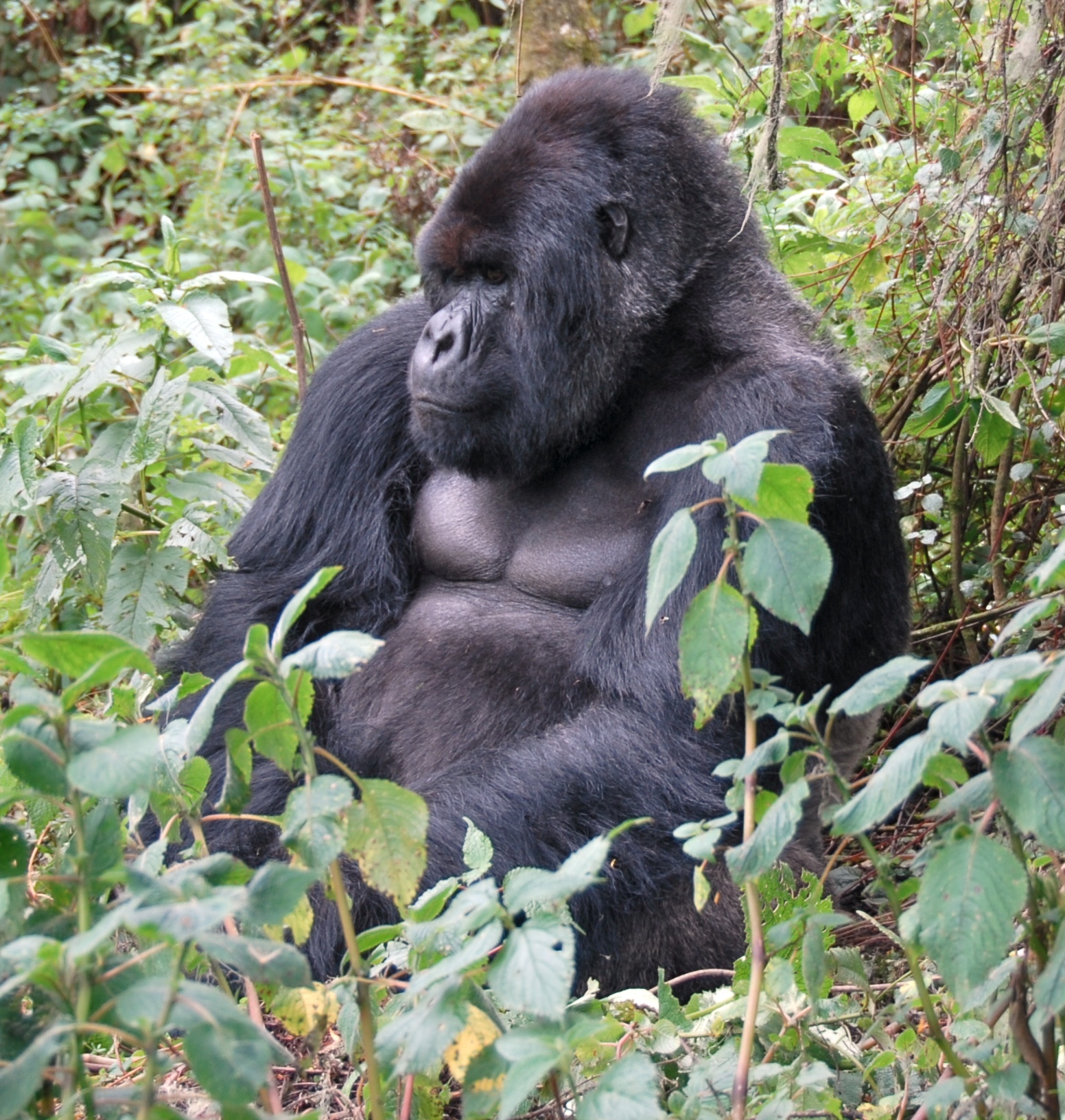
Choose Uganda if gorilla trekking is your main goal and you can plan permits well in advance.
Deciding between Kenya’s big-game safaris and Uganda’s mountain gorillas? Here’s what you need to know.
Planning a trip to East Africa often boils down to a choice: do you chase the iconic safari experience in Kenya or focus on Uganda’s legendary mountain gorillas? Both countries attract travelers seeking wildlife encounters, but the logistics, costs, and vibe differ sharply. Kenya offers vast savannahs with big cats and elephants, while Uganda’s dense forests promise close-up gorilla sightings. Your decision hinges on what kind of adventure you want and how much planning you’re willing to do. This comparison cuts through the hype to give you real-world insights for a smarter trip.

Timing matters. Kenya’s dry season from July to October is prime for game drives, but Uganda’s gorilla trekking is best in the dry months of June to September. Costs vary, with Uganda generally cheaper for permits and local expenses. If you’re short on time, Kenya’s well-developed infrastructure makes logistics easier. But if gorilla encounters top your list, Uganda’s dense forests deliver. Keep reading to see how these differences stack up for your travel style and priorities.
Insider tip: Book gorilla permits in Uganda at least 6 months ahead; Kenya’s safari parks are easier to access last-minute.
Kenya offers broader open plains, while Uganda’s forests are denser and more varied, shaping your wildlife experience.
Kenya vs Uganda: Key Differences
| Topic | Kenya | Uganda |
|---|---|---|
| Travel vibe | Big-sky savannah safaris, energetic cities | Lush forest treks, laid-back pace |
| Budget level | $55-$85/day mid-range | $50-$80/day mid-range |
| Top destinations | Maasai Mara, Nairobi, Lamu Island | Bwindi Forest, Queen Elizabeth NP, Jinja |
| Nature & landscape | Open plains, big game | Dense rainforest, gorillas |
| Food & cuisine | Wider variety, strong street food scene | Hearty, fewer vegetarian options |
| Accommodation quality | Score 75, wide range in Nairobi | Score 70, good options in Kampala |
| Crowds in peak season | Busier at top safari parks | Lower overall tourist traffic |
| Transport & infrastructure | Better roads, more domestic flights | Limited rail, fewer flight routes |
| Safety | Score 60 | Score 65 |
| Planning effort | Lower, easier last-minute trips | Higher, gorilla permits need advance booking |
Best for Kenya
- Wildlife lovers wanting big game safaris in open plains
- Travelers seeking well-developed infrastructure
- First-timers with limited planning time
Best for Uganda
- Gorilla enthusiasts willing to plan ahead
- Adventurers seeking forest treks and mountain scenery
- Budget travelers aiming for lower permit costs
Top Reasons to Choose Each Country
- If you want a classic safari with wide-open landscapes, choose Kenya. Pack Lightly’s nature score (95/100) reflects this.
- If gorilla encounters are your priority, Uganda’s permits and forest treks deliver closer wildlife views.
- Kenya’s infrastructure makes last-minute plans easier, but Uganda’s permits require early booking.
- Budget-wise, Uganda generally costs less for permits and local expenses.
- Timing matters: Kenya’s dry season (July-October) is best for safaris, Uganda’s for gorillas (June-September).
- Safety scores are similar, but Kenya’s roads can be rougher, requiring more planning.
Pack Lightly Scores
11 categories scored from 0 (low) to 100 (high)
Still can’t decide?
Use the comparison tool to see how Kenya and Uganda stack up across 11 categories tailored to your travel style. Adjust the timing filter to find the best season for your trip.
What you’ll actually spend
For mid-range travelers, Uganda is cheaper than Kenya by about $12 per day. Uganda’s daily budget ranges from $50 to $80, while Kenya’s is $55 to $85. Both countries are affordable, but Uganda offers a slight edge on cost.
Cost Breakdown
| Category | Kenya (USD) | Uganda (USD) |
|---|---|---|
| Backpacker daily budget | $15 – $25 | $15 – $25 |
| Mid-range daily budget | $55 – $85 | $50 – $80 |
| Luxury daily budget | $150 – $200 | $130 – $180 |
| Street food meal | $2 – $4 | $1.50 – $3 |
| Restaurant meal | $8 – $15 | $6 – $12 |
| Local transport (per day) | $2 – $4 | $1.50 – $3 |
| Activities/tours (average) | $30 – $70 | $25 – $60 |
Uganda is the cheaper option for mid-range travelers, with a daily budget about $12 less than Kenya. Both score 55 on Pack Lightly’s overall Budget-Friendly rating, but Uganda’s day-to-day costs run lower. If saving money is your priority, Uganda wins. Hotels Uganda are slightly more affordable here, but both are good deals.
Pro tip: Book gorilla permits early; they sell out fast and can double your costs if delayed.
Watch out: Hidden costs like border crossing fees or tipping can add up unexpectedly.
What You’ll Eat in Kenya and Uganda

Kenya’s street food features nyama choma (grilled meat) for about $3, often served with ugali (maize porridge). Uganda’s rolex (egg and vegetable wrap) costs around $1.50 and is a local favorite.
Vegetarians find Kenya more accommodating with dishes like sukuma wiki (collard greens) at markets for $0.50. Uganda offers fewer vegetarian options, but matoke (cooked bananas) is common.
Kenya’s local brews include Tusker beer ($2.50) and chang’aa moonshine, while Uganda’s Nile Special beer ($2.50) and locally brewed waragi are popular social drinks.
Kenya vs Uganda Food Highlights
| Category | Kenya | Uganda |
|---|---|---|
| Signature dish | Nyama Choma | Luwombo (stew) |
| Street food quality | High (nyama choma, samosas) | Good (rolex, grilled bananas) |
| Vegetarian-friendly | Excellent (sukuma wiki, vegetable stews) | Limited (matoke, beans) |
| Restaurant variety | Wide (urban cafes, roadside stalls) | Moderate (local eateries, markets) |
| Drink culture | Beer, local brews | Beer, moonshine, local spirits |
Nyama Choma
Authentic grilled meat, affordable, and widely available in Kenya.
Insider tip: Ask for nyama choma at local roadside joints for the best flavor and price.
Where to Sleep in Kenya and Uganda
Kenya’s hotel quality score is 75; Nairobi neighborhoods like Westlands and Karen offer a range of mid-range and boutique stays. Uganda’s hotel quality is slightly lower at 70, with Kampala’s Nakasero and Muyenga neighborhoods providing good options.
Both countries have weak spots: Kenya’s outskirts can be rough, and Uganda’s mid-range hotels sometimes lack consistent standards. Avoid over-reliance on booking platforms for last-minute deals; research neighborhoods carefully.
See full lodging breakdown by budget
Kenya vs Uganda Accommodation Options
| Type | Kenya | Uganda |
|---|---|---|
| Budget hostels | Dorms in Nairobi’s CBD from $10 | Hostels in Kampala’s Nakawa from $8 |
| Mid-range hotels | Hotels in Westlands, $50 – $80 | Hotels in Nakasero, $45 – $75 |
| Boutique stays | Boutiques in Karen, $70 – $120 | Boutiques in Muyenga, $65 – $110 |
| Luxury resorts | Lodges near Maasai Mara, $200+ | Lakeside resorts in Jinja, $180+ |
| Alternatives | Eco-lodges in Maasai Mara | Treehouses in Mabira Forest |
Booking tip: Book mid-range hotels via local agents or direct websites for better rates; avoid last-minute on booking platforms.
What it actually feels like
In Nairobi, mornings start with the smell of roasted coffee and busy streets echoing with matatus. The city pulses with energy, chaos, and a raw sense of progress.
In Kampala, the air is cooler, with a laid-back vibe. Markets hum with chatter, and the city’s green spaces offer a moment to breathe amid urban life.
Kenya demands your patience: long drives, crowded airports, and a sometimes rough infrastructure. Uganda’s slower pace makes logistics easier but can test your flexibility with border crossings and transport delays.
Kenya highlights
- Maasai Mara(Kenya)
Vast plains with iconic wildlife, best during July-October migration. - Nairobi National Park(Kenya)
Close to city, safari experience with giraffes and lions just outside urban sprawl. - Lamu Island(Kenya)
Historic Swahili town with quiet beaches and narrow streets. - Mount Kenya(Kenya)
Africa’s second-highest peak, ideal for trekking and high-altitude scenery.
Uganda highlights
- Bwindi Impenetrable Forest(Uganda)
Gorilla trekking through dense jungle, a rare close encounter. - Queen Elizabeth National Park(Uganda)
Big game safaris with tree-climbing lions and boat cruises on Kazinga Channel. - Jinja(Uganda)
Source of the Nile, popular for white-water rafting and adrenaline sports. - Kampala(Uganda)
Bustling city with markets, nightlife, and lakeside views.
Ideal duration: Kenya: 10 – 14 days, enough to cover safari, city, and coastal spots without rushing. Uganda: 7 – 10 days, focus on gorillas, safaris, and a quick city tour
Do
- Kenya: Go on a safari in Maasai Mara
- Kenya: Visit Nairobi National Park at sunrise
- Kenya: Relax on Lamu Island beaches
- Uganda: Trek gorillas in Bwindi Forest
- Uganda: Safari in Queen Elizabeth Park
- Uganda: White-water raft in Jinja
Don’t
- Kenya: Skip overhyped Maasai Village tours
- Kenya: Avoid long drives without breaks
- Kenya: Don’t miss the Great Rift Valley stop
- Uganda: Avoid overpacked gorilla permits
- Uganda: Skip long boat rides if pressed for time
- Uganda: Don’t ignore border crossing delays
Choose based on
- If you want a big wildlife experience, choose Kenya. Pack Lightly safety score is 60.
- If gorillas are your priority, pick Uganda. 95% of travelers find it worth the effort.
- If you prefer easier logistics, choose Uganda: borders are simpler and border crossing is quicker.
- If you have 10+ days, Kenya offers more variety and depth.
Kenya offers broader active options but demands more planning; Uganda simplifies logistics but has fewer big safari parks.
Real safety picture
Safety overview
Kenya
Uganda
Kenya scores 60 on safety, Uganda scores 65. Kenya is slightly safer overall, but both countries require vigilance. Solo female travelers should exercise extra caution in Kenya’s urban areas. Expect higher health risks in Kenya’s rural regions. Road safety is better in Uganda, but natural disasters like floods can occur in either country. Avoid risky neighborhoods and stay updated on local conditions.
See detailed safety factors table
Safety Factors Comparison
| Factor | Kenya | Uganda | Practical Tip |
|---|---|---|---|
| Pickpocketing | Moderate risk in Nairobi markets, especially during busy hours. | Lower risk, but watch out in Kampala’s crowded areas. | Use a money belt and avoid displaying valuables in crowded spots. |
| Tourist scams | Common in Mombasa taxi rides, especially around the beach resorts. | Occasional in Kampala, mainly fake tour operators. | Book taxis through your hotel or trusted apps like Uber. |
| Solo female traveler safety | Urban areas can be risky at night; stick to known neighborhoods. | Safer overall, but avoid isolated areas after dark. | Travel with a group or trusted guide after sunset. |
| Health risks | Malaria prevalent in rural regions; ensure vaccinations. | Malaria risk, but less widespread; use mosquito repellent. | Carry insect repellent and take prophylactic medication. |
| Road safety | Poor road conditions outside cities; accidents common. | Better maintained roads, but overland travel still risky. | Use reputable transport providers and avoid night drives. |
| Natural disasters | Flooding during rainy season can disrupt travel. | Flooding and landslides possible during rainy months. | Check weather forecasts before travel during rainy season. |
Scam spotlight: Mombasa taxi stands
How it works: Fake taxi drivers overcharge or take longer routes to inflate fare.
How to avoid: Always agree on a fare upfront or use trusted ride-hailing apps.
Watch out: Booking unlicensed guides or taxis can cost hundreds in scams or accidents.
Insider tip: Local SIM cards and WhatsApp groups can provide real-time safety updates.
Visa & entry requirements
US citizens need an Electronic Travel Authorisation (eTA) for Kenya, not a visa: the standard eTA costs $30, and American nationals can also get a 5-year multiple-entry eTA for $185. Uganda requires an eVisa, which costs $50. Both countries have frequent rule updates, so check official sources before traveling.
Full visa & entry requirements table
Visa Requirements Comparison
| Factor | Kenya | Uganda | Practical Note |
|---|---|---|---|
| Visa requirement | No visa; eTA required before travel. | Visa required for US citizens. | Apply online at visas.immigration.go.ug for Uganda; apply at www.etakenya.go.ke for Kenya’s eTA. |
| Visa type & cost | eTA, $30 standard, or $185 for the 5-year multiple-entry option for US citizens. | eVisa, $50, up to 90 days. | Use www.etakenya.go.ke for Kenya; apply at visas.immigration.go.ug for Uganda. |
| Application process | Apply online at www.etakenya.go.ke. | Apply online at visas.immigration.go.ug. | Ensure your passport is valid for at least 6 months with a blank page. |
| On-arrival option | No, eTA required beforehand. | No, eVisa must be obtained online prior to arrival. | No visas on arrival for either; plan ahead. |
| Max stay & extension | Admission period depends on the eTA approval; typically summarized as up to 90 days. | Up to 90 days depending on approval. | Extensions require application before expiry. |
Visa rules change frequently; always verify with official government sites before booking. Kenya’s eTA is separate from a visa; Uganda’s eVisa involves an online application system that can update independently of the main visa process.
Getting around in Kenya and Uganda
Kenya’s Pack Lightly Tourist Infrastructure score is 70; Uganda’s is 55. Both countries have limited rail options, but Kenya’s roads are generally better maintained. Domestic flights are available in both, but more frequent and reliable in Kenya.
Compare every transport option side-by-side
Kenya vs Uganda: Transport Options Comparison
| Mode | Kenya | Uganda | Practical Note |
|---|---|---|---|
| Domestic flights | Available, frequent, 150 – 300 USD, 1 – 2 hours | Limited, less frequent, 200 – 350 USD, 1.5 – 3 hours | Kenya’s flights are more reliable and cover key safari hubs efficiently. |
| Buses | Frequent, 10 – 30 USD, 4 – 12 hours | Limited, 10 – 25 USD, 6 – 14 hours | Kenya’s bus network is more extensive, but expect long, crowded rides in Uganda. |
| Trains | Limited, infrequent, 20 – 50 USD, 8 – 12 hours | None | Uganda has no passenger rail; Kenya’s train service is slow and unreliable. |
| Taxi/ride-hailing | Widely available, 2 – 4 USD per mile | Available, 3 – 5 USD per mile | Both countries rely on Uber and local taxis for flexible city travel. |
| Ferries | Limited, mainly coastal islands | Limited, mainly on Lake Victoria | Ferry options are niche; not a primary mode for most travelers. |
| Scooter rental | Available in Nairobi and Mombasa, 15 – 25 USD/day | Available in Kampala, 10 – 20 USD/day | Good for short city hops; traffic can be intense in both. |
| Bicycle rental | Available, 10 – 15 USD/day | Available, 8 – 12 USD/day | Best for exploring cities and nearby areas; traffic can be a challenge. |
Kenya’s better-maintained roads and more frequent flights make it easier to navigate. Uganda’s limited rail and less developed infrastructure slow travel. For efficiency, choose Kenya for quick transfers and reliable domestic flights Book transport.
App tip: Use Uber Kenya or Uganda for quick city rides.
English Gets You Far, But Not Everywhere
In Kenya, English is widely spoken in cities like Nairobi and Mombasa, making communication straightforward. In rural areas or smaller towns, expect some language barriers, especially outside tourist zones. Uganda’s capital, Kampala, also has good English coverage, but remote regions can be trickier. Download Google Translate; it’s your best tool for quick translations and local slang.
App tip: Google Translate, iOS/Android, instant translation with camera and voice features.
Reliable Wi-Fi and Mobile Data Are Key
Both countries have decent mobile networks in major cities, but expect spotty coverage in rural areas. Cash still rules for small purchases, but cards work in hotels and upscale restaurants. eSIM Kenya and eSIM Uganda offer good eSIM options for seamless connectivity. Download local SIM apps before you go to avoid delays.
eSIM picks:
Kenya: Safaricom, $15 for 5GB, available in Kenya
Uganda: MTN Uganda, $12 for 4GB, available in Uganda
Cash is king for markets and small vendors; cards accepted at hotels, restaurants, and malls.
When to go
When to go: month by month
Kenya
Uganda
Kenya
Uganda
Kenya’s best months are from June to October, with dry conditions ideal for safaris. Uganda’s prime time is from June to September, but it also offers good weather in December and January. Kenya’s shoulder seasons are more forgiving, especially in April and November, when rains are lighter. Uganda’s rainy seasons can be intense, making travel trickier during those months.
Full season-by-season climate breakdown
Seasonal Overview
| Season | Kenya | Uganda | Best Pick | Notes |
|---|---|---|---|---|
| Short dry spell (Dec – Feb) | Temps 68 – 70°F / 20 – 21°C, light rains, dry and warm for safaris. | Temps 71 – 73°F / 22 – 23°C, moderate rains, good for wildlife viewing. | Kenya | Kenya stays drier, Uganda sees more rain in Feb. |
| Long rains (Mar – May) | Temps 67 – 70°F / 19 – 21°C, heavy rains, muddy roads hinder travel. | Temps 71 – 73°F / 22 – 23°C, very rainy, challenging for overland trips. | Kenya | Both wet, but Kenya roads hold up better. |
| Long dry season (Jun – Aug) | Temps 64°F / 18°C, dry, perfect for safaris. | Temps 70 – 71°F / 21 – 22°C, dry, ideal wildlife viewing. | tie | Peak season for both: safaris in Kenya, gorilla trekking in Uganda. |
| Short rains (Sep – Nov) | Temps 66 – 68°F / 19 – 20°C, dry early, rains start late in Nov. | Temps 70 – 71°F / 21 – 22°C, rains pick up, less crowded. | Kenya | Shoulder season: lighter rains in Kenya, more in Uganda by Nov. |
Climate tip: Travel in June or July for the best balance of dry weather and wildlife activity.
The call
Choose Kenya if you want reliable safari weather and fewer rain delays. Uganda offers more flexibility in shoulder seasons but risks weather disruptions. For a straightforward safari experience, Kenya wins. If your trip can handle occasional rains and you want to visit gorillas, Uganda is still a solid choice. Overall, Kenya’s dry season from June to October makes it the safer bet for wildlife viewing.
Comparison Breakdown
| Topic | Winner | Reason |
|---|---|---|
| Budget | tie | Similar costs, no significant difference in daily expenses. |
| Nature | Kenya | Broader active options, more reliable wildlife sightings. |
| Culture | tie | Rich cultures in both, no clear edge. |
| Cities | Uganda | Smaller cities, easier to navigate. |
| Food & drinks | Kenya | More diverse culinary scene. |
| Accommodation | Kenya | Wider range of options. |
| Transport | Kenya | Better infrastructure for overland travel. |
| Safety | Uganda | Slightly higher safety ratings. |
| Crowds | Uganda | Less tourist traffic outside peak season. |
| Digital infrastructure | Kenya | Better connectivity and services. |
The bottom line
Kenya is the more dependable choice for wildlife safaris during peak months.
Kenya suits travelers seeking reliable safaris and easier logistics. Uganda appeals to those wanting gorillas and fewer crowds. Both are excellent, but Kenya’s consistency makes it the top pick for most travelers. Weighing other safari pairings? See how Tanzania compares to Kenya or how Uganda stacks up against Rwanda for gorilla trekking.
Book your trip
Using these links supports Pack Lightly at no extra cost to you.
Your questions, answered
01Which country is cheaper in 2026?
Uganda generally offers more budget-friendly options, with a mid-range daily budget of $50-$80 versus Kenya’s $55-$85. Street food, local transport, and activities all run slightly cheaper in Uganda too. If budget matters most, Uganda is the smarter pick.
02Best time to visit: month-by-month comparison
Kenya’s dry season runs from July to October, ideal for safaris and wildlife. Uganda’s best months are June to September, with less rain and gorilla trekking conditions. Both countries are best in their dry months, but Kenya’s peak is slightly longer.
03Safety comparison for solo travelers
Kenya has a safety score of 60, with some caution needed in urban areas at night. Uganda scores 65, slightly safer overall, especially in rural zones. Use common sense, but Uganda edges out as a safer choice for solo trips.
04Visa requirements and process for US citizens
Kenya requires an eTA, not a visa: the standard rate is $30, and US citizens can also get a 5-year multiple-entry eTA for $185, applied online at www.etakenya.go.ke. Uganda mandates an eVisa costing $50, applied at visas.immigration.go.ug. Both are online processes, but Kenya’s approval tends to come back faster.
05Can you combine both countries in one trip realistically?
Yes, but expect at least 2-3 days of travel between them overland or by flight. Kenya’s major airports connect well to Uganda, but internal flights add convenience. Combining is doable if you plan for 2-3 travel days.
06Which country for first-time visitors to this region?
Kenya is better for first-timers thanks to more developed tourist infrastructure, English speakers, and easier logistics. Uganda’s more rugged vibe suits travelers seeking adventure, but Kenya offers a smoother intro.
07Which has better street food and local cuisine?
Kenya’s street food scene is more diverse, with options like nyama choma and samosas readily available. Uganda’s cuisine is hearty but less varied on the street. For flavor and variety, Kenya wins.
08Which country is better for nature, hiking, and adventure?
Both score 95 for nature and active pursuits. Kenya excels in safari drives and mountain hikes like Mount Kenya. Uganda is top for gorilla trekking and rainforest adventures. Choose based on your specific activity: safari or gorillas.
Insider tip: Travel in Kenya during the shoulder seasons of April or November for fewer crowds and better deals, especially on safaris.


