


The scent of freshly roasted coffee drifts through the air at the craft market in Nakasero Hill, mingling with lively vendor calls.
Kampala, Uganda’s capital spread across seven hills, draws visitors for its royal Kasubi Tombs and the Uganda Museum. Neighborhoods like Nakasero and Old Kampala offer contrasting vibes – Nakasero’s markets buzz with crafts and coffee, while Old Kampala pulses with street food and nightlife. The city’s hilltop layout means walking between sites can be steep but rewarding. Kampala’s cultural depth beats larger East African cities, though its traffic and infrastructure lag behind Nairobi. Expect a city where heritage and daily life collide, especially around craft markets and historic royal sites.
Visit Kasubi royal tombs for cultural insight, explore the Uganda Museum for history, shop crafts at Nakasero Market, and experience street food in Old Kampala for local flavor.
Key takeaways
- Book Kasubi royal tombs tour in the morning to avoid crowds and heat.
- Stay in Nakasero for easy access to markets and museums.
- Expect $5-$10 entry fees at major sites like Kasubi Tombs and Uganda Museum.
- Visit craft markets before noon for best selection and cooler temperatures.
- Use boda bodas cautiously in Old Kampala after dark; prefer taxis for safety.
- Tap water is not safe to drink; buy bottled water for $0.50-$1 per liter.
- Plan museum visits on weekdays to avoid weekend local crowds.
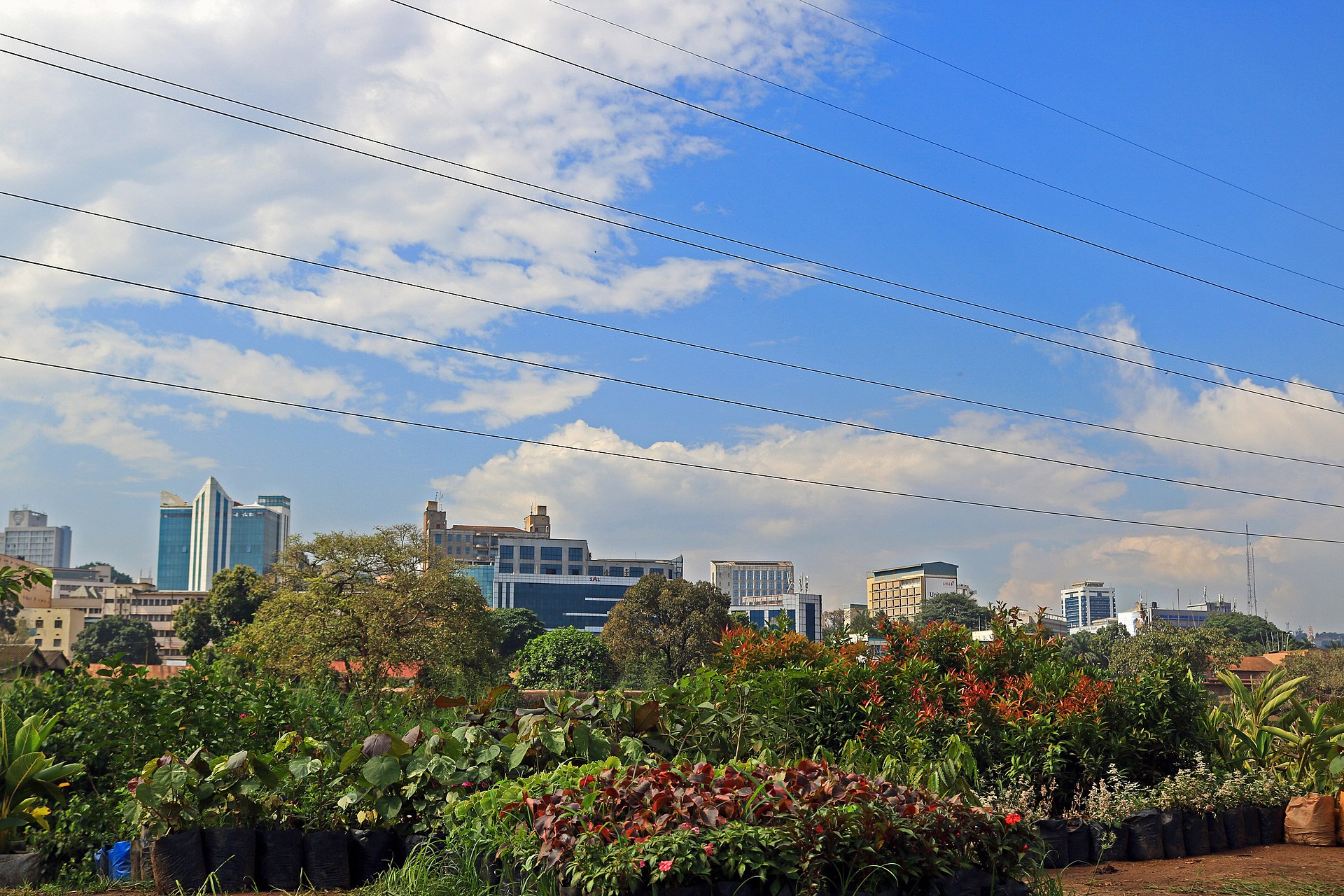
Why visit Kampala
Kampala stands out from Entebbe and Jinja by combining urban energy with deep cultural roots spread across its seven hills. Unlike Entebbe’s lakeside calm or Jinja’s outdoor adventure focus, Kampala offers a dense mix of historic sites like the Kasubi Royal Tombs and bustling craft markets in neighborhoods such as Nakasero. The city’s layered heritage reveals itself through colonial architecture, local markets, and the Uganda Museum, making it a hub for cultural exploration. Kampala’s street-food scene and vibrant nightlife provide a first-hand taste of Uganda’s urban life, all within walking distance of its historic core.
- Explore Kasubi Royal Tombs, a UNESCO site central to Buganda kingdom history inside Kampala’s Lubaga Hill neighborhood.
- Visit the Uganda Museum, the country’s oldest, showcasing ethnographic collections and colonial-era artifacts in the city center.
- Shop at Owino Market for authentic crafts and everyday goods, a local hub often overlooked by tourists.
- Experience Kampala’s street-food scene around Kisementi and the central business district, where local flavors dominate.
- Unlike other guides, note that Kampala’s seven hills shape distinct neighborhoods, each with unique cultural and social vibes.
Best for
Solo travelers and culture seekers comfortable navigating busy urban streets will find Kampala rewarding. Those interested in history, markets, and local crafts will thrive here.
Skip if
Skip Kampala if seeking relaxed lakeside vibes or nature-focused activities; Entebbe offers calmer waterside settings and Jinja better outdoor adventure.
Top things to do in Kampala
1. Kasubi Royal Tombs ·
Explore the spiritual heart of Buganda royalty at the Kasubi Tombs, a UNESCO site that anchors Kampala’s cultural identity.
Visit the Kasubi Royal Tombs on the hilltop in the Lubaga division to see the traditional thatched buildings where Buganda kings are buried. The site offers insight into Buganda’s monarchy and spiritual traditions, with guided tours explaining the symbolism of the architecture and royal regalia. The tombs suffered fire damage in 2010 but remain a vital cultural site with ongoing restoration. Expect a quiet, reflective atmosphere with local caretakers sharing oral histories.
Kasubi stands out over other cultural sites because it directly connects you to Buganda’s royal lineage, unlike the more general ethnographic focus of the Uganda Museum.
- When: Visit in the morning between 9:00 AM and 12:00 PM on weekdays to avoid crowds and catch the guides before they finish for the day.
- Cost: ~$10, 2026
- Duration: 1.5 hours
- How to reach: Take a boda boda or taxi from Kampala’s city center via Namirembe Road heading west to Lubaga Hill; the site is well signposted near the Lubaga Cathedral.
Insider tip: If closed
If Kasubi is closed, visit the Uganda Museum for a broader cultural overview of Uganda’s ethnic groups and history.
Solo female travel: Solo female travelers should arrange transport through a reputable taxi company rather than walking after dark in Lubaga, as the area quiets down early.
2. Uganda Museum ·
Dive into Uganda’s ethnographic and archaeological collections at the Uganda Museum, the country’s oldest museum located in Kampala’s city center.
Explore exhibits covering Uganda’s diverse ethnic groups, archaeology, and natural history at the Uganda Museum on Kitante Hill. The displays include traditional crafts, musical instruments, and early human artifacts, providing context for the country’s cultural evolution. The museum grounds also feature a botanical garden and a small zoo with native species. Local guides offer detailed explanations that bring the exhibits to life, especially for first-time visitors.
This museum offers a comprehensive cultural foundation that complements the royal focus of Kasubi, making it essential for understanding Kampala’s broader heritage.
- When: Arrive between 10:00 AM and 3:00 PM on weekdays to avoid school groups and have time to explore the gardens.
- Cost: ~$5, 2026
- Duration: 2 hours
- How to reach: Walk or take a short taxi ride from the central business district via Kira Road; the museum is near the Uganda Wildlife Authority offices.
Insider tip: If closed
If the museum is closed, spend time at the craft markets in Owino for a hands-on cultural shopping experience.
3. Nakasero Market ·
Navigate Nakasero Market’s maze of stalls to experience Kampala’s daily commerce and sample local produce and crafts.
Wander through Nakasero Market’s sprawling stalls in the heart of Kampala to see fresh fruits, vegetables, spices, and traditional medicines alongside clothing and household goods. The market buzzes with local vendors and buyers, offering a window into everyday life. Sample street food like roasted maize or fresh sugarcane juice from vendors along the main aisles. The market’s layout can be confusing, so follow a local guide or ask vendors for directions to specific sections.
Nakasero Market offers a more organized and diverse shopping experience than Owino, with better access to fresh produce and local snacks.
- When: Visit early morning, between 7:00 AM and 10:00 AM, to see the freshest goods and avoid the afternoon heat.
- Cost: Free entry; budget ~$5-$10 for snacks and small purchases
- Duration: 1.5 to 2 hours
- How to reach: Reach Nakasero Market by walking from the central business district or taking a short taxi ride via Nakasero Road.
Insider tip: If closed
If the market is closed on public holidays, explore the craft markets in Owino for local textiles and handmade goods.
Solo female travel: Solo female travelers should keep valuables secure and avoid isolated corners of the market after 4:00 PM when foot traffic decreases.
4. Craft Markets in Owino (St. Balikuddembe Market) ·
Shop for traditional crafts and textiles at Owino Market, where locals gather to sell handmade goods and secondhand items.
Explore Owino Market in the central division for a dense concentration of stalls selling crafts, secondhand clothes, and textiles. The market is known for affordable prices and a lively atmosphere where bargaining is expected. Look for wooden carvings, beadwork, and kitenge fabric sold by local artisans. The market’s narrow alleys can be overwhelming, so focus on the main sections near St. Balikuddembe Road for the best selection.
Owino offers a raw, local shopping experience that contrasts with the more commercial Nakasero Market, ideal for finding textiles and souvenirs.
- When: Go mid-morning on weekdays, between 9:00 AM and 12:00 PM, when vendors are fully set up and crowds manageable.
- Cost: Free entry; expect to spend ~$10-$20 on crafts depending on bargaining skill
- Duration: 1.5 hours
- How to reach: Take a taxi or boda boda from the city center via St. Balikuddembe Road; the market is near the central bus station.
Insider tip: If closed
If Owino is closed or too crowded, visit the Uganda Museum gift shop for curated crafts.
Solo female travel: Solo female travelers should avoid carrying large bags and stay in the main market areas to prevent pickpocketing risks.
5. Walk the Old Kampala Neighborhood ·
Stroll through Old Kampala’s streets to see colonial architecture, street art, and vibrant local life away from the tourist trail.
Take a self-guided or local-led walk through Old Kampala’s narrow streets, where colonial-era buildings mix with colorful street art and bustling markets. The neighborhood reveals layers of Kampala’s history, from British colonial influences to contemporary urban culture. Stop at small cafes and roadside stalls for local snacks and observe daily life in this less-touristy area. The walk covers areas around Namirembe and Kibuli Hills, offering views over the city’s seven hills.
Old Kampala provides a more intimate, less commercialized glimpse of the city’s heritage compared to the central business district or market areas.
- When: Walk in the late morning, between 9:30 AM and 12:00 PM, to catch the neighborhood at its liveliest before afternoon heat and traffic build up.
- Cost: Free
- Duration: 2 hours
- How to reach: Reach Old Kampala by taxi or boda boda from the city center via Namirembe Road; start near Namirembe Cathedral for orientation.
Solo female travel: Solo female travelers should avoid walking alone after dark in Old Kampala and use taxis for return trips.
6. Bahá’í Temple Visit ·
Visit the Bahá’í Temple on Kikaya Hill for a rare glimpse into Uganda’s religious diversity and panoramic city views.
The Bahá’í Temple sits atop Kikaya Hill, offering sweeping views over Kampala’s seven hills. The temple’s architecture is minimalist but striking, reflecting the faith’s emphasis on unity and peace. Visitors can walk the surrounding gardens and take in the cityscape from this quiet vantage point, a contrast to Kampala’s busy streets below.
This visit offers a peaceful break with a unique religious perspective, unlike the more crowded and historic Kasubi Tombs nearby.
- When: Go in the late afternoon for cooler temperatures and softer light over the city, ideally on weekdays to avoid weekend crowds.
- Cost: Free
- Duration: 1 hour
- How to reach: Take a taxi or ride-hail from central Kampala to Kikaya Hill, located near the Ntinda neighborhood, about 5 miles / 8 km northeast of downtown.
Insider tip: If closed
Visit the nearby Makerere University Art Gallery for a cultural fix within the city.
7. Dinner at a Local Family Kitchen in Kisementi ·
Dine in a family-run kitchen in Kisementi to taste home-style Ugandan dishes and connect with Kampala’s food culture beyond restaurants.
Kisementi’s family kitchens serve traditional Ugandan meals in intimate settings, often in residential homes or small backyard setups. Expect dishes like matoke (steamed plantains), groundnut stew, and fresh greens prepared with local spices. This is a chance to eat where locals do, with hosts who often share stories about the recipes and ingredients.
This option beats touristy restaurants by offering direct access to everyday Ugandan flavors and a social dining atmosphere.
- When: Book for dinner, starting around 6:30 PM, Thursday through Sunday when kitchens are most active.
- Cost: ~$10-$15, 2026
- Duration: 2 hours
- How to reach: Reach Kisementi by taxi or ride-hail from the city center, about 3 miles / 5 km south of downtown Kampala near the Kololo area.
Insider tip: If closed
Try a street food stall in the nearby Kisementi market for quick local bites.
Solo female travel: Choose family kitchens with confirmed bookings and arrange pickup or drop-off by taxi after dark, as some streets in Kisementi get quiet late.
8. Visit the Uganda National Cultural Center ·
Catch live music, dance, and theater performances at the Uganda National Cultural Center, a hub for Kampala’s performing arts scene.
The Uganda National Cultural Center hosts regular performances showcasing traditional and contemporary Ugandan music, dance, and drama. The venue also features craft markets and occasional film screenings. Attending a show here provides insight into the country’s diverse ethnic groups and their artistic expressions.
This center offers a deeper cultural context than casual nightlife spots, focusing on performance arts rooted in Ugandan heritage.
- When: Check the schedule for evening shows, typically Thursday to Saturday, starting around 7:00 PM.
- Cost: ~$5-$12, 2026
- Duration: 2-3 hours
- How to reach: Located near the city center on Buganda Road, it’s accessible by walking or a short taxi ride from central Kampala.
Insider tip: If closed
Visit the Makerere University Art Gallery for visual arts if live performances are unavailable.
9. Explore Makerere University Art Gallery ·
Browse contemporary Ugandan art and student exhibitions at Makerere University’s Art Gallery, a cultural pulse in the academic district.
The Makerere University Art Gallery displays rotating exhibitions of contemporary Ugandan artists alongside student work. The gallery highlights themes relevant to urban life, politics, and tradition. It’s a compact space that offers a fresh perspective on Kampala’s evolving art scene within the university’s historic campus.
This gallery provides a more intimate and academic art experience compared to larger museums like the Uganda Museum.
- When: Visit during weekday mornings or early afternoons, Monday to Friday, when the gallery is open and less crowded.
- Cost: Free or donation-based
- Duration: 1-1.5 hours
- How to reach: Take a taxi or ride-hail to Makerere University, located about 3 miles / 5 km northwest of the city center along Makerere Hill Road.
Insider tip: If closed
Stop by the Uganda National Cultural Center for live arts and crafts nearby.
10. Visit the Uganda Martyrs Shrine at Namugongo ·
Experience a key religious site commemorating Uganda’s martyrs, blending history and faith just outside Kampala’s urban core.
The Uganda Martyrs Shrine in Namugongo honors 22 Catholic and Anglican converts executed in the late 19th century. The site features a large basilica, memorial statues, and peaceful grounds where pilgrims gather. Visiting offers insight into Uganda’s colonial-era religious history and ongoing spiritual traditions.
This shrine stands apart from urban museums by connecting visitors to a pivotal moment in Uganda’s faith history just outside the city.
- When: Plan a morning visit on weekdays to avoid large pilgrim crowds, especially outside the annual June 3rd martyrdom anniversary.
- Cost: Free
- Duration: 2-3 hours
- How to reach: Reach Namugongo by taxi or shared minibus from central Kampala; it’s about 9 miles / 15 km northeast along the Kampala-Jinja Highway.
Insider tip: If closed
Explore the Kasubi Royal Tombs within Kampala for a different historical site focused on Buganda royalty.
11. Coffee Tasting and Roastery Tour in Kisementi ·
Join a coffee tasting and roastery tour in Kisementi to understand Uganda’s coffee culture and sample fresh brews.
This tour takes you through a local roastery in Kisementi, where you learn about coffee bean sourcing, roasting techniques, and brewing methods unique to Uganda. Tastings include single-origin brews and blends, often paired with light snacks. The experience highlights Uganda’s role as a coffee producer and the growing specialty coffee scene in Kampala. Book on GetYourGuide.
This activity offers a hands-on alternative to casual coffee shops, deepening appreciation for Uganda’s coffee beyond just drinking it.
- When: Book morning tours starting between 9:00 AM and 11:00 AM, Tuesday through Saturday for best availability.
- Cost: ~$15-$20, 2026
- Duration: 1.5-2 hours
- How to reach: Take a taxi or ride-hail to Kisementi, about 3 miles / 5 km south of downtown Kampala near the Kololo area.
Insider tip: If closed
Visit a local café in the city center for a casual coffee tasting experience.
48 hours in Kampala
This two-day plan focuses on Kampala’s hilltop heritage, lively markets, and royal sites, tailored for culture seekers who want to explore beyond the surface. It fits solo travelers or friends who prefer historic neighborhoods, local food stops, and immersive walks over tourist traps.
Day 1
Morning
Start your morning at the Kasubi Royal Tombs just as it opens to avoid the midday crowds and heat. The soft morning light enhances the intricate thatched architecture, and the guided tour here sets the tone for Kampala’s royal history. From Kasubi, take a short boda boda ride to the nearby craft markets in Nakasero, where you can browse traditional carvings and textiles before grabbing a quick coffee at a street-side café favored by locals.
Afternoon
Head to the Uganda Museum around noon when the light inside is best for viewing exhibits without glare. After absorbing the cultural artifacts, walk downhill to the nearby Wandegeya neighborhood for lunch at a family-run kitchen serving fresh matoke and grilled tilapia, a local favorite. Post-lunch, explore the bustling Owino Market on foot, using the alley shortcuts from Wandegeya to avoid the main roads and experience the market’s authentic rhythm without the tourist bubble.
Evening
Make your way to the top of one of Kampala’s seven hills – Kololo Hill offers a quieter sunset viewpoint overlooking the city’s skyline. For dinner, settle into a small eatery in the Kamwokya neighborhood known for its grilled meats and lively evening atmosphere. Kamwokya’s street-food scene is vibrant but approachable, with plenty of locals winding down after work, giving you a genuine taste of Kampala’s nightlife without the tourist crowds.
Day 2
Morning
Shift gears with a morning visit to the Buganda Road area, starting early at the local fish market to see the day’s catch arriving. From there, walk to the nearby craft workshops where artisans carve wood and weave baskets, offering a hands-on look at Kampala’s artisan traditions. Grab a late breakfast at a nearby bakery known for fresh mandazi and chai, popular with office workers starting their day.
Afternoon
Spend the afternoon in the Old Kampala neighborhood, focusing on the Namirembe Cathedral and its surrounding colonial-era buildings. The cooler afternoon light brings out the textures of the stonework and stained glass. For lunch, choose a small restaurant on the main street serving traditional Ugandan stews with fresh greens. Afterward, stroll through the nearby local market stalls, where you can pick up spices and dried fruits without the tourist markup.
Evening
Finish your stay with a relaxed evening along the shores of Lake Victoria at the Ggaba fishing village area. Arrive before sunset to watch fishermen bring in their nets and the sky shift colors over the water. Dine at a lakeside spot specializing in freshly grilled fish and local vegetables, where the pace slows and the conversation is easy. This waterside setting offers a distinct contrast to the hilltop bustle of your first day.
If you have a third day
Spend a third day exploring the Makerere University area, focusing on its art galleries and the campus’s historic architecture. Join a guided walk through the student neighborhoods to experience Kampala’s youthful energy and street art scene away from the main tourist routes.
Best time to visit Kampala
Quick answer
Visit Kampala from April to June and October to early December for the best weather and vibrant local activities.
| Months to go | April to June, October to early December |
|---|---|
| Months to avoid | July to September due to heavy rain and humidity. |
The climate in Kampala is generally warm, with average temperatures ranging from 68°F / 20°C to 82°F / 28°C. April to June and October to early December offer the most pleasant conditions for exploring the city’s rich cultural sites and markets. During these months, rainfall is moderate, allowing for comfortable outdoor activities. In contrast, July to September sees increased rainfall, which can disrupt plans and make some areas less accessible. This is also when humidity peaks, making it less enjoyable for walking tours and market visits.
Average temperature (°F)
Monthly weather
Warm and relatively dry.
Ideal for outdoor activities.
Start of the rainy season.
Moderate rain, good for culture.
Wet but vibrant markets.
Clearing up, great for tours.
Heavy rain, less ideal.
Continued rain, humid.
Rainy season persists.
Rain decreases, good for visits.
Pleasant weather returns.
Warm and festive atmosphere.
How to get to Kampala
Nearest airport
Entebbe International Airport (EBB), 24 miles / 39 km
From the airport
Take the public airport bus for around $10, 2026, which departs regularly from the airport to the city center. Alternatively, a metered taxi costs about $30-$40, 2026, and takes around 45 minutes depending on traffic.
Other ways to arrive
- From Nairobi, take a direct bus service that takes about 12 hours and costs around $30, 2026.
- From Kigali, opt for a shuttle that takes about 4 hours and costs around $20, 2026.
- Fly from Juba to Entebbe, which takes about 1 hour and costs around $150, 2026.
Getting around Kampala
Boda-bodas (motorcycle taxis) are the most popular way to navigate Kampala, offering quick and affordable rides. For a more comfortable option, use ride-hailing apps like Uber or Bolt.
- Boda-boda: Quick transport within the city; costs around $1-$3 depending on distance.
- Ride-hailing apps: Convenient and safe; fares start at around $2.
- Matatus (shared minivans): Affordable for longer distances; costs around $0.50-$1.
- Walking: Ideal for short distances in safe neighborhoods; free.
- Private car hire: Best for full-day excursions; costs around $50-$70 per day.
Avoid
Avoid unlicensed taxis and walking alone at night in less populated areas.
Day trips from Kampala
Kampala serves as a great base for exploring nearby attractions that showcase Uganda’s natural beauty and cultural heritage. These day trips offer a mix of wildlife, history, and stunning landscapes.
Jinja
Visit the source of the Nile and enjoy adventure activities.
Why: Jinja is known for its thrilling white-water rafting and beautiful river views. The town also offers a vibrant craft market and local eateries.
Skip if: Skip if you’re not interested in adventure sports.
Murchison Falls National Park
Experience wildlife and the stunning Murchison Falls.
Why: This park is home to diverse wildlife, including elephants and lions, and features a spectacular waterfall where the Nile squeezes through a narrow gorge.
Skip if: Skip if you have limited time or prefer urban experiences.
Lake Mburo National Park
Enjoy a safari experience and scenic landscapes.
Why: Lake Mburo is known for its unique wildlife and beautiful lake views, making it perfect for a day of exploration and relaxation.
Skip if: Skip if you’re focused solely on Kampala’s urban attractions.
Combine Kampala with
For a more enriching travel experience, consider extending your trip beyond Kampala. These routes connect you to other fascinating destinations in Uganda.
Kampala to Jinja and then to Murchison Falls Kampala, Jinja, Murchison Falls National Park
Start in Kampala, enjoy adventure activities in Jinja, and then head to Murchison Falls for wildlife and stunning scenery.
Kampala to Lake Mburo and then to Bwindi Impenetrable National Park Kampala, Lake Mburo National Park, Bwindi Impenetrable National Park
Explore Lake Mburo for a safari experience before heading to Bwindi for gorilla trekking.
Getting from Kampala
Where to stay in Kampala
Compare prices across booking sites on the map below and see which neighbourhood fits your plans.
Kampala offers a variety of neighborhoods catering to different traveler preferences. The historic center is ideal for those wanting to be close to cultural sites like the Uganda Museum and Kasubi Tombs. For a quieter atmosphere, consider the upscale Kololo area, known for its leafy streets and views. If you’re seeking vibrant nightlife and local markets, head to the bustling areas around Kabalagala. Each zone provides a unique experience, making it easy to find a spot that suits your style.
Kabalagala
Hostels and budget guesthouses dominate this tier, offering dormitory-style accommodations and shared facilities. Expect a lively atmosphere and the chance to meet fellow travelers, but be prepared for basic amenities. These options are perfect for those looking to save while still enjoying the local vibe.
Insider tip: Look for hostels that offer free walking tours; they often provide great insights into the area.
Historic Center
This tier features family-run guesthouses and boutique hotels that provide a comfortable stay with personalized service. Expect well-decorated rooms and local charm, often with breakfast included. These properties strike a balance between affordability and quality, making them a solid choice for travelers.
Insider tip: Choose guesthouses near the main plaza for easy access to restaurants and attractions.
Kololo
Luxury hotels and upscale boutique accommodations define this tier, offering premium amenities and stunning views of the city. Expect high-end dining options, pools, and spa services. While these places provide a lavish experience, they may lack the local character found in smaller establishments.
Insider tip: Request a room with a balcony for the best views of the city skyline.
Where not to stay
The area around the central bus station can be chaotic and is best avoided for overnight stays due to noise and safety concerns.
Solo female travelers
Stay at a hostel in Kabalagala known for its strong social vibe and welcoming atmosphere, making it easy to connect with other travelers.
Booking through these links supports Pack Lightly at no extra cost to you.
Where to eat and drink in Kampala
Kampala’s food scene stands out with its vibrant street food culture and local ingredients, particularly fresh produce from nearby regions. The city’s culinary landscape is shaped by various communities, notably the Indian and Somali influences, which add unique flavors to traditional Ugandan dishes. Markets like Nakasero and Owino are bustling hubs where you can experience the local food culture firsthand.
Must-try dishes
Luwombo
A traditional Ugandan stew made with meat, vegetables, and groundnut sauce, often served with rice or posho.
Luwombo is a city signature dish, particularly popular in Kampala, where it is often prepared in family kitchens and local restaurants.
Insider tip: Seek out the family-run spots for the most authentic taste.
Rolex
A popular street food item consisting of a chapati rolled with eggs and vegetables.
Rolex is a city-known category of street food in Kampala, perfect for a quick and delicious meal on the go.
Insider tip: Order it spicy for an extra kick!
Malwa
A traditional fermented drink made from millet or sorghum, often enjoyed in social settings.
Malwa is a community-specific drink among the Baganda people, widely available in local bars and gatherings throughout Kampala.
Insider tip: Enjoy it with friends for a true local experience.
Kampala Coffee
Locally grown coffee known for its rich flavor and aroma, often served as a strong brew.
Kampala is recognized for its coffee culture, with local roasters and cafes highlighting the unique flavors of Ugandan coffee beans.
Insider tip: Ask for a cup brewed using the pour-over method for the best flavor.
Local drinks
- EkitangaalaAvailable at local bars in the Bwaise neighborhood, where you can enjoy it with friends.
A traditional Ugandan beer made from sorghum, known for its slightly sweet taste.
Where to eat – by neighborhood
Kawempe
This area is known for its vibrant street food scene, with numerous stalls offering local dishes and snacks.
Insider tip: Try to visit during the evening when the street food stalls are bustling with activity.
Nakasero
Home to Nakasero Market, this neighborhood is a hub for fresh produce and local delicacies.
Insider tip: Shop for fresh ingredients and then head to one of the nearby restaurants that prepare meals using market produce.
Local markets
| Nakasero Market | Monday to Saturday, 6 AM – 6 PM – Fresh fruits, vegetables, and local snacks. |
|---|---|
| Owino Market | Daily, 7 AM – 7 PM – A wide variety of street food and local goods. |
Dietary note
Vegetarians will find plenty of options, especially in local markets and eateries offering vegetable-based dishes.
Daily budget for Kampala
Kampala’s daily costs can be higher than other parts of Uganda due to its status as the capital and a cultural hub. Expect to pay more for accommodations and dining options that cater to tourists.
Shoestring
- lodging – Stay in a dormitory at a local hostel.
- food – Eat at street vendors and local eateries.
- transport – Use public transport or shared taxis.
- activities – Visit free or low-cost attractions.
- buffer – For unexpected expenses.
Trade-offs: Limited comfort and amenities, but a chance to experience local life.
Comfort
- lodging – Book a private room in a guesthouse.
- food – Enjoy meals at mid-range restaurants.
- transport – Use rideshare apps for convenience.
- activities – Participate in guided tours or cultural experiences.
- buffer – For small purchases or tips.
Trade-offs: More comfort and convenience, but at a higher cost.
Splurge
- lodging – Stay at a well-rated hotel.
- food – Dine at upscale restaurants.
- transport – Hire a private driver for the day.
- activities – Book premium tours or experiences.
- buffer – For extra indulgences.
Trade-offs: High-end experiences and comfort, but significantly more expensive.
Money-saver tip
Eat at local markets like Nakasero Market for affordable and delicious meals.
Splurge that’s worth it
Consider a guided tour of the Kasubi Tombs for a deeper understanding of Uganda’s royal history.
Skip to save
Avoid tourist traps like overpriced restaurants near major attractions, which often serve subpar food.
Practical tips for Kampala
Money
Cash or card. Kampala operates on a cash-based economy, especially in local markets and smaller shops. Many businesses, particularly street vendors and some restaurants, only accept cash, so keep some Ugandan shillings on hand.
ATMs. ATMs are widely available in Kampala, with major banks like Stanbic and Centenary Bank offering reliable services. Expect foreign transaction fees around 3% when using international cards.
Tipping. Tipping is appreciated but not mandatory; rounding up the bill is common. For example, leave around $1-2 for good service in restaurants.
Safety
Kampala is generally safe for travelers, but it’s wise to stay alert, especially in crowded areas. Avoid walking alone at night in less populated neighborhoods.
Common scams:
- Overcharging by taxi drivers, especially for tourists.
- Fake charity solicitations in busy areas.
Local warnings:
- Beware of sandflies in certain parks; use repellent.
- Road conditions can be poor, especially during rainy seasons.
Connectivity
Mobile data. Mobile data coverage is good in Kampala, with major providers like MTN and Airtel offering competitive plans. Expect to pay around $5-10 for a monthly SIM card with data.
Wi-Fi. Wi-Fi is available in many cafes and accommodations, particularly in the central business district. Areas like Kololo have reliable connections in popular spots.
Language
Main language: Luganda. English level: English is widely spoken in tourist areas and among younger locals. However, communication may be limited in rural areas or with older generations.
Cultural notes
- Dress modestly when visiting religious sites; women should cover shoulders and knees.
- Always ask permission before taking photos of people.
- Greet locals with a handshake; it’s a sign of respect.
Solo female travel
Solo female travelers can navigate Kampala with confidence, especially in busy areas. The city has a vibrant street life, and many cafes are welcoming to women traveling alone.
- Neighborhood: Stay in the Kololo neighborhood for its safety and proximity to cafes and shops.
- Transport: Use ride-hailing apps like Uber or Bolt for safe transport at night.
- Meeting people: Consider booking a women’s-only dorm at hostels like Backpackers for a more social atmosphere.
Frequently asked questions about Kampala
1Is Kampala better than Nairobi?
Yes, Kampala offers a more laid-back atmosphere with a focus on local culture and markets. While Nairobi has its own attractions, Kampala’s vibrant street food scene and royal sites like the Kasubi Tombs provide a unique experience.
2How many days should I spend in Kampala?
Two to three days is ideal to explore the key sites like the Uganda Museum, local markets, and the nightlife. This timeframe allows you to soak in the culture without feeling rushed.
3What is the best time to visit Kampala?
The best time to visit is during the dry seasons from December to February and June to August. These months offer pleasant weather for outdoor activities and exploring the city.
4Is it safe for solo female travelers in Kampala?
Yes, Kampala is generally safe for solo female travelers, especially in neighborhoods like Kololo and Nakasero. Staying aware of your surroundings and using reputable transport options will enhance your safety.
5Can you swim in Lake Victoria near Kampala?
Skip it. Swimming in Lake Victoria is not recommended due to safety concerns like pollution and strong currents. Instead, enjoy lakeside views from places like the Speke Resort in Munyonyo.
6What is the local food like in Kampala?
Local food is hearty and flavorful, with staples like matoke (steamed bananas) and posho (maize porridge). Try street food at Nakasero Market for an authentic taste of Ugandan cuisine.
7What should I avoid doing in Kampala?
Avoid flaunting valuables and be cautious in crowded areas to prevent petty theft. Also, skip the tourist traps that overcharge for local experiences.
8Is public transport reliable in Kampala?
No, public transport can be unreliable. Opt for ride-hailing services like Uber or Bolt for safer and more efficient travel around the city.