


The forest is alive with the rustle of leaves as you quietly approach the bear hide, anticipation building.

Latvia‘s wilderness offers thrilling encounters with its iconic wildlife. From the dense forests of Gauja National Park to the serene shores of Lake Engure, you can spot majestic creatures like the Brown bear and the elusive Eurasian lynx. Each season brings unique opportunities to connect with nature.
Quick answer
Wildlife in Latvia means guided tours in national parks: best from May to August.
Key takeaways
- Book a forest hide session to see Brown bears at dusk.
- Join lynx tracking excursions in winter for fresh tracks.
- Visit Lake Engure to see White-tailed eagles on the ice.
- Explore Gauja National Park for diverse wildlife experiences.
- Plan trips in peak months for the best sighting chances.
What makes Latvia worth the trip for wildlife
Gauja National Park defines Latvia’s wildlife identity, home to the Brown bear and Eurasian lynx. This park offers a rich tapestry of habitats that support diverse species.
- Experience Brown bears in their natural habitat with guided forest hide sessions from May to August.
- Engage in winter lynx tracking excursions along Gauja’s forest trails, where snow reveals fresh tracks.
- Witness the concentration of White-tailed eagles at Lake Engure from November to March.
Book this if: Book if you want to track Brown bears in Gauja National Park or join lynx excursions in winter.
Skip if: Skip this if you seek guaranteed sightings of big cats, as lynx tracking requires specific conditions.
Animals Around the World
Explore which animals you can spot in every country with our interactive map: search by species, region, or park.
Wildlife Map. Latvia
Parks and reserves featured in this guide, plotted on the map below.
Which animals can you actually see in Latvia
Latvia’s Gauja and Kemeri National Parks offer a solid circuit for wildlife spotting, with reliable brown bear hides and winter wolf tracking in old-growth forests.
| Animal | Spot chance | Best months | Where | Access |
|---|---|---|---|---|
| Brown bear | Almost guaranteed in season | May, June, July, August | Gauja National Park, Kemeri National Park | Guided tour required |
| Grey wolf | Almost guaranteed in season | January, February, November, December | Gauja National Park, Kemeri National Park | Guided tour required |
| Eurasian lynx | Almost guaranteed in season | January, February, December | Gauja National Park, Razna National Park | Guided tour required |
| White-tailed eagle | Almost guaranteed in season | November, December, January, February | Kemeri National Park, Lake Engure Nature Park | DIY (free access) |
| Eurasian elk | Almost guaranteed in season | September, October, May | Gauja National Park, Teiči Nature Reserve | DIY (free access) |
| European beaver | High probability in peak months | April, May, June, July, August, September | Kemeri National Park, Gauja National Park | DIY (free access) |
| Roe deer | High probability in peak months | May, June, July | Gauja National Park, Kemeri National Park | DIY (free access) |
| Black stork | High probability in peak months | May, June | Gauja National Park, Slitere National Park | DIY (free access) |
| Common crane | Almost guaranteed in season | September, October | Teiči Nature Reserve, Lake Pape Nature Park | Guided tour required |
| Osprey | High probability in peak months | May, June, July, August | Gauja National Park, Lake Engure Nature Park | DIY (free access) |
Brown bear Almost guaranteed in season
Dusk settles over the Vidzeme highlands near Gauja National Park, where a forest hide waits silently. Latvia’s roughly 700 brown bears visit bait stations here from May through August, letting you watch them without disturbance. The quiet approach and timing at twilight make this one of the few places in Europe where you can reliably see wild bears up close.

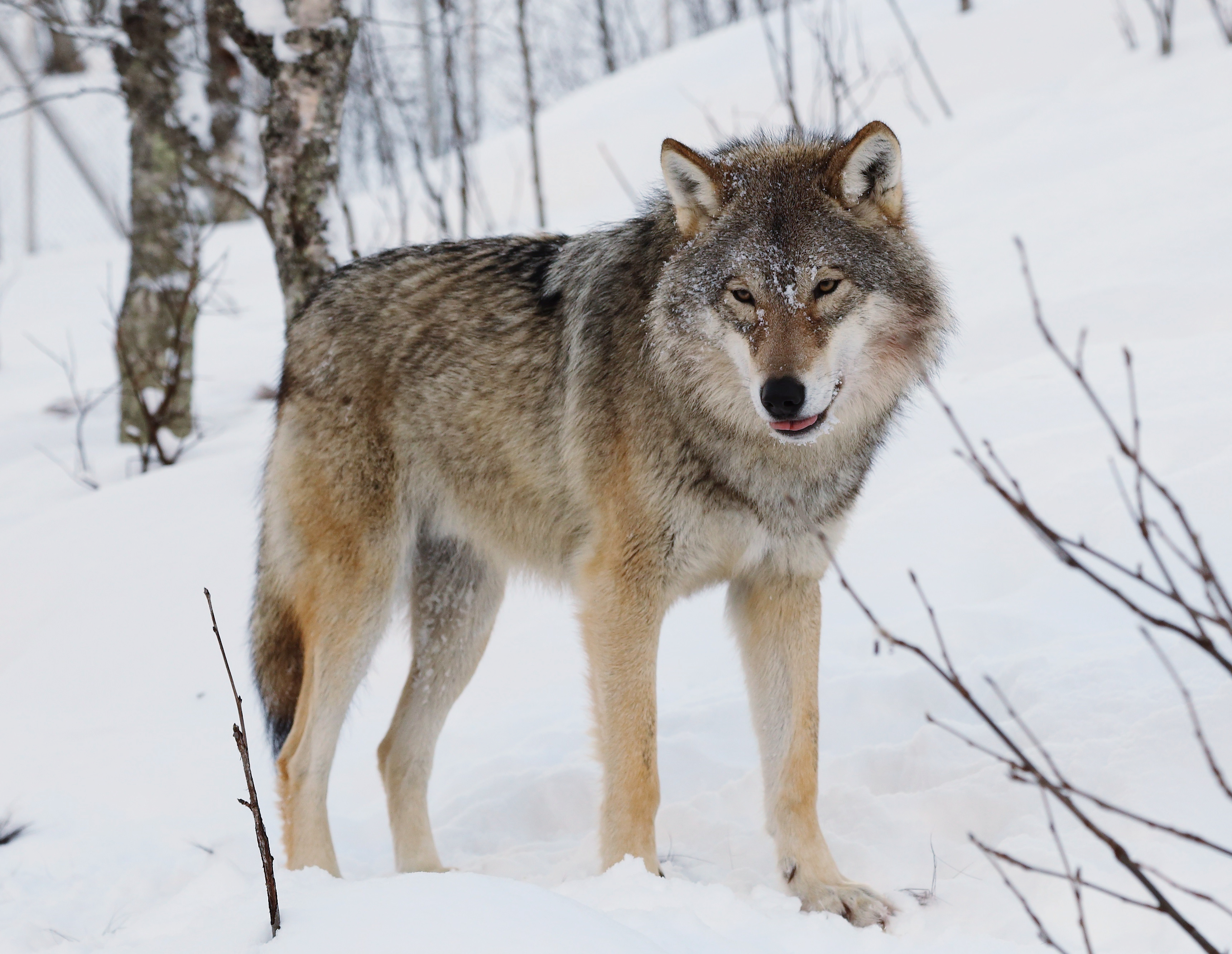
Grey wolf Almost guaranteed in season
Winter cloaks Gauja National Park’s old-growth forest in snow, revealing fresh pack trails. Guided tracking tours in January lead you to howling sites, where the wolf pack’s presence is confirmed by sound and scent. This immersive experience demands early starts and patience but offers the best chance to connect with Latvia’s elusive wolves.
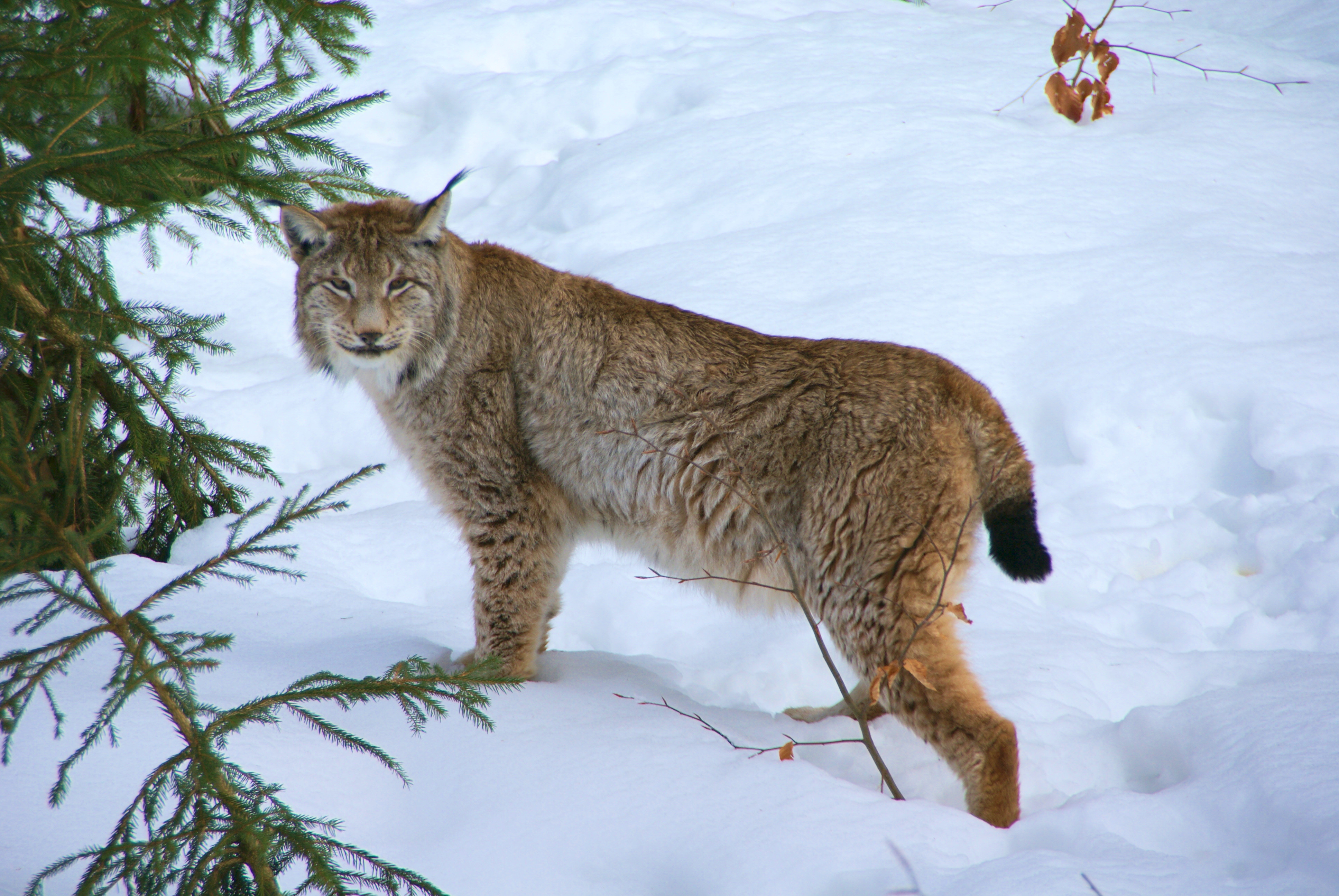
Eurasian lynx Almost guaranteed in season
Snow-covered forest trails around Sigulda in Gauja National Park reveal fresh lynx tracks in January and February. Local guides lead tracking excursions here, using the winter landscape to follow these solitary cats. The quiet woods and crisp air heighten the chance to spot or at least confirm lynx presence on foot.
White-tailed eagle Almost guaranteed in season
Lake Engure in Kemeri National Park freezes over in winter, concentrating up to 30 white-tailed eagles on the ice. Observation hides here let you watch these large raptors from close range between November and March. The stillness of the frozen lake contrasts with the eagles’ powerful presence as they scan for fish beneath the ice.

Eurasian elk Almost guaranteed in season
Dusk on forest roads in Gauja National Park in September and October brings regular elk sightings. These large mammals appear in roadside bogs, often silhouetted against the fading light. Driving slowly along these routes gives you the best chance to spot them before they melt back into the dense forest.

European beaver High probability in peak months
Kemeri National Park’s boardwalk passes active beaver dams where you can see beavers at dusk from April through September. These nocturnal mammals come within meters of the trail, offering close encounters if you time your visit right. The quiet approach and patience pay off with glimpses of their busy activity along the water.

Roe deer High probability in peak months
At dawn near Sigulda or Jelgava, forest edges and meadows come alive with roe deer year-round. These smaller deer are often seen grazing quietly in the soft morning light. Their presence is consistent, making early mornings the best time to catch them in open areas before the day heats up.
Black stork High probability in peak months
May and June river gorge trails in Gauja National Park lead you to black storks fishing in clear forest streams. These shy birds prefer quiet, undisturbed areas, so walking slowly along the riverbanks increases your chances. Their striking black-and-white plumage stands out against the green backdrop as they hunt for fish.
Common crane Almost guaranteed in season
Teiči Nature Reserve’s raised bog hosts large gatherings of common cranes in September and October. Before their southward migration, up to 40,000 cranes assemble here, visible from observation hides. The spectacle is best experienced at dawn or dusk when the birds are most active and vocal.

Osprey High probability in peak months
The observation tower at Lake Engure overlooks multiple active osprey nests from May through August. Watching these raptors dive over the shallows for fish is a highlight of the summer months. The tower provides a stable platform for spotting their fishing technique without disturbing their breeding activity.
The animals that define Latvia’s safari circuit
Latvia’s wildlife safaris demand early starts and patient trekking through dense forests and wetlands. This circuit offers encounters that reward your effort with close views of large mammals and raptors in their natural habitats. Each park delivers a distinct experience shaped by terrain, water sources, and expert guides who know where to find elusive species.
Brown bear
The forest hush deepens as you settle into a camouflaged hide in the Vidzeme highlands near Gauja. Dusk paints the sky orange while the scent of pine fills the air. Suddenly, a massive brown bear (Ursus arctos) lumbers into view, drawn by bait stations. The bear moves deliberately, sniffing the ground, unaware of your presence just yards away. The stillness and proximity make this encounter intense and unforgettable.
Why this reserve: Gauja National Park’s established network of observation hides and reliable bait stations supports Latvia’s densest brown bear population. The terrain’s mix of forest and clearings concentrates bears at predictable spots, while certified guides ensure safe, ethical viewing unmatched in other parks.
What most visitors miss: Visitors often overlook that these bears are crepuscular, most active at dawn and dusk, and that the same hides also attract wild boar and red deer, offering layered wildlife viewing.
| How to see | Book a guided forest hide session from May to August in the Vidzeme highlands near Gauja. Half-day tours with certified guides maximize sighting chances. Book this tour |
| Ethical note | Maintain silence and distance; feeding or baiting is strictly controlled and only done by park authorities. |
| Cost | ~$120 – $180 including guide fee and park entry |
Grey wolf
In the deep winter of Gauja’s old-growth forest, snow muffles footsteps as you follow a guide tracking fresh wolf prints. The cold air carries distant howls that echo through the trees. Suddenly, a pack emerges near a frozen stream, their eyes reflecting the low winter light. The wolves move with purpose, weaving through the forest silently, revealing their social bonds and hunting coordination in real time.
Why this reserve: Gauja’s mature forests and stable prey populations support one of Latvia’s healthiest wolf packs. Winter snow reveals pack trails, and local guides have honed their tracking skills here better than in Kemeri or other reserves.
What most visitors miss: Most miss the wolves’ vocal communication patterns; guides can pinpoint howling sites where packs gather, especially in January, offering a rare auditory dimension to the encounter.
| How to see | Join winter wolf tracking tours in Gauja’s forest from December through February. Full-day excursions with experienced trackers increase success. Book this tour |
| Ethical note | Keep quiet and avoid sudden movements; never attempt to approach or feed wolves. |
| Cost | ~$100 – $150 including guide and park fees |
Eurasian lynx
January snow blankets Gauja’s forest trails as you trek with a local guide from Sigulda. Fresh lynx (Lynx lynx) tracks crisscross the path, sharp and distinct. The silence is broken only by distant bird calls and the crunch of snow underfoot. Suddenly, a lynx appears briefly on a ridge, its tufted ears and spotted coat visible before it melts back into the trees. The fleeting glimpse captures the lynx’s elusive nature perfectly.
Why this reserve: Gauja National Park offers the best lynx tracking in Latvia due to its extensive forest trails and reliable snow cover that reveals fresh tracks. Guides from Sigulda specialize in interpreting signs and increasing sighting odds.
What most visitors miss: Visitors rarely notice lynx’s territorial marking behavior along trails, which guides use to predict movement patterns during winter months.
| How to see | Book guided lynx tracking excursions from Sigulda in January and February. Half-day treks on foot provide the best chance to follow fresh tracks. Book this tour |
| Ethical note | Avoid disturbing resting sites and keep a respectful distance to prevent stress. |
| Cost | ~$90 – $140 including guide and park access |
Eurasian elk
As dusk falls over Gauja National Park’s forest roads in September, the air cools and the bogs near the roadside come alive. A massive Eurasian elk (Alces alces) steps slowly from the shadows, its antlers silhouetted against the fading light. The quiet swampy terrain muffles your approach, allowing close observation of this solitary giant grazing in the moor. The stillness is punctuated only by the elk’s slow chewing and occasional snorts.
Why this reserve: Gauja’s mosaic of wetlands and forest edges creates ideal elk habitat, with roadside bogs concentrating animals at dusk. The park’s accessible forest roads and knowledgeable guides make sightings more reliable than in Teiči.
What most visitors miss: Many miss the elk’s seasonal rutting calls in early fall, which can be heard echoing through the forest at dawn and dusk.
| How to see | Drive or join guided dusk tours on forest roads in Gauja National Park during September and October. Self-drive options exist but guided tours improve spotting. Book this tour |
| Ethical note | Keep vehicle windows closed and avoid sudden noises to prevent disturbing elk. |
| Cost | ~$70 – $120 including guide and park fees |
European beaver
The wooden boardwalk at Kemeri National Park winds quietly past active beaver dams as dusk settles. The water’s surface ripples gently, and you spot a European beaver (Castor fiber) slipping underwater, its tail flicking before it resurfaces to gnaw on branches mere feet away. The damp forest smells of wet earth and pine, and the soft sounds of water and chewing create an intimate wildlife moment few visitors experience.
Why this reserve: Kemeri’s extensive wetlands and boardwalk infrastructure provide close, safe access to beaver habitats. The park’s active dam systems and calm waters concentrate beavers reliably from April through September.
What most visitors miss: Visitors often overlook beavers’ nocturnal activity peaks; early evening visits reveal feeding and dam maintenance behaviors rarely seen during daytime.
| How to see | Visit Kemeri’s boardwalk at dusk from April to September for close beaver viewing. Self-guided or short guided walks work well. Book this tour |
| Ethical note | Stay on designated paths to avoid damaging fragile wetland vegetation and disturbing beavers. |
| Cost | ~$30 – $60 for park entry and optional guide |
White-tailed eagle
At Lake Engure near Kemeri, winter ice stretches across the water as you settle into an observation hide. Up to 30 white-tailed eagles (Haliaeetus albicilla) perch on ice floes or soar overhead, their massive wings casting shadows on the frozen surface. The cold air is sharp, and the eagles’ piercing calls echo as they dive with precision to snatch fish beneath the ice. The scene is a dynamic display of power and patience.
Why this reserve: Lake Engure’s combination of open water and ice during winter concentrates white-tailed eagles more densely than other Latvian sites. The observation hides offer unobtrusive vantage points unmatched elsewhere.
What most visitors miss: Most miss the eagles’ social hierarchy displays during feeding, where dominant adults assert control over prime fishing spots.
| How to see | Use observation hides at Lake Engure from November to March. Half-day visits with local guides increase chances. Book this tour |
| Ethical note | Avoid loud noises and sudden movements near hides to prevent scaring eagles away. |
| Cost | ~$50 – $90 including guide and park fees |
Common crane
In September and October, Teiči Nature Reserve’s raised bog becomes a staging ground for tens of thousands of common cranes (Grus grus). From observation hides, you watch flocks gather and trumpet loudly, their wings beating rhythmically as they prepare for migration. The vast open peatland stretches around you, the calls echoing in the crisp air, creating a spectacle of mass movement and sound that few other places offer.
Why this reserve: Teiči’s vast raised bog provides critical stopover habitat for up to 40,000 cranes, far exceeding other Latvian reserves. The reserve’s observation infrastructure allows close, disturbance-free viewing.
What most visitors miss: Visitors often miss the cranes’ synchronized group displays and courtship dances that occur before migration departure.
| How to see | Visit observation hides in Teiči Nature Reserve during September and October. Guided half-day tours help interpret crane behavior. Book this tour |
| Ethical note | Keep distance and avoid flash photography to prevent disturbing the cranes. |
| Cost | ~$60 – $100 including guide and park entry |
Black stork
Walking the river gorge trails of Gauja in May and June, you spot a black stork (Ciconia nigra) fishing in the clear forest streams. Its sleek black plumage contrasts sharply with the bright water as it moves deliberately, probing for prey. The forest canopy filters dappled sunlight, and the quiet flow of the stream enhances the stork’s stealthy presence. This shy bird’s rarity makes the sighting feel like a privileged secret.
Why this reserve: Gauja’s river gorge with pristine streams offers the best habitat for black storks in Latvia. The park’s trail system allows close but respectful access to their feeding grounds.
What most visitors miss: Few notice that black storks avoid noisy areas and are most active in early morning, requiring timed visits for best sightings.
| How to see | Trek Gauja’s river gorge trails in May and June with a local guide to increase chances of spotting black storks. Book this tour |
| Ethical note | Stay on marked trails to avoid disturbing nesting or feeding sites. |
| Cost | ~$50 – $80 including guide and park fees |
Osprey
From the observation tower at Lake Engure, you watch ospreys (Pandion haliaetus) dive repeatedly over shallow waters from May through August. Their sharp eyes lock on fish below before plunging talons-first, creating splashes that ripple across the lake. The tower’s height offers a panoramic view of multiple active nests, where adults feed chicks and defend territory. The combination of action and vantage point makes this a dynamic wildlife moment.
Why this reserve: Lake Engure’s shallow waters and abundant fish support multiple osprey nests, making it Latvia’s top spot for observing their breeding and hunting behavior. The observation tower provides unmatched access.
What most visitors miss: Most miss the osprey’s territorial aerial displays and nest defense behaviors visible from the tower during breeding season.
| How to see | Use the observation tower at Lake Engure from May to August. Self-guided visits or short guided tours work well. Book this tour |
| Ethical note | Avoid loud noises near nests to prevent disturbance during breeding. |
| Cost | ~$40 – $70 including park entry and optional guide |
Roe deer
At dawn near Sigulda or Jelgava, the forest edges and meadows come alive with roe deer (Capreolus capreolus). You spot slender bodies moving cautiously through the mist, their ears twitching as they graze. The soft morning light filters through trees, highlighting their reddish coats. These deer are approachable yet alert, offering quiet moments of connection in the calm of early day.
Why this reserve: Gauja and Kemeri National Parks provide year-round habitat with accessible forest edges and meadows, making them ideal for observing roe deer at dawn. Their widespread presence ensures sightings even on short visits.
What most visitors miss: Visitors often overlook roe deer’s seasonal coat color changes and their tendency to use the same dawn feeding spots daily.
| How to see | Visit forest edges and meadows near Sigulda or Jelgava at dawn. Self-guided walks suffice, but local guides can enhance spotting. Book this tour |
| Ethical note | Keep quiet and avoid sudden movements to prevent startling deer. |
| Cost | ~$20 – $50 for park access and optional guide |
Book wildlife tours in Latvia
Compare guided safaris, nature walks, and reserve tours from local operators.
Which reserves to visit in Latvia
Latvia offers diverse reserves that are ideal for wildlife enthusiasts, particularly for observing iconic species like brown bears and lynx.
Gauja National Park
This park is known for its high density of brown bears and offers various observation opportunities.
How to reach: Reachable from Sigulda, approximately a 15-minute drive.
Park fee: $5
Kemeri National Park
Home to diverse wildlife, including brown bears and European beavers, with accessible trails for observation.
How to reach: Located near Jurmala, about a 30-minute drive from Riga.
Park fee: $5
When to visit Latvia for wildlife
Visit from May to August for the best wildlife sightings, especially brown bears. This period offers peak activity and visibility.
Peak window: May to August, when brown bears are most active and visible at bait stations.
Avoid: January to March, as snow cover makes tracking difficult and many animals are less active.
During spring and summer, animal activity increases significantly, with many species visible as they forage and raise young. Vegetation is lush, and water levels are stable, enhancing wildlife visibility.
Brown bears are reliably seen at bait stations during dusk.
Brown bears continue to visit bait stations, providing excellent viewing opportunities.
Brown bears remain active, with high chances of sightings in the evening.
Brown bears are still frequenting bait stations, making this a peak month for sightings.
What a wildlife trip in Latvia costs
Daily estimate: $100 – $150
| Cost component | What to expect |
|---|---|
| Guide fee | $50 – $100 for a certified guide per day. |
| Park entry | $5 per park. |
| Accommodation | $60 – $90/night for eco-lodges See lodges. |
| Transport | $20 – $30 for local transport or car rental. |
Money saver: Book multi-day tours that include accommodation and transport to save on individual costs.
Book wildlife tours
Compare guided tours, safaris, and nature experiences in Latvia.
Wildlife ethics in Latvia: what to know before you book
Ethics are crucial for responsible wildlife tourism in Latvia, ensuring animal welfare and conservation.
Do
- Book certified guides for wildlife excursions.
- Choose operators with no-captive-animal policies.
- Verify permits and certifications of your guide.
Don’t
- Never support operators offering captive animal interactions.
- Avoid tours that promise guaranteed sightings.
- Do not engage in activities that disturb wildlife habitats.
Operator checklist
Vet your operator by checking for current permits from the Forest Department, ensuring guides are certified naturalists, and confirming they limit vehicle numbers per sighting.
Safety and preparation for wildlife in Latvia
Safety: Be aware of potential encounters with brown bears and grey wolves in the wild. Tick-borne diseases are also a risk.
Gear to bring
- Wear neutral clothing colors to blend into the environment.
- Bring sturdy boots for walking on uneven terrain.
- Pack binoculars (8×42 minimum) for wildlife observation.
- Carry a rain shell to stay dry during unexpected weather.
Health: Consult a travel health clinic: recommendations change.
Frequently asked questions about wildlife in Latvia
1Are brown bear sightings actually common at Gauja National Park? What’s the real probability?
Yes, brown bear sightings are high from May to August in Gauja National Park.
2Is 1 day at Gauja National Park enough to see Eurasian lynx, or do I need 2+ days?
One day is often insufficient; consider 2+ days for better chances of seeing Eurasian lynx.
3Are grey wolf tracking tours in Gauja’s old-growth forest worth it?
Yes, winter tours are the best option for tracking grey wolves due to visible snow trails.
4Is Kemeri National Park or Gauja National Park better for seeing European beavers?
Kemeri National Park is ideal for seeing European beavers at dusk from April to September.
5Do I need a licensed guide to enter Gauja National Park for lynx tracking?
Yes, a licensed guide is recommended for lynx tracking excursions in Gauja.
6Is $100 realistic for a guided tour in Gauja National Park?
Yes, $100 is a reasonable estimate for a half-day guided tour in Gauja.
7Is captive animal interaction offered by some operators actually OK?
No, avoid any operators offering captive animal interactions as they are unethical.