


Almost every island sells the same photograph: white sand, a low palm, water the colour of pool tiles. The ones worth the flight do something that photograph cannot. Bora Bora sits inside a lagoon so calm it reads as a single sheet of glass. Palawan stacks black limestone towers straight out of the sea. Lofoten skips the palms entirely and runs Arctic peaks down to cold green water. This is a ranking by the actual experience on the ground, not by how often a place shows up on a desktop wallpaper.
The most beautiful islands in the world run from tropical lagoons to Arctic peaks: Bora Bora, Palawan, Santorini, the Maldives, the Seychelles, Kauai, Capri and Lofoten each win on a different kind of landscape, so the right one depends on whether you want a still lagoon, dramatic cliffs or cold-water drama.
How this ranking works
Beauty on an island is rarely the beach. It is the water, the rock and the light around it. The lagoon islands win on stillness and colour, the karst islands on shape, the volcanic and Arctic islands on drama. The order below leans on the experience that holds up once you are standing there, paired with the months that actually deliver clear water and open boats. A place that looks perfect in May and is a wind-blown disappointment in January is not a year-round recommendation, and the table later in the article says so plainly.
The eight islands
Eight islands, four broad characters: lagoons you float in, karst seas you boat through, cliffs you walk along, and cold-water peaks you climb. Each one earns its place on a feature the others cannot match.
Bora Bora
The draw is the lagoon, not the island. A ring of reef wraps a sheet of turquoise water around the green cone of Mount Otemanu, and the overwater bungalows that line it sit over coral instead of open sea, so you can drop in and snorkel from your own steps. The dry season runs May to October, when the trade winds calm the lagoon and the water clears. Best for a still-water honeymoon where the swimming starts at the door.

Palawan, El Nido
El Nido is a bay full of black limestone towers, each one a small island with a hidden lagoon or a slot of beach behind it. You do not stay still here, you move: the standard boat trips are labelled A to D, hopping between the karst islands, snorkel reefs and lagoons you can only reach by kayak. The dry season is November to May, with the calmest water and the clearest visibility. Best for travellers who want shape and movement over a single resort lagoon.

Santorini
Santorini is not a beach island, it is a flooded volcano. A massive eruption collapsed the centre of the island into the sea, and the towns of Oia and Fira now line the inside rim of that caldera, white cubes stacked above a 300 metre drop to the water. The view is the whole point, and so is the catch: July and August are packed and hot. May and September give you the same cliffs with thinner crowds and softer light. Best for travellers who care more about a landscape than a swim.
Maldives
The Maldives is less an island than a country of them: hundreds of low coral atolls, many holding a single resort of overwater villas above a house reef. The appeal is the reef under your villa, sharks and rays a few fin-kicks from the ladder, and water that stays warm year round. The dry season is November to April, when the rain eases and the visibility opens up. Best for travellers who want the reef and the villa and nothing else to do.

Seychelles, La Digue
La Digue trades palms for rock. The signature beach, Anse Source d’Argent, is a run of pink and grey granite boulders dropped onto white sand, with shallow turquoise water threading between them. The island is small and largely car-free, so the way to see it is by bicycle, pedalling from beach to beach in an afternoon. The shoulder months, April to May and October to November, sit between the two monsoon winds and give the calmest seas. Best for travellers who want a beach that looks like nowhere else.

Kauai
Kauai is the oldest of the main Hawaiian islands and the wettest, which is exactly why it is the greenest. The Na Pali Coast is the headline: a wall of fluted green cliffs that drop straight into the Pacific, walkable on the Kalalau Trail or seen from a boat. The town of Hanalei sits under a ring of waterfalls that the rain keeps running. The trade-off is the weather, so the drier southern and western coasts are the safer base. Best for travellers who want hiking and rainforest over a manicured resort.
Capri
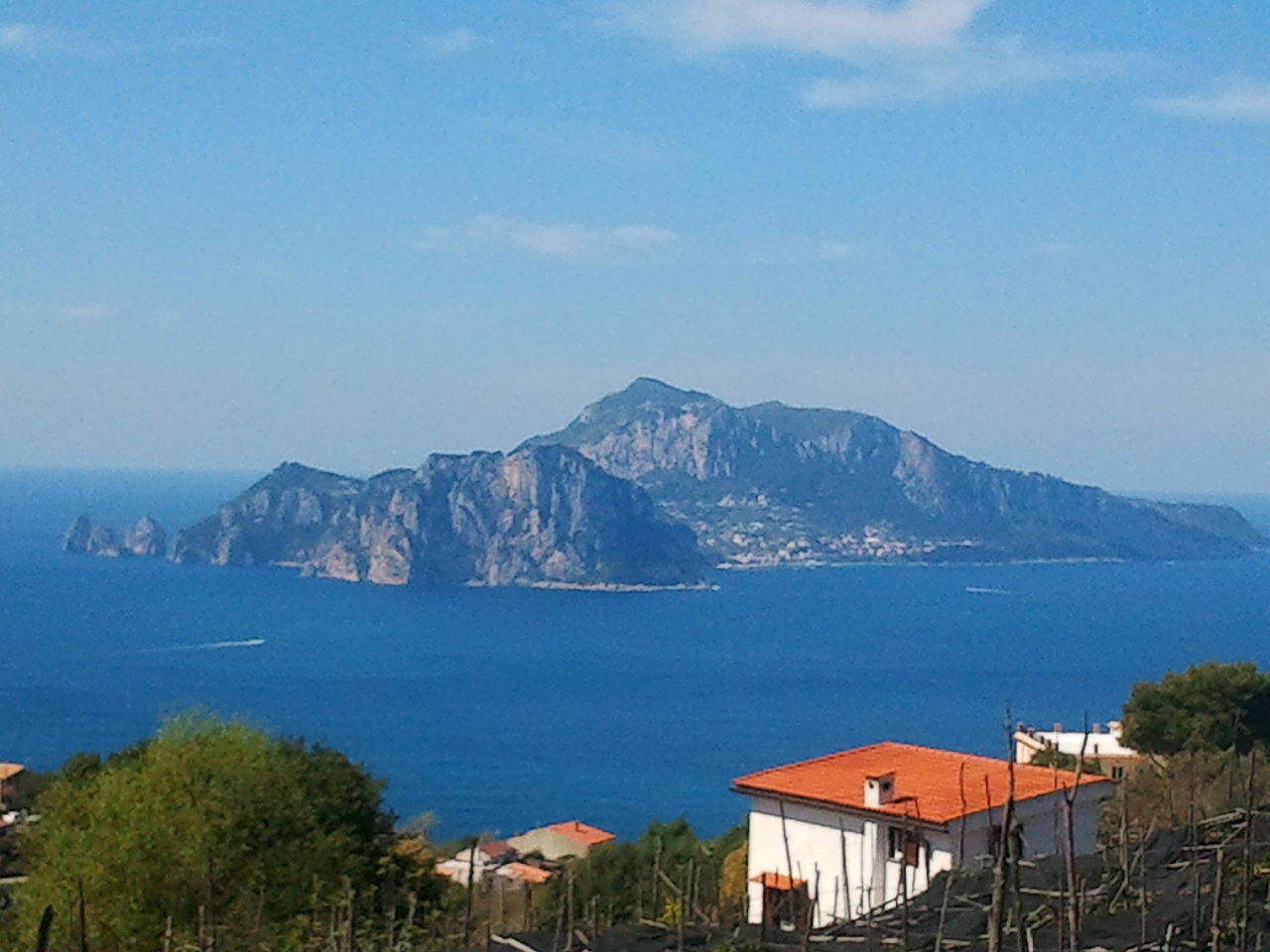
Capri is a limestone island off the Amalfi Coast, best taken as a day or two rather than a week. The two set pieces are the Faraglioni, three rock stacks rising out of the sea off the southern shore, and the Blue Grotto, a sea cave where the light turns the water an electric blue. It is a short ferry from Sorrento or the Amalfi towns, which is why summer days are crowded. Spring and autumn give you the same cliffs and quieter lanes. Best for travellers pairing an island with a coastline.

Lofoten
Lofoten is the cold-water answer to everything above. This Arctic archipelago runs sharp granite peaks straight up out of the sea, with red fishing cabins clustered in coves at their feet. There is no warm lagoon here, the swimming is bracing at best, and that is the point: the beauty is the contrast, white-sand beaches under snow-streaked mountains. In June and July the midnight sun keeps the light going around the clock. Best for travellers who want scale and drama over a tropical swim.
The islands at a glance
The fastest way to match an island to a trip is to line up the country, the months that work and the kind of traveller each one suits. The reasons sit in the cards above, the quick comparison sits here.
| Island | Country | Best months | Good for |
|---|---|---|---|
| Bora Bora | French Polynesia | May to October | Still-lagoon honeymoon |
| Palawan, El Nido | Philippines | November to May | Island-hopping by boat |
| Santorini | Greece | May, September | Cliff-town views |
| Maldives | Indian Ocean | November to April | Reef and overwater villa |
| La Digue | Seychelles | Apr-May, Oct-Nov | Granite beaches by bike |
| Kauai | Hawaii, USA | April to October | Green cliffs and hiking |
| Capri | Italy | Apr-May, Sep-Oct | Day trip off the coast |
| Lofoten | Norway | June to August | Arctic peaks and beaches |
See every island, beach and viewpoint mapped by country
The Country Map plots the best places, beaches, viewpoints and natural sites in each country, with a crowd filter so you can dodge the busiest islands and time the calm months. Use it to build the route between an island and its mainland coast.
When to go
Half of these islands run a tropical dry season and half run a northern summer, so there is no single best month. The split is simple: the lagoons and reefs of the Indian Ocean and the Philippines peak in the northern winter, while the Mediterranean, Hawaiian and Arctic islands peak from late spring through autumn. Pick the island first, then read its window off the strip below.
Best months across the eight islands
Tropics only
Travelling these islands well
Small islands carry their visitors lightly. A reef bleaches from sunscreen, a karst lagoon silts up from too many boats, and a cliff town empties of locals when every house becomes a rental. A few habits keep these places worth visiting for the next traveller.
Do
- Wear reef-safe mineral sunscreen on reefs
Hawaii and Palau have banned oxybenzone sunscreens because they damage coral, and the same chemistry harms the reefs in the Maldives and El Nido.
- Travel in the shoulder months where you can
Santorini and Capri in May or September spread the load off the July peak, which keeps the islands livable and your photos free of crowds.
- Book boat operators that anchor on buoys, not reef
In El Nido and the Seychelles, dropping anchor onto coral breaks decades of growth in seconds.
Don’t
- Touch or stand on coral while snorkelling
A single touch can kill the living surface, and the house reefs in the Maldives are the whole reason you came.
- Fly in for a single night to tick the photo
Long-haul flights to Bora Bora or the Maldives carry a heavy carbon cost, so a longer, slower stay is the honest trade.
- Expect a warm swim on every island
Lofoten’s water hovers near 12C even in July, so pack for the cold-water islands rather than assuming a tropical dip.
The same crowd-and-calm logic shapes the rest of a trip, which is why it helps to pair an island with a coast or a second island rather than parachuting in. The siblings to this guide, our roundups of the most beautiful beaches in the world and the most beautiful lakes in the world, run the same honest-months treatment for sand and freshwater, and the most beautiful waterfalls in the world guide covers the falls many of these islands hide inland.
Which island for which trip
The eight split cleanly along one line: do you want to float in calm water at a resort, or do you want rock, movement and cooler air. Pick the side first and the shortlist shrinks fast.
Best for lagoons and resorts
- Bora Bora, for a still lagoon you snorkel from your own bungalow steps.
- The Maldives, for a house reef under the villa and warm water year round.
- La Digue in the Seychelles, for granite-framed beaches at an easy bike-and-swim pace.
Best for rugged and active
- Palawan’s El Nido, for boat-hopping between karst towers and hidden lagoons.
- Kauai, for the Na Pali cliffs and a rainforest you hike rather than lie on.
- Lofoten, for Arctic peaks over white sand and round-the-clock summer light.
Santorini and Capri sit between the two: not swim islands and not hikes, but landscapes you walk and look at, best in spring or autumn when the cliffs are quiet.
Key takeaways
- There is no single best island: lagoons (Bora Bora, Maldives) peak in the northern winter, while Mediterranean, Hawaiian and Arctic islands peak from spring to autumn.
- Match the landscape to what you want: still lagoon, karst boat-hopping, cliff-town views, or cold-water drama.
- Shoulder months win twice over: May and September on Santorini and Capri, April-May and October-November in the Seychelles give calm seas and thin crowds.
- Pack for the island, not the postcard: Lofoten’s water sits near 12C in July, so it is a hiking trip, not a swim.
Book an island day out
Bora Bora lagoon tours
French Polynesia
El Nido island hopping
Palawan, Philippines
Santorini catamaran cruises
Greece
La Digue day tours
Seychelles
Through the links above you support Pack Lightly, at no extra cost to you.
Common questions
01What is the most beautiful island in the world?
There is no single answer, because the best island depends on the landscape you want. Bora Bora wins for a calm tropical lagoon, Palawan for karst islands you boat between, Santorini for cliff-top views, and Lofoten for Arctic peaks over white sand. Pick the type of scenery first.
02Which beautiful island is best for a honeymoon?
Bora Bora and the Maldives are the classic still-water choices, both built around overwater villas and a calm lagoon or house reef you can snorkel from your steps. Bora Bora is best from May to October, the Maldives from November to April.
03When is the best time to visit these islands?
It splits in two. The Maldives and Palawan peak in the northern winter dry season, roughly November to April. The Mediterranean islands like Santorini and Capri, plus Kauai and Lofoten, peak from late spring through autumn. Santorini and Capri are best in May and September to dodge the summer crowds.
04Are there beautiful islands that are not tropical?
Yes. Lofoten in Norway runs Arctic granite peaks straight down to white-sand beaches and cold green water, with round-the-clock light in June and July. Santorini and Capri in the Mediterranean trade palms for volcanic and limestone cliffs. The water is cool, so they are walking and viewing islands rather than swimming ones.
05Which island is best for snorkelling and reefs?
The Maldives leads for reefs, with house reefs of sharks and rays a few fin-kicks from many villas. Bora Bora’s lagoon and the reefs around El Nido in Palawan are the other strong choices. In all three, wear reef-safe sunscreen and never touch or stand on the coral.
Image credits, all via Wikimedia Commons under Creative Commons licences: Bora Bora, French Polynesia Samuel Etienne (CC BY-SA 3.0); El Nido Bay, Palawan Kalithecat00 (CC BY-SA 4.0); Oia, Santorini Mario Roberto Duran Ortiz (CC BY-SA 4.0); Anse Source d’Argent, La Digue Bjorn Christian Torrissen (CC BY-SA 4.0); Na Pali Coast, Kauai Dcrjsr (CC BY 3.0); Capri from Massa Lubrense Mario Apuzzo (CC BY-SA 4.0); Reinebringen, Lofoten Lukas Beck (CC BY 4.0).


