


“Paid gap year programs” gets searched two different ways. A small group means programs that pay the participant, mostly AmeriCorps and a handful of paid teaching or internship placements. Most people typing it mean programs they pay a fee to join, and want to know which ones are legitimate before they send a deposit. The fastest check for the second group: ask whether the provider holds Gap Year Association (GYA) accreditation or Member Program status, since GYA is the federally recognized standards body for gap year education in the US.
Two people can type the exact same four words into Google and want completely different answers. One wants a gap year where the money flows toward them. The other has already found a program, is looking at a wire-transfer request, and wants to know if the outfit asking for it is real. This piece answers both, then spends most of its depth on the second question, because that is where a wrong guess costs USD 5,000 to 25,000 and a plane ticket, not just a search result.
Two different searches, one phrase
“Paid gap year programs” collapses two searches that have almost nothing in common. The first is literal: a gap year where the participant gets paid, a stipend or a salary instead of a bill. That group is small, and the honest options for it are covered in the next section, fast, because there are not many of them. The second reading is “paid” as in “you paid for it”: a structured, fee-based gap year program, and the actual question behind the search is not about money flowing in, it is “is this one real.” That second group is who this guide is written for, because a working title that ends in “which ones are real” is a trust question, not a pricing question.
The distinction matters because the two searches lead to opposite verification steps. A stipend program like AmeriCorps is backed by a US federal agency, so the check is administrative. A fee-based program is backed by whatever standing the provider itself holds, which ranges from a rigorous third-party accreditation down to nothing more than a professional-looking website. The rest of this guide treats those as separate problems, starting with the smaller group first.
The programs that actually pay you
If the goal is genuinely to be paid during a gap year, the honest list is short and mostly domestic. AmeriCorps is the largest of them: a stipend service program, not a fee-based provider, placing participants for 3 to 12 months with nonprofits, schools, public agencies and community organizations. There is no program fee to join. Instead, participants receive a monthly living stipend, and many placements add an education award worth up to USD 7,395 toward future tuition or existing student loans, on top of whatever the specific placement pays.
- AmeriCorps: no program fee, a monthly stipend, and an education award up to USD 7,395 depending on the term.
- Paid teaching or internship-abroad placements: a smaller category where the host organization or employer pays a wage rather than the participant paying a program fee, distinct from a volunteer or fee-based internship program.
- Domestic paid work-and-travel programs: providers built around hospitality, tourism and outdoor-recreation roles that pay a wage for seasonal work, rather than charging a program fee for a structured curriculum.
None of these are what most gap year marketing shows. The glossy program brochures, the ones with a curriculum, a cohort and a coordinator, are almost always the fee-based kind covered for the rest of this guide. If a “paid gap year program” search led here expecting to get paid, AmeriCorps is the most credible starting point, and it is worth reading before comparing it against any fee-based alternative.
How to tell if a fee-based program is legit
For the fee-based majority, there is one independent verification mechanism worth checking before anything else: accreditation from the Gap Year Association (GYA). GYA holds the federally recognized Standards Development Organization title for gap year education in the United States, documented in a Federal Register notice filed November 8, 2022 under the National Cooperative Research and Production Act of 1993. That is a formal government filing, not a marketing claim the association makes about itself.
GYA accreditation reviews a program provider against five standards categories: Philosophy and Professional Ethics, Community-Based Learning, Risk Management, Independent Student Experiences, and Partnerships. That is a materially different bar than a provider simply describing itself as “trusted” or “award-winning” on its own homepage. GYA’s standards page does not publish a single searchable database of every accredited provider, so the practical move is to ask the provider directly for its accreditation status or Member Program status, then cross-check that claim on the provider’s own site rather than taking a logo image at face value.
Key takeaways
- GYA accreditation is reviewed against five specific categories, not a general reputation score.
- GYA’s federal recognition comes from a documented 2022 Federal Register filing, which is checkable outside the association’s own marketing.
- Accreditation status determines whether a program can offer benefits like college credit or 529 savings account eligibility.
Ask directly for GYA status
Ask whether the provider holds full GYA accreditation or sits in GYA’s Member Program tier, and get the answer in writing, not just verbally.
Cross-check the claim on the provider’s own materials
Look for the accreditation reference on the provider’s official pages rather than trusting a badge image alone, since a badge with no registry behind it is not proof.
Ask what the review actually covered
A genuinely accredited provider should be able to name which of the five standards categories its review addressed, not just say “we’re accredited.”
Ask about credit and savings-account eligibility
Accreditation is what allows some programs to award college credit or let a family use a 529 education savings account toward fees, an unaccredited program typically cannot offer either.

This is a narrower, more specific check than a general work-abroad agency vetting pass. The work-abroad agency legitimacy checklist covers designations and accreditation bodies across the whole working-abroad category, useful if the program in question is really an internship or au pair placement rather than a structured gap year. GYA is the specific body to check when the offer is explicitly branded as a gap year program.
Real program costs, so nothing surprises you later
Cost confusion is where scam anxiety and normal sticker shock overlap. A real, accredited program can still cost USD 20,000, and that number alone does not make it suspicious. What matters is whether the headline fee is the whole cost or just a slice of it. Most full-year gap year budgets, across provider-published estimates, land between USD 5,000 and 25,000 depending on length and destination, and that range already assumes housing, meals and some in-country transport are bundled in for most providers.
| Program | Typical cost | Fee type |
|---|---|---|
| AmeriCorps | No program fee, plus stipend and education award up to USD 7,395 | Stipend program |
| Maximo Nivel | USD 4,495 to 8,995 | Program fee |
| Where There Be Dragons | USD 6,950 to 18,950 | Program fee |
| Outward Bound gap semester | USD 7,695 to 22,060 | Program fee |
| Pacific Discovery | USD 7,950 to 15,500 | Program fee |
| CIEE Gap Year and First Year Abroad | USD 14,500 (12 weeks) | Program fee |
| NOLS gap semester | USD 13,000 to 40,000 | Program fee |
| Tilting Futures Take Action Lab | USD 21,000 | Program fee |
A separate pricing model worth naming: IVHQ-style volunteer and intern programs advertise from around USD 20 per day plus a one-time registration fee of USD 329 to 449. That structure looks cheaper on the surface than a flat CIEE-style fee, but it usually means fewer inclusions per dollar, so the total for a comparable length of stay needs the same total-cost check as anything else on this table. In every case, ask the provider to itemize what the headline number includes, insurance, housing, meals, in-country transport, before comparing it to a different provider’s headline number.
Red flags that mean walk away
Once a program has passed the accreditation check, the remaining risk is specific to how the deposit itself is handled, not the program’s general reputation. These are the payment-stage signals worth checking every time, regardless of how legitimate the provider looked up to that point.
Normal
- Payment by card or bank transfer to a registered business account: traceable and reversible through standard consumer protections.
- A written itemization of what the program fee covers: insurance, housing, meals and support are named line items, not a lump sum with no breakdown.
- Reviews spread across several years, not clustered in one recent window: a genuine track record accumulates gradually.
Red flag
- A request for wire transfer or an unfamiliar payment app: harder to trace and reverse than a card payment to a business account.
- No explanation of where the fee actually goes: a provider that cannot itemize its own fee has nothing to be transparent about.
- Pressure to open a new credit card or borrow from family to pay a deposit: urgency around financing is a pressure tactic, not a program feature.
- Reviews that are all recent and read nearly identical: a sign the reviews were generated in a batch rather than accumulated over time.

None of this replaces the accreditation check from the previous section, it is a second, independent filter. A provider can hold real GYA standing and still have a specific staff member or third-party payment link that fails one of these checks, and either filter alone is not enough. If the decision is still whether a gap year is the right move at all rather than which provider to trust, is a gap year worth it covers that question directly, and planning a gap year or career break walks through the broader planning timeline once a provider is chosen. For paid or unpaid alternatives that sit closer to a straight work placement than a structured program, internships abroad and volunteering abroad cover the neighboring categories.
FAQ
01Are there gap year programs that actually pay you?
A small number, mostly AmeriCorps, which pays a stipend plus an education award up to USD 7,395, and a handful of paid teaching or internship-abroad placements. Most programs that show up under “paid gap year programs” are fee-based programs you pay to join, not programs that pay you.
02How do I know if a gap year program is legit before I pay a deposit?
Check whether the provider holds Gap Year Association (GYA) accreditation or Member Program status. GYA is the federally recognized standards body for gap year education in the US, and its review covers ethics, risk management and student support, not just marketing claims.
03What’s a normal price range for a gap year program?
Most structured programs run USD 5,000 to 25,000 for a full year depending on length and destination. Always compare the total cost, including housing, meals, insurance and flights, not just the headline program fee.
04What payment red flags mean a gap year program might be a scam?
Requests for wire transfers or unfamiliar payment platforms, no clear explanation of where the fee goes, pressure to open a credit card or borrow from family, and reviews that are all recent and read nearly identical.
05Is AmeriCorps a gap year program?
It functions like one for many participants. It is a paid stipend service program rather than a fee-based provider, running 3 to 12 months and placing people with nonprofits, schools and community organizations.
06Do I need a GYA-accredited program to use gap year credit or savings?
Often yes for specific benefits. GYA accreditation is what allows some programs to award college credit or let families use 529 education savings accounts to cover fees, benefits that unaccredited programs typically cannot offer.
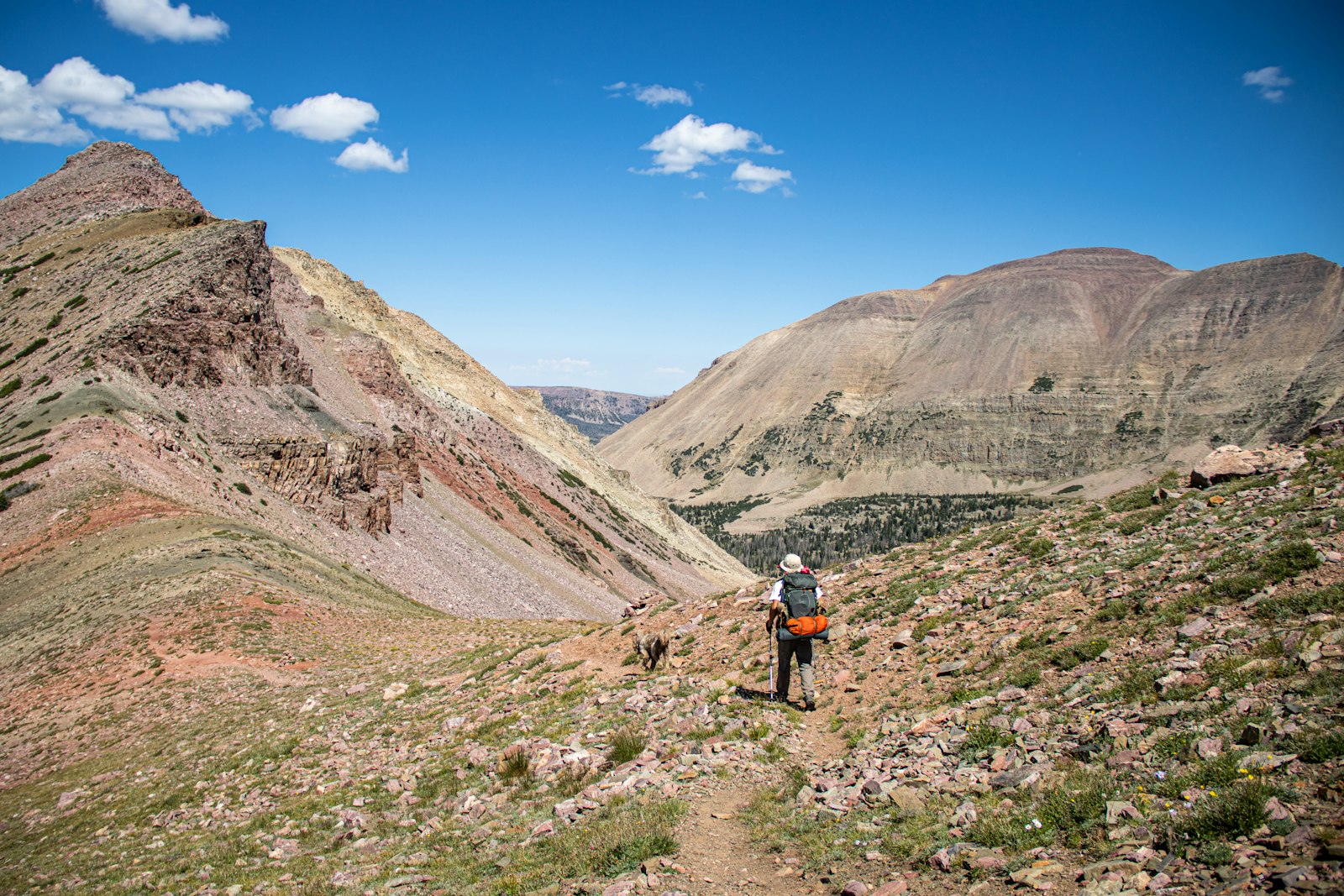
Image credits: Hiker on a mountain trail by Caleb Jack on Unsplash. Person working on a laptop at a desk by Windows on Unsplash. Volunteers cleaning up a forest by Vitaly Gariev on Unsplash.


