


The forest holds its breath, anticipation thick in the air as you await the European bison’s appearance.
In Poland‘s Białowieża National Park, the ancient trees whisper secrets of wildlife. This primeval forest is home to the majestic European bison, a symbol of conservation success. Guided walks offer a rare chance to see these magnificent creatures up close.
Quick answer
Wildlife in Poland means guided walks for European bison: best from year-round.
Key takeaways
- Book guided walks in Białowieża for European bison sightings.
- Join howling tours in Bieszczady for Eurasian wolves.
- Visit Biebrza National Park for moose encounters in September.
- Explore Białowieża’s primeval forest for unique biodiversity.
- Expect high chances of sightings year-round in key parks.
What makes Poland worth the trip for wildlife
Białowieża National Park is a cornerstone of Poland’s wildlife identity, home to the last wild European bison. This UNESCO World Heritage site offers a glimpse into Europe’s natural heritage.
- Białowieża’s primeval forest hosts around 600 free-roaming bison: guided walks ensure sightings.
- Bieszczady National Park features the EU’s densest wolf population: join autumn howling tours.
- Biebrza National Park’s wetlands are perfect for observing moose and diverse birdlife.
Book this if: Book if you want guided walks for European bison in Białowieża National Park.
Skip if: Skip this if you seek big-cat sightings, as Poland lacks such species.
Animals Around the World
Explore which animals you can spot in every country with our interactive map: search by species, region, or park.
Wildlife Map. Poland
Parks and reserves featured in this guide, plotted on the map below.
Which animals can you actually see in Poland
Białowieża National Park anchors Poland’s wildlife circuit with its primeval forest home to the European bison. This reserve network offers trekking and guided tours that put you close to large mammals and rare birds in their natural habitats.
| Animal | Spot chance | Best months | Where | Access |
|---|---|---|---|---|
| European bison | Almost guaranteed in season | June, July, August | Białowieża National Park, Knyszyńska Forest | Guided tour required |
| Eurasian elk (moose) | Almost guaranteed in season | September, October | Biebrza National Park, Kampinos National Park | Boat/walk combo |
| European bison | Almost guaranteed in season | May, June, July, August, September, October, November, December | Białowieża National Park | Guided tour required |
| Gray wolf | High probability in peak months | May, June, July, August, September, October | Białowieża National Park, Bieszczady National Park | Guided tour required |
| Eurasian wolf | Almost guaranteed in season | October, November, December, January, February, March | Bieszczady National Park | Guided tour required |
| Eurasian otter | Almost guaranteed in season | May, June, July, August, September, October | Biebrza National Park, Narew National Park | Boat/walk combo |
| Black stork | High probability in peak months | April, May, June, July | Białowieża National Park, Biebrza National Park | Guided tour required |
| Fire salamander | High probability in peak months | April, May, September, October | Bialowieza Forest, Tatry National Park | Guided tour required |
| Eurasian lynx | Almost guaranteed in season | December, January, February, March | Białowieża National Park, Bieszczady National Park | Guided tour required |
| Great snipe | Almost guaranteed in season | May, June | Biebrza National Park, Narew National Park | Night tour with guide |
| Aquatic warbler | Almost guaranteed in season | May, June, July | Biebrza National Park, Narew National Park | Guided tour required |
| White-tailed eagle | Almost guaranteed in season | January, February, March, April, May, June, July, August, September, October, November, December | Biebrza National Park, Białowieża National Park | DIY (free access) |
| Red kite | Almost guaranteed in season | March, April, May, June, July, August, September | Roztoczański National Park | DIY (free access) |
European bison Almost guaranteed in season
Białowieża’s ancient forest feels like stepping into a prehistoric world where European bison roam freely. Licensed guides lead you on year-round walks through this strictly protected reserve, making sightings nearly guaranteed. The slow approach through dense woodland reveals these massive herbivores in their natural setting, a rare chance to witness Europe’s largest land mammal outside captivity.
Conservation: Vulnerable: populations declining outside major protected areas
Action: Active protection includes licensed guided walks that control human impact and support population monitoring in Białowieża.
Eurasian elk (moose) Almost guaranteed in season
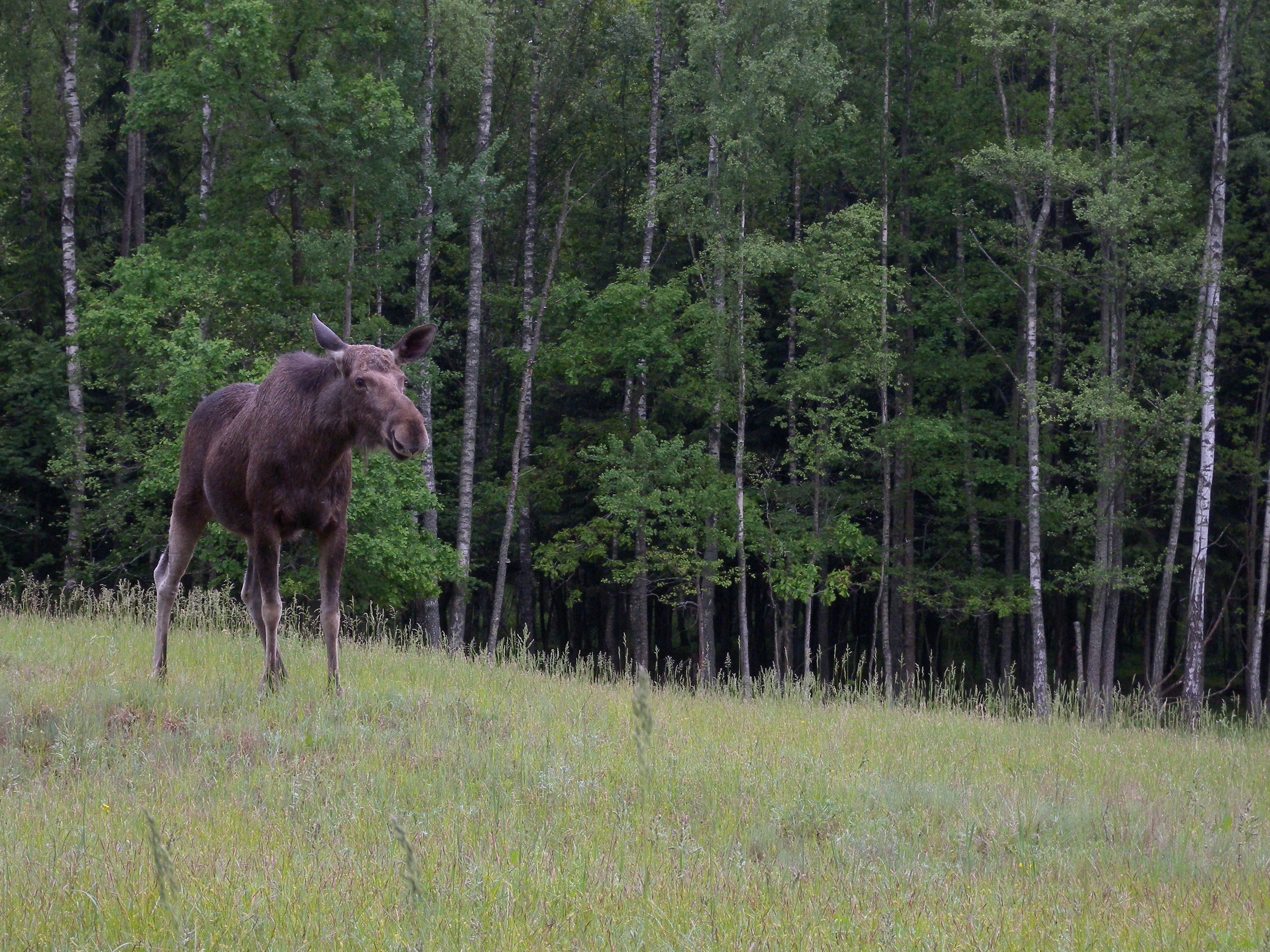
Biebrza National Park’s alder-willow marshes open up at dawn with mist rising over quiet channels where moose feed. Early morning boat rides in September during the rut bring you close to these towering mammals, often within a few dozen feet. The marsh landscape demands patience and timing but rewards with exceptional encounters in Poland’s largest moose population.
European bison Almost guaranteed in season
Białowieża remains the last natural stronghold for the European bison, where guided dawn safaris are the only legal entry into the strict reserve. The forest’s dense canopy and quiet trails create a tense atmosphere as you wait for the massive bison to appear. This controlled access ensures minimal disturbance while maximizing your chance to see these iconic mammals in the wild.
Conservation: Near threatened: habitat pressure from forest fragmentation and human activity
Action: Guided dawn safaris enforce strict reserve rules to protect the bison’s habitat and reduce poaching risks.
Gray wolf High probability in peak months
Białowieża Forest offers the best habitat for gray wolves in Poland, where local rangers lead guided dawn tracking tours. Fresh wolf prints mark the forest floor, and occasional howling surveys can provoke pack responses, creating a rare auditory connection. The experience demands early starts and patience but delivers a close look at one of Europe’s most elusive predators.
Eurasian wolf Almost guaranteed in season
Bieszczady National Park in southeast Poland hosts the densest wolf population in the EU. Autumn howling tours immerse you in the forest’s dusk chorus, increasing your odds of hearing and sometimes spotting wolves. The rugged terrain and quiet trails require a fit traveler ready for early starts and guided walks through this remote wilderness.
Eurasian otter Almost guaranteed in season
Paddling a canoe along Biebrza National Park’s quiet channels at dusk reveals one of Europe’s top otter sites. Hunting otters surface regularly, slipping through reeds and chasing fish in the calm water. This water-based approach offers a peaceful way to connect with elusive semi-aquatic mammals in a protected wetland environment.
Black stork High probability in peak months
Białowieża’s old-growth forest streams host black storks foraging quietly in June. These large, shy birds patrol woodland waterways, offering reliable views during trekking routes. The forest’s intact canopy and minimal disturbance create a prime setting for observing this less common stork species in natural conditions.
Fire salamander High probability in peak months
Wet autumn and spring evenings on forest roads in Bieszczady and Tatra Mountains bring fire salamanders crossing in significant numbers. Their bright yellow spots on black skin stand out against the damp forest floor. Night walks during rainy spells increase your chances to see these amphibians active in their mountain habitats.
Eurasian lynx Almost guaranteed in season
Tracking snowy primeval forests in Białowieża and Bieszczady reveals lynx footprints reliably, though live sightings remain rare. Experienced guides interpret signs along quiet trails, offering a glimpse into the elusive lynx’s presence. The deep forest and winter conditions demand preparation but reward with subtle wildlife clues.
Great snipe Almost guaranteed in season
Nocturnal guided visits to Biebrza’s wet meadows in May and early June reveal great snipe males performing mass displays. The birds’ drumming and fluttering create a unique soundscape in the dark, requiring quiet and patience. This rare spectacle demands booking specialized night tours during the brief peak season.
Aquatic warbler Almost guaranteed in season
Guided dawn walks through Biebrza’s sedge fen in June offer the world’s best chance to see aquatic warblers. Their distinctive calls echo across the marsh as you navigate narrow trails. This vulnerable species requires specialized tours timed precisely to catch their brief breeding season.
Conservation: Vulnerable: populations declining outside major protected areas
Action: Conservation includes habitat protection in fen wetlands and guided tours that minimize disturbance during breeding.
White-tailed eagle Almost guaranteed in season
Biebrza marshes provide observation towers where you can watch Europe’s largest white-tailed eagle breeding population year-round. These massive raptors soar above wetlands, often perching visibly on dead trees. The towers offer a stable platform for photography and extended viewing without disturbing the birds.
Red kite Almost guaranteed in season
In central Poland’s farmland and forest edges, red kites quarter low over freshly ploughed fields in spring. Their graceful flight and forked tails make them easy to spot against open skies. Scanning agricultural landscapes during this season offers reliable sightings of this recovering raptor species.

The animals that define Poland’s safari circuit
Poland’s wildlife safaris offer more than just sightings: they deliver immersive encounters in primeval forests and vast marshes. Each reserve specializes in species that thrive in its unique terrain, rewarding your effort with rare moments of connection. Prepare for early starts and guided treks that put you deep into the wild heart of Europe.
European bison
In Białowieża National Park, the dense primeval forest muffles your footsteps as you follow a licensed guide on a strict trail. The air is thick with moss and damp earth. Suddenly, through a break in the trees, a massive European bison (Bison bonasus) emerges, grazing calmly near a clearing. The silence is profound, broken only by distant bird calls and the bison’s slow chewing. The moment feels intimate, as if you’ve stepped back into a prehistoric wilderness.
Why this reserve: Białowieża holds the largest free-roaming population of European bison, around 600 individuals, unmatched by other Polish forests. The park’s strict protection and licensed guided walks ensure both animal welfare and high sighting reliability. Its old-growth forest and water sources concentrate bison in accessible zones, making it the top choice for this species.
What most visitors miss: Visitors often overlook the park’s rich understory life, including wild boar and rare woodpeckers that share the bison’s habitat. Dawn visits reveal bison wallowing in mud, a behavior that regulates parasites and cools them during summer.
Conservation: The European bison is listed as Vulnerable by IUCN due to past near-extinction. Białowieża’s reintroduction programs and strict anti-poaching patrols have stabilized the population, making it Europe’s last stronghold for this species.
| How to see | Book a licensed guided walk well in advance; half-day tours at dawn maximize sighting chances. Book this tour offer reliable options. |
| Ethical note | Maintain distance and avoid sudden movements; feeding or approaching bison is prohibited to protect their natural behavior. |
| Cost | ~$80 – $120 including guide fee and park entry for a half-day walk. |
Eurasian elk (moose)
At Biebrza National Park, you glide silently in a small boat through alder-willow marshes just before sunrise. Mist rises off the water, and the air smells of wet earth and reeds. Suddenly, a massive Eurasian elk (Alces alces) steps from the shadows to drink at the water’s edge. Its antlers catch the first light, and the quiet splash of hooves on mud punctuates the stillness. The elk’s presence commands the marsh’s vast solitude.
Why this reserve: Biebrza’s extensive wetlands support Poland’s largest moose population, concentrated in accessible marsh channels. Early morning boat rides offer close encounters unmatched by forest-only parks. The park’s waterway network and expert guides create a unique viewing platform for moose during the rut.
What most visitors miss: Few notice the synchronized timing of moose activity with dawn chorus; the park also hosts rare aquatic warblers and otters in the same habitat, rewarding patient observers.
| How to see | Arrange a guided early morning boat tour during September’s rut season for best results. Booking ahead is essential. Book this tour provide options. |
| Ethical note | Keep noise to a minimum and avoid sudden movements to prevent disturbing moose and other marsh wildlife. |
| Cost | ~$70 – $110 including guide and boat rental. |
Eurasian wolf
In Bieszczady National Park’s dense forests, the crisp autumn air carries distant howls as you join a small group on a guided evening tour. The forest floor crunches underfoot, and the fading light filters through tall pines. Suddenly, a chorus of wolf howls echoes, answering your guide’s call. Though wolves (Canis lupus lupus) remain mostly hidden, the soundscape confirms their dense presence. The thrill lies in the raw connection to a wild predator’s territory.
Why this reserve: Bieszczady holds the highest wolf density in the EU, with extensive forest cover and minimal human disturbance. Local guides specialize in howling tours that reliably elicit responses, offering a rare auditory encounter rather than visual sightings.
What most visitors miss: Visitors often miss the pack dynamics revealed by howling patterns and the presence of lynx and wild boar sharing the same habitat, which influence wolf movement and behavior.
| How to see | Join a guided howling tour in autumn; small group sizes and local expertise improve chances. Book at least two weeks ahead. Book this tour available. |
| Ethical note | Respect quiet zones and avoid approaching wolf dens; disturbance can disrupt pack behavior. |
| Cost | ~$60 – $90 per evening tour including guide. |
Eurasian lynx
Tracking fresh paw prints in the snowy primeval forest of Białowieża or Bieszczady, you move silently with an experienced guide. The cold air sharpens your senses as you follow the faint trail of the elusive Eurasian lynx (Lynx lynx). Though live sightings are rare, the crisp tracks and occasional scratch marks on trees confirm the lynx’s presence. The forest’s stillness and the thrill of the chase create a tense, focused atmosphere.
Why this reserve: Białowieża and Bieszczady offer the best terrain for lynx tracking due to their large, undisturbed forest tracts and expert guides skilled in interpreting signs. These parks provide the only legal and ethical access to lynx habitats in Poland.
What most visitors miss: Most miss the lynx’s nocturnal habits and its role as a top predator controlling deer populations, which affects forest regeneration patterns.
| How to see | Book a snow-tracking tour with certified guides in winter months; sightings are rare but tracks are reliable. Early booking recommended. Book this tour offer specialized trips. |
| Ethical note | Avoid night-time disturbance and never attempt to lure lynx; tracking must remain non-invasive. |
| Cost | ~$70 – $100 for a half-day tracking tour. |
White-tailed eagle
From an observation tower in Biebrza’s marshes, you scan the sky as the sun rises. A massive white-tailed eagle (Haliaeetus albicilla) soars overhead, its broad wings casting a shadow on the reeds below. The bird’s sharp eyes scan for fish, and its slow, powerful wingbeats dominate the airspace. The marsh’s quiet expanse and the eagle’s commanding presence make this a moment of raw wilderness connection.
Why this reserve: Biebrza hosts Europe’s largest breeding population of white-tailed eagles, with observation towers strategically placed for year-round viewing. The park’s vast wetlands provide abundant fish and nesting sites, unmatched by other Polish reserves.
What most visitors miss: Visitors often overlook the eagle’s seasonal fishing techniques and the presence of other raptors like red kites that share the skies, creating dynamic aerial interactions.
| How to see | Use observation towers year-round; no guide needed but local birdwatching tours enhance experience. Book this tour available for combined birding trips. |
| Ethical note | Maintain distance from nests and avoid loud noises near observation points to prevent disturbance. |
| Cost | ~$20 – $50 for park entry and optional guide. |
Black stork
In June, walking quietly along woodland streams in Białowieża, you spot a black stork (Ciconia nigra) foraging in shallow water. Its glossy black feathers shimmer with iridescent green and purple hues. The bird moves deliberately, probing mud for prey. The surrounding old-growth forest muffles sounds, making the stork’s presence feel like a secret shared only with the trees.
Why this reserve: Białowieża’s old-growth forests provide ideal nesting and feeding grounds for hundreds of breeding black storks. The park’s network of trails and expert guides offer reliable access to these otherwise shy birds.
What most visitors miss: Most miss the stork’s silent flight and its preference for secluded streams, which contrasts with the more common white stork’s open fields habitat.
| How to see | Join guided trekking tours in June focused on woodland birding; early morning hikes improve chances. Book in advance. Book this tour offer specialized birding walks. |
| Ethical note | Keep to trails and avoid approaching nests to protect breeding success. |
| Cost | ~$50 – $80 for guided half-day trek. |
Fire salamander
On wet spring or autumn evenings in Bieszczady or Tatry mountain forests, you walk slowly along shaded forest roads. The black-and-yellow fire salamander (Salamandra salamandra) crosses the path in surprising numbers, its bright markings vivid against the dark, moist leaf litter. The cool air and dripping foliage create a damp, quiet atmosphere, punctuated by the salamanders’ slow, deliberate movements.
Why this reserve: Bieszczady and Tatry’s beech forests provide the moist, shaded microhabitats fire salamanders require. The parks’ low human traffic and protected status allow significant salamander populations to thrive.
What most visitors miss: Few notice the salamanders’ breeding migrations during wet nights or their role in controlling forest insect populations.
| How to see | Walk forest roads on wet evenings in spring or autumn; no guide needed but local naturalists enhance understanding. Verify weather conditions before heading out. |
| Ethical note | Avoid handling salamanders and stay on paths to protect their fragile habitat. |
| Cost | Free to low cost; park entry fees apply if applicable. |
Book wildlife tours in Poland
Compare guided safaris, nature walks, and reserve tours from local operators.
Which reserves to visit in Poland
Poland offers diverse reserves for wildlife enthusiasts, particularly for observing iconic species like European bison and wolves.
Białowieża National Park
Home to the last wild European bison population, making sightings nearly guaranteed.
How to reach: Nearest hub is Białowieża village, accessible by bus or car in about 2 hours from Warsaw.
Park fee: $10
Bieszczady National Park
Known for its dense wolf population and scenic hiking trails.
How to reach: Nearest hub is Ustrzyki Dolne, about 1 hour by car.
Park fee: $5
Biebrza National Park
Offers excellent opportunities for observing Eurasian otters and moose.
How to reach: Nearest hub is Augustów, approximately 1 hour by car.
Park fee: $8
When to visit Poland for wildlife
Visit between May and August for peak wildlife sightings, especially for European bison and Eurasian lynx.
Peak window: May to August, when European bison are most visible and lynx tracking is more reliable.
Avoid: December to February due to harsh weather and limited animal activity.
During spring and summer, animals are more active, and vegetation is lush, making wildlife spotting easier. In winter, many species are less visible due to snow cover.
European bison are highly visible in Białowieża National Park.
Eurasian lynx tracks are easier to find in snowy conditions.
European bison sightings peak as they roam more freely.
Eurasian elk are often spotted near water sources.

What a wildlife trip in Poland costs
Daily estimate: $150 – $250
| Cost component | What to expect |
|---|---|
| Guide fee | $50 – $100 for a certified guide per day. |
| Park entry | $10 – $15 per park. |
| Accommodation | $60 – $90/night for eco-lodges See lodges. |
| Transport | $30 – $50 for local transport. |
Money saver: Book multi-day tours that include accommodation and transport to save on individual costs.
Book wildlife tours
Compare guided tours, safaris, and nature experiences in Poland.
Wildlife ethics in Poland: what to know before you book
Ethical wildlife tourism is crucial for conservation and local communities in Poland.
Do
- Book certified guides for all wildlife excursions.
- Choose operators that prioritize animal welfare and conservation.
- Ask about the operator’s policies on captive animals.
Don’t
- Never engage in activities involving captive wildlife for selfies.
- Avoid operators that promote unethical practices like baiting.
- Don’t support establishments that offer elephant rides or similar experiences.
Operator checklist
Verify that the operator holds current permits from wildlife authorities. Ensure guides are certified naturalists. Check that vehicle numbers are limited per sighting to minimize disturbance.
Safety and preparation for wildlife in Poland
Safety: Poland is home to large mammals like wolves and moose. Be aware of ticks and potential Lyme disease in forested areas.
Gear to bring
- Wear neutral clothing colors to blend into the environment.
- Bring sturdy boots for walking in rugged terrain.
- Pack binoculars (8×42 minimum) for optimal wildlife viewing.
- Carry a rain jacket to stay dry during unpredictable weather.
Health: Consult a travel health clinic: recommendations change.
Frequently asked questions about wildlife in Poland
1Are European bison sightings actually common at Białowieża National Park? What’s the real probability?
Yes, sightings of European bison are nearly guaranteed with licensed guided walks available year-round.
2Is 1 day at Białowieża National Park enough to see European bison, or do I need 2+ days?
One day is sufficient to see European bison; guided dawn safaris are highly effective.
3Do I need a licensed guide to enter Bieszczady National Park to see Eurasian wolves, or can I drive in alone?
A licensed guide is recommended for tracking Eurasian wolves in Bieszczady National Park.
4Is Białowieża National Park or Bieszczady National Park better for seeing Eurasian lynx on a one-day trip?
Białowieża National Park offers better odds for lynx sightings, especially during snowy conditions.
5Is engaging in wildlife photography with drones actually OK in Poland?
No, using drones in sensitive wildlife areas is prohibited and disrupts animal behavior.
6Is $100 realistic for a guided tour at Białowieża National Park?
Yes, $100 is a reasonable estimate for a guided tour focusing on European bison.