


Rwanda carries a heightened overall risk level under the current US State Department advisory, driven mainly by crime, unrest and health concerns and by the DRC border situation, rather than everyday street crime. Petty crime exists in urban areas, and the road-death figure is high at 29.6 deaths per 100,000 people. The US State Department’s Level 3 rating means travelers should reconsider travel and stay informed on the border situation. wildlife and natural beauty, the current Level 3 advisory means urban safety and the border situation need real attention, not just street smarts.
The main risks are the reasons behind the Level 3 rating itself, crime, unrest and health, plus the DRC border zone specifically. Do not travel within 10 km of the DRC border. Petty theft and taxi scams add to everyday risk, especially in Kigali. Read the full advisory and check for updates before deciding whether to travel. Kigali. Travelers should be cautious of unofficial taxi drivers quoting inflated rates. Kigali ranks among Africa’s safest capitals, which helps make exploring Rwanda’s culture and landscapes smoother.
Key takeaways
- The US State Department has rated Rwanda Level 3 – Reconsider Travel since May 2026 (updated 4 June 2026) over crime, unrest and health; check the current advisory before booking.
- Do not travel within 10 km of the DRC border, per the US State Department advisory.
- Rwanda’s road-death rate is high at 29.6 deaths per 100,000 people; use reputable transport services.
- Solo female travelers should remain aware of their surroundings, as the women’s safety rating is moderate.
- Kigali tour scams can mislead travelers; research your itinerary and verify tour operators before booking.
Rwanda at a glance: Level 3 near the DRC border
Moderate-to-high risk
The US State Department rates Rwanda Level 3 – Reconsider Travel due to crime, unrest and health, with a Do Not Travel zone within 10 km of the DRC border. Elsewhere, most tourists can explore with standard precautions.
Government travel advisories
The following table outlines the official travel advisories from major governments.
| Authority | Advisory |
|---|---|
| US State Department | Level 3 – Reconsider Travel, in effect since May 2026 (updated 4 June 2026), due to crime, unrest and health. Do Not Travel within 10 km of the DRC border. |
| Australia Smartraveller | Exercise normal safety precautions; be aware of petty crime. |
Regions to avoid
Avoid the following regions due to safety concerns.
- DRC border zone: The US State Department advises against all travel within 10 km of the DRC border due to armed-group activity linked to the M23 conflict.

Low crime away from the border: Rwanda’s real picture
Petty crime is low, and violent crime against tourists is uncommon away from the DRC border, making most of Rwanda relatively safe day to day. The Numbeo index stands at 27.5, indicating a manageable crime environment. However, opportunistic theft can occur, especially in urban areas, and the security situation near the DRC border is a separate and more serious concern.
Common tactics include bag-snatching from motorbikes, pickpocketing on public transport, and distraction theft in crowded areas. Tourists should be cautious around ATMs, where thieves may target those withdrawing cash. Always secure bags and avoid displaying valuables.
Violent crime affecting tourists is low in Kigali and the main tourist circuit, but the US State Department’s Level 3 rating reflects real risk concentrated at the DRC border, where armed-group activity has occurred. Stay at least 10 km from that border and follow official updates before any western Rwanda itinerary.
Scams that target tourists
Overpriced taxi rides are a more common issue for tourists in Rwanda than violent crime.
| Scam | How it works | Red flag |
|---|---|---|
| Kigali tour scams | Scammers pose as tour guides, claiming to offer exclusive tours at inflated prices or redirecting you to closed attractions. | If a guide insists a site is closed, it likely is not – walk away. |
Where to stay and where to skip
Safer areas to base in
- Kigali city centre – vibrant area with many hotels and restaurants, among Africa’s safest capitals.
- Kigali Genocide Memorial – a respectful and safe site to visit
Areas to avoid
- DRC border zone (within 10 km) – Do Not Travel per the US State Department due to armed-group activity
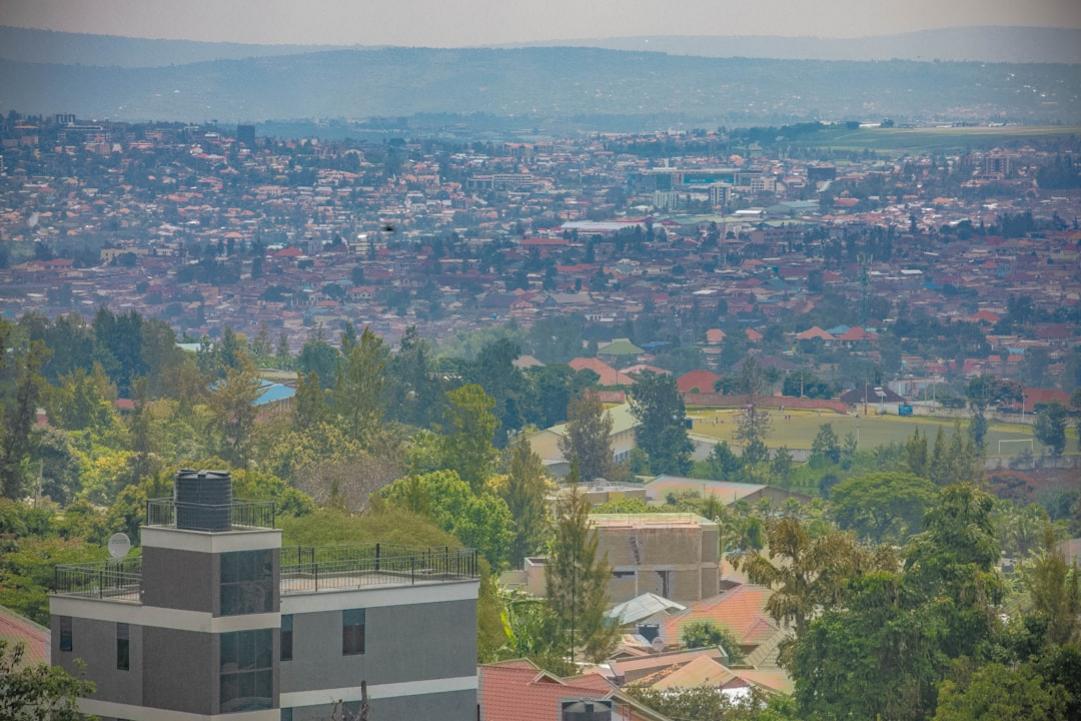
Rwanda safety by traveler type
Safety in Rwanda varies based on who you are. Women’s safety and LGBTQ+ ratings are based on official indices and laws, while the other groups reflect the overall risk picture. Understanding these nuances helps in making informed travel decisions.
Solo female travelers may find Rwanda generally welcoming, but caution is advised. The Women’s Peace and Security index ranks Rwanda at 79, indicating moderate safety for women. Awareness of surroundings and local customs is essential.
Watch for
- Use registered taxis instead of unofficial ones.
- Dress modestly to respect local culture.
- Stay in well-reviewed accommodations in Kigali.
LGBTQ+ relationships are legal in Rwanda, but social acceptance can vary. Public displays of affection may attract unwanted attention, so discretion is advised. Same-sex marriage is not recognized, which can affect social interactions.
Watch for
- Avoid public displays of affection.
- Be cautious near the western DRC border due to M23 conflict spillover.
- Research local LGBTQ+ friendly venues in Kigali.
Rwanda is relatively safe for families, with low petty crime rates in tourist areas. Medical facilities are available, but ensure access to clean water and safe food for children. Road safety can be a concern during transfers.
Watch for
- Use bottled water to avoid health issues.
- Choose accommodations with family-friendly amenities.
- Plan road transfers during daylight hours.
Rwanda is forgiving for first-time travelers, with visible scams that are easy to avoid. The infrastructure is generally good, and locals are helpful. Learning about common scams can enhance the experience.
Watch for
- Beware of taxi scams at the airport.
- Use metered taxis instead of fixed-rate offers.
- Keep valuables secure in busy areas.
Older travelers can navigate Rwanda safely, but should be cautious of pickpockets in crowded areas. Access to quality medical care is available in major cities. Mobility-friendly options are limited in some regions.
Watch for
- Stay in central areas with good access to hospitals.
- Avoid carrying large amounts of cash.
- Use reputable transport services for longer trips.
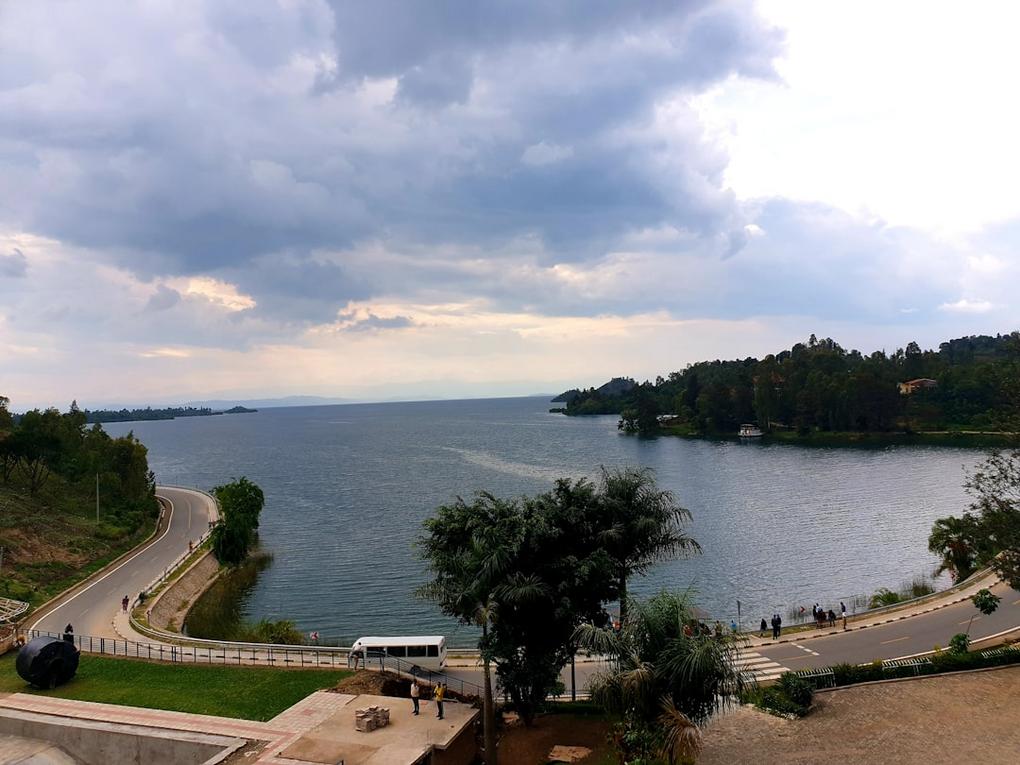
Roads and driving: Rwanda’s practical risks
Getting around safely
Road risk is high in Rwanda, with 29.6 deaths per 100,000 people. Self-driving is not recommended due to poor road conditions and local driving habits. Use rideshare apps or metered taxis for safer transport. Carry an IDP and a copy of your passport, as police bribery can occur during traffic stops.
Health and natural hazards
Laws and conduct that catch tourists out
Trafficking and possession of drugs carry heavy penalties, including up to 25 years for serious trafficking. Rwanda abolished the death penalty in 2007. Cannabis remains illegal.
Photography of military sites and government buildings is prohibited, with penalties for violations. Dress modestly at religious sites, covering shoulders and knees, and avoid public displays of affection.
Emergency numbers and what to do in Rwanda
For any emergencies, call the tourist police line listed below for travel incidents, as they are English-speaking.
- Move to a safe public place.
- Call the tourist police line listed below.
- Notify your insurer.
- Do not sign anything.
- Request your embassy.
- Notify your insurer.
- Ask for a translator.
- Refuse to surrender your passport.
- Notify your embassy.
Embassies and consulates
- UK – Kigali · +250 252 556 000
- US – Kigali · +250 252 596 400
Medical care and costs
Rwanda has private hospitals in Kigali with international-standard equipment, while facilities elsewhere are more basic.
- King Faisal Hospital (Kigali) · +250 252 588 888
- Kibagabaga Hospital (Kigali) · +250 252 587 277
Emergency visits at private hospitals cost $50-200 USD, while inpatient care ranges from $200-700 USD per night. This means that medical treatment can become expensive quickly, making travel insurance essential to cover potential costs, especially given the high medical costs and limited public care options in remote regions.
Travel insurance for peace of mind
Heymondo covers theft, medical emergencies and evacuation, the things this page prepares you for. Our link applies a 5% discount automatically.
Frequently asked questions about Rwanda safety
1Is Rwanda safe to visit at night?
Yes, but exercise caution in urban areas. Petty theft is more common in Kigali after dark, so stay alert.
2Is Rwanda safe for solo female travelers?
Moderately safe, but be aware of your surroundings. The women’s safety rank is 79, indicating some risks exist.
3Can you drink the tap water in Rwanda?
No, tap water is not safe to drink. Always opt for bottled water to avoid health issues.
4Is it safe to drive in Rwanda?
Driving can be risky due to high road death rates at 29.6 deaths per 100,000. Consider using public transport or hiring a driver.
5Which areas of Rwanda should I avoid?
Avoid the DRC border zone in Western Rwanda, as it is under travel advisories due to safety concerns.
6Are there any common scams in Rwanda?
Yes, be cautious of Kigali tour scams where drivers may quote inflated prices. Always use official taxi services.
7Is Rwanda safe right now?
Yes, the overall risk level is low, but remain aware of petty crime in urban areas.
Some links on this page are affiliate links. We may earn a small commission at no extra cost to you when you use them.