


Singapore’s snorkeling delivers patch reefs in turbid urban waters, centered on the Southern Islands and Sisters’ Islands Marine Park. Visibility rarely exceeds 5 metres, but expect dense coral patches and reef fish species like clownfish and damselfish. This is not a tropical reef escape, but a controlled glimpse into urban marine ecosystems. The bottom line: snorkeling here is about convenience and unique urban reef encounters, not crystal-clear waters.
The 10 snorkel spots range from shore-accessible beaches like Sentosa’s Palawan Beach and Changi Beach to boat-only sites such as Pulau Semakau and Sisters’ Islands Marine Park. Difficulty varies from easy shore entries at Lazarus Island to moderate currents at Pulau Hantu. If you want hassle-free shore snorkeling, this guide shows where to go; if you seek deep coral walls or large pelagics, look at the scuba diving page instead.
Key takeaways
- Choose Pulau Hantu for moderate currents and 4 – 5 metre visibility, ideal for confident swimmers seeking varied reef fish.
- Access Sisters’ Islands Marine Park only by boat; expect the clearest water around 3 – 5 metres visibility in the dry months.
- Skip Changi Beach for snorkeling; its murky water and limited marine life disappoint most snorkelers.
- Use Lazarus Island for easy shore entry and calm water, perfect for beginners and solo female travelers.
- Avoid Kusu Island on weekends; local crowds reduce water clarity and disturb marine life near shore.
- Expect to see resident clownfish and damselfish around Sentosa’s Palawan Beach, suitable for quick shore snorkels.
- Pulau Semakau offers boat-only access with patch reefs and occasional sea cucumbers, but visibility is often below 3 metres.
- Pulau Ubin – Chek Jawa requires a short swim from shore and features diverse marine invertebrates, best for moderate snorkelers.
Snorkel spots at a glance
| Spot | Access | Difficulty | What you see | Verdict |
|---|---|---|---|---|
| Pulau Hantu | Boat or kayak | Moderate | Patch reefs with reef fish and moderate currents | Best for confident swimmers seeking varied reef life and moderate water clarity. |
| St. John’s Island | Walk-in from beach | Easy | Patch reefs with damselfish and small coral colonies | Suitable for beginners wanting easy shore access and calm water. |
| Lazarus Island | Walk-in from beach | Easy | Calm shallow reefs with small tropical fish | Ideal for solo female travelers and beginners due to calm conditions. |
| Kusu Island | Boat tour only | Easy | Shallow reefs with occasional sea cucumbers | Avoid weekends; crowds reduce water clarity and marine visibility. |
| Pulau Semakau | Boat tour only | Moderate | Patch reefs with sea cucumbers and sparse coral | Boat access only; visibility often below 3 metres, so manage expectations. |
| Sisters’ Islands Marine Park | Boat tour only | Moderate | Protected reefs with damselfish and clownfish | Best water clarity here; only accessible by boat during dry months. |
| Sentosa’s Palawan Beach | Walk-in from beach | Easy | Resident clownfish and damselfish in shallow reefs | Quick shore snorkel spot; limited diversity but convenient and safe. |
| Changi Beach | Walk-in from beach | Easy | Sparse marine life, murky water | Skip for snorkeling; poor visibility and limited underwater interest. |
| Pulau Ubin – Chek Jawa | Short swim from shore | Moderate | Diverse marine invertebrates and patch reefs | Best for snorkelers comfortable with moderate swim and exploring marine life. |
| Sungei Tengah | Walk-in from beach | Easy | Turbid water with limited reef patches | Not recommended for snorkeling; turbid water limits visibility and experience. |
Where the snorkel spots are
The snorkel spots in detail
Pulau Hantu – Vibrant Coral Gardens with Turtle Chances
- Crowds: Moderate
- Time needed: 1 – 2 hours, early morning best
Pulau Hantu offers accessible snorkeling among patchy coral gardens where turtles frequently glide. The water is shallow and calm near the shore, revealing a modest but colorful reef structure. Expect to spot turtles close enough to watch without chasing, surrounded by scattered coral heads and small reef fish darting about.
This spot suits snorkelers seeking easy access and reliable turtle sightings without technical challenge. Visit early to avoid moderate crowds and maximize calm water conditions. Skip if expecting extensive coral coverage or crystal-clear visibility – this is an urban patch reef with limited scope.
Visibility is moderate with easy swimming conditions year-round; water clarity varies but remains snorkelable in all seasons.
- ▸ Frequent turtle sightings near shallow coral
- ▸ Small reef fish around coral heads
- ▸ Scattered patchy coral gardens
Getting in: Enter from the shore via a short walk; calm surface conditions prevail. No reliable gear rental on site, so bring your own mask and snorkel.
Skip if expecting extensive coral coverage or clear water; Pulau Hantu’s patch reefs are modest and urban-influenced.
Who it suits: Pick this if you want easy shore access and turtle sightings; skip if you need pristine reefs or strong currents.

St. John’s Island – Clear Waters and Diverse Marine Life
- Crowds: Moderate
- Time needed: Half a day, weekdays preferred
St. John’s Island features clearer waters and a variety of coral reefs that support diverse marine life. The reef structure is patchy but includes some healthy coral colonies and sandy bottoms. Snorkelers glide over coral outcrops and spot reef fish schooling in moderate visibility, with easy water entry from designated points.
Ideal for casual snorkelers without certification, this spot balances accessibility with a rewarding underwater scene. Moderate crowds appear on weekends; weekdays offer more space. Avoid if expecting vivid coral walls or deep reefs – this is a gentle reef environment.
Visibility is moderate, with easy swimming and no strong currents; snorkeling is possible year-round without certification.
- ▸ Various reef fish schooling near coral
- ▸ Patchy coral colonies
- ▸ Sandy bottoms with scattered coral
Getting in: Access the water via marked shore entries; surface conditions are usually calm. Gear rental is limited, so bring your own equipment for best results.
Skip if seeking dramatic coral formations or advanced snorkeling; St. John’s offers gentle reefs suited for casual swimmers.
Who it suits: Pick this if you want easy, calm snorkeling without certification; skip if you prefer deeper or more challenging reefs.

Lazarus Island – Calm Waters and Peaceful Coral Patches
- Crowds: Moderate
- Time needed: 1 – 2 hours, weekdays preferred
Lazarus Island presents a quiet snorkeling experience with calm, clear waters and small coral patches scattered near the shore. The reef is modest but offers a peaceful underwater scene with soft coral clusters and occasional reef fish. Entry is straightforward from the sandy beach, making it feel more private than busier spots.
This spot is perfect for snorkelers seeking tranquility over spectacle. Moderate crowds keep the experience manageable but visit outside weekends for solitude. Skip if expecting large reefs or abundant marine life; the coral patches here are limited but pleasant.
Visibility is moderate with easy water conditions year-round; suitable for snorkelers of all levels.
- ▸ Small coral patches near shore
- ▸ Occasional reef fish sightings
- ▸ Soft coral clusters
Getting in: Walk in from the sandy beach; calm surface conditions prevail. No gear rental available, so bring your own mask and snorkel.
Skip if you want extensive reefs or diverse marine life; Lazarus offers quiet but limited snorkeling.
Who it suits: Pick this if you want calm, peaceful snorkeling; skip if you need vibrant coral or strong currents.
Kusu Island – Shallow Reefs with Soft Coral and Reef Fish
- Crowds: Moderate
- Time needed: 1 hour, flexible timing
Kusu Island features shallow reefs dotted with soft corals and occasional reef fish. The underwater terrain is flat with limited coral complexity but enough marine life to keep interest. Water clarity is moderate, and entry is from a rocky shoreline with easy access points.
Choose Kusu if you want a quick, low-effort snorkel near Singapore’s Southern Islands. Moderate crowds and limited coral mean it’s not for those chasing vivid reefs. Skip if you expect diverse or dense coral formations; Kusu’s reef is simple and shallow.
Visibility remains moderate with easy swimming conditions throughout the year; suitable for beginners and casual snorkelers.
- ▸ Soft corals scattered on shallow reef
- ▸ Occasional reef fish
- ▸ Flat underwater terrain
Getting in: Enter from the rocky shore with a short walk; surface conditions are calm. Bring your own gear as rentals are not available.
Skip if you want dense coral or advanced snorkeling; Kusu offers basic reef exposure and limited marine variety.
Who it suits: Pick this if you want simple, shallow snorkeling; skip if you need vibrant reefs or strong currents.
Pulau Semakau – Protected Marine Area with Colorful Coral and Turtles
- Crowds: Moderate
- Time needed: 1 – 2 hours, early morning recommended
Pulau Semakau’s protected marine area features colorful coral formations and sea fans, with a good chance of spotting turtles. The reef is patchy but vibrant, offering snorkelers a mix of coral species and marine life in relatively calm waters. Entry points are limited but manageable with a short walk from the shore.
This spot delivers the best chance in Singapore for combining coral variety with turtle encounters. Moderate crowds keep the experience comfortable; visit early for best visibility. Avoid if you expect continuous reef walls or very clear water – this is a patch reef in turbid urban waters.
Visibility is moderate with easy swimming conditions year-round; best in calm weather without heavy rain.
- ▸ Colorful coral and sea fans
- ▸ Good chances of turtle sightings
- ▸ Patchy reef sections
Getting in: Access the water via a short walk from the shore; surface conditions are generally calm. No gear rental on site, so bring your own equipment.
Skip if expecting clear water or continuous reefs; Pulau Semakau is a patch reef in turbid conditions.
Who it suits: Pick this if you want protected reefs and turtles; skip if you need pristine visibility or advanced snorkeling.
Sisters’ Islands Marine Park: Singapore’s First Protected Reef
- Crowds: Moderate
- Time needed: 2 – 3 hours
Sisters’ Islands Marine Park offers clear waters and protected coral reefs with moderate crowds. Snorkelers find a patch reef environment where coral heads rise sharply from sandy bottoms, inviting close views of reef fish and invertebrates. Expect a quiet moment drifting over coral bommies surrounded by small reef dwellers.
This is Singapore’s premier marine park, worth visiting for its biodiversity and clearer water. Visit during weekdays to avoid moderate crowds. Ideal for snorkelers seeking a protected, accessible reef without rough currents.
Visibility is moderate with easy to moderate swim difficulty; no specific best months, so year-round visits are feasible.
Getting in: Enter from designated boat drop-offs or guided tours; no direct shore access. Calm surface conditions prevail inside the marine park, but gear rental is off-site.
Skip the spot if looking for dense coral coverage or large schooling fish; the reef is patchy and moderate in size.
Who it suits: Pick this if you want a protected reef experience with manageable crowds; skip if you need easy shore entry or full gear rental on site.
Sentosa’s Palawan Beach: Calm Waters for Beginner Snorkelers
- Crowds: Moderate
- Time needed: 1 – 2 hours
Palawan Beach features calm, shallow waters with scattered coral formations. The underwater scene is modest but inviting, with patches of coral attracting small reef fish. Entry is straightforward, making for relaxed snorkeling close to the shore.
Perfect for beginners or those wanting a quick, easy snorkel near city comforts. Stick to early mornings to avoid moderate crowds and enjoy clearer water. Skip if expecting extensive coral reefs or strong marine life diversity.
Visibility is moderate, difficulty is easy, and snorkeling is possible year-round without strong currents.
Getting in: Walk in from the sandy beach; easy shore access with calm, protected waters. No on-site gear rental, so bring your own equipment.
Skip the spot if you want vibrant coral reefs or abundant marine species; coral formations here are limited.
Who it suits: Pick this if you prefer easy entry and calm water; skip if you want a more challenging or biodiverse snorkeling experience.
Changi Beach: Quick Shore Snorkeling with Occasional Coral Patches
- Crowds: Moderate
- Time needed: 1 hour
Changi Beach offers a straightforward shore entry with shallow waters dotted by occasional coral patches. The underwater landscape includes small reef fish and simple reef structures, suited for a brief snorkeling outing close to urban areas.
Suitable for a quick snorkel session if pressed for time. Water clarity varies, so aim for calm days. Avoid expecting extensive coral reefs or rich marine life diversity here.
Visibility is moderate, swim difficulty is easy, and there is no peak season, allowing flexible timing.
Getting in: Enter directly from the beach; no boat needed. The shore is sandy with some rocky outcrops where coral patches appear. Gear rental is not available on site.
Skip the spot if expecting vibrant reefs or large marine life; coral and fish presence is limited.
Who it suits: Pick this for a convenient, short snorkel; skip if you want more substantial underwater scenery or longer swims.
Pulau Ubin – Chek Jawa: Intertidal Reefs for Low-Tide Exploration
- Crowds: Moderate
- Time needed: 2 – 3 hours
Chek Jawa’s intertidal reefs reveal diverse soft corals and marine life during low tide. The underwater terrain includes rocky reefs and sand flats, making it ideal for snorkelers who appreciate exploring tidal zones rich in marine biodiversity.
Visit at low tide for the best experience; water clarity and accessibility depend on tide schedules. This spot suits snorkelers comfortable with variable conditions and interested in soft coral ecosystems rather than dense hard coral reefs.
Visibility varies with tide; difficulty ranges from moderate due to rocky entry and tidal influence. No fixed best months, but low tide timing is critical.
Getting in: Access via a short boat ride or ferry to Pulau Ubin, then walk to the shore. Entry is from rocky coastline with some shallow pools, requiring care with currents and slippery surfaces. No gear rental on site.
Skip if unable to time low tide or if preferring easy shore entry; conditions can be challenging and change quickly.
Who it suits: Pick this if you want tidal reef exploration and soft corals; skip if you need predictable conditions and easy entry.
Sungei Tengah: Quiet Coral Bommies for a Private Snorkeling Day
- Crowds: Moderate
- Time needed: 2 hours
Sungei Tengah features less crowded waters with coral bommies scattered across sandy seabeds. The spot offers a quiet day trip with reef fish darting around isolated coral formations, appealing to snorkelers seeking solitude near the city.
Ideal for those wanting a peaceful snorkel away from tourist hubs. The water is generally calm, but expect moderate visibility and moderate swim effort. Bring your own gear as rentals are not available.
Visibility is moderate with moderate swim difficulty; no specific best months, allowing flexible timing.
Getting in: Access requires boat transport, as no direct shore entry exists. Entry is by swim or guided drop-off near coral bommies. Surface conditions are usually calm during calm weather.
Skip the spot if you want easy shore access or full amenities; this is a quiet, less-developed location.
Who it suits: Pick this if you want solitude and moderate snorkeling; skip if you prioritize convenience and on-site facilities.
Compare snorkeling trips and boat tours in Singapore

When to snorkel
Singapore’s snorkeling season is unique: no spot lists a clear best month, reflecting consistently turbid urban waters and protected patch reefs. Expect visibility and conditions to vary daily rather than seasonally. Plan visits mainly around calm weather days, not a fixed window, since no southern island or mainland spot offers a reliable peak season for snorkeling.
Pulau Hantu, St. John’s Island, Lazarus Island, Kusu Island, Pulau Semakau, Sisters’ Islands Marine Park
Southern Islands show patch reefs with modest visibility, so snorkel on calm, sunny days for best results.
Sentosa’s Palawan Beach, Changi Beach, Pulau Ubin – Chek Jawa, Sungei Tengah
Mainland and nearby outlying spots have similar conditions; avoid after heavy rains to limit turbidity.
| Month | Snorkeling | What carries the month |
|---|---|---|
| January | Poor | No spots list good conditions; water clarity is generally low. |
| February | Poor | No spots list good conditions; expect low visibility. |
| March | Poor | Visibility remains challenging; no spots recommend. |
| April | Poor | No reliable snorkeling spots due to urban water conditions. |
| May | Poor | No spots list as good; water clarity is poor. |
| June | Poor | No spots list as good; turbidity remains high. |
| July | Poor | No spots list as good; expect turbid waters. |
| August | Poor | No spots list as good; visibility rarely improves. |
| September | Poor | No spots list as good; generally turbid waters. |
| October | Poor | No spots list as good; water clarity is low. |
| November | Poor | No spots list as good; visibility remains poor. |
| December | Poor | No spots list as good; expect low visibility. |
Water conditions
Visibility ranges from 1 to 4 metres, rarely exceeding that due to urban runoff and sediment. Water temperature stays around 27 – 30°C year-round. Swell is minimal inside sheltered bays; currents are generally mild but can be unpredictable near channels. A rash guard suffices; wetsuits are unnecessary unless sensitive to sun or cooler water in shaded areas.
Marine life: what you see underwater
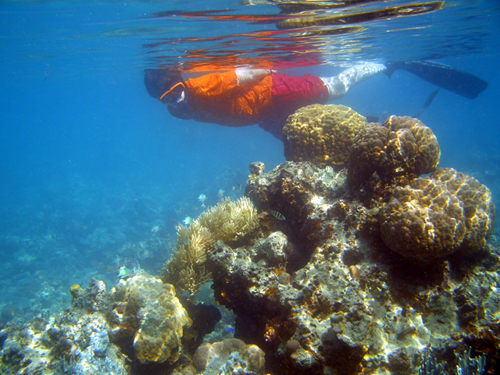
Singapore’s snorkeling offers modest marine life with patch reefs hosting small reef fish and some hard corals. Expect limited diversity and density compared to tropical ocean reefs. The southern islands’ protected areas hold the best chance to spot reef fish from the surface, but overall marine life is subdued and visibility limits encounters.

Snorkel guide: gear, safety and the reef
Gear
Bring a high-quality mask with a good seal to handle occasional murky waters around Singapore. Use short fins for easy maneuvering in patch reefs like Sisters’ Islands Marine Park. A light rash guard suits water temperatures around 28°C year-round. Carry reef-safe sunscreen to protect fragile coral at Pulau Hantu and Lazarus Island. Rental gear exists at Sentosa’s Palawan Beach but expect limited quality and variety. Always bring your own essentials for comfort and safety.
Staying safe
Strong currents appear near Pulau Semakau and the channels around Sisters’ Islands Marine Park, requiring caution and local advice before entering. Watch for boat traffic near St. John’s Island and Changi Beach, especially during weekends. No dangerous marine species are recorded, but sun exposure is intense year-round; wear UV protection and hydrate. Always check tides and avoid snorkeling alone to maintain control over conditions.
Reef etiquette
Avoid standing on patch reefs at Pulau Hantu and Sisters’ Islands Marine Park to prevent coral damage. Maintain at least 2 metres distance from marine life like hawksbill turtles and rays common near Lazarus Island. Apply reef-safe sunscreen to reduce chemical impact on sensitive corals. Never feed or touch fish or coral, especially in protected zones like Kusu Island, to preserve natural behavior and reef health under strict marine park rules.
First time snorkeling?
Choose Sentosa’s Palawan Beach for calm, clear waters and easy shore entry; avoid Pulau Semakau due to strong currents and limited access for beginners.
Frequently asked questions
1Can you snorkel straight from the beach in Singapore?
Yes, spots like Sentosa’s Palawan Beach and Changi Beach allow shore entry with gentle slopes and manageable conditions. However, most best reefs like Pulau Hantu require a short boat ride or swimming from the island’s shore.
2Which Singapore snorkel spot is best for a first-timer?
Sentosa’s Palawan Beach is the top pick for beginners. It offers calm, shallow water and easy access. Avoid Pulau Semakau and Sisters’ Islands Marine Park initially due to currents and boat traffic.
3Do you need a boat to reach the best reefs in Singapore?
Yes, the richest reefs with patch coral and diverse marine life are around Pulau Hantu and Sisters’ Islands Marine Park, both requiring boat access. St. John’s Island and Lazarus Island also need a short boat trip but offer good snorkeling conditions.
4What marine life can I expect while snorkeling in Singapore?
Expect to see hawksbill turtles near Lazarus Island, colorful reef fish like clownfish and angelfish at Pulau Hantu, and occasional rays around Sisters’ Islands Marine Park. The reefs are patchy but support diverse species adapted to urban waters.
5When is the best time to snorkel in Singapore for clear water?
Visibility is fairly consistent year-round, averaging 5 to 10 metres. Avoid weekends and public holidays to escape crowds, especially at St. John’s Island and Sentosa. Early mornings provide calmer water and better clarity.
6Is snorkeling in Singapore worth the effort?
Yes, but keep expectations realistic. Singapore reefs are small and patchy with moderate visibility. Pulau Hantu and Sisters’ Islands Marine Park offer the best underwater experience for a city-state, but do not expect vast coral gardens.
7Are there any safety concerns specific to snorkeling at Pulau Semakau?
Yes, Pulau Semakau has strong cross currents and limited rescue presence. It’s not recommended for solo or inexperienced snorkelers. Always check local tide charts and weather before planning a visit.
8Can I rent snorkel gear on-site at Singapore’s islands?
Limited rental options exist at Sentosa’s Palawan Beach, but gear quality varies. Most other islands like Pulau Hantu and Sisters’ Islands require you to bring your own reliable equipment for comfort and safety.
Some links on this page are affiliate links. We may earn a small commission at no extra cost to you when you book through them.
Hero image: Masato Ikeda (CC BY 2.0), via Wikimedia Commons. Other photos via Unsplash and Wikimedia Commons.