


Stand at the rim and gaze down at the vibrant soda lake, alive with flamingos.
Empakaai Crater is a deep caldera in the Ngorongoro highlands, famous for its soda lake and rich wildlife. Hikers flock here for the steep trails that offer breathtaking views of Ol Doinyo Lengai and the Rift Valley. The crater is home to a variety of birds, including flamingos, making it a unique spot for nature lovers. Located about 12 miles / 19 km from Ngorongoro Crater, it’s a perfect day hike for those seeking adventure.
In Empakaai Crater, hike to the flamingo lake, enjoy stunning views, and explore diverse wildlife in a unique landscape.
Key takeaways
- Hike to the flamingo lake for stunning views.
- Expect a steep trail of about 3 miles / 5 km each way.
- Visit during the dry season for the best wildlife sightings.
- Entry fees are around $50 per person, 2026.
- Plan for a full day to enjoy the hike and scenery.
Why visit Empakaai Crater
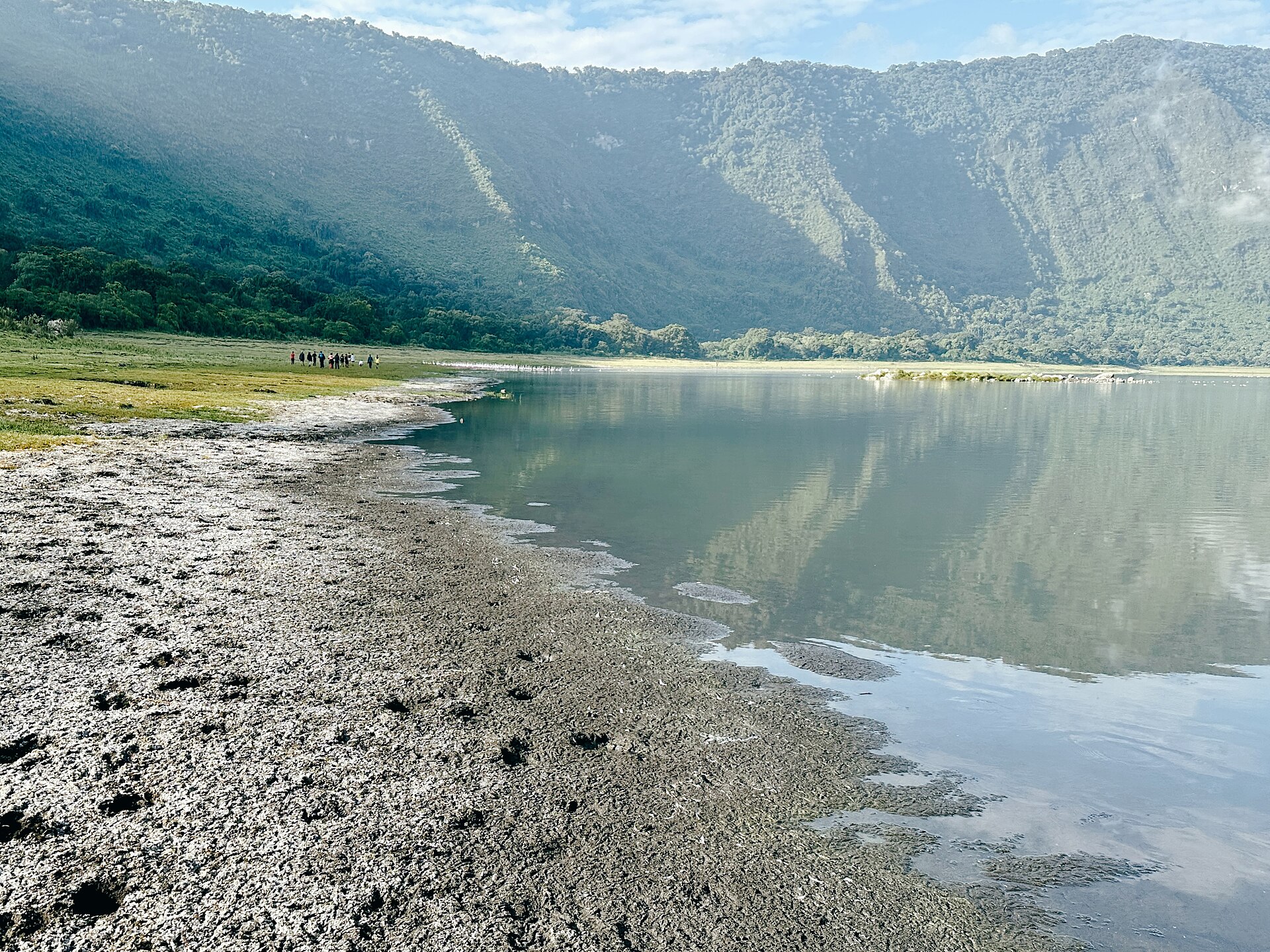
Empakaai Crater stands out from Tanzania‘s more famous spots like Ngorongoro Crater and Serengeti National Park with its serene, less-traveled trails leading to a stunning soda lake. The hike rewards you with views of Ol Doinyo Lengai and the Rift Valley, creating a unique adventure for those seeking both beauty and solitude. This destination offers a chance to see flamingos in their natural habitat, making it a distinct experience in the Ngorongoro highlands.
- Hike through lush forests to reach the crater’s edge, a less crowded alternative to Ngorongoro.
- Spot flamingos at the soda lake, especially vibrant during the wet season from November to April.
- Engage with local guides who share insights about the unique ecosystem and wildlife.
- Enjoy panoramic views of Ol Doinyo Lengai, a dormant volcano, from the crater rim.
Best for
Adventure hikers and solo travelers will thrive here, especially those comfortable with a challenging trek and eager for stunning natural scenery. This is ideal for those who appreciate a quieter, more intimate experience with nature.
Skip if
Skip Empakaai Crater if you prefer more social hiking experiences or nightlife; consider the Ngorongoro Crater for a busier atmosphere and more amenities.
Top things to do in Empakaai Crater
Empakaai Crater offers a thrilling adventure with its stunning landscapes and unique wildlife. The crater hike to the flamingo lake is the highlight, providing breathtaking views and an unforgettable experience.

1. Hike to the Flamingo Lake ·
This hike rewards you with stunning views of flamingos against a backdrop of the crater’s lush landscape.
Embark on a guided hike that descends into the crater, where you’ll encounter diverse flora and fauna. The trail leads you to the soda lake, where thousands of flamingos gather, creating a vibrant scene. The hike is steep but manageable, making it a must-do for nature lovers.
This hike is the main draw of Empakaai Crater, offering a unique opportunity to see flamingos in their natural habitat, unlike other more crowded parks.
- When: Start early in the morning, ideally between June and October, to catch the best light and avoid the heat.
- Cost: ~$50
- Duration: Full day
- How to reach: From the center of Empakaai Crater, take a guided tour that includes transportation to the trailhead, which is about a 30-minute drive.
Solo female travel: Guided groups are available, providing a safe and social hiking experience.
2. Explore the Crater Rim ·
Walking along the crater rim offers panoramic views of the surrounding highlands and the Rift Valley.
Take a leisurely walk along the crater’s edge, where you can enjoy breathtaking vistas and the chance to spot wildlife. The trail is less strenuous than the descent to the lake, making it perfect for a relaxing afternoon. Bring your camera for stunning photo opportunities.
This activity complements the hike to the lake, allowing you to appreciate the crater’s scale and beauty without the physical demands of a steep descent.
- When: Late afternoon is ideal for softer light and cooler temperatures.
- Cost: Free
- Duration: 2 hours
- How to reach: Access the rim trail from the main parking area, just a short walk from the visitor center.
Insider tip: If closed
If the rim trail is inaccessible, consider visiting the nearby Ngorongoro Crater for similar views.
3. Birdwatching ·
Empakaai Crater is a birdwatcher’s paradise, with diverse species to spot throughout the year.
Join a local birdwatching tour to discover the rich avian life in the crater. Experienced guides will help you identify various species, including the iconic flamingos and other migratory birds. This is a peaceful way to connect with nature and learn more about the local ecosystem.
Unlike other parks, the focus on birdwatching here allows for a quieter, more intimate experience with nature.
- When: Early morning or late afternoon, especially during the migration seasons from November to April.
- Cost: ~$30
- Duration: Half day
- How to reach: Tours typically start from the visitor center, where you can arrange a guide.
4. Visit the Local Maasai Village ·
Experience the culture of the Maasai people through a visit to a nearby village.
Engage with the Maasai community and learn about their traditions, crafts, and way of life. This visit often includes demonstrations of traditional dances and the opportunity to purchase handmade crafts. It’s a great way to gain insight into the local culture while supporting the community.
This cultural experience adds depth to your visit, contrasting the natural beauty of the crater with the rich heritage of its inhabitants.
- When: Plan your visit in the late morning or early afternoon for the best interaction with the villagers.
- Cost: ~$20
- Duration: 2-3 hours
- How to reach: Arrange a visit through one of the local tour operators who can provide transportation to the village.
5. Photography at the Crater’s Edge ·
Capture the stunning landscapes and wildlife from various viewpoints around the crater.
Bring your camera and explore the different vantage points along the crater’s edge. The changing light throughout the day creates unique opportunities for photography, especially during sunrise and sunset. This activity is perfect for those who want to document their adventure without a strenuous hike.
This is a great backup plan if weather conditions make hiking difficult, allowing you to still enjoy the beauty of the crater.
- When: Sunrise or sunset for the best lighting conditions.
- Cost: Free
- Duration: 1-2 hours
- How to reach: Access the viewpoints from the main parking area, which is easily reachable by foot.
Book tours and tickets
Booking through these links supports Pack Lightly at no extra cost to you.
24 hours in Empakaai Crater
This itinerary suits adventure hikers eager to explore the stunning landscapes of Empakaai Crater while enjoying a relaxed pace between activities.
Morning
Start your day early, around 6:00 AM, with a guided trek down into Empakaai Crater. The morning light casts a beautiful glow on the steep forested slopes, making the descent feel magical. As you hike, keep an eye out for the diverse birdlife and the stunning views of the soda lake below, where flamingos often gather.
Afternoon
By noon, reach the crater floor and take a moment to enjoy the serene beauty of the lake. Afterward, head back up to the rim, which should take about two hours. Once back, refuel at a local eatery near the trailhead, where you can enjoy a hearty meal of ugali and grilled meat, perfect for replenishing your energy.
Evening
As the sun sets, find a viewpoint along the crater rim to soak in the breathtaking views of the surrounding highlands. For dinner, opt for a cozy spot serving traditional Tanzanian dishes, where you can reflect on your day while enjoying a relaxed atmosphere.
If you have a second day
If you have another day, consider a longer hike to the nearby Ol Doinyo Lengai, an active volcano, for a unique perspective on the landscape. Alternatively, explore the local villages to learn more about the culture and traditions of the area.
Best time to visit Empakaai Crater
Quick answer
Visit from April to June and October to early December for the best hiking conditions.
| Months to go | April to June, October to early December |
|---|---|
| Months to avoid | March and November due to heavy rainfall. |
The best hiking conditions occur from April to June and October to early December, when temperatures range from 60°F / 16°C to 75°F / 24°C. The trails remain accessible, allowing for stunning views of the crater and the flamingo lake. March and November bring heavy rains, making the trails muddy and less enjoyable. During the dry months, wildlife is more active, enhancing your chances of spotting animals in the surrounding areas.
Average temperature (°F)
Monthly weather
cool dry, good hiking
cool dry, good hiking
warm wet, trails muddy
cool wet, fewer crowds
cool wet, trails open
cool dry, great views
cool dry, peak hiking
cool dry, peak hiking
cool dry, ideal conditions
cool dry, wildlife active
warm wet, trails muddy
cool dry, good hiking
How to get to Empakaai Crater
Nearest airport
Kilimanjaro International Airport (JRO), about 65 miles / 105 km away
From the airport
Book a private 4×4 transfer from Kilimanjaro International Airport directly to Empakaai Crater for around $120, 2026. This is the fastest, most reliable option, arranged through your lodge or a local operator in Moshi.
Other ways to arrive
- Arusha → 4×4 safari vehicle → 2.5 hours, $80-$100, 2026
- Moshi → shared minibus → 2 hours, $15-$25, 2026
- Ngorongoro Conservation Area → guided vehicle → 3 hours, $100-$130, 2026
Getting around Empakaai Crater
Walking dominates inside the crater and on the trail; a sturdy pair of hiking boots is essential. For transfers outside the crater, arrange 4×4 vehicles through your lodge or local guides for the best access and safety.
- Hiking – mandatory for crater access and best views, no cost beyond park fees
- 4×4 vehicle – use for transfers to and from trailheads or nearby villages, $50-$70 per trip, 2026
- Local guide – required for the crater hike, $30-$50 per day, 2026
Avoid
Avoid renting a private car without 4WD; dirt roads get rough and impassable in rain.
Day trips from Empakaai Crater
These day trips complement Empakaai’s crater hike by offering contrasting landscapes and wildlife viewing nearby.
Ngorongoro Crater, Tanzania
See abundant wildlife on a classic crater safari.
Why: Ngorongoro offers easier game drives and more wildlife variety, a good contrast to the strenuous Empakaai hike.
Skip if: You prefer hiking over vehicle safaris.
Lake Natron, Tanzania
Visit the alkaline lake fringed by thousands of flamingos and Maasai villages.
Why: Lake Natron’s flamingo breeding grounds add a different birdwatching and cultural angle to your trip.
Skip if: You want to avoid long drives on rough roads.
Ol Doinyo Lengai Volcano, Tanzania
Climb or view the active volcano sacred to the Maasai.
Why: The volcano’s unique carbonatite lava and panoramic Rift Valley views reward the extra effort.
Skip if: You have limited time or prefer less technical hikes.
Combine Empakaai Crater with
Empakaai fits best into northern Tanzania itineraries focused on active hiking and wildlife diversity.
7-day Northern Tanzania adventure Arusha → Empakaai Crater → Ngorongoro Crater → Lake Manyara National Park
This route balances challenging hikes with classic safari game drives, minimizing backtracking and maximizing diverse landscapes.
10-day Kilimanjaro and Crater trek Moshi → Kilimanjaro National Park → Empakaai Crater → Serengeti National Park
Climb Kilimanjaro first, then recover and explore Empakaai’s crater hike before heading to the Serengeti for wildlife viewing.
5-day Rift Valley highlights Arusha → Lake Natron → Empakaai Crater → Ol Doinyo Lengai
Focus on Rift Valley’s volcanic and flamingo habitats with active hiking and cultural immersion along the way.
Where to stay in Empakaai Crater
Compare prices across booking sites on the map below and see which neighbourhood fits your plans.
Accommodations near Empakaai Crater cater primarily to hikers and nature enthusiasts. Most travelers prefer staying close to the trailhead for easy access to the crater hike, while some opt for lodges that offer stunning views of the surrounding highlands.
Budget – Near the trailhead
Choose from basic guesthouses or campsites that provide a no-frills experience for budget-conscious travelers. These options offer essential amenities but lack the comforts of higher-end accommodations.
Insider tip: Ask for a room with a view of the crater for a memorable sunrise.
Mid-range – Empakaai Lodge area
Stay in family-run lodges that offer comfortable rooms and local cuisine, perfect for those looking for a cozy atmosphere after a day of hiking. These lodges often provide guided tours and transportation to the trailhead.
Insider tip: Book in advance during peak season to secure a spot with the best views.
Solo female travelers
Opt for a family-run lodge near the trailhead, where the owners are friendly and the area is well-lit at night.
Book your stay
Booking through these links supports Pack Lightly at no extra cost to you.
Where to eat and drink in Empakaai Crater
Empakaai Crater offers a unique culinary experience influenced by its highland location and the local Maasai community. Expect to find dishes featuring fresh ingredients like locally sourced fish and traditional cooking methods that highlight the region’s flavors.
Must-try dishes
Samaki wa Kupaka (Grilled Fish)
Fresh fish marinated in coconut milk and spices, then grilled to perfection.
Insider tip: Try it for lunch after your hike for the freshest catch.
Ugali na Sukuma Wiki (Cornmeal and Greens)
A staple dish made from maize flour served with sautéed collard greens.
Insider tip: Pair it with grilled meat for a hearty meal.
Chai ya Maziwa (Milk Tea)
A sweetened tea made with milk and spices, often enjoyed throughout the day.
Insider tip: Enjoy it in the afternoon for a refreshing pick-me-up.
Local drinks
- Kilimanjaro BeerAvailable at most local bars and restaurants around the crater.
A popular local lager brewed in Tanzania, known for its crisp taste.
How to eat like a local in Empakaai Crater
Lunch is the main meal of the day, so plan to eat your biggest meal around 1:00 PM when local kitchens are bustling with activity.
Daily budget for Empakaai Crater
Empakaai Crater offers a unique blend of affordability and adventure, with costs skewing slightly higher due to its remote location and the need for guided hikes.
Shoestring
- lodging – basic camping or shared dorms
- food – local eateries or self-catering
- transport – shared rides or walking
- activities – entry fees and guided hikes
- buffer – small expenses
Trade-offs: Expect basic accommodations and limited dining options.
Comfort
- lodging – private room in a guesthouse
- food – meals at mid-range restaurants
- transport – private transfers or guided transport
- activities – organized tours or activities
- buffer – additional expenses
Trade-offs: You may sacrifice some local authenticity for comfort.
Splurge
- lodging – upscale lodges with amenities
- food – fine dining experiences
- transport – private drivers or luxury options
- activities – exclusive tours or experiences
- buffer – miscellaneous costs
Trade-offs: Expect a more luxurious experience but at a higher cost.
Money-saver tip
Book your guided hikes directly with local operators instead of through hotels, which often charge a premium.
Splurge that’s worth it
Invest in a guided hike to the crater’s edge for the best views and insights from knowledgeable locals.
Skip to save
Avoid overpriced meals at tourist-focused lodges; local eateries offer better food at a fraction of the price.
Practical tips for Empakaai Crater
Money
| Cash or card | Cash is essential in Empakaai Crater; credit cards are rarely accepted. |
|---|---|
| ATMs | There are no ATMs in Empakaai Crater, so withdraw cash in Arusha before your trip. |
| Tipping | Tip around 10% for guides and drivers; for example, $5 for a day hike guide. |
Safety
Empakaai Crater is generally safe for travelers, but it’s wise to stay aware of your surroundings.
Local warnings:
- Watch for altitude sickness if hiking above 8,000 feet / 2,440 m.
- Be cautious of sandflies, especially during the rainy season.
Connectivity
| Mobile data | Mobile data coverage is limited; consider getting a local SIM from Vodacom for better connectivity. |
|---|---|
| Wi-Fi | Wi-Fi is scarce; most accommodations may offer it, but expect slow speeds. |
Language
| Main language | Swahili |
|---|---|
| English level | English is spoken in tourist areas, but proficiency varies among locals. |
Cultural notes
| Dress modestly, especially when visiting local villages. |
| Ask permission before taking photos of people. |
Solo female travel
Empakaai Crater is generally welcoming for solo female travelers, but it’s best to hike with a group.
| Transport | Use guided transport for evening travel to ensure safety. |
|---|---|
| Meeting people | Stay at a local guesthouse known for its communal dinners to meet fellow travelers. |
Frequently asked questions about Empakaai Crater
1Is Empakaai Crater worth visiting?
Yes – the crater offers a unique hiking experience with stunning views of the flamingo lake and surrounding highlands.
2How do you get to Empakaai Crater from Arusha?
Travel to Empakaai Crater by taking a shuttle or private vehicle from Arusha, which takes about 3-4 hours.
3Is Empakaai Crater safe for solo female travelers?
Yes – many solo female travelers visit Empakaai Crater, especially during the day when hiking is popular.
4What is the rainy season in Empakaai Crater?
The rainy season typically runs from March to May, with heavy rains making trails slippery and less accessible.
5Can you swim in the lake at Empakaai Crater?
Skip it – swimming in the soda lake is not recommended due to its high salinity and lack of safety measures.
6What does a day in Empakaai Crater cost?
Roughly $50-70/day at a mid-range comfort level, including park fees, meals, and a guide.