


China’s main visitor islands blend spiritual heritage with colonial history, set against stunning coastlines that beckon explorers and culture lovers alike.
These islands stand apart from typical beach destinations by offering layered stories: sacred Buddhist sites, colonial architecture, and vibrant local communities. Hainan’s tropical beaches invite relaxation, Gulangyu’s colonial piano heritage charms music enthusiasts, and Zhoushan’s pilgrimage routes appeal spiritual seekers. This collection calls to travelers craving depth, history, and authentic encounters beyond sunbathing.
Key takeaways
- Hainan offers tropical beaches and modern resorts with a focus on wellness and water sports
- Gulangyu features colonial architecture and a piano heritage that echoes through its streets
- Zhoushan is known for Buddhist pilgrimage sites and scenic island monasteries
- Travelers can hop between islands easily via local ferries and boats
- Each island provides a distinct experience: relaxation, history, or spiritual discovery
Explore China on the interactive map
See all 3 islands pinned on our country map — filter by vibe and find your perfect base.
Some links on this page are affiliate links. We may earn a small commission at no extra cost to you when you book through them.
Why Visit China’s Main Visitor Islands: A Layered Journey of Culture and Spirit
These islands deliver more than sun and sand; they offer a layered experience rooted in history, spirituality, and colonial legacy. Unlike typical beach resorts, each island reveals a different facet of China’s diverse identity. Whether seeking sacred sites, colonial architecture, or tranquil beaches, you find a story worth exploring that stays with you long after the trip ends.
Rich spiritual heritage on Zhoushan
Zhoushan’s Buddhist pilgrimage routes and scenic monasteries provide a deep spiritual connection. The island’s temples date back centuries and remain active centers of worship, offering a rare chance to engage with local religious practices in a serene setting. This makes Zhoushan ideal for travelers seeking meaningful cultural immersion.
Colonial architecture on Gulangyu
Gulangyu’s streets are lined with colonial-era buildings, giving it a European charm that’s rare in China. The island’s piano heritage adds a musical layer, with museums and performances echoing its colonial past. Visitors here step into a living museum, perfect for history buffs and music lovers alike.
Tropical relaxation on Hainan
Hainan’s beaches boast clear waters and soft sands, complemented by modern resorts focused on wellness and water activities. It’s the go-to for beach lovers craving convenience and comfort, with a vibrant local scene that balances tourism with authentic island life. Ideal for those wanting a laid-back escape with easy access to nature.
Best for: This island cluster suits travelers craving a mix of spiritual discovery, colonial history, and beach relaxation—perfect for culturally curious solo travelers or groups seeking layered experiences.
Skip if: Skip these islands if you prefer purely party-focused beaches or if you seek modern urban nightlife without historical or spiritual elements.

Islands of China
China’s main visitor islands are Hainan, Gulangyu near Xiamen, and the Zhoushan archipelago. Each offers a distinct experience, from tropical beaches to colonial architecture and Buddhist pilgrimage sites.
| Island | Top tip | Budget level |
|---|---|---|
| Hainan | Arrive early in the morning to enjoy the beaches before tour groups arrive, especially at popular spots like Yalong Bay. | mid-range with budget options — expect around $65 per day, including modest accommodations, street food, and local transport. |
| Gulangyu | Visit the Piano Museum early in the morning to avoid crowds and enjoy the serene atmosphere. | mid-range with budget options — expect around $70 per day, covering modest accommodations, local meals, and walking or bike transport. |
| Zhoushan archipelago | Visit the Putuo Mountain area early in the morning to experience the spiritual atmosphere before crowds arrive. | mid-range with budget options — expect around $60 per day, including simple accommodations, local seafood meals, and ferry rides. |
Tours & day trips in China
Island day trips, snorkeling tours, and ferry combos — with local operators who know the routes.
Hainan — Tropical Beach Resort Hub

Hainan feels like a tropical escape with its warm, clear waters and long sandy beaches. It’s perfect if you want sun, surf, and modern resorts, but skip it if you’re after cultural depth or quiet inland spots. Expect busy resorts and tourist crowds, especially in peak season.

Hainan is China’s largest island, offering a mix of beaches, water sports, and luxury resorts. You’ll find lively nightlife, shopping, and a range of activities like surfing, diving, and hiking in the interior. The island is well-developed, with numerous hotels, restaurants, and ATMs, but some areas can get crowded and commercialized. It’s ideal for travelers seeking relaxation with plenty of amenities, though it lacks the cultural authenticity of other regions.
- Arrive early in the morning to enjoy the beaches before tour groups arrive, especially at popular spots like Yalong Bay.
- Book water sports activities in advance during peak season to secure better rates and availability.
- Visit the Nanshan Temple for a cultural break from beach days, but avoid weekends when it gets crowded.
Food & drink
Hainan offers a variety of cuisines, from local Hainanese chicken rice to international options. Expect fresh seafood and tropical fruits, with prices ranging from affordable street stalls to upscale restaurants. The tourist-vs-local ratio skews toward tourists in resort areas, but local markets still serve authentic flavors.
Facilities
ATMs are widely available in tourist zones, though some remote areas have limited access. There are full medical clinics in major towns. Transportation options include rental scooters, taxis, and shuttle buses. Accommodation ranges from budget hostels to luxury resorts, mostly concentrated in coastal areas.
Where to base yourself
Yalong Bay is the best base for beach lovers and water sports enthusiasts, offering easy access to the best beaches and resorts. For a quieter experience, consider Sanya’s inland neighborhoods, which are less crowded but still close to amenities.
Budget
mid-range with budget options — expect around $65 per day, including modest accommodations, street food, and local transport. It’s affordable for a tropical getaway with plenty of comfort.
Getting there: Fly into Sanya Phoenix International Airport, served by major Chinese airlines. From there, take a taxi or shuttle to your hotel. Ferries connect some islands, but most visitors arrive by air or land transport.
What to skip: Avoid the heavily touristed resorts during peak season if you seek tranquility; they tend to be crowded and expensive, diminishing the relaxing vibe.
Gulangyu — Colonial Piano Island
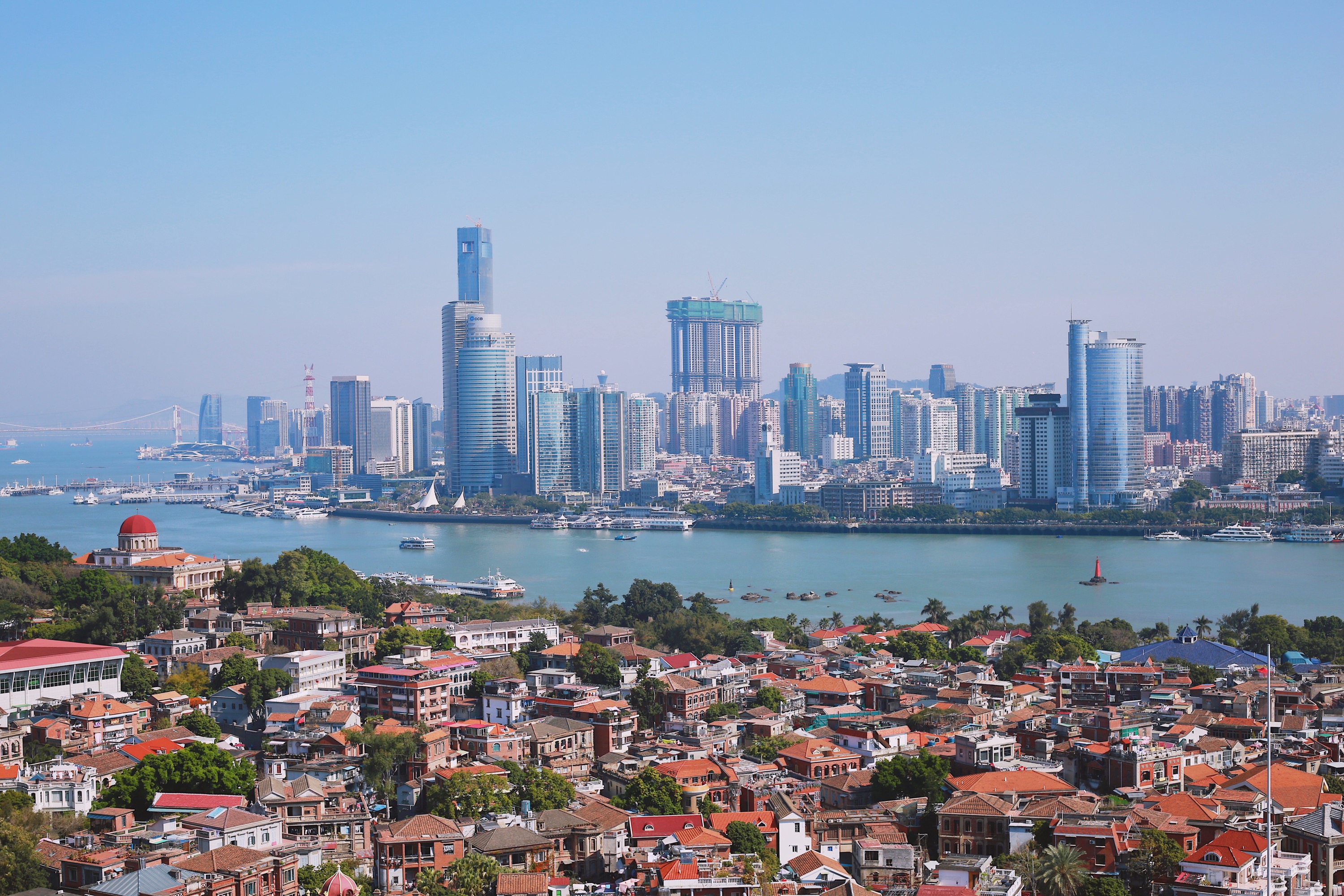
Gulangyu exudes colonial charm with its pedestrian streets, piano music, and historic architecture. It’s ideal for cultural explorers and music lovers, but skip it if you’re after beaches or nightlife. The island’s quiet, walkable streets make it perfect for slow discovery.

Gulangyu is a small, car-free island near Xiamen, famous for its colonial-era buildings, piano heritage, and relaxed atmosphere. Visitors can explore museums, historic homes, and enjoy local seafood. The island is compact, with a range of guesthouses, boutique hotels, and some upscale options. It’s less developed than Hainan, with limited nightlife but rich in cultural sights. Expect a peaceful environment, with a focus on heritage and music, making it suitable for cultural immersion and leisurely strolls.
Find accommodation in Gulangyu
- Visit the Piano Museum early in the morning to avoid crowds and enjoy the serene atmosphere.
- Stay in the Shuzhuang Garden area for proximity to main sights and a quieter environment.
- Skip the crowded ferry terminals during peak hours by arriving early or late in the day.
Food & drink
Local cuisine centers on seafood and Fujian-style dishes, with many small eateries and cafes. Prices are moderate, with authentic flavors available at reasonable prices. Tourist spots tend to be pricier, but local markets offer better value and more genuine tastes.
Facilities
ATMs are available but can be unreliable; bring cash. Medical facilities are basic, with a small clinic on the island. Transportation is primarily walking or renting a bicycle or electric scooter. Accommodation options include guesthouses, boutique inns, and a few small hotels.
Where to base yourself
The Shuzhuang Garden area is ideal for cultural travelers wanting proximity to main sights and a peaceful setting. For a more authentic local experience, stay near the ferry terminal, but expect more noise and foot traffic.
Budget
mid-range with budget options — expect around $70 per day, covering modest accommodations, local meals, and walking or bike transport. It’s a manageable cost for a cultural retreat.
Getting there: Take a ferry from Xiamen’s ferry terminal, which runs frequently year-round. The crossing takes about 20 minutes, with departures every 30 minutes during the day.
What to skip: Avoid visiting during Chinese public holidays when the island is crowded with local tourists, which can diminish the peaceful, heritage-focused experience.
Zhoushan — Buddhist Pilgrimage and Seaside Serenity

Zhoushan offers a mix of spiritual sites and rugged coastal scenery, perfect for those seeking a contemplative or adventurous trip. It’s less polished than Hainan or Gulangyu, so skip it if you want luxury resorts or nightlife. The islands are ideal for exploring temples, fishing villages, and wild beaches.
The Zhoushan archipelago comprises numerous islands known for Buddhist pilgrimage sites, fishing communities, and dramatic coastlines. Visitors can hike mountain temples, explore traditional villages, and enjoy seafood feasts. Infrastructure is modest; ATMs are limited, and medical facilities are basic outside main towns. Transportation includes ferries, local buses, and rental bikes. The islands are less commercialized, making them suitable for travelers wanting authentic local life and scenic hikes. Expect fewer amenities but richer cultural and natural experiences, especially outside peak tourist seasons.
Find accommodation in Zhoushan archipelago
- Visit the Putuo Mountain area early in the morning to experience the spiritual atmosphere before crowds arrive.
- Take the local ferry to smaller islands for hiking and wildlife spotting, but check schedules in advance as services are seasonal.
- Skip the main ferry terminal during peak hours to avoid congestion and long waits.
Food & drink
Seafood dominates, with fresh catches served in local restaurants. Prices are reasonable, especially outside tourist hotspots. Expect simple, hearty dishes with authentic flavors, but limited international options.
Facilities
ATMs are scarce on smaller islands; carry cash. Medical facilities are basic, with clinics in main towns. Transportation relies on ferries, local buses, and scooters. Accommodation ranges from guesthouses to small hotels, mostly in main villages.
Where to base yourself
Putuo Mountain is the best base for spiritual and cultural exploration, offering proximity to temples and scenic views. For a more authentic fishing village experience, stay in local hamlets on nearby islands, but expect fewer tourist amenities.
Budget
mid-range with budget options — expect around $60 per day, including simple accommodations, local seafood meals, and ferry rides. It’s a cost-effective way to explore spiritual and natural sites.
Getting there: Reach Zhoushan via ferry from Ningbo or Shanghai, with seasonal schedules. Ferries run several times daily, and trip durations vary from 2 to 4 hours depending on the route.
What to skip: Avoid visiting during major Chinese holidays when ferry services are crowded and temples are overwhelmed, reducing the spiritual experience.
Practical Island-Hopping Routes in China’s Off-Shore Islands
These routes connect the main islands, optimizing travel time and experience based on ferry schedules and geographic proximity.
| Route | Islands | Duration | Transport | Best for |
|---|---|---|---|---|
| Colonial to Buddhist Pilgrimage Loop | Gulangyu → Zhoushan Archipelago | 6 days | ferry and local boats | history enthusiasts and cultural explorers |
| Beach Relaxation and Snorkelling Circuit | Hainan → Gulangyu | 5 days | ferry and speedboats | beach lovers and snorkelling fans |
| Remote Buddhist and Indigenous Trail | Zhoushan Archipelago → Hainan | 7 days | small planes and ferries | adventure travelers seeking spiritual sites |

Getting there
Fly into major hubs like Xiamen or Shanghai, then take a regional flight or ferry to the islands. For Hainan, direct flights from Beijing and Guangzhou are common; for Zhoushan, ferries depart from Ningbo and Shanghai. Expect 2–4 hours travel from mainland airports to island ports.
Getting around
Use ferries and local boats for island transfers; ferries run frequently in peak season, with costs around $10–$25 per trip. For remote islands, small planes or speedboats are options, costing $50–$150 for longer hops. Renting a scooter or bicycle is the best way to explore once there.
Best Visiting Months for China’s Islands
The ideal time to visit these islands is during the spring (April–June) and fall (September–October), when weather is most stable and crowds are manageable. Peak summer (July–August) sees higher humidity and more tourists. For a full country-wide climate breakdown, see the dedicated best time to visit page.
Gulangyu
April–October — This period offers warm weather ideal for exploring colonial architecture and enjoying outdoor concerts.
Zhoushan archipelago
April–October — Dry season with calm seas makes it perfect for Buddhist pilgrimage visits and island hopping.
Hainan
November–April — Avoids the hot, rainy summer, providing better beach and outdoor activity conditions.
Shoulder season: Visit just outside peak season—late April or early October—for fewer crowds and still pleasant weather.
Practical Travel Tips for China’s Islands
Money
Most islands accept Chinese yuan; some larger islands and tourist spots take USD or credit cards. ATM access is limited on smaller islands, so carry cash. Budget around $65–$100 USD per day for food, transport, and activities.
Safety
Sea currents can be strong around some islands, especially during monsoon season. Always wear life jackets on boats and heed local safety advisories. Sun protection and hydration are essential in the tropical climate.
Connectivity
Mobile signal is generally reliable on larger islands; remote islands may have spotty coverage. An eSIM or local SIM card with data plan ensures connectivity for navigation and emergencies.

Packing tip
Bring reef shoes, a snorkel mask, and a dry bag for water activities. Pack lightweight, modest clothing for cultural sites and sun protection for outdoor days.
Frequently Asked Questions about China’s Islands
1How do I get to Gulangyu from Xiamen?
Take a 10-minute ferry from Xiamen’s ferry terminal; ferries run frequently throughout the day and are affordable, around $1–$2 USD.
2When is the best time to visit Zhoushan for Buddhist pilgrimage?
Spring (April–June) and fall (September–October) are ideal, avoiding the summer monsoon and peak tourist periods.
3What wildlife can I expect around Hainan?
Hainan hosts diverse marine life, including coral reefs, tropical fish, and occasional sea turtles, best seen during calm, clear months.
4What’s the most practical island for a first-time visitor?
Gulangyu offers easy access, well-developed infrastructure, and a compact layout, making it perfect for newcomers exploring colonial and cultural sites.
5Are there any seasonal closures or weather concerns I should know?
Yes, monsoon season (June–August) can bring heavy rain and rough seas, so plan accordingly and check local schedules before booking activities.
6How many islands should I plan to visit if I have limited time?
Focus on one or two islands—Gulangyu for culture and colonial charm, plus Zhoushan for spiritual sites—maximizing your experience without rushing.