


China‘s beauty captivates with its dramatic landscapes, from towering karst mountains to ancient architectural marvels. The interplay of light and shadow across these terrains creates a visual feast, distinct from its neighbors. Each region tells a story through its unique scenery, inviting exploration beyond the ordinary.
This guide highlights 10 places, including Lijiang‘s ancient town and Zhangjiajie‘s towering cliffs, showcasing a range of textures and moods. If you’re seeking the typical tourist spots, stop reading; this guide is for those who crave authentic beauty.
Key takeaways
- Visit Yangshuo at sunrise for the best light on its karst peaks; the early morning mist enhances the scenery.
- Explore Dali in spring when cherry blossoms bloom, transforming the landscape into a vibrant canvas of colors.
- Zhangjiajie’s unique pillar formations are best viewed from the Tianmen Mountain cable car; the ride offers breathtaking perspectives.
- Combine a visit to Guilin with Yangshuo for a complete experience of China’s iconic karst scenery; spend at least three days.
- Fenghuang’s ancient architecture shines during the evening when lanterns illuminate the streets; arrive before sunset for the best experience.
- Lijiang’s Old Town is often crowded; visit early in the morning to enjoy its charm without the tourist rush.
Overview
| Place | Vibe | Beauty signature | Peak moment | Verdict |
|---|---|---|---|---|
| Lijiang | Ancient town with mountain backdrop | Traditional wooden buildings against snow-capped peaks | Early morning for quiet streets | Ideal for those seeking cultural depth and stunning views. |
| Yangshuo | Karst landscape with river views | Limestone peaks rising dramatically from the Li River | Sunrise when mist blankets the valley | Perfect for outdoor enthusiasts and photographers. |
| Zhangjiajie | Towering sandstone pillars | Unique pillar formations that inspired Avatar | Clear days for unobstructed views | A must-see for nature lovers; plan for a full day. |
| Dali | Lakeside town with mountain views | Erhai Lake reflecting the Cangshan Mountains | Spring for blooming flowers | Great for relaxation and cultural exploration. |
| Fenghuang | Historic riverside town | Ancient buildings lining the Tuojiang River | Evening when lanterns light up the town | Best for those interested in history and architecture. |
| Beijing | Capital city with rich heritage | Historic palaces and modern skyline | Autumn for colorful foliage | Essential for first-time visitors; expect crowds. |
| Xi’an | Ancient city with historical significance | Terracotta Warriors and ancient city walls | Spring for pleasant weather | A must for history buffs; plan at least two days. |
| Guilin | Scenic karst landscape | Li River winding through limestone hills | Morning for misty river views | Ideal for scenic boat rides and photography. |
| Chengdu | Urban center with cultural depth | Panda sanctuaries and traditional teahouses | Spring for mild weather | Perfect for food lovers and panda enthusiasts. |
| Suzhou | Garden city with classical architecture | Classical Chinese gardens and canals | Summer for lush greenery | Great for those seeking tranquility and beauty. |
Where to find them
The most beautiful places
Lijiang – Dawn’s Quiet Naxi Wooden Labyrinth

Lijiang’s Old Town features narrow stone lanes, wooden facades, and water channels weaving through courtyards. Jade Dragon Snow Mountain looms snow-capped in the background. Early morning reveals quiet alleys before tour groups arrive.
Lijiang remains the last ancient town in Yunnan with authentic Naxi architecture and minimal commercialization. Arrive before 8 AM to experience serene streets and avoid crowds. Skip the Tiger Leaping Gorge day trip; it’s rushed and overpriced. Find a tour →
- Peak moment: Early morning before 8 AM during spring or autumn
- Stay: 2 – 3 days
- Best for: Pick this if you want authentic ancient architecture and quiet mornings; skip if you dislike early starts or high altitude.
- ▸ Naxi wooden architecture lining narrow stone-paved lanes
- ▸ Clear water channels flowing through quiet courtyard gardens
- ▸ Snow-capped Jade Dragon Mountain dominating the skyline
Best vantage: From the back lanes before 8 AM, capturing empty streets framed by wooden houses and mountain views
Photo moments (4)
- – Explore Lijiang Old Town’s wooden facades and stone canals in near solitude before crowds
- – View Jade Dragon Snow Mountain’s snowy peak from town’s east side
- – Photograph Mufu Palace’s 13th-century Naxi compound with soft morning light
- – Walk quiet back lanes before 8 AM for unobstructed traditional scenes
Lijiang’s Old Town offers genuine Naxi character at dawn; avoid late mornings when tour groups flood the streets.
Skip the Tiger Leaping Gorge day tour from Lijiang; it’s overpriced and too rushed to appreciate properly.
Yangshuo – Limestone Peaks Rising from Rice Paddies

Yangshuo’s valley is dotted with over 100 limestone karst peaks piercing flat rice paddies. Morning mist clings to the peaks, creating a surreal landscape. The countryside’s green fields and jagged cliffs form iconic Chinese scenery.
Yangshuo’s karst peaks define China’s classic landscape but skip the crowded Li River bamboo raft tours – they’re overpriced and polluted. Rent a bike to explore quiet villages and farmland instead. Morning light before 10 AM offers the best photos. Find a tour →
- Peak moment: Early morning before 10 AM when mist clears and light softens
- Stay: 2 – 4 days
- Best for: Pick this if you want iconic karst landscapes and cycling; skip if you dislike crowds or prefer urban settings.
- ▸ Jagged limestone karst peaks rising sharply from flat rice paddies
- ▸ Mist-covered valleys revealing layered mountain silhouettes at dawn
- ▸ Clear Yulong River winding through green farmland and villages
Best vantage: From the Moon Hill summit at sunrise, overlooking a sea of karst peaks and paddies
Photo moments (4)
- – Photograph 100+ limestone peaks from quiet village roads on a rented bike
- – Capture Moon Hill’s natural arch glowing in sunrise light after a 45-minute hike
- – Frame Yulong River’s clear waters flowing past farmland without tourist rafts
- – Shoot mist lifting from the karst peaks on clear spring mornings
Yangshuo’s karst peaks are postcard China; avoid the bamboo raft tours and explore the countryside by bike for better light and fewer crowds.
Skip the Li River bamboo raft tours; they’re crowded, expensive, and the river is polluted.
Zhangjiajie – Mist-Shrouded Sandstone Pillars at Dawn

Zhangjiajie’s sandstone towers rise over 1,000 feet / 305 m from green valleys, often shrouded in morning mist. The vertical quartz pillars create a surreal skyline, especially when filtered sunlight breaks through canyons at dawn.
The real beauty is before 11 AM when mist clings to the sandstone columns and crowds are minimal. The glass bridge is touristy but worth a brief wait for the view. Start at 5 AM with the Tianmen Mountain cable car to beat the masses. Find a tour →
- Peak moment: Pre-dawn to 10 AM on clear spring or fall mornings with lingering mist
- Stay: 2 – 3 days
- Best for: Pick this if you want dramatic sandstone landscapes and early hikes; skip if you dislike crowds or strenuous climbs.
- ▸ Quartz sandstone pillars soaring over 1,000 feet / 305 m above forested valleys
- ▸ Morning mist weaving through narrow canyons and peaks
- ▸ Glass Skywalk bridge suspended above deep ravines
Best vantage: From Tianmen Mountain cable car platform before 7 AM, overlooking misty sandstone columns
Photo moments (4)
- – Capture sandstone towers emerging through morning mist in Zhangjiajie National Forest Park
- – Photograph the Glass Skywalk bridge’s vertigo-inducing views with few crowds early morning
- – Frame Golden Whip Stream’s narrow canyon with filtered light and sparse visitors
- – Shoot Tianmen Mountain’s cliffside trails bathed in soft dawn light
Zhangjiajie’s Avatar mountains are real but overcrowded; early starts are essential to see mist and avoid tourist crush.
Skip midday visits and weekend hikes; trails become packed and mist disappears by late morning.
Dali – Erhai Lake’s Blue Mirror and Bai Villages

Dali’s old town sits inside a restored Ming wall but looks more like a tourist mall. The real beauty lies outside: Erhai Lake’s clear blue water, Bai minority villages with whitewashed houses, and the Three Pagodas framed by mountains.
Skip Dali Old Town’s souvenir shops and explore the lake and Bai villages by bike or scooter. Xizhou village offers traditional architecture and local food without crowds. Sunset at Three Pagodas provides the best photo backdrop. Find a tour →
- Peak moment: Late afternoon during clear skies from March to November
- Stay: 2 – 3 days
- Best for: Pick this if you want lakeside scenery and minority culture; skip if you prefer urban charm or dislike commercialized towns.
- ▸ Erhai Lake’s pristine blue water reflecting mountain silhouettes
- ▸ Whitewashed Bai minority houses with carved wooden details
- ▸ Three Pagodas temple complex framed by distant Cangshan Mountains
Best vantage: From the lakeside near Xizhou village at sunset, capturing pagodas and mountain reflections
Photo moments (4)
- – Photograph Erhai Lake’s calm surface mirroring surrounding mountains and villages
- – Frame Three Pagodas temple with golden hour light and mountain backdrop
- – Capture Bai architecture details in Xizhou village’s traditional houses
- – Shoot farmland and rice paddies from cycling routes east of Dali town
Dali’s charm is outside the old town walls; Erhai Lake and Bai villages offer genuine culture and scenic variety.
Skip the souvenir shops and bars inside Dali Old Town; they lack character and crowd the streets.
Fenghuang – Riverside Stilt Houses in Morning Frost
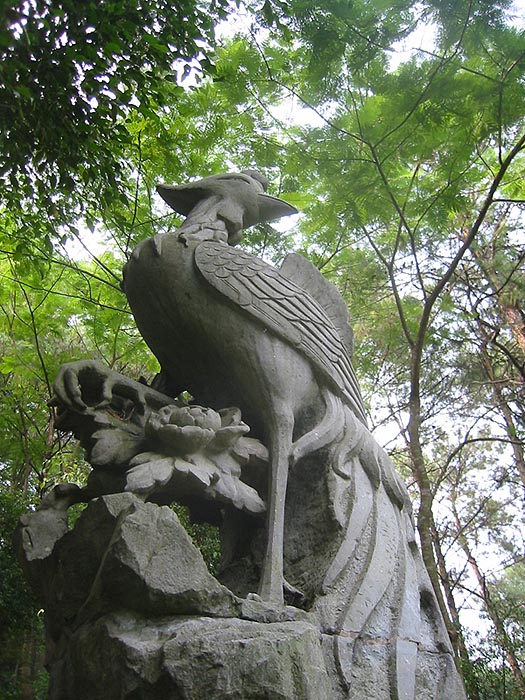
Fenghuang’s wooden stilt houses line the Tuo River, connected by stone bridges and narrow alleys. The town’s lived-in feel contrasts with more touristy spots. Dawn light reveals frost on rooftops and calm river reflections.
Fenghuang is less touristy than Lijiang, with genuine Miao culture and affordable prices. Visit between October and April for cool, clear mornings. Avoid summer humidity and mosquitoes. Wander alleys at dawn and hire a local boat for quiet river views.
- Peak moment: Early morning between October and April with clear skies and occasional frost
- Stay: 2 days
- Best for: Pick this if you want authentic riverside architecture and Miao culture; skip if you dislike humidity or small-town pace.
- ▸ Wooden stilt houses hanging over the Tuo River’s calm waters
- ▸ Stone arch bridges framing reflections in the river
- ▸ Narrow riverside alleys with weathered wooden facades
Best vantage: From a rented boat on the Tuo River at dawn, capturing stilt houses and bridge reflections
Photo moments (4)
- – Photograph wooden stilt houses reflecting in the Tuo River’s still water
- – Frame Phoenix Bridge’s arched stone structure glowing in dawn light
- – Capture narrow alleys with weathered wood and hanging lanterns before crowds arrive
- – Shoot riverside scenes from a local boat away from tour operators
Fenghuang offers a quieter, more authentic riverside town experience than Lijiang, especially in cool months.
Avoid visiting May through September due to oppressive humidity and mosquitoes; skip organized tours – they’re unnecessary here.
Beijing’s Imperial Monuments and Quiet Dawn Alleys

Beijing’s cityscape contrasts monumental imperial architecture with narrow, serene hutong alleys at dawn. The Forbidden City’s vast courtyards and intricate rooftops dominate the skyline, while early morning light softens the stone walls of traditional courtyard homes.
The Great Wall, Forbidden City, and Temple of Heaven form the core of Beijing’s historic beauty. Avoid the crowded Badaling Wall; hire a driver to Mutianyu for fewer tourists and better views. Explore hutongs before 8 AM to experience local life without tour groups. Find a tour →
- Peak moment: Early morning in spring or fall, before 8 AM
- Stay: 3 – 4 days
- Best for: Pick this if you want imperial history and early-morning cultural immersion; skip if you dislike crowded, urban settings.
- ▸ The Forbidden City’s 1,000+ chambers with imperial red walls and golden roofs
- ▸ The Great Wall’s rugged stone path winding over forested mountain ridges
- ▸ Temple of Heaven’s circular prayer halls set within expansive, tree-lined parks
Best vantage: Mutianyu section of the Great Wall offers the clearest, least crowded views of the wall stretching across forested hills.
Photo moments (4)
- – View the Forbidden City’s symmetrical courtyards and rooftops from Jingshan Park hilltop
- – Watch the Great Wall’s stone path curve over green mountains at Mutianyu
- – Observe the Temple of Heaven’s prayer halls framed by ancient cypress trees
- – Stroll hutong alleys at dawn to catch warm light on grey brick walls and courtyard gates
Skip Badaling Wall for Mutianyu or Juyongguan to avoid crowds and get better photo angles. Hutong tours before 8 AM reveal Beijing’s real soul.
Skip Badaling Wall due to heavy crowds and tourist traps; avoid touristy hutong restaurants and opt for local breakfast spots instead.
Xi’an’s Terracotta Warriors and Walkable Ancient Walls

Xi’an’s atmosphere shifts from frenetic street markets to quiet dawn on the Ming city wall. The city’s ancient stone walls encircle the old town, while the Terracotta Army’s thousands of life-size warriors sit in vast, dimly lit pits.
The Terracotta Army alone justifies an early start – arrive before 7 AM to avoid crowds and harsh light. Rent a bike to circle the fully intact Ming city wall for a unique perspective on the city’s scale. Walk the Muslim Quarter’s alleys yourself to experience its chaotic spice and street food scene authentically. Find a tour →
- Peak moment: Early morning before 7 AM at the Terracotta Army museum
- Stay: 2 – 3 days
- Best for: Pick this if you want deep history and street food chaos; skip if you dislike crowds or early mornings.
- ▸ Rows of painted Terracotta warriors with distinct facial expressions in vast underground pits
- ▸ The Ming city wall’s full 9-mile loop with crenellated battlements and watchtowers
- ▸ The Muslim Quarter’s narrow alleys filled with colorful spice stalls and street food vendors
Best vantage: Cycle the Ming city wall’s ramparts at sunrise for unobstructed views over the old city and surrounding neighborhoods.
Photo moments (4)
- – Photograph the Terracotta Army’s tightly packed warriors under soft morning light
- – Capture the full curve of the Ming city wall from the South Gate watchtower
- – Frame the Muslim Quarter’s spice stalls and lantern-lit alleys at dusk
- – View Big Wild Goose Pagoda’s silhouette against the garden park’s greenery
Avoid daytime Terracotta Army visits; early access offers calm light and fewer crowds. Walk the Muslim Quarter independently for genuine street scenes.
Skip packaged Muslim Quarter tours that rush through; skip late-morning Terracotta Army visits when crowds peak.
Guilin’s Karst Peaks and River Reflections

Guilin’s landscape is defined by surreal grey-green karst peaks rising sharply from flat rice paddies. The city itself feels modern and sprawling, but the Li River’s winding course between limestone towers creates the iconic Chinese landscape seen in centuries of ink paintings.
Skip staying in Guilin city; take the Li River cruise downstream to Yangshuo for the best views of karst peaks mirrored in calm water. Avoid caged bamboo raft cormorant fishing, which harms birds. Reed Flute Cave’s colorful-lit stalagmites offer a contrasting underground spectacle. Find a tour →
- Peak moment: Morning light in March to May or September to October
- Stay: 2 – 3 days
- Best for: Pick this if you want iconic natural landscapes and photography; skip if you dislike touristy river cruises.
- ▸ Sharp limestone karst peaks reflected in mirror-like Li River water
- ▸ Reed Flute Cave’s illuminated stalactite chambers and underground lake
- ▸ Elephant Trunk Hill’s limestone formation shaped like an elephant drinking from the river
Best vantage: Onboard a mid-river boat between Guilin and Yangshuo, looking upstream at the clustered karst peaks.
Photo moments (4)
- – Frame karst peaks rising directly from rice paddies along the Li River
- – Shoot Reed Flute Cave’s colorful stalagmites and natural rock formations
- – Capture Elephant Trunk Hill’s unique shape from the riverside park
- – View the Li River’s calm reflections from bamboo rafts near Yangshuo
The karst landscape is the real draw; skip Guilin city and focus on the river cruise to Yangshuo for authentic views.
Skip Guilin city for lodging; avoid caged cormorant fishing shows that exploit wildlife.
Chengdu’s Panda Sanctuaries and Laid-Back Streets

Chengdu’s vibe is lively yet relaxed, with bustling streets and shaded parks where locals sip tea. The Giant Panda Breeding Research Base offers forested enclosures where pandas roam and play, especially active in the early morning light.
Visit the panda sanctuary before 8 AM to see pandas at their most active and avoid heavy crowds. Sichuan hot pot is a sensory highlight, but the city’s real beauty lies in its afternoon tea culture and Ming-dynasty Jinli Street’s atmospheric architecture. Find a tour →
- Peak moment: 6 – 8 AM at the Giant Panda Breeding Research Base
- Stay: 2 – 3 days
- Best for: Pick this if you want wildlife and food culture; skip if you dislike crowds or hot weather.
- ▸ Giant pandas lounging and playing in naturalistic bamboo enclosures
- ▸ Jinli Ancient Street’s Ming-style architecture lit by lanterns at dusk
- ▸ Tree-lined parks where locals gather for afternoon tea rituals
Best vantage: Early morning at the panda base, watching pandas in soft natural light before crowds arrive.
Photo moments (4)
- – Photograph pandas climbing and feeding in shaded bamboo groves
- – Capture Jinli Street’s traditional wooden facades and lantern-lit alleys
- – Frame locals enjoying tea in park-side teahouses around 4 PM
- – View Wenshu Monastery’s serene Buddhist courtyards within the city center
Chengdu’s panda sanctuary and food culture justify the visit; the city’s relaxed pace contrasts sharply with other Chinese metropolises.
Skip panda visits after 9 AM when animals rest and crowds swell; avoid Chengdu in summer due to oppressive heat.
Suzhou’s Classical Gardens and Quiet Canals

Suzhou’s refined atmosphere centers on its classical gardens – miniature landscapes framed by stone walls, water features, and pavilions. Canals thread through the old town, lined with willow trees and arched bridges, creating composed scenes that feel like living paintings.
The classical gardens are UNESCO-listed masterpieces of design and philosophy. Avoid weekend crowds by visiting on weekdays. Skip touristy boat tours and explore canals on foot for intimate views. Tiger Hill Pagoda offers a scenic overlook of the canal district and garden rooftops. Find a tour →
- Peak moment: Clear mornings in spring or fall, weekdays to avoid crowds
- Stay: 1 – 2 days
- Best for: Pick this if you want refined garden design and quiet canals; skip if you prefer large-scale urban scenes.
- ▸ Intricate garden layouts combining water, rocks, and pavilions within stone walls
- ▸ Willow-lined canals crossed by arched stone bridges in the old town
- ▸ Tiger Hill Pagoda rising above canals with views over historic neighborhoods
Best vantage: From Tiger Hill Pagoda’s upper levels, looking out over canal rooftops and garden courtyards.
Photo moments (4)
- – Frame the Humble Administrator’s Garden’s layered ponds and rockeries
- – Capture canal reflections under willow branches and stone bridges
- – View Lion Grove Garden’s intricate rock formations and winding paths
- – Shoot Master of the Nets Garden’s compact, framed water scenes
Suzhou’s gardens offer a rare blend of philosophy and design; walking canals beats tourist boats for authentic views.
Skip weekend visits when gardens fill with tour groups; avoid boat tours that limit perspective and crowd waterways.
How to combine these places
Most travelers chain Beijing, Xi’an, and Guilin – that misses the stunning landscapes of Zhangjiajie and Yangshuo. Here is the better order.
Cultural Heritage and Scenic Peaks · 10 days
This route combines iconic cultural sites with breathtaking natural landscapes, creating a visual journey from historical depth to stunning vistas. It flows from the imperial heart of Beijing to the surreal peaks of Zhangjiajie, culminating in the picturesque scenery of Yangshuo.
Beijing (3 nights)
Beijing’s monumental architecture sets a grand tone, showcasing China’s imperial history before heading to natural wonders.
Skip/swap: Skip if under 3 days; swap with Suzhou for gardens.
Xi’an (2 nights)
Xi’an’s ancient city wall and the Terracotta Army deepen the historical narrative, bridging past and present.
Skip/swap: Skip if under 2 days; swap with Chengdu for food.
Zhangjiajie (3 nights)
Zhangjiajie’s towering sandstone formations provide a dramatic shift to nature, enhancing the journey’s visual impact.
Skip/swap: Skip if under 3 days; swap with Dali for lakes.
Yangshuo (2 nights)
Yangshuo’s karst peaks and rice paddies deliver the quintessential Chinese landscape, perfect for relaxation and exploration.
Skip/swap: Skip if under 2 days; swap with Guilin for caves.
Best for: Choose this route for a balanced mix of culture and nature.
Nature and Adventure Odyssey · 12 days
This route emphasizes outdoor exploration, moving from the urban landscapes of Chengdu to the dramatic natural beauty of Zhangjiajie and Yangshuo. It maximizes scenic experiences and adventure activities, ideal for nature lovers.
Chengdu (2 nights)
Chengdu’s relaxed vibe and panda sanctuary introduce a unique cultural aspect before diving into nature.
Skip/swap: Skip if under 2 days; swap with Xi’an for history.
Zhangjiajie (4 nights)
Zhangjiajie’s surreal sandstone towers provide breathtaking views and hiking opportunities, enhancing the adventure theme.
Skip/swap: Skip if under 4 days; swap with Yangshuo for a quicker pace.
Yangshuo (4 nights)
Yangshuo’s iconic karst landscape and outdoor activities like cycling and climbing offer a perfect conclusion to the adventure.
Skip/swap: Skip if under 4 days; swap with Guilin for caves.
Best for: Opt for this route if you prioritize outdoor activities and stunning landscapes.
Which route fits you
For travelers with limited time, the Cultural Heritage and Scenic Peaks route offers a rich blend of history and nature, ideal for a 10-day trip. If you have more days, the Nature and Adventure Odyssey route allows for deeper exploration of Zhangjiajie and Yangshuo’s stunning landscapes. If you prefer cultural depth, choose route 1; if you seek adventure, choose route 2.
Insider tip
The 6 AM Rule
Start your day early to experience the beauty of China’s landscapes. Arrive at Lijiang’s Old Town before 8 AM to enjoy quiet streets and avoid crowds. Similarly, visit Zhangjiajie’s Tianmen Mountain by 5 AM for serene trails and stunning morning mist. This strategy allows you to capture the best light and atmosphere, especially in spring and autumn when the weather is ideal.
Frequently asked questions
1Is Zhangjiajie or Guilin more beautiful in the spring?
Guilin shines in spring with its lush karst peaks and clear skies, perfect for photography. Zhangjiajie, while stunning, often has more mist and crowds during this season. Pick Guilin for vibrant landscapes and fewer tourists.
2If I only have 5 days, which places are non-negotiable?
Prioritize Beijing and Xi’an for their historical significance and must-see attractions like the Great Wall and the Terracotta Army. These two cities offer a deep dive into China’s rich history and culture, making them essential stops.
3Can I see Yangshuo and Guilin in the same trip without rushing?
Yes, you can easily combine Yangshuo and Guilin in a single trip. The Li River cruise connects both locations, allowing you to enjoy stunning scenery without feeling rushed. Plan for at least two days to fully appreciate both areas.
4Which locked place is most worth a pre-dawn visit?
Zhangjiajie is most rewarding at dawn when the mist envelops the towering sandstone peaks. Arriving early allows you to experience the ethereal beauty before the crowds arrive. Make this a priority for breathtaking views.
5Which of these places is overrated for a first-time trip?
Dali is often considered overrated due to its commercialization and tourist traps in the Old Town. Instead, focus on Lijiang or Fenghuang for a more authentic experience with less commercialization. Skip Dali if you want genuine cultural immersion.
6Which place is best for solo female travelers?
Lijiang is ideal for solo female travelers, offering a safe environment and charming back lanes to explore. The town’s authentic vibe and friendly locals make it a welcoming destination. Choose Lijiang for a more relaxed and secure experience.
7Which place demands a specific light for the iconic shot?
Yangshuo’s karst peaks are best captured at sunrise when the morning mist adds a magical quality to the landscape. The soft light enhances the beauty of the rice paddies and limestone formations. Plan your photography sessions for early morning.
8Is Fenghuang or Lijiang better for cultural exploration?
Fenghuang offers a more authentic cultural experience compared to Lijiang, with fewer tourists and a genuine local vibe. The stilt houses and Miao culture provide a unique insight into traditional life. Choose Fenghuang for a deeper cultural immersion.
Some links on this page are affiliate links. We may earn a small commission at no extra cost to you when you book through them.