


Standing on the shores of Rangiroa, Hiva Oa reveals its deep history through silent stone carvings and weathered relics.
Hiva Oa is a small island in French Polynesia with a rich cultural past. It hosts ancient sites that tell stories of early Polynesian settlers and their traditions. Visiting offers a glimpse into the origins of the Marquesas people, with sites that have remained largely untouched for centuries.
Access is straightforward, with a modest entrance fee and open year-round. Expect to spend about half a day exploring the key sites, which are spread across the island. Early mornings or late afternoons provide the best lighting for viewing the relics without the crowds.
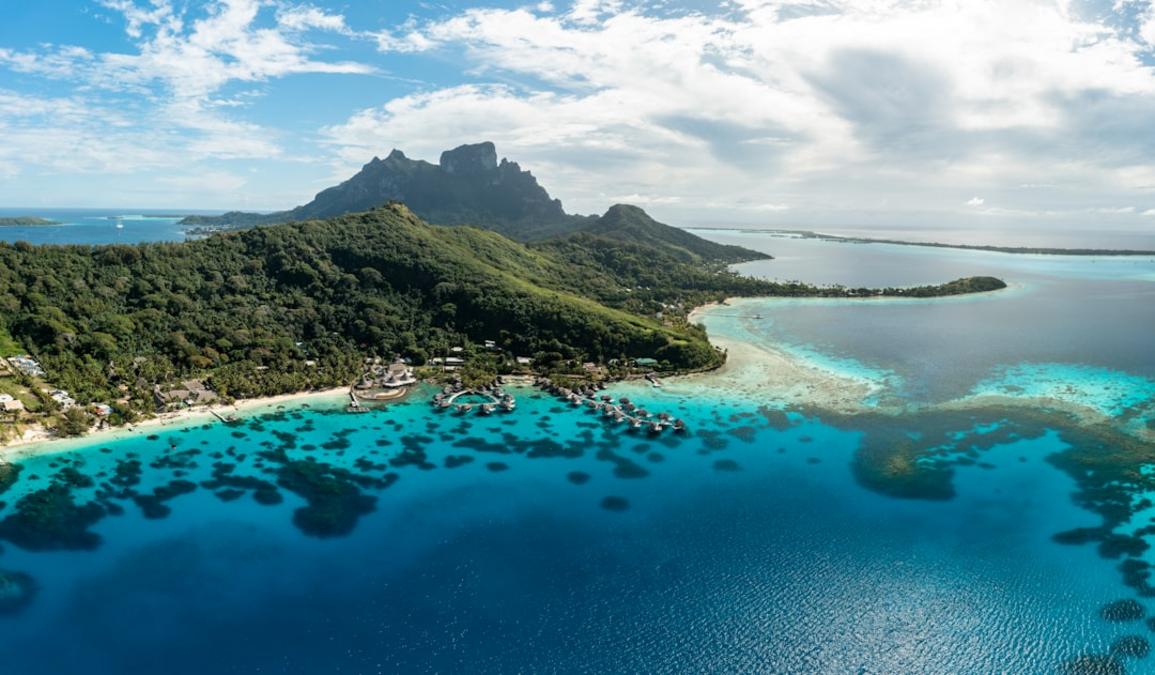
What to expect
- Walk among stone platforms and carved statues that date back hundreds of years.
- Feel the rough texture of volcanic rock carvings under your fingertips.
- Observe traditional Polynesian motifs etched into the stone surfaces.
- Hear the quiet of the island, broken only by distant waves and wind.
- Stand at the site of ancient ceremonial gatherings, imagining the rituals performed there.
Is Visiting Hiva Oa Worth Your Time?
Cultural stopHiva Oa offers a tangible connection to Polynesian history, with well-preserved relics and a quiet atmosphere that invites reflection. The site is accessible and affordable, making it a good choice for those interested in heritage. The main challenge is the weather risk; rain can obscure carvings and dampen the experience. If your schedule allows, visiting early in the day maximizes the chance of good weather and fewer visitors. Skip if you seek vibrant activity or modern attractions-this is a site for quiet observation and learning.
Quick Facts
| Cost | modest entrance fee |
| Open season | year-round |
| Visit duration | about 4 hours |
| Getting there | accessible by boat or small plane from Rangiroa |
| Best timing | early morning or late afternoon |
| Dress code | casual, respectful attire |
Exploring the Cultural Heart of Hiva Oa
Begin your visit early in the morning at the Atuona archaeological site, where weathered stone platforms and carved tikis mark the remnants of ancient Polynesian rituals. Spend about 30 minutes examining the petroglyphs and stone alignments, noting the precise craftsmanship that has survived centuries. As the sun rises, walk toward the nearby Taaoa Marae, a sacred meeting ground that served as a center for community ceremonies. Take 20 minutes to observe the layout and imagine the gatherings that once filled this space.
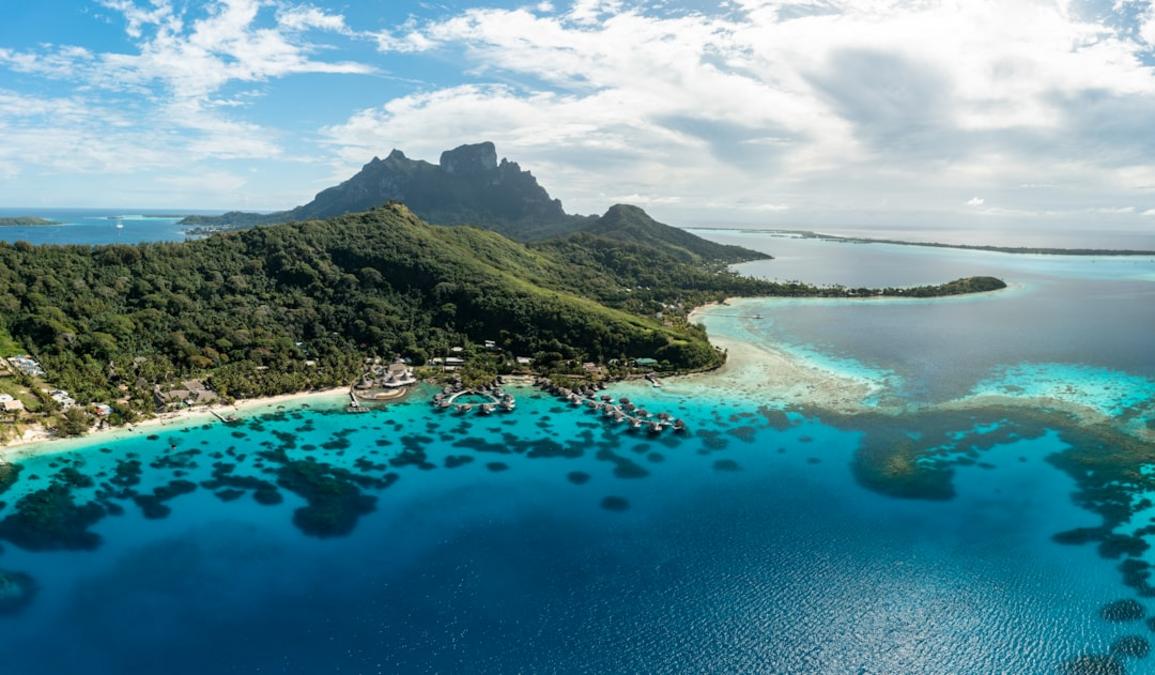
Next, head to the Paul Gauguin Museum, a 15-minute drive from the marae, which houses artifacts and personal items of the artist who spent his final years here. Allocate 20 minutes to browse the exhibits, focusing on the paintings and photographs that connect Gauguin’s work to the island’s history. If time allows, visit the nearby Eglise de Atuona, a small church with a simple wooden structure, where local ceremonies still take place. Skip the museum if you are pressed for time; the outdoor sites offer the core cultural experience. Conclude your tour by walking back to the main road, keeping an eye out for local artisans selling carved souvenirs, which can be purchased directly from the makers.
Key Cultural Highlights of Hiva Oa
Atuona Archaeological Site
This site features ancient stone platforms and carved tikis that reveal Polynesian spiritual practices. The petroglyphs depict fish, canoes, and abstract symbols, offering insight into early island life.
TipVisit during mid-morning when the sunlight hits the carvings at an angle, revealing details that are less visible in harsher midday light.
Taaoa Marae
A central ceremonial space where community gatherings and rituals took place. Its rectangular layout and stone altar remain as a testament to traditional Polynesian social structure.
TipStand at the northeast corner of the marae during late morning to see the sun align perfectly with the central altar, highlighting the site’s astronomical significance.
Paul Gauguin Museum
Housed in a modest building, the museum displays Gauguin’s personal belongings, sketches, and photographs that link his art to the island’s landscape and people. It offers context for his final years in Atuona.
TipVisit in the early afternoon when the museum’s natural light enhances the visibility of Gauguin’s sketches on display, making details clearer.
Eglise de Atuona
This small wooden church remains active for local ceremonies. Its simple design contrasts with the elaborate carvings found at other sites, emphasizing its role as a community hub.
TipAttend a local service if possible; participating offers a genuine glimpse into current cultural practices and community life.
Local Artisan Stalls
Near the main road, artisans sell carved wood figures and jewelry made from local materials. These items reflect traditional craftsmanship and are often made on-site.
TipNegotiate directly with the artist for a better price; many are open to small discounts if you show genuine interest.
Gear for Visiting Hiva Oa
- Light rain jacket
The island’s humid climate and occasional showers require a waterproof layer, especially if exploring inland or near the coast. - Sun protection cream
The sun can be intense during midday, even on cloudy days, so apply sunscreen to avoid burns during outdoor activities. - Cash in CFP francs
Many local vendors and small eateries on Hiva Oa operate cash-only, and ATMs are scarce or unreliable. - Sturdy sandals or walking shoes
The terrain includes uneven dirt paths and rocky areas around the villages and archaeological sites. - Insect repellent
Mosquitoes are common near water sources and during dawn and dusk, so protect against bites.
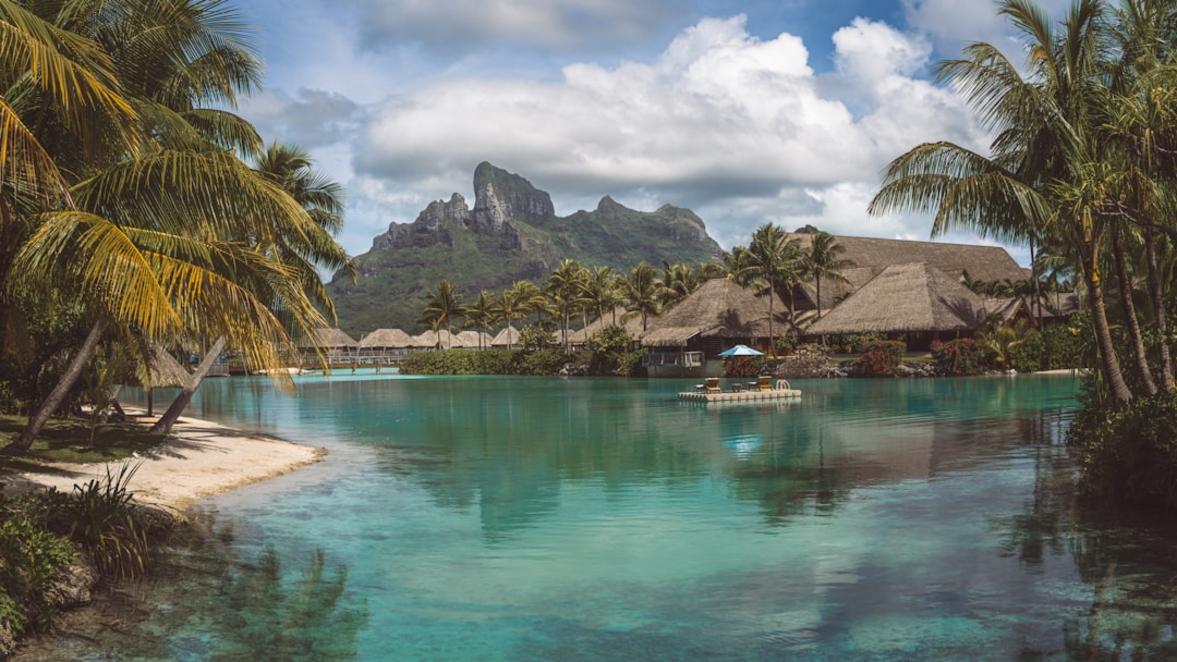
Getting to Hiva Oa from Rangiroa
Hiva Oa is approximately a 2.5-hour flight from Rangiroa, with limited weekly departures, so plan ahead.
- Airplane
Book your flight early through Air Tahiti to secure a seat, as flights are infrequent and fill quickly during peak season. - Charter boat
Arrange a private boat transfer if available, but verify the schedule and weather conditions beforehand to avoid delays.
Risks and Precautions on Hiva Oa
- Unpredictable weather can cause flight cancellations or rough seas.
Check weather forecasts daily and have flexible plans for travel days. - Limited medical facilities on the island.
Carry a basic first aid kit and any personal medications, and know the location of the nearest clinic in Atuona. - Unmarked or poorly maintained paths at archaeological sites.
Stick to established trails and avoid wandering off into dense vegetation to prevent injuries. - Limited cash availability.
Withdraw enough CFP francs before arrival or bring small bills for purchases.
Expert Insight: Visit Early in the Day
Start your exploration at the archaeological sites around 8 AM to avoid the midday heat and the small crowds, ensuring better lighting for photos and a more authentic experience.
Hiva Oa Cultural and Heritage FAQ
1Are there specific times of day when visiting Hiva Oa is better for cultural sites?
Visit early in the morning before 9 AM to avoid the midday heat and larger tour groups. Afternoon visits can be more crowded and less comfortable during peak heat hours, so plan accordingly.
2Can I explore Hiva Oa without a guide, or is a guided tour necessary?
You can explore independently if you have detailed maps and local knowledge, but hiring a guide ensures access to restricted sites and deeper context. For a comprehensive experience, a guide is recommended, especially for lesser-known sites.
3Are there any dress code requirements for visiting the archaeological sites on Hiva Oa?
Wear modest clothing that covers shoulders and knees when visiting sacred sites to respect local customs. Avoid revealing attire, especially at religious or ceremonial locations, and consider bringing a cover-up.
4Is photography allowed inside the archaeological sites on Hiva Oa?
Photography is generally permitted outside but restricted inside certain sacred areas. Always look for signage and ask local guides if unsure, and avoid flash photography to protect fragile artifacts.
5What should I do if I encounter unofficial guides offering tours on Hiva Oa?
Politely decline and seek out licensed guides or official tour operators to ensure accurate information and fair pricing. Unofficial guides may lack proper knowledge or permissions, risking safety and authenticity.
6How does weather affect visiting the archaeological sites on Hiva Oa?
Rain can make paths slippery and obscure visibility, so check weather forecasts before visiting. During heavy rain or storms, postpone outdoor site visits and focus on indoor or covered cultural activities instead.
Continue with a Visit to the Local Museum
After exploring the archaeological sites, head to the local museum to see artifacts and learn about the island’s history. Avoid rushing through; spend at least an hour to gain meaningful insights into Hiva Oa’s cultural heritage.
Photos via Unsplash and Wikimedia Commons.
Some links on this page are affiliate links. We may earn a small commission at no extra cost to you when you book through them.