


The scent of fresh vanilla and grilled poisson cru fills the air at Papeete Market as vendors call out their daily catch.
Tahiti is the largest island in French Polynesia and the cultural heart of the territory, home to roughly 190,000 people concentrated around Papeete. Visitors come for its mix of urban life, indigenous crafts, and natural sites like the black-sand beaches of Pointe Venus and the waterfalls in the island’s interior. The neighborhoods of Papeete’s waterfront, the artsy Fare Ute area, and the quieter Papara district each offer distinct slices of local life. Tahiti delivers a more authentic cultural pulse than the resort-heavy Bora Bora but lacks the luxury infrastructure and polished tourist circuits. Expect a blend of colonial history, Polynesian traditions, and daily markets that reveal the island’s layered identity. Plan your days around Papeete’s market mornings and afternoon hikes inland for a balanced cultural rhythm.
Start at Papeete Market for local crafts and food, hike to Faarumai Waterfalls for island nature, visit the Museum of Tahiti for heritage context, explore the black-sand beach at Pointe Venus, and stroll the Fare Ute neighborhood for artisan workshops.
Key takeaways
- Stay in Papeete’s Fare Ute neighborhood for artisan shops and easy market access.
- Visit Papeete Market early morning to catch fresh produce and local crafts.
- Book a guided tour to Faarumai Waterfalls to understand Tahitian legends and ecology.
- Plan a half-day at the Museum of Tahiti to grasp the island’s cultural layers.
- Reserve transport ahead for the 12-mile / 19 km drive to Pointe Venus black-sand beach.
- Avoid weekend afternoons in Papeete’s center due to local traffic and market crowds.
- Expect daily budgets around $60-$120, 2026, depending on dining and tours.
- Use local buses or shared taxis for short trips; airport transfers run ~$15-$25, 2026.

Why visit Tahiti
Tahiti stands apart from Bora Bora, Moorea, and Huahine by combining the cultural heart of French Polynesia with urban life and natural diversity. Papeete, the capital, anchors the island’s colonial history and vibrant markets, while the black-sand beaches and interior waterfalls offer a contrast to the resort-focused neighbors. The island’s rugged interior trails and the surf break at Teahupoo provide cultural and natural landmarks unique to Tahiti. Unlike Bora Bora’s lagoon luxury or Moorea’s lush hills, Tahiti balances daily local life with heritage sites and indigenous crafts. This makes it the main island for travelers seeking deep cultural context alongside outdoor exploration.
- Papeete’s municipal market offers daily access to local crafts, fresh produce, and Tahitian street food culture.
- The black-sand beaches on Tahiti’s west coast contrast sharply with the white sands of Bora Bora and Moorea.
- Teahupoo’s world-famous surf break draws international surfers but remains a cultural symbol for local communities.
- The island’s interior trails lead to waterfalls and ancient marae (temples), preserving Polynesian heritage off the beaten path.
- Tahiti’s urban center hosts the only major museums in French Polynesia, including the Museum of Tahiti and Her Islands.
- Many travelers overlook Tahiti’s cultural depth, focusing on resorts elsewhere, making it a quieter hub for authentic village life.
Best for
Solo travelers and culture seekers who want to explore indigenous crafts, colonial history, and active village life will appreciate Tahiti. Those who prefer a mix of urban amenities and outdoor heritage sites find this island ideal.
Skip if
Skip Tahiti if the goal is pure luxury beach resorts or remote island seclusion; Bora Bora offers more exclusive lagoon stays and fewer urban distractions.

Top things to do in Tahiti
Tahiti blends urban heritage with indigenous culture and natural landmarks, making it the cultural heart of French Polynesia. Start with Papeete’s municipal market to experience daily local crafts and street food. From ancient marae in the island’s interior to the surf culture at Teahupoo, these activities reveal Tahiti’s layered history and village life beyond the resorts.

1. Papeete Municipal Market ·
Explore Tahiti’s cultural pulse through local crafts, fresh produce, and street food at this bustling market in the capital.
The Papeete Municipal Market sits on Avenue Pouvanaa a Oopa, right in the city center. Inside, you’ll find stalls packed with tropical fruits, vanilla pods, and fresh fish alongside vendors selling black pearl jewelry and handwoven hats. The market’s street food section offers local dishes like poisson cru and grilled mahi-mahi, perfect for a quick lunch. The atmosphere buzzes with locals and tourists alike, especially in the morning when fishermen bring in their catch. The market closes by early afternoon, so plan your visit accordingly.
This market offers the most direct access to Tahiti’s daily life and crafts compared to smaller village markets outside Papeete.
- When: Arrive between 7:00 AM and 11:00 AM on weekdays to catch the freshest produce and avoid weekend crowds.
- Cost: Free entry; food and crafts range from ~$5 to $30, 2026
- Duration: 1.5 to 2 hours
- How to reach: Walk or take a short taxi ride from downtown Papeete; the market is on Avenue Pouvanaa a Oopa near the waterfront.
Insider tip: If closed
Visit the smaller Vaiete Market near the harbor for fresh fish and local snacks.
2. Museum of Tahiti and Her Islands ·
Dive into Polynesian history, archaeology, and indigenous culture at the only major museum on the island.
Located in Punaauia, about 6 miles / 10 km west of Papeete, the Museum of Tahiti and Her Islands offers extensive exhibits on Polynesian migration, traditional crafts, and natural history. The museum’s outdoor botanical garden features native plants used in traditional medicine and crafts. Inside, displays include ancient tools, tapa cloth, and reconstructions of marae temples. The museum also hosts temporary exhibitions and cultural workshops, often led by local artisans. The site provides clear signage in English and French, making it accessible for independent visitors.
It is the only comprehensive museum dedicated exclusively to Tahiti’s cultural and natural heritage, unlike smaller cultural centers scattered around the island.
- When: Visit mid-morning on weekdays to avoid school groups and enjoy quieter galleries.
- Cost: ~$10, 2026
- Duration: 2 to 3 hours
- How to reach: Take a taxi or rental car west along Route de ceinture from Papeete; the museum is near the coastal village of Punaauia.
Insider tip: If closed
Explore the Tahiti Pearl Museum in Papeete for a focused look at black pearl culture.
3. Ancient Marae of Tahiti’s Interior ·
Visit sacred Polynesian temples nestled in the rugged interior to connect with Tahiti’s ancestral spiritual heritage.
The marae are stone platforms and temples scattered in the island’s mountainous interior, especially around the Papenoo Valley and the slopes of Mount Orohena. These sites, such as Marae Arahurahu near Papenoo, offer insight into pre-European Polynesian religious practices. Reaching them involves hiking trails through lush rainforest, often guided by local experts who explain the significance of each site. The quiet, remote setting contrasts sharply with Papeete’s urban pace, revealing Tahiti’s deep ancestral roots. Some marae remain active for ceremonial use, so visitors should respect local customs and avoid climbing on sacred stones.
These marae are the best-preserved and most accessible examples on Tahiti, unlike less maintained or privately owned sites elsewhere on the island.
- When: Morning visits are best to avoid afternoon rain showers common from November to April and to enjoy cooler temperatures.
- Cost: Free, though guided tours cost around ~$40 for half-day, 2026
- Duration: Half day
- How to reach: Drive or take a guided tour from Papeete along the Papenoo Valley Road; some sites require a short hike from the trailhead.
Insider tip: If closed
Visit the Marae Arahurahu near the coast for easier access and less hiking.
Solo female travel: Hire a licensed guide for solo visits to the interior marae to ensure safe navigation and cultural respect.
4. Teahupoo Surf Break Viewing ·
Witness the cultural significance and raw power of the world-famous surf break revered by local communities.
Teahupoo, on Tahiti’s southwest coast, is known for its heavy, glassy waves breaking over a shallow coral reef. The village itself remains small and traditional, with local fishermen and surfers coexisting closely. Viewing points along the coastal road offer dramatic perspectives of the surf, especially during swell season from May to September. The annual Billabong Pro Tahiti surf competition draws international attention but also highlights the local reverence for the ocean’s power. Access to the best vantage points requires a short walk from the parking areas near the village center.
Teahupoo’s surf break is unique for its combination of natural force and cultural respect, unlike other Polynesian surf spots that focus more on tourism.
- When: Visit between May and September during mid-morning to early afternoon for optimal light and wave visibility.
- Cost: Free
- Duration: 2 to 3 hours
- How to reach: Drive or take a taxi about 30 miles / 48 km southwest from Papeete along the coastal road; parking is available near the village.
Insider tip: If closed
Explore the nearby village of Vairao for coastal walks and local crafts if surf conditions are flat or unsafe.

5. Papeete Waterfront and Harbor Walk ·
Stroll the colonial-era harbor area to see local fishing boats, street vendors, and historic architecture blending past and present.
The waterfront promenade stretches along the harbor from the ferry terminal to the municipal market area. Along the way, you’ll pass colorful fishing boats unloading their catch and street vendors selling tropical fruits and snacks. Colonial-era buildings like the old customs house and the town hall reflect Tahiti’s French Polynesian history. The walk is lively in the late afternoon when locals gather to socialize and street musicians perform. Benches and small parks offer spots to rest while watching the harbor activity and the sunset over Moorea in the distance.
This walk combines Tahiti’s colonial history with everyday local life better than the more commercialized areas inland.
- When: Late afternoon, around 4:00 PM to 6:00 PM, to catch the market closing and sunset light.
- Cost: Free
- Duration: 1 to 1.5 hours
- How to reach: Walk from central Papeete or take a short taxi ride from nearby neighborhoods; the promenade runs along Quai Wilson.
Insider tip: If closed
Visit the nearby Place Vai’ete for a similar waterfront vibe with food stalls and local hangouts.
Solo female travel: Stay in well-lit sections near the market and ferry terminal after dark; avoid isolated piers at night.
6. Guided Village Tour in Papeete ·
Take a guided walk through Papeete’s neighborhoods to uncover daily life, local artisans, and colonial landmarks.
Join one of the licensed guide outfits in Papeete for a walking tour through the central neighborhoods like the waterfront and the colonial district. The guide highlights local artisans crafting traditional goods, explains the history behind colonial buildings, and points out everyday scenes of market life. This tour moves at a steady pace, balancing cultural context with plenty of photo stops. Expect to visit the municipal market and some lesser-known streets where locals live and work. Book on GetYourGuide.
This tour beats a self-guided walk by providing historical context and access to artisan workshops that are otherwise easy to miss in Papeete’s busy streets.
- When: Morning tours starting between 8:00 AM and 10:00 AM avoid midday heat and catch market activity at its peak, best from May to October when rainfall is lower.
- Cost: ~$40-$60, 2026
- Duration: 2-3 hours
- How to reach: Walk or take a short taxi ride from any accommodation in downtown Papeete; the tour usually starts near the central market on Avenue Pouvanaa a Oopa.
Insider tip: If closed
Explore the Papeete Municipal Market independently and visit the nearby Tahiti Pearl Museum for cultural context.
Solo female travel: Stick to group tours that start in daylight and avoid wandering alone in the outskirts of Papeete after dark.
7. Faarumai Waterfalls Hike ·
Hike to a series of waterfalls in Tahiti’s lush interior, combining natural beauty with cultural stories of the land.
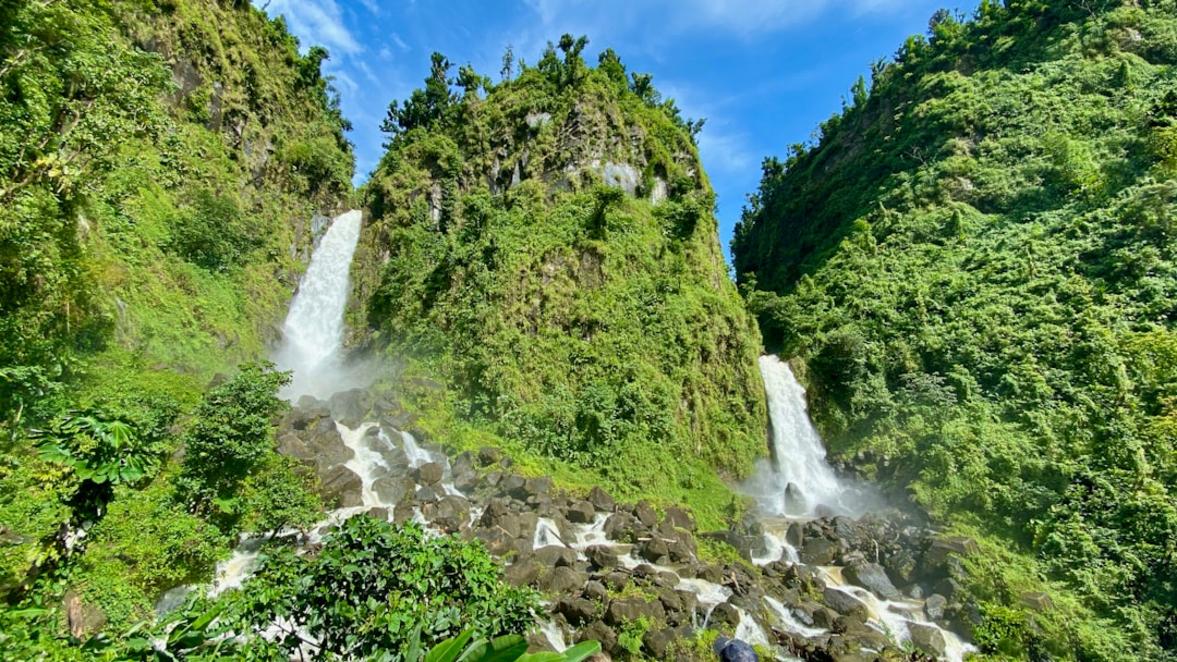
The Faarumai Waterfalls trail begins near the village of Vainui on Tahiti’s east coast, leading through dense tropical forest to three main waterfalls. Along the way, local guides share Polynesian legends tied to the land and explain the plants used in traditional medicine. The trail is moderately challenging, with some steep sections and slippery rocks, so sturdy shoes are essential. The final waterfall offers a natural pool for a refreshing swim, popular with locals on weekends.
This hike offers a deeper cultural layer than the more touristy Papenoo Valley hikes by focusing on local stories and less crowded paths.
- When: Start early morning (7:00 AM to 9:00 AM) to avoid afternoon rain showers common from November to April; the dry season from June to September is ideal.
- Cost: Free
- Duration: Half day
- How to reach: Rent a car or take a taxi from Papeete along the coastal road to Vainui village; parking is available near the trailhead on Route de ceinture.
Insider tip: If closed
Visit the Vaipahi Gardens near Papeari for a shorter walk with waterfalls and botanical displays.
Solo female travel: Hire a local guide for the hike to navigate slippery sections safely and avoid isolated solo trekking in dense forest.
8. Visit the Black Sand Beaches of Tahiti’s West Coast ·
Explore the island’s distinctive black-sand beaches where local families gather and traditional fishing happens daily.
The west coast of Tahiti, especially near the villages of Paea and Teahupoo, features black volcanic sand beaches that contrast sharply with the usual white sand elsewhere. These beaches serve as gathering spots for local families, fishermen, and surfers, offering a window into daily island life beyond tourist resorts. Walk along the shore to see traditional fishing methods, and stop at small roadside stands selling fresh coconut water or grilled fish. The area is less developed, so expect basic facilities and a relaxed pace.
Visiting these beaches provides cultural insight into Tahitian coastal life, unlike the resort-heavy east coast beaches that cater mostly to tourists.
- When: Late afternoon is best for cooler temperatures and to watch fishermen return with their catch; avoid the wet season from November to April for safer beach conditions.
- Cost: Free
- Duration: 2-4 hours
- How to reach: Drive or take a taxi west from Papeete along the main coastal highway (Route de ceinture); parking is available at public beach access points near Paea.
Insider tip: If closed
Spend time at the Papeete waterfront park and harbor area to observe local fishermen and market activity.
Solo female travel: Stay in populated areas near the main villages and avoid isolated stretches after sunset for better situational awareness.

9. Tahitian Tattoo Workshop ·
Learn about the cultural significance and traditional techniques of Tahitian tattooing from local artists.
Participate in a workshop led by experienced Tahitian tattoo artists who explain the symbolism behind traditional motifs and demonstrate hand-tapping techniques. The session often includes a brief history of Polynesian tattooing and its role in social identity and rites of passage. Some workshops allow you to try simple stencil designs or hand-tapping practice on synthetic skin. These workshops take place in artist studios or cultural centers in Papeete, offering a hands-on cultural connection beyond just viewing tattoos. Book on GetYourGuide.
This workshop offers direct engagement with Tahitian tattoo culture, unlike museum visits that only display historical examples without practical insight.
- When: Book workshops during weekdays between 9:00 AM and 3:00 PM to avoid weekend closures or artist unavailability; best from May to October for consistent scheduling.
- Cost: ~$50-$80, 2026
- Duration: 2-3 hours
- How to reach: Most workshops are located in central Papeete, reachable by foot or short taxi ride from the main market area on Avenue Pouvanaa a Oopa.
Insider tip: If closed
Visit the Museum of Tahiti and Her Islands to study tattoo artifacts and cultural exhibits.
Solo female travel: Attend workshops held in established studios with good reviews and avoid informal street offers to ensure respectful and safe interaction.
10. Papeete Street Food Tour ·
Taste authentic Tahitian street food with a local guide who knows the best stalls and family kitchens.
Join a local guide for an evening tour through Papeete’s street food scene, sampling dishes like poisson cru (raw fish marinated in coconut milk), grilled seafood, and tropical fruits from family-run stalls. The tour includes stops at the municipal market and small roadside kitchens where recipes have been passed down for generations. The guide explains the origins of each dish and points out ingredients unique to Tahiti. This tour is a practical way to experience local flavors while navigating the market’s lively atmosphere. Book on GetYourGuide.
This guided tour saves time and confusion by directing you to authentic vendors, unlike wandering the market alone where quality varies widely.
- When: Evenings from 5:00 PM to 8:00 PM, Thursday through Saturday, when most street food stalls are open and the market buzzes with locals.
- Cost: ~$45-$65, 2026
- Duration: 2-3 hours
- How to reach: Start at the Papeete Municipal Market on Avenue Pouvanaa a Oopa, accessible by foot or taxi from downtown accommodations.
Insider tip: If closed
Dine at local family-run restaurants near the market that serve similar traditional dishes.
Solo female travel: Stick with the group and avoid carrying valuables openly; the market is busy but pickpocketing can occur in crowded spots.
11. Visit the James Norman Hall Home ·
Explore the former home of the author of Mutiny on the Bounty, now a museum reflecting colonial-era Tahiti.
The James Norman Hall Home sits in Arue, a short drive from Papeete. This colonial-style house preserves the life and work of the author behind Mutiny on the Bounty, with original furnishings, manuscripts, and photographs. Walking through the rooms offers insight into early 20th-century Tahiti and the colonial lifestyle. The museum also highlights Hall’s connection to local culture and history.
Choose this if literary history and colonial-era context interest you more than mainstream cultural sites.
- When: Visit mid-morning on weekdays to avoid crowds and enjoy cooler temperatures, ideally between May and October when weather is drier.
- Cost: ~$10, 2026
- Duration: 1-2 hours
- How to reach: Take a taxi or rental car northeast from Papeete center; the home is about 6 miles / 10 km away along the coastal road.
Insider tip: If closed
Explore the nearby Museum of Tahiti and Her Islands for broader cultural context.
12. Craft Workshops in Papeete ·
Join local artisans for hands-on workshops in weaving, carving, or tapa cloth making within the city’s craft centers.
Craft workshops in Papeete offer direct engagement with Tahitian artisans specializing in weaving pandanus mats, carving wood or bone, and making tapa cloth from mulberry bark. These sessions typically take place in small studios or community centers near the central market. You learn traditional techniques while creating your own souvenir under expert guidance. The experience connects you to the island’s material culture beyond passive observation. Book on GetYourGuide.
This suits travelers wanting active cultural participation and a tangible takeaway from Tahiti’s craft heritage.
- When: Book workshops in the morning or early afternoon on weekdays to ensure availability and avoid weekend market crowds.
- Cost: ~$40-$60, 2026
- Duration: 2-3 hours
- How to reach: Walk or take a short taxi ride from Papeete’s central market area to the craft centers located on Rue Paul Gauguin or nearby streets.
Insider tip: If closed
Visit the Papeete Market’s craft stalls for shopping and informal demonstrations.

13. Visit the Cathedral of Notre Dame in Papeete ·
See the island’s main cathedral, a colonial-era landmark with stained glass depicting Polynesian saints and history.
The Cathedral of Notre Dame stands in downtown Papeete as a quiet reminder of French colonial influence. Its stained glass windows uniquely incorporate Polynesian motifs and saints, blending European religious art with local identity. The interior is modest but peaceful, offering a moment of reflection amid the city bustle. The cathedral’s location near the waterfront makes it easy to combine with a walk through the nearby market or harbor area.
Pick this for a brief cultural stop that reveals colonial and religious layers of Tahitian history.
- When: Visit during weekday mornings when the cathedral is open and less crowded; avoid Sunday services unless attending mass.
- Cost: Free
- Duration: 30-45 minutes
- How to reach: Reach on foot from central Papeete accommodations or by a short taxi ride from the ferry terminal.
Insider tip: If closed
Walk the nearby waterfront promenade and visit the municipal market for local crafts and food.
14. Explore the Vaipahi Gardens ·
Walk through these botanical gardens showcasing native plants and Polynesian landscaping traditions near Papeete.
Vaipahi Gardens lie about 12 miles / 19 km from Papeete, nestled in the island’s lush interior. The gardens display native Tahitian flora, including fruit trees, orchids, and medicinal plants, arranged to reflect Polynesian landscaping styles. Walking the shaded paths reveals how plants relate to local culture, food, and traditional medicine. The site is quieter than coastal tourist spots, offering a green retreat with interpretive signs explaining plant uses.
This appeals to travelers interested in Polynesian ethnobotany and a calm nature walk outside the city.
- When: Visit in the morning to avoid midday heat, preferably during the drier months from May to October.
- Cost: ~$5, 2026
- Duration: 1-2 hours
- How to reach: Rent a car or take a taxi inland from Papeete; public transport options are limited and irregular.
Insider tip: If closed
Explore the nearby Fautaua Waterfall trail for a nature-focused outing.
15. Evening Cultural Show with Traditional Dance ·
Attend a local dance performance featuring Tahitian drumming and choreography that preserves island rituals.
Evening cultural shows in Papeete feature groups performing traditional Tahitian dances accompanied by live drumming and chanting. These performances take place in venues ranging from hotel theaters to dedicated cultural centers near the waterfront. The choreography preserves ritual gestures and storytelling, offering insight into island myths and social customs. Shows typically last 1.5 to 2 hours and include a brief introduction to the instruments and dance styles. Book on GetYourGuide.
Choose this for a focused cultural immersion after daytime sightseeing, especially if you want to see traditional arts live without traveling far.
- When: Book for early evening slots, usually starting between 6:30 PM and 7:30 PM, any night except Sunday when many venues close.
- Cost: ~$50-$70, 2026
- Duration: 2 hours
- How to reach: Most venues are within a 10-minute taxi ride from Papeete center or walkable if staying near the waterfront.
Insider tip: If closed
Visit the Papeete Market in the afternoon for informal street performances and local music.
16. Visit the Black Pearl Museum ·
Learn about the history and cultivation of Tahiti’s famous black pearls, a key cultural and economic symbol.
The Black Pearl Museum in Papeete offers a detailed look at the cultivation, harvesting, and cultural significance of Tahiti’s black pearls. Exhibits include oyster farming techniques, pearl grading, and the role pearls play in local identity and economy. The museum also showcases jewelry and tools used in pearl farming. It’s a compact but informative stop that connects you to one of Tahiti’s most recognized exports.
This is for travelers curious about Tahiti’s economic history and the science behind its signature black pearls.
- When: Visit during weekday mornings or early afternoons when the museum is open and less busy.
- Cost: ~$8, 2026
- Duration: 1 hour
- How to reach: Located near Papeete’s port area, the museum is accessible by foot or a short taxi ride from the city center.
Insider tip: If closed
Explore local pearl shops around the waterfront for informal explanations and displays.
72 hours in Tahiti
This three-day plan focuses on Tahiti’s cultural heart, designed for travelers who want to explore heritage, local life, and island history beyond the resort strip. It suits culture seekers who prefer historic neighborhoods, markets, and authentic experiences over beach time.
Day 1
Morning
Start at the Papeete Municipal Market just after it opens to catch the freshest produce and crafts before the crowds swell. The morning light hits the stalls perfectly, making it easier to spot local artisans and sample tropical fruits. Grab a coffee from a nearby café on Rue Paul Gauguin to recharge before heading out.
Afternoon
Head inland for the Ancient Marae of Tahiti’s Interior, where the sacred temples sit quietly among lush hills. The drive from Papeete takes about 45 minutes, so plan for a guided tour that explains the spiritual significance and ancestral stories tied to these sites. Pack a picnic lunch from the market to enjoy nearby, avoiding the limited options in the area.
Evening
Return to Papeete’s waterfront for a sunset stroll along the harbor, where colonial-era buildings meet fishing boats and street vendors. Dine at a family-run restaurant in the downtown area specializing in poisson cru, Tahiti’s signature raw fish dish, paired with local fruit juices. The evening here is relaxed, with locals gathering to chat and musicians playing softly nearby.

Day 2
Morning
Begin with a moderate hike to Faarumai Waterfalls in the island’s eastern interior, arriving early to avoid midday heat and crowds. The trail winds through tropical forest with cultural markers explaining Polynesian legends tied to the falls. Bring sturdy shoes and water; the hike takes about two hours round-trip.
Afternoon
After the hike, slow down with a visit to the Papeete Waterfront and Harbor Walk, focusing on the colonial architecture and local fishing activity. Stop for lunch at a small seafood stall near the harbor where locals eat, ordering grilled mahi-mahi or octopus salad. This break lets you digest the morning’s exertion while soaking in everyday island life.
Evening
Spend the evening in the west coast’s black sand beach area, where local families gather for fishing and socializing. Choose a beachfront café for dinner, ordering traditional Polynesian dishes like taro and coconut crab stew. The atmosphere is informal and lively, with the sound of waves and occasional drumbeats from nearby gatherings.

Day 3
Morning
Dive into Papeete’s cultural layers with a morning at the Museum of Tahiti and Her Islands, arriving at opening time to explore exhibits without rush. Follow this with a guided village tour in Papeete’s central neighborhoods, focusing on artisans and colonial landmarks along Rue de la République and adjacent streets. Stop for a mid-morning snack at a bakery known for local pastries.
Afternoon
Visit the Cathedral of Notre Dame in Papeete, then walk to the nearby Black Pearl Museum to understand the island’s economic and cultural ties to pearl cultivation. Afterward, join a craft workshop in the city center to try weaving or tapa cloth making, booking ahead to secure a spot. Lunch can be a light meal at a café near the museum district, featuring fresh island fruits and seafood salads.
Evening
Cap the trip with an evening cultural show featuring traditional Tahitian dance and drumming, held at a local performance venue near the waterfront. Before the show, dine at a restaurant in the Papeete center serving Polynesian fusion dishes, where the pace is calm and the setting intimate. This final night offers a direct connection to island rituals and artistry without the tourist crowd.
If you have a fourth day
Spend a fourth day exploring the Vaipahi Gardens outside Papeete, combining botanical interest with Polynesian landscaping traditions. Follow this with a visit to the James Norman Hall Home museum, offering a quieter, colonial-era perspective away from the city center’s bustle.
Best time to visit Tahiti
Quick answer
Tahiti stays mild all year, so plan around rain rather than temperature: the drier, most comfortable window is May, Jul-Aug. Skip Jun, Sep-Apr unless you can handle the heaviest rain.
| Months to go | May, Jul-Aug |
|---|---|
| Months to avoid | Jun, Sep-Apr |
Tahiti stays mild the whole year, roughly 62 to 67F, with little seasonal change. The bigger variable is rain, which decides how comfortable each month feels far more than temperature does.
The wet season runs Jan-Dec, averaging about 29 rainy days a month with heavy but usually short downpours. Rain is fairly steady across the year with no sharp dry season, so pack for showers whenever you go.
Average temperature (°F)
Monthly weather
Warm but soaked often
Warm but soaked often
Warm but soaked often
Warm but soaked often
Warm but soaked often
Warm but soaked often
Warm but soaked often
Warm but soaked often
Warm but soaked often
Warm but soaked often
Warm but soaked often
Warm but soaked often
Time it around
Expect the biggest crowds and highest prices in Jul-Aug, Dec-Feb. Shoulder months on either side stay calmer.
How to get to Tahiti
Nearest airport
Faa’a International Airport (PPT), located about 5 miles / 8 km southwest of Papeete
From the airport
Take a metered taxi from Faa’a International Airport to Papeete for around $25-$30, 2026. The public airport shuttle bus offers a cheaper option at about $10, 2026, departing from the terminal but runs infrequently. Rental cars are available at the airport for flexible exploration but book in advance to secure the best rates.
Other ways to arrive
- Los Angeles to Tahiti by direct flight, approximately 8 hours, cost around $700-$900, 2026
- Tokyo to Tahiti via Auckland with connecting flights, total travel time about 15 hours, cost around $900-$1,200, 2026
- Sydney to Tahiti with a direct flight, roughly 6 hours, cost around $600-$800, 2026
- Auckland to Tahiti by direct flight, about 5 hours, cost around $400-$600, 2026
Getting around Tahiti
Tahiti’s main transport revolves around rental cars and taxis, with limited public buses mostly serving locals. Renting a car is the best choice for culture seekers wanting to explore beyond Papeete at their own pace.
- Rental car – ideal for day trips and exploring the island’s interior and coast, around $50-$70 per day, 2026
- Metered taxi – use for short trips within Papeete or airport transfers, expect $10-$30 depending on distance
- Public bus – limited routes mainly around Papeete, fares about $1-$2, 2026, best for budget travelers but infrequent
- Bicycle – practical for short distances in Papeete’s central neighborhoods, rentals around $15-$20 per day
- Walking – the historic center of Papeete is compact and walkable, especially near the waterfront and market areas
Avoid
Avoid relying on taxis for multiple trips outside Papeete; costs add up quickly compared to renting a car.
Day trips from Tahiti
These day trips extend your cultural and natural exploration beyond Papeete and the main island’s center. Each offers a distinct perspective on Tahiti’s diverse landscapes and village life.
Moorea Island
Explore Moorea’s traditional villages, pineapple plantations, and cultural sites accessible by ferry from Papeete.
Why: Moorea offers a quieter, more rural contrast to Tahiti’s capital with easy access to local crafts and village markets. The ferry ride itself provides scenic views of the lagoon and mountains.
Skip if: You have limited time or prefer to focus solely on Tahiti’s main island culture.
Taravao Peninsula
Visit traditional farming villages and the less-touristed eastern coast with its rugged cliffs and small cultural sites.
Why: Taravao reveals Tahiti’s agricultural heritage and offers quiet coastal walks away from the capital’s bustle. It’s a good spot to observe local life in a rural setting.
Skip if: You prefer coastal or urban cultural experiences closer to Papeete.
Arahurahu Marae
Visit one of the best-preserved marae (ancient Polynesian temples) on Tahiti, offering insight into pre-European religious practices.
Why: Arahurahu Marae provides a direct connection to Tahitian spiritual heritage and is less crowded than sites near Papeete. It pairs well with a visit to nearby traditional villages.
Skip if: You have already visited other marae or prefer natural landscapes over cultural heritage sites.
Papeno’o Valley
Hike through lush valleys with waterfalls and visit small villages preserving traditional crafts and farming.
Why: Papeno’o Valley offers immersive village life and nature combined, ideal for culture seekers wanting to see Tahiti’s interior beyond the main tourist routes.
Skip if: You have limited mobility or prefer coastal activities.
Combine Tahiti with
Extend your French Polynesia trip by adding multi-night stays on nearby islands that deepen cultural understanding and offer varied landscapes. These routes complement Tahiti’s cultural heart with distinct island identities.
Tahiti – Moorea – Huahine Papeete (Tahiti), ferry to Moorea, flight or ferry to Huahine
Start in Tahiti’s capital for museums and markets, then ferry to Moorea for village life and pineapple farms, finishing with Huahine’s archaeological sites and quiet villages for a layered cultural journey.
Tahiti – Bora Bora – Raiatea Papeete (Tahiti), flight to Bora Bora, flight or ferry to Raiatea
After Tahiti’s urban and cultural immersion, Bora Bora offers lagoon exploration and local crafts, followed by Raiatea’s marae complexes and traditional villages, ideal for a culture-focused itinerary.
Tahiti – Taha’a – Bora Bora Papeete (Tahiti), ferry or flight to Taha’a, ferry to Bora Bora
Combine Tahiti’s cultural core with Taha’a’s vanilla plantations and small-scale village life, then Bora Bora’s mix of lagoon scenery and artisan markets for a balanced multi-island experience.

Where to stay in Tahiti
Compare prices across booking sites on the map below and see which neighbourhood fits your plans.
Tahiti’s lodging options cluster around a handful of neighborhoods that reflect the island’s cultural heart and coastal access. Papeete’s downtown core offers walkable access to markets, museums, and the ferry terminal, ideal for culture seekers. The waterfront area near the Vaiare Marina blends local life with easy boat trips to nearby islands. For quieter stays, the residential neighborhood of Punaauia provides calm streets and black-sand beaches. Arue, on the northeast coast, is a good base for exploring waterfalls and interior trails. Faa’a, close to the airport, suits travelers prioritizing convenience over charm. The southern coast near Teahupoo is mostly surf-focused and remote, less practical for a cultural stay but worth a day trip. These zones split by proximity to heritage sites, beach access, and urban buzz, letting you pick your rhythm on Tahiti’s main island.

Papeete downtown
Budget stays in Tahiti mostly mean family-run guesthouses or simple pensions in Papeete’s downtown and Punaauia. These offer basic rooms with shared or private bathrooms, often without air conditioning but with strong local character. You get close to markets and street food but should expect limited amenities and no pool or beach access. These places suit travelers who want to spend on experiences rather than lodging. Quiet streets in Punaauia offer a break from the city noise while keeping you near cultural sites.
Insider tip: Request a room on the upper floors facing the street in Papeete downtown to avoid early morning market noise and catch ocean breezes.
Punaauia
Mid-range accommodations center on boutique hotels and well-maintained guesthouses in Punaauia and the waterfront near Vaiare Marina. These properties offer air conditioning, private bathrooms, and sometimes small pools or garden spaces. They balance comfort with local atmosphere, often housed in colonial-style buildings or modern bungalows. Staying here puts you within a short drive of Papeete’s cultural sites and the island’s black-sand beaches. This tier suits travelers who want a quiet base with easy access to museums, markets, and coastal walks.
Insider tip: Book directly with mid-range hotels in Punaauia during the low season (May to October) to secure discounts not listed on booking platforms.
Punaauia
Splurge accommodations on Tahiti’s main island focus on luxury resorts and design hotels along the waterfront in Punaauia and near the airport in Faa’a. These properties feature upscale amenities like ocean-view pools, spa services, and fine dining. They provide direct beach access or lagoon views, blending French Polynesian style with modern comfort. This tier suits travelers who want a refined base while still being within reach of Papeete’s cultural core and island excursions. Expect higher prices but also personalized service and privacy.
Insider tip: Request a room facing the lagoon in Punaauia for sunset views and quieter evenings away from the main road traffic.
Local institution: InterContinental Resort Tahiti – the island’s flagship luxury property known for its beachfront location and extensive amenities.
Where not to stay
The area along the main coastal highway between Papeete and Faa’a is noisy after dark due to traffic and lacks pedestrian-friendly streets, making it unpleasant for overnight stays.
Solo female travelers
Choose guesthouses or boutique hotels in Papeete downtown or Punaauia, where streets stay well-lit at night and local shops remain open, providing a safe and sociable environment.
Booking through these links supports Pack Lightly at no extra cost to you.
Neighborhoods in Tahiti
Tahiti’s neighborhoods blend cultural heritage with coastal charm, each offering a unique atmosphere shaped by geography and local life. From the bustling streets of Papeete to the tranquil shores of Punaauia, these areas reflect the island’s vibrant community and daily rhythms.

Papeete downtown
Papeete downtown is the bustling heart of Tahiti, characterized by colonial architecture and a lively market scene. The area is a mix of locals and tourists, with a daily rhythm that peaks during market hours and slows in the evenings.
Punaauia
Punaauia is a residential neighborhood known for its calm streets and beautiful black-sand beaches. The area features a mix of local homes and small guesthouses, creating a relaxed, community-oriented vibe.
Arue
Arue is a picturesque coastal neighborhood with lush greenery and access to waterfalls and hiking trails. The area is primarily residential, with a laid-back vibe and a strong sense of community.
Vaiare Marina
Vaiare Marina is a vibrant waterfront area that serves as a gateway to nearby islands. The marina is bustling with activity, featuring boats, shops, and cafes that cater to both locals and visitors.
Faa’a
Faa’a is primarily known for its proximity to the airport, featuring a mix of residential and commercial areas. The neighborhood has a more utilitarian feel, with less emphasis on tourism.
Where to eat and drink in Tahiti

Tahiti’s culinary scene stands out in French Polynesia for its emphasis on fresh, local ingredients and traditional cooking methods. The island is known for its abundant seafood, particularly from the nearby fishing port of Papeete, where you can find a variety of fish and shellfish. Influences from the indigenous Polynesian culture, as well as French culinary techniques, create a unique fusion that defines Tahitian cuisine. Markets like the Papeete Market offer a vibrant atmosphere to explore local flavors and ingredients.
Must-try dishes
Poisson Cru (Tahitian ceviche)
Fresh fish marinated in lime juice and coconut milk, often served with vegetables.
This dish is a staple of Tahitian cuisine, showcasing local fish and the island’s love for coconut milk, making it a city signature dish.
Insider tip: Look for stalls that prepare it fresh daily for the best flavor.
Fafaru
A traditional dish made from raw fish marinated in fermented seawater.
Fafaru is a community-specific dish that reflects the indigenous culture of Tahiti, often enjoyed by locals during gatherings.
Insider tip: Ask locals for the best spot to experience authentic fafaru.
Taro and Breadfruit
Starchy root vegetables commonly served as sides or in salads.
These ingredients are staples in Tahitian cooking, often featured in local dishes and markets, highlighting the island’s agricultural heritage.
Insider tip: Pair them with grilled fish for a true Tahitian meal.
Vanilla Bean Ice Cream
Creamy ice cream made with locally sourced Tahitian vanilla beans.
Tahitian vanilla is renowned worldwide, and this dessert showcases its rich flavor, making it a local specialty.
Insider tip: Opt for a scoop topped with fresh tropical fruits.
Local drinks
- Hinano BeerAvailable at most bars and restaurants across the island, especially in Papeete.
A local lager brewed in Tahiti, known for its light and refreshing taste. - Pineapple JuiceFind it at local markets and cafes, particularly in Papeete.
Freshly squeezed juice made from local pineapples, often served chilled.

Where to eat – by neighborhood
Papeete downtown
The heart of Tahiti’s food scene, featuring a mix of street food stalls, casual eateries, and markets.
Insider tip: Visit the Papeete Market early in the morning for the freshest produce and local delicacies.
Punaauia
A quieter area with family-run restaurants and beachfront cafes, perfect for enjoying local cuisine.
Insider tip: Look for places that offer daily specials featuring fresh catch from local fishermen.
Arue
Known for its seafood shacks and casual dining options, often frequented by locals.
Insider tip: Try to dine at sunset for a beautiful view while enjoying your meal.
Vaiare Marina
A waterfront area with a mix of dining options, from casual bites to more upscale restaurants.
Insider tip: Order a seafood platter to sample a variety of local catches.
Restaurants worth knowing
Le Coco’s
La Plage
Le Grillardin
Local markets
| Papeete Market | Monday to Saturday, 7 AM – 5 PM. – Fresh produce, local crafts, and ready-to-eat meals. |
|---|---|
| Taravao Market | Wednesday and Saturday, 6 AM – 1 PM. – Local fruits, vegetables, and artisanal products. |
Dietary note
Vegetarians will find options at most restaurants, but traditional dishes often include fish or meat.
Daily budget for Tahiti
Tahiti’s daily costs are notably higher than other islands in French Polynesia due to its status as the capital and a major tourist hub. Expect to pay a premium for accommodations and dining, particularly in popular areas like Papeete.
Shoestring
- lodging – dormitory beds in hostels or budget guesthouses
- food – meals from local markets or food trucks
- transport – public buses or shared taxis
- activities – entry to local attractions or self-guided tours
- buffer – miscellaneous expenses
Trade-offs: Expect limited comfort and amenities, especially in shared accommodations.
Comfort
- lodging – mid-range hotels or private guesthouses
- food – dining at local restaurants
- transport – rental scooters or taxis for short distances
- activities – guided tours or cultural experiences
- buffer – miscellaneous expenses
Trade-offs: You’ll enjoy a balance of comfort and local experiences, but may still find some activities pricey.
Splurge
- lodging – luxury hotels or beachfront bungalows
- food – fine dining or upscale restaurants
- transport – private transfers or car rentals
- activities – exclusive tours or experiences like helicopter rides
- buffer – miscellaneous expenses
Trade-offs: This tier offers premium experiences but can quickly add up, especially for dining and activities.
Money-saver tip
Eat at local food trucks in Papeete for delicious meals at a fraction of restaurant prices.
Splurge that’s worth it
A sunset dinner cruise offers stunning views of the coastline and is a memorable way to experience Tahiti’s beauty.
Skip to save
Avoid the overpriced tourist shops in Papeete; local markets offer better prices and authentic souvenirs.
Practical tips for Tahiti
Money
Cash or card. While many businesses accept credit cards, cash is still preferred at local markets and small eateries. Keep some cash handy for street food and smaller purchases.
ATMs. ATMs are widely available in Papeete, but expect foreign transaction fees. The Bank of Tahiti is a reliable option for withdrawing cash.
Tipping. Tipping is not mandatory, but rounding up the bill or leaving a small amount (around $5) for good service is appreciated.
Safety
Tahiti is generally safe for travelers, but it’s wise to stay alert, especially in crowded areas. Petty crime can occur, particularly in tourist hotspots.
Where to walk at night. Papeete downtown and Vaiare Marina are safe for evening strolls, while areas like Faa’a should be approached with caution after dark. Punaauia offers a quieter atmosphere, ideal for solo travelers.
Common scams:
- Overcharging at markets or restaurants.
- Fake tour guides offering overpriced services.
Local warnings:
- Watch for strong sun exposure; use sunscreen.
- Be cautious of strong currents at beaches.
Connectivity
Mobile data. Mobile coverage is good across the island, with local SIM cards available from providers like Vini or Orange for around $20-$30. Consider an eSIM for convenience.
Wi-Fi. Most cafes and accommodations offer free Wi-Fi, especially in Papeete. The waterfront area near Vaiare Marina has several spots with reliable connections.
Late-night transit. Public transit options are limited late at night, with no metro service. Rideshare apps are available, but taxis are the safest option for returning from late dinners.
Language
Main language: French and Tahitian.. English level: English is commonly spoken in tourist areas, but proficiency decreases in local neighborhoods. Expect to use basic French phrases when interacting with locals.
Cultural notes
- Dress modestly when visiting religious sites; swimwear is not appropriate.
- Always ask permission before taking photos of locals.
- Greet with a smile and a friendly ‘Ia ora na’ to show respect.
Solo female travel
Solo female travelers can feel comfortable in Tahiti, especially in Papeete and Punaauia. The atmosphere is generally friendly, and many locals are welcoming.
- Neighborhood: Stick to Papeete and Punaauia for evening activities, as they are safer and have more options for dining and socializing.
- Transport: Use rideshare apps or taxis after dark, as public transport is limited at night.
- Meeting people: Stay at hostels or guesthouses with a social atmosphere to meet fellow travelers and share experiences.
Frequently asked questions about Tahiti
1Is the Papeete Municipal Market worth visiting?
Yes, the Papeete Municipal Market is a must-visit for its vibrant atmosphere and local crafts. Arrive early to enjoy fresh produce and traditional Tahitian dishes.
2Papeete or Punaauia – where should I stay?
Stay in Papeete for easy access to markets and cultural sites. Choose Punaauia for a quieter beach experience, especially if you prefer a more relaxed vibe.
3Should I do the Faarumai Waterfalls hike or skip to the Museum of Tahiti?
Do the Faarumai Waterfalls hike for a refreshing nature experience. The museum offers valuable cultural insights, but the hike provides a unique connection to Tahiti’s natural beauty.
4What is Poisson Cru, and why is it popular in Tahiti?
Poisson Cru is Tahiti’s version of ceviche, made with fresh fish marinated in lime juice and coconut milk. It’s a staple dish that showcases local flavors and is a must-try.
5How many days should I spend in Tahiti?
Roughly 4-5 days is ideal to explore the main attractions like Papeete Market, Faarumai Waterfalls, and the black-sand beaches. This allows for a balanced mix of culture and relaxation.
6Is Tahiti safe for solo female travelers?
Yes, Tahiti is generally safe for solo female travelers. Stick to well-lit areas in Papeete at night and use local transport options for peace of mind.
7Can you swim at Pointe Venus beach?
Yes, you can swim at Pointe Venus beach, but be cautious of the currents. It’s a beautiful spot for sunbathing and enjoying the black sand.
8What does a day cost in Tahiti?
Expect daily budgets around $60-$120, 2026, depending on dining choices and activities. Local markets offer affordable meals, while guided tours can add to your expenses.