


The sun hits the shallow lagoon at Matira, where locals and travelers share the same stretch of sand.
French Polynesia’s coastline is shaped by private resort lagoons, making Matira Beach on Bora Bora the rare public shoreline where independent travelers can swim and relax without a wristband.
Expect clear guidance on which beaches offer safe swimming, moderate crowds, and practical facilities, plus where to avoid tourist traps or inaccessible shores.
Key takeaways
- Matira Beach is the only fully public Bora Bora beach with calm, swimmable lagoon water.
- Most beaches have moderate crowds from May to October, ideal for avoiding peak season crush.
- Hauru Point offers the best rental facilities for snorkel and kayak on Mo’orea.
- Pink Sand Beach on Rangiroa requires a 45-minute boat ride and has no facilities.
- Anaho Bay demands a 45-minute hike but rewards with near solitude and golden sand.
French Polynesia Public Beaches: Swim, Crowd & Facility Insights
| Beach | Location | Crowd | Swimmable | Best for | Beach verdict |
|---|---|---|---|---|---|
| Matira Beach | Bora Bora South | Moderate | Yes | families and casual swimmers | The only free Bora Bora beach with shallow lagoon swimming and road access restaurants. |
| Temae Beach | Mo’orea Northeast | Moderate | Yes | quiet swimmers and turtle watchers | Mo’orea’s calmest public beach with east-facing waters and reliable turtle sightings. |
| Pink Sand Beach (Rangiroa) | Rangiroa Atoll | Moderate | Yes | adventure seekers and sand color fans | Accessible only by 45-minute boat; no shade or facilities, visit for unique pink sand. |
| Hauru Point Beach | Mo’orea Northwest | Moderate | Yes | families needing rentals and amenities | Most equipped Mo’orea beach with snorkel and kayak rentals near mid-range hotels. |
| Paoaoa Beach | Huahine South | Moderate | Yes | solitude seekers with own gear | Quiet Huahine beach with calm lagoon and no facilities; bring your own snorkel kit. |
| Motu Mahana (Taha’a) | Taha’a Northwest | Moderate | Yes | day trippers from Ra’iatea | Charter a boat for clean lagoon water and kayak-accessible reef flats off Taha’a. |
| Tereia Beach (Maupiti) | Maupiti West Motu | Moderate | Yes | kayakers and manta ray watchers | Undeveloped narrow beach with shallow lagoon and reliable manta ray encounters nearby. |
| Anaho Bay Beach | Nuku Hiva Marquesas | Moderate | Yes | hikers and remote beach lovers | Requires 45-minute hike or boat; golden sand and near solitude in Marquesas. |
| Motu Tapu (Bora Bora reef motu) | Bora Bora Outer Reef | Moderate | Yes | photographers and lagoon tour guests | Tiny coral islet reached only by boat tours; iconic Bora Bora photo spot. |
| Hapatoni Bay (Tahuata) | Tahuata Marquesas | Moderate | Yes | cultural day trippers from Hiva Oa | Historic Marquesan beach with clear swimming, no airport, and traditional village backdrop. |
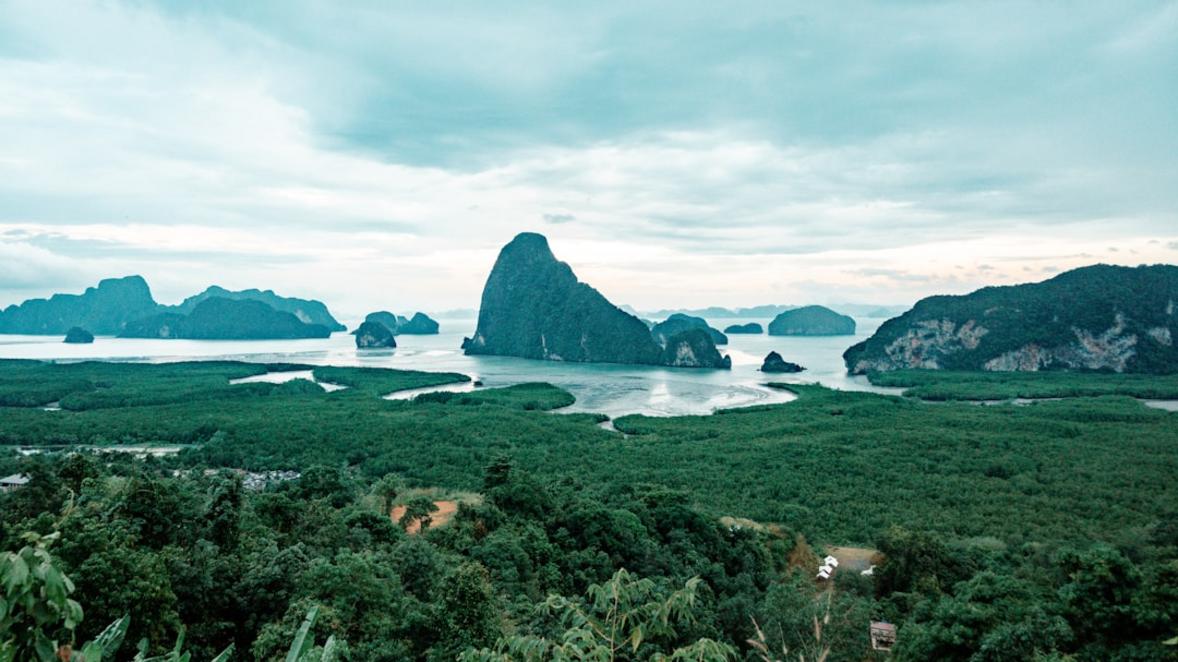
Where to find the beaches
French Polynesia’s Public and Accessible Beaches
Matira Beach – Bora Bora, public lagoon and sunset spot
Matira Beach is the only fully public beach on Bora Bora, stretching 2 km along the island’s southern tip. The sand is white and the beach curves gently around Matira Point, which divides two distinct water zones. The inner lagoon side offers shallow, calm water that stays knee-deep for about 30 meters, while the ocean-facing side has a gentle shore break and slightly deeper water.
The beach is backed by a road lined with a handful of restaurants and snack bars, making it easy to access without paying resort fees or needing wristbands. Snorkeling is best at Matira Point, where black-tip reef sharks, parrotfish, and occasional green sea turtles swim in 2 to 4 meters of water. The water clarity is good enough to see the sandy bottom in the lagoon area, but the ocean side can be churned by longtail boats in the morning.
Swim safely on the lagoon side where the water is shallow and calm, ideal for families and less confident swimmers. Bring your own snorkel gear since no rental shops operate directly on the beach, though some restaurants will store equipment. Avoid parasailing and jet-ski operators along the beach road – they run from further north and the water here is too shallow for their activities.

- ▸ Wade knee-deep for 30 meters on the lagoon side, perfect for all ages and skill levels
- ▸ Snorkel at dusk near Matira Point to see black-tip reef sharks safely
- ▸ Catch a direct west-facing Pacific sunset with Mount Otemanu visible to the north
- ▸ Use road-access restaurants like Bloody Mary’s or Matira Snack for food and gear storage
- ▸ Avoid parasailing and jet-ski touts who operate north of the main beach
- Restaurants along the beach road
- Picnic areas
- Snorkel access directly from the beach
- → Snorkeling at Matira Point to spot reef sharks and tropical fish
- → Wading and swimming in the shallow lagoon side
- → Dining at local beachfront restaurants with gear storage options
Temae Beach – Mo’orea, calm turtle-rich east coast
Temae Beach lies on Mo’orea’s northeastern tip near the airport, offering a long stretch of white sand facing east into Cook’s Bay. The beach is relatively quiet compared to resort strips and backed by no commercial facilities, so expect a low-key atmosphere. The water is calm and shallow, protected by an outer reef that keeps waves minimal.
Snorkeling is consistent on the reef flat offshore, with green sea turtles grazing seagrass patches 50 to 80 meters from shore at dusk. The beach’s east-facing orientation means mornings are calmest, with gentle light and fewer crowds. Bring your own water and sun protection since no facilities are available on site.
Swim confidently here thanks to the calm lagoon waters and reef protection. The lack of vendors or rentals means you’ll need to come prepared but also enjoy a more natural experience. This beach suits travelers who want a quiet spot for swimming and turtle watching without the resort crowds.

- ▸ Spot green sea turtles grazing seagrass 50 – 80 meters offshore at dusk
- ▸ Enjoy a calm, east-facing beach with minimal wave action in the morning
- ▸ Experience one of Mo’orea’s least crowded public beaches away from resort zones
- Picnic area
- Snorkel access
- No water or shade facilities – bring your own supplies
- → Swimming in calm, shallow lagoon waters
- → Snorkeling on the reef flat to see turtles and reef fish
- → Picnicking on the beach with views into Cook’s Bay
Pink Sand Beach – Rangiroa, remote rose-hued sand
Pink Sand Beach is a narrow, curved motu on the western edge of Rangiroa’s atoll ring, known for its distinctive pink and white coral fragment sand. The beach is backed by low shrubs with no buildings or facilities, and shade is limited to scattered coconut palms. The lagoon side offers shallow, warm water, while the ocean side has a light shore break.
Access requires a 45-minute boat ride from Avatoru or Tiputa, making it a less frequented stop on the Blue Lagoon day trip. Most visitors do not continue this far, so expect moderate crowds mainly from organized tours. The lack of infrastructure means you must bring your own water, food, and snorkel gear.
Swim safely on the lagoon side where the water is shallow and warm. The ocean side’s light shore break is manageable but less suited for casual swimmers. This beach is best for those who want to see the rare pink sand and don’t mind the extra boat time and lack of amenities.

- ▸ Reach the beach by adding 15 minutes to the Blue Lagoon boat trip
- ▸ Experience the rare pink sand made from ground coral fragments
- ▸ Find no vendors or facilities – plan to bring your own supplies
- No facilities on site
- No shade except natural coconut palms
- → Swimming in shallow lagoon waters
- → Exploring the unique pink sand shoreline
- → Boat tours that include the Blue Lagoon and this remote motu
Hauru Point Beach – Mo’orea, family-friendly rental hub
Hauru Point Beach is Mo’orea’s busiest beach strip on the northwest coast, located between the Hauru Pass and mid-range hotels at PK27. The beach road is lined with the highest concentration of beach bars and snorkel rental shops on the island, making it the go-to spot for families and gear renters.
The lagoon here is waist to chest deep for about 100 meters before the reef flat, which is ideal for snorkeling the Coral Garden located 300 meters offshore. Paddleboards and kayaks are available for rent, allowing visitors to explore the reef independently. The beach atmosphere is moderately busy but manageable, especially outside peak afternoon hours.
Swim in calm, waist-deep water suitable for children and beginners. Rent snorkel gear or paddleboards directly on site, making this beach a practical base for active water days. The beach suits families and travelers who want convenience and equipment access without the resort exclusivity.
- ▸ Rent snorkel gear and paddleboards from multiple shops along the beach road
- ▸ Snorkel the Coral Garden reef 300 meters offshore by kayak or paddleboard
- ▸ Find the densest concentration of beach bars on Mo’orea for food and drinks
- Beach bars
- Snorkel rental shops
- Kayak hire
- → Snorkeling the Coral Garden reef 300 meters offshore
- → Paddleboarding or kayaking from the beach to the reef
- → Dining and drinking at multiple beach bars along the road
Paoaoa Beach – Huahine, quiet scooter-access lagoon
Paoaoa Beach is a quiet crescent on Huahine Iti’s southern coast, reachable by scooter from the main town of Fare. The beach is mostly deserted in the mornings, with calm lagoon water and white sand. The reef lies about 100 meters offshore and supports consistent fish life around small coral heads in 2 to 3 meters of water.
No commercial facilities or vendors operate here, so visitors must bring their own snorkeling gear and supplies. The setting is low-key and natural, offering a break from the busier beaches on neighboring islands. The calm lagoon makes it suitable for relaxed swimming and snorkeling.
Swim safely in the calm lagoon with easy access to shallow coral heads for snorkeling. This beach suits travelers who want a quiet spot without crowds or commercial distractions. The scooter ride from Fare is short and straightforward, making it an efficient escape.

- ▸ Find near-empty beach conditions most mornings for peaceful swimming
- ▸ Snorkel small coral heads 100 meters offshore with steady fish presence
- ▸ Access easily by scooter from Fare without complicated transport
- Snorkel access
- No commercial facilities – bring your own gear and supplies
- → Swimming in calm lagoon waters
- → Snorkeling around coral heads in shallow water
- → Scooter rides from Fare to reach the beach quickly
Motu Mahana – Taha’a, clean lagoon day charter
Motu Mahana is a small islet off the northwest tip of Taha’a, home to the Le Taha’a resort’s beach area. The beach features white coral sand and a lagoon with exceptionally clean water. The shallow reef flat is reachable by kayak, offering a quiet spot away from crowds.
Day access is possible for non-resort guests by chartering a boat from Ra’iatea, which includes a scenic approach through the shared lagoon past pearl farms and coral heads. This boat trip is part of the experience, offering views of the local aquaculture and marine environment.
Swim in clear, calm lagoon waters with easy kayak access to the reef flat. This beach suits travelers who want to avoid resort crowds but still enjoy high-quality lagoon conditions. Bring your own snorkel gear or rent from the boat charter operator.

- ▸ Charter a boat from Ra’iatea for day access without resort booking
- ▸ Paddle kayak to the shallow reef flat for snorkeling and exploration
- ▸ Enjoy the clearest lagoon water in the Ra’iatea-Taha’a shared lagoon
- Resort day access available
- Snorkel equipment available through boat charters
- → Kayaking from the beach to the reef flat
- → Snorkeling in calm, clear lagoon waters
- → Boat charter trips from Ra’iatea including pearl farm views
Tereia Beach – Maupiti, remote manta ray viewing
Tereia Beach is the main beach on Maupiti’s western motu strip, featuring white sand and a shallow lagoon with clear views of Mount Teurafaatiu across the water. The beach is narrow and undeveloped, accessible only by foot or kayak from the village, which limits visitor numbers.
Manta rays are regularly seen cruising the pass adjacent to the motu between May and October, making this one of the most accessible and reliable manta encounters in the Leeward Islands. The beach’s remoteness means no facilities or vendors, so preparation is essential.
Swim in shallow lagoon waters with minimal disturbance and watch for manta rays near the pass. This beach is best for travelers seeking wildlife encounters and a quiet setting without resort infrastructure. Bring all supplies and plan for a short hike or kayak trip to reach the shore.

- ▸ Spot manta rays regularly between May and October near the motu pass
- ▸ Access only by foot or kayak, keeping visitor numbers low
- ▸ Enjoy clear lagoon waters with views of Mount Teurafaatiu
- No facilities on site
- No vendors or shade – bring water and sun protection
- → Swimming in shallow lagoon waters
- → Kayaking or hiking to reach the beach from the village
- → Manta ray watching in the adjacent pass during season
Anaho Bay Beach – Nuku Hiva, remote Marquesas golden sand
Anaho Bay Beach is Nuku Hiva’s most remote and rewarding beach, accessible only by a 45-minute hike over the Anaho ridge or by boat from Hatiheu Bay. The bay curves with golden sand and is backed by steep green cliffs, creating a secluded anchorage favored by trans-Pacific yachts.
The beach is isolated with no roads or facilities, offering a rare chance to experience the Marquesas at their most untouched. Green sea turtles nest here from November to February, adding a seasonal wildlife highlight for visitors willing to make the effort.
Swim in calm bay waters with minimal crowds due to the challenging access. This beach suits travelers prepared for a hike or boat trip who want solitude and natural beauty without infrastructure. Bring all supplies and plan for a full day trip.

- ▸ Reach the beach by a 45-minute ridge hike or boat from Hatiheu Bay
- ▸ See green sea turtles nesting from November to February
- ▸ Experience one of the Marquesas’ most isolated and quiet beaches
- No facilities or vendors on site
- No road access – prepare for hiking or boat transport
- → Hiking over the Anaho ridge to reach the beach
- → Swimming in calm bay waters
- → Boat trips from Hatiheu Bay to access the bay
Beaches in Bora Bora and Tahuata
Motu Tapu – Bora Bora, iconic coral islet
Motu Tapu is the most photographed small coral islet on Bora Bora’s outer reef, featuring a narrow strip of white sand and a few coconut palms. The setting is stunning, with the backdrop of Bora Bora’s twin peaks creating a picturesque scene. The lagoon on one side offers calm waters, while the open reef on the other provides a stark contrast, making it a unique spot for photos.
Access to Motu Tapu is exclusively by boat, typically through organized day trips from the main island or nearby resorts. Expect moderate crowds, especially during peak tourist months from May to October. The beach is swimmable, but be mindful of the boat traffic that can stir up the water, especially in the morning.
Plan to join a half-day lagoon tour that includes a stop at Motu Tapu for the best experience. This beach is ideal for those looking to capture the quintessential Bora Bora photo, but it may not be suitable for those seeking a quiet, secluded beach day.
- ▸ Join a half-day lagoon tour to access Motu Tapu.
- ▸ Visit during the shoulder months (May, June, September, October) for fewer crowds.
- ▸ Bring a waterproof camera for stunning lagoon shots.
- ▸ Check with local operators in Vaitape for organized day trips.
- Access is limited to resort day trips.
- No public facilities available on the motu.
- → Snorkel in the calm lagoon waters to see colorful fish.
- → Take photos with the iconic twin peaks of Bora Bora in the background.
- → Enjoy a picnic on the beach as part of your lagoon tour.
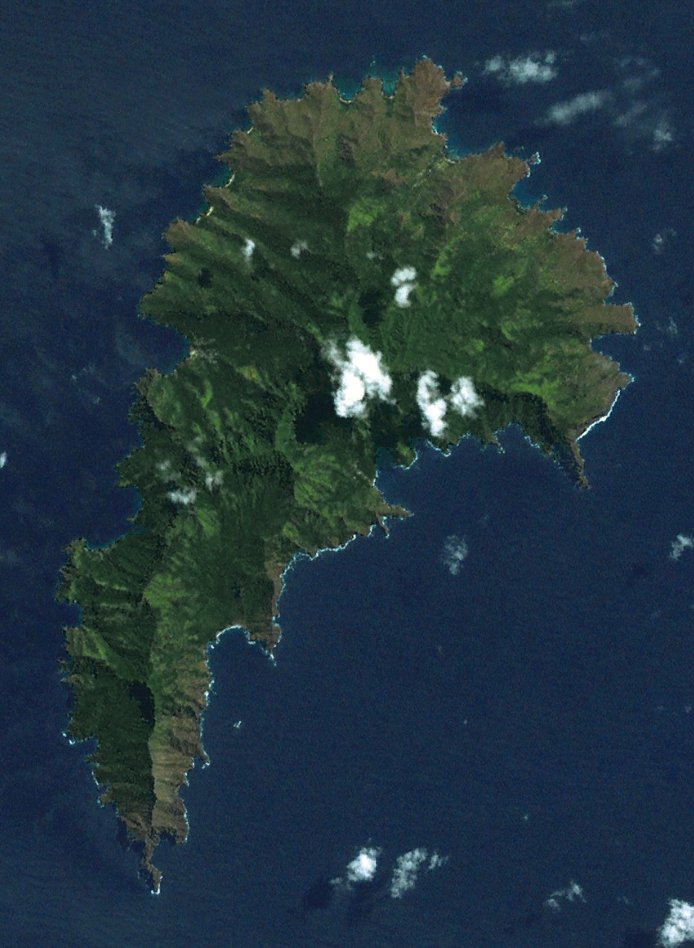
Hapatoni Bay – Tahuata, historic village beach
Hapatoni Bay is the main beach on Tahuata, the smallest inhabited island in the Marquesas, known for its white sand and traditional Polynesian houses lining the shore. The beach offers a serene atmosphere, with clear waters perfect for swimming, despite the lack of reef protection. The backdrop of the village adds a cultural touch to the beach experience.
Reaching Hapatoni Bay requires a 30-minute boat ride from Hiva Oa, making it a more remote destination. The beach sees moderate crowds, primarily from day-trippers, but it retains an authentic feel due to the island’s small population of fewer than 700 residents. The swimming conditions are generally safe, making it suitable for families.
This beach is a great choice for those looking to experience a less commercialized side of the Marquesas. Visit to appreciate the local culture and enjoy a day away from the more tourist-heavy spots.
- ▸ Take a day trip from Hiva Oa to experience a less commercialized beach.
- ▸ Explore the historic village of Hapatoni nearby.
- ▸ Look for local artisans selling tapa cloth, a prized cultural craft.
- ▸ Plan your visit during the dry season (May to October) for the best weather.
- No commercial facilities available on the beach.
- Traditional Polynesian houses provide a cultural backdrop.
- → Swim in the clear waters, ideal for families and casual swimmers.
- → Explore the nearby village to learn about local history and culture.
- → Purchase handmade tapa cloth from local artisans.
Compare beach tours and day trips in French Polynesia
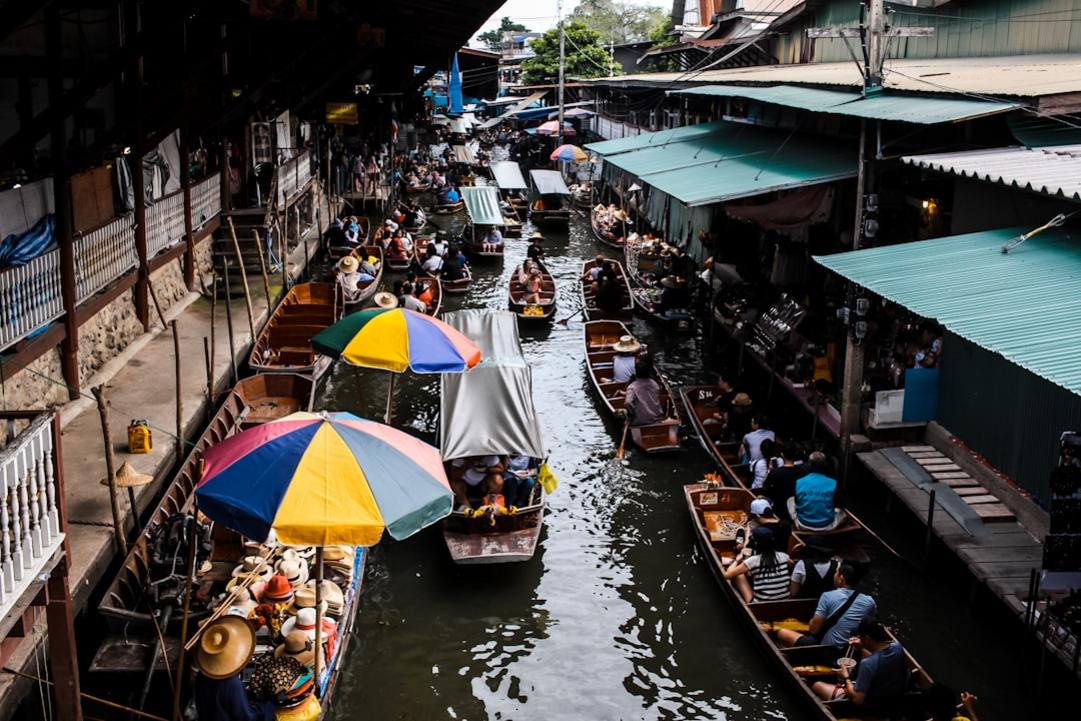
Choosing the Right Beach in French Polynesia
In French Polynesia, the choice is between lively beaches with amenities and tranquil spots for relaxation. Prioritize your beach based on your desired vibe and activities.
Matira Beach offers shallow waters and amenities, perfect for families with children.
Motu Mahana provides a romantic setting with stunning views and private lounging areas.
Temae Beach features free access and calm waters, ideal for budget-conscious travelers.
Hauru Point Beach is near upscale resorts, offering a luxurious atmosphere and amenities.
Paoaoa Beach is less crowded, providing a peaceful environment for relaxation.
Pink Sand Beach is perfect for swimming and snorkeling, with vibrant marine life.
Before You Go to French Polynesia
- Book a boat transfer to Motu Mahana for a unique beach experience.
- Check for jellyfish season before swimming at Temae Beach.
- Wear a wide-brimmed hat to protect against the strong sun at Matira Beach.
- Carry cash for local vendors at Paoaoa Beach, as cards may not be accepted.
- Visit between April and November for the best weather and fewer crowds.
- Respect local customs and ask before taking photos of people.
- Bring reef-safe sunscreen to protect marine life while swimming.
- Arrive early at Pink Sand Beach to enjoy a quieter atmosphere.
Frequently Asked Questions about French Polynesia Beaches
1What is the best time to visit Matira Beach?
The best time to visit Matira Beach is from April to November. During these months, the weather is pleasant, and crowds are manageable.
2How do I get to Hauru Point Beach?
Hauru Point Beach is accessible by a short drive from the main town of Moorea. Consider renting a car or taking a taxi for convenience.
3Which beach is better for families, Matira Beach or Temae Beach?
Matira Beach is better for families due to its shallow waters and available amenities. Temae Beach is also family-friendly but can be busier at times.
4Is swimming safe at Pink Sand Beach?
Yes, swimming is safe at Pink Sand Beach, but be cautious of strong currents. Always check local conditions before entering the water.
5What facilities are available at Paoaoa Beach?
Paoaoa Beach has limited facilities, so bring your own food and drinks. There are no restrooms or showers on-site.
6What is a unique aspect of beaches in French Polynesia?
Many beaches, like Motu Mahana, are located on private motus, offering a unique experience away from the mainland crowds.
7What is the crowd level like at Temae Beach?
Temae Beach can get moderately crowded, especially during peak tourist seasons. Arriving early helps secure a good spot.
Some links on this page are affiliate links. If you book through them, we earn a small commission at no extra cost to you.
More French Polynesia travel guides