


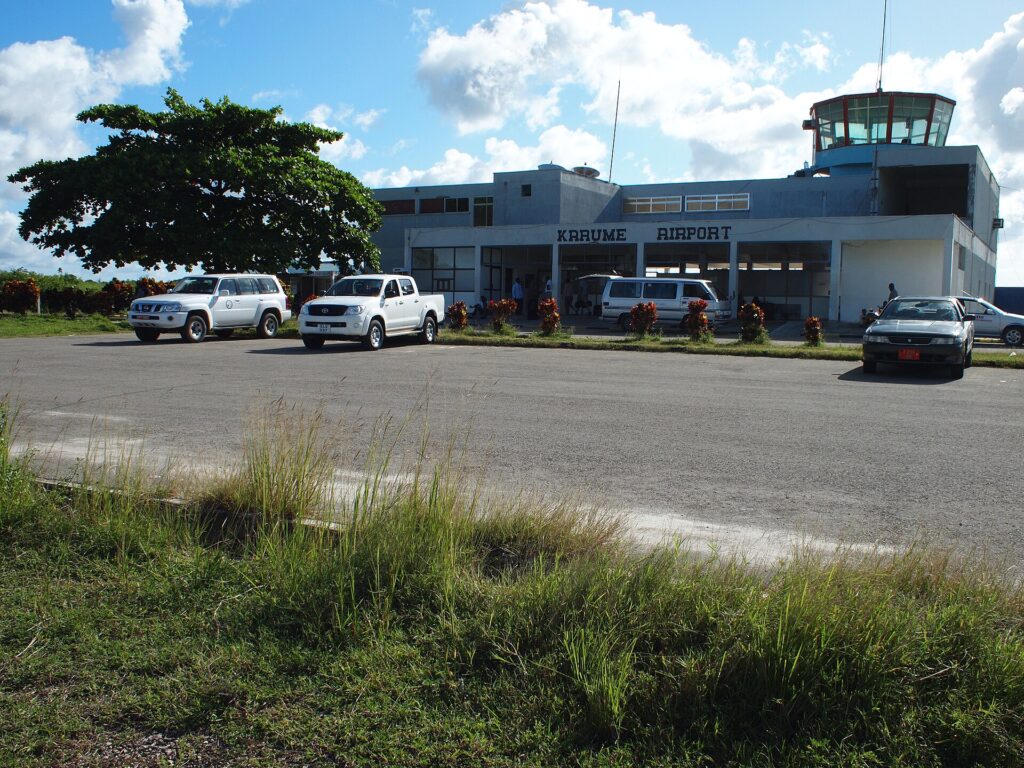
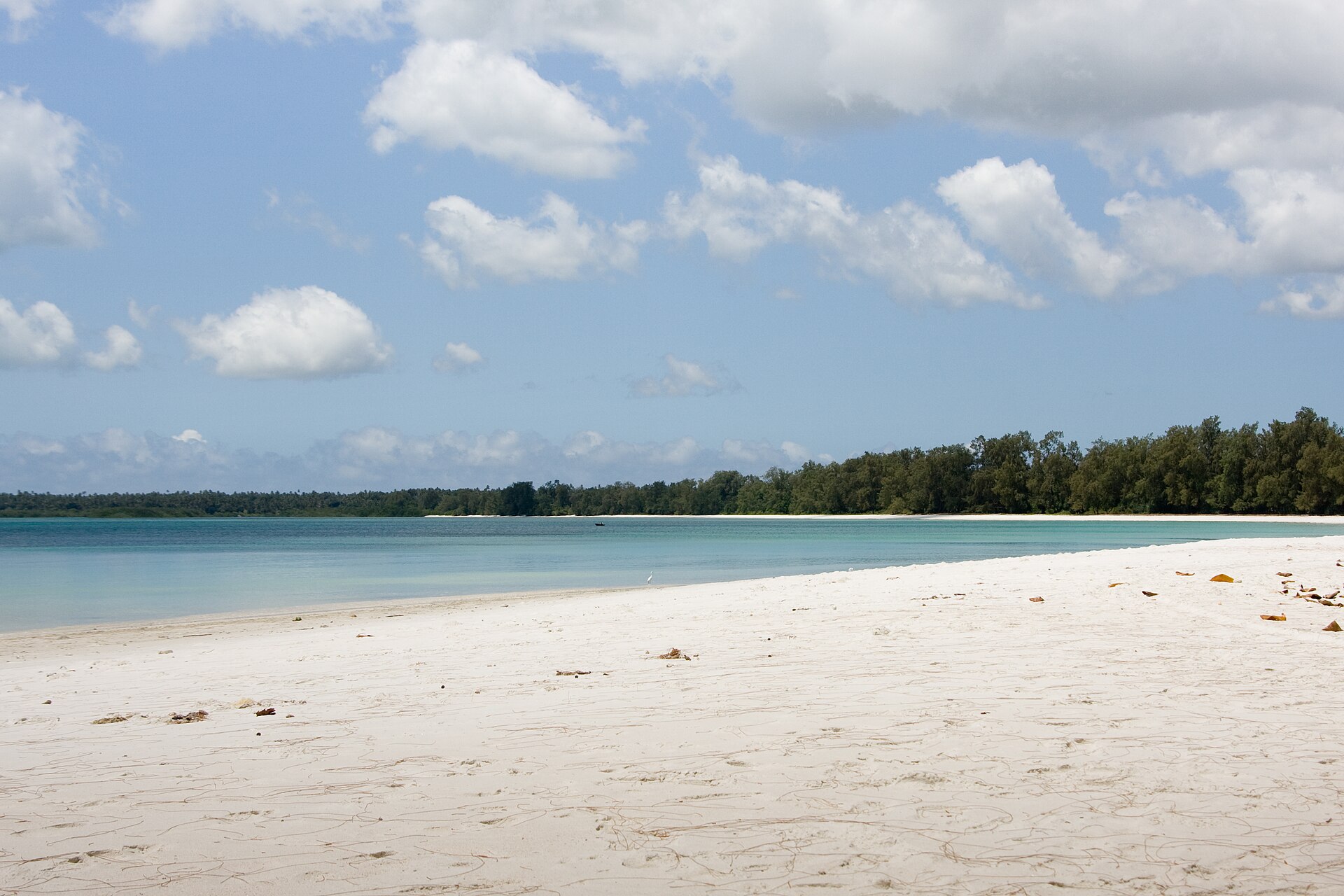
Standing on the edge of Pemba, you see the island’s jagged coastline meet the grey water of the Indian Ocean.
Pemba in Dar Es Salaam offers a glimpse into Tanzania‘s maritime history and local fishing traditions. It is a small island with a distinct character, accessible by a short boat ride from the mainland. The visit revolves around exploring its coastal villages, local markets, and historic sites, making it a focused cultural outing.
A typical trip costs around 20 USD for the boat fare, and the entire visit takes about half a day. Expect to start early to catch the best light and avoid crowds, especially on weekends. The island’s limited infrastructure means planning ahead is essential for a smooth experience.
What to expect
- Walk along the narrow dirt paths between fishing boats and small houses.
- Observe local fishermen repairing nets and unloading their catch.
- Visit the open-air market where vendors sell dried fish and fresh coconuts.
- Feel the rough texture of coral stone walls in historic buildings.
- Hear the call of seagulls as they circle above the shoreline.
Is Pemba worth your time?
Cultural stopPemba offers a direct look at local maritime life and history, with a manageable half-day commitment. The island’s simplicity and authentic atmosphere outweigh the effort of an early start and a short boat ride. It is ideal for travelers seeking genuine cultural insights without the crowds or high costs. Skip if you prefer a more developed tourist scene or have limited time, as the island’s limited amenities mean it is not suited for comfort-focused visits.
Quick facts about visiting Pemba
| Cost | around 20 USD for boat fare |
| Opening hours | not applicable; visit during daylight |
| Time needed | half a day |
| Getting there | boat from Dar Es Salaam port |
| Best timing | early morning for light and fewer visitors |
| Entry rules | no formal entry fee; respect local customs |
Exploring Pemba’s Cultural Heart
Start your visit early in the morning at the entrance of Pemba, which opens at 8 AM. The site is a single, well-preserved historic building complex that dates back to the colonial era. As you step inside, focus on the main courtyard where traditional Swahili architecture is evident in the carved wooden doors and coral stone walls. Spend about 20 minutes examining the central hall, which houses artifacts and photographs illustrating Pemba’s role in regional trade. Avoid lingering in the gift shop area, which is often crowded and offers little authentic insight.
Proceed to the smaller side rooms, where local guides often share stories about the site’s significance in Zanzibar and mainland Tanzania relations. Allocate around 15 minutes here, but skip the souvenir stalls if pressed for time. By 10 AM, the site begins to fill with tour groups, so if you want a quieter experience, plan to finish your tour before then. The site closes at 4 PM, so aim to arrive no later than 3:30 PM if you want to explore thoroughly. Remember, the best insights come from engaging with the guides during the early hours when the site is less crowded.
Key Highlights of Pemba
Main Courtyard
The central open space features coral stone walls and a traditional Swahili fountain, offering a glimpse into the architectural style of the era. It’s the best spot to observe the craftsmanship of coral masonry and wooden latticework.
TipVisit the courtyard at the start of the day to avoid the tour groups and get unobstructed photos of the coral walls and carvings.
Main Hall Exhibits
This room contains photographs, trade artifacts, and documents that explain Pemba’s historical importance in regional commerce. It provides context for the site’s role in the Zanzibar archipelago.
TipAsk the guide about the specific trade routes depicted in the photographs – they often have stories not in the display panels.
Side Rooms with Local Stories
These smaller chambers hold personal stories and traditional artifacts from local families, connecting the site to contemporary Pemba culture.
TipVisit these rooms before noon, when guides are most available and eager to share detailed stories about the artifacts.
Coral Stone Walls
The walls are a prime example of coral masonry, with some sections dating back over a century. They reveal the building techniques used in coastal Tanzania.
TipTouch the coral stones to feel their rough texture – it’s a tangible link to the construction methods of the past.
Observation Point Overlooking the Site
A small balcony offers a view over the entire complex, perfect for a quick photo and to get a sense of the site’s layout.
TipVisit this spot just before closing to capture the site in the late afternoon light, which highlights the coral and wood details.
Essential Gear for Visiting Pemba
- Lightweight rain jacket
Pemba’s coastal climate can bring sudden rain showers, especially during the rainy season from March to May. - Sun protection cream
The sun can be intense during midday, even on cloudy days, so apply regularly to avoid sunburn. - Insect repellent
Mosquitoes are common near the shoreline and in low-lying areas, particularly at dawn and dusk. - Sturdy sandals or water shoes
The terrain includes muddy paths and shallow water crossings along the trail, requiring footwear that dries quickly. - Cash in Tanzanian shillings
The site has a cash-only entrance fee of around 20 USD, with no nearby ATM, so bring enough cash beforehand.
Getting to Pemba from Dar Es Salaam
Pemba is approximately a 2-hour flight from Dar Es Salaam, with multiple daily departures operated by local airlines.
- Domestic flight
Book tickets early online to secure lower fares and avoid last-minute price hikes during peak season. - Taxi or ride-hailing service
Arrange a pickup from the airport in advance, especially if arriving late, to avoid taxi scams or overcharging. - Shared minibus
Use local operators at the airport; confirm the fare upfront and avoid unlicensed drivers offering rides outside the terminal.
Risks and How to Avoid Them
- Unregulated guides offering unofficial tours
Always hire guides through the official park office or trusted local operators listed on your booking confirmation. - Sudden weather changes causing flash floods
Check the weather forecast before heading out and avoid low-lying or river-crossing areas during rainstorms. - Lack of clear signage or marked trails
Stick to established paths and carry a GPS device or offline map to prevent getting lost. - Limited mobile network coverage in remote sections
Download offline maps and inform someone about your itinerary before departure.
Expert Insight: Timing Your Visit
Visit early in the morning or late afternoon to avoid the midday heat and crowds. The best light for photography is just after sunrise or an hour before sunset, when the humidity drops slightly and the air clears.
Frequently Asked Questions About Pemba
1What is the best time of day to visit Pemba for clear weather?
Visit early in the morning before 10 AM to avoid cloud cover and humidity that often develop later. Mid-morning offers the clearest skies, especially during the dry season from June to October.
2Can I explore Pemba without a guide, or is hiring one necessary?
You can explore Pemba solo if you are comfortable navigating without assistance. However, hiring a local guide ensures you see the key sites efficiently and understand their cultural significance, especially if you want in-depth insights.
3Are there any restrictions on photography on Pemba?
Photography is permitted everywhere on Pemba, but avoid taking pictures of local villages or people without permission. Respect local customs and ask before photographing individuals or sensitive sites.
4What should I do if the weather turns rainy during my visit?
If rain starts, seek shelter in nearby cafes or community centers. Heavy rain can make trails slippery and unsafe, so consider postponing outdoor activities and focus on indoor cultural sites or markets instead.
5Is there an age limit for visiting Pemba, or can children join?
Children of all ages can visit Pemba, but keep in mind that some trails and outdoor areas may be challenging for very young kids. Supervise children closely and plan for shorter, easier routes if needed.
6Are there any official rules about dress code or behavior on Pemba?
Dress modestly, covering shoulders and knees, especially when visiting local villages or religious sites. Respect local customs by avoiding loud behavior and taking photos only where permitted.
Next Step After Visiting Pemba
After exploring Pemba, head to the nearby local market to sample fresh seafood and observe daily life. Avoid rushing to the next activity; instead, spend time engaging with residents or relaxing at a nearby cafe to absorb the local atmosphere.
Photos via Unsplash and Wikimedia Commons.
Some links on this page are affiliate links. We may earn a small commission at no extra cost to you when you book through them.