


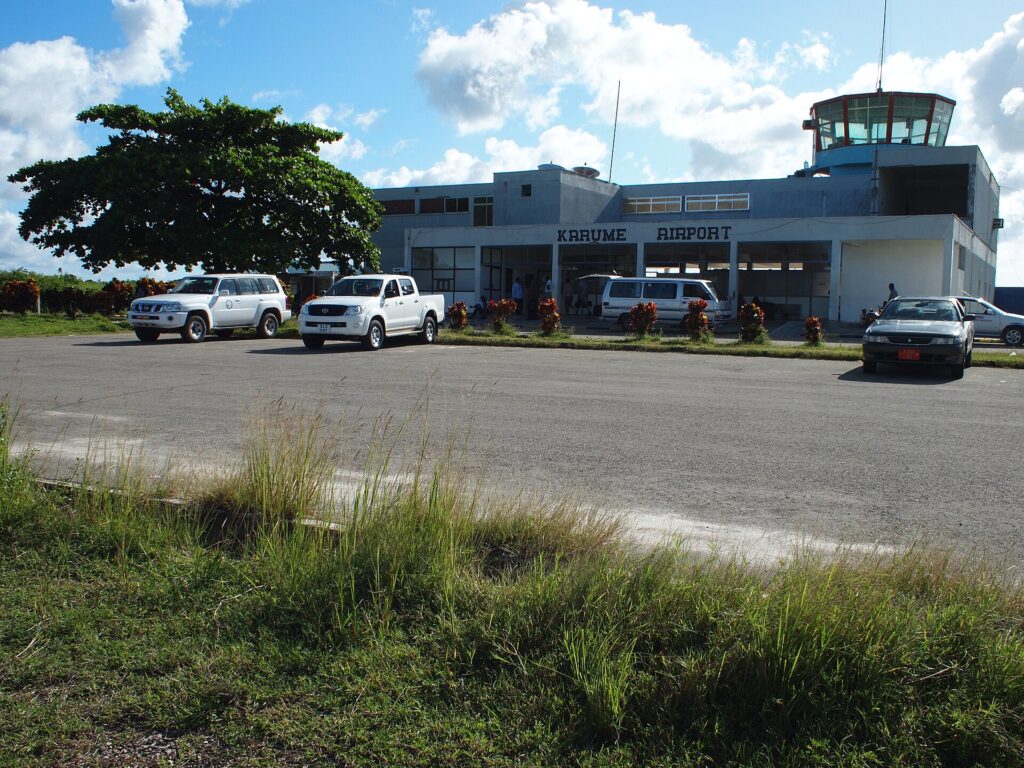
The salty breeze carries the scent of cloves along the waterfront at Chake Chake harbor, mixing with the sound of fishing boats.
Pemba Island is the lush northern island of the Zanzibar archipelago, known for its dense clove plantations and steep reef walls. Visitors come mainly for serious scuba diving and surfing, especially around the northern tip near Wete and the southern village of Chake Chake. The island’s reefs offer deeper, more challenging dives than Zanzibar’s, rewarding experienced divers with dramatic underwater walls. Pemba’s small towns feel less touristy but also have fewer amenities than Zanzibar’s Stone Town. Expect slower transport and limited nightlife, but unmatched marine adventure. The island’s green hills and spice farms provide a rugged backdrop that sets it apart from the more developed neighboring islands.
Dive the steep reef walls at Misali Island for vibrant coral and pelagic species. Surf the consistent breaks near Wete. Explore clove plantations around Chake Chake. Snorkel the channels off Fundo Island for quieter marine life.
Key takeaways
- Book dive trips with operators near Chake Chake harbor; expect ~$80 per two-tank dive, 2026.
- Stay in Wete for best access to northern surf breaks and local markets.
- Visit Misali Island early morning for clearer water and fewer boats.
- Arrange transport in advance; public buses run infrequently between Wete and Chake Chake.
- Carry cash; ATMs are rare outside main towns like Wete and Chake Chake.
- Avoid the rainy season (March-May) for diving; visibility drops sharply.
- Snorkeling gear rental costs around $10 per day near Fundo Island.
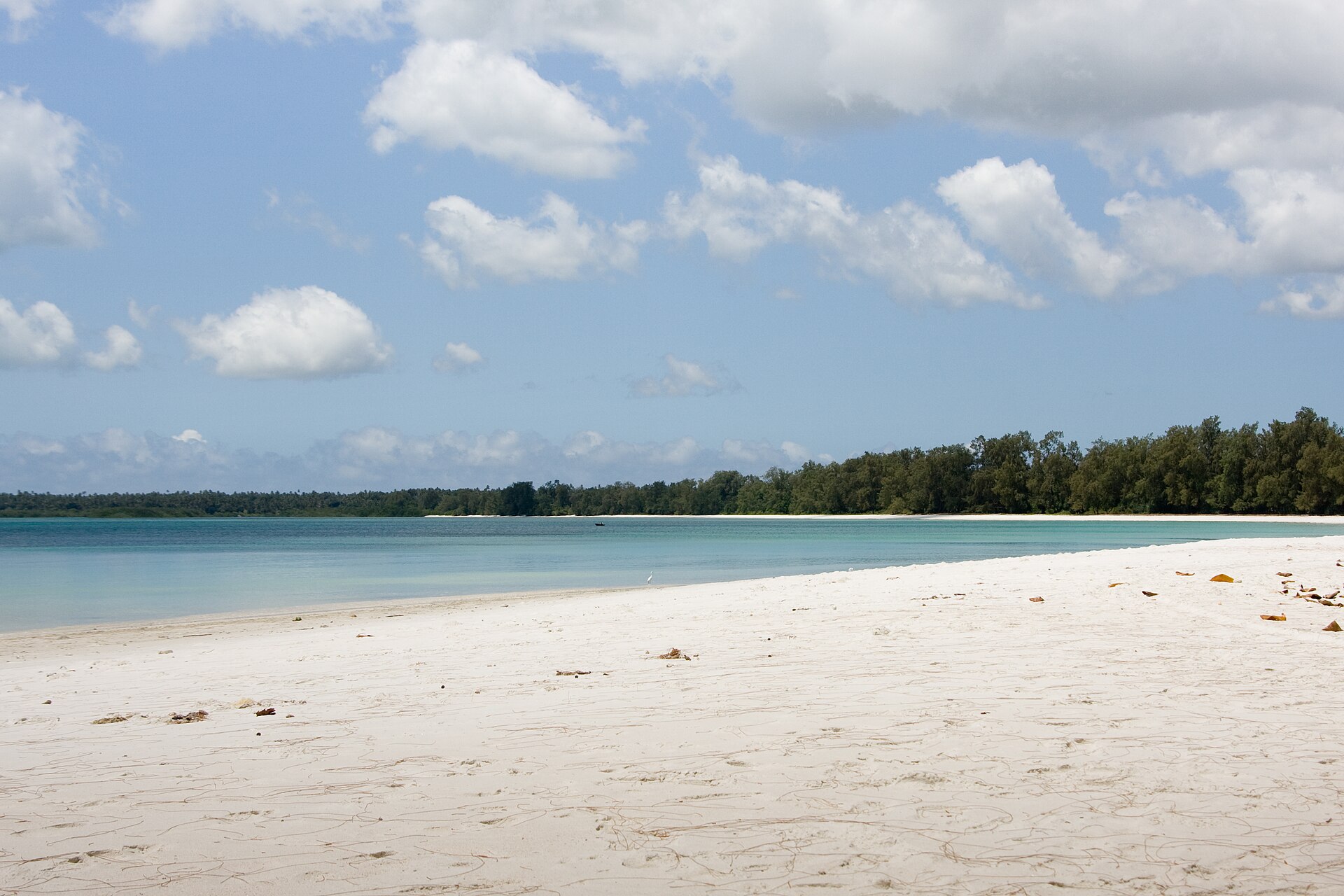
Why visit Pemba Island
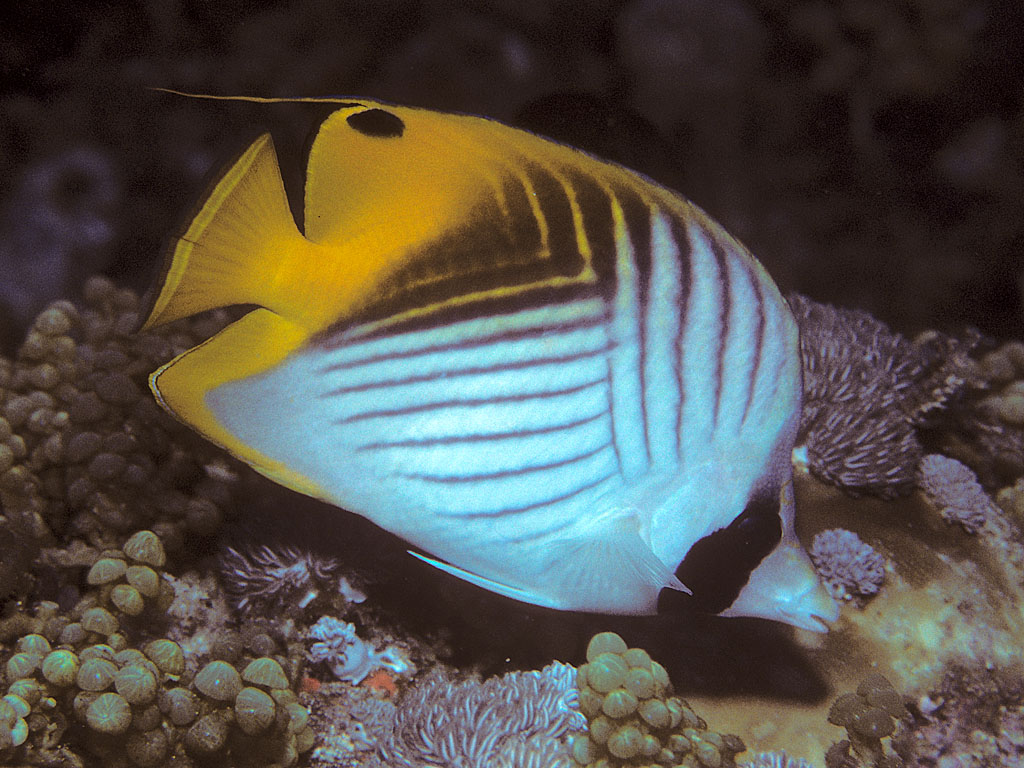
Pemba Island stands apart from Zanzibar and Mafia Island with its steep reef walls and dense clove plantations shaping a rugged marine landscape. Unlike Mafia’s gentle reefs or Zanzibar’s tourist hubs, Pemba offers deep channels and dramatic drop-offs that attract experienced divers. The island’s northern coast near Wete features some of the most challenging dive sites in East Africa. Adventure travelers focused on technical diving and surfing will find Pemba’s green, spice-scented terrain a compelling base for active days.
- Dive steep reef walls at Misali Island Marine Park, a protected area with strong currents and abundant marine life.
- Surf consistent swells on the east coast’s remote breaks, rarely crowded and suited for intermediate to advanced surfers.
- Explore clove plantations around Chake Chake, where spice farming still drives local economy and landscape.
- Skip Zanzibar’s party scene: Pemba’s low-key villages like Wete offer authentic local rhythms without tourist crowds.
- Local dive operators prioritize safety and small groups, unlike larger resorts on Zanzibar that often overbook dives.
Best for
You will thrive here if you seek challenging surf and dive conditions away from tourist crowds, especially as a solo traveler or with a friend. Pemba suits those who value rugged nature and active days over nightlife or luxury resorts.
Skip if
Skip Pemba if you want easy beach lounging or nightlife; choose Zanzibar for more infrastructure, nightlife, and easier access to beaches.
Top things to do in Pemba Island
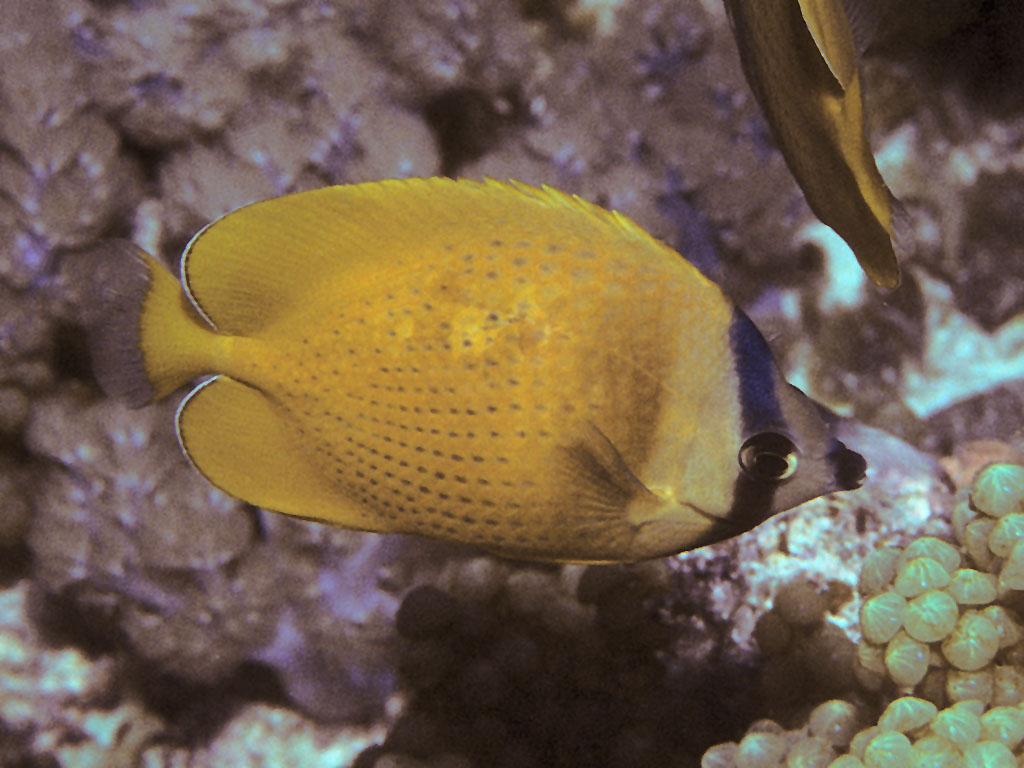
1. Diving the Pemba Channel ·
Dive the steep reef walls and strong currents of the Pemba Channel for some of East Africa’s most demanding and rewarding underwater terrain.
Dive shops along the west coast, especially near Wete, offer guided trips to the Pemba Channel’s steep reef walls. Expect strong currents and deep drop-offs packed with pelagic species like sharks and large schools of fish. The dive sites demand experience and good fitness but reward with dramatic underwater topography and vibrant coral gardens. Operators provide full gear rental and safety briefings; the channel’s conditions mean dives often start early to catch calmer waters. Book on GetYourGuide.
This dive surpasses the more sheltered reefs around Misali Island by offering challenging currents and bigger marine life, ideal for experienced divers seeking serious underwater terrain.
- When: Morning dives between 7:00 AM and 10:00 AM are best to avoid afternoon winds and stronger currents; the dry season from June to October offers clearer visibility.
- Cost: ~$80-$120, 2026
- Duration: Half day
- How to reach: Reach dive operators by taxi or rental motorbike from Pemba’s main town, Wete, heading west along the coastal road to dive centers near Fundo Beach or Chake Chake.
Insider tip: If closed
If currents are too strong, switch to snorkeling at Misali Island Marine Park for calmer waters and rich marine life.
2. Surfing at Fundo Beach ·
Catch consistent reef breaks at Fundo Beach, where the swell and wind conditions favor intermediate to advanced surfers looking for challenge and solitude.
Fundo Beach on Pemba’s west coast offers reef breaks that work best with a steady swell and offshore winds. The waves suit surfers with solid experience due to sharp coral reefs and occasional strong currents. Local surf camps and guesthouses rent boards and provide tips on tide windows. The beach remains quiet outside peak swell days, giving you space to focus on technique without crowds.
Fundo Beach delivers more consistent and less crowded waves than the northern beaches, which can be wind-affected or crowded during peak season.
- When: Surf from June through October during the southeast trade winds; mornings before 9:00 AM offer the cleanest waves and fewer locals.
- Cost: ~$15-$25 for board rental, 2026
- Duration: Half day to full day
- How to reach: Take a motorbike or taxi from Wete town along the main coastal road heading south to Fundo Beach, about 6 miles / 10 km away.
Insider tip: If closed
If swell is flat or conditions unsafe, try snorkeling Misali Island Marine Park for underwater activity instead.
Solo female travel: Surf camps near Fundo Beach often have female instructors and small group lessons, which can be a safer and more supportive environment for solo female surfers.
3. Snorkeling Misali Island Marine Park ·
Explore Misali Island’s protected reefs with clear water and abundant marine life, ideal for a half-day snorkel trip from Pemba’s west coast.
Misali Island Marine Park lies a short boat ride from Pemba’s west coast, offering coral reefs teeming with colorful fish, sea turtles, and occasional reef sharks. Licensed operators run half-day snorkeling trips from Wete or Chake Chake, including boat transfers and gear. The park’s protected status means coral health is better than many other spots in East Africa. Trips usually include a guided reef tour and a beach stop on the island itself. Book on GetYourGuide.
Misali Island’s reefs are more accessible and less demanding than the Pemba Channel dives, making it the top choice for snorkelers wanting rich marine life without strong currents.
- When: Morning trips from 8:00 AM to 12:00 PM provide calm seas and good visibility, especially from July to September during the dry season.
- Cost: ~$40-$60, 2026
- Duration: Half day
- How to reach: Reach the west coast ports near Wete or Chake Chake by taxi or motorbike, then take a 20-minute boat ride to Misali Island with a licensed operator.
Insider tip: If closed
If rough seas cancel trips, explore the clove plantations inland for a dry-land alternative.
4. Clove Plantation Walks ·
Trek through working clove plantations to see the island’s spice heritage firsthand and understand why Pemba is called the Green Spice Island.
Walking tours through the clove plantations around Chake Chake and Mkoani reveal the island’s spice economy and lush greenery. Local guides explain clove harvesting, drying, and processing methods still used by smallholder farmers. The trails wind through dense groves, offering shade and occasional glimpses of village life. These walks provide a break from the coast’s heat and a chance to connect with Pemba’s agricultural roots.
This activity offers a grounded contrast to water sports and highlights Pemba’s unique identity compared to Zanzibar’s more touristy spice tours.
- When: Early mornings or late afternoons avoid midday heat; the dry season from June to October is best for walking without mud or rain interruptions.
- Cost: ~$10-$20 for a guided walk, 2026
- Duration: 2-3 hours
- How to reach: Take a taxi or motorbike from Wete or Chake Chake to the plantation trails near the villages of Mkoani or Vitongoji.
Insider tip: If closed
If plantations are inaccessible, try the Kisiwa Panza Forest Trek for a different inland nature experience.
5. Kisiwa Panza Forest Trek ·
Hike the dense coastal forest trails near Kisiwa Panza for birdwatching and spotting endemic flora away from the coast’s heat.
The Kisiwa Panza forest reserve offers shaded trails through coastal woodland, home to endemic birds and unique plant species. Guided treks start from the village edge, with local naturalists pointing out rare birds and medicinal plants. The forest’s canopy provides relief from the sun, and the terrain includes gentle hills and streams. This trek suits travelers wanting active exploration beyond the beaches and reefs.
This trek provides a cooler, less touristy alternative to coastal activities and highlights Pemba’s biodiversity beyond marine life.
- When: Morning hikes starting around 7:00 AM avoid midday heat and maximize bird activity; the dry season June to October offers the best trail conditions.
- Cost: ~$15-$25 for guide and park fees, 2026
- Duration: 3-4 hours
- How to reach: Reach Kisiwa Panza village by motorbike or taxi from Wete, then walk to the forest trailhead at the village outskirts.
Insider tip: If closed
If the forest is closed or trails are flooded, opt for a clove plantation walk near Chake Chake instead.
Solo female travel: Local guides in Kisiwa Panza are accustomed to solo female trekkers and can arrange group hikes for added comfort.
6. Visit Chake Chake Market ·
Browse the bustling market in Chake Chake for fresh seafood, local produce, and spices, capturing the island’s daily life and flavors.
Chake Chake Market pulses with local energy, offering fresh seafood straight from the dhow boats, piles of cloves, and tropical fruits. You can watch fishmongers fillet snapper and octopus while spice vendors weigh out cloves and cinnamon. The market’s narrow aisles reveal everyday island life, from women selling handmade baskets to fishermen repairing nets. Expect a lively atmosphere best experienced early before the midday heat.
This market beats smaller village markets by its scale and variety, giving a fuller picture of Pemba’s spice and fishing economy.
- When: Arrive between 7:00 AM and 10:00 AM on weekdays for the freshest catch and active stalls.
- Cost: Free
- Duration: 1-2 hours
- How to reach: Walk or take a local dala-dala from the center of Pemba Island to Chake Chake town, located on the west coast along the main road.
Insider tip: If closed
Visit the smaller Wete Market on the north coast for a similar but less crowded experience.
7. Kayaking the Mangrove Channels ·
Paddle through narrow mangrove channels on the east coast to explore Pemba’s quieter ecosystems and spot wildlife in remote areas.
Launch a kayak from one of the licensed guide outfits near the east coast to navigate the twisting mangrove channels. The paddling is gentle but requires some effort to maneuver through tight waterways lined with dense roots and birdlife. Expect to see kingfishers, herons, and possibly monitor lizards along the banks. Guides often combine this with a short walk through coastal forest patches, making it a full ecosystem adventure. Book on GetYourGuide.
Kayaking offers a hands-on way to explore Pemba’s green spice island side, unlike the usual boat tours that stick to open water.
- When: Morning hours from 8:00 AM to 11:00 AM are best for calm water and active wildlife, especially between June and October when the weather is drier.
- Cost: ~$40-$60, 2026
- Duration: 2-3 hours
- How to reach: Reach the launch points by rental motorbike or arranged shuttle from Pemba’s main towns, heading east along the coastal road near the villages of Chwale or Mkoani.
Insider tip: If closed
Try a guided forest walk in Ngezi Forest Reserve if tides or weather prevent kayaking.
Solo female travel: Book with a reputable guide who provides safety gear and communicates clearly; solo paddlers should avoid late afternoon when winds pick up.
8. Visit Ras Mkumbuu Ruins ·
Explore the centuries-old coral stone ruins at Ras Mkumbuu, a window into Pemba’s Swahili trading past and coastal history.
Ras Mkumbuu Ruins sit on a peninsula fringed by coral reefs, where you can walk among crumbling coral stone walls and ancient mosques dating back several centuries. The site reveals Pemba’s role in the Swahili coast trade network, with remnants of old settlements and tombs. A local guide can explain the significance of the architecture and the island’s historical spice trade. The surrounding tidal flats add a raw coastal edge to the visit.
This site offers a deeper dive into Pemba’s history than the more touristy ruins on Zanzibar Island, with fewer crowds and a rugged setting.
- When: Visit mid-morning from 9:00 AM to 12:00 PM to avoid the hottest sun and catch low tide for easier access to some ruins.
- Cost: ~$10, 2026
- Duration: 2 hours
- How to reach: Take a shared taxi or rental motorbike from Pemba’s main town to the Ras Mkumbuu peninsula, about 6 miles / 10 km south of Chake Chake.
Insider tip: If closed
Explore the nearby Mkoani town market for local crafts and food if the ruins are inaccessible.
9. Beach Day at Ngezi Forest Reserve ·
Combine a beach day with a walk in Ngezi Forest Reserve, where coastal forest meets white sand beaches for a weather-proof outdoor option.
Ngezi Forest Reserve offers a rare mix of dense coastal forest trails and pristine beaches on Pemba’s northern tip. Trekking through the forest reveals endemic birds and giant ebony trees, while the adjacent beaches provide calm waters for swimming or snorkeling. The reserve’s trails vary in length, with some loops taking you to quiet beach spots away from any crowds. Local guides can point out medicinal plants and explain the forest’s ecological importance.
This activity pairs adventure and relaxation in one spot, unlike separate beach or forest visits that require more travel time.
- When: Plan for early morning hikes starting around 7:00 AM or late afternoon walks after 3:00 PM to avoid midday heat, best from July to November.
- Cost: ~$15, 2026
- Duration: Half day
- How to reach: Hire a motorbike or arrange a shuttle from Pemba’s main towns to the reserve entrance near the village of Wesha on the north coast.
Insider tip: If closed
Spend the day at one of the public beaches near Chake Chake if forest trails are closed due to weather.
Solo female travel: Stick to marked trails and consider a guide for forest walks; the reserve is remote with limited cell coverage.
48 hours in Pemba Island
This two-day plan zeroes in on Pemba Island’s steep reef walls and lush clove plantations, tailored for divers and surfers who want to maximize active time. Expect early starts, strategic pacing, and local dining spots that fuel your adventure without wasting time.
Day 1
Morning
Start pre-dawn with a two-tank dive at one of Pemba’s renowned reef walls, where the morning light cuts through clear water and marine life is most active. Book with a reputable dive operator near Chake Chake to avoid last-minute scramble. After surfacing, grab a quick breakfast at a nearby beach shack serving fresh coconut water and spiced mandazi to recharge.
Afternoon
Spend the afternoon exploring the clove plantations inland from Wete, hiring a local guide who knows the best trails and can navigate the steep terrain efficiently. Stop for lunch at a small village eatery on the way back, ordering grilled fish with cassava – this fuels recovery after the dive and trek. Avoid the main road during late afternoon to skip traffic and catch the golden hour light on the plantations.
Evening
Head to the northern coast near Fundo for sunset at a reef-edge viewpoint where the swell crashes dramatically against the cliffs. Dinner calls for a seafood grill at a family-run spot in Fundo village, where the catch is fresh and prices hover around $10-$15, 2026. The evening vibe is low-key, perfect for winding down after a full day of physical activity.
Day 2
Morning
Shift gears with a morning surf session at one of the island’s less crowded breaks near Chwaka Bay, arriving by 6:30 AM to catch the cleanest waves before the wind picks up. Rent boards from a surf shack right on the beach to save time and avoid gear hassles. Post-surf, grab a late breakfast at a café in Chwaka town known for its spiced chai and fresh fruit bowls.
Afternoon
Dedicate the afternoon to a guided snorkeling trip along the steep reef walls off the east coast, focusing on channels less frequented by tourists. Operators based near Pujini offer half-day trips that include gear and a light lunch on board, around $40, 2026. This is a lower-effort water activity that complements the morning’s surf without exhausting energy reserves.
Evening
Finish with a relaxed dinner crawl through Mkoani’s market stalls, sampling local dishes like urojo (Zanzibar mix) and freshly grilled octopus. The market atmosphere peaks after 7 PM, with locals gathering for food and music. This scene contrasts with Day 1’s quiet village dinner and offers a more social, street-level experience.
If you have a third day
Spend the morning joining a local fisherman on a traditional dhow for an early catch, learning about coastal fishing techniques unique to Pemba. Follow this with a walk through the historic ruins near Pujini, which are quieter early and offer a glimpse into the island’s layered past away from the reef and plantations.
Best time to visit Pemba Island
Quick answer
Visit from April to June and October to early December for the best diving conditions.
| Months to go | April to June, October to early December |
|---|---|
| Months to avoid | July to September due to cooler temperatures and reduced marine activity. |
The climate on Pemba Island is generally warm, with average temperatures ranging from 75°F / 24°C to 88°F / 31°C. April to June and October to early December offer ideal conditions for diving, as the waters are clear and marine life is abundant. The cooler months from July to September can limit diving opportunities, as temperatures drop and visibility decreases. Rainfall is also less frequent during the recommended months, making outdoor activities more enjoyable. Be mindful that heavy rains can occur from November to March, which may disrupt travel plans and limit access to certain areas.
Average temperature (°F)
Monthly weather
Warm but rainy season.
Warm with decreasing rain.
Warm, still some rain.
Warm, start of rainy season.
Rainy season peaks.
Cooler, less rain.
Cooler, diving slows.
Cool, less marine activity.
Cool, good for relaxation.
Warm, diving conditions improve.
Warm, start of rainy season.
Warm, rainy season begins.
How to get to Pemba Island
Nearest airport
Pemba Airport (PMA), approximately 10 miles / 16 km from the main town
From the airport
Take a metered taxi from the airport to the main town, costing around $15, 2026. Alternatively, consider arranging a transfer through your accommodation for convenience.
Other ways to arrive
- Fly from Dar es Salaam to Pemba Airport, taking about 1.5 hours, costing around $100, 2026.
- Take a ferry from Zanzibar to Pemba, which takes about 2 hours and costs around $35, 2026.
- Fly from Arusha to Pemba Airport, with a layover in Dar es Salaam, taking about 4 hours total, costing around $150, 2026.
Getting around Pemba Island
The most common way to get around Pemba Island is by taxi or private hire. For solo travelers, using taxis is the safest and most convenient option.
- Use metered taxis for local travel; costs around $10-$20 depending on distance.
- Rent a scooter for more freedom; expect to pay around $25 per day.
- Hire a private driver for a day trip; costs around $50-$70 for a full day.
- Use local dala-dala (minibus) for budget travel; fares are around $1-$2 per ride.
Avoid
Avoid walking alone at night in less populated areas.
Day trips from Pemba Island
Exploring beyond Pemba Island offers unique experiences that enhance your stay. These day trips provide a chance to discover more of the region’s beauty and culture.
Mkoani
Visit the local markets and experience daily life.
Why: Mkoani is the main port town where you can see local trade in action and enjoy fresh seafood.
Misali Island
Snorkeling and relaxing on pristine beaches.
Why: Misali Island is known for its clear waters and vibrant marine life, making it a great spot for snorkeling.
Skip if: You prefer to stay on Pemba Island for diving or other activities.
Ngezi Forest Reserve
Hiking and exploring the unique flora and fauna.
Why: The reserve offers beautiful trails and a chance to see endemic species in a lush environment.
Skip if: You are not interested in nature walks or hiking.
Combine Pemba Island with
For a more extensive adventure, consider combining Pemba Island with nearby destinations. This allows for a richer travel experience.
Pemba Island to Zanzibar Pemba Island, Zanzibar Town
After exploring Pemba, take a ferry to Zanzibar for historical sites and vibrant markets.
Pemba Island to Dar es Salaam Pemba Island, Dar es Salaam
Finish your trip in Dar es Salaam for a taste of urban life and cultural experiences.
Where to stay in Pemba Island
Compare prices across booking sites on the map below and see which neighbourhood fits your plans.
Pemba Island offers diverse lodging options across several neighborhoods. For beach lovers, the northern beaches like Ngezi and Wambaa provide stunning views and easy access to water activities. If you prefer a quieter atmosphere, consider the areas around Chake Chake, where you can find local guesthouses. For those wanting to explore the island’s history, staying near the historic center of Mkoani is ideal, with its proximity to local markets and cultural sites. Each area caters to different traveler needs, from vibrant beach life to serene local experiences.
Ngezi Beach
Hostels and basic guesthouses dominate the budget tier, offering dormitory-style accommodations or simple private rooms. Expect shared facilities and a communal atmosphere, perfect for meeting fellow travelers. While these options are economical, they may lack amenities like air conditioning or private bathrooms.
Insider tip: Look for guesthouses that offer local meals; dining with hosts can provide a taste of Pemba’s culinary traditions.
Chake Chake
Family-run guesthouses and boutique hotels characterize the mid-range tier, providing more comfort and personalized service. These accommodations often feature private bathrooms and some amenities like Wi-Fi and breakfast. They strike a balance between cost and comfort, making them ideal for travelers seeking a local touch.
Insider tip: Request a room with a sea view; some properties in Chake Chake offer stunning sunsets over the ocean.
Wambaa Beach
Luxury resorts and upscale lodges define the splurge tier, offering beachfront locations and extensive amenities. Expect features like private pools, fine dining, and organized excursions. These properties cater to those looking for a high-end experience with all the comforts.
Insider tip: Opt for a villa with direct beach access; it enhances the experience of Pemba’s beautiful coastline.
Where not to stay
Avoid the area near the main road in Mkoani, as it can be noisy with traffic and lacks the charm of the quieter neighborhoods.
Solo female travelers
Stay at a family-run guesthouse in Chake Chake, where the atmosphere is friendly and the area is well-lit at night.
Booking through these links supports Pack Lightly at no extra cost to you.
Where to eat and drink in Pemba Island
Pemba Island’s culinary scene is shaped by its lush clove plantations and rich marine life, setting it apart from mainland Tanzania. The island is known for its fresh seafood and unique spice-infused dishes, reflecting its historical trade routes. Local communities, particularly the Swahili, influence the flavors and cooking methods, making dining here a distinctive experience.
Must-try dishes
Urojo (Zanzibar Mix)
A flavorful soup made with a blend of spices, served with various toppings like fried potatoes and meat.
This dish is a local specialty that showcases the island’s spice heritage and is often found at street food stalls in Pemba.
Insider tip: Try it with a squeeze of lime for an extra zing.
Pweza wa Mchuzi (Octopus in Coconut Sauce)
Tender octopus cooked in a rich coconut sauce with spices, served with rice or chapati.
Utilizes fresh octopus caught in local waters, highlighting Pemba’s seafood bounty and the Swahili cooking style.
Insider tip: Ask for it spicy to really enjoy the local flavors.
Mahamri
Fried doughnuts flavored with coconut and cardamom, often enjoyed for breakfast or as a snack.
This dish is a staple in Pemba, reflecting the island’s Swahili influence and use of local ingredients.
Insider tip: Pair it with chai for a true local breakfast experience.
Kachori
Spicy lentil-filled pastries that are deep-fried, served as a snack or appetizer.
A popular street food item that showcases the island’s Indian influence and is often made fresh by local vendors.
Insider tip: Get them hot and crispy for the best flavor.
Local drinks
- Kahawa (Swahili Coffee)Enjoy it at local cafes in Chake Chake, where it’s often served with snacks.
A strong, spiced coffee brewed with cardamom and served sweet. - Uji (Fermented Porridge)Available at local breakfast spots in Mkoani, especially on weekends.
A traditional drink made from fermented millet or sorghum, often enjoyed for breakfast.
Where to eat – by neighborhood
Wete
This bustling area features a mix of street food stalls and small restaurants, perfect for sampling local dishes.
Insider tip: Order a variety of small dishes to share with friends, as locals often do.
Chake Chake
Known for its seafood restaurants and vibrant market scene, this neighborhood is a hub for fresh catches and local flavors.
Insider tip: Visit the market early in the morning for the freshest seafood and ask locals for their favorite vendors.
Daily budget for Pemba Island
Pemba Island’s daily costs can be higher than mainland Tanzania due to its remote location and popularity among divers. Expect to pay a premium for quality accommodations and dive experiences.
Shoestring
- lodging – Dormitory beds in hostels or basic guesthouses.
- food – Local eateries and street food.
- transport – Shared taxis or local buses.
- activities – Budget diving or snorkeling trips.
- buffer – Miscellaneous expenses.
Trade-offs: Staying on a shoestring budget may limit access to premium dive sites and comfortable accommodations.
Comfort
- lodging – Private rooms in guesthouses or mid-range hotels.
- food – Dining at local restaurants with a wider menu.
- transport – Private taxis or more reliable transport options.
- activities – Guided diving trips or excursions.
- buffer – Miscellaneous expenses.
Trade-offs: Comfort tier offers better amenities but may not include all premium activities.
Splurge
- lodging – Upscale beachfront resorts or boutique hotels.
- food – Fine dining experiences with local seafood.
- transport – Private transfers or boat charters.
- activities – Premium diving packages or private tours.
- buffer – Miscellaneous expenses.
Trade-offs: Splurging allows for exclusive experiences but can quickly add up.
Money-saver tip
Eat at local food stalls in Wete for delicious meals at a fraction of the price of tourist restaurants.
Splurge that’s worth it
Invest in a guided dive with a reputable operator to explore Pemba’s stunning reef walls and marine life.
Skip to save
Avoid overpriced resort restaurants; they often charge significantly more for meals that can be found nearby at local eateries.
Practical tips for Pemba Island
Money
Cash or card. Cash is king on Pemba Island, especially in rural areas and smaller shops. Many local businesses, like street vendors and some restaurants, only accept cash.
ATMs. ATMs are available in major towns like Chake Chake and Wete, but they may charge foreign transaction fees. The best option is to use a card with no foreign transaction fees.
Tipping. Tipping is appreciated but not mandatory; rounding up the bill is common. For example, if your meal costs $15, leaving $17 is a nice gesture.
Safety
Pemba Island is generally safe for travelers, but it’s wise to stay alert in crowded areas and avoid walking alone at night. The local community is friendly, but understanding cultural norms is essential.
Local warnings:
- Beware of sandflies, especially at dusk; use insect repellent.
- Strong currents can occur at some beaches; check local advice before swimming.
Connectivity
Mobile data. Mobile coverage is decent on Pemba Island, with several providers offering good service. A local SIM card costs around $5-$10 and provides data for browsing and navigation.
Wi-Fi. Wi-Fi is available in many hotels and cafes, particularly in Chake Chake. The area around the main plaza has several spots with reliable connections.
Language
Main language: Swahili. English level: English is spoken in tourist areas, but proficiency varies among locals. In more remote areas, communication may be challenging without some basic Swahili.
Cultural notes
- Dress modestly, especially when visiting local villages or religious sites.
- Always ask for permission before taking photos of people.
- Greeting locals with ‘Jambo’ is appreciated and opens up friendly interactions.
Solo female travel
Solo female travelers can feel comfortable on Pemba Island, especially in populated areas. The local culture is welcoming, but it’s advisable to dress conservatively and be mindful of local customs.
Frequently asked questions about Pemba Island
1Is Pemba Island better than Zanzibar?
Yes, Pemba Island offers a more tranquil experience compared to Zanzibar’s tourist crowds. The diving and snorkeling here are exceptional, especially around the steep reef walls.
2What is Pemba Island known for?
Pemba Island is known for its stunning coral reefs and clove plantations. It’s a top destination for experienced divers seeking vibrant marine life and dramatic underwater landscapes.
3How many days should I spend on Pemba Island?
Plan for at least 4 days to fully enjoy the diving, explore the island, and relax on the beaches. This allows time for multiple dive trips and cultural experiences.
4Is Pemba Island safe for solo female travelers?
Yes, Pemba Island is generally safe for solo female travelers. The local community is welcoming, but it’s wise to stick to well-populated areas, especially at night.
5What is the best time for diving in Pemba Island?
The best time for diving is from June to October when visibility is excellent and the waters are calm. Expect water temperatures around 80°F (27°C) during this period.
6Can you swim or surf at Pemba Island?
Yes, you can swim and snorkel at several beaches, but surfing is limited. The best spots for swimming are around the northern beaches, like Ngezi.
7What are health risks specific to Pemba Island?
Be aware of potential health risks like malaria and ensure vaccinations are up to date. Consult the CDC for recommended vaccinations before traveling.
8What does a day cost on Pemba Island?
Roughly $90-$160 per day, depending on accommodation and activities. Budget for diving, meals, and local transport to make the most of your stay.
Estimate your daily budget
See realistic daily costs by tier and category.