



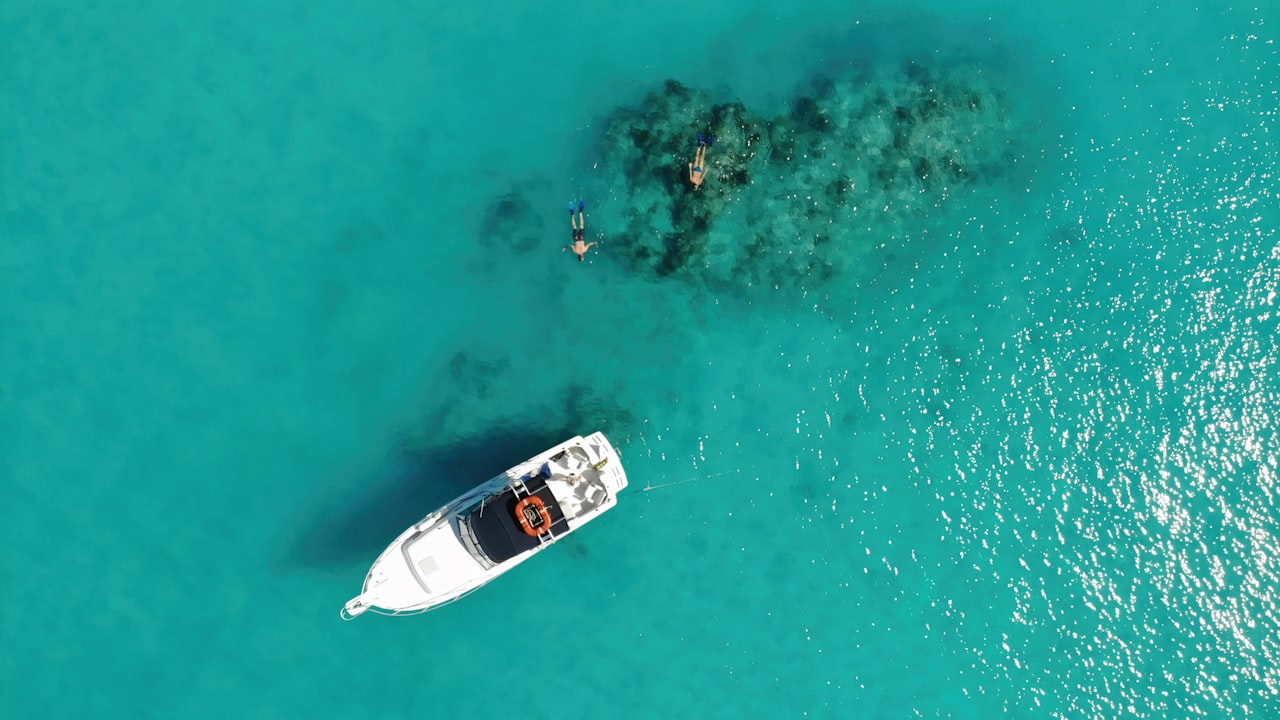
Tanzania’s snorkeling centers on warm Indian Ocean reefs with clear water and vibrant coral structures. Expect dense coral formations at Mnemba Atoll, but healthier, less crowded reefs at Chumbe Reef Sanctuary and Misali Island (Pemba). Unlike busier tropical destinations, Tanzania offers a mix of protected marine parks and open reefs, delivering a solid underwater experience without overwhelming crowds. The water visibility ranges from 10 to 25 metres depending on season and location, making it a reliable choice for snorkelers who want quality coral and fish diversity.
The nine snorkel spots vary from easy shore access at Bawe Island to boat-only trips at Mnemba Atoll and Chole Bay (Mafia). Some sites like Mnazi Bay Marine Park offer moderate currents, while Pongwe Reef suits beginners with calm, shallow waters. Misali Island and Chumbe Reef Sanctuary stand out for their coral health and fewer boats, ideal for those prioritizing marine life over convenience. If you want straightforward shore snorkeling, this guide points to Bawe Island and Kwale Island; if you prefer scuba diving, consult the diving page instead.
Key takeaways
- Choose Mnemba Atoll for famous coral walls but expect boat crowds from July to October.
- Snorkel Chumbe Reef Sanctuary in January for 20+ metres visibility and vibrant coral health.
- Access Misali Island (Pemba) only by boat; its coral cover surpasses Mnemba’s despite fewer visitors.
- Bawe Island suits beginners with easy shore entry and calm waters year-round.
- Avoid Chole Bay (Mafia) during December; currents intensify and visibility drops below 10 metres.
- Mnazi Bay Marine Park offers strong currents and rich marine life, fit only for confident swimmers.
- Pongwe Reef’s shallow reef flat is ideal for low-experience snorkelers seeking colorful reef fish.
- Kwale Island has modest coral growth but clear water; skip if expecting dense reefs or turtles.
Snorkel spots at a glance
| Spot | Access | Difficulty | What you see | Verdict |
|---|---|---|---|---|
| Mnemba Atoll | Boat tour only | Moderate | Dense coral walls with reef fish schools | Crowded peak season but rewarding for experienced snorkelers. |
| Misali Island (Pemba) | Boat tour only | Moderate | Healthy coral reefs with diverse fish species | Best for coral health and fewer boats; not shore accessible. |
| Chumbe Reef Sanctuary | Boat tour only | Easy | Vibrant coral gardens and abundant reef fish | Protected sanctuary with excellent visibility and calm conditions. |
| Chole Bay (Mafia) | Boat tour only | Hard | Strong currents and diverse marine species | Only for strong swimmers; avoid in rough season. |
| Bawe Island | Walk-in from beach | Easy | Calm shallow waters with colorful reef fish | Ideal for beginners and shore entry snorkelers. |
| Tumbatu Island | Boat tour only | Moderate | Coral patches with reef fish diversity | Less visited but requires boat access and moderate skill. |
| Mnazi Bay Marine Park | Boat or kayak | Hard | Rich marine life with strong currents | Only confident swimmers should attempt; avoid in low visibility. |
| Pongwe Reef | Walk-in from beach | Easy | Shallow reef flat with colorful reef fish | Perfect for beginners and calm water snorkeling. |
| Kwale Island | Walk-in from beach | Easy | Modest coral growth with clear water | Skip if expecting dense coral or turtle sightings. |
Where the snorkel spots are
The snorkel spots in detail
Mnemba Atoll – Early-Morning Turtle Encounters Off Matemwe
- Difficulty: Easy
- Crowds: Crowded
- Visibility: 15-30m
- Time needed: 1 – 2 hours, start at 8 AM
Mnemba Atoll offers a coral atoll reef 4 km off Matemwe beach with healthy coral despite 2016 bleaching. Expect green and hawksbill turtles almost every trip, plus resident bottlenose dolphin pods. Visibility ranges from 15 to 30 metres in clear water, with parrotfish and moray eels adding colour below the surface. Snorkelers enter from a dhow boat, gliding over coral heads into a vibrant marine playground.
Book the 8 AM dhow from Matemwe to avoid day-trip crowds from north-coast resorts. Bring your own mask – rental gear is often scratched. The marine-park fee is $5 plus $50 – 80 for the boat. This spot suits easy snorkelers wanting iconic Tanzanian reef life but expect company during peak months.
Visibility 15 – 30 metres, easy swim; best from July to February and July to December for clear water and calm seas.
- ▸ Green turtle resting on coral ledges
- ▸ Hawksbill turtle gliding near reef edges
- ▸ Bottlenose dolphin pods surfacing nearby
- ▸ Parrotfish grazing on coral heads
- ▸ Moray eel lurking in reef crevices
Getting in: Access Mnemba Atoll by dhow from Matemwe beach, with a 4 km boat ride; gear rental is unreliable, so bring your own mask and snorkel. Entry is from the boat into calm waters.
Skip the late-morning trips to avoid overcrowded reefs and reduced visibility from multiple boats.
Who it suits: Pick this if you want iconic reef life with easy swim conditions; skip if you dislike crowds or want pristine coral.

Misali Island (Pemba) – Pristine Wall Snorkeling in Secluded Waters
- Difficulty: Easy
- Crowds: Quiet
- Visibility: 20-35m
- Time needed: Half a day with boat trip
Misali Island features the best-preserved coral reef in Zanzibar’s archipelago. The western reef drops sharply from 2 to 20 metres within a fin-kick, offering wall snorkeling with visibility often above 25 metres. Snorkel over intact coral gardens teeming with reef sharks, barracuda, and anemone fish. The empty beach lets you surface without crowds, making each snorkel feel private and wild.
This spot demands the Pemba trip for serious snorkelers craving pristine reefs and solitude. The $20 marine-park fee supports conservation, and day trips launch from Chake Chake or Mkoani. Bring your own gear; this is Tanzania’s clearest, quietest snorkel experience.
Visibility 20 – 35 metres, easy swim along the wall; best from July to October and December to February.
- ▸ Reef shark cruising along the wall
- ▸ Barracuda hunting in open water
- ▸ Green turtles resting on coral
- ▸ Parrotfish nibbling algae
- ▸ Anemone fish darting among tentacles
Getting in: Reach Misali by boat from Pemba’s Chake Chake or Mkoani; entry is from the boat into calm, deep water. No gear rental on site, bring your own mask and snorkel.
Skip if you want easy shore access; all entry requires a boat trip with no nearby facilities.
Who it suits: Pick this if you want solitude and pristine coral walls; skip if you prefer shallow, shore-access snorkels or crowded spots.
Chumbe Reef Sanctuary – Ethical Snorkeling Among 200+ Coral Species
- Difficulty: Easy
- Crowds: Quiet
- Visibility: 20-30m
- Time needed: Half a day, small groups only
Chumbe Reef Sanctuary protects over 200 coral species and 400 fish species in a no-take zone 12 km southwest of Stone Town. Snorkelers float over vibrant hard corals with napoleon wrasse, lionfish, and moray eels weaving through the reef. Clear water with 20 – 30 metres visibility lets you spot turtles and rare coral families. The reef’s health reflects strict management and limited visitor numbers.
Book directly through Chumbe Island Coral Park for small-group day visits or overnight stays granting unrestricted access. This is Tanzania’s most ethically managed reef, ideal for travelers who want conservation to guide their experience. Avoid Stone Town tour operators selling crowded trips.
Visibility 20 – 30 metres, easy snorkeling; best from July to October and December to February.
- ▸ Napoleon wrasse patrolling coral heads
- ▸ Moray eel peeking from crevices
- ▸ Green turtles gliding over coral
- ▸ Lionfish camouflaged among branches
- ▸ Diverse hard coral families in bloom
Getting in: Access Chumbe Reef by boat from Stone Town, with limited daily visitor groups; enter from the boat into calm, protected waters. Gear rental is minimal – bring your own mask.
Skip tours booked through Stone Town touts; they overcrowd the reef and dilute the experience.
Who it suits: Pick this if you want quiet, conservation-focused snorkeling; skip if you prefer budget-friendly, high-traffic spots.
Chole Bay (Mafia) – Whale Shark Snorkeling and Calm Lagoon Reefs
- Difficulty: Easy
- Crowds: Quiet
- Visibility: 10-20m
- Time needed: Half a day, whale shark season only
Chole Bay is a sheltered lagoon on Mafia Island’s southeast coast with beginner-friendly reefs at Marimbani, Mange, and Kinasi Pass. Expect octopus, green turtles, and reef fish in waters with 10 – 20 metres visibility. From October to March, whale shark snorkel trips launch here – the only reliable East African whale shark encounters. Outside that season, the reefs offer solid but modest snorkeling.
Book whale shark tours only through Mafia Island Whale Shark Conservation-registered operators to ensure ethical encounters. Outside whale shark season, Chole Bay suits snorkelers seeking calm, easy reefs without spectacular coral. The marine park fee applies, and gear rental is scarce.
Visibility 10 – 20 metres, easy swim; best from October to March for whale sharks, July to September for general snorkeling.
- ▸ Whale sharks cruising October to March
- ▸ Green turtles resting on reef flats
- ▸ Octopus camouflaged on sandy bottoms
- ▸ Various colorful reef fish species
Getting in: Enter Chole Bay reefs from shore or short boat rides; calm lagoon waters make easy entry. Bring your own snorkel gear as rentals are limited.
Skip whale shark tours not registered with local conservation groups to avoid unethical practices.
Who it suits: Pick this if you want calm, easy snorkeling with whale shark chances; skip if you want vibrant coral or strong currents.
Bawe Island – Introductory Snorkel Near Stone Town
- Difficulty: Easy
- Crowds: Moderate
- Visibility: 10-20m
- Time needed: Half a morning, combined trip only
Bawe Island lies 7 km west of Stone Town with modest coral cover after heavy day-tour pressure. The reef hosts parrotfish, moray eels, butterflyfish, and starfish in waters with 10 – 20 metres visibility. The site offers a straightforward snorkel for beginners or those combining Bawe with Prison Island and Nakupenda Sandbank trips.
Accept Bawe Island as a convenient introductory snorkel from Stone Town, not a destination for serious reef exploration. The $25 – 40 combined day trips limit time underwater, so save prime snorkeling days for Mnemba or Chumbe.
Visibility 10 – 20 metres, easy swim; best from July to February for clearer water.
- ▸ Parrotfish grazing near coral patches
- ▸ Moray eel hiding in reef cracks
- ▸ Butterflyfish swimming over sandy bottoms
- ▸ Starfish resting on coral rubble
Getting in: Access Bawe by boat from Stone Town, often as part of half-day combos with other islands; entry is from the boat into shallow reef areas. No gear rental on site.
Skip Bawe if serious snorkeling is the goal; coral is modest and crowds moderate.
Who it suits: Pick this if you want a gentle intro snorkel near Stone Town; skip if you seek pristine reefs or solitude.
Tumbatu Island: Quiet Reefs with Green Turtles and Sharks
- Difficulty: Easy
- Crowds: Quiet
- Visibility: 15-25m
- Time needed: 2 – 3 hours
Tumbatu Island offers pristine reefs in clear waters with visibility up to 25 metres. The coral here is healthier than at Mnemba, creating a vivid underwater landscape. Expect to glide past green turtles, barracudas, reef sharks, and elusive octopuses in a quiet, uncrowded setting. Snorkelers often find themselves face-to-face with a curious reef shark or spotting an octopus camouflaged among coral heads.
Choose Tumbatu for a peaceful alternative to busier northern reefs. Accessible by boat from Kendwa or Nungwi, it delivers excellent snorkeling without crowds. Book specifically for Tumbatu to avoid tourist traps. Best between July and February; skip during low-visibility months. This spot rewards those who want quality coral and marine life minus the crowds.
Visibility ranges 15 – 25 metres; easy swim with calm waters from July to February; ideal for all snorkelers seeking quiet spots.
- ▸ Green turtles cruising near shallow coral
- ▸ Barracudas patrolling reef edges
- ▸ Reef sharks swimming calmly overhead
- ▸ Octopus hiding in coral crevices
Getting in: Reach Tumbatu by boat from Kendwa or Nungwi; no shore access allowed due to local restrictions. Boats land at reef edges, so prepare for a short swim. No gear rental on site; bring your own.
Skip the spot if expecting shore access or gear rental; landings are restricted to boat-only entry points.
Who it suits: Pick this if you want quiet, healthy coral and easy snorkeling; skip if you prefer shore entry or guided tours with full amenities.
Mnazi Bay Marine Park: Off-Grid Snorkeling with Dugong Chances
- Difficulty: Easy
- Crowds: Quiet
- Visibility: 15-25m
- Time needed: Half day
Mnazi Bay Marine Park sits at Tanzania’s southern tip, with reefs that thrive in near-pristine conditions. Visibility reaches 25 metres in calm waters, revealing green turtles, reef sharks, vibrant parrotfish, and the rare dugong. The bay’s remote location means snorkelers often find themselves alone, surrounded by a diverse fish population and unspoiled coral formations.
Attempt Mnazi Bay only if already in Mtwara; no operators or rentals exist. Organize your own boat with local fishermen and bring all gear. Best from July to February when visibility peaks. This is a true off-grid experience, rewarding those who want solitude and the rare chance to see dugongs.
Visibility 15 – 25 metres, easy swim conditions July to February, suitable for confident independent snorkelers.
- ▸ Occasional dugong sightings near seagrass beds
- ▸ Green turtles feeding on algae
- ▸ Reef sharks patrolling deeper channels
- ▸ Colorful parrotfish grazing coral
Getting in: Hire a fisherman’s boat from Msimbati village; no shore entry or gear rentals. Prepare for self-organized trips with your own equipment and provisions.
Skip if you can’t self-organize or lack your own gear; no infrastructure supports spontaneous visits.
Who it suits: Pick this if you want untouched reefs and solitude; skip if you prefer guided tours or easy access to gear.
Pongwe Reef: Calm Bay Snorkeling with Octopus and Moray Eels
- Difficulty: Easy
- Crowds: Quiet
- Visibility: 10-20m
- Time needed: 1 – 2 hours
Pongwe Reef lies just offshore from Pongwe Beach inside a sheltered bay, offering calmer waters and moderate coral cover. Visibility ranges from 10 to 20 metres, enough to spot parrotfish schooling and moray eels weaving through crevices. The reef’s protected shape guarantees less wave action, making it easy to spot butterflyfish and octopuses in the shallow coral heads.
Snorkel Pongwe Reef if staying locally; the reef is swimmable from shore at high tide. It’s not worth a special trip from elsewhere due to modest coral and limited marine life. Best between July and February, ideal for beginners or those seeking a quick, gentle snorkel without boat hire.
Visibility 10 – 20 metres, easy swim in calm bay waters best from July to February; beginner-friendly.
- ▸ Parrotfish feeding on algae
- ▸ Moray eels hiding in coral cracks
- ▸ Butterflyfish darting near reef edges
- ▸ Octopus camouflaged among coral
Getting in: Enter by walking into the water from Pongwe Beach at high tide; no gear rental on site. The bay’s calm conditions make shore entry straightforward and safe.
Skip if not staying near Pongwe; coral and fish varieties are modest compared to other Tanzanian reefs.
Who it suits: Pick this if based at Pongwe or wanting easy shore snorkeling; skip if seeking vibrant coral or large marine species.
Kwale Island: Tourist-Friendly Snorkel with Starfish and Baobab Views
- Difficulty: Easy
- Crowds: Moderate
- Visibility: 10-20m
- Time needed: Half day
Kwale Island lies inside Menai Bay Conservation Area, featuring moderate coral and visibility of 10 to 20 metres. The reef hosts starfish, parrotfish, and moray eels amid mangroves and baobab groves visible above water. Snorkelers here float over sandy bottoms with scattered coral heads, often spotting colorful fish and the occasional starfish resting on the seabed.
Access Kwale on a Safari Blue dhow day trip from Stone Town, combining snorkeling with a sandbank lunch and scenic mangrove walks. The trip costs around $60 – 80 and is well-run but moderately crowded. Best between July and February. Beware of bottled water sellers at the sandbank; bring your own.
Visibility 10 – 20 metres, easy snorkeling in calm waters best from July to February; suitable for all levels.
- ▸ Starfish resting on sandy patches
- ▸ Parrotfish swimming near coral clusters
- ▸ Moray eels lurking in rocky crevices
Getting in: Arrive by dhow on a full-day Safari Blue tour; no shore entry or gear rentals on Kwale Island itself. The boat anchors near reef edges for snorkeling.
Skip bottled water sellers at the sandbank; bring your own drinks to avoid hassle.
Who it suits: Pick this if wanting a full-day, organized trip with diverse activities; skip if avoiding touristy crowds or preferring solo snorkeling.
Compare snorkeling trips and boat tours in Tanzania

When to snorkel
Tanzania’s snorkeling season peaks in January, February, July through October, and December, covering all nine top spots. This broad window lets you target prime months for each reef, especially Mnemba Atoll’s popular January-February and July-October periods. Avoid March to June when no major spots are in season. November offers good conditions mostly around the Mafia archipelago, while the rest of the year limits options drastically.
Mnemba Atoll, Misali Island (Pemba), Chumbe Reef Sanctuary, Bawe Island, Tumbatu Island, Mnazi Bay Marine Park, Pongwe Reef, Kwale Island
Season peaks when water is clearest and calmer, avoiding the April – June low season.
Chole Bay (Mafia)
Best snorkeled November through February when whale sharks appear and waters clear.
| Month | Snorkeling | What carries the month |
|---|---|---|
| January | Prime | All Zanzibar, Pemba, and Mafia spots open with excellent visibility. |
| February | Prime | Full access to all nine spots; peak coral and turtle activity. |
| March | Poor | No major snorkeling spots are in season this month. |
| April | Poor | Avoid this month; all spots close due to poor conditions. |
| May | Poor | No snorkeling options; rough seas and low visibility dominate. |
| June | Poor | Snorkeling remains off-limits; wait for July’s return of clear water. |
| July | Prime | Zanzibar and Pemba spots reopen with calm seas and strong marine life. |
| August | Prime | Clear waters and whale sharks around Mafia peak now. |
| September | Prime | All Zanzibar and Pemba sites prime; whale shark sightings continue. |
| October | Prime | Last month of peak season for all Zanzibar and Pemba reefs. |
| November | Good | Mafia and some Zanzibar sites remain open; whale sharks still present. |
| December | Prime | Return to full season with excellent conditions across all spots. |
Water conditions
Expect visibility between 10 and 30 metres, peaking in January – February and July – October. Water temperatures range approximately 25 – 29°C year-round, never requiring wetsuits; a rash guard suffices for sun and jellyfish protection. Swells are minor during the prime season but can spike off-season. Currents are generally mild at Mnemba Atoll and Misali Island but stronger in channels near Pemba and Mafia, so control your entry and exit points carefully.
Marine life: what you see underwater
Tanzania’s underwater life centers on iconic sea turtles and seasonal whale sharks, supported by extensive coral reefs rich with parrotfish and marbled stingrays. Snorkelers see abundant hard and soft corals, plus common reef fish like butterflyfish and moray eels. Expect reliable turtle sightings on Zanzibar and Pemba reefs, while Mafia’s waters add the thrill of gentle whale sharks from August to November. This marine diversity rewards focused, well-timed trips.
Swim gently alongside these plankton feeders; sightings peak in late season months.
Where: Mafia Island, Pemba Channel
When: August – November peak
Found feeding on sponges in shallow coral reefs; easily approachable while snorkeling.
Where: Zanzibar reefs, Pemba Marine Park
When: January – May, November – December
Graze on seagrass beds; calm and gentle, often visible near reef edges.
Where: Zanzibar nesting beaches, Pemba Island
When: January – May, October – December
Diverse hard and soft coral gardens dominate protected reefs with vibrant colors.
Where: Mafia Island Marine Park, Zanzibar Marine Reserve, Pemba Channel
When: January – May, October – December
Rest on sandy bottoms partly buried; caution advised to avoid disturbing them.
Where: Zanzibar Channel, Pemba Island
When: July – November
Active mid-morning to afternoon, scraping coral and creating sand on reefs.
Where: Mafia Island, Zanzibar reefs, Pemba Island
When: January – May, October – December
Snorkel guide: gear, safety and the reef
Gear
Bring a high-quality mask with a wide field of view; cheap rentals at Zanzibar and Pemba often fog or leak. Use full-foot fins for comfort and control in Tanzania’s warm waters (25 – 29°C). A long-sleeve rash guard is enough year-round; wetsuits are unnecessary. Carry reef-safe sunscreen; local vendors rarely stock it. Rent gear only if confident in fit and condition, else bring your own for Mnemba Atoll and Misali Island trips.
Staying safe
Watch currents at Mnazi Bay Marine Park and around Tumbatu Island; they can be strong and unpredictable. Avoid snorkeling in Chole Bay during windy days due to choppy water. Boat traffic is heavy near Mnemba Atoll and Bawe Island; stay alert and surface cautiously. Marbled stingrays at Zanzibar Channel require caution – avoid stepping on sandy bottoms from July to November. Apply strong sun protection; Tanzania’s equatorial sun burns fast.
Reef etiquette
Never stand on coral in Chumbe Reef Sanctuary or Misali Island; their reefs are fragile and strictly protected. Maintain a 3-metre distance from Hawksbill and Green Sea Turtles grazing on seagrass beds at Mnemba Atoll to prevent stress. Use reef-safe sunscreen to avoid coral bleaching common in Tanzania’s marine parks. Do not feed fish or touch marine life – parks enforce fines, especially in Mnazi Bay Marine Park and Pemba Channel sanctuaries.
First time snorkeling?
Choose Pongwe Reef for calm, shallow water and easy shore entry; avoid Mnazi Bay Marine Park’s strong currents if inexperienced.
Frequently asked questions
1Can you snorkel straight from the beach in Tanzania?
Yes, Bawe Island and Pongwe Reef allow shore entry with easy access. Other spots like Mnemba Atoll require a boat trip. Shore snorkeling is best for calmer reefs and beginners, while boat-access reefs offer richer coral but need more planning.
2Which Tanzania snorkel spot is best for a first-timer?
Pongwe Reef offers gentle conditions, shallow water, and good visibility, perfect for first-timers. Avoid Mnazi Bay Marine Park initially due to strong currents and variable visibility.
3Do you need a boat to reach the best reefs in Tanzania?
Yes, Mnemba Atoll, Misali Island, and Chumbe Reef Sanctuary require boats from Zanzibar or Pemba. These spots have the healthiest coral and marine life but no direct beach access.
4When is the best time to snorkel in Tanzania for clear water?
January, February, July through November offer the best visibility and calm sea state across most spots, including Mnemba Atoll and Misali Island. Avoid April to June due to rains and reduced clarity.
5What marine life will I see snorkeling in Tanzania?
Expect Hawksbill and Green Sea Turtles, abundant Parrotfish, and diverse hard and soft corals. From July to November, spot Marbled Stingrays along Zanzibar Channel. Whale Sharks appear seasonally near Mafia Island August to November but are rare to see while snorkeling.
6How crowded are Tanzania’s snorkeling spots?
Mnemba Atoll is the busiest with many boats daily. For fewer crowds and healthier reefs, choose Chumbe Reef Sanctuary or Misali Island, where visitor numbers are limited and boats are scarce.
7Is snorkeling in Tanzania worth doing for luxury travelers?
Yes, but prioritize protected sanctuaries like Chumbe and Misali Island for pristine coral and exclusive experiences. Mnemba Atoll is famous but crowded and less vibrant. Plan private boat tours for comfort and control.
8Are there any dangerous animals to worry about when snorkeling in Tanzania?
No dangerous animals, but exercise caution around Marbled Stingrays resting in sand near Zanzibar Channel July to November. Avoid touching or stepping on them to prevent injury.
Some links on this page are affiliate links. We may earn a small commission at no extra cost to you when you book through them.