


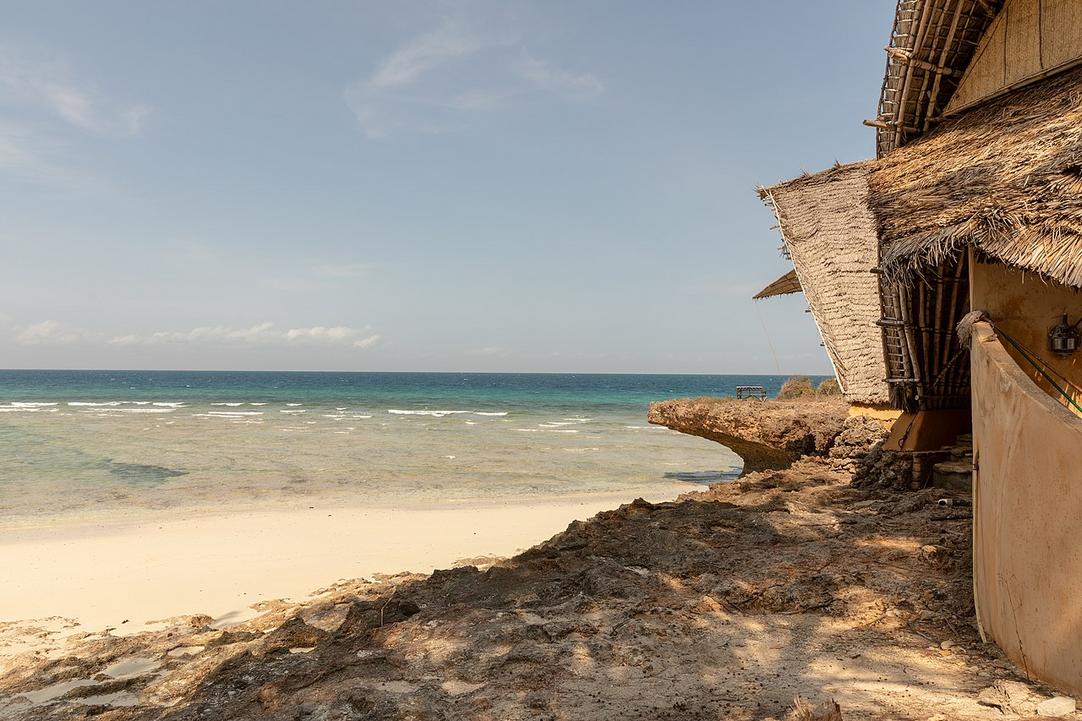
At the edge of the coral-rag forest, the turquoise waters invite you to explore vibrant marine life.
Chumbe Island is a tiny private island off Zanzibar, renowned for its protected coral-reef sanctuary. Visitors flock here for exceptional snorkeling and to experience its unique ecosystem. The island features a small eco lodge that blends seamlessly with its surroundings. With a focus on conservation, Chumbe Island offers a rare glimpse into a thriving marine environment just 22 miles / 35 km from Zanzibar City.
Snorkel over the vibrant reef, hike through the coral-rag forest, and relax at the eco lodge for a unique experience.
Key takeaways
- Snorkeling trips start at $30 per person, 2026.
- Explore the coral-rag forest on guided hikes, lasting 1-2 hours.
- Stay at the eco lodge, accommodating up to 12 guests.
- Chumbe Island is 22 miles / 35 km from Zanzibar City.
- Visit during the dry season, June to October, for the best conditions.
Why visit Chumbe Island
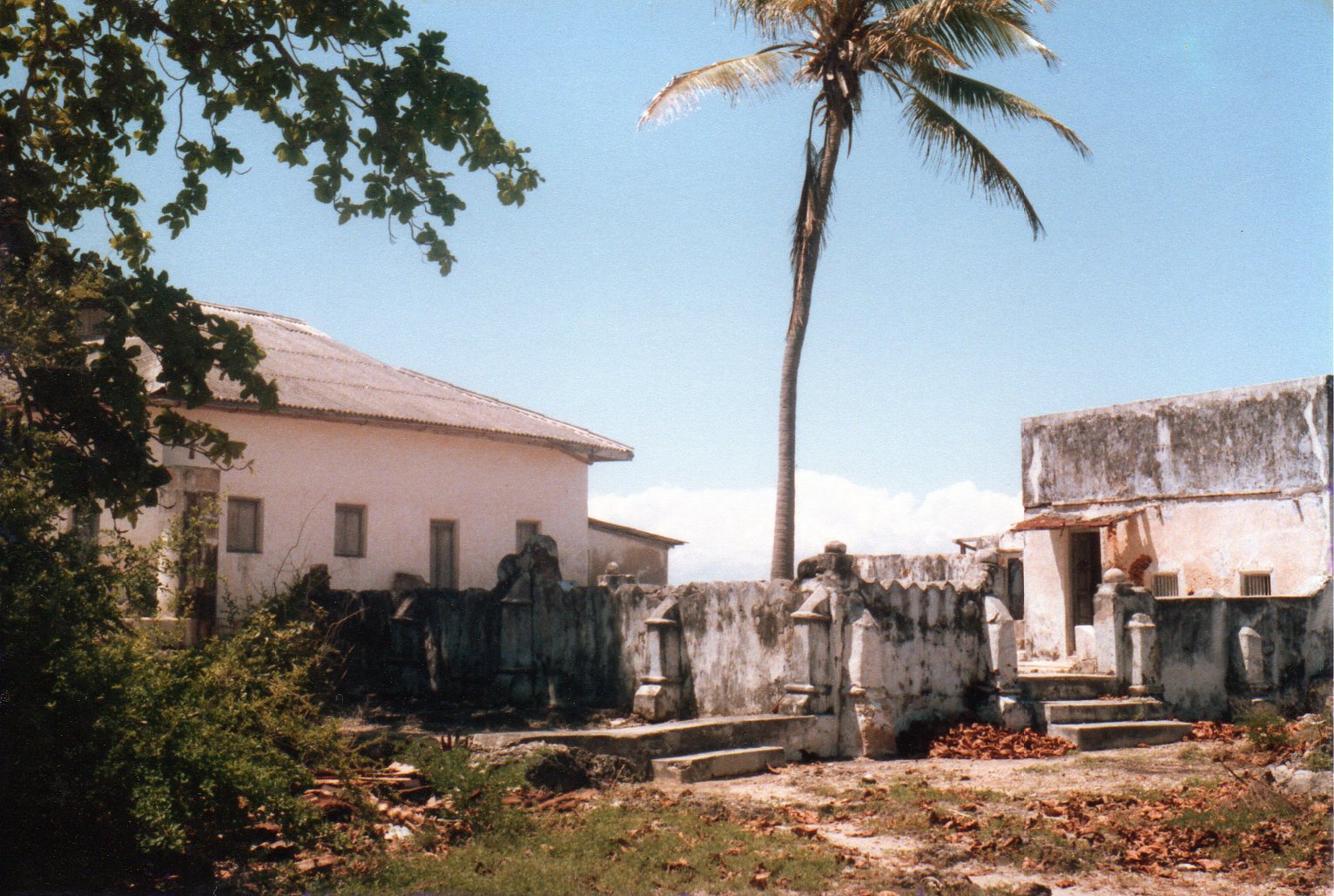
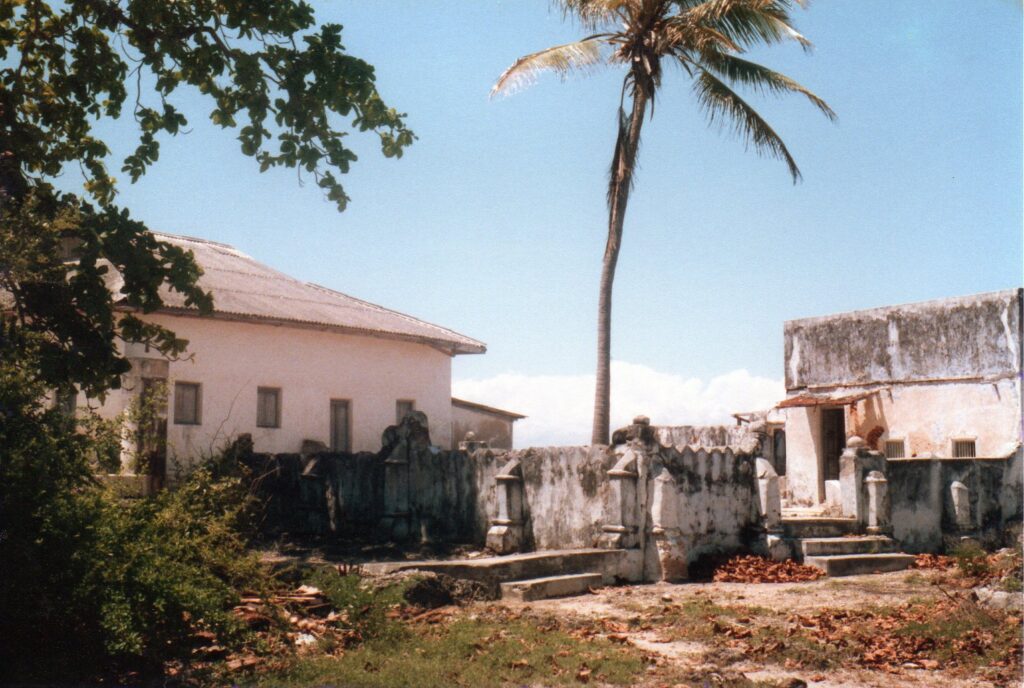
Chumbe Island stands out from Tanzania‘s popular destinations like Zanzibar and Pemba due to its commitment to coral reef conservation and low-impact tourism. The island features pristine snorkeling over a protected reef, making it a unique eco-friendly getaway. With its coral-rag forest and nesting birds, Chumbe offers a rare glimpse into a thriving marine ecosystem.
- Experience snorkeling in a protected coral reef sanctuary with vibrant marine life.
- Stay at a low-impact eco lodge that emphasizes sustainability and conservation.
- Visit during the off-peak season (April to June) for fewer crowds and better wildlife sightings.
- Explore the island’s unique coral-rag forest, home to endemic bird species.
Best for
Solo travelers seeking adventure and eco-conscious experiences will thrive here. It’s perfect for those who appreciate nature and want to dive into marine conservation.
Skip if
If nightlife and bustling markets are your priorities, consider Zanzibar instead, which offers a more vibrant social scene.
Top things to do in Chumbe Island
Chumbe Island offers a unique blend of snorkeling, wildlife encounters, and eco-friendly experiences that highlight its status as a coral-reef sanctuary. Start with the snorkeling adventure that showcases the vibrant marine life thriving in the protected waters.
1. Snorkeling at the Coral Reef ·
Dive into one of the most pristine coral reefs in the region.
Join a guided snorkeling tour with one of the licensed operators on the island to explore the vibrant underwater world. You’ll glide over colorful corals and encounter diverse marine species, including tropical fish and sea turtles. The experience is enhanced by the clear waters and the knowledgeable guides who share insights about the reef’s ecosystem.
This snorkeling experience stands out because of the reef’s protected status, ensuring a rich marine biodiversity that you won’t find in more commercialized areas.
- When: Visit during the dry season from June to October for the best visibility and calm waters.
- Cost: ~$30
- Duration: Half day
- How to reach: From the eco lodge, walk to the designated snorkeling area, which is easily accessible from the beach.
2. Bird Watching in the Forest ·
Experience the unique birdlife of Chumbe Island in its lush forest.
Take a guided walk through the coral-rag forest, where you can spot endemic bird species such as the Zanzibar Red Bishop and the African Grey Parrot. The guides are well-versed in local flora and fauna, making this a rich educational experience as you stroll along the trails.
This activity is a great complement to snorkeling, offering a chance to appreciate the island’s biodiversity from a different perspective.
- When: Early morning or late afternoon is ideal for bird activity, especially from June to October.
- Cost: Free
- Duration: 2 hours
- How to reach: Start from the eco lodge and follow the marked trails into the forest.
3. Guided Nature Walks ·
Discover the island’s unique ecosystem on a guided nature walk.
Join a nature walk led by local guides who will introduce you to the island’s diverse plant life and its ecological significance. You’ll learn about the conservation efforts in place and how they protect the delicate balance of the ecosystem while enjoying the serene surroundings.
This walk provides a deeper understanding of the island’s environment, making it a perfect addition to your snorkeling adventures.
- When: Mid-morning or late afternoon for cooler temperatures and active wildlife.
- Cost: ~$15
- Duration: 2 hours
- How to reach: Meet at the eco lodge for a brief orientation before heading out on the trails.
4. Relax on the Beach ·
Unwind on the pristine beaches of Chumbe Island.
Spend a leisurely afternoon lounging on the soft sands, soaking up the sun, and enjoying the tranquil atmosphere. The beaches are perfect for reading, swimming, or simply enjoying the stunning views of the Indian Ocean.
While snorkeling is a highlight, the beach offers a peaceful retreat for those looking to relax and recharge.
- When: Any time of day, but sunset views are particularly beautiful from the beach.
- Cost: Free
- Duration: As long as you like
- How to reach: The beach is directly accessible from the eco lodge, just a short walk away.
5. Explore the Eco Lodge ·
Learn about sustainable practices at the eco lodge.
Take a tour of the eco lodge to see how it operates sustainably, from solar energy to water conservation. The staff will explain the various initiatives in place to protect the island’s environment while providing a comfortable stay for guests.
This activity is a great way to understand the eco-friendly ethos of Chumbe Island, which complements your outdoor adventures.
- When: Any time during the lodge’s operating hours.
- Cost: Free
- Duration: 1 hour
- How to reach: Located within the eco lodge premises, it’s easily accessible.
Book tours and tickets
Booking through these links supports Pack Lightly at no extra cost to you.
24 hours in Chumbe Island
This day plan is perfect for a solo traveler or a friend duo looking to dive into the eco-rich experience of Chumbe Island, balancing adventure with relaxation.
Morning
Start your day early at 7:00 AM with a guided snorkeling tour offered by the eco lodge. The morning light enhances the vibrant coral reef, making it the ideal time to see the diverse marine life. After snorkeling, enjoy a light breakfast at the lodge, featuring fresh fruit and local pastries, while soaking in the serene island atmosphere.
Afternoon
By noon, take a leisurely stroll through the coral rag forest, where you can spot nesting birds and unique flora. For lunch, savor a meal at the lodge, opting for their grilled fish served with local vegetables. Post-lunch, relax on the beach or take a dip in the clear waters, allowing the afternoon sun to recharge your energy.
Evening
As the sun begins to set around 6:30 PM, head to the beach for a stunning view of the horizon. Enjoy a casual dinner at the lodge, where you can try the traditional Tanzanian dish of ugali with fresh vegetables. The evening ambiance is tranquil, perfect for reflecting on the day’s adventures.
If you have a second day
If you have another day, consider a guided kayak tour around the island to explore more of the surrounding waters and marine life. Alternatively, spend time at the nearby sandbank for a relaxing beach day.
Best time to visit Chumbe Island
Quick answer
Visit from April to June and October to early December for the best weather and snorkeling conditions.
| Months to go | April to June, October to early December |
|---|---|
| Months to avoid | January and March due to heavy rainfall. |
The climate on Chumbe Island is warm and humid, with average temperatures ranging from 75°F / 24°C to 90°F / 32°C. April to June offers dry conditions, making it ideal for snorkeling and exploring the coral reefs. The months of January and March see increased rainfall, which can disrupt outdoor activities and limit visibility in the water. October to early December provides another window of dry weather, perfect for wildlife spotting and enjoying the island’s natural beauty.
Average temperature (°F)
Monthly weather
humid wet, off-peak prices
warm wet, fewer crowds
humid wet, off-peak prices
warm dry, best snorkeling
dry, great for wildlife
cool dry, ideal for diving
cool dry, fewer tourists
cool dry, perfect for exploring
warm dry, great visibility
warm dry, good for snorkeling
warm wet, fewer crowds
humid wet, off-peak prices
How to get to Chumbe Island
Nearest airport
Abeid Amani Karume International Airport (ZNZ), Zanzibar City, about 8 miles / 13 km from Chumbe Island
From the airport
Take a taxi from the airport to the Stone Town harbor for around $10-$15, 2026. Book the eco-lodge’s private boat transfer in advance for about $40 round trip, the only reliable way to reach Chumbe Island directly.
Other ways to arrive
- From Dar es Salaam, take a ferry to Zanzibar harbor, 2 hours, $30-$40, 2026, then taxi to Stone Town harbor.
- From Stone Town, arrange a private boat transfer directly to Chumbe Island, 30 minutes, $40-$50, 2026.
- From Nungwi village in northern Zanzibar, charter a boat for about 1.5 hours, $70+, 2026, mostly for private groups.
Getting around Chumbe Island
Chumbe Island is small enough to explore entirely on foot, which is the only practical way to get around. Walking lets you control your pace and fully appreciate the coral-rag forest and reef sanctuary without disturbing the environment.
- Walk: Use sturdy shoes for the coral-rag forest trails; free and best for all activities.
- Guided eco-tours: Join scheduled walks led by the eco-lodge staff to learn about the reef and forest, included in lodge fees.
- Boat: Use the lodge’s boats only for arrival and departure; no other motorized transport is allowed on the island.
Avoid
Avoid bringing motorized vehicles or bikes; the island’s protected status prohibits them and trails are narrow and rugged.
Day trips from Chumbe Island
Day trips from Chumbe Island focus on Zanzibar’s Stone Town and nearby marine spots, offering cultural contrast and additional dive or snorkel sites.
Stone Town, Zanzibar
Explore the historic Swahili architecture, spice markets, and vibrant harbor life.
Why: Stone Town offers a sharp contrast to Chumbe’s quiet sanctuary, with rich culture and local markets to recharge after days of diving or snorkeling.
Skip if: Skip if the focus is purely on marine activities and you want to maximize time underwater.
Mnemba Atoll, Zanzibar
Snorkel or dive at one of Zanzibar’s most protected coral reefs, known for abundant marine life and clear water.
Why: Mnemba Atoll offers a more active marine experience with boat-supported snorkeling and diving, complementing Chumbe’s eco-lodge reef access.
Skip if: Skip if you prefer shore-based snorkeling or want to avoid the extra cost of boat trips.
Jozani Forest Reserve, Zanzibar
See the endemic Zanzibar red colobus monkeys and walk through dense coastal forest.
Why: Jozani adds a terrestrial wildlife dimension to your trip, contrasting Chumbe’s coral sanctuary with a rare forest ecosystem nearby.
Skip if: Skip if your trip is short or focused exclusively on marine activities.
Combine Chumbe Island with
Chumbe Island fits best as a marine-focused stop within a broader Zanzibar or Tanzania coastal itinerary.
7-day Zanzibar coastal loop Stone Town → Chumbe Island → Nungwi → Matemwe
Start with culture and logistics in Stone Town, spend 2-3 days on Chumbe’s protected reef, then move north to Nungwi and Matemwe for more active diving and surfing.
10-day Tanzania beach and safari combo Dar es Salaam → Zanzibar (Stone Town → Chumbe Island) → Serengeti National Park
Fly into Dar es Salaam, transfer to Zanzibar for marine conservation and reef diving, then continue to Serengeti for a contrasting wildlife safari.
Where to stay in Chumbe Island
Compare prices across booking sites on the map below and see which neighbourhood fits your plans.
Chumbe Island offers a unique eco-lodge experience, with accommodations primarily centered around the island’s protected coral reef. Travelers typically choose spots closer to the beach for easy access to snorkeling and nature walks, while quieter areas provide a more secluded retreat.
Mid-range – Chumbe Island eco-lodge area
Stay at the eco-lodge, which features rustic bungalows that blend into the natural surroundings. You’ll enjoy a focus on sustainability, but amenities are basic compared to luxury resorts.
Insider tip: Request a bungalow with a sea view for the best sunrise experience.
Solo female travelers
Opt for a bungalow at the eco-lodge, which is well-lit and offers a safe environment with staff available for assistance.
Book your stay
Booking through these links supports Pack Lightly at no extra cost to you.
Where to eat and drink in Chumbe Island
Chumbe Island’s culinary scene is defined by its focus on fresh seafood and local ingredients, particularly from the surrounding waters. The island’s isolation fosters a unique blend of flavors influenced by coastal communities and traditional cooking methods.
Must-try dishes
Samaki wa Kupaka (Grilled Fish with Coconut Sauce)
Freshly caught fish grilled and served with a rich coconut sauce, often accompanied by rice or ugali.
Insider tip: Try it during lunch for the freshest catch of the day.
Urojo (Zanzibar Soup)
A flavorful soup made with a blend of spices, vegetables, and often served with meat or fish, garnished with crispy fried dough.
Insider tip: Pair it with a side of fried plantains for a satisfying meal.
Kachori (Spiced Pastry)
Deep-fried pastries filled with spiced lentils or meat, often served as a snack or appetizer.
Insider tip: Grab a few as a quick snack before heading out for a dive.
Local drinks
- Kilimanjaro BeerAny local bar or beachside restaurant on Chumbe Island.
A popular Tanzanian lager known for its crisp taste and refreshing qualities. - Tropical Fruit JuiceBeach shacks and local cafes, especially during the day.
Freshly squeezed juices made from local fruits like mango, passion fruit, and pineapple.
How to eat like a local in Chumbe Island
Lunch is the main meal of the day, so plan to enjoy your biggest meal around 1:00 PM when local eateries are bustling with activity.
Daily budget for Chumbe Island
Chumbe Island’s costs are higher than mainland Tanzania due to its exclusive eco-lodge setup and limited access, making it a unique but pricier destination.
Shoestring
- lodging – shared dorm in eco-lodge
- food – basic meals at the lodge
- transport – boat transfer to the island
- activities – snorkeling gear rental
- buffer – miscellaneous expenses
Trade-offs: Expect fewer amenities and limited dining options.
Comfort
- lodging – private room in eco-lodge
- food – full meals at the lodge
- transport – boat transfer to the island
- activities – guided snorkeling tour
- buffer – miscellaneous expenses
Trade-offs: You may miss out on local dining experiences off the island.
Splurge
- lodging – premium private bungalow
- food – gourmet meals at the lodge
- transport – private boat transfer
- activities – exclusive guided tours
- buffer – miscellaneous expenses
Trade-offs: This level sacrifices budget flexibility for comfort and exclusivity.
Money-saver tip
Book your boat transfer in advance through the eco-lodge to avoid higher last-minute rates.
Splurge that’s worth it
Opt for a guided snorkeling tour; the reef’s biodiversity is best experienced with an expert.
Skip to save
Avoid the overpriced souvenir shop at the eco-lodge; local markets on the mainland offer better deals.
Practical tips for Chumbe Island
Money
| Cash or card | Cash is essential on Chumbe Island; credit cards are not widely accepted. |
|---|---|
| ATMs | There are no ATMs on Chumbe Island; bring enough cash for your stay. |
| Tipping | Tip around 10% for good service, such as at the eco lodge. |
Safety
Chumbe Island is generally safe for travelers, but be mindful of your belongings.
Local warnings:
- Beware of sandflies, especially during the evening.
Connectivity
| Mobile data | Mobile data coverage is limited; consider getting a local SIM from Zanzibar before arriving. |
|---|---|
| Wi-Fi | Wi-Fi is available at the eco lodge but may be slow and unreliable. |
Language
| Main language | Swahili |
|---|---|
| English level | English is spoken at the eco lodge, but not widely understood by locals. |
Cultural notes
| Dress modestly when visiting any religious sites. |
Solo female travel
Chumbe Island is safe for solo female travelers, with a welcoming atmosphere.
| Meeting people | Engage with fellow travelers at the eco lodge’s communal dining area. |
|---|
Do
- Participate in reef conservation activities offered by the eco lodge.
- Use reef-safe sunscreen to protect marine life.
Don’t
- Do not touch or disturb marine life while snorkeling.
- Avoid bringing single-use plastics to the island.
Frequently asked questions about Chumbe Island
1Is Chumbe Island worth visiting?
Yes – Chumbe Island is a unique eco-destination known for its protected coral reef and pristine snorkeling. The low-impact eco lodge and vibrant marine life make it a standout choice for nature lovers.
2How do you get to Chumbe Island from Zanzibar City?
Take a boat from Zanzibar City to Chumbe Island, which typically takes about 30 minutes. Boats operate regularly, so check local schedules for the latest departures.
3What is the food like in Chumbe Island?
Expect fresh seafood and locally sourced ingredients at the eco lodge’s restaurant. Meals are often served buffet-style, showcasing the flavors of the region.
4Can you swim in the waters around Chumbe Island?
Yes – the waters around Chumbe Island are ideal for swimming and snorkeling, thanks to the clear visibility and vibrant marine life. Just be mindful of the coral reefs.
5Is Chumbe Island safe for solo female travelers?
Yes – Chumbe Island is generally safe for solo female travelers. The eco lodge has a friendly atmosphere, and the staff is attentive and helpful.
6What does a day in Chumbe Island cost?
Roughly $150 per day, including accommodation, meals, and activities like snorkeling. Expect to pay around $100 for lodging and $50 for food and activities.
Estimate your daily budget
See realistic daily costs by tier and category.