


Quick answer
Philippines‘s Sulu Archipelago and Marawi City are Do Not Travel per the US State Department (Level 4, updated September 2026), while the rest of Mindanao sits at Reconsider Travel. Metro Manila, Boracay, and Palawan stay at normal precautions.
Philippines carries a mixed risk picture tied strictly to region. The US State Department (updated September 2026) sets the Sulu Archipelago, including Jolo, Tawi-Tawi, and Basilan, plus Marawi City in Lanao del Sur, at Level 4, Do Not Travel, over terrorism and kidnap-for-ransom by Abu Sayyaf and affiliated groups. The rest of Mindanao is Level 3, Reconsider Travel, except Davao City centre and airport, Davao del Norte and its main route, Dinagat Islands, Kopiat Island and its main route, Samal, and Siargao. Rural Leyte, Mindoro, Negros, and Samar also carry elevated terrorism and unrest risk. Tourist zones like Boracay and Palawan see petty crime and scams rather than the threats above. The country’s crime rating indicates a moderate level of violent crime, with a Numbeo index of 42.71, reflecting a mix of safety in urban and rural settings.
The core decision for travelers is regional: stay north of the flagged zones and normal-precaution rules apply, or plan travel into Mindanao and the advisory tiers change what’s sensible. Check the current US State Department advisory before booking anything in or near Mindanao.
Key takeaways
- Skip the Sulu Archipelago and Marawi City entirely: the US State Department rates both Level 4, Do Not Travel, over terrorism and kidnap-for-ransom risk.
- Expect petty crime and scams in tourist areas; jeepney and taxi overcharging are common issues.
- Be cautious of drink spiking and ATM robbery, particularly in crowded areas.
- Plan transportation carefully; road deaths are moderate at 12 per 100,000 people, so stay alert while traveling.
- Stay informed about local laws, as violations can lead to serious penalties.
- Use emergency numbers wisely: police at 911 and tourist police at 151-TOUR for immediate assistance.
Philippines at a glance: high risk
High risk
The high overall risk level means tourists must be cautious and well-informed about where they travel.
Government travel advisories
The following table outlines the official travel advisories from major governments.
| Authority | Advisory |
|---|---|
| UK FCDO | Avoid all but essential travel to the southern border provinces due to security threats. |
| US State Department | Level 2 – Exercise Increased Caution due to crime, terrorism, civil unrest, and kidnapping. |
| Australia Smartraveller | Reconsider your need to travel to the southern Philippines due to security concerns. |
| Auswärtiges Amt | Travel to the southern Philippines is strongly discouraged due to ongoing violence. |
| Nederland Wereldwijd | Travel to the southern regions is not advised due to serious security risks. |
Regions to avoid
The following regions are officially designated as no-go zones.
- Sulu Archipelago (Jolo, Tawi-Tawi, Basilan) and the southern Sulu Sea: Do Not Travel. Flagged by the US State Dept for terrorism and kidnap-for-ransom by Abu Sayyaf and affiliated groups.
- Marawi City and surrounding areas (Lanao del Sur): Do Not Travel. Ongoing terrorism risk and unexploded ordnance from the 2017 battle.
- Rest of Mindanao, excluding Davao City centre and airport, Davao del Norte and its main route, Dinagat Islands, Kopiat Island and its main route, Samal, and Siargao: Reconsider Travel. US State Dept cites terrorism, kidnapping, crime and clashes between security forces and insurgent groups. Rural Leyte, Mindoro, Negros, and Samar carry elevated terrorism and unrest risk too, per the September 2026 advisory update.
- Sulu Sea and Celebes Sea (maritime): US State Dept warns of piracy and kidnappings in these waters.
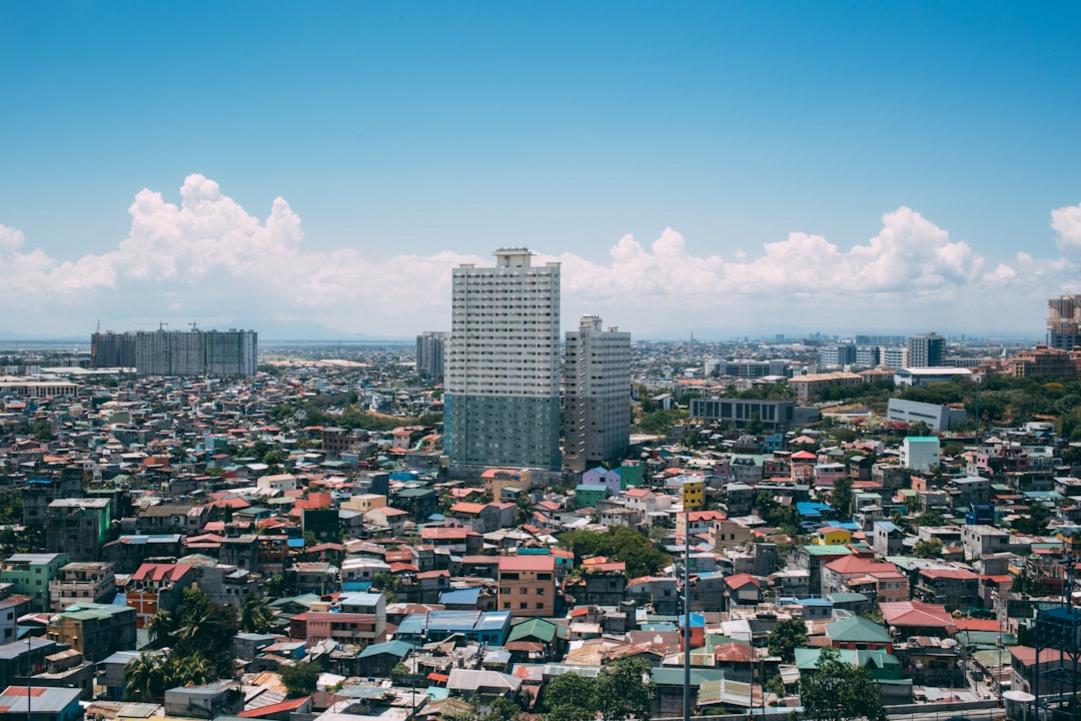
Petty theft in crowded Philippine areas
Petty crime is high, while violent crime is moderate in the Philippines. Tourists often face opportunistic theft, especially in crowded areas. The Numbeo index stands at 42.71, indicating significant crime concerns. Stay alert, particularly in urban settings.
Common tactics include motorbike bag-snatching, especially near busy markets and tourist spots. Pickpocketing occurs frequently on public transport, particularly in jeepneys. Distraction theft is prevalent in crowded areas, where thieves may create a scene to divert attention. Be cautious around ATMs, as skimming and card fraud are reported.
Violent crime is concentrated in specific regions, particularly in the Sulu Archipelago and Central Mindanao. While incidents against tourists are rare, they can occur in these areas. The risk is higher in regions with ongoing conflict, making it essential to avoid these zones.
Scams that target tourists
Scams are the most common issue for tourists in the Philippines, often outnumbering violent crime incidents.
| Scam | How it works | Red flag |
|---|---|---|
| Jeepney and taxi overcharging | Drivers may charge inflated fares, especially for tourists unfamiliar with local rates. Always ask for the fare upfront. | If a fare seems unusually high, insist on a meter or agree on a price before getting in. |
| ATM skimming and card fraud | Scammers install devices on ATMs to capture card information, leading to unauthorized withdrawals. Use ATMs in well-lit, busy areas. | Check for any unusual attachments on the ATM before using it. |
| Drink spiking and ATM robbery | Scammers may spike drinks at bars, leading to theft when victims are incapacitated. Always watch your drink and keep it close. | Never leave your drink unattended, and be cautious of strangers offering to buy drinks. |
| Fake police / immigration officers | Impostors may pose as officials to demand money or personal information. Always request identification and verify their claims. | If asked for documents, insist on seeing their ID first. |
| Money-changer short-changing | Scammers may short-change tourists during currency exchanges, especially in busy markets. Count your money carefully after the exchange. | Always double-check the amount you receive before leaving the counter. |
| Romance and investment scams | Scammers build fake relationships online, asking for money or investment in non-existent ventures. Be wary of unsolicited romantic advances. | If someone asks for money early in the relationship, cut off contact immediately. |
Where to stay and where to skip
Safer areas to base in
- Metro Manila – vibrant urban area with many tourist attractions
- Cebu City – a popular hub for tourists with good amenities
- Davao City centre and airport – one of the few Mindanao exceptions the US State Department keeps off its Reconsider Travel list – known for its safety and cleanliness
Areas to avoid
- Sulu Archipelago – high risk due to ongoing conflict and kidnappings
- Marawi City and surrounding areas – avoid due to active conflict
- Central and western Mindanao – known for violence and instability
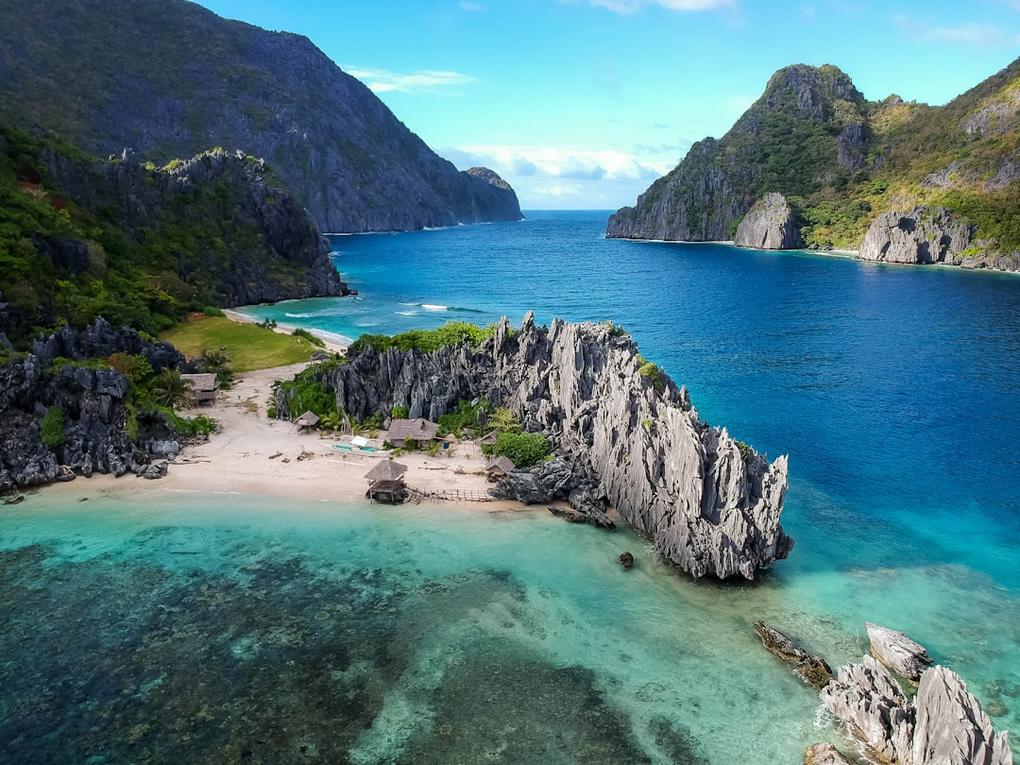
Who faces the most risk in the Philippines
Safety in the Philippines varies significantly based on who you are. Women’s and LGBTQ+ safety ratings come from official indices, while the overall risk picture informs the safety for families, first-time travelers, and older travelers. Understanding these nuances is crucial for a successful trip.
Solo female travelers face a moderate safety rating, with a WPS rank of 79. Petty crime and scams are prevalent in tourist areas, so vigilance is essential. Dress conservatively and avoid isolated areas, especially at night.
Watch for
- Stay in well-reviewed accommodations in safe districts.
- Use reputable transport services, especially at night.
- Avoid displaying valuables in crowded areas.
LGBTQ+ travelers face moderate safety, with legal protections existing but social acceptance varying. Same-sex marriage is legal, but public displays of affection may attract unwanted attention in certain areas. Awareness of local attitudes is crucial.
Watch for
- Avoid public displays of affection in rural areas.
- Research LGBTQ+-friendly venues in major cities.
- Understand local laws regarding same-sex relationships.
Families traveling with children should be cautious due to the high overall risk level. Petty crime near tourist sites can pose risks, and medical facilities may vary in quality. Ensure safe food and water for children.
Watch for
- Use bottled water for drinking and food preparation.
- Keep an eye on children in crowded places.
- Research hospitals in advance for medical emergencies.
First-time and solo travelers may find the Philippines challenging but manageable. Scams are visible, and recovery from mistakes is generally straightforward. Staying informed and prepared is key to navigating safely.
Watch for
- Learn about common scams like taxi overcharging.
- Use trusted transport options to avoid unsafe areas.
- Keep emergency contacts handy for quick assistance.
Older travelers should be aware of pickpocketing and distraction scams prevalent in tourist areas. Mobility-friendly zones exist, but caution is needed in crowded places. Access to medical care can vary, so plan accordingly.
Watch for
- Avoid crowded markets where distraction scams occur.
- Identify nearby hospitals in case of emergencies.
- Choose calm, walkable areas for exploration.
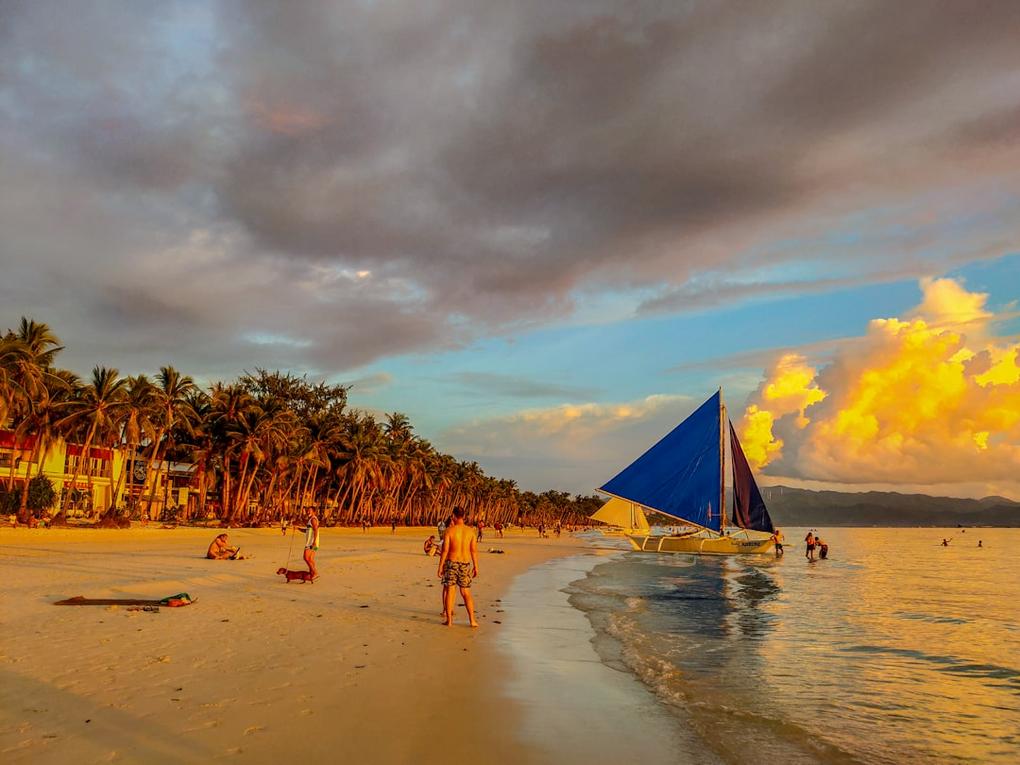
Getting around the Philippines safely
Getting around safely
Road risk is moderate, with 12 deaths per 100,000 people. Self-driving is not recommended due to traffic conditions and local driving habits. Use safer alternatives like rideshare apps, metered taxis, and domestic flights. If stopped by police, be aware that bribery can occur, so carry an IDP and a copy of your passport.
Health and natural hazards
Tap water is not safe to drink, and ice may pose a risk. Avoid raw seafood and opt for busy street food stalls with high turnover. Common stomach issues arise from contaminated food and water, so always choose sealed bottled water and cooked meals.
Natural disaster seasons
The Philippines faces recurring natural hazards, particularly during specific seasons.
| Hazard | Season | What to know |
|---|---|---|
| Typhoon | June-December | Typhoons affect all regions, causing severe disruptions and transport delays. |
| Monsoon | June-September | The monsoon impacts various regions, leading to flooding and transport issues. |
| Flood | Year-round | Flooding can occur in many areas, disrupting travel and daily life. |
| Earthquake | Year-round | Earthquakes can happen anywhere, with potential for significant damage. |
Laws and conduct that catch tourists out
The Philippines has strict drug laws: possession carries 12 years to life under RA 9165, and trafficking carries life imprisonment plus fines up to PHP 10 million. The death penalty for drug trafficking was abolished in 2006 and has not been reinstated. Cannabis remains illegal, with no recent changes to its status.
Photography of military sites, government buildings, and certain religious images is prohibited, with penalties including fines. Dress modestly at religious sites, covering shoulders and knees, and avoid public displays of affection.
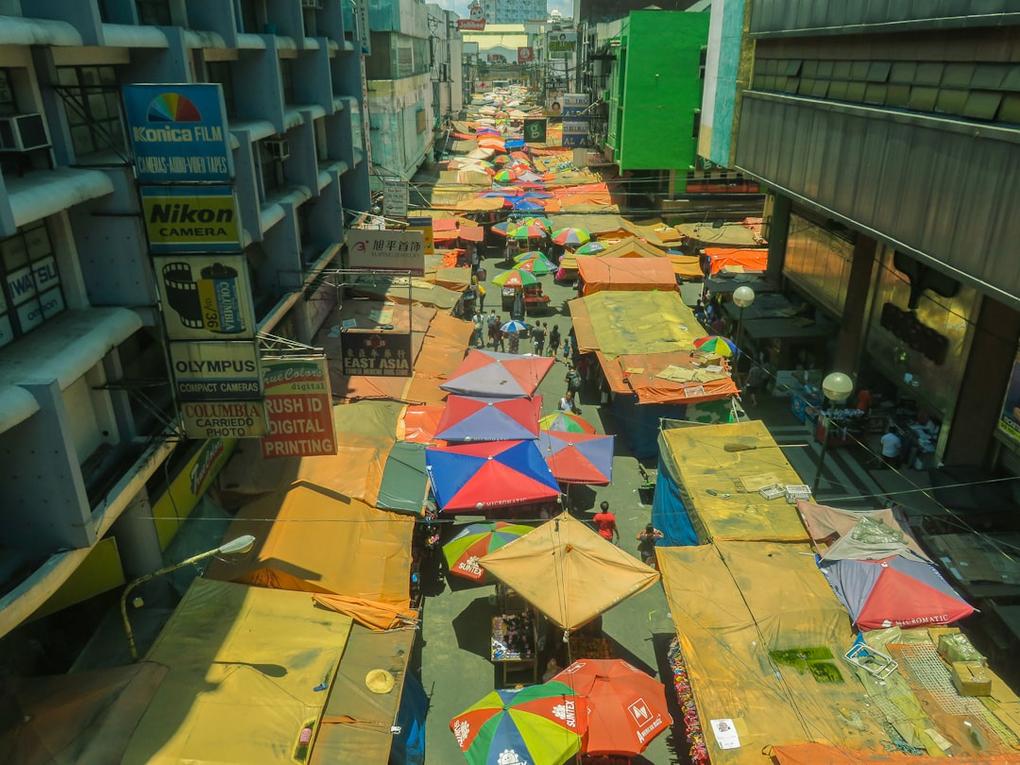
Emergency contacts for the Philippines
For any travel incidents, contact the tourist police line listed below, which is English-speaking.
- Move to a safe public place.
- Call the tourist police line listed below.
- Notify your insurer about the incident.
- Do not engage further with the scammer.
- Call the tourist police line listed below.
- Report the scam to your embassy.
- Remain calm and respectful.
- Ask for a translator.
- Request your embassy for assistance.
- Call the emergency services number listed below.
- Go to the nearest international-standard hospital.
- Notify your insurer about the medical treatment.
- Report the loss to the local police.
- Contact your embassy for a replacement.
- Keep a copy of the police report.
Embassies and consulates
- US – Manila · +63 2 5301 2000
- UK – Manila · +63 2 8858 2200
- AU – Manila · +63 2 7757 8100
- DE – Manila · +63 2 8702 3000
- NL – Manila · +63 2 7786 6666
Medical care and costs
International-standard hospitals are available in major cities, while local facilities may vary in quality.
- Makati Medical Center (Makati) · +63 2 8888 8999
- St. Luke’s Medical Center – Bonifacio Global City (Taguig) · +63 2 8789 7700
- St. Luke’s Medical Center – Quezon City (Quezon City) · +63 2 8723 0101
- Asian Hospital and Medical Center (Muntinlupa) · +63 2 8771 9000
Emergency visits at private international-standard hospitals typically cost $40-120. Inpatient stays range from $100-400 per night for a private room. Given the high medical costs and variable quality of public care, solid travel insurance is essential to cover theft, medical treatment, and evacuation.
Travel insurance for peace of mind
Heymondo covers theft, medical emergencies and evacuation, the things this page prepares you for. Our link applies a 5% discount automatically.
Philippines safety questions answered
1Is the Philippines safe to visit at night?
No, it is not entirely safe to visit at night. Certain areas, especially in the southern regions, have higher crime rates, including petty crime and scams.
2Is the Philippines safe for solo female travelers?
Moderately safe, but caution is advised. The women’s safety rank is 79, indicating risks that require awareness and preparation.
3Can you drink the tap water in the Philippines?
No, tap water is not safe to drink. It’s advisable to use bottled water to avoid health risks.
4Which areas of the Philippines should I avoid?
Avoid the Sulu Archipelago, Marawi City, and Central and western Mindanao. These regions carry do-not-travel advisories due to safety concerns.
5Is it safe to drive in the Philippines?
No, driving can be risky due to moderate road safety with 12 deaths per 100,000 people. Poor road conditions and traffic can pose significant hazards.
6What are common scams in the Philippines?
Common scams include jeepney and taxi overcharging, ATM skimming, and fake police officers. Awareness of these scams can help avoid financial loss.
7Is it safe to use ATMs in the Philippines?
Caution is necessary when using ATMs. ATM skimming and card fraud are prevalent, so choose ATMs in well-lit, secure areas.
8What should I do if I feel unsafe?
Seek help from the tourist police or move to a crowded area. The tourist police are trained to assist travelers and can provide immediate support.
Some links on this page are affiliate links. We may earn a small commission at no extra cost to you when you use them.