


At the bustling Phimai Market, the aroma of grilled meats fills the air.
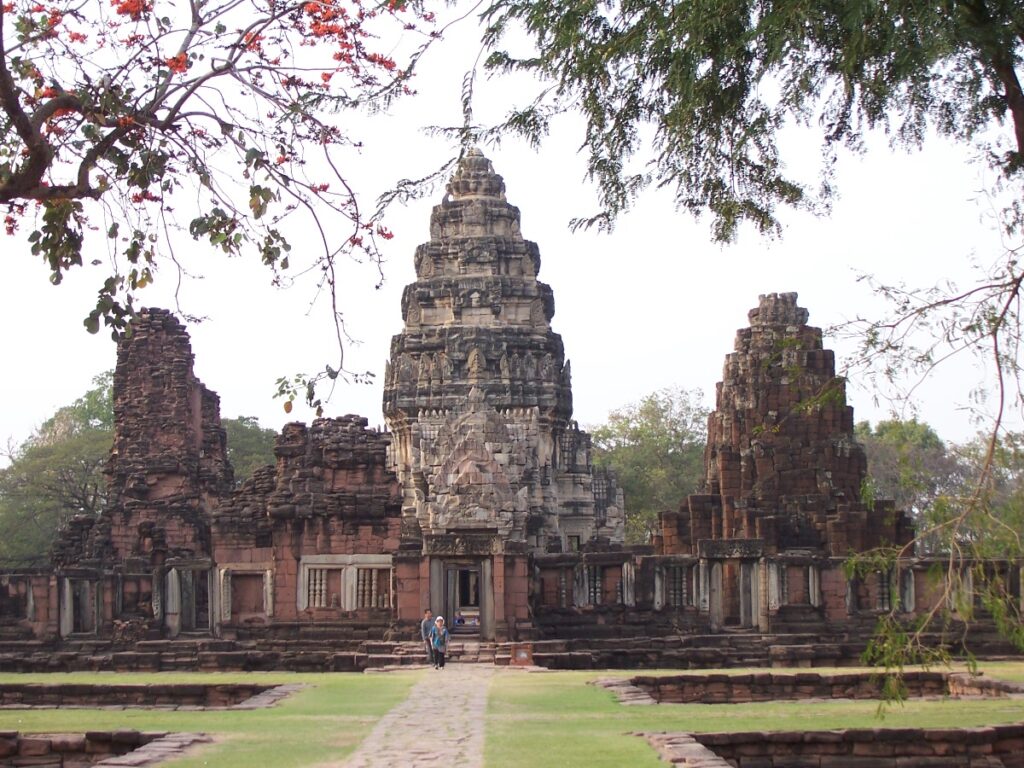
Phimai is a small town in Isaan, Thailand, known for its impressive Khmer temple complex, Phimai Historical Park. With a population of around 10,000, this cultural stop offers a glimpse into ancient architecture without the crowds. Visitors come to explore the well-preserved ruins linked to Angkor, making it a serene alternative to busier tourist spots. The town’s charm lies in its local markets and vibrant community life.
Explore Phimai Historical Park, visit local markets, and enjoy traditional Thai cuisine at family-run eateries.
Key takeaways
- Visit Phimai Historical Park, entry ~$3, 2026.
- Explore the local market every Saturday morning.
- Enjoy authentic Thai dishes at family-run eateries.
- Experience Phimai’s rich Khmer heritage without crowds.
- Stay overnight for a deeper cultural experience.
Why visit Phimai
Phimai stands out from Thailand’s more tourist-heavy spots like Ayutthaya and Siem Reap by offering a major Khmer temple experience without the crowds. The Phimai Historical Park features an impressive temple complex that showcases intricate stone carvings and a serene atmosphere. This small Isaan town allows for a deeper connection to local life and culture, making it a unique stop for culture seekers.
- Explore the Phimai Historical Park, a well-preserved Khmer temple complex linked to Angkor.
- Visit during the annual Phimai Festival in November for traditional performances and local food.
- Enjoy the quiet charm of Phimai’s local markets, where you can taste authentic Isaan dishes.
- Take a guided tour with local operators who share insights often missed by larger tour groups.
Best for
Solo travelers and culture enthusiasts will appreciate Phimai’s rich history and relaxed pace. It’s perfect for those seeking an authentic experience away from the bustling tourist trails.
Skip if
If you’re looking for vibrant nightlife or extensive shopping options, skip Phimai and head to Chiang Mai or Bangkok instead.
Top things to do in Phimai
Phimai offers a deep dive into Khmer heritage with its stunning temple complex and vibrant local life. Start your journey at Phimai Historical Park, where ancient architecture tells stories without the crowds.
1. Phimai Historical Park ·
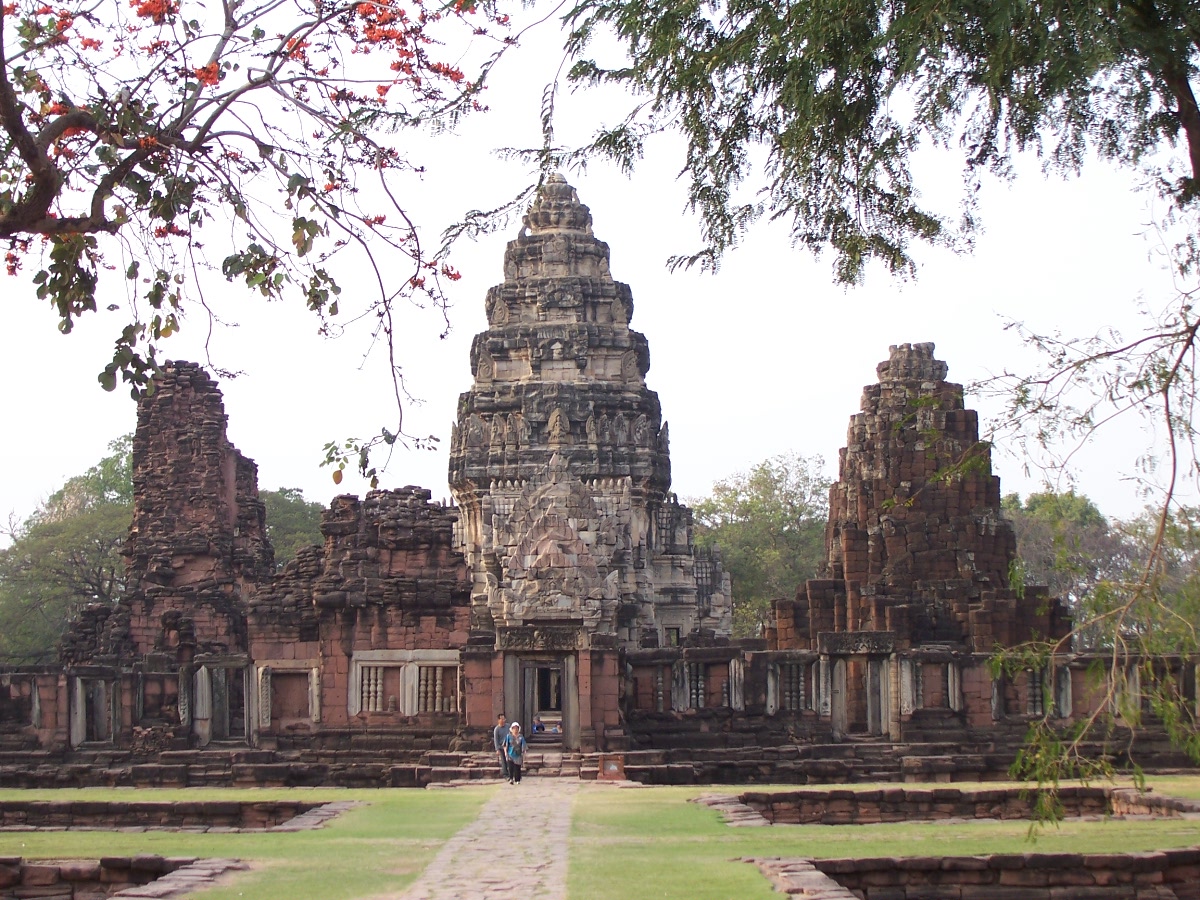
Explore one of the best-preserved Khmer temple complexes in Thailand.
Wander through the impressive ruins of Phimai Historical Park, where sandstone carvings and towering structures transport you back to the 11th century. The central temple, Prasat Hin Phimai, features intricate details and a serene atmosphere, perfect for photography and reflection. Guided tours are available from local operators to enrich your visit.
This site is less crowded than Angkor Wat, allowing for a more intimate experience with the architecture and history.
- When: Visit early in the morning or late afternoon to avoid the heat and enjoy softer light for photos, especially from November to February.
- Cost: $3, 2026
- Duration: 2-3 hours
- How to reach: From the center of Phimai, it’s a short 10-minute walk to the park entrance along Phimai Road.
Solo female travel: The park is well-trafficked, making it safe for solo female travelers.
2. Local Market Visit ·
Experience the vibrant local market scene and sample authentic Isaan cuisine.
Stroll through the bustling Phimai Market, where vendors sell fresh produce, street food, and handmade crafts. Try local dishes like som tam (papaya salad) and grilled chicken while mingling with friendly locals. This market is a great place to observe daily life and pick up unique souvenirs.
Unlike touristy markets, this one offers a genuine taste of local culture and cuisine.
- When: Visit in the morning for the freshest produce or in the evening for a lively atmosphere, especially on weekends.
- Cost: Free to enter; food items range from $1-$3, 2026
- Duration: 1-2 hours
- How to reach: The market is located in the town center, easily accessible by foot from most accommodations.
Insider tip: If closed
If the market is closed, head to a nearby street food stall for a quick bite.
Solo female travel: The market is safe and welcoming, with plenty of locals around.
3. Phimai National Museum ·
Discover the rich history of the region through artifacts and exhibits.
Visit the Phimai National Museum to see a collection of artifacts from the Khmer period, including sculptures and inscriptions. The museum provides context to the historical significance of Phimai and its temple complex, making it a perfect complement to your visit to the park.
This museum is often overlooked but offers valuable insights into the area’s heritage.
- When: Open daily from 9:00 AM to 4:00 PM, best visited after exploring the temple.
- Cost: $2, 2026
- Duration: 1-2 hours
- How to reach: Located about a 15-minute walk from Phimai Historical Park, follow the signs along the main road.
4. Bicycle Tour of Phimai ·
Pedal through the scenic countryside and discover local life.
Rent a bicycle from one of the local shops and explore the charming rural landscape surrounding Phimai. Cycle past rice paddies, small villages, and traditional farms, stopping to chat with locals and enjoy the serene environment. Guided tours are available for those who prefer a structured experience.
This activity offers a unique perspective on the daily lives of the residents, far from the tourist spots.
- When: Best in the cooler months from November to February, ideally in the morning or late afternoon.
- Cost: ~$5 for bike rental, 2026
- Duration: 2-4 hours
- How to reach: Bicycle rental shops are located in the town center, easily accessible on foot.
Insider tip: If closed
If biking isn’t an option, consider a walking tour of the town instead.
Solo female travel: Biking is safe, but it’s advisable to return before dark.
5. Wat Phra Narai Maharat ·
Visit this serene temple to experience local spirituality.
Explore Wat Phra Narai Maharat, a peaceful temple located just outside the main town area. The temple features beautiful architecture and a tranquil atmosphere, making it an ideal spot for reflection. Engage with local monks if they are present, and learn about their practices.
This temple is less visited than others, providing a quiet space to appreciate local spirituality.
- When: Visit in the early morning or late afternoon for a peaceful experience.
- Cost: Free
- Duration: 1 hour
- How to reach: It’s a short 15-minute walk from the center of Phimai, heading east along the main road.
6. Phimai Night Market ·
Enjoy a lively evening atmosphere with local food and crafts.
Experience the Phimai Night Market, where locals gather to enjoy street food, shop for crafts, and socialize. The market comes alive in the evening, offering a variety of food stalls and handmade goods. It’s a great way to end your day with delicious bites and local culture.
This market provides a different vibe compared to daytime visits, showcasing the community’s evening life.
- When: Open Friday to Sunday evenings, from around 5:00 PM until late.
- Cost: Free to enter; food items range from $1-$5, 2026
- Duration: 1-2 hours
- How to reach: Located in the town center, easily reachable on foot from most accommodations.
Solo female travel: The night market is bustling and safe, with many families and groups present.
Book tours and tickets
Booking through these links supports Pack Lightly at no extra cost to you.
24 hours in Phimai
This itinerary suits culture seekers eager to explore Phimai’s rich heritage and local life in a single day, balancing exploration with relaxation.
Morning
Start your day at the Phimai Market around 7:00 AM, where the morning light illuminates fresh produce and local snacks. Grab a bowl of khao soi from one of the vendors for a hearty breakfast. Afterward, stroll to the Phimai Historical Park by 9:00 AM to beat the crowds and soak in the intricate Khmer architecture of this well-preserved temple complex.
Afternoon
At around 12:30 PM, enjoy lunch at a nearby family-run restaurant, sampling local dishes like som tam (papaya salad) and grilled chicken. Post-lunch, take a leisurely walk through the surrounding village, observing daily life and perhaps visiting a local craft shop. By 3:00 PM, head back to the park for a guided tour that dives deeper into its history and significance, lasting about two hours.
Evening
As the sun sets around 6:00 PM, find a spot near the temple to watch the changing colors of the sky against the ancient stones. For dinner, head to one of the local eateries near the park, where you can savor a plate of pad thai and enjoy the relaxed evening atmosphere. Wind down your day by exploring the quiet streets, perhaps stopping for a dessert of mango sticky rice.
If you have a second day
If you have another day, consider visiting the nearby Phimai National Museum to learn more about the region’s history. Alternatively, take a short trip to the ancient city of Nakhon Ratchasima to explore more Khmer ruins.
Best time to visit Phimai
Quick answer
Phimai stays warm all year, so plan around rain rather than temperature: the drier, most comfortable window is Nov-Apr. Skip Jul-Sep unless you can handle heat and humidity plus the heaviest rain.
| Months to go | Nov-Apr |
|---|---|
| Months to avoid | Jul-Sep |
Phimai stays warm the whole year, roughly 75 to 86F, with little seasonal change. The bigger variable is rain, which decides how comfortable each month feels far more than temperature does.
The wet season runs Apr-Oct, averaging about 26 rainy days a month with heavy but usually short downpours. The drier, easier stretch is Dec-Feb, when skies stay clear for longer and outdoor plans hold up better.
Average temperature (°F)
Monthly weather
Hot but mostly dry
Hot but mostly dry
Very hot, seek shade
Very hot, seek shade
Fierce heat and heavy rain
Hot and humid
Hot and humid
Hot and humid
Hot and humid
Hot and humid
Hot but mostly dry
Hot but mostly dry
Time it around
Crowds and prices climb in Dec-Mar. For similar conditions with fewer people, aim for Nov.
How to get to Phimai
Nearest airport
Nakhon Ratchasima Airport (NAK), about 40 miles / 65 km southwest of Phimai
From the airport
The best way to reach Phimai is by booking a private taxi or Grab ride from Nakhon Ratchasima Airport; expect around $30-$40, 2026. This option saves time and hassle compared to public transport, which requires multiple transfers.
Other ways to arrive
- Bangkok, bus, 4-5 hours, $10-$15, 2026
- Nakhon Ratchasima city, minivan or local bus, 1.5 hours, $3-$5, 2026
- Ubon Ratchathani, train, 5-6 hours, $8-$12, 2026
Getting around Phimai
Motorbike rentals dominate local transport and suit exploring the town and temple complex at your own pace. For a more relaxed option, tuk-tuks handle short trips around town efficiently.
- Motorbike rental – best for flexible sightseeing, around $8-$12 per day, 2026
- Tuk-tuk – use for short trips or if not comfortable riding, expect $2-$4 per ride, 2026
- Bicycle – possible for short distances but less common, around $5 per day, 2026
Avoid
Avoid renting a car; narrow streets and some unpaved roads make motorbikes or tuk-tuks far more practical.
Day trips from Phimai
These day trips extend your cultural exploration beyond Phimai’s Khmer temple without adding tourist crowds.
Korat (Nakhon Ratchasima) city
Visit the Korat National Museum for Isaan artifacts and local history.
Why: Korat offers a deeper dive into Isaan culture and history beyond Phimai’s Khmer focus, with fewer tourists and authentic city life.
Skip if: Skip if your schedule is tight or your focus is strictly Khmer heritage.
Phanom Wan Historical Park
Explore lesser-known Khmer ruins with fewer visitors nearby Phimai.
Why: Phanom Wan offers quiet ruins that complement Phimai’s temple, giving a broader sense of Khmer presence in the region.
Skip if: Skip if you prefer to spend more time at Phimai Historical Park itself.
Dan Kwian pottery village
See traditional Isaan pottery making and shop directly from artisans.
Why: Dan Kwian provides a hands-on cultural contrast to temple visits, showing living craftspeople at work.
Skip if: Skip if your interest is limited to archaeology and temple architecture.
Combine Phimai with
Phimai fits best into a Thailand itinerary focused on Isaan culture and Khmer heritage, away from tourist crowds.
Isaan Khmer heritage loop Nakhon Ratchasima → Phimai → Phanom Rung → Surin
This route connects major Khmer temples in northeastern Thailand with manageable travel times and authentic local towns between sites.
Northeast cultural trail Bangkok → Nakhon Ratchasima → Phimai → Ubon Ratchathani
Start in Bangkok, then head northeast to explore Khmer ruins and Isaan culture, finishing with Ubon’s regional museums and markets.
Khmer temples and Isaan cities Phimai → Korat → Khon Kaen
Phimai anchors the Khmer temple experience, while Korat and Khon Kaen offer modern city life and regional museums to round out cultural insights.
Where to stay in Phimai
Compare prices across booking sites on the map below and see which neighbourhood fits your plans.
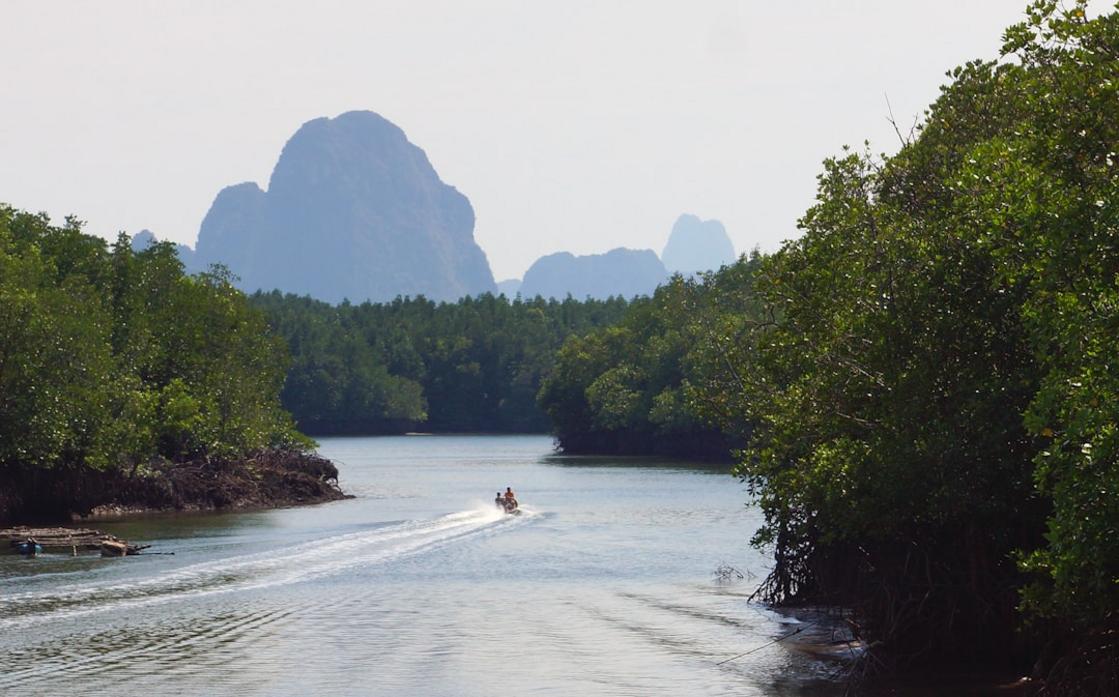
Phimai offers a mix of accommodations primarily centered around the Historical Park and the town center. Staying near the park provides easy access to the temple complex, while options in the town center offer a more local experience with dining and markets close by.
Budget – Near Phimai Historical Park
Hostels and basic guesthouses dominate this tier, providing essential amenities at low prices. Expect shared facilities and a social atmosphere, but limited privacy.
Insider tip: Look for places that offer discounts for longer stays, especially during the off-peak season.
Mid-range – Town center along Ratchadamnoen Road
Family-run guesthouses and small hotels offer comfortable rooms with local charm and personalized service. These typically include breakfast and are well-located for exploring the area.
Insider tip: Request a room with a view of the temple for a unique experience.
Where not to stay
Avoid accommodations along the main road leading to the bus station, as it can be noisy with traffic and late-night arrivals.
Solo female travelers
Choose a guesthouse in the town center where the streets are well-lit and active in the evening, providing a sense of safety.
Book your stay
Booking through these links supports Pack Lightly at no extra cost to you.
Where to eat and drink in Phimai
Phimai’s culinary scene reflects its Isaan roots, with a focus on fresh herbs and local ingredients. The town is known for its unique take on traditional dishes, influenced by the nearby Mekong River and local farming communities.
Must-try dishes
Som Tum (Green Papaya Salad)
A spicy salad made from shredded green papaya, tomatoes, peanuts, and a tangy dressing of lime and fish sauce.
Insider tip: Try it in the afternoon when it’s freshly made; avoid pre-made versions that sit out too long.
Khao Niew Mamuang (Sticky Rice with Mango)
A dessert featuring sweet sticky rice topped with ripe mango slices and drizzled with coconut milk.
Insider tip: Visit in the evening for the freshest mangoes; they sell out quickly.
Larb (Spicy Minced Meat Salad)
A salad made from minced meat (often chicken or pork), mixed with herbs, lime juice, and roasted rice powder.
Insider tip: Order it spicy for an authentic experience; locals often enjoy it with sticky rice.
Local drinks
- Nam Manao (Limeade)Street vendors throughout Phimai serve this popular beverage, especially during hot days.
A refreshing drink made from fresh lime juice, sugar, and water, often served over ice. - Thai Iced TeaCafes near the central plaza offer this classic drink, perfect for cooling off.
A sweetened tea made from strongly brewed black tea, mixed with condensed milk and served over ice.
How to eat like a local in Phimai
Lunch is the main meal of the day in Phimai, so plan to enjoy your biggest meal around noon. Many local eateries close by 3:00 PM, reopening later as bars or snack shops.
Daily budget for Phimai
Phimai offers affordable daily costs compared to larger Thai cities, primarily due to its lower tourist traffic and local prices. Expect to spend less on lodging and food while enjoying cultural experiences.
Shoestring
- lodging – dormitory bed in a guesthouse
- food – street food and local eateries
- transport – local transport or bicycle rental
- activities – entry fees to temples
- buffer – small expenses
Trade-offs: You may miss out on more comfortable lodging and guided tours.
Comfort
- lodging – private room in a guesthouse
- food – meals at local restaurants
- transport – occasional taxi or Grab rides
- activities – guided tours or workshops
- buffer – small expenses
Trade-offs: You might skip some of the more budget-friendly local dining options.
Splurge
- lodging – boutique hotel or upscale guesthouse
- food – dining at higher-end restaurants
- transport – private transport for convenience
- activities – premium tours or experiences
- buffer – small expenses
Trade-offs: You may forgo some local street food experiences in favor of comfort.
Money-saver tip
Use local buses instead of taxis for getting around; they cost about $1 compared to $5 for a taxi.
Splurge that’s worth it
Consider a guided tour of Phimai Historical Park for a deeper understanding of its history and architecture.
Skip to save
Avoid overpriced souvenir shops near the temple; local markets offer better prices and authentic crafts.
Practical tips for Phimai
Money
| Cash or card | Cash is preferred in Phimai, as many places do not accept cards. |
|---|---|
| ATMs | There are ATMs in town that accept foreign cards, but check for fees before withdrawing. |
| Tipping | Tipping is not mandatory, but rounding up the bill or leaving 20-50 THB for good service is appreciated. |
Safety
Phimai is generally safe for travelers, with low crime rates, but always stay aware of your surroundings.
Connectivity
| Mobile data | Mobile data coverage is good in Phimai; consider purchasing a local SIM from AIS or TrueMove. |
|---|---|
| Wi-Fi | Many cafes and guesthouses offer free Wi-Fi, but speeds can vary. |
Language
| Main language | Thai |
|---|---|
| English level | English is spoken at some tourist spots, but proficiency can be limited in local areas. |
Solo female travel
Phimai is welcoming for solo female travelers, with a friendly local atmosphere.
| Neighborhood | Stay near the Phimai Historical Park for easy access to attractions and safety. |
|---|---|
| Transport | Use Grab for safe and reliable transport at night. |
| Meeting people | Visit local cafes where you can meet other travelers and locals. |
Frequently asked questions about Phimai
1Is Phimai worth visiting?
Yes – Phimai offers a unique glimpse into Khmer architecture without the crowds found at larger sites like Angkor Wat.
2How many days do you need in Phimai?
One day is sufficient to explore the Phimai Historical Park and enjoy the local atmosphere. If you have a second day, consider visiting nearby temples.
3What is the rainy season in Phimai?
The rainy season in Phimai typically runs from May to October, with the heaviest rainfall occurring in September and October.
4Do you need a car to visit Phimai?
No – Phimai is easily navigable on foot, and local transport options like tuk-tuks are readily available for short distances.
5What does a day in Phimai cost?
Roughly $30-50 per day. Expect to spend around $10 on food, $5 for entry to the historical park, and $15 for local transport.
6Is Phimai safe for solo female travelers?
Yes – Phimai is generally safe for solo female travelers, especially in the daytime. Stick to well-lit areas at night.
7What is the food like in Phimai?
Phimai features a mix of traditional Thai dishes and local specialties. Don’t miss trying the Isaan-style grilled chicken at local markets.
Hero image: User:Billbeee (CC BY 2.5), via Wikimedia Commons. Other photos via Unsplash and Wikimedia Commons.