


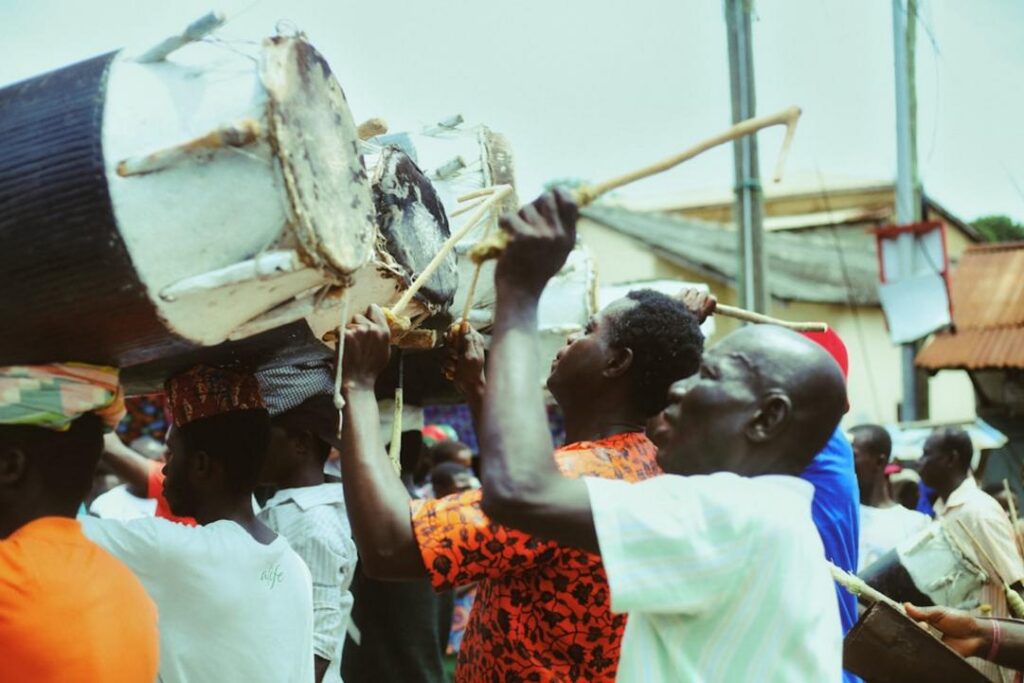
Morning drummers gather at the Gulisi Garifuna Museum plaza, the rhythm echoing through Dangriga’s streets.
Dangriga is the heart of Garifuna culture on Belize’s central coast, with roughly 12,000 residents. Visitors come for the Gulisi Garifuna Museum and the town’s vibrant drum-making tradition. The central plaza hosts daily street life and markets where you can meet local artisans. Located about 40 miles / 65 km south of Belize City, Dangriga offers a focused cultural immersion in a small-town setting. This is where Garifuna heritage lives in music, crafts, and food markets.
Visit the Gulisi Garifuna Museum for cultural context, watch drum makers craft traditional instruments, and explore the lively central market for local life.
Key takeaways
- Gulisi Garifuna Museum open 9:00 AM – 5:00 PM daily, $5 entry (2026).
- Central market active weekdays 7:00 AM – 2:00 PM, best for crafts.
- Drum-making workshops run mornings near the museum, $10 fee.
- Dangriga lies 40 miles / 65 km south of Belize City by road.
- Peak cultural events happen in November during Garifuna Settlement Day.
Why visit Dangriga
Dangriga stands apart from Placencia and Hopkins by centering on Garifuna life, not just beaches. The Gulisi Garifuna Museum anchors this coastal town’s cultural pulse. Walking through the central plaza and drum-making workshops reveals a living heritage rooted in music and storytelling. This is where Garifuna traditions breathe through daily village rhythms, not just festival days.
- Explore the Gulisi Garifuna Museum for deep insight into Garifuna history and identity.
- Visit local drum makers crafting instruments by hand on the town’s outskirts.
- Experience the Garifuna Settlement Day parade in November, a rare cultural moment few outsiders see.
- Skip the beach crowds – Dangriga’s cultural markets and art spaces offer richer afternoons.
Best for
Solo travelers who want to understand Garifuna roots through neighborhood walks and museum visits will thrive here. Those curious about indigenous village life and community crafts find this town rewarding.
Skip if
If you want resort-style beaches or nightlife, head to Placencia instead. Dangriga focuses on culture over party scenes or tourist beaches.
Top things to do in Dangriga
Dangriga’s heartbeat is its Garifuna culture, alive in drum making, storytelling, and daily life. Start with the Gulisi Garifuna Museum to ground yourself in that history before exploring local crafts and community rhythms.
1. Gulisi Garifuna Museum ·
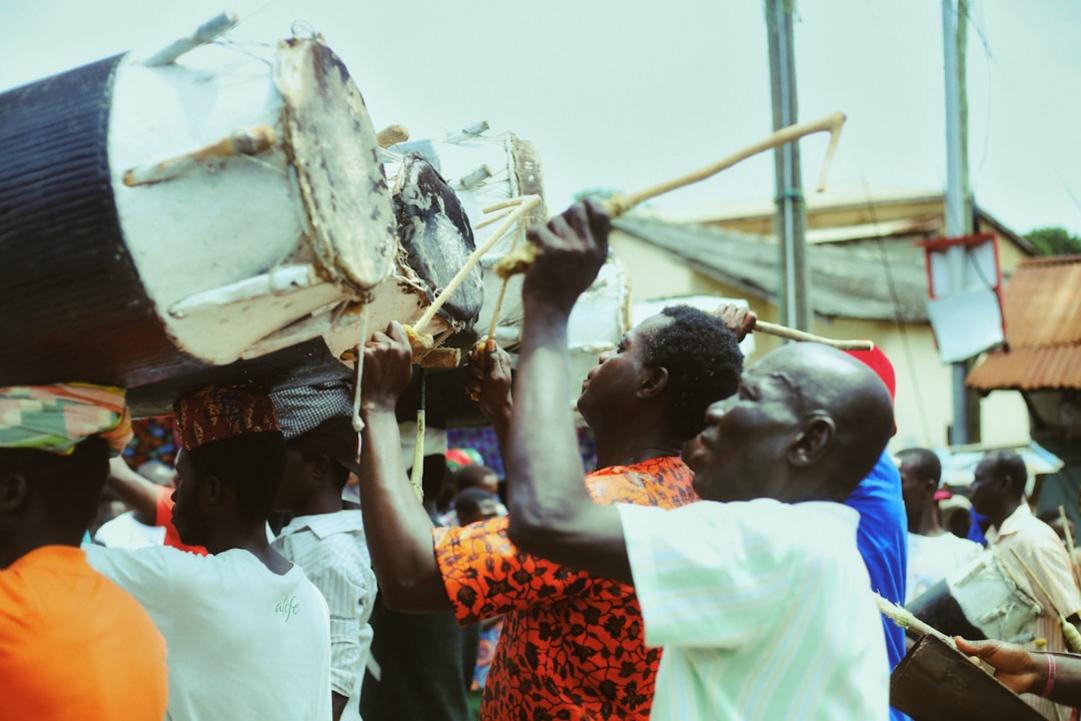
Step inside the center of Garifuna heritage to connect with the people, stories, and rhythms that define Dangriga.
This small museum showcases Garifuna history through artifacts, photos, and audio recordings. You’ll learn about the community’s African-Caribbean roots, language, and music traditions. The staff often shares personal stories that bring the exhibits to life, making it more than a static visit.
This museum offers the clearest cultural introduction, unlike general Belizean museums that overlook Garifuna identity. It’s the best place to understand the town’s soul before wandering elsewhere.
- When: Open weekdays 9:00 AM to 4:00 PM; avoid weekends when it closes or limits access.
- Cost: ~$5, 2026
- Duration: 1 hour
- How to reach: Walk from the town center along the main street toward the waterfront; it’s a five-minute stroll.
Insider tip: If closed
Visit the local drum makers’ workshops nearby to see Garifuna craft skills in action.
2. Garifuna Drum Making Workshops ·
Watch skilled artisans carve and tune traditional drums that define Garifuna music and ceremonies.
Choose one of the licensed guide outfits in town for a hands-on visit to drum workshops. You’ll see craftsmen use local hardwood and animal skins to build drums by hand, then hear live demonstrations. This activity connects you directly to a living craft central to Garifuna identity.
Unlike just buying a souvenir, this workshop experience shows you the cultural significance behind the drums rather than a generic craft market.
- When: Mornings between 9:00 AM and 12:00 PM are best to catch artisans at work before afternoon heat.
- Cost: ~$20, 2026
- Duration: 2 hours
- How to reach: Walk or take a short taxi ride from downtown to the neighborhood known for woodworkers, off George Price Street.
Insider tip: If closed
Attend a live Garifuna drumming session at a local community center or bar in the evening.
Solo female travel: Workshops are daytime and public; solo travelers find the environment welcoming and safe.
3. Dangriga Market Walk ·
Explore the bustling local market where Garifuna food, crafts, and daily life unfold in vivid detail.
Stroll through the central market early morning to see fresh produce, seafood, and handmade goods. Vendors sell traditional Garifuna dishes like hudut and cassava bread. The market buzz offers a direct look at everyday town life and community interactions.
This beats touristy food stalls by immersing you in a working market where locals shop, cook, and socialize.
- When: Arrive between 7:00 AM and 10:00 AM on weekdays when the market is busiest and freshest.
- Cost: Free to browse; meals ~$5-$10
- Duration: 1-2 hours
- How to reach: Walk five minutes from the town center to the main market area near the bus terminal on George Price Street.
Insider tip: If closed
Visit local roadside food stands around the plaza for Garifuna snacks and drinks.
Solo female travel: The market is lively and safe during morning hours; keep belongings secure in crowded spots.
4. Garifuna Cultural Performances at the Waterfront ·
Experience Garifuna music and dance in the place where the culture thrives, alongside the Caribbean Sea.
Several venues near the waterfront host live Garifuna drumming and dancing in the evenings. This is where locals gather to celebrate their heritage with call-and-response songs and traditional dances. The atmosphere is informal, often with open invitations to join the rhythm.
This offers a raw cultural moment compared to staged shows in tourist zones farther away, keeping the vibe authentic and local.
- When: Evenings from 6:30 PM to 9:30 PM, especially Thursday through Saturday nights.
- Cost: Free to ~$10 depending on venue
- Duration: 2-3 hours
- How to reach: Walk from downtown along the main street to the waterfront; the venues are clustered within a 10-minute walk.
Insider tip: If closed
Catch an impromptu drumming circle at a local bar or community hall in town.
Solo female travel: Evening events are well-attended by locals and safe; taxis are readily available for return rides after dark.
5. Short Walk to Hopkins Village ·
Take a cultural stroll to a neighboring Garifuna village known for its community arts and coastal life.
Hopkins, about 20 miles / 32 km south, offers a quieter, arts-driven Garifuna vibe with galleries and beachside eateries. Use this as a day trip to deepen your understanding of regional Garifuna traditions and coastal living. Local colectivos run regularly between Dangriga and Hopkins.
Hopkins provides a complementary view to Dangriga’s urban cultural hub, highlighting village life and artisanship.
- When: Mornings to early afternoon for best travel and daylight; avoid rainy season afternoons.
- Cost: ~$10 round trip by colectivo, 2026
- Duration: Half day
- How to reach: Catch a colectivo minibus from the main bus terminal in Dangriga; the ride takes about 45 minutes.
Insider tip: If closed
Explore more of Dangriga’s local artisan shops and community centers instead.
Solo female travel: Colectivos are common and safe during daytime; avoid late returns after 6:00 PM.
Book tours and tickets
Booking through these links supports Pack Lightly at no extra cost to you.
24 hours in Dangriga
This day plan focuses on uncovering Dangriga’s Garifuna heartbeat through its market, crafts, and music. It suits travelers who want deep cultural context and village life rhythms in a compact visit.
Morning
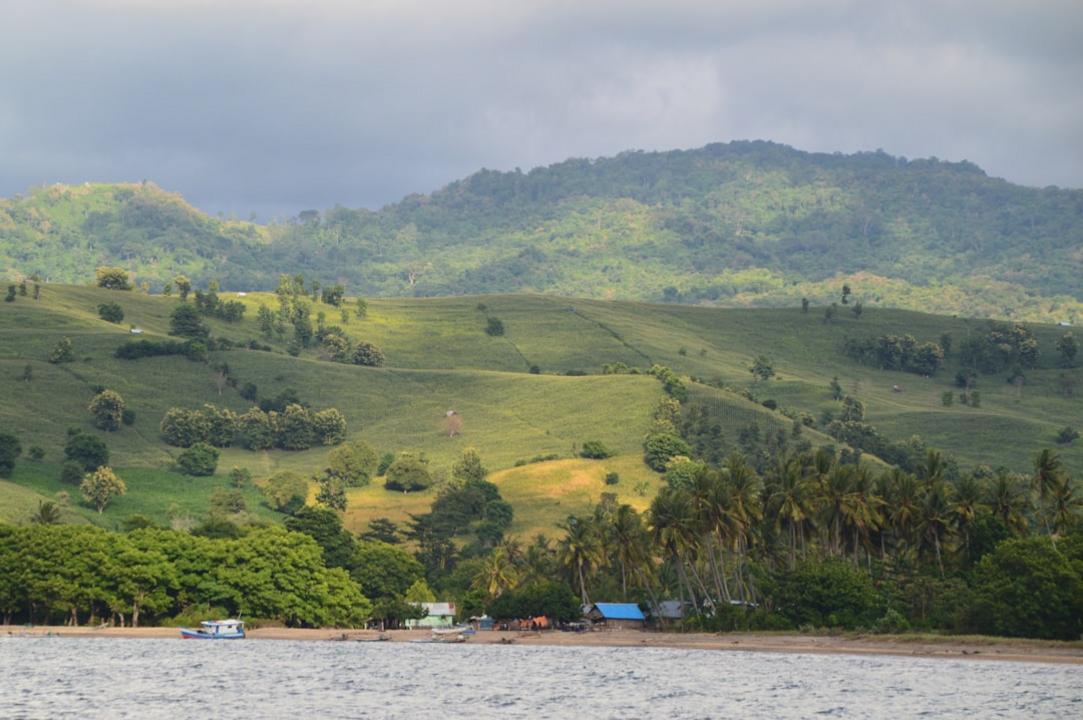
Start at the Dangriga Central Market around 7:30 AM, when vendors lay out fresh produce and Garifuna women sell cassava bread. Follow the market’s pulse into the nearby Gulisi Garifuna Museum by 10:00 AM to understand the community’s origins and traditions through curated exhibits. Pause at a shaded bench outside the museum, where local drum makers often gather, offering a glimpse of the craft that shapes Garifuna identity.
Afternoon
Spend midday walking the streets near the central plaza, visiting workshops where artisans carve drums and weave traditional hats. Grab lunch at one of the small Garifuna eateries serving hudut, a coconut fish stew that delivers local flavor and history in every bite. Afterward, join a guided storytelling session or drum workshop if available, diving into Garifuna music’s role in community life before the afternoon heat peaks.
Evening
Head to the waterfront by 5:30 PM to catch the sunset over the Caribbean Sea, a calm counterpoint to the day’s cultural immersion. Choose a casual seafood spot along the beach road for dinner, where you can savor freshly caught fish with a side of fried plantains. Finish with a slow walk through the town center, where evening rhythms shift to live drumming and informal gatherings, letting you absorb Dangriga’s cultural soul without crowds or rush.
If you have a second day
Add a half-day trip to a nearby Garifuna village to experience daily life beyond town. Alternatively, book a boat tour to explore the coastal mangroves and learn about their importance to Garifuna fishing traditions.
Best time to visit Dangriga
Quick answer
Visit from April to June or October to early December for warm, manageable rain and active Garifuna cultural life.
| Months to go | April to June, October to early December |
|---|---|
| Months to avoid | July to September due to heavy rain and hurricane risk, plus hotter temperatures. |
Dangriga stays warm year-round, with average temperatures between 77°F / 25°C and 84°F / 29°C. The dry season from April to June offers the clearest skies for exploring Garifuna heritage sites and markets. October to early December brings manageable showers that keep crowds low and the cultural rhythms vibrant. Avoid July through September when heavy rain and hurricane risk can disrupt outdoor activities and drum-making workshops. The steady warmth means you can explore the town’s museums and coastal villages anytime, but rain impacts boat tours and outdoor festivals most in late summer.
Average temperature (°F)
Monthly weather
warm dry, cultural visits ideal
dry and calm, low humidity
warm dry, good for walking
warm with light showers
humid, occasional rain breaks
wet but manageable, less crowded
heavy rain, hurricane risk
wettest month, outdoor limits
rain and storms disrupt tours
rain eases, cultural events pick up
drier, good for heritage walks
cooler, festive Garifuna season
How to get to Dangriga
Nearest airport
Philip S.W. Goldson International Airport (BZE), ~60 miles / 97 km northwest
From the airport
Take a shared shuttle or colectivo from the airport’s main terminal to Dangriga for about $25-$35 (2026). Book the shuttle in advance online or at the airport counter for the smoothest ride.
Other ways to arrive
- Belize City, bus or colectivo, ~2 hours, $10-$15 (2026)
- Placencia, bus or taxi, ~1.5 hours, $20-$30 (2026)
- Hopkins village, taxi or colectivo, ~30 minutes, $8-$12 (2026)
Getting around Dangriga
Walking covers most of the compact town and its cultural spots. For farther trips, local colectivos offer cheap, reliable rides and a chance to mingle with locals.
- Walk – best for exploring the Garifuna Museum, drum makers’ workshops, and central plaza, free
- Colectivo – use for trips to nearby beaches or neighborhoods, $1-$3 per ride (2026)
- Taxi – handy for late-night returns or luggage-heavy trips, $5-$10 per ride (2026)
Avoid
Avoid renting a car; many roads are unpaved and locals prefer colectivos or taxis.
Day trips from Dangriga
These trips deepen your connection to Garifuna culture and Belize’s coastal heritage.
Gulisi Garifuna Museum
Explore Garifuna history, music, and crafts in Dangriga’s cultural heart.
Why: It offers context on the people shaping the town’s identity, better than generic museums elsewhere.
Hopkins Village
Experience a vibrant Garifuna fishing village with traditional drumming and coastal life.
Why: Hopkins feels more lived-in and less touristy than Dangriga, with authentic community events.
Skip if: If you prefer to stay immersed in Dangriga’s urban culture.
Mayflower Bocawina National Park
Visit Garifuna-influenced rural villages and hike among waterfalls and forest trails.
Why: It connects Garifuna cultural roots with Belize’s natural environment, away from town bustle.
Skip if: If you want a lighter, more urban-focused itinerary.
Combine Dangriga with
Dangriga fits naturally into a cultural and coastal Belize itinerary focused on Garifuna heritage and Caribbean vibes.
7-day Belize Coast and Culture Loop Belize City → Dangriga → Hopkins → Placencia
This route follows the coast southward, easing transport with colectivos and taxis while layering Garifuna culture with beach time.
10-day Belize Cultural Trail Belize City → Dangriga → Mayflower Bocawina National Park → Punta Gorda
Combine urban Garifuna culture with rural villages and natural parks, moving south to less-visited Garifuna communities.
Where to stay in Dangriga
Compare prices across booking sites on the map below and see which neighbourhood fits your plans.
Dangriga’s lodging splits between the beachside areas near Thibault Park and the walkable old town around Central Park. Beach zones offer calm mornings and Garifuna coastal vibes, while staying downtown puts you steps from the Gulisi Garifuna Museum and local markets.
Budget – Central Park neighborhood
Budget stays mainly include small guesthouses and simple rooms in family homes around the old town. These places give you basic comfort and easy access to local eateries but often lack air conditioning and consistent hot water.
Insider tip: Request a room facing the street near the market for more reliable Wi-Fi and natural light.
Mid-range – Thibault Park beach area
Mid-range options are mostly beachfront cabanas and small boutique hotels that balance local character with comfort. Expect air conditioning, private bathrooms, and a quiet setting near the shore, a short drive from downtown.
Insider tip: Book early for rooms on the north side to catch ocean breezes and avoid the afternoon sun.
Where not to stay
Avoid lodging along the main highway corridor east of downtown where heavy truck traffic and late-night noise disrupt sleep.
Solo female travelers
Choose guesthouses near Central Park with street-facing rooms and local shopfronts; the area stays well-lit after dark with steady foot traffic.
Book your stay
Booking through these links supports Pack Lightly at no extra cost to you.
Where to eat and drink in Dangriga
Dangriga’s food scene centers on Garifuna flavors shaped by Afro-Indigenous heritage along the central Belize coast. Fresh seafood from the nearby fishing port and cassava-based dishes stand out here. The central market is a key spot to find local ingredients and street food deeply tied to Garifuna culture.
Must-try dishes
Hudut (Fish stew with coconut and plantains)
A coconut milk-based stew with fresh fish and mashed green plantains served alongside it.
Insider tip: Try hudut at lunchtime when fish is freshest; avoid tourist spots selling reheated versions.
Cassava Bread
Flatbread made by grating cassava root, pressing it into thin sheets, then baking over a fire.
Insider tip: Get cassava bread early for best texture; it pairs well with fresh fish or beans.
Sopa Marinera (Seafood soup)
A hearty broth of local fish, conch, and shrimp simmered with vegetables and herbs.
Insider tip: Order sopa marinera late morning for the freshest catch; skip places that use frozen seafood.
Local drinks
- Garifuna Coconut Rum PunchTry this at beach road bars or informal Garifuna gatherings where homemade batches are common.
A local punch blending coconut rum with fresh lime, sugar, and a hint of spice. - Cashew WineFind cashew wine at the central market or from local vendors during harvest season.
Fermented drink made from cashew fruit, offering a sweet and tangy flavor unique to the region.
How to eat like a local in Dangriga
Lunch is the main meal in Dangriga, especially around 12:00 – 2:00 PM when family kitchens serve fresh seafood and staples like hudut. Most kitchens close by late afternoon and reopen as casual bars, so avoid dinner hours for traditional meals.
Dietary note
Vegetarian options are limited due to the seafood and meat focus; cassava bread and some vegetable stews can work, but plan ahead for gluten-free needs.
Daily budget for Dangriga
Dangriga’s daily costs sit slightly above Belize’s low-cost average due to its role as the Garifuna cultural hub and limited mid-range lodging options.
Shoestring
- lodging – dorm bed or basic guesthouse room
- food – local street food and small eateries
- transport – shared buses and local taxis
- activities – self-guided museum visits and beach time
- buffer – small emergency or snack fund
Trade-offs: You give up private rooms and guided cultural tours, relying on basic facilities and self-navigation.
Comfort
- lodging – private room in a family-run guesthouse
- food – mix of local restaurants and casual dining
- transport – occasional private taxi rides
- activities – guided visits to the Garifuna museum and drum workshops
- buffer – souvenirs or extra snacks
Trade-offs: You skip high-end dining and upscale accommodations but enjoy reliable comfort and cultural access.
Splurge
- lodging – boutique hotel or beachfront cabana
- food – premium local dishes and drinks
- transport – private driver or car rental
- activities – private cultural tours and artisan workshops
- buffer – spontaneous experiences or tips
Trade-offs: You pay a premium for privacy and exclusivity but may miss more grassroots cultural interactions.
Money-saver tip
Book lodging directly with family-run guesthouses on the main street instead of online platforms to save up to 30% on nightly rates.
Splurge that’s worth it
Invest in a private Garifuna drumming workshop – locals lead it in intimate settings, offering deep cultural insight not available in group tours.
Skip to save
Skip overpriced souvenir shops near the central plaza; instead, buy Garifuna crafts directly from artisans in the neighborhood to avoid tourist markups.
Practical tips for Dangriga
Money
| Cash or card | Carry cash for markets and small vendors; cards work at bigger shops but expect occasional declines or surcharges. |
|---|---|
| ATMs | ATMs in Dangriga accept major foreign cards but often charge ~ $5 per withdrawal; limit withdrawals to reduce fees. |
| Tipping | Tip 10% in restaurants; round up taxi fares by a dollar or two; no tipping expected for street food. |
Safety
Dangriga is straightforward for travelers focused on cultural sites; stay in central areas after dark and avoid isolated streets.
Common scams:
- Overcharging taxi drivers who don’t use meters
- Fake tour guides offering unlicensed cultural tours
Local warnings:
- Strong sun requires sunscreen and hats during midday
- Unpaved roads can be slippery after rain
- Mosquitoes active at dusk; use repellent to prevent bites
Connectivity
| Mobile data | Mobile coverage is solid in town; buy a local SIM from the main providers like Belize Telemedia for best rates. |
|---|---|
| Wi-Fi | Most guesthouses and cafes offer wifi but expect slow speeds and occasional outages. |
Language
| Main language | English |
|---|---|
| English level | English works everywhere in Dangriga; Garifuna and Spanish are common but not necessary for visitors. |
Cultural notes
| Dress modestly when visiting Garifuna religious sites and community centers |
| Ask permission before photographing Garifuna drummers or ceremonies |
| Greet locals with a friendly nod or handshake; avoid controversial topics like politics |
Solo female travel
Solo female travelers find Dangriga welcoming with a relaxed vibe; standard street smarts apply, especially after dark.
| Neighborhood | Stay near the central plaza for easy access to cultural sites and safe evening walks. |
|---|---|
| Transport | Use registered taxis at night rather than hailing on the street; agree on fare upfront. |
| Meeting people | Visit the local cultural center or community events for genuine interaction with Garifuna artists and musicians. |
Frequently asked questions about Dangriga
1Is Dangriga safe for solo female travelers?
Yes, Dangriga is safe for solo female travelers when sticking to central neighborhoods like the town plaza and staying alert after dark. Use registered taxis or rideshares for evening transport.
2How many days do you need in Dangriga?
Book 2 to 3 days to explore Garifuna heritage sites, visit the Gulisi Garifuna Museum, and experience local drumming and crafts. One full day for village walks and markets makes the visit worthwhile.
3Can you actually drink the water in Dangriga?
No, tap water in Dangriga is not safe to drink. Stick to bottled water or filtered water from trusted vendors to avoid stomach issues.
4What is the food like in Dangriga?
Expect Garifuna-influenced seafood and cassava-based dishes, especially hudut and fish sere. Try local street stalls near the central plaza for fresh, affordable meals.
5Is the road to Dangriga reliable during the rainy season?
Yes, the main highway from Belize City to Dangriga remains passable year-round, but heavy rains from June to November can cause occasional slowdowns. Plan extra travel time during this period.
6Where is the nearest airport to Dangriga?
The closest airport is Philip S.W. Goldson International Airport near Belize City, about 40 miles / 65 km away. Shuttle or bus options connect to Dangriga in roughly 1.5 to 2 hours.
7Do people speak English in Dangriga?
Yes, English is widely spoken as Belize’s official language. Garifuna and Spanish are also common, especially in markets and local neighborhoods.
8What should you NOT do in Dangriga?
Avoid wandering into poorly lit or isolated areas after dark, especially outside the central plaza. Skip unlicensed taxis and don’t drink tap water to stay healthy and secure.