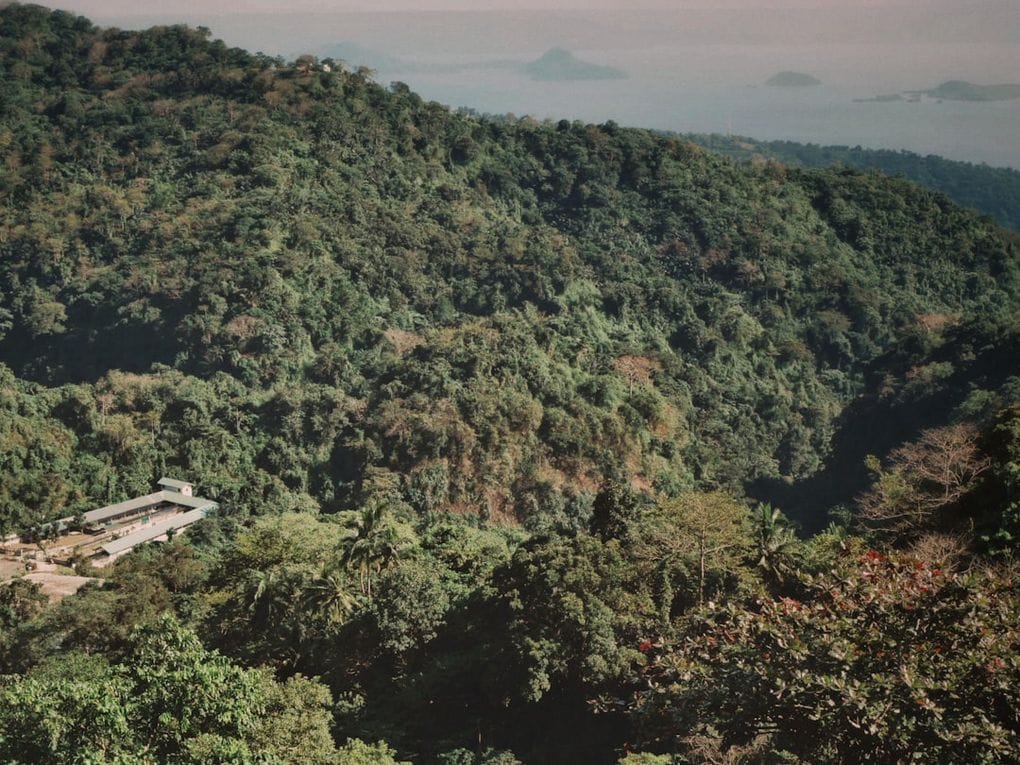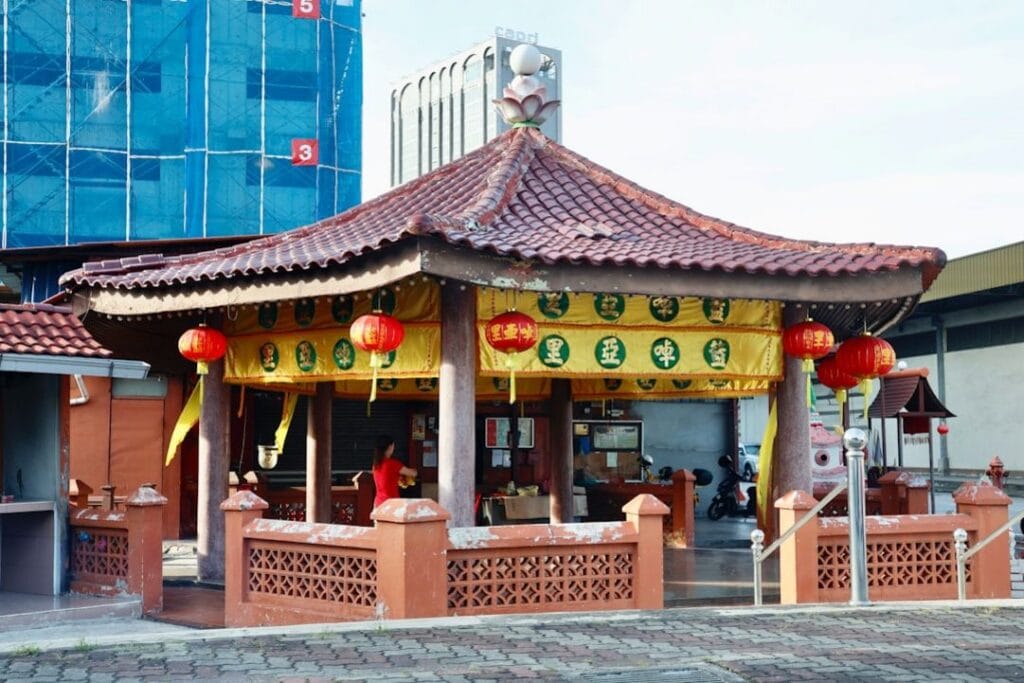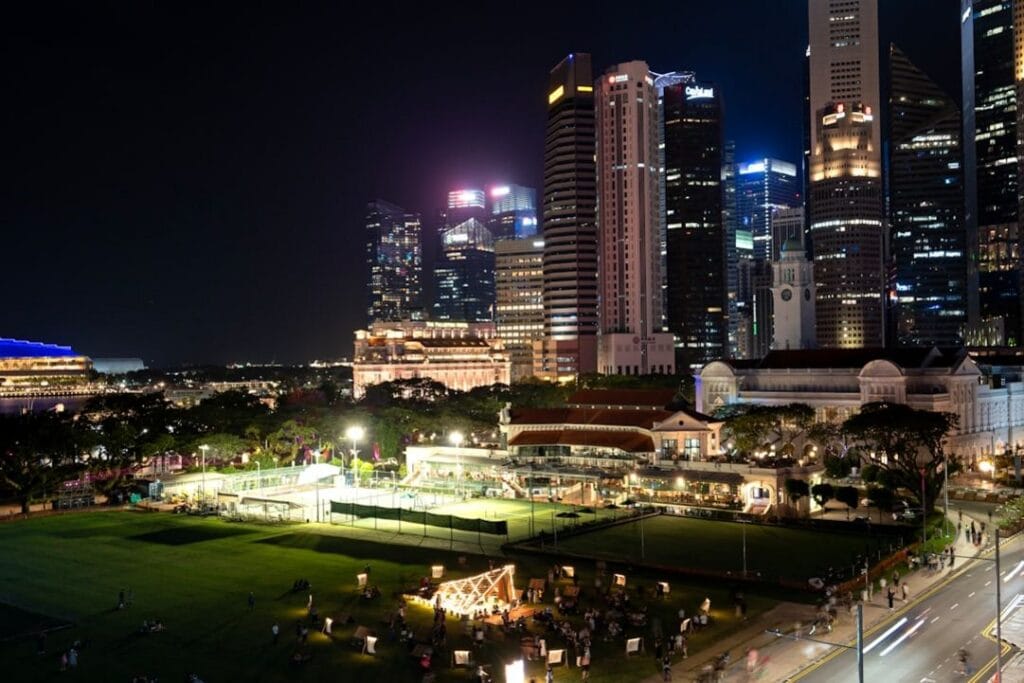


Singapore delivers unmatched ease; China offers unmatched cultural scale and variety.
Singapore wins outright if travel convenience is your priority. The city-state runs on English, has a 95/100 tourist infrastructure score, and offers a simple visa-free entry for U.S. citizens up to 90 days. Its compact size means you can cover major spots like Marina Bay Sands and Chinatown in a day or two without wasting time on long transfers. Expect daily budgets from $150 to $300 depending on your hotel choice. The climate stays steady near 80°F / 27°C year-round but brings heavy rain in November, so plan accordingly.

China demands more planning but delivers unmatched cultural depth and variety. Visa processing for U.S. citizens requires advance application, but daily costs run lower, around $100 to $250 depending on city and style. Beijing’s temperature swings from 20°F / -7°C in winter to mid-80s in summer, so timing matters. The country’s size means you’ll spend hours on high-speed trains or flights between landmarks like the Great Wall, Xi’an’s Terracotta Army, and Shanghai’s Bund. Pack Lightly’s culture score (95/100) reflects China’s unmatched historical sites and food diversity, but expect a language barrier outside major cities.
Insider tip: Singapore’s MRT covers 90% of the city in under 40 minutes, while China’s high-speed trains hit 186 mph but require ticket booking days ahead.
This means Singapore offers the most efficient, English-friendly transport and services for travelers compared to China’s 85/100 score.
Singapore vs China: Key Travel Differences
| Topic | Singapore | China |
|---|---|---|
| Visa requirements | US citizens get 90-day visa-free entry | US citizens must apply in advance, processing takes days |
| Daily budget | $150-$300 for midrange hotels and meals | $100-$250, cheaper outside major cities |
| Language barrier | English widely spoken, official language | Mandarin dominant, limited English outside big cities |
| Transport & infrastructure | MRT covers 90% of city, rides under $1.50 | High-speed trains up to 186 mph, tickets $30-$100 |
| Safety | Pack Lightly safety score 95/100, very low crime | Pack Lightly safety score 80/100, pickpocket risk in crowded areas |
| Best time to visit | February-April, temps 77-83°F / 25-28°C, less rain | April-May, Sept-Oct, Beijing temps 50-75°F / 10-24°C, dry weather |
| Cultural depth | Multicultural city-state, limited historical sites | Ancient sites like Great Wall, Forbidden City, Terracotta Army |
| Accommodation quality | High-end hotels from $150/night, reliable standards | Varies widely, $50-$200/night, quality inconsistent |
| Crowds in peak season | Tourist hotspots busy but manageable, city size limits crowding | Major sites like Great Wall packed, lines over 1 hour |
| Food & cuisine | Hawker centers, $3-$6 meals, diverse Asian options | Street food varies by region, $1-$5 per dish, authentic flavors |

Best for Singapore
- Business travelers needing English and fast city transit
- Couples with $200/day for a 5-day urban convenience trip
- Solo travelers avoiding visa hassle and language barriers
Best for China
- History buffs with 2+ weeks and $150/day budget
- Foodies chasing regional Chinese cuisine under $100/day
- Adventurers ready for complex logistics and diverse climates
Singapore vs China: Clear Travel Picks

- If you want easy visa and English everywhere, choose Singapore. Pack Lightly tourist infrastructure score 95/100.
- If you want deep cultural sites and don’t mind planning, choose China. Pack Lightly culture score 95/100.
- If safety is your top priority, choose Singapore. Pack Lightly safety score 95/100 versus China’s 80/100.
- If budget is tight but you want variety, choose China, daily costs start near $100.
- If you want reliable hotel standards, choose Singapore, hotels average $150+ with consistent quality.
- If you want fast, cheap city transport, choose Singapore. MRT rides under $1.50 cover most areas.
Pack Lightly Scores
11 categories scored from 0 (low) to 100 (high)
Ready to pick your winner?
Use the interactive tool to compare Singapore and China across 11 categories tailored to your travel style. See weighted scores for culture, safety, budget, and more to confirm your best fit.
Cost breakdown

China is cheaper for mid-range travelers by about $50 per day, with daily budgets reflecting local cost differences. Singapore uses SGD (1 SGD = 0.785 USD, 1 SGD = 5.3725 CNY) while China prices are in CNY (1 CNY = 0.1461 USD). Splurge in Singapore on efficient transport and upscale dining; in China, invest in cultural tours and diverse activities that stretch your dollar further.
Daily and meal cost comparison
| Category | Singapore (SGD/USD) | China (CNY/USD) |
|---|---|---|
| Backpacker daily budget | 40 – 60 SGD ($31.40 – 47.10) | 100 – 150 CNY ($14.61 – 21.92) |
| Mid-range daily budget | 120 – 180 SGD ($94.20 – 141.30) | 300 – 400 CNY ($43.83 – 58.44) |
| Luxury daily budget | 350 – 600 SGD ($274.75 – 471.00) | 900 – 1500 CNY ($131.49 – 219.15) |
| Street food meal | 4 – 8 SGD ($3.14 – 6.28) | 10 – 20 CNY ($1.46 – 2.92) |
| Restaurant meal | 20 – 40 SGD ($15.70 – 31.40) | 60 – 120 CNY ($8.77 – 17.53) |
| Local transport (per day) | 10 – 15 SGD ($7.85 – 11.78) | 15 – 30 CNY ($2.19 – 4.38) |
| Activities/tours (average) | 50 – 100 SGD ($39.25 – 78.50) | 150 – 300 CNY ($21.92 – 43.83) |
China wins on price across all budgets, especially mid-range, where daily costs run nearly $50 less than Singapore. Singapore demands a premium for convenience, safety, and polished tourist infrastructure. Pack Lightly budgetFriendly: Singapore 35, China 65. Choose China if budget drives your trip, Singapore if efficiency and comfort justify the spend. Hotels SingaporeHotels China
Pro tip: In China, book local SIM cards at airports for cheaper data than hotel rates.
Watch out: Singapore’s tourist attraction fees add up fast; budget extra for popular spots.
What you’ll eat

Singapore’s street food shines in hawker centers like Maxwell and Lau Pa Sat. Try Hainanese chicken rice for about $3.50 USD or chili crab at $25 USD per portion. China offers vast street food variety from Beijing’s Wangfujing snacks to Chengdu’s spicy skewers, often under $2 USD. Singapore wins for cleanliness and convenience, China for sheer scale and variety.
Vegetarian and halal options are easier to find in Singapore, especially in areas like Kampong Glam. China struggles with halal outside major cities and vegetarian options often lack variety. Gluten-free is tough in both, but Singapore’s international food scene gives it a slight edge.
Alcohol is widely available in both countries, but Singapore’s bars and pubs offer a more consistent experience. Local drinks like Tiger Beer in Singapore and Tsingtao in China are common. China’s baijiu is strong but an acquired taste. Singapore wins for drink culture accessibility and quality.
Dealbreaker foods: China’s stinky tofu and century eggs can shock Western palates; avoid street stalls if unsure. Singapore’s chili crab and durian are divisive but easy to skip. Both countries have alternatives, but China’s bold flavors require an open mind more often.
Food and drink comparison
| Category | Singapore | China |
|---|---|---|
| Signature dish | Hainanese chicken rice ($3.50, Maxwell Food Centre) | Peking duck ($15-$25, Beijing Quanjude) |
| Street food quality | Clean, organized hawker centers with consistent hygiene | Huge variety, less regulated, more adventurous |
| Vegetarian-friendly | Good options in Muslim and Indian quarters | Limited outside big cities, often oily or heavy |
| Restaurant variety | Wide international and local options, easy to find halal | Regional cuisines dominate, less international variety |
| Drink culture | Accessible bars, Tiger Beer, cocktails common | Baijiu and local beers like Tsingtao, less bar culture |
Hainanese chicken rice
Affordable, iconic, and easy to find in clean hawker centers
Insider tip: Skip tourist traps; try Tianjin’s Goubuli baozi for $1.50 each, a real local staple.
Where to sleep

Singapore offers top-tier hotel quality with a Pack Lightly score of 90. Expect polished mid-range hotels in Orchard Road and boutique stays in Tiong Bahru. Budget hostels run $30-$50 USD a night but book early. Hotels Singapore China scores 75 on hotel quality, with solid mid-range options in Shanghai’s French Concession and Beijing’s Dongcheng district. Budget hostels can be as low as $15 USD.
China’s hotel quality varies widely. Tourist hubs like Lijiang and Xi’an have inconsistent standards and unreliable booking platforms. Singapore’s main weakness is high prices in peak seasons, especially around Marina Bay. Both countries require careful booking to avoid scams or poor conditions. Hotels China
For quieter stays, Singapore’s Joo Chiat offers heritage boutique hotels away from crowds. In China, Chengdu’s Jinli neighborhood has charming guesthouses with good value. These areas are less tourist-heavy but still convenient for city access.
See full lodging breakdown by budget
Typical stays by budget
| Type | Singapore | China |
|---|---|---|
| Budget hostels | Basic dorms in Little India, $30-$50 USD/night | Hostels in Beijing Dongcheng, $15-$25 USD/night |
| Mid-range hotels | 3-4 star hotels in Orchard Road, $100-$150 USD/night | Boutique hotels in Shanghai French Concession, $60-$120 USD/night |
| Boutique stays | Tiong Bahru heritage hotels, $150-$200 USD/night | Guesthouses in Chengdu Jinli, $50-$90 USD/night |
| Luxury resorts | Marina Bay Sands and Sentosa resorts, $300+ USD/night | High-end hotels in Beijing CBD, $200-$350 USD/night |
| Alternatives | Serviced apartments in Novena, $120-$180 USD/night | Short-term rentals in Shanghai, $70-$130 USD/night |
Booking tip: Use Agoda or Booking.com with free cancellation; book Singapore stays 2+ months ahead for best rates.
What it actually feels like

Singapore at dawn on Orchard Road is a study in order. Street cleaners work fast, and the air smells faintly of rain and coffee from nearby bakeries.
Beijing wakes early in Dongcheng with cyclists weaving through morning markets and street vendors shouting over the clatter of construction.
Singapore’s strict rules and spotless streets mean you rarely deal with noise or disorder, but expect higher prices everywhere. China throws crowds and chaos at you, especially in transport hubs and tourist sites.
Only China offers multi-day treks through diverse landscapes like Zhangjiajie or the Great Wall, mixing city grit with raw nature. Singapore stays urban and polished, perfect for efficient city breaks.
Singapore highlights
- Gardens by the Bay(Marina Bay): Futuristic Supertree Grove lit at night, plus cooled Flower Dome and Cloud Forest conservatories.
- Chinatown Heritage Centre(Chinatown): Compact museum showing immigrant life with authentic recreated shophouse interiors.
- Marina Bay Sands SkyPark(Marina Bay): 360-degree city views from the rooftop infinity pool observation deck.
- Hawker Centers(Maxwell Food Centre): Affordable, no-frills local eats like Hainanese chicken rice and laksa.
- Sentosa Island(Southern Singapore): Beach, Universal Studios, and Fort Siloso for a quick day of recreation.
China highlights
- The Great Wall at Mutianyu(Beijing outskirts): Less crowded section with restored ramparts and cable car access.
- Forbidden City(Beijing): Massive palace complex with detailed Ming and Qing dynasty architecture.
- Terracotta Army(Xi’an): Thousands of life-size sculptures guarding Emperor Qin’s tomb.
- Li River Cruise(Guilin to Yangshuo): Scenic limestone karst peaks and rural villages along calm waters.
- Shanghai Bund(Shanghai): Colonial-era waterfront with skyline views and historic buildings.
Ideal duration: Singapore: 3 – 5 days, city-state, compact, fast-paced highlights · China: 10 – 14 days, vast country, varied landscapes, multiple cities
What to do in Singapore & China
Singapore
- Explore hawker centers for authentic, affordable local food
- Visit Gardens by the Bay after dark for light show
- Walk Marina Bay Sands SkyPark for skyline views
China
- Hike the Great Wall at Mutianyu early morning
- Book Terracotta Army tickets in advance to skip lines
- Take Li River cruise for scenic countryside views
What to skip in Singapore & China
Singapore
- Skip overpriced shopping malls on Orchard Road
- Avoid Sentosa on weekends due to crowds
- Don’t waste time at touristy souvenir shops
China
- Avoid Beijing’s Tiananmen Square midday crowds
- Skip Shanghai’s Nanjing Road at night for quieter spots
- Don’t rely on English signs outside major cities
Choose based on
- If you want flawless infrastructure and safety, choose Singapore, scores 95 safety, infrastructure
- If you seek cultural depth and nature variety, choose China, culture score 95, nature 85
- If budget matters, pick China, budgetFriendly score 65 vs Singapore’s 35
- If you have under a week, choose Singapore, compact and easy to cover
Singapore trades higher costs and strict rules for unmatched convenience; China demands patience for richer cultural variety.
Real safety picture
Singapore scores a 95 on Pack Lightly’s safety scale, making it significantly safer than China, which scores 80. Solo female travelers will find Singapore more straightforward with fewer harassment reports. China’s size means safety varies widely by city and region. Petty theft and scams exist in both, but Singapore’s strict laws keep crime low. Women traveling alone should exercise more caution in China’s crowded urban areas and avoid poorly lit neighborhoods.
Insurance: Buy cover before you go and it runs the whole trip, with 5% off Heymondo through this link. Check Heymondo travel insurance
See detailed safety factors table
Safety factors compared
| Factor | Singapore | China | Practical tip |
|---|---|---|---|
| Pickpocketing | Rare in central areas; avoid crowded MRT stations like Orchard during rush hour. | Common in Beijing’s Wangfujing and Shanghai’s Nanjing Road; watch bags closely. | Use a money belt and keep bags zipped in busy markets. |
| Tourist scams | Minimal; taxi scams rare due to regulated fares and apps like Grab. | Fake tour guides near the Forbidden City and overcharging taxis are common. | Book tours via official websites and use Didi app for taxis. |
| Solo female traveler safety | Safe to move around at night in most neighborhoods like Marina Bay. | Avoid walking alone late in less busy areas like some Hutongs in Beijing. | Use rideshare apps after dark and stay in well-lit, populated areas. |
| Health risks | Low risk; clean water and excellent healthcare in city-state. | Air pollution spikes in Beijing can affect breathing; tap water is unsafe. | Carry a reusable water bottle and use air quality apps like AirVisual. |
| Road safety | Strict traffic laws; pedestrian crossings well enforced. | Traffic can be chaotic; watch for aggressive drivers in cities like Shanghai. | Cross streets only at marked crosswalks and avoid rush hour traffic. |
| Natural disasters | Rare; occasional heavy rain but no major threats. | Earthquakes possible in western China; typhoons hit southern coasts seasonally. | Check weather alerts on apps like China Meteorological Administration. |
Scam spotlight: Beijing’s Forbidden City entrance area
How it works: Fake guides approach tourists offering cheap tours, then demand high fees or lead to overpriced shops.
How to avoid: Book tours online in advance and ignore unsolicited guide offers.
Watch out: Paying $50+ for unmetered taxi rides in Beijing can ruin your budget fast.
Insider tip: Singapore’s strict fines include hefty penalties for jaywalking, so cross only at signals.
Visa & entry requirements
US citizens do not need a visa for Singapore but must register online within 3 days before arrival. China requires an L-Visa costing $140 with an online form and consulate appointment. Singapore’s visa-free status still demands paperwork via eservices.ica.gov.sg, so plan ahead.
Full visa & entry requirements table
Visa details compared
| Factor | Singapore | China | Practical note |
|---|---|---|---|
| Visa requirement | No visa required for US citizens. | Visa required (L-Visa). | Singapore requires pre-arrival registration despite visa-free entry. |
| Visa type & cost | Visa-free, free of charge. | L-Visa, $140 fee. | China’s visa cost is high; budget accordingly. |
| Application process | Register within 3 days before arrival at eservices.ica.gov.sg. | Complete online COVA form and schedule consulate appointment. | China’s process is slower; start 1 month in advance. |
| On-arrival option | No visa on arrival; registration mandatory beforehand. | No visa on arrival for US citizens. | Do not rely on last-minute visa options. |
| Max stay & extension | 90 days, no extension needed for typical visits. | 60 days per entry; extensions possible but require consulate approval. | Extensions in China take time; plan accordingly. |
Visa rules change frequently; always check official government sites before travel. Secondary systems like Singapore’s SGAC registration can update independently of visa policy. for unexpected delays or issues.
How you’ll move

Singapore is easier to navigate thanks to its compact size and highly integrated public transit. Pack Lightly touristInfrastructure: Singapore 95, China 85. China’s vast geography demands extensive domestic flights and high-speed rail. Inter-island travel is irrelevant in Singapore, while China requires planning for long-distance train rides or flights between provinces.
Compare every transport option side-by-side
Comparing transport modes in Singapore and China
| Mode | Singapore | China | Practical note |
|---|---|---|---|
| Domestic flights | Singapore Airlines, S$100 (~$75) for Singapore to Penang; 1.5 hours | Air China, $90 Beijing to Shanghai; 2.5 hours | Use Skyscanner 2+ weeks ahead for best fares in China; Singapore flights booked via SingaporeAir app. |
| Buses | SBS Transit, $1.50 flat fare across city; frequent and air-conditioned | China National Bus, $5-$20 intercity; variable comfort | Buy tickets on 12306 app for China intercity buses; Singapore buses use EZ-Link card. |
| Trains | MRT subway, $0.90-$2.00 per trip; clean and punctual | China High-Speed Rail, $30-$120 depending on route; Beijing-Shanghai 4.5 hours | Book China trains on 12306 app 30 days in advance; Singapore MRT uses contactless payment. |
| Taxi/ride-hailing | Grab app, $3 base + $0.50 per mile; easy cashless payment | Didi app, $2 base + $0.40 per mile; language barrier possible | Download Grab for Singapore and Didi for China; both apps require phone number verification. |
| Ferries | Singapore to nearby islands, $20 round trip; short rides | Limited urban ferries, mostly in Shanghai and Guangzhou; $2-$5 per ride | Book Singapore island ferries via OneService app; China ferries pay cash or local apps. |
| Scooter rental | Bird and Neuron e-scooters, $1 unlock + $0.30/min; citywide coverage | Mobike electric scooters in limited cities; $0.20/min | Use Grab app for Singapore scooters; Mobike app requires Chinese phone number for China. |
| Bicycle rental | Anywheel bikes, $1 unlock + $0.15/min; extensive bike lanes | Ofo and HelloBike, $0.15/min; crowded urban areas | Use Anywheel app in Singapore; in China, Ofo app needs local SIM and ID verification. |
Singapore is the clear winner for ease and convenience with a Pack Lightly touristInfrastructure score of 95 versus China’s 85. The compact MRT and Grab app make moving around predictable and simple. China’s scale demands more planning and patience, especially booking trains on 12306. For efficient urban travel, Singapore wins hands down. Book transport
App tip: Grab app handles all Singapore rides and scooters with cashless payment and English interface.
Sample routes:
Singapore: Singapore → Sentosa Island, ferry, $4, 15 minutes
China: Beijing → Shanghai, high-speed rail, $90, 4.5 hours
How far English gets you
Singapore is the clear winner for English communication. English is one of its official languages and widely spoken everywhere, including hawker centers and taxis. In China, English is mostly limited to major hotels and airports in cities like Beijing and Shanghai. Outside these hubs, expect little to no English, especially in rural areas or smaller cities. Download Pleco for Chinese translation and offline dictionary support, it’s a lifesaver.
App tip: Pleco (iOS, Android) offers offline Chinese translation and handwriting input for quick communication.
Wifi, data, payments
Singapore offers excellent free public WiFi almost everywhere and fast, reliable mobile data networks. China’s internet is slower and heavily filtered, so prep a VPN before arrival. Mobile data in China can be spotty outside big cities like Shanghai and Beijing. Card payments dominate Singapore with apps like PayNow and GrabPay; China leans heavily on Alipay and WeChat Pay, but cash is still king in rural areas. Grab an eSIM before flying to avoid setup hassle in both countries.eSIM SingaporeeSIM China
eSIM picks:
Singapore: Airalo Singapore eSIM, $10 for 3GB, valid 7 days
China: China Unicom eSIM via Nomad, $20 for 5GB, valid 15 days
Singapore is card-friendly everywhere; China still requires cash in small towns and traditional markets.
When to go

Singapore stays warm year-round with heavy rains mostly in November and December. China’s best months are spring and fall for mild temps and less rain. Singapore’s shoulder seasons are more forgiving thanks to stable heat and fewer extremes.
Full season-by-season climate breakdown
Seasonal Climate Overview
| Season | Singapore | China | Best Pick | Notes |
|---|---|---|---|---|
| Winter (Dec – Feb) | Temps average 79 – 84°F / 26 – 29°C with heavy rain in Dec (16 inches / 406 mm), lighter in Jan and Feb. | Winter is cold, 27 – 32°F / -3 – 0°C, dry with almost no rain, but can be harsh especially in north. | Singapore | Singapore’s warmth beats China’s bitter cold in winter. |
| Spring (Mar – May) | Warm, 82 – 83°F / 28°C, moderate rain rising from 3 to 11 inches / 76 to 279 mm monthly by May. | Mild temps 46 – 72°F / 8 – 22°C, low rain under 2 inches / 51 mm, ideal for outdoor activities. | China | China’s spring is dry and comfortable versus Singapore’s rising humidity. |
| Summer (Jun – Aug) | Hot and humid, 82 – 83°F / 28°C, with moderate rain averaging 4 – 8 inches / 102 – 203 mm monthly. | Hot, 77 – 81°F / 25 – 27°C, heavy rain in July and August (8 – 12 inches / 203 – 305 mm), can disrupt plans. | Singapore | Singapore’s consistent heat and lower rain make summer more manageable. |
| Fall (Sep – Nov) | Warm, 82 – 83°F / 28°C, rain tapers off from 5 to 18 inches / 127 to 457 mm monthly. | Cooler, 55 – 71°F / 13 – 22°C, low rain under 2 inches / 51 mm, perfect for sightseeing. | China | China’s clear, crisp fall beats Singapore’s lingering humidity and rain. |
Climate tip: Visit China in late April or early October for the best mix of weather and crowds.
The call
China wins for culture, nature, and budget, offering diverse experiences beyond cities. Singapore dominates for safety, digital ease, and urban convenience. Choose China if you want cultural depth and value. Pick Singapore for smooth, efficient travel and top-tier infrastructure.
Category Breakdown
| Topic | Winner | Reason |
|---|---|---|
| Budget | China | ~$5.51/day cheaper mid-range travel costs |
| Nature | China | Extensive landscapes and outdoor options |
| Culture | China | Ancient heritage and diverse traditions |
| Cities | Singapore | More organized, cleaner, and easier to navigate |
| Food & drinks | tie | Both offer excellent, varied culinary scenes |
| Accommodation | Singapore | Higher hotel quality and consistency |
| Transport | Singapore | Efficient, reliable public transit system |
| Safety | Singapore | Exceptionally low crime and strict enforcement |
| Crowds | China | More space and less tourist density overall |
| Digital infrastructure | Singapore | Better connectivity and English language support |
China offers cultural depth and value; Singapore delivers unmatched urban ease.
Choose China for budget travelers craving culture and nature. Singapore suits those who want convenience and safety in a city-state.
Weighing other nearby options? See how Thailand compares to Singapore or how Thailand stacks up against China for budget and ease.
Book your trip
Using these links supports Pack Lightly at no extra cost to you.
Your questions, answered
01Which country is cheaper to visit in 2026?
China is cheaper overall. Mid-range daily costs start around $75 in China versus $110 in Singapore. Backpackers will find China easier on the wallet, with $30 – 50 per day compared to Singapore’s $60 – 90. The exact cost gap is $35 daily, favoring China.
02What are the visa requirements for US citizens visiting Singapore and China?
Singapore requires no visa for US citizens but you must register online within 3 days before arrival. China requires an L-visa, costing $140, with a 60-day duration per entry and an in-person consulate appointment. Singapore’s visa process is simpler and free.
03How safe are Singapore and China for solo travelers?
Singapore is safer with a 95 safety score versus China’s 80. Violent crime is nearly nonexistent in Singapore, while China has more petty theft and scams in big cities. Solo travelers get peace of mind in Singapore’s clean, well-policed environment.
04Which country offers better cultural experiences and historical sites?
China wins with a 95 culture score compared to Singapore’s 70. China’s vast history, from the Great Wall to ancient temples, delivers unmatched depth. Singapore offers a modern multicultural vibe but limited historical layers.
05Which country has better nature, hiking, and adventure options?
China dominates nature and adventure with an 85 score against Singapore’s 45. China’s mountains, national parks, and vast landscapes offer serious hiking and outdoor activities. Singapore’s nature is mostly urban parks and small reserves.
06What’s the best time to visit Singapore and China?
Visit Singapore year-round; it’s hot and humid with occasional rain but no real off-season. China’s best months are April to October, avoiding harsh winters and summer heat spikes. For budget travelers, China’s cheapest month is February, after Lunar New Year.
07Can you realistically combine Singapore and China in one trip?
Yes, but plan for at least two weeks. Singapore is a quick, efficient city stay; China demands more time to explore its size and diversity. Flights between Singapore and major Chinese cities like Beijing or Shanghai take about 5 hours.
08Which country has better street food and local cuisine?
Both score 90, but Singapore edges out for convenience and safety. Its hawker centers offer a wide variety of clean, affordable dishes in one spot. China’s food is more regional and adventurous but requires more street-smart navigation.
Insider tip: If you want culture and nature, pick China in spring or fall; for urban ease and food, Singapore any time.