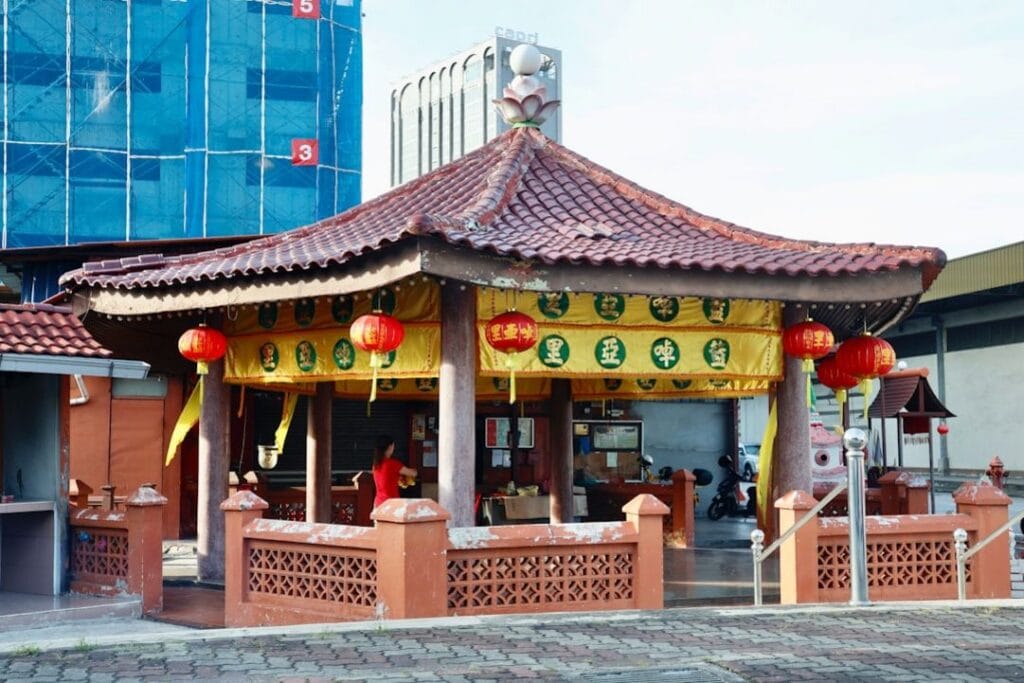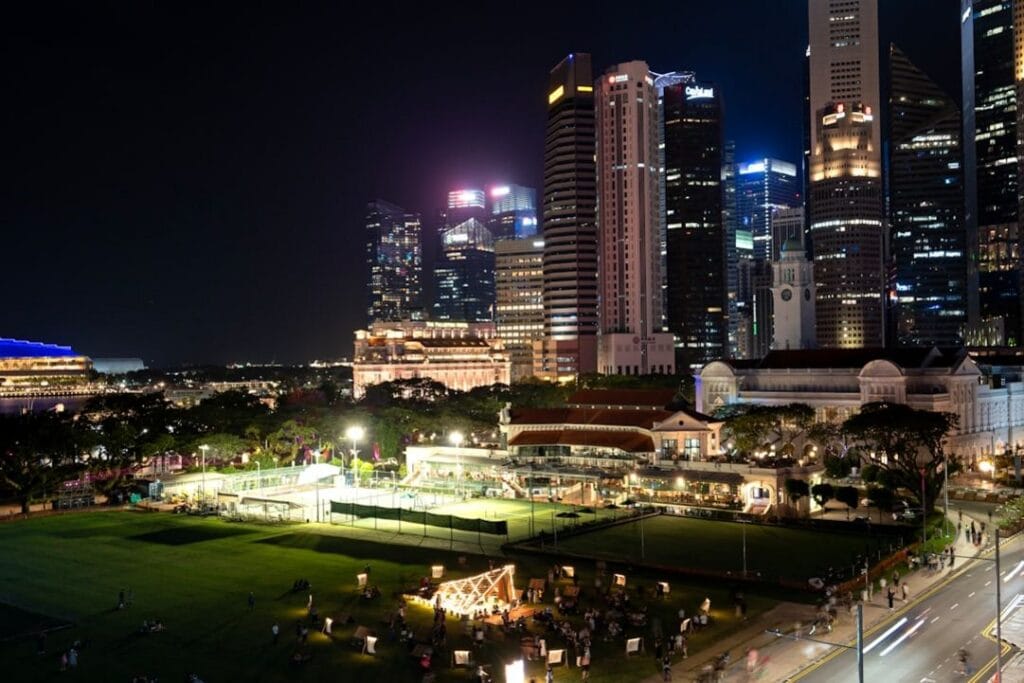


Thailand offers straightforward travel and low costs; China demands more effort but delivers deeper culture.
Thailand beats China on ease and cost for travelers with daily budgets between $100 and $180. US citizens get a 30-day visa exemption on arrival in Thailand, while China requires a visa application ahead, adding time and expense. Bangkok’s average daily temperature stays around 86°F / 30°C in April with a rainy season starting May, but Thailand’s tourist infrastructure scores 90/100, making transport and accommodation simple. Expect $40 to $70 per day for food, lodging, and local transit in Bangkok or Chiang Mai, with white-sand beaches on Koh Lanta offering $30 bungalows. This makes Thailand the clear choice if you want less planning and lower daily expenses.

China demands more logistics but rewards with unmatched cultural depth and varied landscapes. Beijing’s temperature hits 81°F / 27°C in July but drops below freezing in winter, requiring seasonal packing. US travelers must apply for a visa in advance, and navigating language barriers is tougher with fewer English speakers outside major cities. Daily budgets run $80 to $150 in cities like Shanghai and Xi’an, with high-speed trains connecting the Great Wall and Terracotta Army. China scores 95/100 for cultural depth but only 65/100 for relaxed vacation, reflecting the effort needed. If you want history and challenge over ease, China delivers but expect more complexity.
Insider tip: In Thailand, a $2 street dinner in Chiang Mai beats many China meals costing $10+ in tourist areas.
Thailand’s 90/100 infrastructure score means easier transport, booking, and communication for travelers compared to China’s 85/100.
Thailand vs China: Key Travel Differences
| Topic | Thailand | China |
|---|---|---|
| Visa requirements | 30-day visa exemption on arrival for US citizens | Visa application required before arrival, $140+ fees |
| Budget level | $40 – $70/day covers food, lodging, transport | $80 – $150/day needed for similar comfort |
| Transport & infrastructure | Bangkok BTS and taxis, $1 – $3 rides, easy booking | High-speed trains $30 – $100, complex metro systems |
| Language barrier | English common in tourist areas, Thai language | Limited English outside cities, Mandarin dominant |
| Safety | Pack Lightly safety score 75/100, low violent crime | Safety score 80/100, stricter public order enforcement |
| Food & cuisine | $2 street meals in Chiang Mai, seafood on islands | $10+ meals common in tourist cities, regional variety |
| Beach quality | White-sand beaches on Koh Lanta, $30 bungalows | Limited beach options, mostly rocky or crowded areas |
| Cultural depth | Temples and festivals, score 85/100 | Ancient sites like Great Wall, score 95/100 |
| Planning effort | Low effort, easy bookings, 90/100 infrastructure | High effort, visa, language, 85/100 infrastructure |
| Nightlife | Full Moon Party, Bangkok clubs, affordable drinks | Shanghai bars, Beijing clubs, pricier and stricter |

Best for Thailand
- Couples with $70/day for 2-week beach plus city trip
- Solo travelers wanting easy scooter rentals and street food
- Families needing straightforward transport and visa-free entry
Best for China
- History buffs with $120/day for museums and landmarks
- Adventurous travelers ready for visa and language challenges
- Photographers targeting Great Wall and Terracotta Army tours
Key Takeaways for Choosing Thailand or China
- If you want simple visa rules and lower daily costs, choose Thailand, 30-day visa exemption and $40 – $70/day budget.
- If cultural depth and historic sites matter most, choose China. Pack Lightly cultural depth score 95/100.
- If you prioritize safety with fewer hassles, choose China. Pack Lightly safety score 80/100 versus Thailand’s 75/100.
- If ease of transport and booking matter, choose Thailand, tourist infrastructure score 90/100.
- If you want beach time with affordable lodging, choose Thailand, $30 bungalows on Koh Lanta beaches.
- If you accept higher planning effort for richer experiences, choose China, expect visa, language, and transport complexity.
Pack Lightly Scores
11 categories scored from 0 (low) to 100 (high)
Still stuck on timing?
Use the interactive tool to compare Thailand and China by season, budget, and safety. Filter by your travel dates to pinpoint which country fits your schedule and style.
What you’ll actually spend

Thailand is cheaper than China for mid-range travelers by about $20 per day. Thailand uses THB with an exchange rate of 1 THB = 0.0311 USD, while China uses CNY at 1 CNY = 0.1461 USD. Expect to pay more for accommodation and activities in China, but street food stays affordable in both. Pack Lightly budgetFriendly scores: Thailand 85, China 65.
Daily cost comparison
| Category | Thailand (THB / USD) | China (CNY / USD) |
|---|---|---|
| Backpacker daily budget | 480 – 720 THB ($15 – $22.39) | 120 – 180 CNY ($17.53 – $26.30) |
| Mid-range daily budget | 1,600 – 2,400 THB ($49.76 – $74.64) | 300 – 450 CNY ($43.83 – $65.74) |
| Luxury daily budget | 4,800 – 8,000 THB ($149.28 – $248.80) | 900 – 1,500 CNY ($131.49 – $219.15) |
| Street food meal | 40 – 80 THB ($1.24 – $2.49) | 10 – 25 CNY ($1.46 – $3.65) |
| Restaurant meal | 150 – 300 THB ($4.67 – $9.33) | 60 – 120 CNY ($8.77 – $17.53) |
| Local transport (per day) | 60 – 120 THB ($1.87 – $3.73) | 20 – 40 CNY ($2.92 – $5.84) |
| Activities/tours (average) | 500 – 1,200 THB ($15.55 – $37.32) | 150 – 300 CNY ($21.92 – $43.83) |
| Hidden costs (visas, tipping, fees) | Visa Free, tipping rare, occasional park fees | Visa $140 USD, tipping uncommon, entry fees common |
Thailand wins on price for accommodation, transport, and activities. China’s street food is slightly more expensive but offers higher cultural value. Pack Lightly budgetFriendly scores confirm Thailand’s edge: Thailand 85, China 65. Choose Thailand if budget matters; China demands more cash and patience. Hotels ThailandHotels China
Pro tip: Book local guesthouses in Chiang Mai to cut lodging costs sharply.
Watch out: Chinese visa fees and mandatory travel permits add unexpected expenses.
What you’ll eat
Thailand wins street food hands down. Bangkok’s Chinatown offers pad thai for $1.50 and mango sticky rice for $1.20. China’s street food in Beijing, like jianbing at $1.80 or roujiamo at $2, is solid but less varied and often heavier.
Thailand is more vegetarian and halal-friendly. Bangkok and Chiang Mai have clear vegetarian menus and halal options, especially in Muslim neighborhoods. China struggles with gluten-free and halal, and vegetarian dishes are often just tofu or bland vegetables.
Drink culture favors China for variety and strength. Baijiu is potent and common, while Tsingtao beer is widely available for $1.50 a bottle. Thailand’s Singha and Chang beers are lighter and cheaper at $1.20, but alcohol access is easier in China’s cities with more bars and late hours.
Food and drink face-off
| Category | Thailand | China |
|---|---|---|
| Signature dish | Pad Thai, Tom Yum Goong, Mango Sticky Rice | Peking Duck, Jianbing, Roujiamo |
| Street food quality | Highly varied, fresh, vibrant flavors, $1 – $2 per dish | Heavier, less variety, reliable staples, $1.50 – $3 per dish |
| Vegetarian-friendly | Good options, clear menus, halal widely available | Limited vegetarian, rare halal, gluten-free tough |
| Restaurant variety | Wide range from street stalls to high-end | Strong regional cuisines but less street diversity |
| Drink culture | Light beers like Singha, easier alcohol access | Strong spirits like Baijiu, more bar variety |
Pad Thai
Street price under $2, iconic and widely available
Insider tip: Try Khao Soi in Chiang Mai’s Warorot Market for a rich northern Thai noodle dish.
Where to sleep

Thailand offers better hotel quality overall with a Pack Lightly score of 80 versus China’s 75. Bangkok’s Sukhumvit and Chiang Mai’s Nimmanhaemin neighborhoods deliver solid mid-range and boutique options. Hotels Thailand China’s best stays cluster in Beijing’s Sanlitun and Shanghai’s Former French Concession, with good luxury but fewer budget gems. Hotels China
Both countries have weak spots. Thailand’s islands can spike prices and quality drops outside main tourist hubs. China’s budget hotels often lack English support and can be hit-or-miss in smaller cities. Booking platforms like Agoda work well in Thailand; in China, Ctrip is more reliable for local options.
See full lodging breakdown by budget
Sleeping options compared
| Type | Thailand | China |
|---|---|---|
| Budget hostels | Hostels in Bangkok’s Khao San Road, $10 – $20/night | Hostels in Beijing’s Dongcheng, $15 – $25/night |
| Mid-range hotels | 3-star hotels in Sukhumvit, $40 – $70/night | 3-star hotels in Sanlitun, $50 – $80/night |
| Boutique stays | Boutique guesthouses in Chiang Mai, $60 – $100/night | Boutique hotels in Shanghai French Concession, $70 – $120/night |
| Luxury resorts | Beach resorts in Phuket or Koh Samui, $150 – $300/night | Luxury hotels in Beijing CBD, $150 – $300/night |
| Alternatives | Airbnb apartments in Bangkok, $30 – $60/night | Serviced apartments in Shanghai, $60 – $100/night |
Booking tip: Book mid-range hotels in Bangkok’s Sukhumvit via Agoda 2 weeks ahead for best rates.
What it actually feels like

A typical day in Bangkok starts with tuk-tuks zipping through Chinatown’s narrow alleys at dawn. Street vendors grill satay while monks pass by, and the heat rises fast by 9 a.m.
In Beijing, mornings begin with locals practicing tai chi in public parks like Beihai, while the city hums with subway crowds and street markets waking up.
Thailand’s tourist infrastructure smooths your path but expect crowds at major spots. China challenges with language barriers and strict controls but rewards with vast historical depth and urban scale.
Thailand highlights
- Wat Pho at sunrise(Bangkok): Beat crowds to see Reclining Buddha in soft morning light.
- Full Moon Party(Koh Phangan): Beach all-night dance party with DJs and fire shows.
- Floating Market(Damnoen Saduak): Row boats selling fresh food and souvenirs early morning.
- Phi Phi Islands snorkeling(Krabi Province): Clear water and vibrant marine life minutes from shore.
China highlights
- Great Wall at Mutianyu(Beijing outskirts): Less crowded section with cable car and hiking options.
- Forbidden City(Beijing): Explore imperial palace with detailed exhibits and wide courtyards.
- Terracotta Army(Xi’an): Thousands of life-size sculptures buried with an emperor.
- Hutong tour by rickshaw(Beijing): Navigate narrow alleys and traditional courtyard homes.
Ideal duration: Thailand: 7 – 10 days. Enough time for Bangkok, islands, and cultural sites. · China: 10 – 14 days. Required for major cities, historical sites, and travel time.
What to do in Thailand & China
Thailand
- Take a cooking class in Chiang Mai.
- Visit Wat Arun during sunset in Bangkok.
- Explore night markets in Chiang Rai.
China
- Book Great Wall tickets online in advance.
- Try Peking duck at Quanjude restaurant.
- Walk Tiananmen Square early morning.
What to skip in Thailand & China
Thailand
- Skip Pattaya’s walking street nightlife.
- Avoid overpriced tuk-tuk rides in tourist areas.
- Don’t spend more than one day in Phuket town.
China
- Avoid peak hours at Forbidden City entrances.
- Skip shopping at tourist-heavy Wangfujing Street.
- Don’t rely on English signage outside major cities.
Choose based on
- If you want easier travel and friendlier locals, choose Thailand, friendliness score 90.
- If you seek deep history and urban scale, choose China, culture score 95.
- If budget is a priority, choose Thailand, budget friendly score 85.
- If you prioritize city infrastructure and safety, choose China, safety score 80.
Thailand offers smooth, friendly travel with some crowds; China demands effort but delivers unmatched cultural depth.
Real safety picture

China scores higher on safety with an 80 versus Thailand’s 75 on Pack Lightly. Both countries have low violent crime but differ in street-level risks. Thailand’s tourist areas like Bangkok’s Khao San Road attract pickpockets and scams, while China’s urban centers like Beijing are more controlled but have complex traffic hazards. Solo female travelers find China slightly safer but should still avoid poorly lit areas in both countries.
Insurance: Buy cover before you go and it runs the whole trip, with 5% off Heymondo through this link. Check Heymondo travel insurance
See detailed safety factors table
Safety factors compared
| Factor | Thailand | China | Practical tip |
|---|---|---|---|
| Pickpocketing | Common in Bangkok’s Grand Palace area and Chiang Mai markets. | Less frequent but occurs in crowded Beijing subway stations. | Use the Grab app in Thailand and keep bags zipped tight in China’s metro. |
| Tourist scams | Tuk-tuk drivers overcharging near tourist spots like Patong Beach. | Fake tour guides near the Forbidden City offering overpriced services. | Book tours via Klook or official sites, avoid street touts. |
| Solo female traveler safety | Avoid dark alleys in nightlife areas; harassment reported near nightlife zones. | Generally safer but avoid late-night empty streets in Beijing’s hutongs. | Use Didi app for rides after dark in both countries. |
| Health risks | Mosquito-borne illnesses in rural areas; beware street food hygiene in small towns. | Air pollution spikes in winter; tap water not safe to drink anywhere. | Carry mosquito repellent in Thailand; use air quality apps like AQICN in China. |
| Road safety | Chaotic traffic in Bangkok; motorbike accidents common. | Strict traffic laws but jaywalking common; watch for fast scooters in Beijing. | Cross streets only at signals and use helmets on rented bikes. |
| Natural disasters | Flooding during monsoon season (July-October) can disrupt travel. | Earthquake risk in western provinces; minimal in Beijing. | Check weather apps before travel and avoid flood-prone areas in Thailand. |
Scam spotlight: Bangkok’s Grand Palace area
How it works: Tuk-tuk drivers offer cheap tours then demand inflated fees or take you to overpriced shops.
How to avoid: Pre-book tours via official apps like Klook and refuse unsolicited offers.
Watch out: Booking fake train tickets in China can cost $200+ and lead to denied boarding.
Insider tip: Many scams rely on rushed decisions, pause, check official apps, and confirm prices upfront.
Visa costs and entry rules
Thailand offers visa-free entry for US citizens for 30 days under the exemption effective 15 September 2026, but requires mandatory TDAC registration. China requires a $140 L-visa with an online COVA form and consulate appointment. Thailand’s visa-free is not paperwork-free; TDAC can trip up travelers unfamiliar with the system.
Full visa & entry requirements table
Visa and entry comparison
| Factor | Thailand | China | Practical note |
|---|---|---|---|
| Visa requirement | No visa required for 30 days (visa-free). | Visa required (L-visa). | Thailand still needs TDAC registration despite visa-free status. |
| Visa type & cost | Visa-free (30 days), cost: Free. | L-visa, cost: $140. | China’s visa fee is fixed and non-negotiable. |
| Application process | Mandatory TDAC registration at tdac.immigration.go.th. | Online COVA form + consulate appointment required. | Thailand’s TDAC must be done before arrival; China requires in-person consulate visit. |
| On-arrival option | No visa on arrival for US citizens; must register via TDAC. | No visa on arrival; visa must be obtained in advance. | Plan ahead; neither country offers on-arrival visas for US citizens. |
| Max stay & extension | 30 days, extension possible at immigration offices. | 60 days per entry, extensions rare and difficult. | Thailand extensions are straightforward; China extensions require strong justification. |
| Digital entry systems (TDAC/ECD/ETIAS/eTravel) | TDAC mandatory pre-arrival registration via tdac.immigration.go.th. | None. | TDAC adds a layer of paperwork before Thailand entry. |
Visa and registration rules change frequently; always check official government sites before travel. TDAC registration in Thailand can update separately from visa policies.
How you’ll move

Thailand is easier to navigate for most travelers thanks to its tourist-friendly infrastructure and extensive low-cost flights. Pack Lightly touristInfrastructure: Thailand 90, China 85. The biggest difference is China’s vast high-speed rail network versus Thailand’s reliance on budget domestic flights and buses. China covers long distances faster by train, while Thailand’s island geography demands ferries for inter-island travel.
Compare every transport option side-by-side
Transport options compared
| Mode | Thailand | China | Practical note |
|---|---|---|---|
| Domestic flights | Thai AirAsia, Bangkok to Chiang Mai $40, 1h 10m | China Eastern, Beijing to Shanghai $70, 2h 15m | Book Thai AirAsia 2+ weeks ahead on AirAsia app for best deals; China Eastern flights often cheaper on Ctrip. |
| Buses | Green Bus, Bangkok to Hua Hin $10, 3h | Long-distance bus, Beijing to Datong $20, 5h | Use 12Go Asia app in Thailand; in China, use China Bus Ticket app for schedules and e-tickets. |
| Trains | State Railway, Bangkok to Ayutthaya $5, 2h 30m | CRH high-speed, Beijing to Xi’an $80, 4h 30m | Book China high-speed tickets 30 days in advance via Skyscanner; Thailand train tickets sell out less but check 12Go Asia. |
| Taxi / ride-hailing | Grab app, Bangkok rides start $2 | Didi app, Beijing rides start $3 | Grab works all over Thailand with English interface; Didi requires phone number registration but offers English support. |
| Ferries | Lomprayah, Koh Samui to Koh Phangan $15, 1h 15m | Shanghai Ferry, Shanghai to Chongming Island $5, 1h 30m | Book Lomprayah ferries online 1-3 days ahead; Shanghai ferry tickets buy on-site or via official app. |
| Scooter rental | Daily rental $8-$12, deposit $100, common in islands | Electric scooters in major cities $10/day, limited outside | Rent scooters via local shops in Thailand; in China, use Meituan app for electric scooter rentals in cities. |
| Bicycle rental | Bangkok and Chiang Mai, $5/day | Beijing and Shanghai, $6/day via Mobike app | Use Mobike in China for dockless bikes; Thailand mostly local shops, no major app. |
| Budget route, cheapest A-to-B connection | Bus, Bangkok to Pattaya $7, 2h | Bus, Beijing to Tianjin $8, 2h | Book Thailand buses on 12Go Asia 1 day ahead; China buses best booked on China Bus Ticket app. |
Thailand wins for ease and cost, especially if hopping islands or cities on a budget. Grab app’s coverage makes taxis and scooters simple nationwide. China’s high-speed trains dominate long distances but cost twice as much as Thailand’s flights and buses. Pack Lightly touristInfrastructure: Thailand 90, China 85. Book transport
App tip: 12Go Asia covers Thailand and China bookings in one place with English support.
Sample routes:
Thailand: Bangkok → Chiang Mai, flight, $40, 1h 10m
China: Beijing → Shanghai, high-speed train, $80, 4h 30m
How far English gets you
Thailand is easier for English speakers in tourist hubs like Bangkok, Chiang Mai, and Phuket. Street vendors and rural areas will test your patience. China’s English skills drop sharply outside Beijing, Shanghai, and Guangzhou. Expect almost zero English in smaller cities and rural zones. Use translation apps to bridge the gap, especially in China.
App tip: Google Translate for quick offline text and voice translation, available on iOS and Android.
Essential phrases cheat sheet
| English | Thailand | China | When to use |
|---|---|---|---|
| Hello | Sawasdee | Nǐ hǎo | Basic greeting everywhere |
| Thank you | Khop khun | Xièxiè | Polite gratitude |
| How much? | Tao rai? | Duōshǎo qián? | Shopping and bargaining |
Wifi, data, payments
Thailand has reliable free WiFi in cafes and malls but expect spotty coverage in rural spots. Mobile data is fast and affordable with providers like AIS and TrueMove. China has strong mobile networks but limited Google services and blocked apps. Use WeChat Pay or Alipay for most payments in China; Thailand favors cash and credit cards. Grab a local SIM or eSIM to stay connected without drama.
eSIM picks:
Thailand: AIS eSIM, $10 for 5GB, valid 7 days eSIM Thailand
China: China Unicom eSIM, $15 for 5GB, valid 7 days eSIM China
Cash dominates in Thailand’s street markets; China is almost cashless in cities but carry small cash outside.
When to go

Thailand’s best months are December through February for dry, warm weather. China shines in spring and fall when temperatures are mild and rain is low. Thailand offers a more forgiving shoulder season, especially in March and November. China’s summer is hot and rainy, limiting outdoor plans.
Full season-by-season climate breakdown
Seasonal climate overview
| Season | Thailand | China | Best Pick | Notes |
|---|---|---|---|---|
| Winter (Dec – Feb) | Average temps 82 – 86°F / 28 – 30°C, very low rain (5 – 20 mm), dry and warm. | Average temps 27 – 32°F / -3 – 0°C, almost no rain, very cold and dry. | Thailand | Thailand’s warm winter beats China’s freezing cold. |
| Spring (Mar – May) | Temps rise to 86 – 90°F / 30 – 32°C, low rain except May spikes to 270 mm. | Temps warm from 46 to 71°F / 8 to 22°C / 8 to 22°C, light rain increasing in May. | depends | China is comfortable early spring; Thailand’s May is very wet. |
| Summer (Jun – Aug) | Temps 82 – 85°F / 28 – 29°C, heavy rain (160 – 330 mm), monsoon season. | Temps 77 – 81°F / 25 – 27°C, July and August get heavy rain (213 – 300 mm). | tie | Both countries hit by heavy summer rain, plan indoor activities. |
| Fall (Sep – Nov) | Temps cool to 82 – 86°F / 28 – 30°C, rain drops from 294 mm in Sept to 9.5 mm in Nov. | Temps cool from 70 to 32°F / 21 to 0°C / 21 to 0°C, rain drops from 50 mm to almost none. | Thailand | Thailand’s fall dries out quicker, better for outdoor plans. |
Climate tip: Late November in Thailand offers dry weather before high season crowds arrive.

The call
Thailand wins overall for ease, value, and weather for most travelers. It’s cheaper with a $5.51/day mid-range budget advantage and better digital infrastructure. China edges Thailand in culture and cities but demands more time and patience. Choose China if you want history and urban variety and can handle complexity.
Category showdown
| Topic | Winner | Reason |
|---|---|---|
| Budget | Thailand | ~$5.51/day cheaper mid-range costs overall |
| Nature | tie | Both offer strong natural attractions |
| Culture | China | Richer historical sites and cultural depth |
| Cities | China | More diverse and modern urban experiences |
| Food & drinks | Thailand | Better street food variety and accessibility |
| Accommodation | Thailand | More options and better value for mid-range |
| Transport | Thailand | Simpler and cheaper travel logistics |
| Safety | tie | Both safe with standard travel precautions |
| Crowds | China | Less tourist saturation outside major spots |
| Digital infrastructure | Thailand | More reliable internet and English support |
Thailand wins for travel ease, budget, and weather; China wins for culture and cities.
Thailand suits first-timers and solo travelers seeking ease and value. China fits culture-focused travelers ready for a challenge.
Book your trip
Using these links supports Pack Lightly at no extra cost to you.
Your questions, answered
01Which country is cheaper to visit in 2026?
Thailand is significantly cheaper than China. Mid-range daily budgets run about $55 in Thailand versus $95 in China, a $40 daily gap. Backpacker budgets show similar savings, making Thailand the budget winner.
02What are the visa requirements for US citizens visiting Thailand and China?
Thailand offers a visa-free stay of 30 days under the exemption effective 15 September 2026, with a mandatory online TDAC registration, free of charge. China requires a $140 L-visa with an online COVA form and consulate appointment, valid for 60 days per entry.
03Which country is safer for solo travelers?
China scores slightly higher on safety for solo travelers (80 vs. Thailand’s 75). Expect fewer petty scams and better infrastructure, but be ready for language barriers and stricter rules.
04Which country is safer specifically for female travelers?
Thailand is safer and friendlier for solo female travelers, scoring 90 in friendliness compared to China’s 65. Street harassment is less common and tourist areas are better prepared.
05What is the best time to visit Thailand vs China?
Visit Thailand between November and February for dry, cooler weather and beach conditions. China’s best window is April to May and September to October, avoiding extreme cold and summer heat.
06Which country offers better street food and local cuisine?
Thailand leads with a 95 food and drinks score, famous for street food markets and affordable authentic dishes. China is close at 90 but requires more effort to find consistent quality street eats.
07Can you realistically combine Thailand and China in one trip?
Yes, but expect a jump in complexity. Thailand is laid-back and tourist-friendly, China demands more planning with visas, language, and transport. Combine if you want contrasting experiences in one trip. If Thailand alone is the plan, see how it stacks up against Vietnam for a different Southeast Asia contrast, or check China vs Taiwan if urban depth matters more than mainland scale.
08What is the cheapest month to visit each country?
Thailand’s cheapest month is September, when monsoon rains lower prices but some beaches remain accessible. China’s cheapest month is December, off-peak with cold weather but big discounts on hotels and flights.
Insider tip: Thailand’s visa-free entry and friendliness make it the better choice for short trips under two months.