


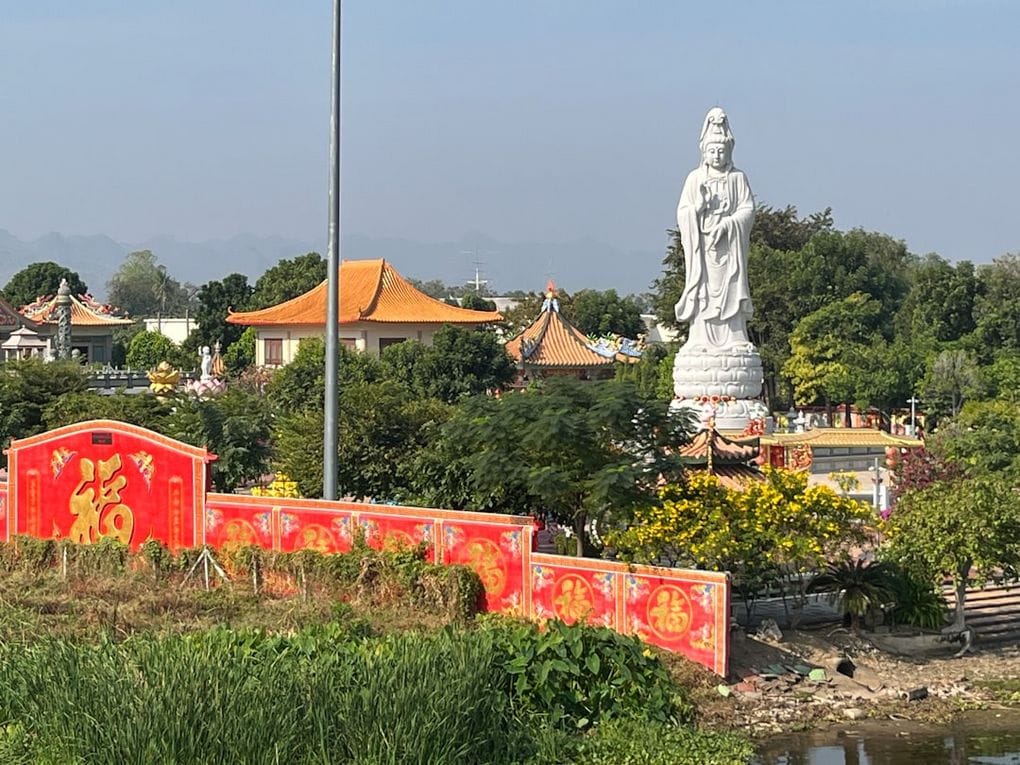
The salty breeze mixes with boat engines at Tonsai Bay harbor, where limestone cliffs rise sharply from the water.
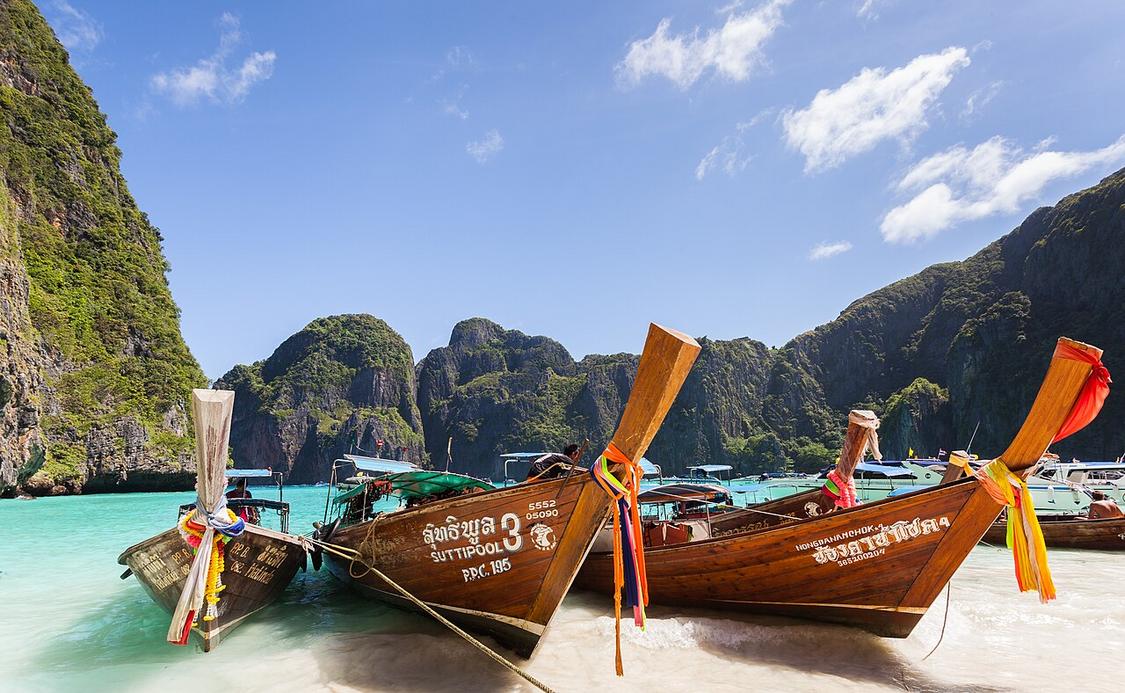
Koh Phi Phi is a dramatic limestone island group in the Andaman Sea, known for its steep cliffs and clear water. Visitors come mainly for the viewpoint hike and longtail boat trips to Maya Bay, located about 30 minutes from Tonsai Village. The island’s main zones are Tonsai Village, the hub for accommodation and nightlife, and Loh Dalum Bay, where most beach activities happen. The island is busy and touristy, especially in peak season, which means quieter alternatives like nearby Bamboo Island offer better snorkeling. The limestone bays and viewpoints reward effort with views you won’t find on neighboring islands, but expect crowds and higher prices in the village. Plan your days around early starts to beat the heat and the crowds.
Hike the Koh Phi Phi viewpoint for panoramic limestone bay views, take a longtail boat trip to Maya Bay for snorkeling, explore Shark Point dive sites, and kayak around Loh Dalum Bay for active water time.
Key takeaways
- Book the viewpoint hike early morning to avoid midday heat and crowds.
- Reserve Maya Bay boat trips in advance; expect ~$25 round trip, 2026.
- Stay in Tonsai Village for easy access to dive shops and nightlife.
- Rent kayaks at Loh Dalum Bay for $10/hour to explore limestone bays.
- Avoid peak season (December – March) for lower prices and fewer tourists.
- Dive operators near Tonsai Village offer 2-tank morning dives starting at ~$90.
- Carry cash; many small vendors and dive shops do not accept cards.
Why visit Koh Phi Phi
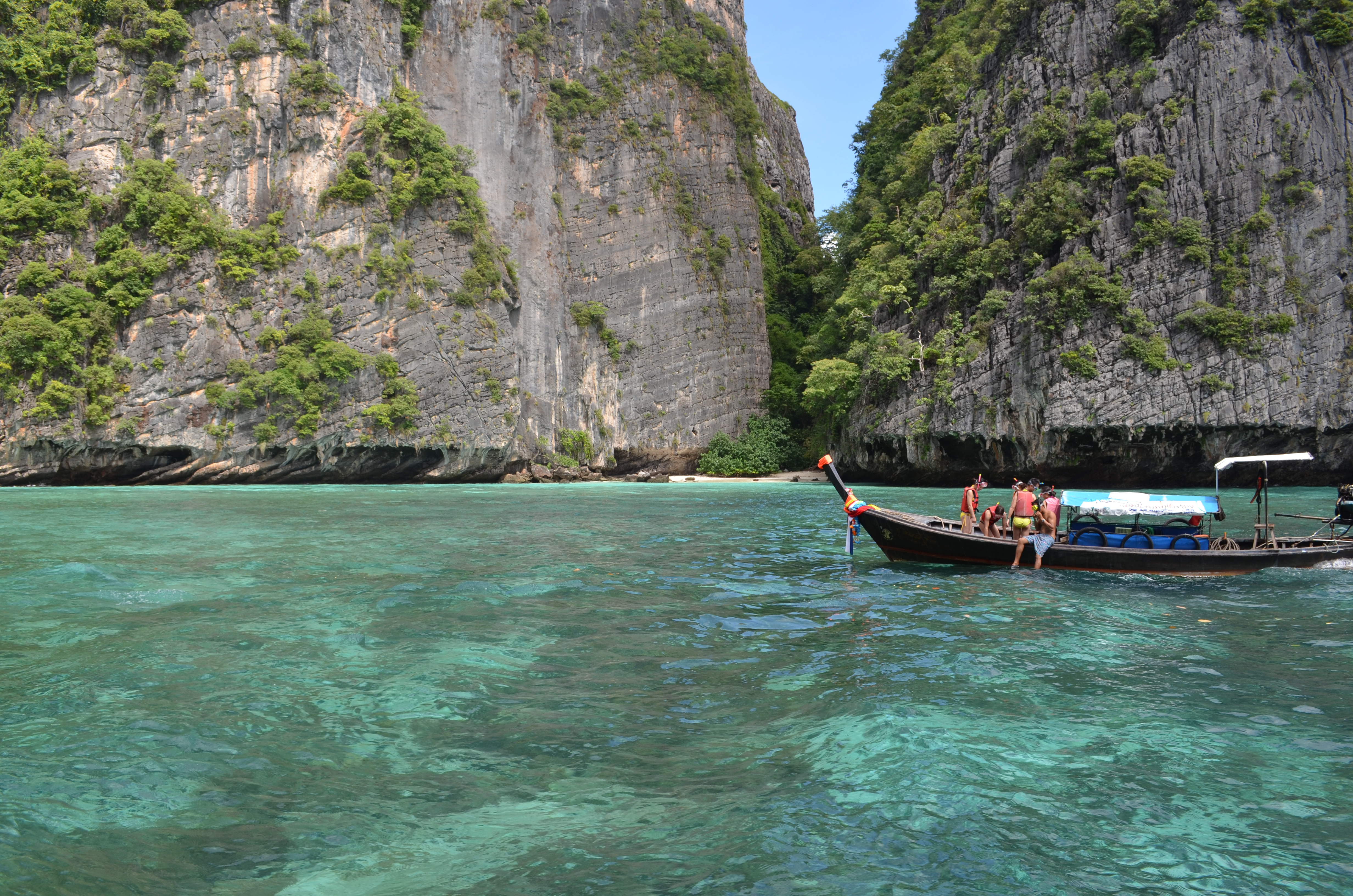
Koh Phi Phi stands out from Phuket and Krabi by combining dramatic limestone cliffs with a compact island layout centered on Tonsai Village. The viewpoint hike rewards you with panoramic views over the limestone bays that define the island’s silhouette. Unlike Phuket’s sprawling resorts or Krabi’s mainland beaches, Koh Phi Phi’s natural features shape every activity, from snorkeling near Viking Cave to day trips around Maya Bay. The island’s small size means you spend less time traveling and more time on adventure, whether diving or climbing to viewpoints.
- Tonsai Village’s dense cluster of dive shops caters to serious divers, not resort-level beginners.
- The steep viewpoint hike offers a quick, intense workout with one of the best island panoramas in the Andaman Sea.
- Longtail boats run frequent trips to Maya Bay, but early departures avoid the midday crowds and maximize snorkeling time.
- Unlike Phuket, Koh Phi Phi’s nightlife centers on beach bars, not large clubs, keeping evenings casual and social.
- Many guides overlook that the island’s limestone bays create unpredictable currents; local dive shops adjust schedules accordingly.
Best for
You will appreciate Koh Phi Phi if you want active days filled with diving, snorkeling, and hiking, with evenings to recover in lively but manageable beach bars. Solo travelers and small groups who prioritize consistent swell and reef health over luxury resorts will find the island’s rhythm suits their pace.
Skip if
Skip Koh Phi Phi if you want a quieter, less touristy base or upscale amenities; Krabi offers calmer beaches and more varied accommodation options.
Top things to do in Koh Phi Phi
1. Viewpoint Hike ·
Climb the steep trail to the Phi Phi viewpoint for a rewarding 360-degree panorama of the limestone bays and beaches.
Start the hike from the trailhead near the Tonsai Village pier, ascending a steep path through dense jungle and limestone cliffs. The trail leads to two main viewpoints overlooking Loh Dalum Bay and the twin bays of Phi Phi Don. The panoramic views reveal the dramatic limestone karsts and turquoise waters that define the island’s geography. The climb takes about 30-45 minutes, with some uneven steps and loose rocks, so sturdy shoes are recommended.
This hike offers the clearest, most comprehensive view of the limestone bays compared to other lookouts on the island, which are either less accessible or less panoramic.
- When: Early morning before 9:00 AM to avoid midday heat and crowds, or late afternoon around 4:00 PM for softer light and cooler temperatures; avoid midday sun from March to May.
- Cost: Free
- Duration: 1-1.5 hours round trip
- How to reach: Walk from the center of Tonsai Village along the main pier area to the trailhead near the southern end of the village; the path is well marked.
Insider tip: If closed
Explore the coastal walk along Loh Dalum Bay for scenic views without the climb.
2. Longtail Boat Trip to Maya Bay and Nearby Limestone Bays ·
Take a longtail boat tour to Maya Bay and surrounding limestone bays for snorkeling and dramatic scenery away from the crowds.
Book a half-day longtail boat tour departing from Tonsai Pier that navigates through the limestone cliffs to Maya Bay, famous for its steep cliffs and clear water. The tour usually includes stops at nearby bays like Loh Samah Bay and Pileh Lagoon for snorkeling over coral reefs and spotting tropical fish. Operators are mostly family-run boats or licensed tour outfits offering small-group trips that avoid the large party boats. The boat ride itself offers close-up views of limestone formations and secluded beaches. Book on GetYourGuide.
This trip beats the crowded speedboat tours by using smaller boats that access quieter spots around Maya Bay and the limestone bays, giving a more intimate snorkeling and sightseeing experience.
- When: Morning departures between 8:00 AM and 10:00 AM avoid the afternoon tourist rush and offer calmer seas; best from November to April when the sea is calmest.
- Cost: ~$30-$40, 2026
- Duration: Half day
- How to reach: Book at any dive or tour shop in Tonsai Village; boats depart directly from Tonsai Pier.
Insider tip: If closed
Snorkel at Hin Klang or Shark Point, which are accessible by short boat rides and less affected by weather.
Solo female travel: Choose licensed operators with good reviews; boats typically carry small groups, which helps with personal safety and comfort.
3. Snorkeling at Hin Klang and Shark Point ·
Explore vibrant coral reefs and spot blacktip reef sharks on snorkeling trips to Hin Klang and Shark Point.
Join a snorkeling tour from Tonsai Pier that heads to Hin Klang and Shark Point, two reef sites known for clear water and abundant marine life. Hin Klang offers colorful coral gardens and schools of tropical fish, while Shark Point is famous for frequent sightings of harmless blacktip reef sharks in shallow water. The sites are accessible by longtail boats or speedboats operated by local dive shops. Snorkeling gear is usually provided, and guides point out marine species along the way. Book on GetYourGuide.
These sites provide reliable shark sightings and coral diversity without the crowds found at Maya Bay, making them better for focused snorkeling sessions.
- When: Morning tours starting around 8:00 AM offer the best visibility and calmer water; avoid monsoon season from May to October due to rough seas.
- Cost: ~$25-$35, 2026
- Duration: Half day
- How to reach: Book at dive shops or tour operators in Tonsai Village; boats depart from Tonsai Pier.
Insider tip: If closed
Try snorkeling around the shallow reefs near Loh Dalum Bay, accessible by kayak or short swim.
Solo female travel: Opt for small-group tours from reputable dive shops; these operators maintain safety standards and provide experienced guides.
4. Scuba Diving at Bida Nok and Bida Nai ·
Dive the famous Bida Nok and Bida Nai sites for dramatic limestone walls, swim-throughs, and abundant marine life.
Book a two-tank dive trip with one of the licensed dive shops in Tonsai Village to Bida Nok and Bida Nai, two iconic dive sites near Phi Phi Leh. These sites feature vertical limestone walls, swim-through caves, and coral-covered pinnacles teeming with reef fish, turtles, and occasional reef sharks. The dive operators provide full gear rental and certified instructors for all levels. The boat ride to the sites takes about 30 minutes, offering views of the limestone karsts en route. Book on GetYourGuide.
Bida Nok and Bida Nai offer more dramatic underwater topography and marine diversity than the shallower reefs around Phi Phi Don, making them the top choice for serious divers.
- When: Morning dives starting between 8:00 AM and 9:00 AM provide the best light and calm seas; dive season runs November through April for optimal conditions.
- Cost: ~$90-$120, 2026
- Duration: Half day
- How to reach: Book at dive shops in Tonsai Village; boats depart from Tonsai Pier.
Insider tip: If closed
Dive sites around Phi Phi Don offer easier access but less dramatic underwater terrain.
Solo female travel: Choose dive shops with strong safety reputations and female dive instructors if preferred; small group sizes improve comfort.
5. Kayaking Around Loh Dalum Bay ·
Paddle a kayak around Loh Dalum Bay to explore hidden coves and limestone cliffs at your own pace.
Rent a single or double kayak from one of the beachside rental stands on Loh Dalum Beach and paddle around the bay’s limestone cliffs and small coves. The calm waters allow you to explore quiet spots inaccessible by larger boats, with opportunities to stop for snorkeling or beach breaks. Kayaking gives a hands-on way to experience the island’s geology and marine environment without the crowds. Rentals are hourly, and the bay is sheltered from strong currents, making it suitable for intermediate paddlers.
Kayaking offers a flexible, self-directed way to explore the limestone bays without relying on tours, unlike longtail boat trips that follow fixed routes.
- When: Early morning or late afternoon to avoid midday heat and wind; best from November to April when seas are calm.
- Cost: ~$10-$15 per hour, 2026
- Duration: 1-3 hours
- How to reach: Walk to Loh Dalum Beach from Tonsai Village center; kayak rentals are available along the beachfront.
Insider tip: If closed
Take a longtail boat tour to nearby bays for a guided experience if kayaking is not possible due to weather.
Solo female travel: Avoid paddling alone after sunset; rental shops close by 5:00 PM and provide basic safety gear.
6. Sunset at Laem Tong Beach ·
Head to Laem Tong Beach for a quieter sunset spot framed by limestone cliffs and fewer crowds than the main beaches.
Laem Tong Beach sits on the northern tip of Phi Phi Don, offering a peaceful setting away from Tonsai’s bustle. The limestone cliffs frame the bay, creating dramatic silhouettes as the sun dips below the horizon. You’ll find fewer people here, making it easier to claim a spot on the sand or a nearby rock for sunset photos. The beach is accessible by a short boat ride or a longer hike from the main village.
This spot beats the crowded Tonsai Beach sunset scene, giving you space and a better view of the limestone formations. Skip the main beaches if you want a calmer vibe.
- When: Arrive around 5:30 PM to catch the full sunset, best from November to April when skies are clearer.
- Cost: Free
- Duration: 1-2 hours
- How to reach: Take a longtail boat from Tonsai Pier or hike the trail from Loh Dalum Bay through the jungle, which takes about 45 minutes.
Insider tip: If closed
Watch sunset from the viewpoint near Tonsai Village if boat services are unavailable or the trail is closed.
7. Night Snorkeling with Bioluminescence ·
Join a night snorkeling trip to witness bioluminescent plankton lighting up the water around Phi Phi’s reefs.
Night snorkeling tours depart from Tonsai Pier after dark, taking you to shallow reefs where bioluminescent plankton glow with every movement. Expect a small group led by a licensed guide who provides gear and safety briefing. The water lights up in blue sparks as you swim, creating an otherworldly effect against the dark sea. This activity requires basic swimming skills and a willingness to get in the water at night. Book on GetYourGuide.
Unlike daytime snorkeling, this offers a rare chance to see bioluminescence without the crowds at Maya Bay or Loh Samah Bay, which are off-limits after sunset.
- When: Book tours between November and April, starting around 7:30 PM when it’s fully dark and plankton activity peaks.
- Cost: ~$40-$60, 2026
- Duration: 2-3 hours
- How to reach: Meet at Tonsai Pier in Phi Phi Village; operators run boats directly from here.
Insider tip: If closed
Try a late afternoon snorkel at Shark Point or Hin Klang instead if night tours are canceled due to weather.
Solo female travel: Join group tours with reputable operators who maintain small groups and provide life jackets for extra security.
8. Hiking to Nui Beach ·
Take the short but steep hike to Nui Beach for a secluded bay with good snorkeling and fewer visitors.
The trail to Nui Beach starts near Tonsai Village and climbs steeply through jungle and limestone outcrops. The hike takes about 30 minutes and rewards you with a small, quiet bay ringed by cliffs. The water here is clear with coral patches close to shore, making it ideal for snorkeling without the crowds of Loh Dalum or Long Beach. Nui Beach has a few rustic beach shacks but no large resorts, preserving its low-key vibe.
Nui Beach offers a more private snorkeling spot compared to Long Beach, which gets busy midday with day-trippers and boats.
- When: Go early morning between 7 AM and 10 AM to avoid the heat and afternoon boat traffic.
- Cost: Free
- Duration: 2-3 hours
- How to reach: Walk from Tonsai Village via the marked trail past the viewpoint; the path is steep but well-trodden.
Insider tip: If closed
Snorkel at Long Beach or Ao Lo Dalam if the trail is closed or slippery after rain.
Solo female travel: Avoid hiking alone after dark; the trail is unlit and can be slippery when wet.
9. Visit Viking Cave ·
See the famous Viking Cave on a boat trip to learn about its ancient wall paintings and swiftlet nests harvesting.
Viking Cave lies on Phi Phi Leh’s northeastern coast and is accessible only by boat. Licensed tour operators include it on half-day trips around the island group. The cave walls feature ancient red ochre paintings resembling Viking ships, though their origin is debated. The cave is also a harvesting site for edible bird’s nests, a local delicacy. Boats circle the cave but do not enter due to conservation rules, so expect to view it from the water. Book on GetYourGuide.
This cave is a quick stop on boat tours and offers a glimpse into local history and economy, unlike other natural stops focused on snorkeling or beaches.
- When: Morning tours between 8 AM and 11 AM avoid afternoon winds and choppier seas.
- Cost: ~$25-$40, 2026
- Duration: 2-3 hours
- How to reach: Book a boat tour departing from Tonsai Pier; the cave is part of most half-day island circuits.
Insider tip: If closed
Visit the nearby Maya Bay viewpoint hike if boat access to Viking Cave is restricted.
10. Rock Climbing on Tonsai Beach ·
Try beginner to intermediate rock climbing on the limestone cliffs around Tonsai Beach, a hotspot for climbers.
Tonsai Beach hosts several climbing schools offering guided climbs on limestone cliffs ranging from easy to intermediate routes. Rental gear and instruction come standard, making it accessible even if you’ve never climbed before. The climbs overlook the bay, providing views of the turquoise water and nearby islands. Sessions typically last a few hours and include safety briefings, making it a solid half-day adventure. Book on GetYourGuide.
This is the only climbing area on Phi Phi with established routes and professional guides, unlike informal bouldering spots elsewhere on the island.
- When: Climb in the morning from 7 AM to 11 AM to avoid afternoon heat and sea breezes that can make climbing slippery.
- Cost: ~$50-$70, 2026
- Duration: 3-4 hours
- How to reach: Walk from Tonsai Village to the climbing base near the southern end of Tonsai Beach; it’s a 5-10 minute stroll.
Insider tip: If closed
Try snorkeling at Shark Point or diving if climbing conditions are unsafe due to rain or wind.
Solo female travel: Book climbs with reputable operators who provide female guides or small groups for added comfort.
11. Visit Phi Phi Don Village Market ·
Explore the local village market for fresh seafood and street food, a good break from active days on the water.
The village market in Tonsai Village runs daily with stalls selling fresh seafood, tropical fruits, and Thai street food. It’s a lively spot to grab grilled squid, papaya salad, or coconut ice cream between dives or surf sessions. The market also offers local snacks and inexpensive drinks, making it a practical stop for refueling. It’s busiest in the late afternoon and early evening when fishermen bring in fresh catches.
This market gives a direct connection to local food culture and beats touristy restaurants for price and variety.
- When: Visit between 4 PM and 7 PM for the best selection and cooler temperatures.
- Cost: Varies, ~$1-$5 per dish
- Duration: 1-2 hours
- How to reach: Walk to the central market area in Tonsai Village, near the main pier and ferry terminal.
Insider tip: If closed
Try the small food stalls along the beachfront road if the market is closed or under renovation.
48 hours in Koh Phi Phi
This two-day plan focuses on adventure-driven activities tailored for surf and dive travelers who want to maximize active time around Koh Phi Phi’s limestone bays and reefs. Expect early starts, strategic pacing, and local tips to avoid crowds and optimize your energy.
Day 1
Morning
Start before sunrise with a dive session at one of the reputable dive shops near Tonsai Village, where morning light hits the reefs just right and the water is calmest. Gear up early to beat the midday boat traffic and maximize your underwater time. After surfacing, grab a quick breakfast at a beachside shack on Loh Dalum Bay, where fresh fruit and strong coffee fuel your next move.
Afternoon
Spend the afternoon on a longtail boat trip around the limestone bays, focusing on snorkeling spots away from the busiest Maya Bay crowds. Pack light snacks or stop at a small beach shack on Bamboo Island for a simple lunch of grilled seafood and sticky rice. Use the quieter afternoon hours to explore lesser-known coves, then return to Tonsai Village for a short rest before evening.
Evening
Head up to the Phi Phi Viewpoint just before sunset to avoid the late-afternoon rush and catch the fading light over the bays. After descending, dine at a casual seafood grill on the north end of Tonsai Beach, where the vibe is relaxed and prices hover around $10-$15, 2026. Finish with a slow walk along the beachfront, soaking in the night market buzz without the party crowd.
Day 2
Morning
Kick off with a morning surf session at Loh Dalum Bay or the nearby beach breaks, renting boards from a local shop that maintains gear well and offers instruction if needed. Arrive early to catch the cleaner swell and avoid midday crowds. Follow this with a late breakfast at a small café near the pier, known for its Thai-style omelets and fresh juices.
Afternoon
Switch gears with a half-day guided kayak tour around the island’s southern limestone cliffs, focusing on hidden caves and quiet bays unreachable by larger boats. This moderate effort balances your morning surf and offers a different perspective on the island’s geology. Return to Tonsai Village for a late lunch at a noodle stall favored by locals, serving spicy seafood noodle soup for under $8, 2026.
Evening
Spend your final evening in the laid-back village of Laem Tong, accessible by a short boat ride from Tonsai. Enjoy a sunset dinner at a small beachfront restaurant specializing in grilled fish and papaya salad, where the pace slows and the crowds thin. Wrap up with a quiet stroll along the shore or a drink at a low-key bar away from the main strip.
If you have a third day
Use a third day to join an early-morning fishing boat departing from Tonsai Pier, where you can learn local techniques and bring back your catch for a fresh lunch. Alternatively, explore the less-visited eastern side of Phi Phi Don on foot, discovering small bays and quiet trails away from the main village bustle.
Best time to visit Koh Phi Phi
Quick answer
Visit Koh Phi Phi from April to June and October to early December for the best weather and fewer crowds.
| Months to go | April to June, October to early December |
|---|---|
| Months to avoid | July to September due to heavy rain and storms. |
Koh Phi Phi experiences its peak season from December to March, when temperatures range from 75°F / 24°C to 89°F / 32°C, making it ideal for outdoor activities like hiking to viewpoints and snorkeling trips. However, the months of July to September bring heavy rainfall, with average temperatures around 77°F / 25°C to 88°F / 31°C, leading to potential trail closures and rough seas that can disrupt boat trips. April to June offers warm weather, with temperatures from 77°F / 25°C to 91°F / 33°C, and is perfect for enjoying the stunning limestone bays without the crowds. October to early December sees a gradual return to dry conditions, allowing for excellent diving and snorkeling opportunities as the waters clear up.
Average temperature (°F)
Monthly weather
Pleasant and dry weather.
Ideal for outdoor activities.
Warm and sunny days.
Hot but less crowded.
Start of rainy season.
Warm with occasional rain.
Heavy rain, fewer tourists.
Wettest month, avoid travel.
Continued heavy rainfall.
Transition to drier weather.
Improving conditions for travel.
Peak season begins.
How to get to Koh Phi Phi
Nearest airport
Krabi International Airport (KBV), 43 miles / 69 km
From the airport
Take a shuttle bus to Krabi Town, then catch a ferry to Koh Phi Phi. Expect to pay around $30-$40, 2026 for the combined trip. Book at the airport or online in advance for convenience.
Other ways to arrive
- Fly into Phuket International Airport (HKT), then take a taxi to the Rassada Pier and a ferry to Koh Phi Phi; total cost around $40-$50, 2026.
- Travel from Surat Thani by bus to Donsak Pier, then take a ferry to Koh Phi Phi; expect a total travel time of around 5 hours and cost around $25-$35, 2026.
- Take a direct bus from Bangkok to Krabi Town, then transfer to a ferry; total journey takes about 12 hours and costs around $20-$30, 2026.
Getting around Koh Phi Phi
Walking is the primary way to navigate Koh Phi Phi, as the island is compact and car-free. For longer distances, consider using longtail boats.
- Walk: Ideal for short distances; free.
- Longtail boat: Use for beach hopping or reaching remote areas; costs around $10-$15, 2026 per trip.
- Bicycle rental: Available for exploring the island; costs about $5-$10, 2026 per day.
- Water taxi: Convenient for quick trips between beaches; costs around $15-$20, 2026 depending on distance.
Day trips from Koh Phi Phi
Koh Phi Phi serves as a great base for exploring nearby islands and attractions. These day trips offer unique experiences that complement your stay.
Bamboo Island
Perfect for a relaxing beach day with clear waters.
Why: Bamboo Island features stunning beaches and excellent snorkeling opportunities. The serene environment makes it a great escape from the crowds.
Skip if: You prefer more active excursions.
James Bond Island
Famous for its limestone cliffs and cinematic history.
Why: This iconic location offers breathtaking scenery and a chance to explore nearby caves and lagoons. It’s a unique photo opportunity.
Skip if: You’re not interested in touristy spots.
Hong Island
Known for its stunning lagoons and snorkeling.
Why: Hong Island is less crowded and offers beautiful natural scenery, making it perfect for a day of exploration and relaxation.
Skip if: You want to stay close to Koh Phi Phi.
Combine Koh Phi Phi with
Extend your adventure by combining Koh Phi Phi with other nearby destinations. Here are some great routes to consider.
Koh Phi Phi to Krabi Koh Phi Phi, Krabi Town
After exploring Koh Phi Phi, take a ferry to Krabi for access to beautiful beaches and national parks.
Koh Phi Phi to Phuket Koh Phi Phi, Phuket
Travel to Phuket for a vibrant nightlife scene and more extensive dining options after your stay on the quieter Koh Phi Phi.
Where to stay in Koh Phi Phi
Compare prices across booking sites on the map below and see which neighbourhood fits your plans.
Koh Phi Phi offers a range of neighborhoods catering to different traveler preferences. For beach lovers, the area around Loh Dalum Bay is ideal, providing easy access to the sand and vibrant nightlife. If you prefer a quieter atmosphere, head to the northern beaches like Long Beach, known for its serene vibe. For those wanting to be close to the action and dining options, the central area near Ton Sai Village is perfect. Lastly, if you’re looking for adventure, consider staying near the trailhead to the viewpoint for stunning views of the islands.
Loh Dalum Bay
Hostels and budget guesthouses dominate this tier, offering dormitory-style accommodations and basic amenities. Expect a lively atmosphere with fellow travelers, making it easy to meet new people. While you won’t find luxury here, the affordability allows for more spending on activities like diving or island hopping.
Insider tip: Look for hostels with rooftop terraces for sunset views; they often have the best social vibes.
Ton Sai Village
Family-run guesthouses and boutique hotels make up this tier, providing a balance of comfort and affordability. You’ll find clean rooms, friendly service, and often a restaurant on-site. While these accommodations may lack some amenities of higher-end resorts, they offer a more personal touch.
Insider tip: Choose a guesthouse with a garden or outdoor seating area for a more relaxing stay away from the hustle.
Long Beach
Luxury resorts and upscale beachfront villas dominate this tier, offering stunning views and top-notch amenities. Enjoy features like private pools, fine dining, and spa services. While these properties provide a high level of comfort, they can be quite isolated from the local scene.
Insider tip: Request a room with a sea view; the sunset from this side of the island is spectacular.
Where not to stay
The area near the pier can be noisy with ferry arrivals and departures, making it less ideal for a peaceful stay.
Solo female travelers
Opt for a hostel near Loh Dalum Bay with a strong social vibe; they often have organized activities and are well-lit at night.
Booking through these links supports Pack Lightly at no extra cost to you.
Where to eat and drink in Koh Phi Phi
Koh Phi Phi’s culinary scene is heavily influenced by its coastal location, with an emphasis on fresh seafood and local Thai flavors. The island’s vibrant food culture is shaped by its fishing community, which provides an abundance of fresh catches daily. Expect to find unique twists on traditional Thai dishes, often featuring locally sourced ingredients and served in casual beachside settings.
Must-try dishes
Pla Pao (Salt-Crusted Fish)
Whole fish coated in salt and grilled over an open flame.
This dish showcases the fresh catch from local fishermen, making it a community-specific dish that highlights Koh Phi Phi’s seafood bounty.
Insider tip: Order it with a side of spicy dipping sauce for an authentic taste.
Tom Yum Goong (Spicy Shrimp Soup)
A hot and sour soup made with shrimp, lemongrass, and kaffir lime leaves.
Koh Phi Phi’s version often includes fresh shrimp from local waters, making it a city signature dish.
Insider tip: Ask for extra chili if you like it spicy!
Pad Kra Pao (Basil Stir-Fry)
Stir-fried meat or tofu with Thai basil and chili, served over rice.
This dish is a local favorite, often prepared with fresh basil from nearby farms, making it a community-specific staple.
Insider tip: Opt for the fried egg on top for a classic touch.
Mango Sticky Rice (Khao Niew Mamuang)
Sweet sticky rice topped with ripe mango and coconut milk.
This dessert is a popular treat on the island, often made with locally sourced mangoes during the season.
Insider tip: Get it fresh from a vendor to enjoy the best flavor.
Local drinks
- Thai Iced Tea (Cha Yen)Available at most cafes and street food stalls around the island.
A sweetened black tea served over ice with condensed milk. - Fresh Coconut WaterPurchase from beach vendors for the freshest experience.
Refreshing coconut water served straight from the fruit.
Where to eat – by neighborhood
Ton Sai Village
The main hub for dining, featuring a mix of restaurants and street food stalls offering a variety of local dishes.
Insider tip: Head to the smaller stalls for authentic flavors and lower prices.
Long Beach
Known for its laid-back vibe, this area has several beach shacks serving fresh seafood and Thai classics.
Insider tip: Order the catch of the day for the freshest meal.
Daily budget for Koh Phi Phi
Koh Phi Phi’s daily costs are higher than many other Thai destinations due to its popularity and limited resources. Expect to pay a premium for accommodations and dining, especially near the beach.
Shoestring
- lodging – Dormitory beds in hostels.
- food – Street food and local eateries.
- transport – Local ferries and walking.
- activities – Snorkeling trips or beach access.
- buffer – Miscellaneous expenses.
Trade-offs: Staying in dorms means sharing space and amenities, but it’s budget-friendly.
Comfort
- lodging – Private rooms in guesthouses.
- food – Mid-range restaurants.
- transport – Longtail boat rides.
- activities – Guided tours or diving.
- buffer – Miscellaneous expenses.
Trade-offs: Opting for private rooms offers more comfort but at a higher cost.
Splurge
- lodging – Beachfront resorts.
- food – Fine dining experiences.
- transport – Private boat charters.
- activities – Premium diving or private tours.
- buffer – Miscellaneous expenses.
Trade-offs: Luxury accommodations provide stunning views and amenities but significantly increase daily costs.
Money-saver tip
Eat at local food stalls instead of restaurants to save money while enjoying authentic Thai cuisine.
Splurge that’s worth it
Consider splurging on a private boat tour to explore nearby islands at your own pace.
Skip to save
Avoid overpriced beach clubs that charge high entry fees without offering significant value.
Practical tips for Koh Phi Phi
Money
Cash or card. Cash is king in Koh Phi Phi, especially at local markets and smaller eateries. Many businesses, including some dive shops, only accept cash, so keep enough on hand.
ATMs. ATMs are available throughout the island, but expect foreign transaction fees. The Bangkok Bank ATM tends to have the best compatibility with foreign cards.
Tipping. Tipping is not customary, but rounding up the bill is appreciated. For example, if your meal costs around $10, leaving an extra dollar is a nice gesture.
Safety
Koh Phi Phi is generally safe for travelers, but petty crime can occur, especially in crowded areas. Stay alert, especially at night, and avoid poorly lit paths.
Common scams:
- Overpriced boat tours that don’t deliver on promised experiences.
- Fake dive shops offering unlicensed services.
Local warnings:
- Beware of sandflies on the beaches, especially during sunset.
- Strong currents can occur in certain areas; check local advice before swimming.
Connectivity
Mobile data. Mobile coverage is good on the island, with 4G available in most areas. Consider getting a local SIM from AIS or TrueMove, costing around $10-$15 for a month of data.
Wi-Fi. Most cafes and accommodations offer free Wi-Fi, but speeds can vary. The area around Tonsai Village has the most reliable connections.
Language
Main language: Thai. English level: English is commonly spoken in tourist areas, but proficiency varies with locals. You might encounter language barriers in less touristy spots.
Cultural notes
- Dress modestly when visiting temples or local villages.
- Always ask before taking photos of people, especially in rural areas.
- Public displays of affection are frowned upon.
Solo female travel
Solo female travelers can navigate Koh Phi Phi comfortably, especially in busier areas. The island has a friendly atmosphere, and many hostels offer social opportunities.
- Transport: Use the local longtail boats for safe transport between beaches, especially after dark.
- Meeting people: Stay at hostels like the Phi Phi Island Village Beach Resort, which has a lively social scene and activities for solo travelers.
Frequently asked questions about Koh Phi Phi
1Is Koh Phi Phi better than Koh Lanta?
Yes, Koh Phi Phi offers more dramatic limestone scenery and vibrant nightlife. Koh Lanta is quieter and better for long-term relaxation, but Phi Phi is the place for adventure.
2What is Koh Phi Phi known for?
Koh Phi Phi is known for its stunning limestone cliffs, crystal-clear waters, and vibrant snorkeling and diving spots. The iconic Maya Bay, featured in ‘The Beach,’ draws many visitors.
3How many days should you spend in Koh Phi Phi?
Three days is ideal. This allows time for diving, exploring the viewpoints, and enjoying the beaches without feeling rushed.
4Can you dive at Koh Phi Phi?
Yes, diving is excellent here. Dive shops like Phi Phi Diving offer trips to sites like Hin Muang and Hin Daeng, known for rich marine life.
5Is Koh Phi Phi safe for solo female travelers?
Yes, Koh Phi Phi is generally safe for solo female travelers. Stick to well-lit areas at night and avoid isolated beaches after dark.
6What is the best time to visit Koh Phi Phi?
The best time to visit is from November to April, when the weather is dry and ideal for outdoor activities. Expect more crowds during the Christmas and New Year holidays.
7How do you get to Koh Phi Phi from Phuket?
Take a ferry from Phuket, which takes about 1.5 to 2 hours. Ferries run multiple times daily from Rassada Pier.
8What NOT to do in Koh Phi Phi?
Avoid participating in the party scene if you’re looking for a quieter experience. Also, skip the overpriced tours that promise to visit multiple islands in one day; they often feel rushed.