


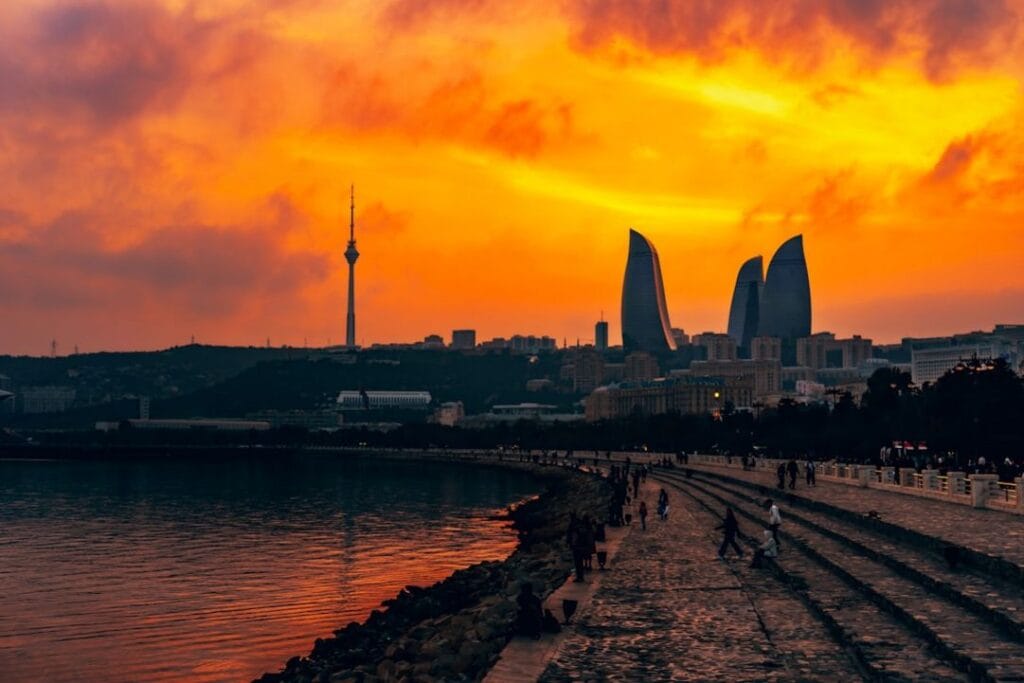
Novruz fire-jumping lights up Baku Old Town March 20-24, 2027 – plan accommodations early.
Azerbaijan’s 2027 holiday calendar blends Islamic observances with Soviet-era and post-independence national days. The Islamic calendar shapes weekly rhythms, especially during Ramadan and Eid, affecting business hours and transport. Novruz, March 20-24, dominates with five days of fire jumping and sweets in Baku Old Town, demanding early bookings. Travelers face closures during Eid al-Fitr and Eid al-Adha, requiring itinerary adjustments. This mix creates a unique challenge balancing cultural immersion with logistical planning.
Quick answer
Key 2027 holidays: Novruz (Mar 20-24) fire-jumping, Eid al-Fitr (Feb 27) business closures, Eid al-Adha (May 6) limited hours, Islamic New Year (Jul 18) quiet day.
Key takeaways
- Book Baku lodging before March 1 for Novruz fire-jumping (Mar 20-24).
- Avoid scheduling key activities around March 10, when Ramazan Bayrami closures begin.
- Expect limited business hours around May 17, during Gurban Bayrami.
- Carry cash during Novruz; some vendors close or limit card use.
- Check mosque visiting hours during Ramadan to respect prayer times.
- Confirm restaurant hours during Ramadan, especially in Baku’s central districts.
- Use public transport early in the day during major holidays to avoid crowds.
Where the 2027 Festivals Fall on the Map
Click any pin to see which city is highlighted on the map.
Azerbaijan’s 2027 Holiday Calendar at a Glance
| Date | Holiday | Type | Shops and offices | For travellers |
|---|---|---|---|---|
| New Year’s Day | Public holiday | Closed | Little effect | |
| New Year’s Day | Public holiday | Closed | Little effect | |
| International Women’s Day | Public holiday | Closed | Little effect | |
| * | Ramazan Bayrami (Eid al-Fitr) | Islamic | Closed | Little effect |
| * | Ramazan Bayrami (Eid al-Fitr) | Islamic | Closed | Little effect |
| * | Novruz | Cultural | Reduced hours | Worth timing a trip for |
| * | Novruz | Cultural | Reduced hours | Worth timing a trip for |
| * | Novruz | Cultural | Reduced hours | Worth timing a trip for |
| * | Novruz | Cultural | Reduced hours | Worth timing a trip for |
| * | Novruz | Cultural | Reduced hours | Worth timing a trip for |
| Victory over Fascism Day | Public holiday | Closed | Little effect | |
| * | Gurban Bayrami (Eid al-Adha) | Islamic | Closed | Little effect |
| * | Gurban Bayrami (Eid al-Adha) | Islamic | Closed | Little effect |
| Independence Day | Public holiday | Closed | Little effect | |
| National Salvation Day | Public holiday | Closed | Little effect | |
| Armed Forces Day | Public holiday | Closed | Little effect | |
| Victory Day | Public holiday | Closed | Little effect | |
| National Flag Day | Public holiday | Closed | Little effect | |
| Constitution Day | Public holiday | Closed | Little effect | |
| World Azerbaijanis Solidarity Day | Public holiday | Reduced hours | Little effect |
* Expected date. Lunar and religious holidays are confirmed shortly beforehand and can shift by a day. The government has not yet published its official 2027 list, so a date can still move.
How These Dates Change a Trip to Azerbaijan
Azerbaijan’s holiday calendar blends Islamic observances with cultural and national events that affect daily life, business hours, and transport. Knowing these impacts lets you plan efficiently and avoid surprises.
- Ramazan Bayrami, expected around March 10, 2027, closes most businesses for three days, including restaurants and public offices. Book accommodation and stock up on essentials by March 9.
- Novruz (March 20 – 24, 2027) triggers limited business hours and crowded public spaces, with many locals taking extended leave – expect busy transport and some closures in Baku’s old town.
- Gurban Bayrami, expected around May 17, 2027, results in reduced hours for shops and services, especially in Muslim-majority neighborhoods, while halal restaurants typically close or operate on limited schedules.
- Ramadan reshapes daily rhythms for weeks before Eid al-Fitr, compressing restaurant hours to after sunset and restricting alcohol sales, especially in central districts like Nasimi and Sabail.
- National holidays like National Salvation Day (June 15) and Armed Forces Day (June 26) close government offices and many banks, but most tourist sites remain open with fewer crowds.
Ramadan Season
Ramadan compresses daily activity as Muslims fast from dawn to sunset, with restaurants opening mainly after dark and alcohol sales restricted in many areas.
For travelers: Plan meals late in the evening and avoid daytime restaurant dining in central districts like Nasimi. Book accommodations early for the Eid al-Fitr cluster that ends Ramadan.
Eid al-Fitr Cluster
Eid al-Fitr closes most businesses, public offices, and transport hubs for three days, marking Ramadan’s end with widespread family gatherings and prayers.
For travelers: Secure lodging well in advance and stock up on food and essentials before March 9. Expect limited transport options and closed restaurants during this period.
Novruz Week
Novruz celebrates the Persian new year with five days of fire-jumping and traditional sweets, causing limited business hours and crowded public spaces, especially in Baku old town.
For travelers: Book accommodation early as locals travel or host family. Prepare for busy public transport and some closures or reduced hours in shops and cafes around the central plaza.
Eid al-Adha Cluster
Eid al-Adha prompts reduced hours across shops and restaurants, with many halal eateries closing or operating on limited schedules during the three-day observance.
For travelers: Confirm restaurant hours ahead and plan grocery shopping before May 17. Expect quieter tourist sites and less public transport frequency in Muslim-majority neighborhoods.
Novruz, Ramazan and Gurban Bayrami Explained
Eid al-Fitr (Ramazan Bayrami)
10 March
Avoid
Streets near mosques and family homes fill with celebratory crowds after a month of fasting, while most businesses shut down for three days. The end of Ramadan is marked by communal prayers, gift exchanges, and large family meals, with many restaurants closed during the day but opening late. Dress conservatively, especially near religious sites, and expect alcohol to be unavailable or restricted. Travelers should plan ahead for limited services and stock up on essentials before the holiday begins. Booking accommodations early is critical to avoid last-minute price surges and availability issues.
| Best place to be | Lankaran offers a deep cultural immersion during Eid al-Fitr, where local markets and mosque courtyards become vibrant with traditional celebrations. The neighborhood around the central mosque is lively with communal prayers and festive gatherings, giving travelers a chance to witness the holiday’s rhythms closely. |
| Where to avoid | Nasimi district in Baku becomes overcrowded and transport options thin, making it tough to move around during the holiday’s peak days. |
| Transport | Expect limited public transport and scarce taxis, especially near mosques during prayer times. Flights around March 10 often sell out early. |
| Accommodation | Book lodging weeks in advance; prices spike and cancellations become rare as locals host family gatherings. |
Novruz
20-24 March (expected)
Chase it
You encounter fire-jumping ceremonies, street vendors selling pakhlava and shakarbura, and families gathering at tables laden with traditional sweets and fresh herbs. Limited business hours and crowded public spaces define the five-day Persian new year celebration. The ritual of jumping over fires symbolizes renewal and purification, especially visible in Baku’s old town. Dress modestly and be ready for dense crowds around central plazas. This holiday demands early accommodation booking and patience with public transport but rewards with an immersive cultural moment few expect outside post-Soviet Persian influences.
| Best place to be | Baku’s old town is the heart of Novruz fire-jumping ceremonies, where you can watch locals leap over flames at dusk. Sheki complements this with its halva festival, offering a regional culinary twist that enriches the experience. |
| Where to avoid | The main square in Baku becomes overwhelmingly crowded, with long lines outside shops and food stalls. |
| Transport | Public transport runs frequently but is packed, and roads near old town close temporarily for fire-jumping events. |
| Accommodation | Reserve hotels and guesthouses early; many locals travel or host guests, limiting availability and raising prices. |
Eid al-Adha (Qurban Bayrami)
17 May
Avoid
The city slows as Muslims observe the sacrifice ritual, with many halal restaurants closing or limiting hours during the three-day festival. Public prayers and family visits dominate the schedule, while food markets swell with fresh meat sales. Dress respectfully near religious sites and expect quieter tourist attractions. This holiday reduces service availability and public transport frequency, requiring travelers to confirm operating hours in advance and plan grocery shopping before May 17.
| Best place to be | Baku’s Nasimi district offers the most visible Eid al-Adha prayers and community gatherings, providing insight into the holiday’s social importance. |
| Where to avoid | Avoid tourist-heavy areas like Fountain Square, where many shops close and crowds thin sharply. |
| Transport | Public transport runs less frequently, and taxis become harder to find during peak prayer times. |
| Accommodation | Prices remain stable, but some hotels reduce services; book with cancellation flexibility. |
Republic Day
15 June
Neutral
Government offices, banks, and many shops close for this national holiday, while official ceremonies and parades take place in key cities. Public spaces in Ganja fill with patriotic events and concerts, though tourist sites remain accessible. Dress codes do not shift noticeably, but expect quieter streets and limited business hours. Travelers should plan around closures of administrative services and anticipate reduced public transport schedules.
| Best place to be | Ganja hosts official Republic Day parades and cultural events, providing a window into Azerbaijan’s national pride beyond the capital. |
| Where to avoid | Baku’s government district sees street closures and heavy security, complicating transport. |
| Transport | Some bus routes operate on holiday schedules with reduced frequency; taxis remain available but may surge in price. |
| Accommodation | No significant impact on hotel availability or pricing. |
New Year’s Day
1-2 January
Neutral
New Year’s Day brings a quieter city with many offices and shops closed, but cafes and restaurants in tourist areas remain open, often hosting celebrations or special menus. Public transport runs on a holiday schedule, and many locals use the day for family visits. The atmosphere is low-key compared to Western New Year’s Eve but marks a fresh start in the calendar. Travelers should plan for limited daytime services but can enjoy festive menus in Baku’s downtown district.
| Best place to be | Baku’s Fountain Square and nearby streets keep lively with open restaurants and casual celebrations, offering a comfortable spot for solo travelers to join in. |
| Where to avoid | Government and business districts shut down, offering little for daytime exploration or services. |
| Transport | Public transport operates on a reduced holiday schedule, but taxis are widely available. |
| Accommodation | No major price spikes; easy to find last-minute rooms. |
Islamic New Year (1 Muharram)
18 July
Neutral
The Islamic New Year passes with quiet reverence rather than public celebration, leaving most businesses and tourist sites open but noticeably subdued. Religious observances occur primarily in mosques and private homes, with no major public events or closures. Dress modestly near places of worship and expect a calm city atmosphere. Travelers find normal service levels but fewer crowds, making it a good time for uninterrupted sightseeing with a respectful tone.
| Best place to be | Baku’s mosques offer the most visible observance, with peaceful gatherings that provide cultural insight without disrupting daily life. |
| Transport | No significant impact; public transport and taxis run normally. |
| Accommodation | No change in prices or availability. |
How Each Holiday Month Reshapes Logistics
Azerbaijan’s 2027 calendar blends Islamic observances with Soviet-era and cultural holidays, reshaping daily rhythms and service availability. Navigating these dates with respect unlocks smoother travel and sharper planning.
Moderate
Closures: Most government offices and many businesses close on New Year’s Day, but transport runs on a normal schedule.
January arrival means a moderate crowd with New Year’s Day closures limiting government services. Expect some restaurants and shops to close January 1. Booking is straightforward, but confirm availability around this date to avoid surprises.
High season
Closures: Expect a 3-day closure cluster during Eid al-Fitr, with most businesses, public offices, and transport services reduced or paused.
March brings Ramazan Bayrami, a major disruption point: plan for closed government offices and limited transport on and around March 10. Hotels fill early as locals travel home. Avoid this period if you need full service access, or book at least 4 weeks ahead to secure accommodation.
Peak season
Closures: Many businesses operate on limited hours during Novruz’s five-day span; some government services close or reduce hours.
March demands early booking to catch Novruz’s fire-jumping and sweets festivities, which reshape city life and business hours from March 20 – 24. Expect transport surges and limited service windows. Lock in accommodation at least 6 weeks prior. Public offices close or limit hours, so plan errands outside this period.
Low season
April offers steady travel conditions with no major public holidays. Services and transport run normally, making it a solid window for flexible, unhurried exploration and last-minute bookings.
Moderate
Closures: National Salvation Day sees full closures, while Gurban Bayrami causes limited business hours and reduced public services around May 17.
May travelers face a mixed picture: National Salvation Day closures on June 15 are full but short, while Gurban Bayrami on May 17 limits service hours and transport options. Avoid booking tight schedules around Gurban Bayrami to prevent disruption. Reserve accommodations early if traveling near these dates.
Low season
Closures: Republic Day closures shutter government offices but have minimal impact on private businesses and transport.
June’s Republic Day on June 15 means closed government services but steady business and transport operations. Travel flows smoothly with low crowd pressure, and booking remains flexible.
Low season
Closures: Islamic New Year typically sees open but quiet businesses; no major closures or disruptions expected.
Low season
August has no official public holidays affecting logistics. Travelers benefit from regular operating hours and straightforward booking with no holiday-related surges.
Low season
September offers consistent travel conditions without holiday closures. Services and transport run uninterrupted, ideal for travelers seeking easy access and last-minute plans.
Low season
Closures: National Revival Day closures affect government offices but leave most private businesses and transport operational.
Low season
Closures: State Independence Day closures halt government services but have limited impact on private sectors and transport.
November 9’s State Independence Day closes government offices but keeps most other services and transport open. Travelers can expect normal access and easy booking.
Moderate
Closures: Constitution Day sees limited hours for some government offices and businesses on December 31.
December ends with Constitution Day on December 31, when some government and private services reduce hours. Book early if staying through New Year’s Eve, as demand rises. Transport runs normally but expect some late-day closures.
Baku, Lankaran and the Cities Each Holiday Marks
Azerbaijan’s Islamic and post-Soviet holidays center around distinct urban hubs where community and tradition shape each celebration. These cities offer the clearest window into local rhythms during key dates.
Baku
Novruz · 20-24 March
Sheki
Novruz · 20-24 March
Lankaran
Eid al-Fitr (Ramazan Bayrami) · 10 March
Ganja
Republic Day · 15 June
Dress and Behavior Around Religious Holidays
Navigating Azerbaijan’s Islamic and cultural holidays requires awareness of local customs around prayer, dress, and social behavior. Follow these guidelines to engage respectfully and avoid common pitfalls.
Ramadan Public Behavior
Do
- Refrain from eating, drinking, or smoking in public during daylight hours.
- Dress conservatively, covering shoulders and knees, especially near mosques.
- Plan your day around limited business hours and reduced public transport.
- Show patience in crowded areas, particularly near mosques at iftar time.
Don’t
- Do not openly consume food or drinks in public during fasting hours.
- Avoid loud or disruptive behavior near religious sites.
- Do not photograph people during prayer without permission.
- Avoid scheduling important activities during peak prayer times.
Eid al-Fitr Family Visits and Celebrations
Do
- Bring a small gift such as sweets or flowers when visiting homes.
- Dress modestly and respectfully, especially in private family settings.
- Accept invitations politely but confirm ahead to respect family schedules.
- Observe quiet reverence during communal prayers at mosques.
Don’t
- Do not bring alcohol as a gift or consume it openly during celebrations.
- Avoid wearing revealing clothing in mosque courtyards or prayer areas.
- Do not interrupt prayer sessions or ceremonies for photos.
- Avoid public displays of affection during family gatherings.
Novruz Fire-Jumping and Public Festivities
Do
- Wear modest clothing suitable for outdoor crowds and cooler spring evenings.
- Respect fire-jumping rituals by observing from designated areas.
- Purchase traditional sweets like pakhlava and shakarbura from street vendors.
- Book accommodations well in advance due to high local demand.
Don’t
- Do not attempt to jump over fires unless invited by locals.
- Avoid blocking streets or emergency access during crowded events.
- Do not litter or leave trash near ceremonial sites.
- Avoid loud music or disruptive behavior near fire-jumping zones.
Mosque Etiquette During Eid al-Adha and Islamic New Year
Do
- Remove shoes before entering mosque prayer halls.
- Dress conservatively with headscarves for women when entering mosques.
- Maintain silence or speak softly inside mosque premises.
- Observe prayer times and avoid entering during active prayers.
Don’t
- Do not bring food or drinks inside mosques.
- Avoid taking photos inside prayer halls without explicit permission.
- Do not point feet toward the qibla (prayer direction).
- Avoid wearing shorts or sleeveless tops near mosque entrances.
Holidays Worth Building a Trip Around
These holidays offer immersive cultural moments that reshape city rhythms and invite you to experience Azerbaijan’s unique traditions firsthand.
Novruz
Eid al-Fitr (Ramazan Bayrami)
Find tours for these festivals
Book guided experiences around Azerbaijan’s biggest celebrations.
Dates That Slow Down Travel in Azerbaijan
These dates bring significant service disruptions, transport challenges, or overcrowding that can derail your plans if unprepared.
Eid al-Fitr (Ramazan Bayrami)
Most businesses shut down for three days, with limited public transport and scarce taxis, especially near mosques during peak prayer times.
Eid al-Adha (Qurban Bayrami)
Halal restaurants reduce hours or close, public transport frequency drops, and taxis become scarce during prayer times.
New Year’s Day
Government offices and many shops close, and public transport runs on a reduced holiday schedule, limiting daytime services.
Alcohol, Transport and Other Practical Notes
| Topic | What to know |
|---|---|
| Money | ATMs operate with limited hours during major holidays like Eid al-Fitr and Novruz, and some impose higher withdrawal fees. Carry cash in local currency during festivals, as card acceptance drops in markets and smaller shops. |
| Transport | Book flights and long-distance buses at least three weeks before Eid al-Fitr and Novruz due to early sell-outs. Expect heavy traffic and road closures near Baku’s old town during Novruz fire-jumping events. |
| Alcohol | Alcohol sales and consumption are restricted during Ramadan, especially around mosques and religious sites. Expect limited availability and no public sales during Ramazan Bayrami, expected around March 10, 2027. |
| Booking | Reserve accommodations and transport at least six weeks ahead for Novruz and three weeks before Eid al-Fitr. Flexible cancellation policies help mitigate sudden changes during religious holidays. |
Common Questions About Azerbaijan’s Holidays
1Is Novruz a good time to visit Azerbaijan?
Yes, Novruz (March 20-24, 2027) offers a culturally immersive experience with fire-jumping ceremonies and traditional sweets in Baku’s old town. Book early and prepare for dense crowds and temporary road closures.
2What closes during Eid al-Fitr in Azerbaijan?
During Ramazan Bayrami, expected around March 10, 2027, banks, government offices, pharmacies, and many shops close for up to three days. Many restaurants close during daytime hours but may open late in the evening.
3Can tourists participate in Novruz fire-jumping ceremonies?
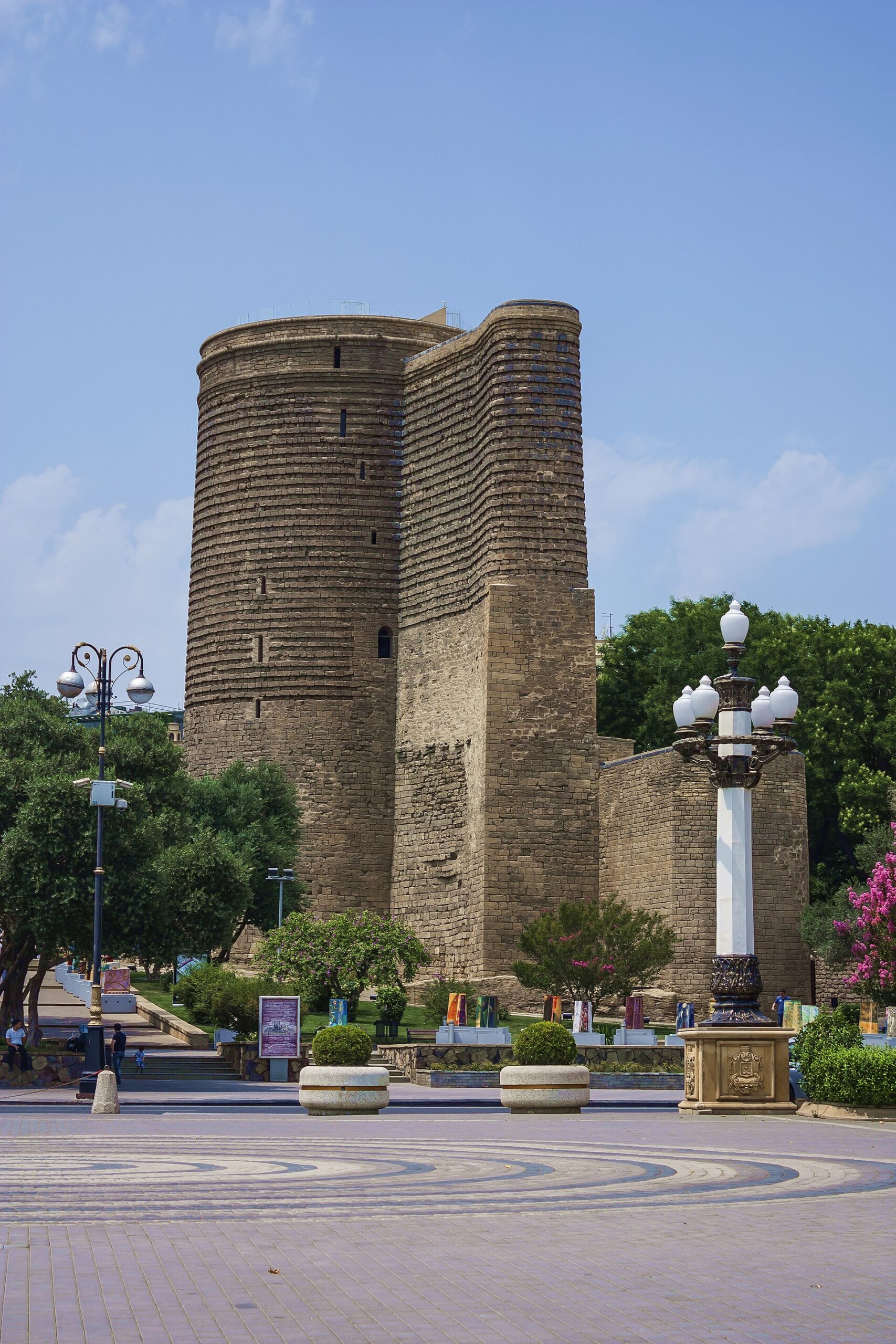
Tourists can watch Novruz fire-jumping in Baku’s old town but should not jump over the fires themselves due to safety and cultural respect. Arrive early to secure a good viewing spot near the Maiden Tower.
4How far ahead should I book accommodation for Novruz and Eid al-Fitr?
Book Novruz accommodations at least six weeks in advance and Eid al-Fitr lodging three weeks ahead to avoid sold-out hotels and inflated prices.
5Are there alcohol restrictions during Ramadan and Eid al-Fitr?
Alcohol sales are restricted during Ramadan and unavailable in many places during Ramazan Bayrami, expected around March 10, 2027. Plan accordingly if alcohol consumption is part of your travel experience.
6What transport should I pre-book for holiday seasons in Azerbaijan?
Pre-book flights and long-distance buses at least three weeks before Eid al-Fitr and Novruz. Expect heavy traffic and limited taxis near mosques during religious holidays.
7What happens if my trip overlaps with Novruz in Baku?
Expect crowded public spaces and temporary road closures near Baku’s old town from March 20-24, 2027. Book accommodations early and plan extra time for transport delays.
8Are major attractions open during Republic Day?
Most tourist sites remain open during Republic Day (June 15, 2027), though government offices and banks close. Expect quieter streets and some reduced public transport frequency.