


The best snorkeling in the world is on the warm tropical reefs of the Coral Triangle, the Red Sea and the Caribbean: the Great Barrier Reef, Raja Ampat or Komodo in Indonesia, the Maldives, Egypt’s Red Sea, the Philippines, Hawaii, Belize and Bonaire.
The standout oddity sits outside the tropics: Silfra in Iceland, where you float between two continents in glacier-clear water.
Snorkeling is the cheapest way into the best underwater scenery on the planet, and on many reefs the shallow water near the surface is where the colour actually lives. You do not need a certification or a tank, just a reef that comes up close to the surface and water clear enough to see it. The nine places below are the ones that reliably deliver that, ranked by how much the snorkeling rewards the trip, with the honest catch for each: when the season is, what marine life turns up, and how hard the entry is.
What makes a reef worth snorkeling
Three things decide whether a reef snorkels well. The first is depth: the coral has to rise within a few metres of the surface, because snorkeling is a top-down sport and a reef sitting at 15 metres is a scuba site, not a snorkel one. The second is clarity, which is why the calm dry-season window matters so much more for snorkelers than for divers. The third is the reliable animal, the manta or turtle or sardine shoal that turns up in the same bay at the same time of year. The nine below score high on at least two of the three, and most of them you can reach from shore or on a short morning boat.
The best snorkeling destinations in the world
Ranked by how much the snorkeling rewards the effort to get there, not by how famous the name is. The top few are the reefs that change what you think shallow water can hold.
The Great Barrier Reef Queensland, Australia
The largest reef system on Earth at 2,300 kilometres, and a lot of its best snorkeling sits in waist-to-chest deep water on the outer reefs. Skip the day-trip pontoons and head for the outer Ribbon Reefs and reefs off the Whitsundays, where coral gardens come right up to the surface and green turtles graze in the shallows. Bleaching has hit parts of it, so go with an operator that runs to the healthy outer reefs. Pair the snorkeling with the tropical north on Australia’s wildest surf and snorkel beaches. Best from June to November.
Raja Ampat and Komodo Indonesia
Raja Ampat in West Papua holds the densest marine biodiversity on the planet, with roughly three quarters of all known coral species, and much of it sits in shallow lagoons and house reefs you can snorkel straight off a jetty. Komodo, further south, adds manta cleaning stations at Manta Point that snorkelers reach on a short boat ride. Both are current-fed, so swim with the flow and check conditions. Reach them through Indonesia’s dive and snorkel islands. Raja Ampat is best from October to April, Komodo from April to November.

The Maldives Indian Ocean
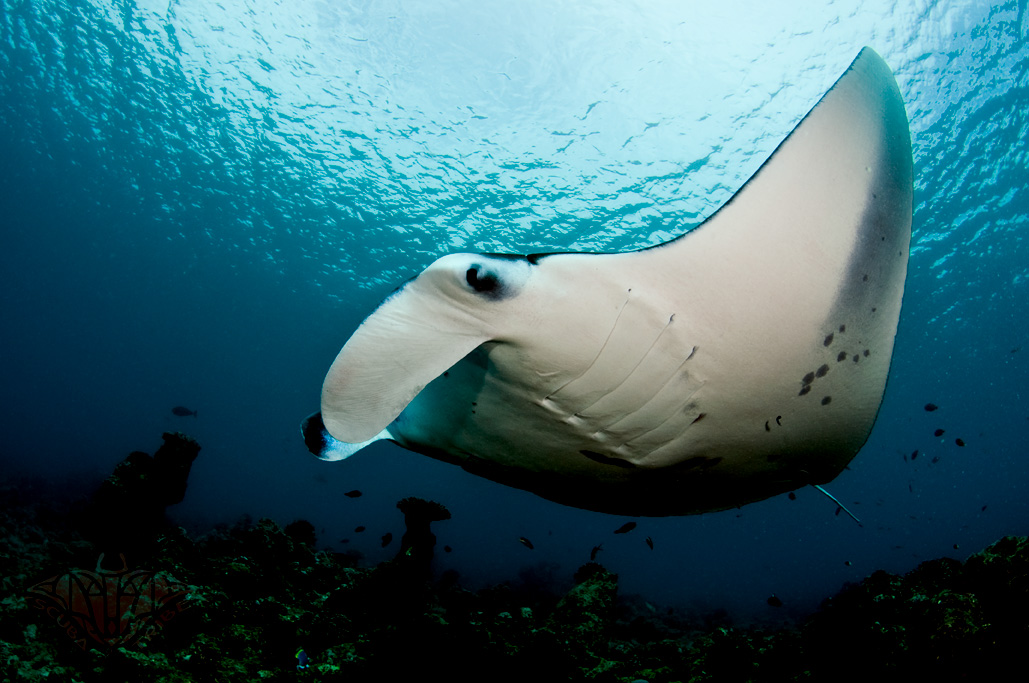
The place to snorkel with big animals. Reef manta rays and whale sharks feed in the channels here, and Hanifaru Bay in Baa Atoll fills with feeding mantas when the plankton blooms, a snorkel-only site where tanks are banned. House reefs off the budget guesthouse islands like Maafushi snorkel well straight from the beach, and Manta Point is the classic shallow manta encounter. Best from May to November for manta and plankton season.
The Red Sea Egypt
The best value warm-water snorkeling anywhere, and unusually for a reef this good, much of it is reachable straight from shore. Fringing reefs at Dahab, Marsa Alam and Sharm el Sheikh drop off in a wall of fish a few fin kicks from the beach, the water sits at 22C to 29C, and visibility runs 20 to 30 metres. Add easy access from the Egyptian Red Sea coast and you have a trip that costs a fraction of a Pacific one. Snorkelable year round, best in spring and autumn.

The Philippines Palawan, Cebu and the Visayas
A whole country of shallow reefs. Moalboal on Cebu has a sardine run that swirls in a single huge bait ball a short swim from the promenade, the lagoons of El Nido and Coron in Palawan snorkel in glassy turquoise water, and marine sanctuaries across the Visayas protect dense reef close to shore. It is also some of the cheapest reef travel in Asia. Best from December to May, in the dry season.

Hawaii Maui and Oahu, USA
The most accessible great snorkeling in the United States. Molokini, a crescent volcanic crater off Maui, gives 30 metres of visibility on a morning boat, while Hanauma Bay on Oahu is a protected shore reef you walk straight into, with green sea turtles a regular sight. Hanauma caps daily numbers and closes some days to let the reef rest, so book the entry slot ahead. Best from April to October, when the water is calmest.

The Belize Barrier Reef Belize
The largest reef in the Northern Hemisphere, and the snorkeling is the headline rather than an afterthought. Hol Chan Marine Reserve and Shark Ray Alley off Ambergris Caye put nurse sharks, rays and turtles in waist-deep water on a guided snorkel, and from Placencia you can snorkel with seasonal whale sharks. The cayes are an easy base for it, see the Belize cayes for reef snorkeling. Best from April to June.

Bonaire Caribbean Netherlands
The shore-snorkeling capital of the Caribbean. The whole leeward coast is a protected marine park where the reef starts a few metres off the beach, so you park, walk in and snorkel without a boat. Klein Bonaire has the flattest, fishiest reef, and the calm protected water suits nervous first-timers and families. More on where to get in the water on Bonaire’s shore-reef beaches. Snorkelable year round, calmest from May to October.

Silfra Thingvellir, Iceland
The opposite of every reef above, and the reason this list does not stop at warm water. Silfra is a flooded rift filled with glacial meltwater, so cold and so clear you can see more than 100 metres through it. There is almost no marine life: the point is the rock and the water itself, snorkeling the gap between two continents. It runs year round in a drysuit. The full spotlight is below.

The oddity: snorkeling between two continents at Silfra
Silfra sits inside Thingvellir National Park, on the boundary where the North American and Eurasian plates are slowly pulling apart. The fissure has filled with meltwater that filtered through lava rock for decades, which is why the visibility is the best of any natural water on Earth, often over 100 metres. The water holds at around 2C to 4C all year, so you snorkel in a drysuit with a hood and gloves rather than a wetsuit, and a certified operator handles the gear and the short briefing.
Why Silfra is worth the cold
In one stretch the fissure narrows to roughly an arm span across, so you can touch the North American plate with one hand and reach toward the Eurasian plate with the other. The water is so clear and still that you feel like you are floating in air rather than swimming. There is no coral and barely any fish, just sculpted blue-green rock dropping away beneath you and light coming up from far below. It is a 30 to 40 minute drift snorkel, calm and shallow, and it suits anyone comfortable putting their face in cold water. Book a guided tour: independent snorkeling at Silfra is not allowed.
See the best month to snorkel any country
Snorkeling lives and dies on the calm, clear season, and it swings by region: the Caribbean dry months, the Maldives manta window, the Red Sea shoulder seasons. The Best Travel Time map shows the ideal months for every country at a glance, so you can line up clear water with the right marine life.
Best months and marine life, by destination
The most common snorkeling mistake is booking a famous reef in its rainy, churned-up season. This table is the quick reference: the months that actually deliver clear water, the marine life you are going for, and how demanding the entry is.
| Destination | Best months | See | Level |
|---|---|---|---|
| Great Barrier Reef, Australia | June to November | Coral gardens, green turtles | All levels |
| Raja Ampat / Komodo, Indonesia | October to April / April to November | Richest coral, mantas | Intermediate (current) |
| Maldives | May to November | Reef mantas, whale sharks | All levels |
| Red Sea, Egypt | March to May, September to November | Fringing reefs from shore | Beginner friendly |
| Philippines | December to May | Sardine run, turtles, reefs | All levels |
| Hawaii (Molokini, Hanauma), USA | April to October | Volcanic crater reef, turtles | All levels |
| Belize Barrier Reef | April to June | Nurse sharks, rays, whale sharks | Beginner friendly |
| Bonaire | Year round (calmest May to October) | Shore reef from the beach | Beginner friendly |
| Silfra, Iceland | Year round (drysuit) | Tectonic fissure, 100m clarity | Guided only |
How to snorkel well without wrecking the reef
The difference between a frustrating snorkel and a great one is mostly gear fit and reef sense, and both are easy to get right. A leaking mask or a careless fin kick ruins the day for you and damages coral that took decades to grow. A few rules cover almost everything.
- Test the mask seal on dry land. Press the mask to your face without the strap and breathe in through your nose: it should suck on and hold. If it falls off, it will leak in the water. A snug fit matters more than the brand.
- Wear reef-safe sunscreen, or a rash guard instead. Hawaii, Bonaire, parts of Mexico and Palau ban oxybenzone and octinoxate because they bleach coral. Pack a mineral, zinc-based cream, or just cover up with a long-sleeve rash guard and skip the chemicals on your back.
- Never touch or stand on the reef. Coral is a living animal and a single hand or fin can kill a colony. Keep horizontal, float, and never chase or grab turtles, rays or fish. Look, do not handle.
- Read the current before you swim out. Many of these reefs are current-fed. Enter so the current carries you back toward shore at the end, not away from it, and ask locally about rip channels. If you are unsure, snorkel with a guide or a buddy.
- Defog and go early. A smear of baby shampoo or spit in a dry mask stops it fogging. Morning water is calmest and clearest on most reefs, before the wind and the boats arrive.
Rent or buy your own mask, skip the boat snorkel
The cheap mask and snorkel that come free on a tour boat are usually a poor fit and the source of most leaks and fog. Travel with your own mask, fitted to your face, even if you rent fins locally. It is the single thing that most improves a snorkel trip, costs little, and turns a frustrating hour of clearing water into an easy float over the reef.
Book a guided snorkel trip
Great Barrier Reef snorkeling
Queensland, Australia
Maldives manta snorkel
Baa Atoll and beyond
Molokini snorkel tours
Maui, Hawaii
Red Sea snorkeling
Sharm and Marsa Alam, Egypt
Through the links above you support Pack Lightly, at no extra cost to you.
Common questions
01Where is the best snorkeling in the world?
The Great Barrier Reef in Australia, Raja Ampat and Komodo in Indonesia, the Maldives and Egypt’s Red Sea are the top tier for tropical reef snorkeling. The Red Sea and Bonaire are the best for easy shore access, the Maldives is the place for mantas, and Silfra in Iceland is the standout oddity, snorkeling between two continents in glacier-clear water.
02What is the best snorkeling destination for beginners?
Bonaire, the Egyptian Red Sea and Hawaii’s Hanauma Bay are the easiest, because the reef is shallow and reachable straight from shore in calm, protected water. Bonaire in particular lets you walk in off the beach without a boat. Save current-fed sites like Raja Ampat and Komodo for once you are confident in open water.
03Where can you snorkel with manta rays or whale sharks?
Hanifaru Bay in the Maldives is a snorkel-only manta site that fills with feeding reef mantas from May to November. Komodo in Indonesia has manta cleaning stations at Manta Point, and Placencia in Belize runs seasonal whale shark snorkels. These are wild animals, so keep your distance and never touch or chase them.
04Can you really snorkel between two tectonic plates?
Yes, at Silfra in Thingvellir National Park, Iceland, where the North American and Eurasian plates meet. The fissure is filled with glacial meltwater so clear that visibility tops 100 metres, and in places it narrows enough to reach toward both plates at once. The water sits at 2C to 4C year round, so you go in a drysuit on a guided tour. Independent snorkeling is not permitted.
05Is the Great Barrier Reef still worth snorkeling?
Yes, if you go to the right part. Bleaching has damaged sections of the inner reef, but the outer Ribbon Reefs and reefs off the Whitsundays still have healthy coral and shallow gardens that snorkel well, with green turtles common. Choose an operator that runs to the outer reefs rather than the closest day-trip pontoons, and go from June to November.
06What is the best snorkeling in the USA?
Hawaii has the best, with two standouts: Molokini, a crescent volcanic crater off Maui with 30 metres of visibility on a morning boat, and Hanauma Bay on Oahu, a protected shore reef you walk into where green turtles are common. Hanauma caps daily visitors and closes some days to rest the reef, so book the entry slot ahead. The calmest water is from April to October.
Image credits, all via Wikimedia Commons under Creative Commons licences: Great Barrier Reef snorkeller Christo.j.brown (CC BY-SA 4.0); Raja Ampat reef Akbar Raf (CC BY-SA 4.0); Dharavandhoo manta Shiyam ElkCloner (CC BY-SA 3.0); Red Sea reef Wusel007 (CC BY-SA 3.0); Philippines reef Jerche Amada (CC BY-SA 4.0); Molokini reef GeoDIL / NOAA (CC0); Hol Chan turtle Nikdahl (CC BY-SA 3.0); Klein Bonaire reef J. Strzelecki et al. (CC BY 3.0); Silfra fissure Josephyoon4 (CC BY-SA 4.0).


