


Step into a vast open-air gallery where prehistoric petroglyphs carve stories into stone.
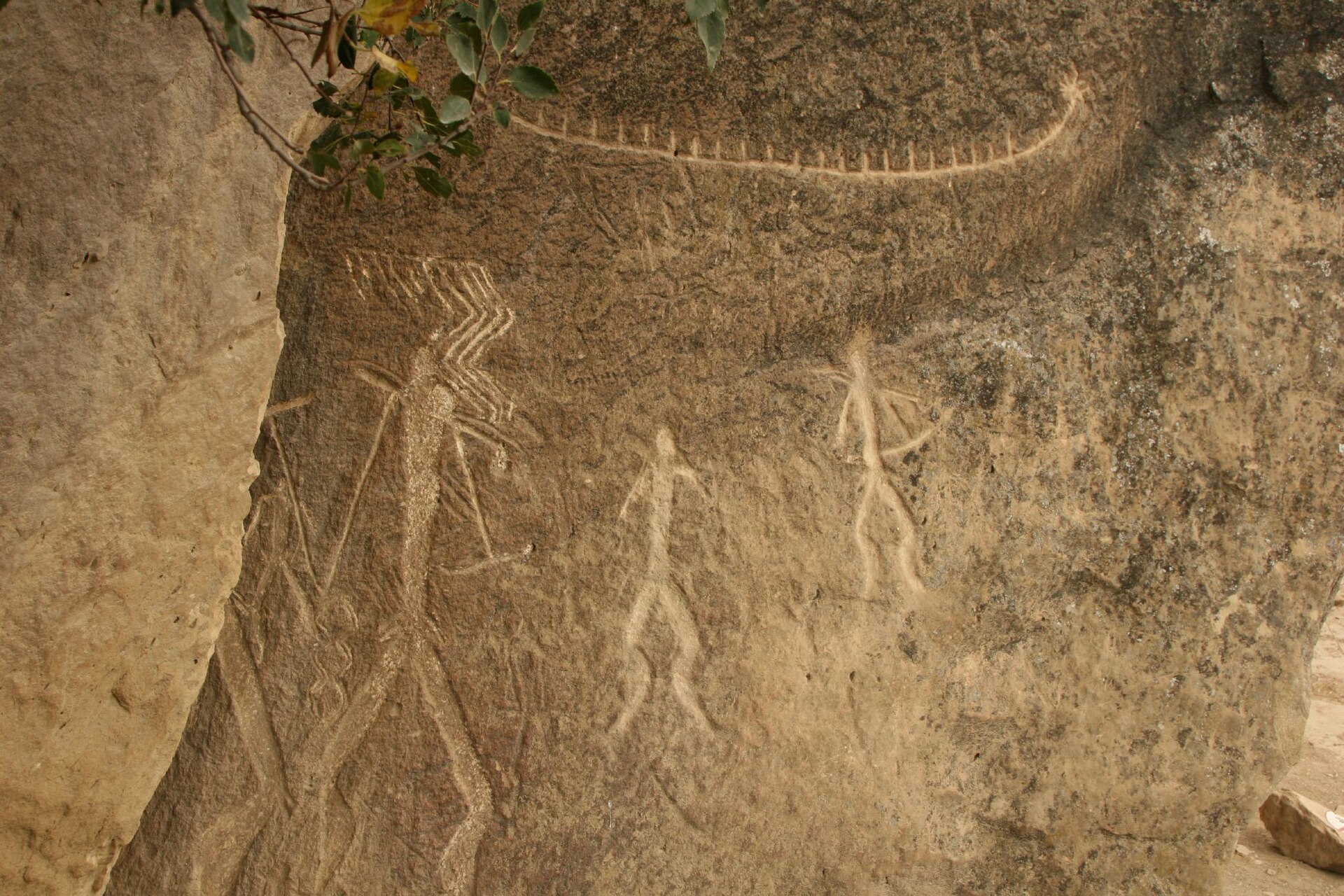
Gobustan Rock Art Cultural Landscape holds thousands of petroglyphs etched into rocky outcrops, revealing hunting scenes, animals, and social life from prehistoric to medieval times. This site offers a direct link to early human expression in Azerbaijan, with engravings that span millennia and reflect changing cultures and environments. The terrain is dry and rocky, with sparse vegetation, making the petroglyphs the main focus rather than the landscape itself.
Access to Gobustan requires a modest entrance fee and a visit that typically takes two to three hours to cover the main petroglyph sites and the small on-site museum. The site’s opening hours and occasional closures shape the visit, so planning around these is essential to avoid disappointment. The cultural depth here demands time and attention, not a quick stop.
What to expect
- Trace detailed carvings of animals and human figures dating back thousands of years.
- Walk on uneven rocky paths that bring you close to the petroglyph panels.
- Sense the continuity of human presence through layered engravings from different eras.
- Visit the small museum to contextualize the petroglyphs with archaeological finds.
- Experience the quiet isolation of a semi-arid landscape punctuated by ancient art.
Why Gobustan’s Ancient Rock Art Demands a Focused Visit
Core cultural stopGobustan’s petroglyphs offer a rare, tangible connection to prehistoric human life in the Caucasus, making it a core stop for anyone serious about cultural heritage in Azerbaijan. The entrance fee is reasonable, but the site requires at least two hours to explore properly, including the museum. Crowds are generally manageable, but the site closes on some weekdays, so check ahead. The dry, rocky terrain is easy to navigate but demands sturdy shoes. Skip Gobustan only if pressed for time or uninterested in ancient history, because the petroglyphs’ layered storytelling and archaeological context justify the visit fully.
Gobustan Rock Art Cultural Landscape Essentials
| Entrance Fee | Modest fee required |
| Opening Hours | Check seasonal schedule; closed some weekdays |
| Visit Duration | 2 to 3 hours recommended |
| Getting There | Accessible by car or local tour from Baku |
| Dress Code / Entry Rules | No special dress code; wear sturdy shoes |
| Best Time to Visit | Morning or late afternoon to avoid midday heat |
Tracing Ancient Stories on Gobustan’s Petroglyph Trails
Start your visit at the Gobustan Museum to get context on the petroglyphs before heading to the open-air site. The museum visit takes about 30 minutes and clarifies the timeline from prehistoric to medieval engravings. From there, walk the marked trails through the rocky outcrops where the petroglyphs are carved into volcanic stone. Focus first on the main panel area, where you’ll find the densest concentration of images depicting hunting scenes, animals, and social rituals. Avoid rushing through the site; the engravings require close inspection to appreciate the detail and layering of different eras.
After exploring the main panels, move to the mud volcanoes nearby to see how the landscape shaped human activity here. The mud volcanoes are active and add a geological layer to the cultural story. Finish your visit by climbing the small hill overlooking the site for a clear view of the entire rock art landscape and surrounding semi-arid plains. This vantage point helps you understand why ancient people chose this location. Allocate at least two hours for the full experience, including museum time, walking, and breaks.
Key Spots to Focus on at Gobustan
Main Petroglyph Panels
This cluster contains over 6,000 engravings showing animals like ibex and deer, hunting scenes, and symbolic human figures. The layering of images reveals changes in culture and environment over thousands of years.
TipUse the onsite guidebook or audio guide to identify the oldest petroglyphs, which are often faint and easy to miss among newer carvings.
Mud Volcanoes
Located just beyond the petroglyphs, these active mud volcanoes demonstrate the volcanic activity that shaped Gobustan’s terrain. Their bubbling mud contrasts with the dry rock surfaces where the art is found.
TipVisit the mud volcanoes after the petroglyphs to see how the natural environment influenced settlement patterns; the best viewing spots are on the western side where the mud pools are most active.
Hilltop Overlook
A short climb leads to a hilltop that offers a panoramic view of the entire Gobustan Rock Art Cultural Landscape. From here, you can see the spatial relationship between the petroglyph sites, mud volcanoes, and surrounding plains.
TipPlan your visit for late morning when the sun illuminates the rock faces without casting deep shadows, making the petroglyphs easier to spot from above.
Ancient Quarry Site
Near the main panels, this area shows where prehistoric people extracted stone for tools and construction. It adds a practical dimension to the cultural landscape, linking art to daily survival.
TipLook for tool marks on the quarry stones to understand the technology used; these are best seen in shaded areas during midday.
Essential Gear for Gobustan Rock Art Cultural Landscape
- Cash in Azerbaijani manat
The entrance fee is cash-only, and there are no ATMs available near the site. - Modest clothing
Visitors should wear clothing that covers shoulders and knees to respect local customs. - Comfortable walking shoes
The terrain includes uneven surfaces and rocky paths, making sturdy footwear essential for exploring the petroglyphs. - Water
Stay hydrated while walking around the site, especially during warmer months. - Sunscreen
The site has limited shade, and applying sunscreen is crucial to protect against sunburn.

Getting to Gobustan Rock Art Cultural Landscape
Gobustan is approximately 64 kilometers southwest of Baku, taking about an hour by car.
- Taxi
Negotiate the fare before getting in to avoid surprises; expect to pay around 20-30 AZN. - Bus
Take the bus from Baku’s central bus station; it costs about 1 AZN and runs regularly. - Rental car
Renting a car gives you flexibility; ensure you have a GPS or map app for navigation.
Site-Specific Risks at Gobustan
- Limited opening hours
Check the official website for current hours, as they can vary seasonally. - Unregulated guides
Avoid unofficial guides who may overcharge; use official guides available at the entrance. - Crowds during peak hours
Visit early in the morning or late in the afternoon to avoid large groups. - Photography restrictions
Respect any posted signs regarding photography to avoid fines.
Expert Insight: Explore Beyond the Petroglyphs
Take time to visit the Gobustan Museum, which provides context to the rock art and enhances your understanding of the site.
Frequently Asked Questions about Gobustan Rock Art Cultural Landscape
1Are there restroom facilities available at Gobustan?
Yes, there are restroom facilities available at the Gobustan site. However, they are limited, so plan your visit accordingly and consider using them before starting your exploration.
2Is it necessary to hire a guide for the Gobustan Rock Art Cultural Landscape?
Hiring a guide is recommended if you want in-depth knowledge about the petroglyphs and their historical context. If you prefer to explore at your own pace and are comfortable with basic information, you can go solo.
3What are the photography rules at Gobustan?
Photography is allowed at Gobustan, but be respectful of the site and avoid using flash. Capture the petroglyphs and the surrounding landscape, but keep in mind that some areas may have restrictions.
4Can I visit Gobustan during the off-season?
Yes, visiting during the off-season can be a good choice as there are fewer crowds. However, be prepared for cooler temperatures and check for any seasonal changes in accessibility.
5What should I wear when visiting Gobustan?
Wear comfortable shoes suitable for walking on uneven terrain, and dress in layers to adjust to changing temperatures. Avoid high heels or sandals, as the rocky paths can be challenging.
6How long should I plan to spend at Gobustan?
Plan to spend at least two to three hours at Gobustan to fully appreciate the petroglyphs and the museum. If you want to take your time exploring the trails, consider allocating more time.
Explore the Gobustan Museum
After visiting the rock art, head to the Gobustan Museum for a deeper understanding of the site’s history and significance. The museum features informative exhibits that complement your outdoor experience.
Photos via Unsplash and Wikimedia Commons.
Some links on this page are affiliate links. We may earn a small commission at no extra cost to you when you book through them.