


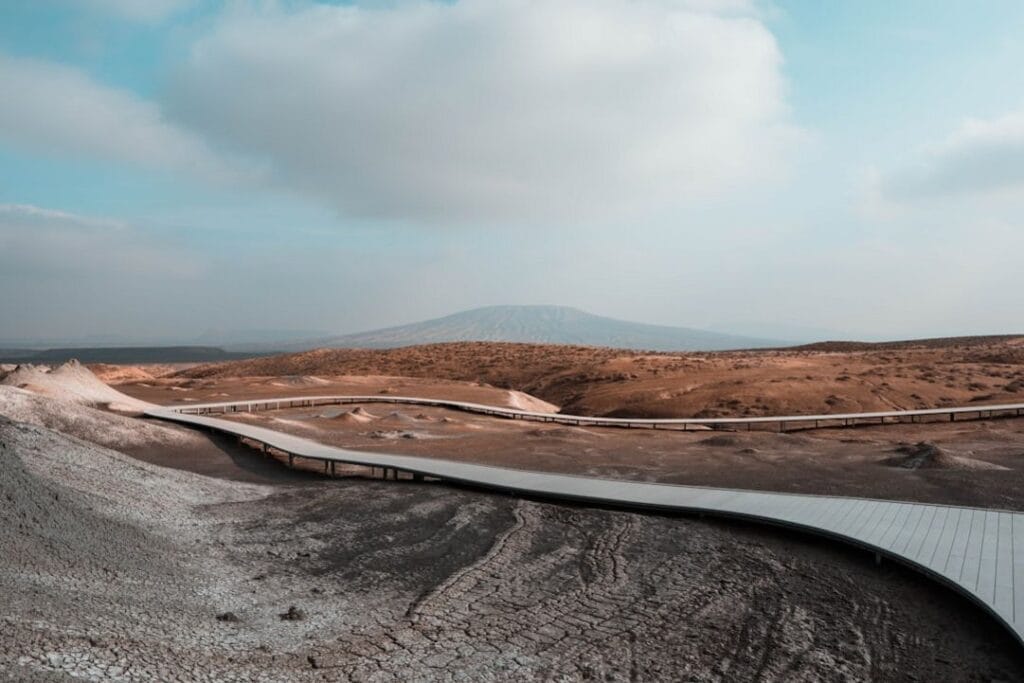
The dry crunch of gravel underfoot echoes near the Gobustan petroglyph site, where ancient carvings meet the open sky.
Gobustan National Park lies roughly 40 miles / 65 km southwest of Baku, famous for thousands of prehistoric rock carvings and a lunar field of bubbling mud volcanoes. Visitors focus on two main zones: the petroglyph site with its open-air museum and the mud volcano area scattered across the reserve. The park’s appeal is its raw, rugged landscape where wildlife and geology intersect, offering a hands-on adventure unlike the more polished city tours from Baku. Unlike other nature reserves, Gobustan demands physical effort – expect hiking on uneven trails and dusty conditions. The best time to visit is spring or fall when temperatures hover around 65-75°F / 18-24°C, making early morning guided walks essential to avoid midday heat. Booking a certified naturalist guide and staying at an eco-lodge inside the buffer zone maximizes wildlife sightings and access to less crowded trails.
Explore the prehistoric petroglyphs on guided morning walks, witness bubbling mud volcanoes on afternoon treks, visit the open-air museum for context, and take a boat tour along the Caspian shore for landscape views.
Key takeaways
- Book a certified naturalist guide for early morning petroglyph walks to catch wildlife activity.
- Stay inside the buffer zone eco-lodges for direct trail access and quieter wildlife encounters.
- Plan visits in spring or fall when temperatures average 65-75°F / 18-24°C for comfortable hiking.
- Mud volcano treks require sturdy boots and take 2-3 hours; bring water and sun protection.
- The open-air museum closes by 6:00 PM; arrive before 4:00 PM to avoid rush.
- Boat tours along the Caspian coast run midday and last about 90 minutes, ~$30, 2026.
- Park entrance and guide fees total around $25 per day, payable at the visitor center.
Why visit Gobustan
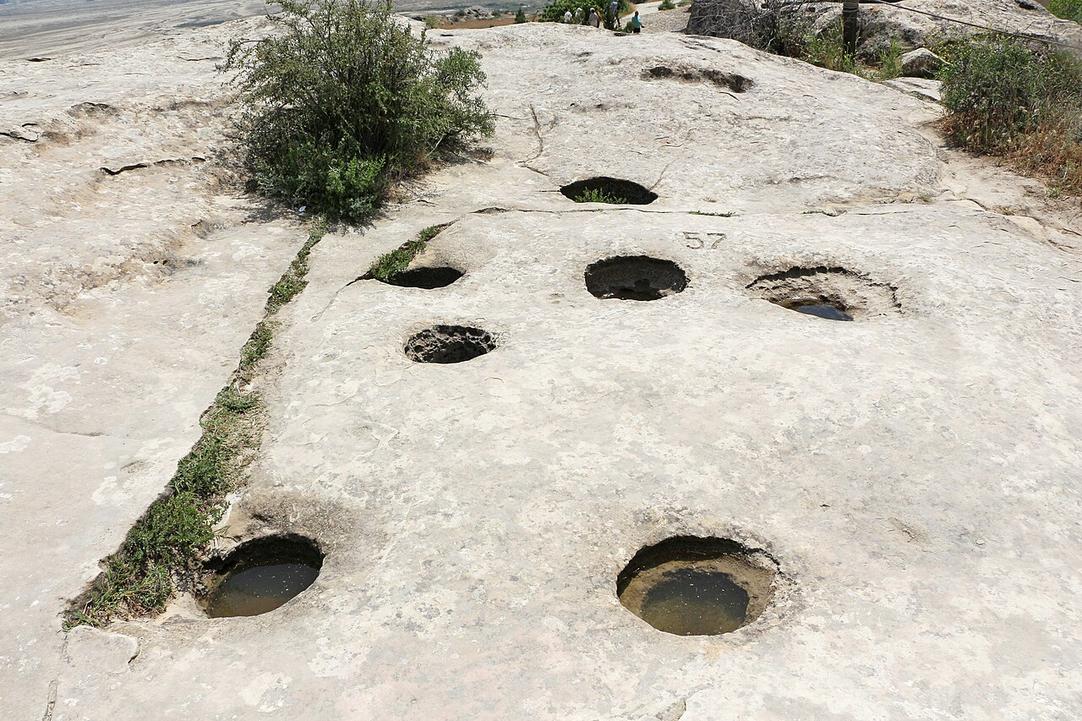
Gobustan stands apart from Baku and Sheki by offering a raw encounter with prehistoric petroglyphs and active mud volcanoes. Unlike Baku’s urban sprawl or Sheki’s historic architecture, Gobustan’s open-air museum reveals thousands of ancient rock carvings set against a lunar-like terrain. The park’s mud volcanoes bubble and hiss, creating a landscape unlike any other in Azerbaijan. This rugged environment demands effort and curiosity, rewarding visitors with a direct connection to natural forces and early human history.
- Explore over 6,000 petroglyphs dating back 5,000-40,000 years in Gobustan National Park’s open-air museum.
- Witness bubbling mud volcanoes, some of the few active ones on Earth, scattered across Gobustan’s lunar fields.
- Book a certified naturalist guide for early morning walks to catch wildlife and cooler temperatures inside the buffer zone.
- Stay in eco-lodges inside the reserve’s buffer zone for immediate access and ethical wildlife viewing, avoiding town hotels.
- Most visitors skip the midday rest; use this downtime to avoid heat and increase chances of spotting animals on late walks.
Best for
Solo travelers focused on wildlife and nature will thrive here, especially those who value guided walks and ethical eco-lodging. Adventurous visitors who want to combine ancient history with rugged outdoor exploration find Gobustan ideal.
Skip if
Skip Gobustan if you prefer urban comforts or cultural festivals; Baku offers a richer city experience with nightlife and museums.
Top things to do in Gobustan
1. Gobustan Petroglyphs Trail ·
Walk the main petroglyphs trail to see thousands of prehistoric rock carvings that define Gobustan’s archaeological significance.
Follow the designated trail through Gobustan National Park’s rocky outcrops to view thousands of ancient petroglyphs etched into stone surfaces. Licensed guides lead you along the main trail near the visitor center, explaining the significance of carvings depicting hunting scenes, animals, and ritual symbols. The open-air site offers panoramic views of the semi-arid landscape, with interpretive signs providing context. The trail is moderately easy but uneven, so sturdy shoes are recommended. Book on GetYourGuide.
This trail is the core reason to visit Gobustan, offering direct access to the prehistoric rock art that sets the park apart from other archaeological sites in Azerbaijan.
- When: Visit early morning or late afternoon to avoid midday heat and harsh light on the carvings; spring and fall offer the most comfortable temperatures.
- Cost: ~$15, 2026
- Duration: 2 hours
- How to reach: From Gobustan town center, take a local shuttle or taxi along the main road leading south to the national park entrance, about 6 miles / 10 km away.
Insider tip: If closed
If the petroglyph trail is closed, spend time at the visitor center’s exhibits to study detailed replicas and archaeological findings.
2. Mud Volcano Field Exploration ·
Trek among the bubbling mud volcanoes to experience one of the world’s most active and unusual volcanic landscapes.
Explore the lunar-like terrain dotted with active mud volcanoes, where thick mud bubbles and occasionally erupts in slow-motion bursts. Guided treks navigate the safest paths around these geological features, explaining their formation and local significance. The landscape feels otherworldly, with cracked earth and steaming vents creating a raw, elemental atmosphere. Bring sun protection and water, as shade is minimal and the ground can be slippery near mud pools. Book on GetYourGuide.
This activity offers a rare chance to witness one of the planet’s most active mud volcano fields, a natural phenomenon not found in many other places worldwide.
- When: Late afternoon or early evening is best for cooler temperatures and softer light on the mud volcanoes, especially from April to October.
- Cost: ~$20, 2026
- Duration: 3 hours
- How to reach: Arrange transport from Gobustan town with a licensed guide or local operator; the mud volcano field lies roughly 7 miles / 11 km southeast of the park entrance on unpaved roads.
Insider tip: If closed
If mud volcano access is restricted, focus on the petroglyph trail or visit the visitor center for geological exhibits.
3. Sunset at the Mud Volcanoes ·
Catch the sunset over the mud volcanoes for dramatic light on the lunar terrain and cooler temperatures for hiking.
Head to the mud volcano field in the hour before sunset to see the landscape transform under warm, low-angle light. The glowing mud pools and cracked earth take on deep shadows and rich colors, enhancing the alien feel of the terrain. Cooler temperatures make hiking easier, and the quiet atmosphere allows for focused observation of the bubbling vents. This visit requires a private or guided transfer as public transport does not run late.
Sunset adds a dramatic visual layer to the mud volcano experience, making the landscape’s textures and shapes more pronounced than during midday visits.
- When: Arrive about 1 hour before sunset, ideally between May and September when daylight lasts longer and weather is dry.
- Cost: Free
- Duration: 1.5 hours
- How to reach: Hire a local taxi or guide from Gobustan town to the mud volcano field; the return trip should be planned before dark due to limited lighting on rural roads.
Insider tip: If closed
If mud volcanoes are inaccessible at sunset, visit the petroglyph trail in the late afternoon for similarly favorable light conditions.
Solo female travel: Arrange transport with a trusted local guide for after-dark return; avoid walking alone on unlit roads after sunset.
4. Visit the Gobustan National Park Visitor Center ·
Start or end your visit at the visitor center for context on the petroglyphs and mud volcanoes with exhibits and maps.
The visitor center provides detailed exhibits on Gobustan’s archaeological and geological features, including scale models, photographs, and interactive displays. Staff offer maps and advice on trail conditions and guided tour options. This stop helps frame the landscape’s significance before heading out to the petroglyphs or mud volcanoes. The center also has basic amenities like restrooms and a small café.
The visitor center is essential for understanding the context behind the petroglyphs and mud volcanoes, making your outdoor exploration more meaningful than going in blind.
- When: Open daily from mid-morning to late afternoon; visit early to book tours or late to review exhibits after fieldwork.
- Cost: Free
- Duration: 1 hour
- How to reach: Located near the park entrance, accessible by taxi or shuttle from Gobustan town along the main highway.
Insider tip: If closed
If the visitor center is closed, download official park maps and guides in advance or hire a certified guide directly in Gobustan town.
5. Guided Early Morning Wildlife Walk ·
Join a certified naturalist guide for a dawn walk spotting local wildlife active in the cooler hours around the reserve.
Set out before sunrise with a certified naturalist to track native species such as gazelles, foxes, and migratory birds that inhabit Gobustan’s semi-desert environment. The cooler morning hours increase wildlife activity and reduce heat stress. Guides share insights on animal behavior and the reserve’s ecosystem, enhancing your understanding of the landscape beyond its geological features. The walk covers trails near the buffer zone where wildlife sightings are most frequent. Book on GetYourGuide.
This walk reveals Gobustan’s living side, balancing the ancient petroglyphs and mud volcanoes with real-time encounters of the region’s fauna.
- When: Start between 5:00 AM and 6:00 AM, especially from April to October when mornings are clear and wildlife is most active.
- Cost: ~$25, 2026
- Duration: 2 hours
- How to reach: Meet your guide at the eco-lodge or park buffer zone, reachable by taxi or arranged shuttle from Gobustan town center.
Insider tip: If closed
If wildlife walks are unavailable, schedule a late afternoon mud volcano trek when some animals are also active.
Solo female travel: Book with certified guides who operate small groups and provide transport; avoid solo hiking in remote areas before dawn.
6. Boat Ride on the Caspian Shoreline ·
Take a short boat trip along the Caspian coast near Gobustan to see coastal geology and birdlife from the water.
This boat ride follows the Caspian shoreline near Gobustan, offering close views of the region’s distinctive coastal rock formations and mud volcanoes from the water. Expect to spot seabirds nesting on cliffs and floating mud bubbles that hint at the volcanic activity beneath. Local operators run these short tours from the small docks near the reserve entrance, often combining geology with birdwatching. The ride lasts about 1.5 hours, giving enough time to observe the shifting light on the rocks and the Caspian’s changing tides. Book on GetYourGuide.
This boat trip offers a perspective on Gobustan’s geology and wildlife that you can’t get from land, unlike the standard petroglyph trails inland.
- When: Late afternoon from April to October when the light softens and bird activity peaks.
- Cost: ~$25, 2026
- Duration: 1.5 hours
- How to reach: Walk or take a short taxi ride from Gobustan’s visitor center to the small Caspian docks near the reserve’s buffer zone along the Baku-Gobustan road.
Insider tip: If closed
If rough seas cancel the boat, explore the nearby mud volcano fields on foot with a certified guide.
7. Visit Ancient Settlements Ruins ·
Explore nearby archaeological ruins of ancient settlements that provide insight into early human habitation in the area.
These ruins lie within a short drive from Gobustan’s main petroglyph sites and reveal the foundations of early human communities. Walking among stone walls and remnants of dwellings, you get a sense of how prehistoric people adapted to this semi-arid environment. Licensed guides explain the connection between these settlements and the petroglyphs, highlighting the continuity of human presence here. The site is less crowded than the main rock art trails, offering a quieter, more contemplative experience.
Visiting these ruins adds depth to the petroglyph visit by showing where the artists lived, unlike the more tourist-heavy rock art areas.
- When: Morning hours before 10 am to avoid midday heat, best from April to June or September to October.
- Cost: ~$10, 2026
- Duration: 2 hours
- How to reach: Hire a local taxi or join a guided tour departing from Gobustan’s visitor center; the ruins are accessible via the main road south of the park.
Insider tip: If closed
If the ruins are closed for preservation work, focus on the petroglyph trails closer to the visitor center.
8. Photography Walk at the Rock Formations ·
Take a focused photography walk to capture the dramatic rock formations and petroglyphs with changing light angles.
This walk follows the main trail through Gobustan’s petroglyph sites, but with a focus on timing your shots for the best light angles on the rock faces. The trail winds past clusters of prehistoric carvings and unusual rock shapes sculpted by wind and erosion. Early morning or late afternoon light reveals textures and shadows that bring the petroglyphs to life in photos. Guides can help identify the best vantage points and explain the significance of the carvings while you shoot.
This walk beats a casual visit by focusing on light and composition, unlike a quick stop that misses the subtle details of the carvings and geology.
- When: Start just after sunrise or late afternoon between 4:00 PM and 6:30 PM, especially from March through November.
- Cost: Free with park entry (~$15, 2026)
- Duration: 2-3 hours
- How to reach: Walk from the Gobustan visitor center along the marked petroglyph trail; no special transport needed.
Insider tip: If closed
If the trail is closed due to weather or maintenance, visit the nearby mud volcano fields for landscape photography instead.
Solo female travel: Stick to the main trail and avoid isolated side paths after dusk; guides are available for safer solo exploration.
9. Visit Local Artisan Workshops ·
Drop by local artisan workshops near Gobustan to see traditional crafts linked to the region’s cultural heritage.
These workshops, located in villages near Gobustan, showcase crafts like carpet weaving, pottery, and metalwork rooted in the region’s history. Visiting involves meeting artisans in their studios, watching them work, and sometimes trying your hand at simple techniques. The crafts reflect the nomadic and rural traditions that have persisted alongside Gobustan’s ancient sites. Workshops are small-scale and often family-run, offering a direct connection to local culture beyond the park’s natural attractions.
This visit complements the natural and archaeological focus of Gobustan by adding a cultural layer you won’t find at the main park sites.
- When: Weekdays mid-morning to early afternoon, April through October when workshops are open and artisans are active.
- Cost: Free to visit; purchases optional
- Duration: 1-2 hours
- How to reach: Take a taxi or arrange a local driver from Gobustan center to nearby villages along the main highway toward Baku.
Insider tip: If closed
If workshops are closed, visit the souvenir stalls near the visitor center for local crafts instead.
48 hours in Gobustan
This two-day plan suits travelers focused on wildlife and nature, eager to explore Gobustan’s prehistoric petroglyphs and mud volcanoes with an active, adventure-driven pace. It balances early starts and guided treks with downtime at eco-lodges inside the reserve’s buffer zone, maximizing wildlife sightings and landscape immersion.
Day 1
Morning
Start before dawn with a guided 5:00 AM trek through the petroglyph sites to catch the soft morning light illuminating the ancient rock carvings. The cooler air makes the walk easier and wildlife is more active. After the walk, return to your eco-lodge inside the buffer zone for a hearty breakfast and a rest to recharge before the midday heat.
Afternoon
Head out again around 3:30 PM for a second guided walk focusing on spotting local fauna and exploring lesser-known trails where the mud volcanoes bubble quietly. This afternoon slot avoids the midday sun and crowds. Stop for a late lunch at the lodge’s dining area, where meals feature locally sourced ingredients and traditional regional dishes, fueling you for the evening.
Evening
Finish the day at a nearby viewpoint overlooking the mud volcano field just before sunset. The shifting colors on the barren landscape add drama to the bubbling mud. For dinner, choose a small family-run restaurant in the closest village offering grilled lamb and fresh flatbread, a local specialty that pairs well with the quiet rural atmosphere.
Day 2
Morning
Shift gears with a pre-dawn boat tour on the Caspian coast, departing around 6:00 AM from the nearest harbor town. This half-day excursion offers a different terrain and wildlife focus, including birdwatching and coastal flora. Return by late morning to your lodge for a light brunch and a chance to relax in the shade.
Afternoon
Spend the afternoon visiting the Gobustan National Park visitor center and museum to deepen your understanding of the petroglyphs’ cultural context. Arrive by 1:00 PM to avoid the midday rush and take advantage of the air-conditioned exhibits. Follow this with a short walk on the nearby trails that highlight geological formations, contrasting with the morning’s coastal experience.
Evening
Wind down with dinner in the village center, sampling a different local dish like pilaf with dried fruits and nuts, served in a rustic eatery known for its home-style cooking. The evening is low-key, perfect for reflecting on the two days’ adventures while enjoying the quiet village streets and a clear night sky.
If you have a third day
Spend the morning visiting a nearby shepherd’s settlement outside the main park area to observe traditional animal husbandry and local crafts. This offers a hands-on cultural layer distinct from the petroglyphs and mud volcanoes, with opportunities to meet locals and see daily life in this semi-arid region.
Best time to visit Gobustan
Quick answer
Visit Gobustan from April to June and October to early December for the most comfortable weather and optimal conditions for exploring.
| Months to go | April to June, October to early December |
|---|---|
| Months to avoid | July and August due to extreme heat, with temperatures often exceeding 100°F / 38°C. |
Gobustan’s climate significantly influences outdoor activities. From April to June, temperatures range from 60°F / 16°C to 85°F / 29°C, making it ideal for hiking and exploring the ancient petroglyphs. The cooler months of October to early December also provide pleasant weather, perfect for visits. However, July and August can be scorching, with highs often above 100°F / 38°C, which can deter outdoor exploration. Rain is minimal during these months, ensuring trails remain accessible. Expect a brief dip in temperatures during winter, but it rarely affects the ability to enjoy the unique landscapes.
Average temperature (°F)
Monthly weather
Cool and dry, good for visits.
Mild temperatures, fewer crowds.
Spring begins, pleasant for hiking.
Ideal weather for exploration.
Warm and sunny, great for outdoor activities.
Hot days, perfect for early visits.
Very hot, best to avoid.
Extreme heat, limit outdoor time.
Cooling down, good for visits.
Pleasant weather returns.
Cooler, fewer visitors.
Chilly, but still manageable.
How to get to Gobustan
Nearest airport
Heydar Aliyev International Airport (GYD), 25 miles / 40 km
From the airport
Take the public airport bus to Baku city center, then switch to a taxi or a shared minibus to Gobustan. Expect to pay around $15-$20, 2026 for the entire trip.
Other ways to arrive
- From Baku, take a taxi directly to Gobustan, which takes about 40 minutes and costs around $30-$40, 2026.
- Travel from Ganja by bus to Baku, then switch to a taxi or minibus to Gobustan; total travel time is about 3 hours with costs around $20-$30, 2026.
- Catch a train from Baku to the nearest station, then take a taxi to Gobustan; total journey takes about 1.5 hours and costs around $15, 2026.
Getting around Gobustan
The best way to explore Gobustan is by taxi or rental car, giving you the flexibility to visit the petroglyphs and mud volcanoes at your own pace.
- Use a taxi for short trips within Gobustan; expect to pay around $5-$10, 2026 depending on distance.
- Rent a car for the day to explore at your leisure; costs around $40-$60, 2026.
- Join a guided tour that includes transportation; prices typically start at $50, 2026.
- Walk to nearby attractions if you’re staying close; many sites are within a 30-minute walk.
Avoid
Public buses are infrequent and may not reach all attractions.
Day trips from Gobustan
Gobustan serves as a great base for exploring nearby attractions that enhance your experience of Azerbaijan’s natural and historical wonders.
Shamakhi
Visit the ancient Juma Mosque and explore the beautiful landscapes.
Why: Shamakhi offers a blend of history and nature, with stunning mountain views and rich cultural heritage.
Skip if: Short on time; prioritize Gobustan’s own attractions.
Quba
Discover the Quba Mosque and the scenic Quba-Qusar region.
Why: Quba is known for its picturesque landscapes and vibrant local culture, making it a refreshing escape.
Skip if: You prefer to focus solely on Gobustan’s unique offerings.
Ganja
Explore the Nizami Mausoleum and the city’s historic sites.
Why: Ganja is Azerbaijan’s second-largest city, rich in history and architecture, perfect for a full-day adventure.
Skip if: You have limited time; Ganja requires a longer commitment.
Combine Gobustan with
Extend your journey by connecting Gobustan with other notable destinations in Azerbaijan for a richer experience.
Gobustan to Baku Gobustan, Baku
Start in Gobustan, then head to Baku for its vibrant city life and cultural attractions.
Gobustan to Sheki Gobustan, Sheki
Travel from Gobustan to Sheki to experience its historic architecture and beautiful mountain scenery.
Where to stay in Gobustan
Compare prices across booking sites on the map below and see which neighbourhood fits your plans.
Gobustan offers a range of lodging options that cater to different traveler preferences. The area near the Gobustan National Park entrance is ideal for those wanting quick access to the petroglyphs and mud volcanoes. For a quieter experience, consider staying in the residential areas further from the main tourist spots. If you’re looking for a more local vibe, the neighborhoods around the central plaza provide a mix of dining and cultural experiences. Each area has its unique charm and benefits, making it easy to find the right fit for your stay.
Gobustan National Park entrance area
Hostels and guesthouses dominate the budget tier, offering dormitory-style accommodations and shared facilities. These properties are perfect for solo travelers or those looking to meet fellow adventurers. While amenities may be basic, the social atmosphere makes up for it, and you’ll often find communal kitchens and common areas to relax.
Insider tip: Look for hostels that offer guided tours to the petroglyphs; it’s a great way to connect with other travelers.
Central plaza area
Mid-range options include family-run guesthouses and small hotels that provide more comfort and privacy. These properties often feature en-suite bathrooms and breakfast included in the rate. Staying here gives you a chance to experience local hospitality while still being close to the main attractions.
Insider tip: Choose guesthouses that offer traditional Azerbaijani meals; it’s a delicious way to experience local culture.
Near Gobustan National Park
For those seeking luxury, boutique hotels near the park offer upscale amenities and stunning views. These properties often feature spacious rooms, fine dining, and personalized service. While they come at a higher price, the experience is tailored for comfort and relaxation after a day of exploration.
Insider tip: Request a room with a view of the mud volcanoes for a unique experience during your stay.
Where not to stay
Avoid the outskirts of Gobustan near the industrial areas, as they can be noisy and lack amenities.
Solo female travelers
Opt for hostels in the central plaza area, which are well-lit at night and have a friendly atmosphere for solo female travelers.
Booking through these links supports Pack Lightly at no extra cost to you.
Where to eat and drink in Gobustan
Gobustan’s food scene is shaped by its proximity to the Caspian Sea and its unique geological features. The area is known for its fresh seafood and traditional Azerbaijani dishes, often prepared with a local twist. The influence of nearby communities adds depth to the culinary offerings, making it distinct from other regions in Azerbaijan.
Must-try dishes
Qutab (Qutab)
A thin pastry filled with various ingredients, typically including herbs, cheese, or minced meat.
This dish is popular in Gobustan, where local families often prepare it using fresh herbs from the surrounding area, showcasing the regional ingredient aspect.
Insider tip: The freshly made qutab here is a local favorite, especially when served with yogurt.
Fish Platter (Balıq Tabağı)
A selection of grilled or fried fish, often served with seasonal vegetables and local spices.
The fish platter highlights the fresh catch from the Caspian Sea, making it a must-try in this coastal area.
Insider tip: Opt for the grilled fish for a smoky flavor that pairs perfectly with the local herbs.
Plov (Plov)
A traditional rice dish cooked with saffron and served with meat and vegetables.
While plov is common throughout Azerbaijan, Gobustan’s version often incorporates local spices and herbs, giving it a unique flavor.
Insider tip: The plov here is particularly fragrant, thanks to the use of local saffron.
Dushbara (Düşbərə)
Small dumplings filled with minced meat and served in a rich broth.
This dish reflects the local culinary tradition, often made by families during gatherings, showcasing community-specific cooking.
Insider tip: Ask for extra broth; it’s the best part!
Local drinks
- Azerbaijani Tea (Çay)Enjoy it at local tea houses in Gobustan, where it’s a staple of daily life.
A strong black tea typically served with sugar and sometimes accompanied by sweets.
Where to eat – by neighborhood
Gobustan Village Center
This area features a mix of small family-run restaurants and cafes offering local dishes and fresh seafood.
Insider tip: Order the daily special to taste what locals are enjoying that day.
Caspian Sea Waterfront
A stretch of seafood shacks and casual dining spots where you can enjoy fresh fish with a view.
Insider tip: Go for the catch of the day, which is often the best value and flavor.
Dietary note
Most dishes can be adjusted for vegetarians, but seafood is a highlight here.
Daily budget for Gobustan
Gobustan’s daily costs can be higher than other regions in Azerbaijan due to its status as a popular tourist destination. Expect to pay a premium for guided tours and accommodations close to the national park.
Shoestring
- lodging – Stay at a budget guesthouse or hostel.
- food – Eat at local cafes or street vendors.
- transport – Use shared taxis or public transport.
- activities – Join a group tour for park access.
- buffer – Small expenses for snacks or drinks.
Trade-offs: Expect basic amenities and limited dining options.
Comfort
- lodging – Book a mid-range hotel or eco-lodge.
- food – Dine at local restaurants with better menus.
- transport – Use private taxis for convenience.
- activities – Hire a private guide for personalized tours.
- buffer – For souvenirs or extra snacks.
Trade-offs: Enjoy more comfort but may miss out on local experiences.
Splurge
- lodging – Stay at a premium lodge with full amenities.
- food – Experience fine dining with local cuisine.
- transport – Opt for private transfers for ease.
- activities – Book exclusive tours or experiences.
- buffer – For unexpected expenses.
Trade-offs: Experience luxury but at a significantly higher cost.
Money-saver tip
Consider joining a group tour for park access to reduce costs while still enjoying guided insights.
Splurge that’s worth it
Invest in a private guide for a tailored experience exploring the petroglyphs and mud volcanoes.
Skip to save
Avoid overpriced souvenir shops near the park entrance; local markets offer better deals.
Practical tips for Gobustan
Money
Cash or card. Cash is preferred in Gobustan, especially at local shops and eateries. Some smaller businesses may only accept cash, so keep some on hand.
ATMs. ATMs are available in nearby Baku, but fees for foreign cards can be high. Use a card with no foreign transaction fees for better rates.
Tipping. Tipping is appreciated but not mandatory; rounding up the bill is common. For example, leaving around $1-$2 for good service is typical.
Safety
Gobustan is generally safe for travelers, but it’s wise to stay aware of your surroundings, especially in less populated areas. Stick to well-trodden paths and avoid wandering off alone.
Connectivity
Mobile data. Mobile coverage is decent, especially with the main carriers like Azercell or Bakcell. Expect to pay around $10-$15 for a local SIM with data.
Wi-Fi. Wi-Fi is available in some cafes and accommodations, particularly in the Gobustan area. The central plaza is a good spot for reliable connections.
Language
Main language: Azerbaijani. English level: English is not widely spoken outside tourist areas, but you can find some English speakers in hotels and restaurants. Basic phrases will help when interacting with locals.
Cultural notes
- Dress modestly when visiting religious sites.
- Ask for permission before taking photos of locals.
Solo female travel
Solo female travelers can feel comfortable in Gobustan, especially during the day. The atmosphere is generally welcoming, but it’s best to avoid isolated areas after dark.
Frequently asked questions about Gobustan
1Is Gobustan worth visiting?
Yes, Gobustan is definitely worth visiting for its ancient petroglyphs and unique mud volcanoes. The site offers a fascinating glimpse into prehistoric life and stunning geological formations.
2How many days should I spend in Gobustan?
One full day is sufficient to explore Gobustan. You can see the petroglyphs, visit the museum, and experience the mud volcanoes all in a single day.
3What is the best time to visit Gobustan?
The best time to visit is during the spring (April to June) and fall (September to October) when temperatures are mild, ranging from 60°F / 16°C to 80°F (15°C to 27°C).
4Do I need a car to get to Gobustan?
No, you don’t need a car. You can take a bus or a taxi from Baku, which takes about 40 minutes. Public transport is reliable for this route.
5Is Gobustan safe for solo female travelers?
Yes, Gobustan is generally safe for solo female travelers. The area is frequented by tourists, and locals are friendly and helpful.
6Can you swim or dive in Gobustan?
No, swimming or diving is not possible in Gobustan. The site is primarily known for its rock carvings and mud volcanoes, not for water activities.
7What should I not miss while in Gobustan?
Do not miss the Gobustan Museum, which provides context for the petroglyphs and the area’s history. Also, make sure to explore the mud volcanoes, as they are a unique geological feature.
8What is the cost of visiting Gobustan?
Expect to spend around $15 for entry fees and transportation from Baku. This makes it a budget-friendly day trip.
Estimate your daily budget
See realistic daily costs by tier and category.