


The white dome of Bibi-Heybat Mosque rises sharply against Baku’s Caspian cliffs, a vivid marker of Azerbaijan’s layered Shia and Zoroastrian heritage.
Bibi-Heybat Mosque, Ateshgah Fire Temple, and the Momine Khatun Mausoleum anchor Azerbaijan’s religious landscape. These sites reveal a complex mix of Shia Islam, Zoroastrian fire worship, and medieval Seljuk architecture beyond the capital’s oil-driven image.
This guide clarifies visiting realities: modest dress is mandatory, prayer times close some mosques, and peak pilgrim seasons vary. Photography rules and respectful conduct at active worship sites are detailed to avoid common mistakes.
Key facts to optimize your visit
- Wear modest clothing covering shoulders and knees at all mosques and churches.
- Avoid Friday noon at Bibi-Heybat unless attending prayer; otherwise visit early morning or late afternoon.
- Combine Ateshgah Fire Temple visit with Yanar Dag for full Zoroastrian fire experience.
- Momine Khatun Mausoleum requires a flight from Baku; plan accordingly.
- Juma Mosque is quieter outside Friday prayers; use this to avoid crowds.
- Some churches and synagogues close during major religious holidays; check ahead.
- Booking a specialist guide enhances understanding of iconography and history.
- City passes rarely cover religious sites; budget for individual entry fees.
Which of these landmarks are actually worth your time
Prioritize Bibi-Heybat Mosque for its architectural and spiritual significance, paired with the Ateshgah Fire Temple to grasp Azerbaijan’s Zoroastrian past. The Momine Khatun Mausoleum is essential for medieval Islamic architecture enthusiasts. Skip modern sites like Heydar Mosque unless passing nearby. Smaller mosques and churches offer local color but rarely justify a special trip unless already in the area or with a focused interest in Christian or Jewish heritage.

Overview of Azerbaijan’s Religious Landmarks
This table summarizes the tradition, crowd levels, and whether each site merits your visit based on architectural and religious importance.
| Site | Tradition | Crowds | Verdict |
|---|---|---|---|
| Omar Efendi mosque | Mosque | Unknown | Skip unless nearby |
| Kurmukhi church | Christian | Unknown | Only for architecture buffs |
| St. Stepanos Church | Christian | Unknown | Only for architecture buffs |
| Julfalar Mosque | Mosque | Unknown | Skip unless nearby |
| Imam Hussein Mosque | Mosque | Unknown | Skip unless nearby |
| Ozan mosque, Ganja | Mosque | Unknown | Skip unless nearby |
| Hakobavank | Other | Unknown | Only for architecture buffs |
| Seven Church monastery complex | Christian | Unknown | Only for architecture buffs |
| Yukhari Ambaras mosque | Mosque | Unknown | Skip unless nearby |
| Synagogue of the Ashkenazi Jews in Baku | Jewish | Unknown | Only for architecture buffs |
| St George’s Church, Qakh | Christian | Unknown | Only for architecture buffs |
| Hajji Heybat mosque | Mosque | Unknown | Skip unless nearby |
| Bibi-Heybat Mosque | Shia Islam | Moderate | Anchor your trip here |
| Juma Mosque, Baku | Shia Islam | Moderate | Worth a detour |
| Taza Pir Mosque | Shia Islam | Moderate | Worth a detour |
| Heydar Mosque | Shia Islam | Quiet | Skip unless nearby |
| Ateshgah of Baku (Fire Temple) | Zoroastrian / Hindu | Moderate | Anchor your trip here |
| Sheki Khan Mosque | Sunni Islam | Quiet | Skip unless nearby |
| Imamzadeh Mausoleum, Ganja | Shia Islam | Moderate | Anchor your trip here |
| Momine Khatun Mausoleum, Nakhchivan | Islamic (Atabeg / Seljuk) | Quiet | Anchor your trip here |
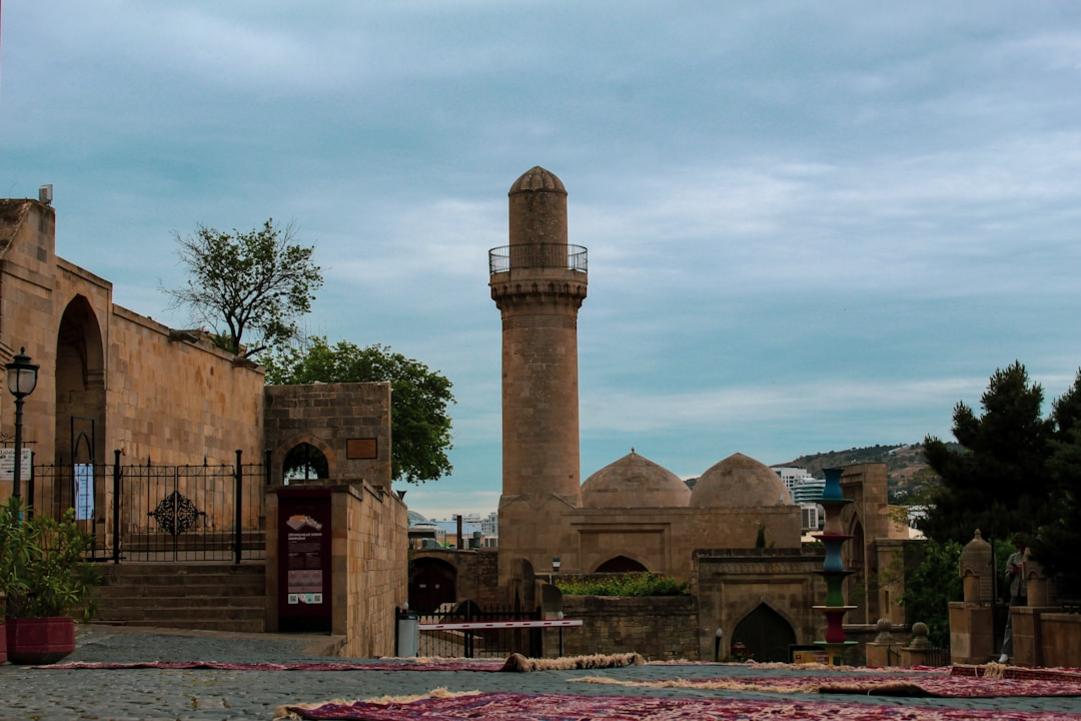
Where these religious landmarks are
Every religious landmark worth your time in Azerbaijan
Explore the diverse religious landscape of Azerbaijan through its architectural landmarks, each evaluated for their significance and visitor experience. This rundown covers every notable site, offering insights into their historical and cultural contexts to help you prioritize your itinerary.
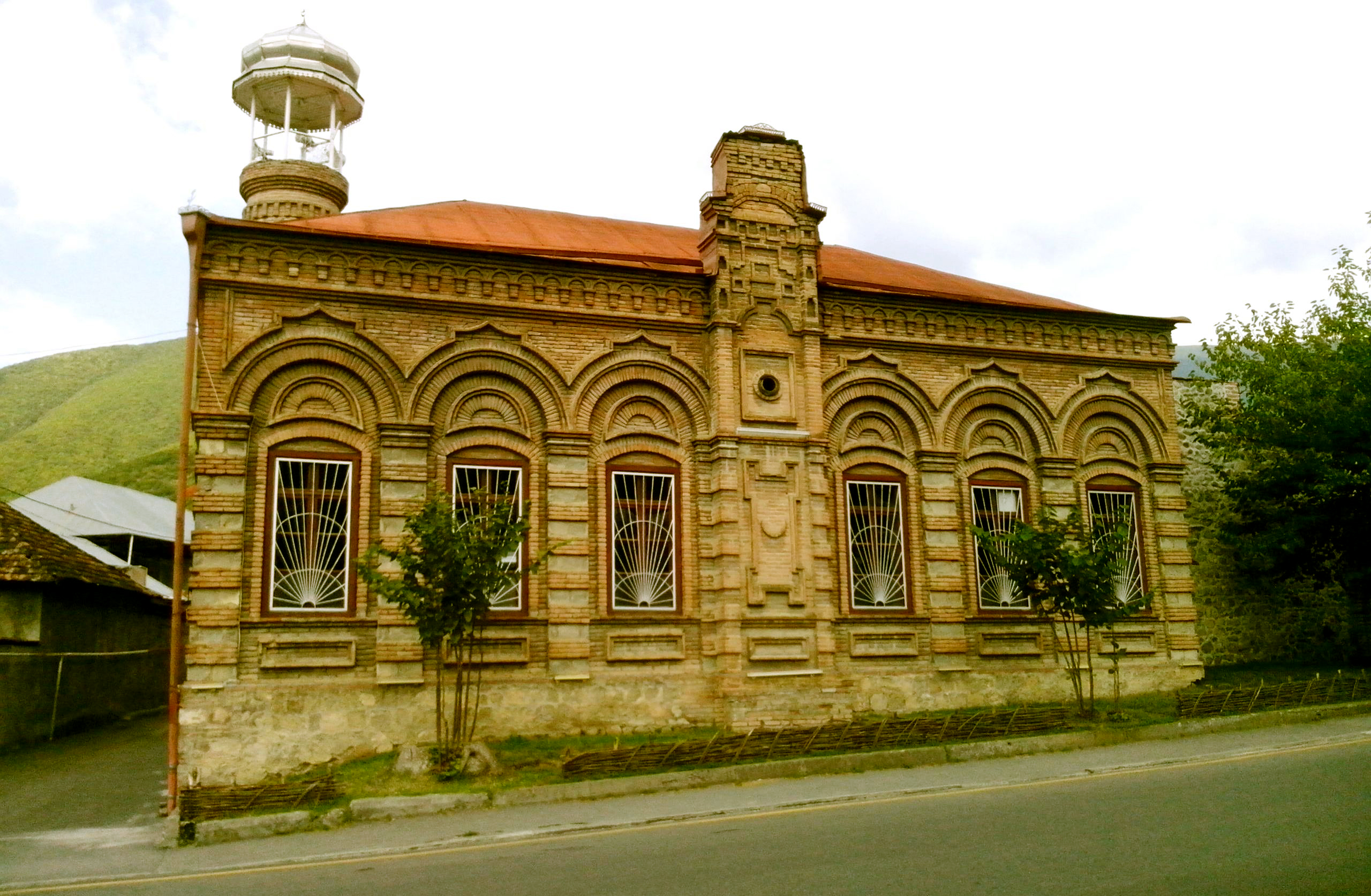
Omar Efendi mosque, Shaki
Skip unless you have a specific interest in 19th-century architecture; the Omar Efendi Mosque lacks significant features compared to other sites in Azerbaijan.
Tradition: This site reflects the Islamic architectural heritage of Azerbaijan from the 19th century.
The Omar Efendi Mosque stands as a historical monument in Shaki, showcasing the architectural style of the late 19th century. While it is a cultural landmark, it does not possess distinctive features that would draw a broader audience. The mosque’s design is typical of its era, lacking the grandeur found in more prominent religious sites.
Reaching the mosque is straightforward, located in the city center of Shaki. Expect minimal crowds, making it easy to explore at your own pace. There are no strict dress codes or access restrictions, but be respectful as this is a historical site. Allocate about 30 minutes for a quick visit; the mosque does not offer extensive interior details worth lingering for.
What to look for: 19th-century architectural style · simple façade
Why it earns the detour:
- The mosque serves as a reminder of the region’s historical Islamic architecture.
- It is situated near other cultural sites in Shaki, making it easy to include in a walking tour.
- Limited restoration efforts mean the site retains much of its original character, though it lacks notable features.
Kurmukhi church, Qakh District
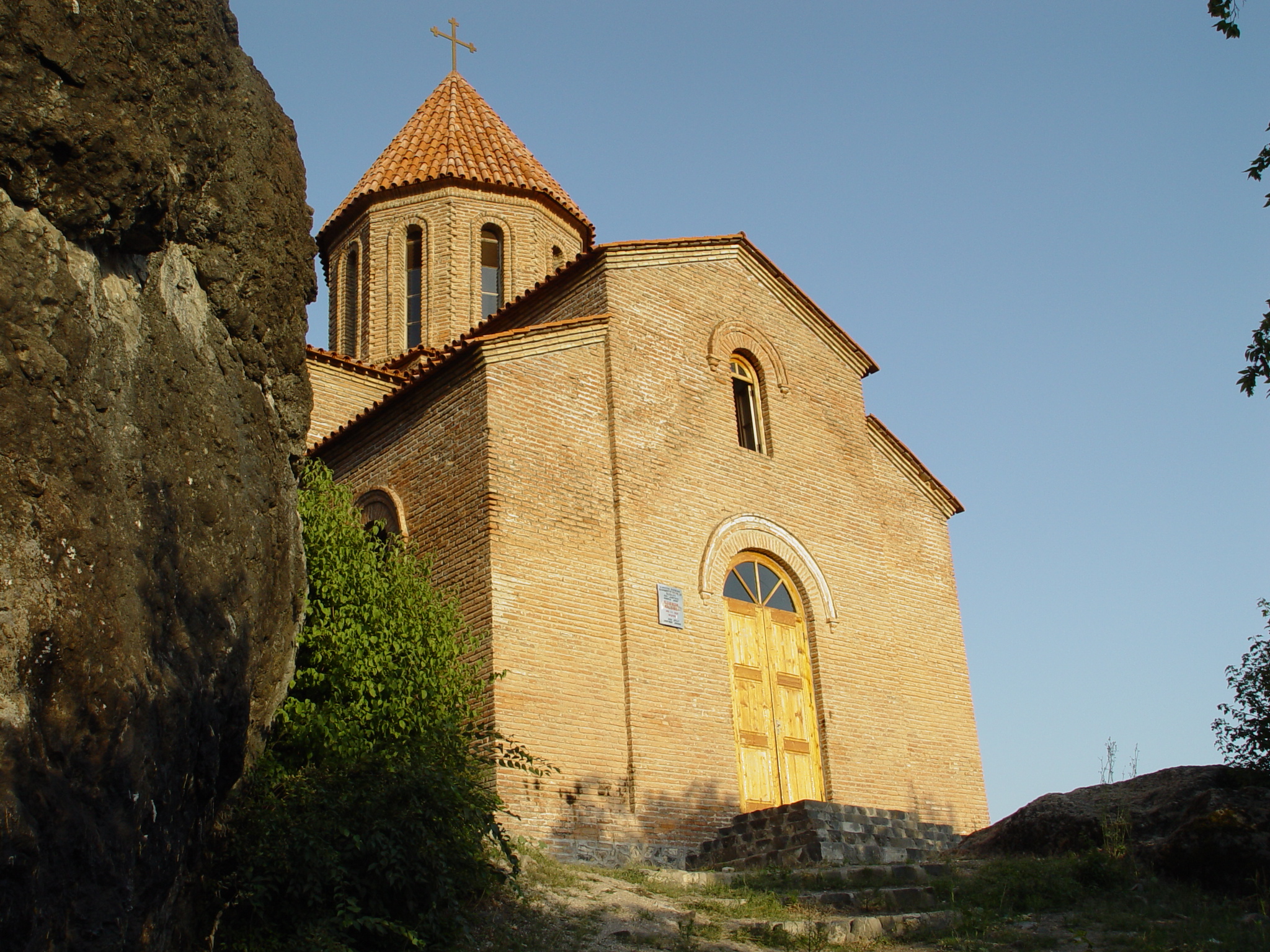
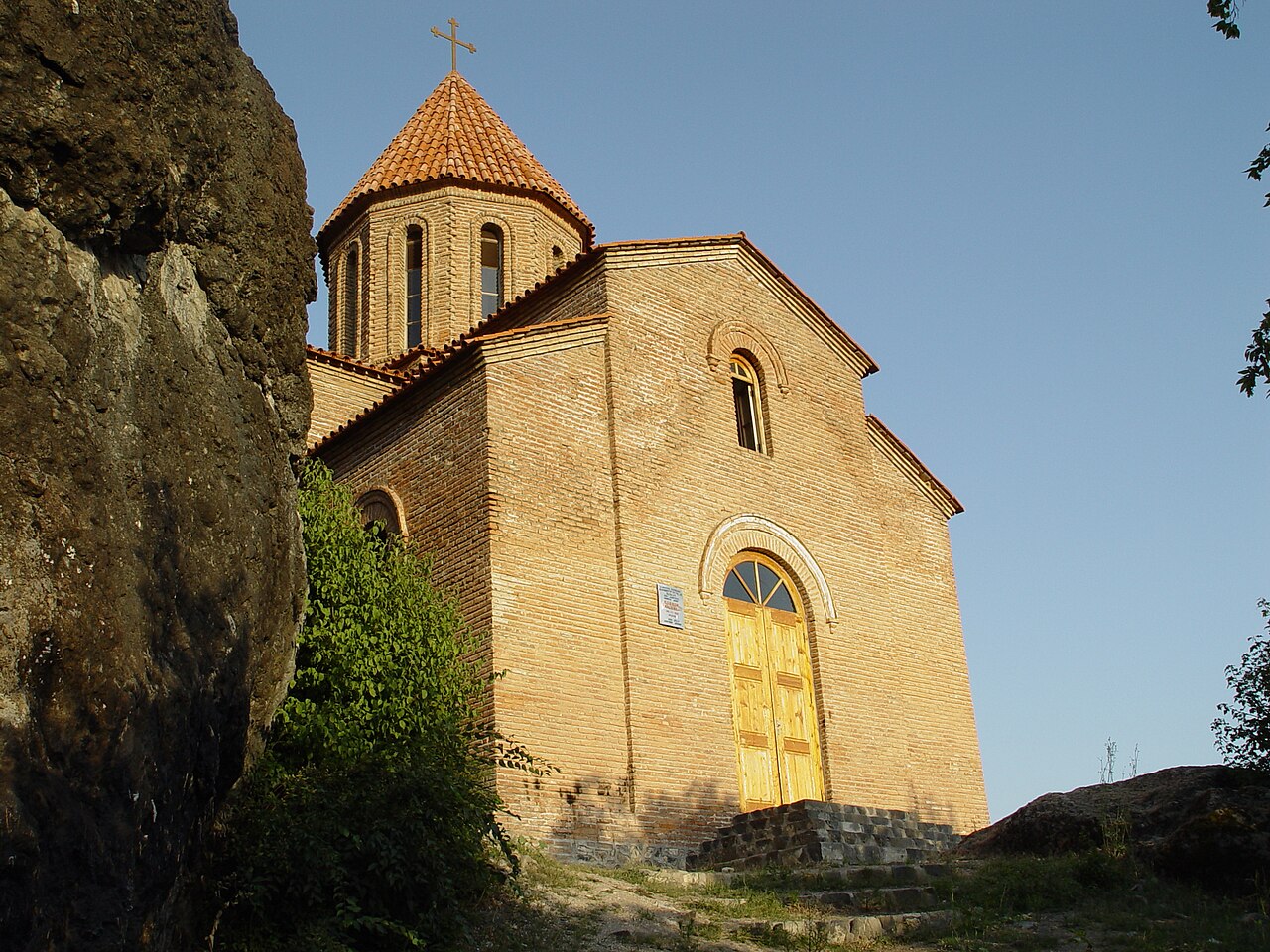

Prioritize this site if interested in Georgian Orthodox architecture; the Kurmukhi Church is a well-preserved example worth visiting.
Tradition: This church represents the Georgian Orthodox Christian tradition in Azerbaijan.
The Kurmukhi Church of St. George is a significant Georgian Orthodox Church located in the picturesque Qakh District. Its historical importance and architectural style make it a compelling site for visitors interested in religious architecture. The church features traditional elements that reflect the rich heritage of Georgian Christianity.
The church is accessible via local transport from Qakh, and it experiences moderate foot traffic, particularly on weekends. Dress modestly, as this is an active place of worship. Be aware that the interior may be closed during services, so plan your visit accordingly. Spend about an hour here to appreciate the architecture and surroundings, and consider visiting nearby sites to enhance your experience.
What to look for: traditional Georgian architecture · ornate frescoes
Why it earns the detour:
- The church is a fine example of Georgian ecclesiastical design, distinct from other Christian sites in Azerbaijan.
- Its location offers scenic views of the surrounding landscape.
- The church is part of a larger cultural heritage area, providing context for its historical significance.

St. Stepanos Church, Ordubad
Visit for its historical significance; St. Stepanos Church is an important Armenian site that offers insight into the region’s Christian heritage.
Tradition: This site is rooted in Armenian Christianity, reflecting the historical presence of Armenians in Azerbaijan.
St. Stepanos Church, located on a hill in Ordubad, is an Armenian church that showcases the architectural style and cultural significance of Armenian Christianity. Although now in ruins, its historical context and location provide an intriguing glimpse into the region’s past. The church’s elevated position offers a unique perspective on the surrounding landscape.
Accessing the church involves a short hike, which may deter some visitors, but the views are rewarding. Expect few crowds, allowing for a peaceful visit. Dress appropriately for the hike, and be cautious of loose stones on the path. Allocate about an hour for your visit, taking time to enjoy the scenery and reflect on the site’s history.
What to look for: hilltop location · remnants of Armenian architecture
Why it earns the detour:
- The church is a testament to the Armenian presence in the region, contrasting with the predominantly Muslim culture.
- Its ruins tell stories of resilience and historical significance.
- The site is less frequented, providing a quiet space for contemplation.
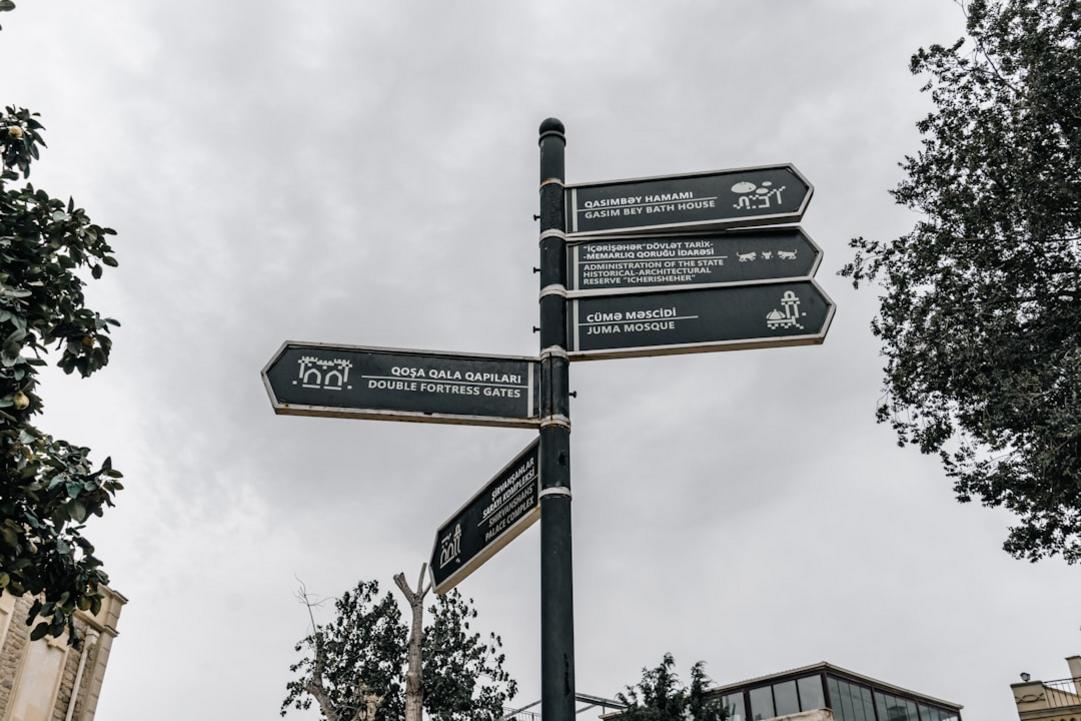
Julfalar Mosque, Shusha
Prioritize this site for its historical value; the Julfalar Mosque is a notable example of Shia Islamic architecture in the Karabakh region.
Tradition: This mosque reflects the Shia Islamic tradition prevalent in Azerbaijan.
The Julfalar Mosque is a former Shia mosque located in Shusha, known for its historical significance and architectural style. Although it has faced challenges over the years, the mosque remains a key representation of Islamic heritage in the region. Its design elements reflect the cultural influences of the time.
Shusha is accessible from Baku, but plan for a longer travel time due to road conditions. The mosque may not be crowded, allowing for a reflective visit. Dress modestly, as it is a religious site. Be mindful of potential restoration work that may limit access to certain areas. Spend about 45 minutes here to appreciate the architecture and the surrounding historical context.
What to look for: historical Shia mosque · distinctive architectural elements
Why it earns the detour:
- The mosque is a significant landmark in the Karabakh region, symbolizing its rich Islamic heritage.
- It offers insight into the historical interplay of cultures in Azerbaijan.
- Visiting the mosque provides an opportunity to engage with the local history of Shusha.
Imam Hussein Mosque, Baku
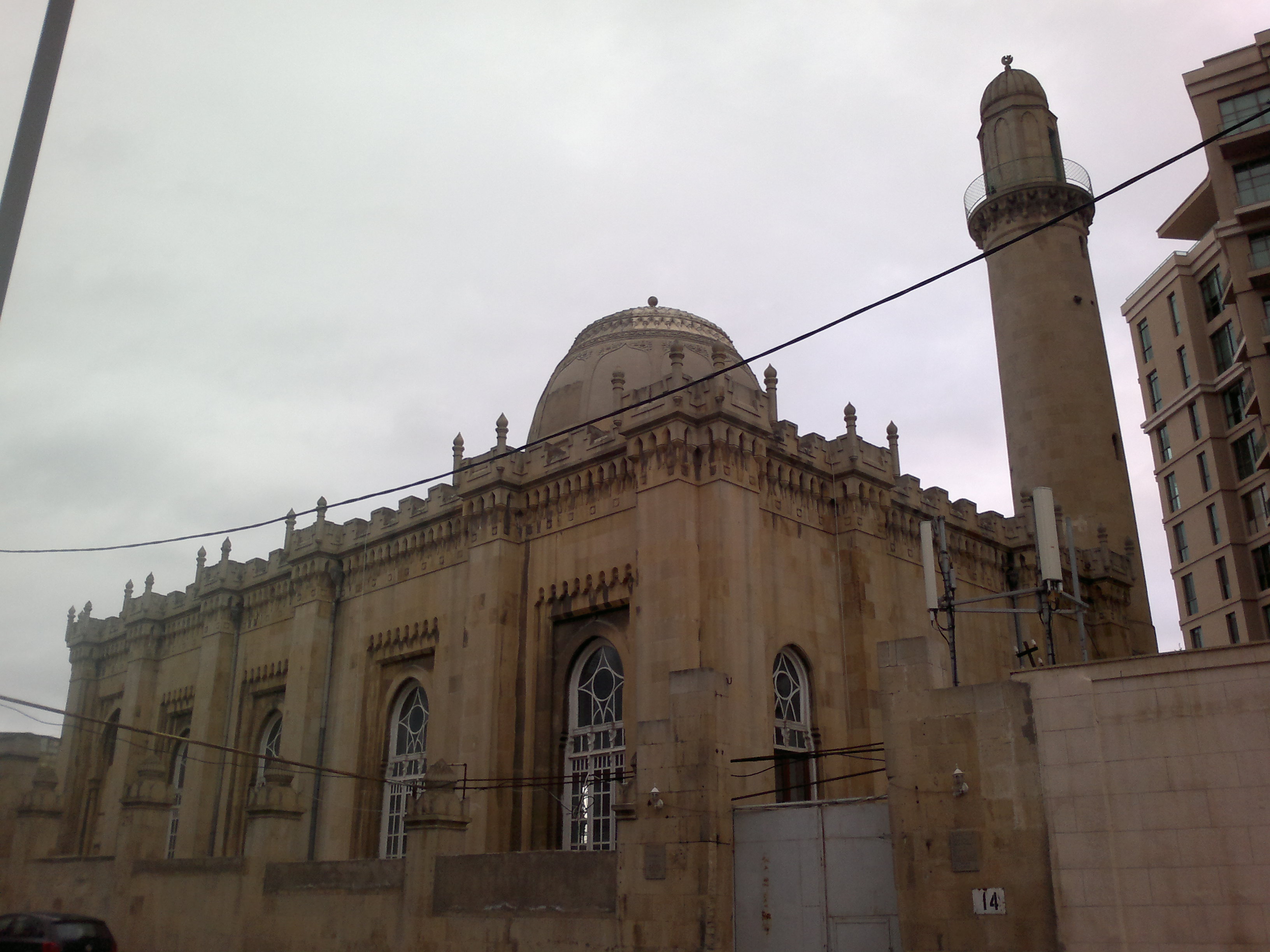
Visit for its architectural features; the Imam Hussein Mosque is a prominent site in Baku that showcases Islamic design.
Tradition: This mosque is part of the Shia Islamic tradition in Azerbaijan.
The Imam Hussein Mosque, also known as the Ashumov Mosque, stands as a significant architectural monument in Baku. Its design incorporates traditional Islamic elements, making it a noteworthy site for visitors interested in religious architecture. The mosque serves as an important center for the local Shia community.
Located in the heart of Baku, the mosque is easily accessible via public transport. It can get crowded during prayer times, particularly on Fridays, so plan your visit accordingly. Dress modestly, as this is an active place of worship. Allocate about an hour for your visit to explore the mosque and its surroundings, and consider attending a prayer service for a deeper experience.
What to look for: traditional Islamic design · ornate minaret
Why it earns the detour:
- The mosque is a key site for the Shia community in Baku, reflecting the city’s Islamic heritage.
- It features intricate tile work and architectural details that are visually striking.
- The mosque’s location makes it a convenient stop while exploring Baku’s historic sites.
Ozan mosque, Ganja
Visit if in Ganja; the Ozan Mosque is a historical site that reflects the region’s Islamic architecture, though it may not stand out compared to other landmarks.
Tradition: This mosque represents the Islamic architectural heritage of Azerbaijan.
The Ozan Mosque is a historical architectural monument located in Ganja, showcasing the typical features of Islamic design. While it is an important site within the city, it lacks the distinctive characteristics that would make it a must-visit for travelers focused on architectural highlights.
The mosque is centrally located in Ganja and is easily reachable on foot. Expect moderate foot traffic, especially during prayer times. Dress codes are standard for mosques, so be prepared to cover your head if necessary. A visit of about 30 minutes is sufficient to appreciate the mosque’s exterior and take in its historical context.
What to look for: traditional mosque design · historical significance
Why it earns the detour:
- The mosque is part of Ganja’s rich Islamic heritage, adding to the city’s cultural tapestry.
- It offers a glimpse into the architectural styles prevalent in Azerbaijan’s Islamic buildings.
- The site is less frequented, allowing for a quiet visit.
Hakobavank, Nagorno-Karabakh
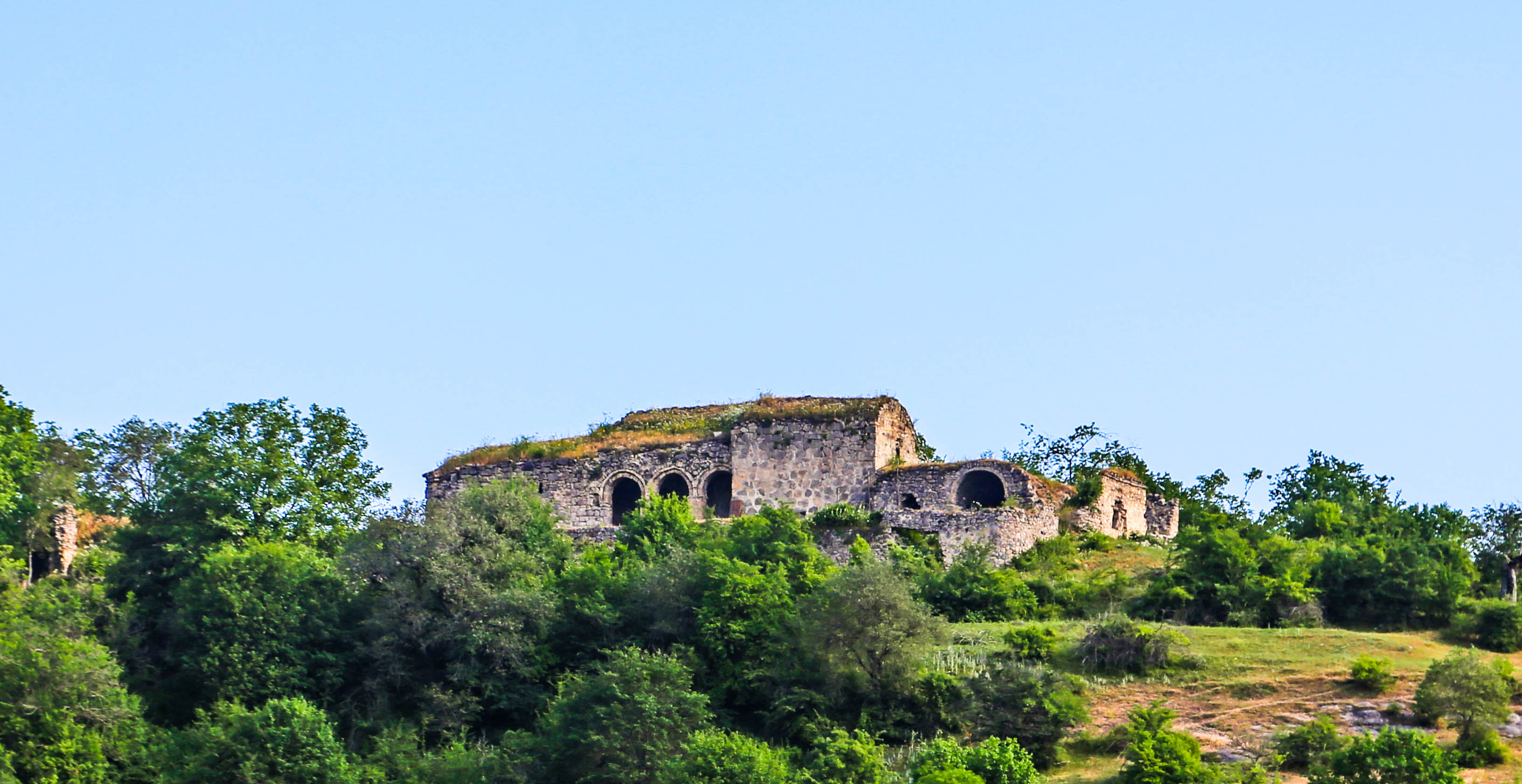
Prioritize this site for its historical and architectural significance; Hakobavank is a notable Armenian monastery that provides insight into the region’s Christian heritage.
Tradition: This site is rooted in Armenian Christianity, showcasing the architectural style of Armenian monasteries.
Hakobavank, also known as Metsaranits Monastery, is an Armenian monastery situated near Kolatak in Nagorno-Karabakh. Its historical and architectural significance makes it a compelling site for visitors interested in Armenian heritage. The monastery features traditional Armenian architectural elements, reflecting its long-standing religious importance.
Accessing Hakobavank may require a longer journey, but the scenic surroundings make the trip worthwhile. The site is relatively quiet, allowing for a reflective visit. Dress appropriately for a monastery setting, and be aware of potential access restrictions due to the region’s political situation. Plan to spend about an hour exploring the monastery and its grounds.
What to look for: traditional Armenian architecture · historic monastery complex
Why it earns the detour:
- The monastery is a key representation of Armenian Christian heritage in the region.
- Its location offers stunning views of the surrounding landscape.
- Visiting Hakobavank provides an opportunity to learn about the historical context of Armenian communities in Azerbaijan.

Seven Church monastery complex, Qakh Rayon
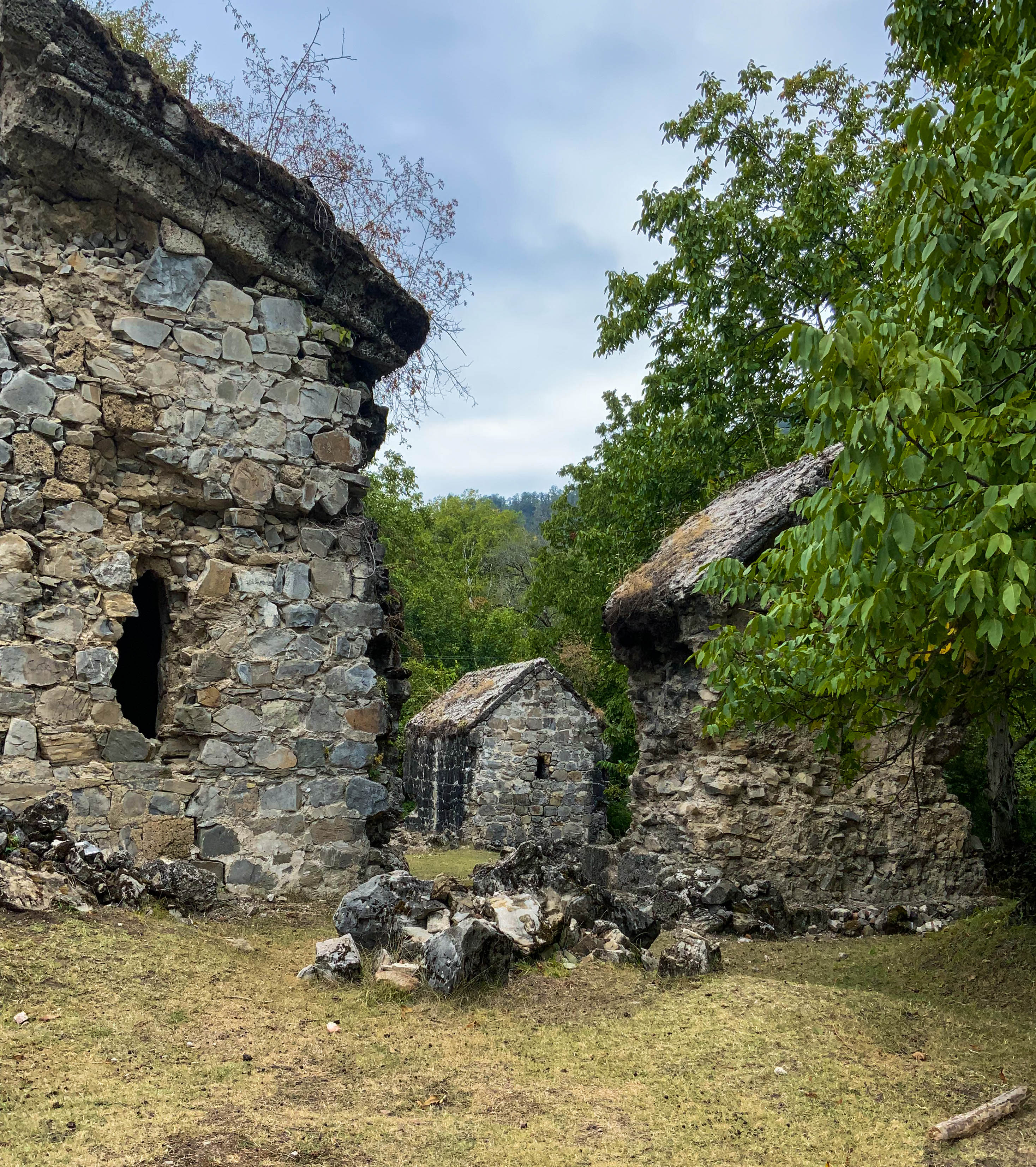
Prioritize this site for its historical value; the Seven Church monastery complex is one of the oldest Christian sites in Azerbaijan, offering significant insight into the region’s religious history.
Tradition: This complex is associated with the Caucasian Albanian Apostolic tradition, reflecting the early Christian heritage of the region.
The Seven Church monastery complex is one of the oldest Christian sites in Azerbaijan, representing the Caucasian Albanian Apostolic tradition. The complex consists of several churches, each with its unique architectural features and historical significance. It offers a fascinating glimpse into the early Christian period in the Caucasus.
Located near the village of Ləkit Kötüklü, the complex is accessible by local transport. Expect a moderate number of visitors, particularly during weekends. Dress modestly, as this is a religious site. Allocate at least an hour to explore the different churches and appreciate their historical context.
What to look for: multiple church structures · Caucasian Albanian architectural style
Why it earns the detour:
- The complex is a testament to the early Christian presence in Azerbaijan, contrasting with the predominant Islamic culture.
- Each church within the complex showcases unique architectural details and historical narratives.
- Visiting this site provides a broader understanding of the region’s religious diversity.
Yukhari Ambaras mosque, Ordubad
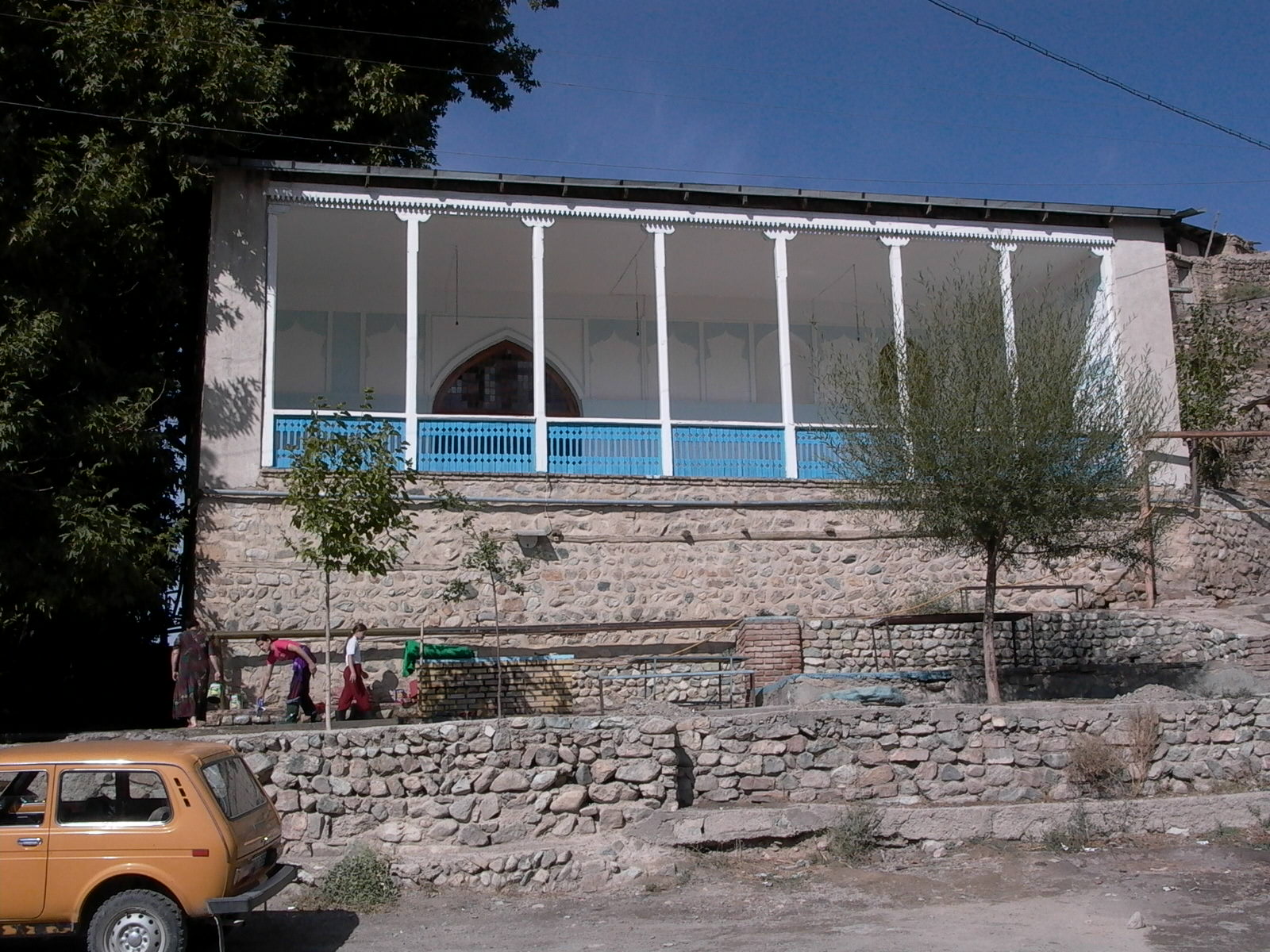
Visit for its architectural features; the Yukhari Ambaras Mosque is a notable example of 17th-century Sunni architecture in Azerbaijan.
Tradition: This mosque represents the Sunni Islamic tradition in Azerbaijan.
The Yukhari Ambaras Mosque, also known as the Mir Jafar Agha Mosque, is a 17th-century architectural monument located in Ordubad. Its design reflects the characteristics of Sunni Islamic architecture, making it a significant site for visitors interested in religious structures. The mosque’s historical context adds to its appeal.
The mosque is easily accessible within Ordubad, and it experiences light foot traffic, allowing for a tranquil visit. Dress modestly, as is customary for mosques. Be mindful of any ongoing restoration work that may affect access to certain areas. A visit of about 30 minutes is sufficient to appreciate the mosque’s architectural details and historical significance.
What to look for: 17th-century Sunni mosque · distinctive architectural features
Why it earns the detour:
- The mosque is a key example of historical Sunni architecture in Azerbaijan.
- Its location in Ordubad adds to the cultural richness of the area.
- Visitors can appreciate the mosque’s design without the crowds typical of larger sites.
Synagogue of the Ashkenazi Jews in Baku, Baku
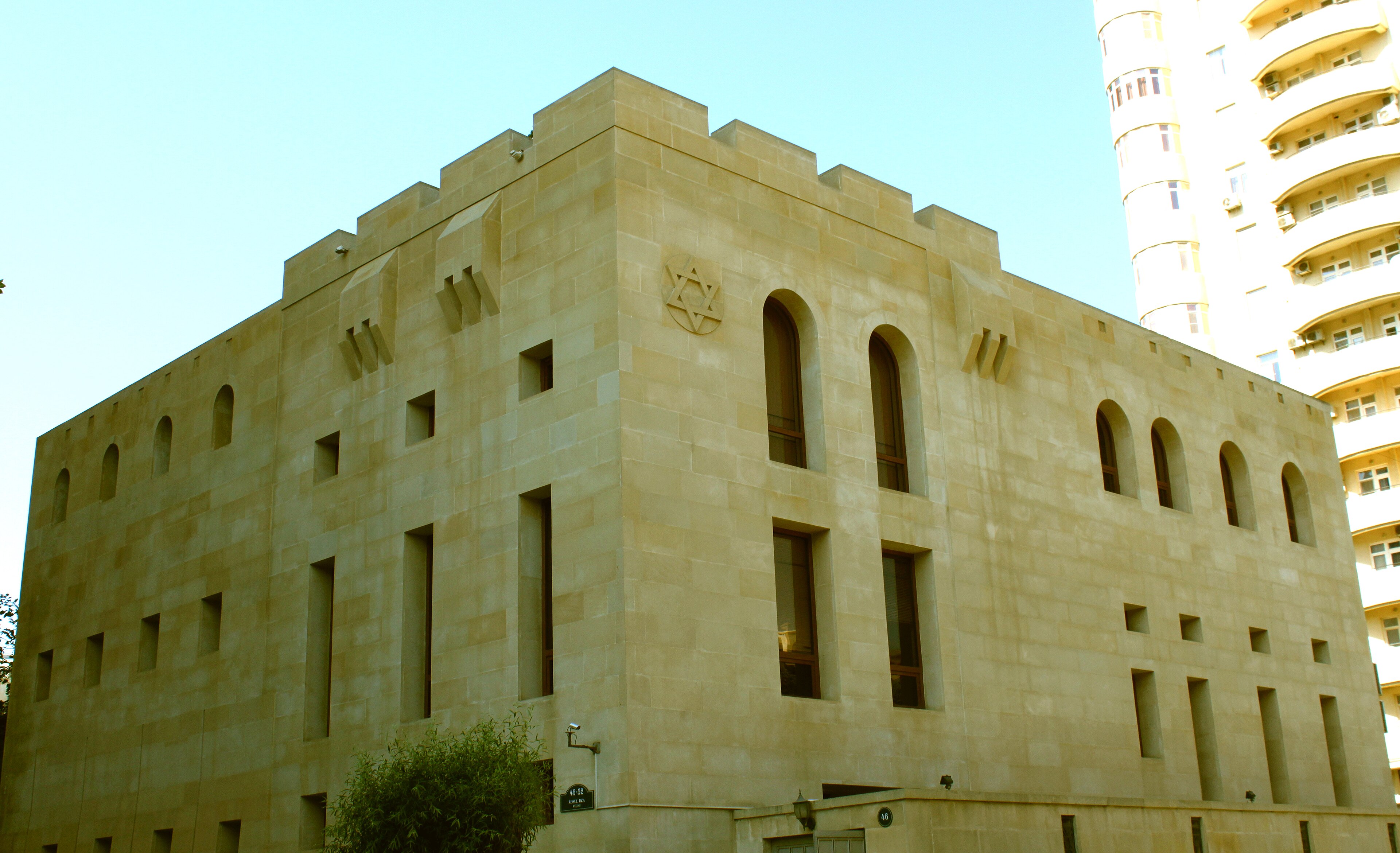
Visit for its unique cultural perspective; the Synagogue of the Ashkenazi Jews offers insight into the Jewish community in Azerbaijan.
Tradition: This site represents the Ashkenazi Jewish tradition in Baku.
The Synagogue of the Ashkenazi Jews in Baku stands as a testament to the Jewish community’s presence in Azerbaijan. Its architectural design reflects the traditions of Ashkenazi Jews, making it a unique site within the predominantly Muslim landscape of Baku. The synagogue serves as a cultural and religious center for the local Jewish population.
Located on Dilara Aliyeva Street, the synagogue is easily accessible and can be visited alongside other sites in Baku. Expect minimal crowds, allowing for a more personal experience. Dress modestly when visiting, and be respectful of the sacred space. Allocate about 30 minutes to explore the synagogue and learn about its history.
What to look for: Ashkenazi architectural style · cultural center for the Jewish community
Why it earns the detour:
- The synagogue provides a unique perspective on the religious diversity in Azerbaijan.
- It stands out as a significant site for understanding the Jewish heritage in the region.
- Visiting the synagogue allows for engagement with the local Jewish community and their traditions.
St George’s Church, Qakh- Best time: Daylight hours for better visibility.
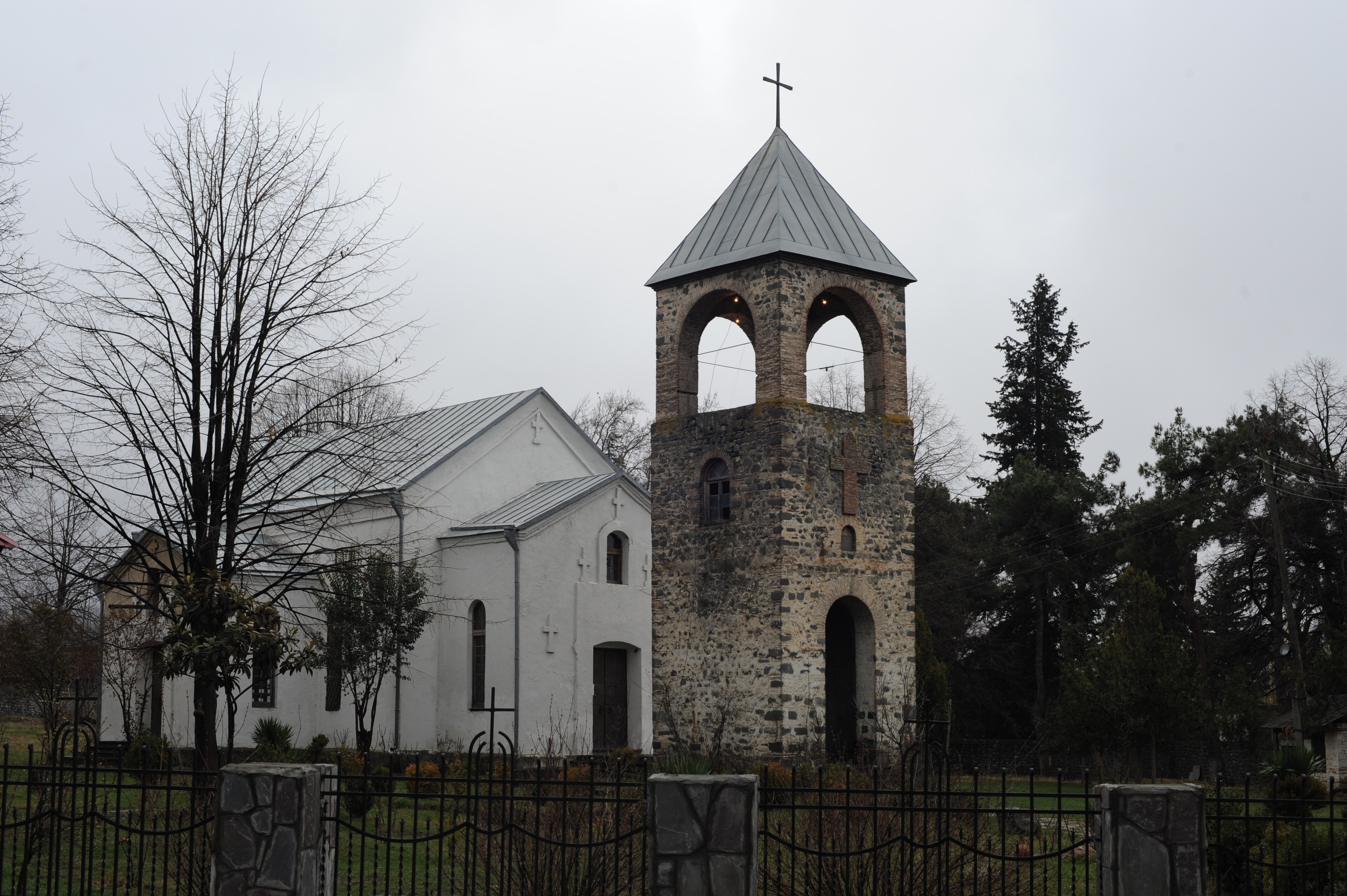
Visit St George’s Church for a glimpse into the Georgian Orthodox heritage in Azerbaijan, especially if exploring the Qakh district. Skip unless in the area, as it lacks significant features.
Tradition: Georgian Orthodox Christianity, reflecting the cultural ties between Azerbaijan and Georgia.
St George’s Church stands as a testament to the resilience of the Georgian Orthodox community in Azerbaijan. Originally destroyed during Shah Abbas I’s invasions, it was reconstructed in the first half of the 18th century on the site of an earlier church. The church’s architecture is modest but holds historical significance for the Ingiloy Georgians living nearby.
Located in the village of Gakh-Inguila, the church is easily accessible by road. Expect a quiet visit, as it does not attract large crowds. There are no strict dress codes, but modest attire is recommended. The church is best visited during daylight hours to appreciate its surroundings. Allocate about 30 minutes for your visit, as the church itself is small and primarily of interest to those keen on regional history.
- Best time: Daylight hours for better visibility.
What to look for: Georgian Orthodox architecture · 18th-century reconstruction
Why it earns the detour:
- The church’s location near the Kakistskali river enhances its scenic charm.
- The structure reflects the historical ties between Azerbaijan and Georgia, making it a cultural landmark.
- While not architecturally grand, it serves as a reminder of the region’s diverse religious heritage.

Hajji Heybat mosque- Best time: Any time during the day.
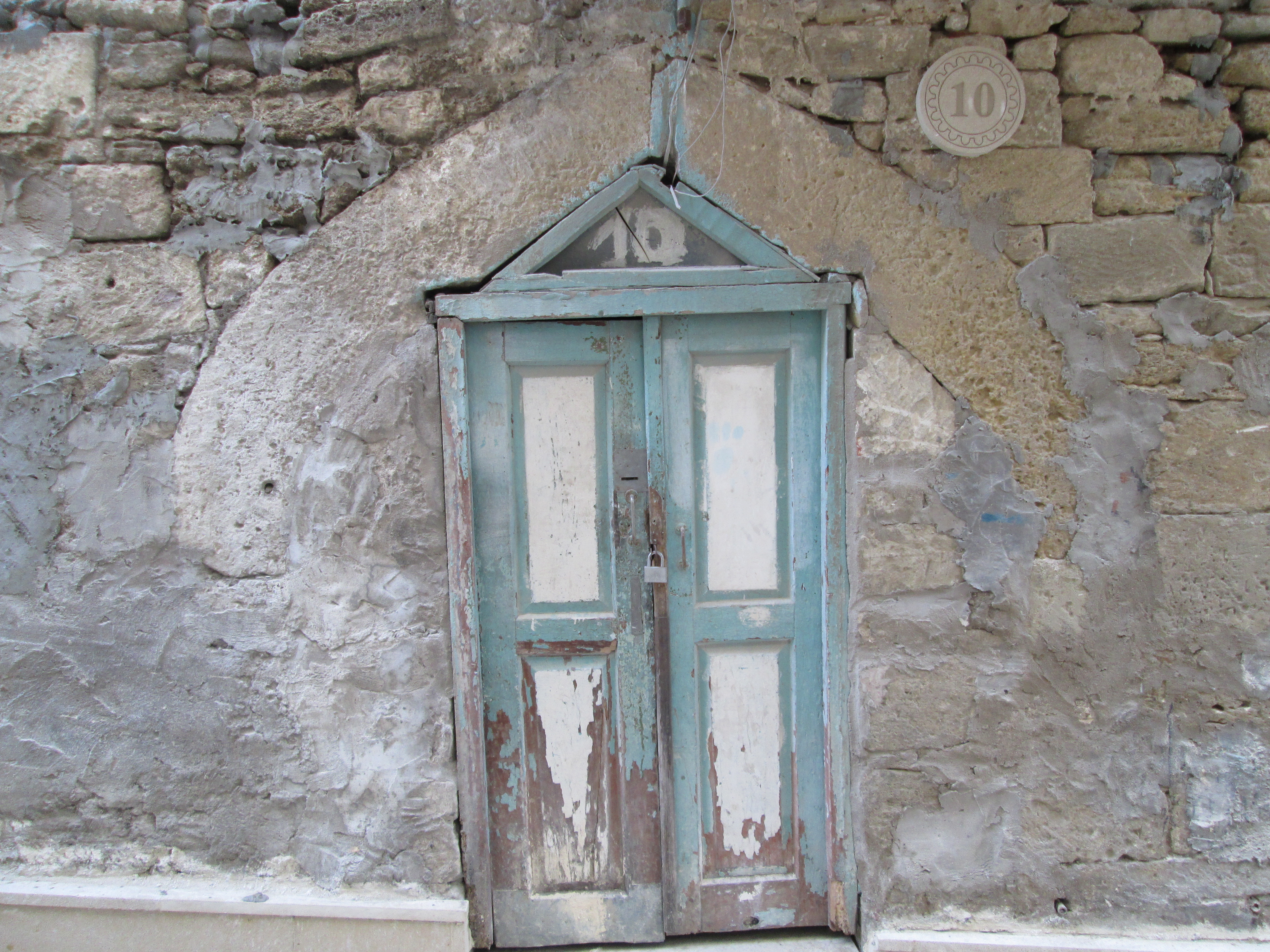
Skip Hajji Heybat Mosque unless already in the Old City; it lacks the architectural features of more prominent mosques in Baku.
Tradition: Islam, representing a historical layer of Baku’s religious landscape.
Hajji Heybat Mosque, located on Kichik Gala street in the Old City of Baku, is a former mosque that reflects the city’s Islamic architectural heritage. While it has historical roots, the mosque does not stand out compared to other significant sites in Baku.
Easily reachable within the Old City, the mosque is often quiet, making it a quick stop. There are no specific dress codes, but modest attire is advisable. Since it doesn’t draw large crowds, a visit can be completed in about 20 minutes. Consider pairing your visit with nearby attractions for a more enriching experience.
- Best time: Any time during the day.
What to look for: Historical mosque structure · Old City location
Why it earns the detour:
- The mosque’s simplicity contrasts with Baku’s more elaborate religious buildings.
- It serves as a reminder of the historical presence of Islam in the city.
- A quick visit allows for exploration of the surrounding Old City area.
Bibi-Heybat Mosque- Tradition: Shia Islam
- Era: 13th century
- Best time: Golden hour for the best photographic opportunities.
- Crowds: moderate
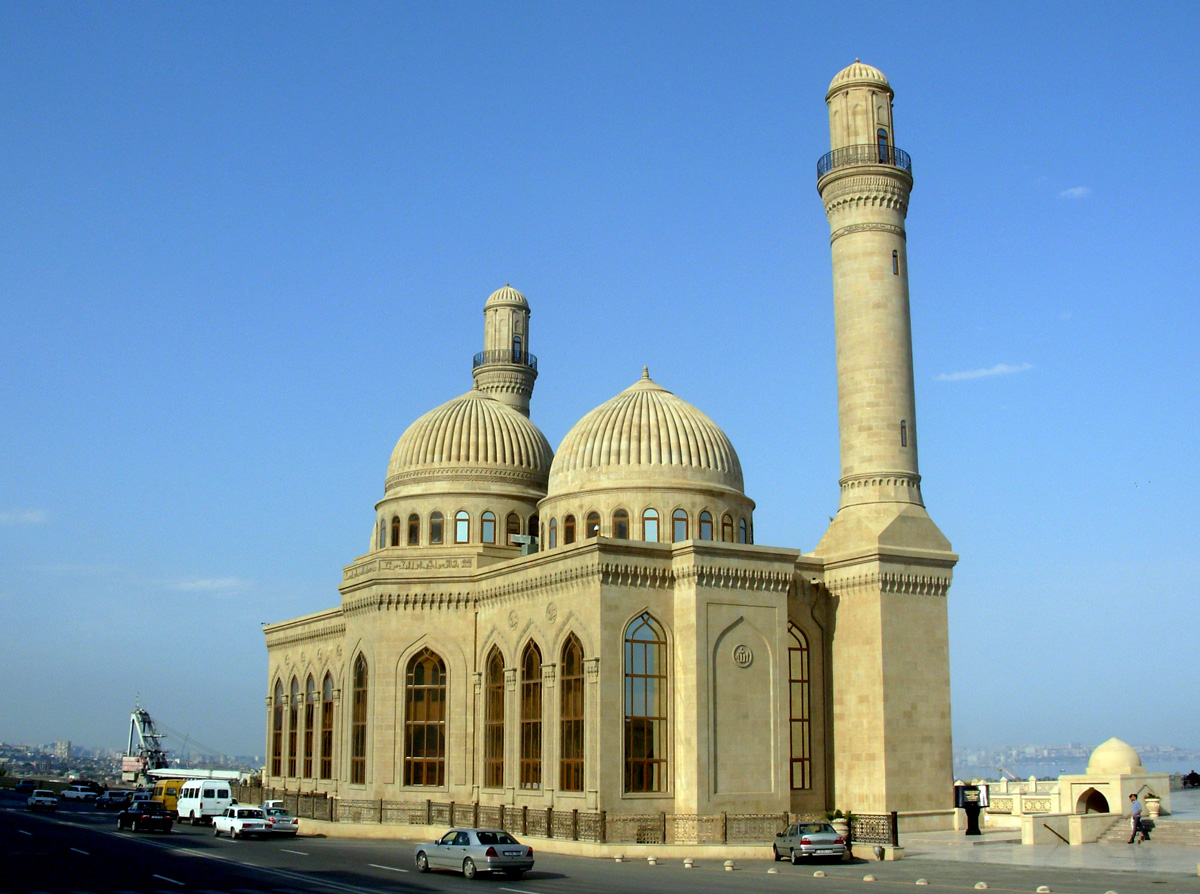
Prioritize Bibi-Heybat Mosque for its architectural and spiritual significance, especially for those interested in Shia Islam. Visit during golden hour for the best views.
Tradition: Shia Islam, a major pilgrimage site for Shia Muslims in Azerbaijan.
Bibi-Heybat Mosque is a striking cliffside mosque on the Caspian shore, rebuilt in the 1990s on the foundations of a 13th-century original. This mosque is significant as the burial site of Ukeyma Khanum, a descendant of the Seventh Imam, making it the most important Shia pilgrimage site in Azerbaijan.
Accessible via Bibi-Heybat road, the mosque is best visited at golden hour when the white dome contrasts beautifully against the dark cliffs. Expect moderate crowds, particularly during prayer times. Dress modestly, as it is a working mosque. Plan for about an hour to explore the site and appreciate its historical context. Don’t miss the view from the road leading to the mosque; it’s a stunning sight.
- Tradition: Shia Islam
- Era: 13th century
- Best time: Golden hour for the best photographic opportunities.
- Crowds: moderate
What to look for: 13th-century original foundations · Tomb of Ukeyma Khanum
Why it earns the detour:
- The mosque’s architecture showcases a blend of historical and modern elements.
- It serves as a focal point for Shia Muslim pilgrims, especially during significant religious events.
- The surrounding landscape enhances the mosque’s visual impact.
Juma Mosque, Baku- Tradition: Shia Islam
- Era: 1899
- Best time: Weekday mornings for a quieter visit.
- Crowds: moderate
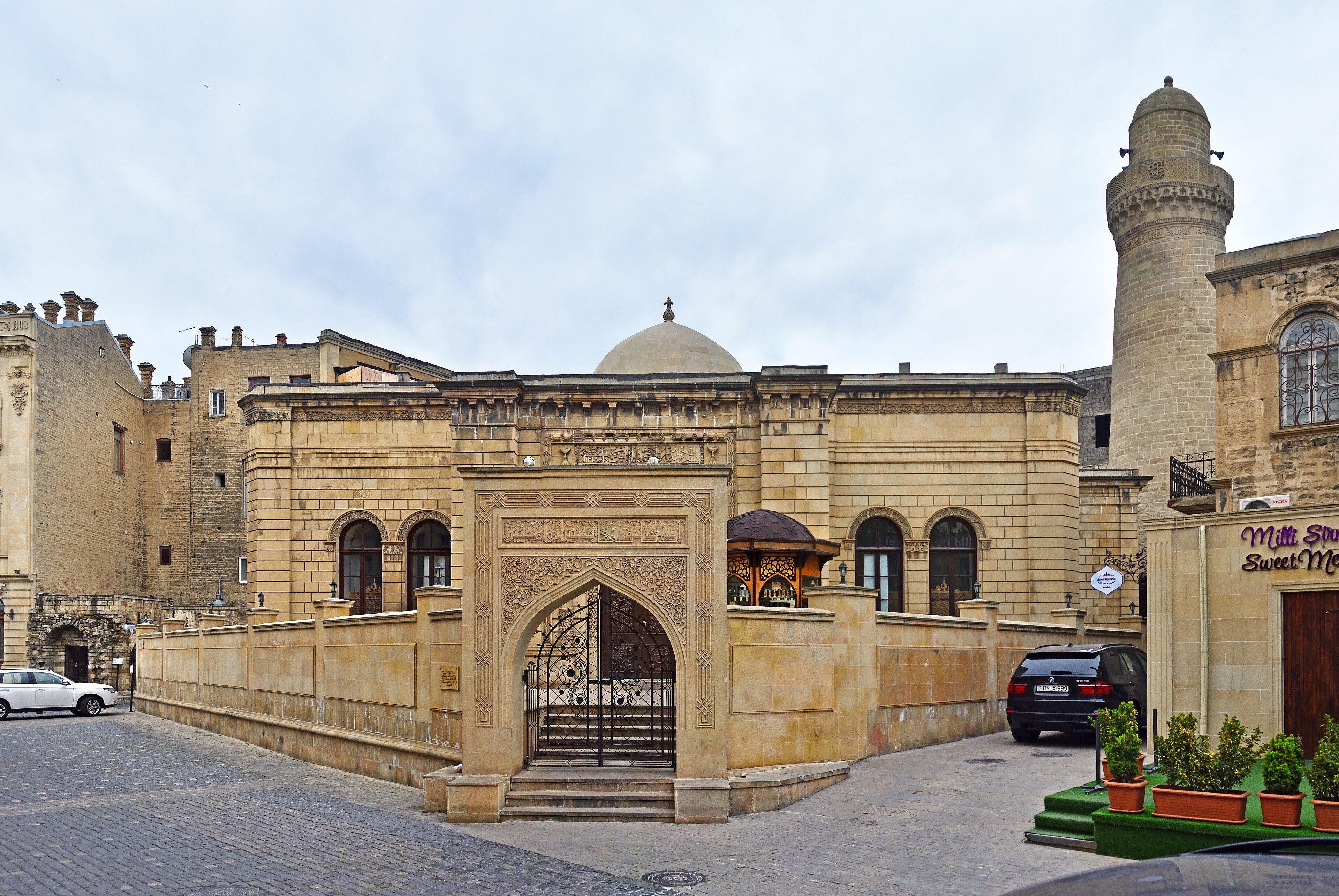
Visit Juma Mosque for a more intimate experience of Baku’s religious life, particularly during Friday prayers. It’s less crowded outside of prayer times.
Tradition: Shia Islam, serving as the main congregational mosque in Baku’s Old City.
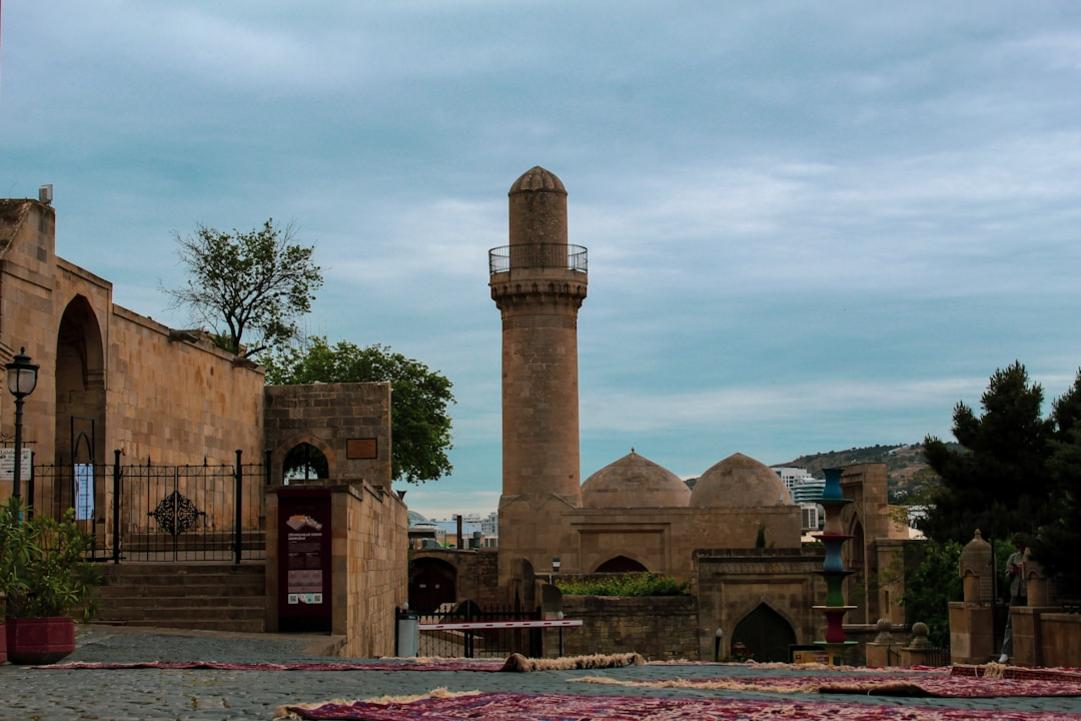
Juma Mosque, built in 1899 over a 12th-century Shirvanshahs-era foundation, offers a unique glimpse into Baku’s Islamic architecture. The single-domed prayer hall features a restored 19th-century mihrab, making it a significant site for local worshippers.
Located in the bustling Old City, the mosque can get crowded during Friday noon prayers. Outside of this time, visitors can enjoy a quieter atmosphere. Modest dress is required, and women are provided headscarves at the entrance. Plan for about 45 minutes to fully appreciate the mosque and its surroundings. Consider visiting earlier in the day to avoid the Friday rush.
- Tradition: Shia Islam
- Era: 1899
- Best time: Weekday mornings for a quieter visit.
- Crowds: moderate
What to look for: 19th-century mihrab · Single domed prayer hall
Why it earns the detour:
- The mosque’s historical significance is enhanced by its location over ancient foundations.
- It provides a more personal experience of Baku’s religious practices compared to larger mosques.
- The surrounding Old City offers additional cultural exploration opportunities.
Taza Pir Mosque- Tradition: Shia Islam
- Era: 1914
- Best time: Friday afternoons for the khutbah.
- Crowds: moderate
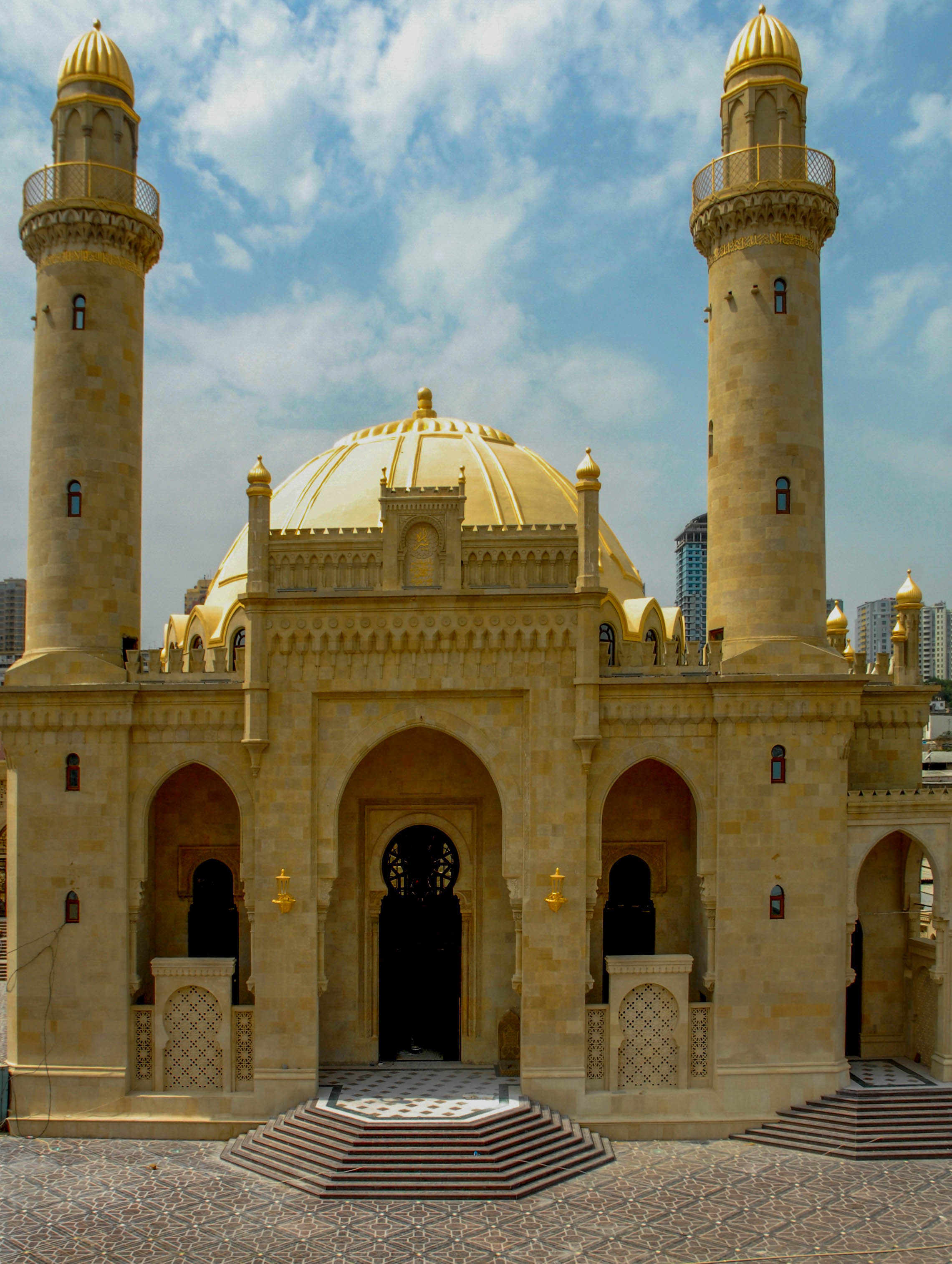
Visit Taza Pir Mosque for a deeper understanding of Azerbaijan’s religious landscape, particularly during Friday khutbah. It’s a key site for local Muslims.
Tradition: Shia Islam, serving as the principal mosque for the Caucasus Muslim Board.
Completed in 1914, Taza Pir Mosque is a significant site in Baku, characterized by its Shirvan-Iranian architectural style. It features two impressive 35-meter minarets and serves as the main Friday prayer location for the city.
Located in the heart of Baku, Taza Pir Mosque is accessible via public transport. It can get busy during Friday prayers, but outside of this time, visitors can explore the mosque more freely. Dress modestly to enter, as it is a functioning mosque. Plan to spend about an hour here to appreciate its architecture and significance. Consider attending the Friday khutbah for a unique experience, as non-Muslims are welcome at the back of the prayer hall.
- Tradition: Shia Islam
- Era: 1914
- Best time: Friday afternoons for the khutbah.
- Crowds: moderate
What to look for: Two 35-meter minarets · Shirvan-Iranian architectural style
Why it earns the detour:
- The mosque’s design reflects the oil wealth of pre-Soviet Baku.
- It serves as a central hub for the Muslim community in Baku.
- The interior features beautiful decorations that enhance its spiritual atmosphere.

Heydar Mosque- Tradition: Shia Islam
- Era: 2014
- Best time: Any time during the day.
- Crowds: quiet
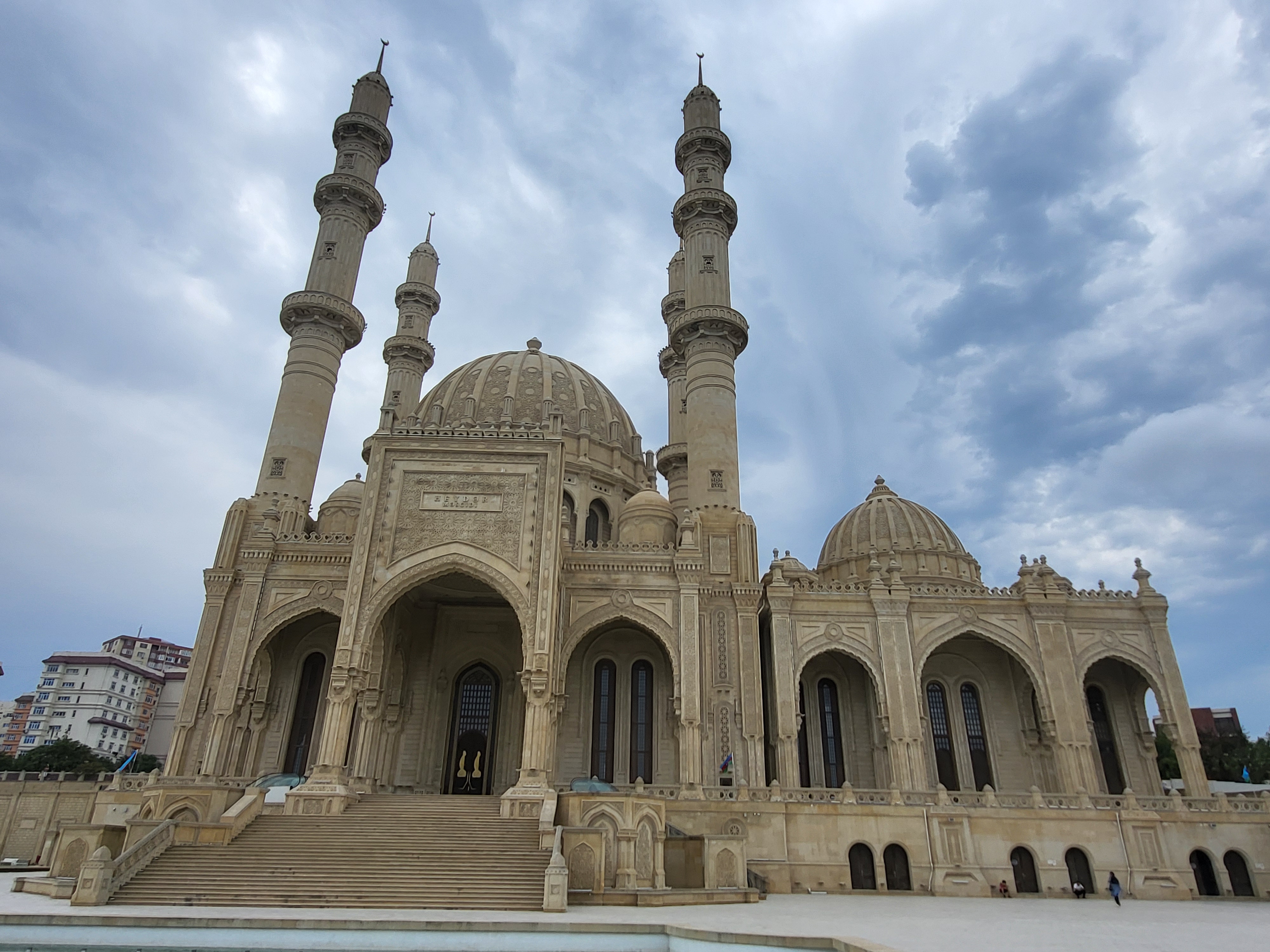
Skip Heydar Mosque unless transiting through Baku; its scale impresses, but it lacks the atmosphere of older mosques.
Tradition: Shia Islam, representing modern architectural trends in religious buildings.
Heydar Mosque, completed in 2014, is the largest mosque in the Caucasus, characterized by its neo-Shirvan architecture. With a capacity of 7,000, it features four towering minarets that dominate the skyline of Baku.
Located in the Binagadi suburb, the mosque is easily accessible by public transport. Expect a quiet visit, as it rarely attracts large crowds. There are no strict dress codes, but modest clothing is encouraged. A visit can be completed in about 30 minutes, making it suitable for a quick stop if passing through. However, it does not offer the same depth of experience as older mosques in the city.
- Tradition: Shia Islam
- Era: 2014
- Best time: Any time during the day.
- Crowds: quiet
What to look for: Largest mosque in the Caucasus · Four 95-meter minarets
Why it earns the detour:
- The mosque’s modern design contrasts sharply with Baku’s historical architecture.
- It serves more as a tourist attraction than a spiritual center.
- The visitor center provides a brief audio history of the mosque.
Ateshgah of Baku (Fire Temple)- Tradition: Zoroastrian / Hindu
- Era: 1713
- Best time: Morning hours for a quieter visit.
- Crowds: moderate
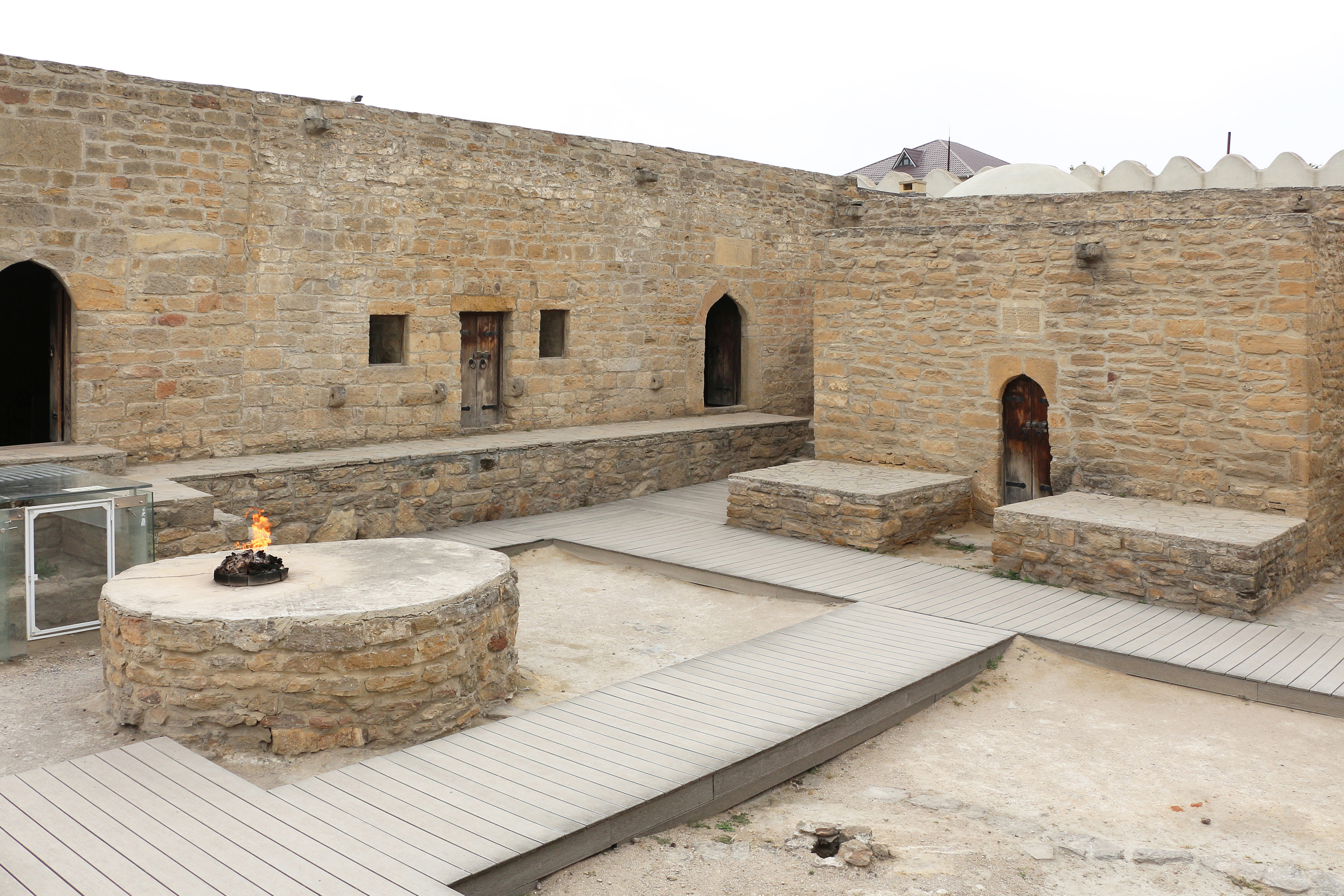
Prioritize Ateshgah for its unique Zoroastrian heritage, especially if paired with Yanar Dag for a fuller experience of Azerbaijan’s fire worship traditions.
Tradition: Zoroastrian / Hindu, showcasing the historical significance of fire worship in the region.
Ateshgah is a pentagonal fire-temple complex built around natural gas vents that burned continuously until 1969. Constructed by Indian merchants in the 17th and 18th centuries, it features inscriptions in Sanskrit and Punjabi, highlighting its cultural connections.
Located in Surakhani, Ateshgah is best visited in the morning, ideally paired with Yanar Dag for a comprehensive understanding of Azerbaijan’s fire worship traditions. Expect moderate crowds, especially on weekends. There are no strict dress codes, but modest attire is recommended. Allocate about an hour to explore the site and its historical context. The temple’s unique architecture and history make it a worthwhile stop.
- Tradition: Zoroastrian / Hindu
- Era: 1713
- Best time: Morning hours for a quieter visit.
- Crowds: moderate
What to look for: Pentagonal fire-temple structure · Sanskrit and Punjabi inscriptions
Why it earns the detour:
- The site illustrates the historical significance of Zoroastrianism in Azerbaijan.
- It provides a fascinating contrast to the Islamic architecture prevalent in the country.
- The surrounding area offers insights into the natural gas phenomenon that fueled the temple.
Sheki Khan Mosque- Tradition: Sunni Islam
- Era: 1745
- Best time: Any time during the day.
- Crowds: quiet
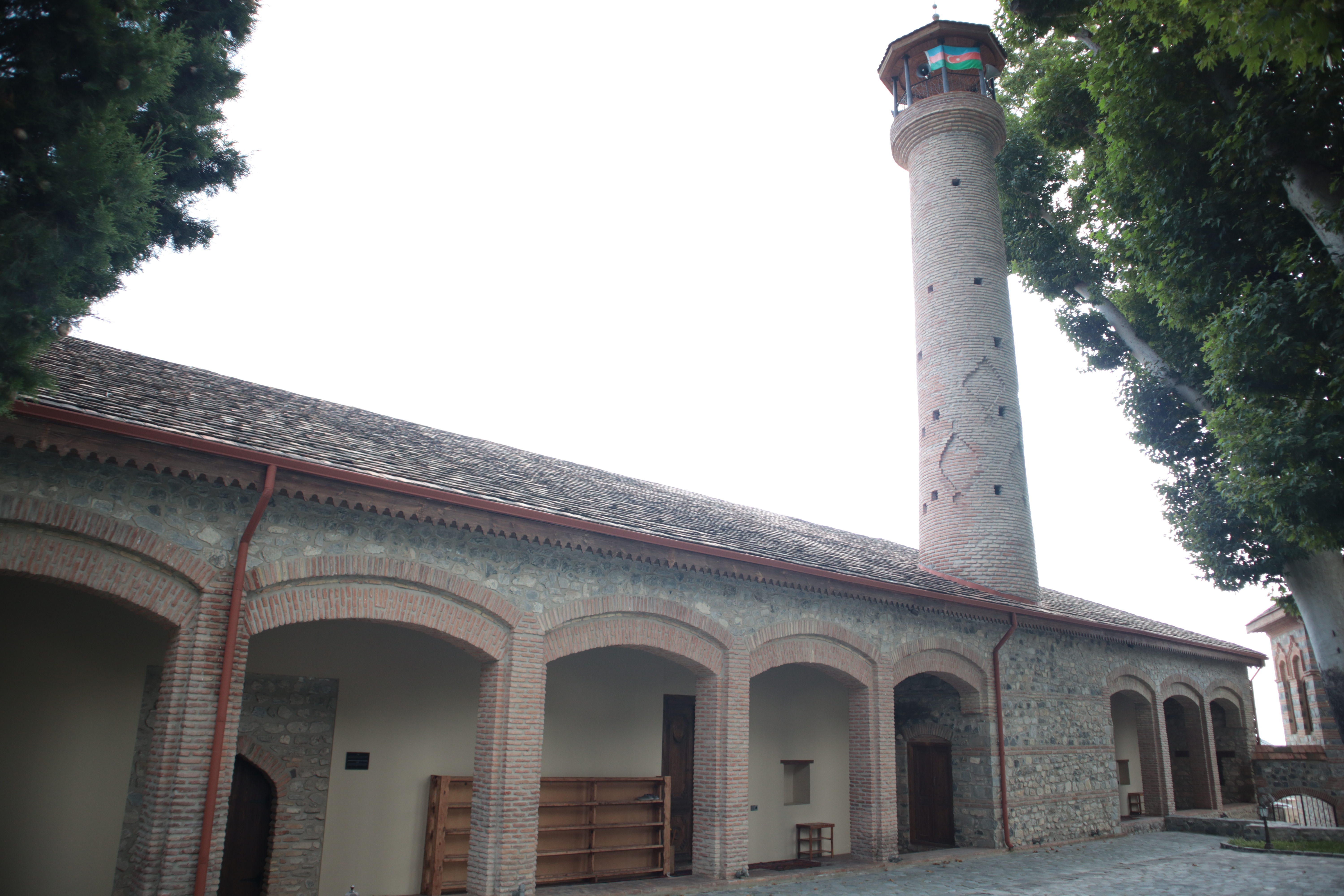
Visit Sheki Khan Mosque for its unique architectural features, especially if combined with the Khan’s Palace. It’s a quiet site worth a brief stop.
Tradition: Sunni Islam, functioning as a working mosque within a historic complex.
Sheki Khan Mosque, built in 1745, is a mid-18th-century brick mosque located within the Khan’s Palace fortress complex. Its single hipped-roof prayer hall and detached minaret are notable features of its design.
The mosque is easily accessible as part of the Khan’s Palace ticket, making it a convenient stop. It remains relatively quiet, allowing for a peaceful visit. There are no specific dress codes, but modest attire is advisable. Plan for about 30 minutes to explore the mosque and its surroundings. It’s easy to overlook, so make sure to include it in your itinerary when visiting the Khan’s Palace.
- Tradition: Sunni Islam
- Era: 1745
- Best time: Any time during the day.
- Crowds: quiet
What to look for: Brick-vaulted ceiling · Detached minaret
Why it earns the detour:
- The mosque’s location within the Khan’s Palace adds historical context to your visit.
- Its architecture reflects the local building styles of the time.
- It serves as a working mosque, providing insight into contemporary religious practices.
Imamzadeh Mausoleum, Ganja- Tradition: Shia Islam
- Era: 14th century
- Best time: Mid-morning for optimal light.
- Crowds: moderate
Prioritize Imamzadeh Mausoleum for its stunning blue tilework and significance as a Shia pilgrimage site. Visit mid-morning for the best light.
Tradition: Shia Islam, a major pilgrimage destination holding the tomb of Ibrahim, son of the Fifth Imam.
Imamzadeh Mausoleum is a beautifully restored blue-tiled complex located 7km outside Ganja. It holds the tomb of Ibrahim, making it a significant pilgrimage site for Shia Muslims, especially during Muharram.
The mausoleum is best visited mid-morning when the sunlight enhances the vibrant blue tiles. Expect moderate crowds during peak pilgrimage times. Modest dress is required, and visitors should be respectful of the site’s religious significance. Allocate about an hour for your visit to fully appreciate the architecture and spiritual ambiance. The mausoleum’s restoration in 2016 has made it a visually striking landmark.
- Tradition: Shia Islam
- Era: 14th century
- Best time: Mid-morning for optimal light.
- Crowds: moderate
What to look for: Blue-tiled exterior · Three new minarets
Why it earns the detour:
- The mausoleum is renowned for its intricate tilework, making it a photographer’s delight.
- It serves as a focal point for Shia religious practices in the region.
- The surrounding gardens offer a peaceful environment for reflection.

Momine Khatun Mausoleum, Nakhchivan- Tradition: Islamic (Atabeg / Seljuk)
- Era: 12th century
- Best time: Daylight hours for best visibility.
- Crowds: quiet
Visit Momine Khatun Mausoleum for its architectural significance and historical importance. It’s a must for anyone interested in medieval Islamic architecture.
Tradition: Islamic (Atabeg / Seljuk), representing a key example of medieval architecture in Azerbaijan.
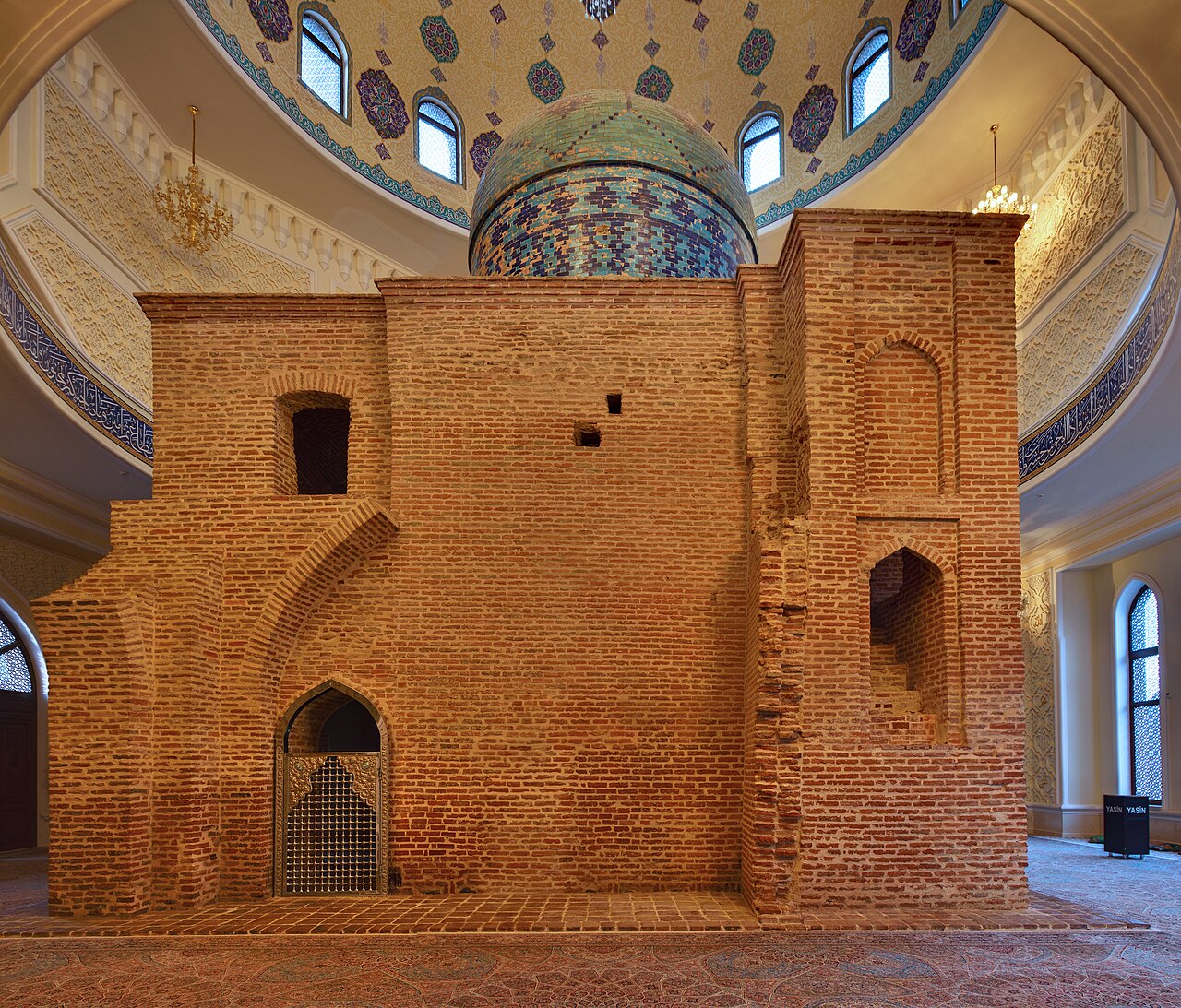
Momine Khatun Mausoleum, built in 1186, is an octagonal brick tower-mausoleum in Nakhchivan city. Commissioned by the Atabeg Jahan Pahlavan for his wife, it is considered the masterwork of architect Ajami Nakhchivani.
The mausoleum is best accessed by flight from Baku, as it is located in a remote area. Expect a quiet visit, as it is not heavily trafficked. There are no specific dress codes, but modest attire is recommended. Plan for about an hour to explore the intricate tilework and inscriptions that adorn the structure. Its historical significance makes it a highlight for those interested in Azerbaijan’s architectural heritage.
- Tradition: Islamic (Atabeg / Seljuk)
- Era: 12th century
- Best time: Daylight hours for best visibility.
- Crowds: quiet
What to look for: Octagonal brick tower · Intricate Kufic inscription bands
Why it earns the detour:
- The mausoleum is recognized as the single most important medieval monument in Nakhchivan.
- Its design reflects the artistic achievements of the Seljuk period.
- It is included on UNESCO’s tentative list, highlighting its cultural value.
When to visit, and which festivals reshape the experience
Timing is crucial when visiting religious landmarks in Azerbaijan, as both the weather and the religious calendar can significantly impact the experience. Understanding these factors allows for a more enriching visit while avoiding potential inconveniences.
The spring season, and why it offers the best balance
April to June
Spring provides mild temperatures and blooming landscapes, making it an ideal time to explore religious sites. This season coincides with several important religious observances, enhancing the cultural experience. However, expect increased pilgrim activity, particularly around sites like the Imamzadeh Mausoleum, which can get crowded during weekends.
The autumn season, and the pilgrimage peaks
September to November
Autumn is another excellent time for visits, with comfortable weather and fewer tourists than summer. This period also sees a rise in religious activities, particularly in Shia Islam, as many pilgrims visit key sites. However, be mindful of the increased crowds during significant religious events, which can affect access to popular locations.
- Ramadan – approximately March to April (lunar calendar – date shifts each year)
Visiting during Ramadan offers a unique perspective on the spiritual practices of the local Muslim community, but expect altered access and daytime closures. Sites: Bibi-Heybat Mosque, Juma Mosque, Baku, Taza Pir Mosque - Eid al-Fitr – approximately April to May (lunar calendar – date shifts each year)
Eid al-Fitr marks the end of Ramadan and is a vibrant time for communal prayers and celebrations, making it a culturally rich experience but also a peak period for crowds. Sites: Bibi-Heybat Mosque, Juma Mosque, Baku, Taza Pir Mosque
Timing your visit to avoid crowds
To avoid the busiest times, plan visits during weekdays rather than weekends, especially for popular sites. Be aware that Friday midday prayers can lead to crowded conditions at mosques. Additionally, local holidays may attract larger crowds, so checking the local calendar before visiting is advisable.
Dress Code Essentials
Carry a lightweight long scarf to cover shoulders when entering religious sites. This simple accessory ensures compliance with dress codes across various traditions in Azerbaijan.
Traveler Type Recommendations
Use this table to find the best site for your travel style and interests. Each recommendation highlights a site that aligns with distinct traveler archetypes.
| Traveler type | Best site for them | Why |
|---|---|---|
| Religious architecture buff | Momine Khatun Mausoleum, Nakhchivan | A key medieval monument showcasing Islamic architecture. |
| Family with young children | Heydar Mosque | A quiet visit is possible if you arrive early, allowing kids to explore. |
| Spiritual-practice traveler | Taza Pir Mosque | Attend the Friday khutbah for a unique experience, even for non-Muslims. |
| First-time religious-tourism visitor | Bibi-Heybat Mosque | An iconic site that encapsulates Azerbaijan’s religious heritage. |
| Comfort-first or luxury traveler | Heydar Mosque | Modern facilities and impressive architecture make for a comfortable visit. |
| Budget or slow traveler | Imamzadeh Mausoleum, Ganja | A less crowded site ideal for a reflective visit without rush. |
Your Visit Plan
Follow these steps to ensure a smooth visit to Azerbaijan’s religious sites. Each step is designed to help you navigate logistics and etiquette.
Decide which sites to visit based on your interests and the recommendations provided.
Check the opening hours for each site, noting any closures on specific weekdays.
Pack appropriate clothing: long-sleeve top, knee-length bottoms, and a head covering.
Bring cash for offerings or donations, as some sites appreciate this gesture.
Plan your visit around prayer times to avoid disruptions; check local prayer schedules.
Consider visiting Bibi-Heybat Mosque at golden hour for optimal lighting for photos.
If visiting multiple sites, check for any available combo tickets to save on entrance fees.
Arrive early to popular sites to enjoy a quieter experience before crowds build up.
Respect local customs by maintaining silence in prayer areas and following any site-specific rules.
Frequently Asked Questions
1What is the dress code at Bibi-Heybat Mosque?
Visitors must wear long sleeves and cover their heads. A lightweight scarf is recommended.
2Are photos allowed inside Taza Pir Mosque?
Photography is permitted, but avoid taking pictures during the khutbah.
3What are the opening hours for Imamzadeh Mausoleum?
The mausoleum is generally open from 9 AM to 6 PM, but check for any holiday closures.
4What should I know about prayer times at Juma Mosque, Baku?
The mosque is busiest during the Friday Dhuhr prayer; plan your visit outside this time for a quieter experience.
5Is there a general dress code for religious sites in Azerbaijan?
Yes, visitors should wear modest clothing, covering shoulders and knees at all religious sites.
6Can I buy a combined ticket for multiple sites?
Some sites offer combo tickets; inquire at the first site you visit for options.
7What is the best time to visit the Ateshgah Fire Temple?
Morning visits are ideal, especially when paired with Yanar Dag for a full experience.
8Are there any donation expectations at religious sites?
Donations are welcomed at many sites, especially during special ceremonies or events.
Some links on this page are affiliate links. We may earn a small commission at no extra cost to you when you book through them.