


Quick answer
Azerbaijan carries a Reconsider Travel advisory. The US State Department raised it to Level 3 over terrorism, armed conflict, and landmines, with Level 4, Do Not Travel, in the southern border region near Iran, the Armenia border, and former Nagorno-Karabakh districts. Watch for petty crime and scams elsewhere, especially in Baku.
carries a Level 3, Reconsider Travel, advisory for most of the country over terrorism, armed conflict, and landmines. The southern border region near Iran, the Armenia border, and Aghdam, Aghdara, Fuzuli, Gubadli, Jabrayil, Kalbajar, Khankendi, Khojaly, Khojavend, Lachın, Shusha, and Zangilan are Level 4, Do Not Travel.
Travelers should be aware of the regional split: Baku is safe for tourists, while the Armenia border, the southern border region near Iran, and the former Nagorno-Karabakh districts are do-not-travel zones due to armed conflict and landmines. This guide will help you navigate the risks and enjoy your trip while staying in control of your safety.
Key takeaways
- Do not travel to the southern border region near Iran, the Armenia border, or the former Nagorno-Karabakh districts: all carry a Level 4 advisory from the US State Department over armed conflict and landmines.
- Be cautious of unofficial taxi services in Baku, which often overcharge unsuspecting tourists.
- Expect bar and restaurant overcharging in central Baku; always check your bill before paying.
- Stay alert for currency exchange short-changing, a common scam targeting tourists in major cities.
- Road safety is moderate, with 8.7 deaths per 100,000 people; always use seatbelts and prefer reputable transport.
- Understand that while LGBTQ+ relationships are legal, social hostility exists, particularly in rural areas.
Azerbaijan at a glance: moderate risk
Moderate risk
Azerbaijan’s moderate risk level means travelers should take standard precautions, especially in certain areas.
Government travel advisories
The table below shows the official positions of major governments regarding travel to Azerbaijan, current as of 2026.
| Authority | Advisory |
|---|---|
| UK FCDO | Exercise normal safety precautions, but avoid the Armenia border and Nagorno-Karabakh region. |
| US State Department | Level 3 – Reconsider Travel, due to terrorism, armed conflict and landmines (US State Department, 2026). Do Not Travel to the southern border region near Iran, the Armenia border, and Aghdam, Aghdara, Fuzuli, Gubadli, Jabrayil, Kalbajar, Khankendi, Khojaly, Khojavend, Lachın, Shusha and Zangilan. |
| Australia Smartraveller | Exercise normal safety precautions, with caution near the Armenia border and Nagorno-Karabakh. |
| Auswärtiges Amt | Travelers should exercise caution, especially in border areas and former conflict zones. |
| Nederland Wereldwijd | Be cautious in border regions and avoid the Nagorno-Karabakh area. |
Regions to avoid
Avoid these regions, which are flagged as no-go areas for safety reasons.
- Azerbaijan-Armenia border zone: This area is marked for armed clashes and is a Do Not Travel zone per the US State Department.
- Former Nagorno-Karabakh region and surrounding districts retaken by Azerbaijan: This region, along with Aghdam, Aghdara, Fuzuli, Gubadli, Jabrayil, Kalbajar, Khankendi, Khojaly, Khojavend, Lachın, Shusha and Zangilan, is a Do Not Travel zone due to landmines and unexploded ordnance, per the US State Department.
Low crime, but stay alert in Baku
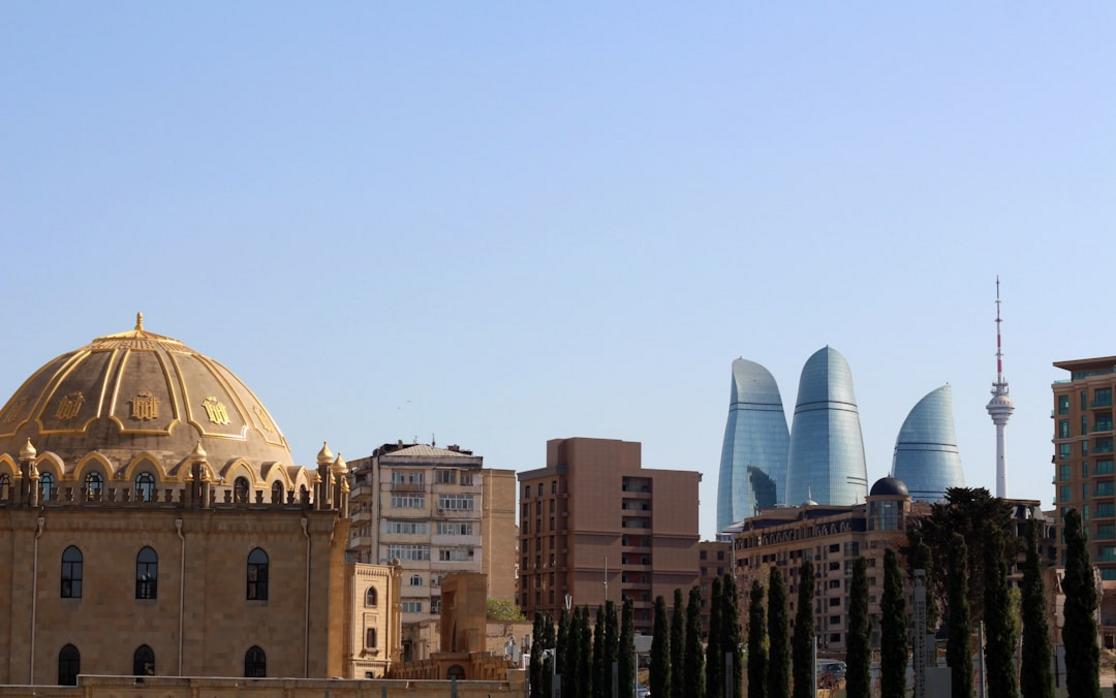
Petty crime is low, while violent crime is also low, making Baku generally safe for tourists. The Numbeo index stands at 25.5, indicating a manageable crime environment. However, be aware of opportunistic theft in crowded areas.
Common petty crimes include pickpocketing in crowded markets and on public transport. Motorbike bag-snatching can occur in busy streets, especially near tourist attractions. Distraction thefts may happen in areas with heavy foot traffic, so stay alert.
Violent crime is low overall, mainly affecting locals rather than tourists. It tends to concentrate in less frequented areas, far from popular tourist spots. Visitors should feel secure in main districts but should avoid isolated regions.
Scams that target tourists
Scams are a more common issue for tourists than violent crime, requiring awareness to avoid pitfalls.
| Scam | How it works | Red flag |
|---|---|---|
| Taxi overcharging | Unofficial taxis may charge inflated rates, especially from the airport or major attractions. Always agree on a fare beforehand. | If a driver doesn’t use a meter or refuses to negotiate, walk away. |
| Bar and restaurant overcharging | Some establishments in central Baku may add hidden charges or inflate prices on the bill, targeting unsuspecting tourists. | Request a detailed bill and compare it with the menu prices. |
| Currency exchange short-changing | At unofficial exchange points, you may receive less money than expected or incorrect denominations when exchanging currency. | Count your money carefully before leaving the counter. |
| ATM card skimming | Scammers may install devices on ATMs to capture card information, leading to unauthorized withdrawals. | Use ATMs located in well-lit, busy areas and check for any unusual attachments. |
Where to stay and where to skip
Safer areas to base in
- Baku city center: busy area with many hotels and attractions, generally safe.
- Old City (Icherisheher) – historic site with a safe atmosphere and plenty of tourists.
Areas to avoid
- Azerbaijan-Armenia border zone – high tension and potential conflict.
- Former Nagorno-Karabakh region – avoid due to ongoing territorial disputes.
Who faces the most risk in Azerbaijan
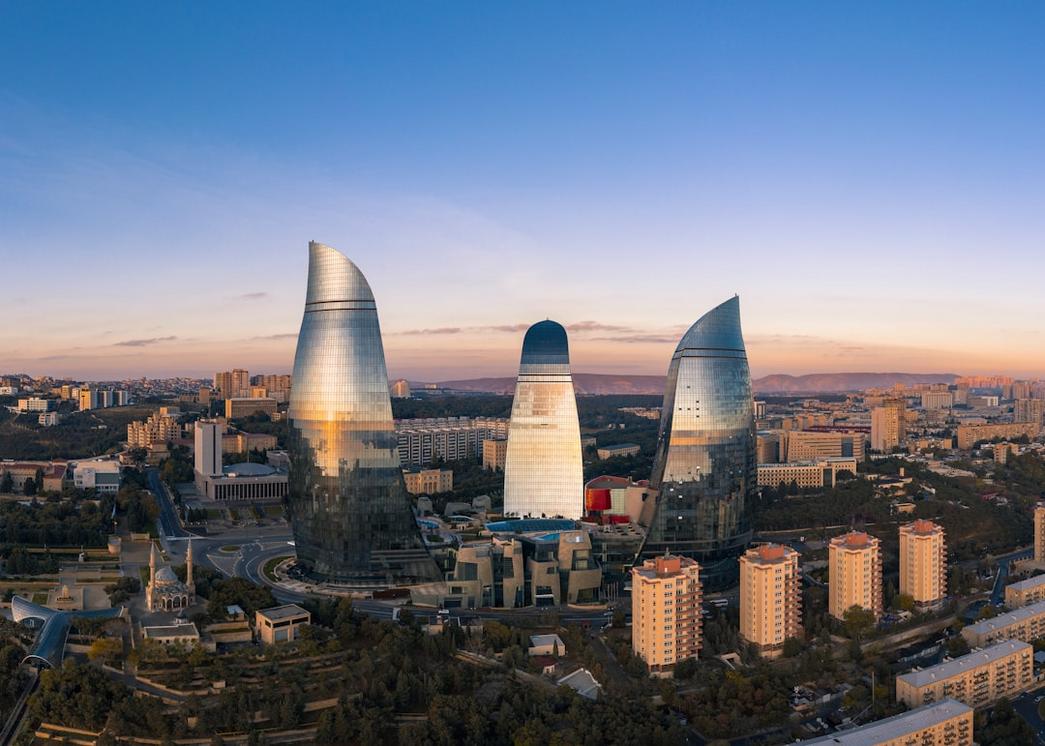
Safety in Azerbaijan varies based on who you are. Women’s and LGBTQ+ ratings come from official indices and legal standings, while the overall risk picture informs the rest. Understanding these nuances is essential for a secure travel experience.
Azerbaijan ranks 96 in women’s safety, indicating moderate risk for solo female travelers. While Baku is generally safe, caution is advised in less populated areas. Dress modestly and avoid walking alone at night.
Watch for
- Use registered taxis instead of unofficial ones.
- Stick to well-lit areas after dark.
- Dress conservatively to blend in.
Same-sex relations are legal in Azerbaijan, but social acceptance is low, leading to potential hostility. Public displays of affection can attract unwanted attention. LGBTQ+ travelers should remain discreet, especially outside Baku.
Watch for
- Avoid public displays of affection.
- Stay in LGBTQ+-friendly accommodations in Baku.
- Acceptance is lower outside Baku.
Azerbaijan is moderately safe for families, with low petty crime in tourist areas. Medical facilities are available, but tap water is not safe to drink. Road safety can be a concern, so plan transfers carefully.
Watch for
- Use bottled water for drinking.
- Choose accommodations with good medical access.
- Be cautious during road transfers due to traffic.
Azerbaijan offers a forgiving environment for first-time travelers, with visible scams primarily in tourist areas. Mistakes can often be rectified easily, but awareness is crucial. Stay alert to avoid common pitfalls.
Watch for
- Learn about common scams like taxi overcharging.
- Use reputable transport services at night.
- Familiarize yourself with local customs.
Older travelers may face risks from petty crime, particularly pickpocketing. Urban areas like Baku are more accessible, with good medical care available. Mobility issues should be considered when planning activities.
Watch for
- Stay in well-trafficked areas to avoid scams.
- Know the locations of good hospitals in Baku.
- Use reliable transport for longer distances.
Getting around Azerbaijan safely
Getting around safely
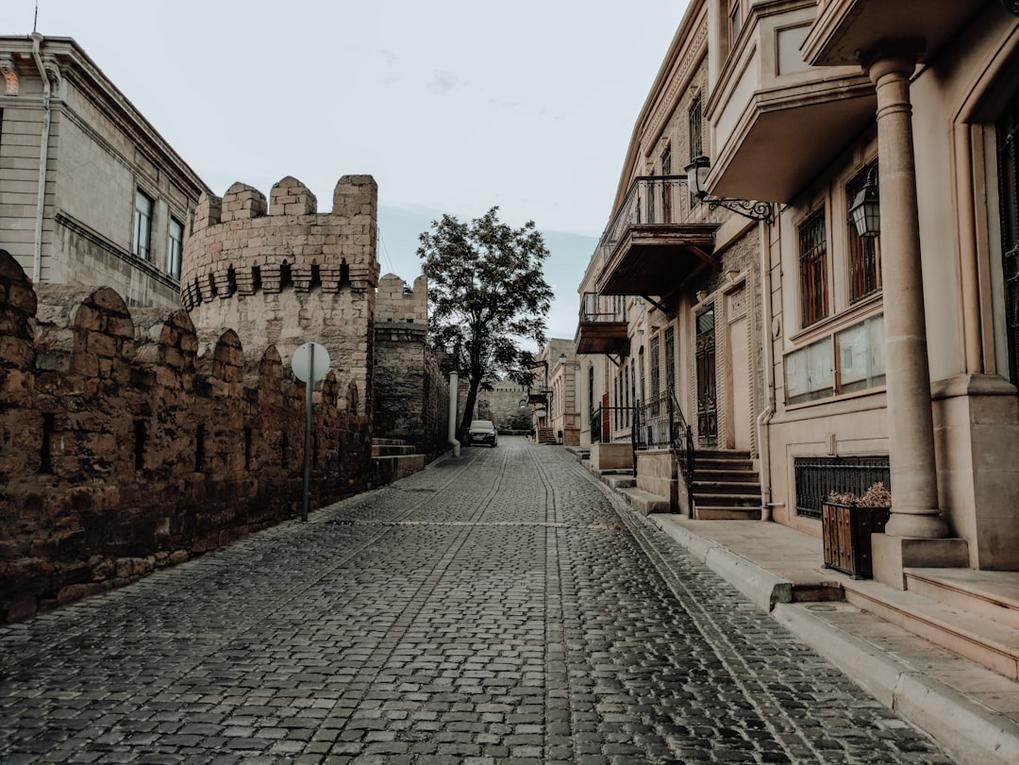
Azerbaijan has a moderate road risk level with 8.7 deaths per 100,000 people. Self-driving is not recommended due to traffic conditions and local driving habits. Carry an International Driving Permit (IDP) if you plan to drive. Use safer alternatives like rideshare services, metered taxis, or domestic flights for longer distances. Be aware that police bribery can occur during traffic stops, so keep a copy of your IDP and passport handy.
Health and natural hazards
Tap water is not safe to drink in Azerbaijan. Avoid ice in drinks and raw seafood to prevent foodborne illnesses. Stick to busy street food stalls with high turnover and opt for sealed bottled water. Common stomach issues may arise from unclean food sources, so choose wisely.
Laws and conduct that catch tourists out
Azerbaijan abolished the death penalty in 1998; it does not apply to any offense, including drug trafficking. Possession of even small quantities can still bring several years in prison, and trafficking carries sentences of up to life imprisonment. Cannabis remains illegal.
Photography of military sites and government buildings is prohibited, with penalties including fines or confiscation of equipment. Dress conservatively at religious sites, covering shoulders and knees, and avoid public displays of affection.

Emergency contacts for Azerbaijan
For travel incidents, contact the tourist police line listed below.
- Move to a safe public place.
- Call the tourist police line listed below.
- Notify your insurer.
- Refuse to surrender your passport.
- Call the tourist police line listed below.
- Notify your insurer.
- Ask for a translator.
- Request your embassy.
- Do not sign anything.
- Do not admit guilt.
Embassies and consulates
- US – Baku · +994 12 488 3300
- UK – Baku · +994 12 437 7878
- DE – Baku · +994 12 465 4100
- FR – Baku · +994 12 490 8200
- NL – Baku · +994 12 404 4080
Medical care and costs
Baku has several hospitals with international-standard care, including Bona Dea International Hospital and MediClub Baku. Facilities outside the capital are more basic.
- Bona Dea International Hospital (Baku) · +994 12 404 7777
- MediClub Baku (Baku) · +994 12 525 25 25
- Central Clinical Hospital (Baku) · +994 12 565 4567
Emergency visits at international clinics in Baku cost $50-150. Inpatient care ranges from $150-400 per night at international clinics, significantly lower at state hospitals. Solid travel insurance is essential here due to the potential for high medical costs and limited public care options.
Travel insurance for peace of mind
Heymondo covers theft, medical emergencies and evacuation, the things this page prepares you for. Our link applies a 5% discount automatically.
Azerbaijan safety questions answered
1Is Azerbaijan safe to visit right now?
Baku is safe with normal precautions, but the US State Department raised Azerbaijan to Level 3 (Reconsider Travel) in 2026 due to the conflict with Iran and a March 2026 drone strike on Nakhchivan airport. Avoid the Armenia border and southern border region near Iran.
2Is Azerbaijan safe for solo female travelers?
Moderately safe, but it’s advisable to dress conservatively and stay in well-populated areas. The women’s safety rank is 96.
3Can you drink the tap water in Azerbaijan?
No, tap water is not safe to drink. Always opt for bottled water to avoid health issues.
4Which areas of Azerbaijan should I avoid?
Avoid the Azerbaijan-Armenia border zone, the southern border region near Iran, and the former Nagorno-Karabakh districts (Aghdam, Aghdara, Fuzuli, Gubadli, Jabrayil, Kalbajar, Khankendi, Khojaly, Khojavend, Lachın, Shusha, Zangilan). These areas carry Do Not Travel advisories due to armed conflict and landmines.
5Is it safe to drive in Azerbaijan?
Driving is manageable, but be cautious of road conditions. The road death rate is moderate at 8.7 deaths per 100,000.
6Are there common scams in Azerbaijan?
Yes, be wary of unofficial taxi overcharging and currency exchange short-changing. Stay informed to avoid these traps.
7Is it safe to use ATMs in Azerbaijan?
Yes, but be cautious of ATM card skimming. Use ATMs in well-lit, busy areas to minimize risk.
Some links on this page are affiliate links. We may earn a small commission at no extra cost to you when you use them.