


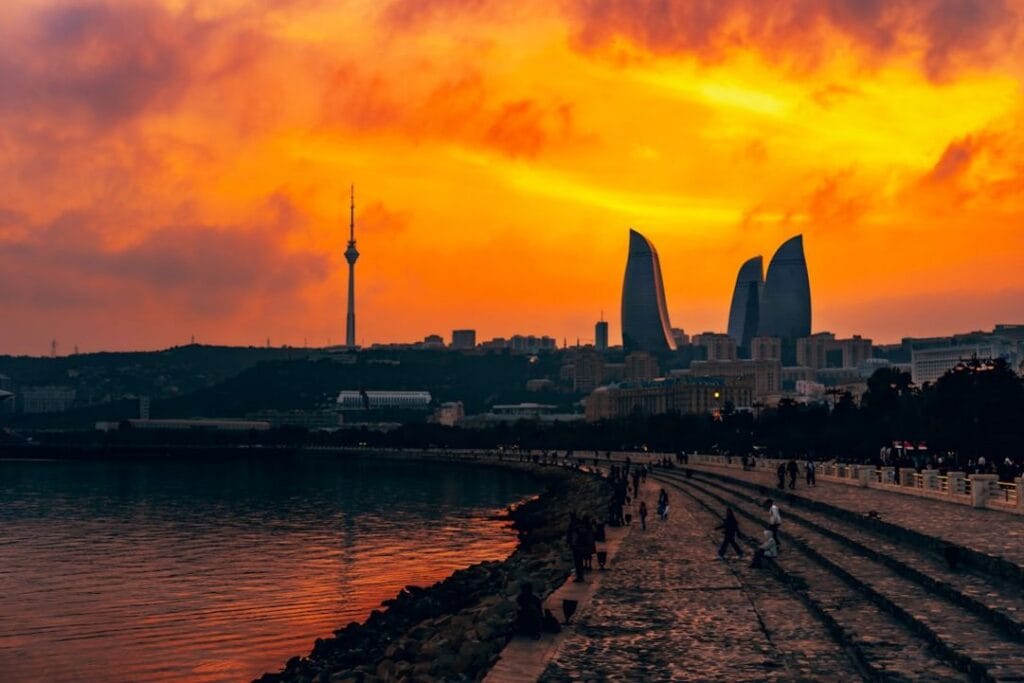
Azerbaijan is lighter than its tropical neighbours might suggest. There are no required vaccines and no malaria risk, with four recommended vaccines focusing on Hepatitis A and B, COVID-19, and Rabies. This trip is generally low-risk, but some preparation is still essential.
Travelers should consider Hepatitis A and Rabies (pre-exposure) vaccines, especially if planning rural excursions. Understanding these recommendations helps ensure a safer trip. Solo female travelers will find this destination manageable with proper health prep.
Why timing matters
A short check-up 2-4 weeks before departure is usually enough. Confirm routine boosters and pack a basic medicine kit. Focus on heat and hygiene during your travels.
Key takeaways
- Hepatitis A is often overlooked; get it 4 weeks before departure.
- Rabies pre-exposure is crucial if you plan to interact with animals.
- No malaria risk means no need for prophylaxis; relax on that front.
- Routine vaccinations like MMR and DTaP should be up to date before travel.
- Pack a heat and hygiene kit to manage the climate and food safety.
Vaccinations Overview
This table outlines the vaccination requirements and recommendations for Azerbaijan.
| Category | Vaccine | Who | Why | When to start | Cost | Side effects | Notes |
|---|---|---|---|---|---|---|---|
| Strongly Recommended | Hepatitis A | All travelers to Azerbaijan. | Hepatitis A is spread through contaminated food and water, common in Azerbaijan. | 4 weeks before departure | $40-90 | Sore arm, mild fever 24h | Verify booster status with your GP. |
| Strongly Recommended | Hepatitis B | All travelers, especially those with potential exposure. | Hepatitis B can be transmitted through blood and bodily fluids. | 4 weeks before departure | $40-90 | Tenderness at injection site | Multi-dose series recommended. |
| Strongly Recommended | COVID-19 | All travelers to Azerbaijan. | COVID-19 remains a risk in Azerbaijan; vaccination helps prevent severe illness. | 2 weeks before departure | $0-40 | Mild headache or fatigue | Check for any travel restrictions. |
| Strongly Recommended | Rabies (pre-exposure) | Travelers with high animal contact or rural travel. | Rabies is a risk in rural areas, especially from stray dogs. | 6 weeks before departure | $250-400 | Sore arm, mild fever 24h | Consider for animal interactions. |
What border officers actually check
No vaccinations are required to enter Azerbaijan for typical short tourist stays. This includes stays of up to 90 days for most nationalities. However, a Yellow Fever certificate is required if you arrive from or transit through a Yellow Fever risk country for more than 12 hours. Countries in sub-Saharan Africa and parts of tropical South America may trigger this requirement.
If transiting through a Yellow Fever risk country for 12 hours or more, you must present a Yellow Fever vaccination certificate upon arrival. Common transit hubs include Doha and Addis Ababa. Be aware that what counts as ‘transit’ can vary; staying airside usually suffices, but exiting through immigration may require the certificate. Flight delays can extend a layover, so monitor your layover time closely.
Upon entry, officers typically check your International Certificate of Vaccination or Prophylaxis (ICVP) for the Yellow Fever vaccine. They will verify the issuance date, ensure it is signed by an approved health centre, and confirm that your name matches your passport. Entry rules can change between booking and travel, so confirm with the embassy or your travel clinic four weeks before departure. If your vaccination card is lost during your trip, seek a local health clinic for advice.
Health risks without a vaccine
Even with vaccinations up to date, you may be exposed to various health risks in Azerbaijan. While there is no malaria risk, diseases such as Crimean-Congo Hemorrhagic Fever and Leptospirosis are present. The table below outlines the relevant diseases you might encounter during your travels.
| Risk | Presence | High-risk situations | Prevention | When to see a doctor |
|---|---|---|---|---|
| Crimean-Congo Hemorrhagic Fever | Country-wide, urban and rural | Contact with infected livestock or ticks in rural areas | Wear long sleeves and use insect repellent with DEET | Fever 38 degrees C+ with bleeding symptoms |
| Leptospirosis | Country-wide, especially after heavy rains | Swimming or wading in contaminated water | Avoid freshwater lakes and rivers after rainfall | Fever, muscle aches, or jaundice after exposure |
Your prep timeline
Start at least eight weeks before departure – Azerbaijan sits in the heavy-preparation bracket. Schedule a travel-clinic visit to begin the vaccination process. Recommended vaccinations like Hepatitis A and Rabies require timely administration. Leaving prep to the last week can jeopardise your health and travel plans, especially for rural areas. Ensure all vaccinations are completed well ahead of your trip for optimal protection.
| Activity | Ideal timing | Deadline | Why |
|---|---|---|---|
| Book travel-clinic consult | 10-12 weeks before departure | Latest: 4 weeks before departure | Consultation helps plan vaccinations and assess health risks. |
| Start recommended vaccinations | 8-10 weeks before departure | 2 weeks before departure (single-dose shots only) | Hepatitis A and Rabies require timely administration. |
| Pick up final medicine kit + insurance paperwork | 1-2 weeks before departure | Day before departure at the latest | Ensure you have all necessary medications and documentation. |
Documents to carry
Carry the International Certificate of Vaccination or Prophylaxis (ICVP) if you receive any vaccinations. Digital alternatives may also be accepted, so check local requirements. Bring your current vaccination record, a list of medications, and your trip itinerary, especially if visiting rural areas. Keep important documents like the ICVP with your passport, while other items can be stored in a separate bag for easy access.
What this prep costs
Expect to spend USD500-1100 for a basic package. This typically includes the travel-clinic consult fee, vaccination costs, and the ICVP fee. Routine boosters are usually covered by insurance, but travel-specific vaccinations may vary. A good travel insurance covers post-vaccination side effects, medical evacuation, and unexpected illness abroad; pre-existing conditions and routine vaccinations are typically excluded. Always ask the clinic for a written cost estimate before starting a multi-dose schedule.
Action checklist
- Schedule your travel-clinic consult immediately.
- Start Hepatitis A and Rabies vaccinations on time.
- Prepare a list of medications and allergies for your consult.
- Pack a medicine kit with DEET and sunscreen.
- Ensure you have the ICVP ready for travel.
- Confirm your travel insurance covers vaccinations.
Your travel medicine kit
Practical items worth ordering before you leave. Links below are affiliate links to Amazon – we may earn a small commission at no extra cost to you.
Protection against ticks and sand fly-borne illnesses.
Additional protection against ticks and sand flies.
UV protection, especially at higher elevations.
For wound care and general medical needs.
Hygiene and disease prevention.

On-the-ground prevention
Mosquito prevention
Mosquito-borne disease risk is low here. Tips below are general comfort + tropical-precaution baseline.
- • Use DEET 20-30% insect repellent on exposed skin.
- • Wear permethrin-treated clothing for added protection in the evenings.
- • Sleep in screened or air-conditioned accommodations to avoid bites.
- • Avoid standing water to reduce mosquito breeding sites.
- • Reapply repellent every 4-6 hours for continuous protection.
- • Adjust activities to minimize outdoor time during dusk and dawn.
Food and water hygiene
Traveler’s diarrhea is the most likely thing to ruin a trip in Azerbaijan – more common than every vaccinated-against disease combined.
- • Drink bottled or filtered water, preferably with a 0.1 micron filter.
- • Avoid ice cubes in rural areas; stick to ice from reputable sources in cities.
- • Eat only peeled fruits to minimize exposure to contaminants.
- • Choose street food from busy stalls that serve hot, freshly cooked meals.
- • Carry oral rehydration salts (ORS) to manage dehydration if needed.
- • Use hand sanitizer with at least 60% alcohol to maintain hygiene.
Specific traveler groups
| Group | Watch for | Action |
|---|---|---|
| Children | Children should stay hydrated and avoid excessive heat, especially during outdoor activities. | Ask about age-appropriate boosters and hydration strategies. |
| Pregnant travelers | Pregnant travelers should take extra precautions against heat and stay hydrated. | Inquire about safe hydration practices and food safety. |
| Older adults (60+) | Older adults should manage heat exposure and stay hydrated to prevent complications. | Ask about heat management strategies and hydration tips. |
| Chronic conditions | Individuals with chronic conditions should carry necessary medications and ensure hydration. | Discuss medication management and hydration needs with your clinic. |
Travel insurance for medical coverage
Heymondo covers medical treatment and evacuation abroad, useful if a vaccine reaction or unexpected illness needs care. Our link applies 5% off automatically.
Frequently asked questions
1Do I need malaria pills for Azerbaijan?
No, malaria pills are not needed for Azerbaijan as there is no malaria risk in the country. This makes travel planning simpler, but always stay aware of other health precautions. Focus on hygiene and food safety to avoid illness. Ask your travel clinic for more information.
2Should I get the Rabies pre-exposure vaccine for Azerbaijan?
Yes, the Rabies vaccine is recommended for Azerbaijan, especially for those planning to engage in outdoor activities or visit rural areas. Rabies can be serious, so consider vaccination if your itinerary includes animal interactions. Consult your travel clinic to discuss your specific travel plans.
3Do vaccines protect me from dengue in Azerbaijan?
No vaccines are available for dengue in Azerbaijan, as there is no dengue risk reported. This means you can focus on other health precautions without worrying about dengue vaccination. Stay informed about food and water safety to ensure a healthy trip. Refer to the hygiene section for tips.
4Which recommended vaccines are most important for Azerbaijan?
The recommended vaccines for Azerbaijan include Hepatitis A, Hepatitis B, COVID-19, and Rabies. These vaccines help protect against common health risks associated with travel. Prioritize these vaccinations based on your travel itinerary and activities. Discuss your vaccination schedule with your travel clinic.
5Is the Yellow Fever certificate required for Azerbaijan?
No, a Yellow Fever certificate is not required for entry into Azerbaijan. However, if you are arriving from a country with Yellow Fever risk, you may need to show proof of vaccination. Always check the latest entry requirements before your trip. Consult your travel clinic for additional guidance.
6Can I drink tap water in Azerbaijan?
It is not advisable to drink tap water in Azerbaijan. Stick to bottled or filtered water to avoid traveler’s diarrhea. Ensure that any water you consume is from a reliable source. Always prioritize hydration and food safety during your travels.
7What should I know about food safety in Azerbaijan?
Be cautious with food in Azerbaijan; eat only freshly prepared meals from reputable places. Avoid street food that does not appear hot and busy. Stick to peeled fruits and bottled water to minimize health risks. Always prioritize hygiene to enjoy your trip.
8What health risks should I be aware of in Azerbaijan?
Health risks in Azerbaijan include Crimean-Congo Hemorrhagic Fever, Leishmaniasis, and Tuberculosis. While the overall disease risk is low, awareness is key. Focus on hygiene practices and stay informed about your health. Consult your travel clinic for tailored advice.
Some links on this page are affiliate links. We may earn a small commission at no extra cost to you when you use them.