


Belize diving offers clear waters averaging 20 – 40 metres visibility and warm 27 – 29°C temperatures. The reef system is dominated by walls, atolls, and coral gardens rather than wrecks or caves. Currents vary from mild to strong, especially at Turneffe and Gladden Spit, demanding solid skills for some sites. Expect mostly reef and drift dives focused on marine life encounters, not technical cave exploration. The reef beyond the Blue Hole is where the real diving value lies.
Belize’s 13 dive spots span beginner-friendly shallow reefs like The Aquarium and Mexico Rocks to advanced drift sites like The Elbow and Gladden Spit. Lighthouse Reef Atoll hosts the iconic Blue Hole and Half Moon Caye Wall, while Turneffe Atoll offers diverse pelagic action. Hol Chan Marine Reserve delivers reliable turtle and ray sightings. If you want consistent marine life and variety, Belize delivers; if you seek wrecks or extensive cave diving, skip it.
Key takeaways
- Dive Half Moon Caye Wall early morning for calm seas and frequent green turtles, suitable for experienced divers.
- Skip the Blue Hole if lacking advanced certification; its 125m depth and overhead formations demand skill and focus.
- Book Gladden Spit from March to June for whale sharks, but only dive with strong current experience.
- Pair Shark Ray Alley and Hol Chan Cut in one day near Ambergris Caye for reliable rays and turtles.
- Turneffe Atoll’s The Elbow requires liveaboard trips due to strong currents and remote location.
- Mexico Rocks suits beginners with calm 3 – 9m depths and easy coral bommies, avoid weekends for less crowding.
- South Water Caye Marine Reserve offers quieter, healthier reefs than Hol Chan; visit early mornings for best visibility.
- Glover’s Reef Atoll delivers steep walls and shark sightings between March and June, avoid lagoon dives for best marine life.
Dive site comparison
| Dive site | Character | Level & depth | Signature sighting | Verdict |
|---|---|---|---|---|
| Blue Hole | Deep marine sinkhole | Caribbean reef sharks at 30 – 40m | Advanced divers only; skip if uncomfortable with deep cave formations. | |
| Half Moon Caye Wall | Steep coral wall | Green turtles and eagle rays | Morning dives best; strong currents midday make it for experienced divers. | |
| Turneffe Atoll | Coral gardens and pelagic walls | Reef sharks and large pelagics | Varied marine life; quieter than Lighthouse Reef, ideal for intermediate to advanced. | |
| South Water Caye Marine Reserve | Protected coral walls | Turtles near reef edges | Less crowded than Hol Chan; best early morning for visibility. | |
| Gladden Spit | Strong current drift dive | Seasonal whale sharks feeding | March – June only; advanced divers with current experience required. | |
| Glover’s Reef Atoll | Steep wall drop-offs | Sharks and groupers | Remote and less crowded; avoid lagoon dives for best marine life. | |
| Mexico Rocks | Shallow coral bommies | Angelfish and parrotfish | Beginner-friendly; avoid weekends for peaceful conditions. | |
| The Aquarium | Shallow coral heads | Parrotfish and nurse sharks | Ideal for novices; skip deeper dives nearby if uncertified. | |
| Ranguana Caye | Steep reef drop-offs | Nurse sharks and eagle rays | Intermediate divers only; avoid shallow lagoon for marine life. | |
| Half Moon Caye Natural Monument | Coral reef and wall | Nurse shark cleaning station | Morning dives best; avoid weekends for less crowd. | |
| Shark Ray Alley | Shallow sandy channel | Nurse sharks and southern stingrays | Polarizing baited interaction; skip if you want natural encounters. | |
| Hol Chan Cut | Drift channel dive | Turtles and stingrays | Reliable and calm; suitable for advanced open water and above. | |
| The Elbow, Turneffe Atoll | Strong current drift | Eagle rays and reef sharks | Advanced divers only; liveaboard recommended for access. |

Where the dive sites are
The dive sites in detail
Blue Hole – Deep cave dive with iconic stalactites
- Crowds: Moderate
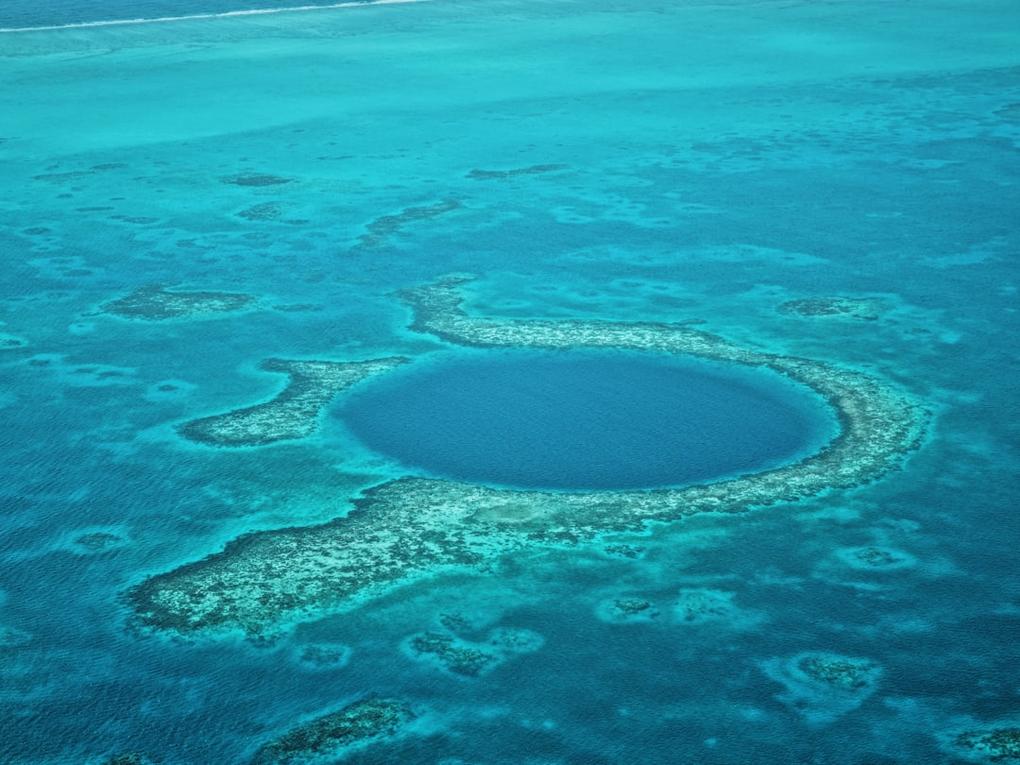
Descend into a vast marine sinkhole 300 metres across and 125 metres deep, passing through clear water into a cavern studded with stalactites. The vertical walls drop sharply, offering encounters with Caribbean reef sharks between 30 and 40 metres. The dive peaks around 40 metres with unique geological formations and a rare silence underwater.
Reserve this for advanced divers comfortable with deep dives and overhead environments. Access is by liveaboard or day trips from Lighthouse Reef Atoll, best between 9 AM and 2 PM for peak visibility near 40 metres. Avoid weekends when boat traffic crowds the site. Focus fully on this dive; skip shallow reefs nearby if time is limited.
Visibility reaches 40 metres in calm, clear water with minimal current; water temperature hovers around 27°C year-round.
- ▸ Caribbean reef sharks patrolling between 30 and 40 metres
- ▸ Stalactite formations visible during descent at 40 metres
- ▸ Sparse but unique marine species adapted to the sinkhole environment
A singular deep dive defined by its geological features and shark encounters, demanding advanced skills and full focus.
Skip the Half Moon Caye lighthouse detour; it’s a long, unnecessary trip away from the main dive site.
Who it suits: Right for advanced divers with deep dive experience; skip if not comfortable below 30 metres or with cavern environments.

Half Moon Caye Wall – Steep vertical drop with turtles and rays
- Crowds: Moderate
Drop off a vertical wall plunging over 30 metres, covered in vibrant coral attracting dense schools of parrotfish and angelfish. Swim alongside green turtles grazing near the reef edge and spot eagle rays cruising the wall. Morning slack tides bring calm water and visibility over 24 metres, highlighting the rich coral textures and marine life.
Dive this site in the morning to avoid strong currents and boat traffic. It suits experienced divers who can handle a wall dive with moderate currents. Skip shallow reefs nearby; they lack the drama and marine diversity of the wall. Access via day trips from Lighthouse Reef Atoll or liveaboards.
Expect visibility above 24 metres during morning slack tide with moderate currents; water temperature stays around 27°C.
- ▸ Green turtles regularly grazing near the reef edge
- ▸ Eagle rays gliding along the vertical wall
- ▸ Schools of parrotfish and angelfish in vibrant coral habitats
A dramatic wall dive offering consistent turtle and eagle ray sightings, best in the calm morning hours.
Skip shallow reefs near Half Moon Caye; they don’t compare to the wall’s marine life and structure.
Who it suits: Right for experienced divers comfortable with wall dives and moderate currents; skip if you prefer shallow, calm reefs.

Turneffe Atoll – Diverse coral gardens and predator action
- Crowds: Moderate
Explore Belize’s largest coral atoll with varied topography: coral gardens, mangroves, and seagrass flats. Encounter reef sharks patrolling the Aquarium site, large pelagics like groupers and jacks near Blackbird Caye Wall, and stingrays in shallow Turneffe Flats. Each dive delivers a different ecosystem packed with marine life, from 5 to over 30 metres depth.
Book early morning dives to avoid choppy seas and catch active predators. Trips run 1 – 2 hours from Belize City or Ambergris Caye. Skip the crowded Lighthouse Reef; Turneffe offers quieter, more diverse dives with fewer boats. This atoll demands solid open water certification and some current experience.
Visibility ranges from 20 to 30 metres with light to moderate currents; water temperature averages 27°C to 29°C.
- ▸ Reef sharks patrolling coral gardens at The Aquarium
- ▸ Large groupers and jacks near Blackbird Caye Wall
- ▸ Stingrays resting in shallow seagrass beds at Turneffe Flats
A top choice for variety and marine biodiversity, delivering both vibrant reefs and predator encounters.
Skip Lighthouse Reef dives; Turneffe’s quieter walls and patch reefs offer better marine life variety.
Who it suits: Right for certified divers comfortable with currents and longer boat rides; skip if you want only calm, shallow dives.
South Water Caye Marine Reserve – Healthy reefs with peaceful dives
- Crowds: Moderate
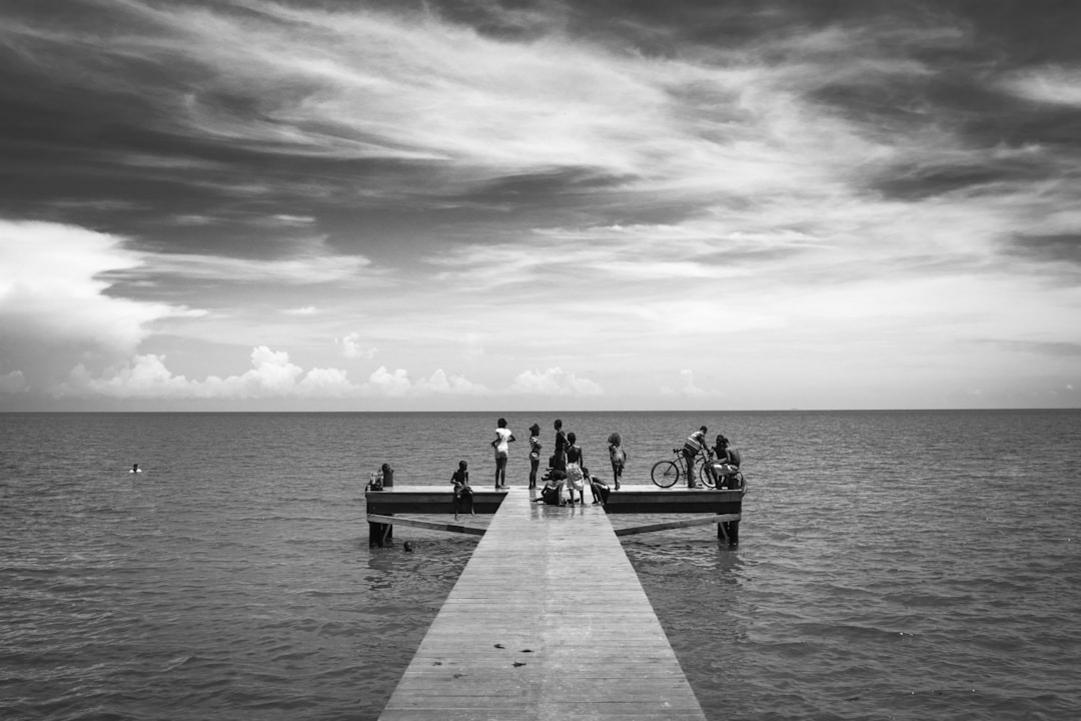
Dive pristine coral walls within a 12,000-acre protected reserve featuring vibrant coral formations and abundant reef fish. Expect turtle sightings near reef edges and occasional sharks. The reserve’s coral gardens remain less damaged than busier sites, offering peaceful underwater scenes with over 200 fish species in clear water around 20 to 30 metres deep.
Choose early morning dives between 7 AM and 10 AM to avoid boat traffic and enjoy peak visibility. This site is ideal for divers seeking rich marine life without crowds. Skip Hol Chan Marine Reserve nearby for a quieter, more natural experience. Access is by day boat from Placencia or liveaboards.
Visibility typically hits 25 metres with calm currents; water temperature holds steady near 28°C.
- ▸ Common turtle sightings near reef edges
- ▸ Healthy coral walls supporting diverse tropical fish
- ▸ Occasional reef sharks patrolling the reserve
A peaceful reserve with some of Belize’s healthiest reefs, perfect for undisturbed marine life encounters.
Skip Hol Chan Marine Reserve if you want to avoid crowds and dive in a more pristine setting.
Who it suits: Right for intermediate divers who prefer calm, uncrowded reefs; skip if you want more pelagic action or intense currents.
Gladden Spit – Seasonal whale sharks with strong currents
- Crowds: Moderate
Dive a vibrant reef alive with groupers and snappers under strong currents exceeding 3 knots. From March to June mornings, witness whale sharks feeding on spawning fish in one of the world’s largest seasonal aggregations. The reef drops steeply, demanding precise buoyancy control to navigate safely while tracking these giants.
Only advanced divers should attempt this site due to strong currents and boat traffic. Operators limit groups to six divers and launch early around 7 AM to beat crowds and catch whale sharks at their feeding peak. Skip nearby shallow reefs that lack the Spit’s intensity and marine drama.
Currents can exceed 3 knots with visibility around 20 to 25 metres; water temperature ranges from 27°C to 29°C.
- ▸ Whale sharks feeding on fish spawn during March to June mornings
- ▸ Large groupers and snappers schooling along the reef
- ▸ Colorful tropical fish inhabiting vibrant coral structures
A high-adrenaline dive defined by seasonal whale sharks and demanding currents, for advanced divers only.
Skip shallow reef dives nearby; they lack the strength and spectacle of Gladden Spit’s whale shark action.
Who it suits: Right for advanced divers skilled in strong currents; skip if you lack current experience or want relaxed dives.
Glover’s Reef Atoll – Remote walls with abundant sharks
- Crowds: Moderate
Explore steep underwater walls dropping to 900 metres, covered in vibrant coral attracting sharks, rays, and groupers. The Great Blue Hole here is calmer before 9 AM, while the Wall of Tears offers frequent shark sightings. Half Moon Caye’s coral gardens add diversity. The atoll’s remoteness means fewer boats and a more exclusive dive experience.
Access by liveaboard or day trips from Belize City, best from March to June for visibility over 30 metres. Avoid weekends when day boats increase traffic. Skip shallow lagoon dives; they’re less diverse and lack the drama of the outer walls. This site requires solid open water certification and comfort with wall diving.
Visibility reaches 30 metres with light to moderate currents; water temperature stays near 27°C to 28°C.
- ▸ Frequent shark sightings along the Wall of Tears
- ▸ Rays and groupers inhabiting vibrant coral formations
- ▸ Coral gardens at Half Moon Caye with diverse reef fish
A remote atoll offering dramatic walls and abundant shark encounters, with fewer crowds than other Belize sites.
Skip lagoon dives; they’re shallow and less diverse compared to the atoll’s outer walls.
Who it suits: Right for intermediate to advanced divers comfortable with walls and longer boat rides; skip if you want only shallow reef dives.
Mexico Rocks – Relaxed shallow reef with swim-throughs
- Crowds: Moderate
Dive calm, shallow coral bommies rising from 3 to 9 metres, creating natural swim-throughs teeming with tropical fish. Spot angelfish, parrotfish, and grunts in clear water with gentle currents. The site’s easy topography suits relaxed exploration rather than adrenaline-fueled dives, with typical bottom times around 45 minutes.
Ideal for beginners or divers wanting a mellow dive near Ambergris Caye. Avoid weekends when local boats crowd the site around noon. Early morning dives before 9 AM offer the best visibility and fewer divers. Skip deeper nearby sites if you want easy, calm diving without strong currents.
Visibility ranges from 15 to 25 metres with easy currents; water temperature averages 28°C to 29°C.
- ▸ Abundant tropical fish including angelfish, parrotfish, and grunts
- ▸ Coral bommies featuring natural swim-throughs at 3 to 9 metres
- ▸ Calm waters ideal for spotting small reef species
A beginner-friendly reef dive offering calm conditions and colorful fish in shallow water close to shore.
Skip deeper nearby sites if you want relaxed, easy diving without currents or complexity.
Who it suits: Right for beginner and relaxed divers seeking calm, shallow dives; skip if you want big pelagics or technical challenges.
The Aquarium – Easy Coral Gardens with Calm Waters
- Crowds: Moderate
Descend into shallow waters of 6 – 9 metres where gentle slopes showcase vibrant coral heads packed with parrotfish, angelfish, and occasional nurse sharks. Visibility peaks at 24 – 30 metres mid-morning, letting you drift easily through calm, clear waters. Expect a relaxed swim among colorful reef fish and intact coral formations without challenging currents or depth.
Perfect for all certification levels, The Aquarium offers a stress-free dive 15 minutes from Ambergris Caye. Avoid weekends due to boat traffic and skip nearby deep walls if uncertified. This site shines as a shallow, scenic reef dive ideal for beginners and those after a peaceful reef experience.
Visibility ranges from 24 to 30 metres with calm currents and water temperatures around 28°C year-round.
- ▸ Dense coral heads teeming with parrotfish and angelfish
- ▸ Occasional nurse sharks resting near coral formations
- ▸ Variety of tropical reef fish in shallow, calm waters
An accessible, calm reef dive ideal for beginners and relaxed reef viewing without the hazards of deeper walls or strong currents.
Skip the nearby Blue Hole dive if lacking advanced certification; it’s deep, challenging, and overcrowded.
Who it suits: Right for beginner and intermediate divers seeking easy, shallow reef dives; skip if looking for strong currents or big pelagics.
Ranguana Caye – Nurse Sharks and Rays on Vibrant Reef Walls
- Crowds: Moderate
Drop into clear waters off Placencia where steep reef walls and coral gardens define the landscape. Depths vary, but the reef drop-offs hold nurse sharks and rays cruising among diverse fish species. Visibility reaches 24 metres mid-morning, letting you explore coral formations alive with color and marine activity. The shallow lagoon near shore lacks life and should be avoided.
Best for intermediate divers comfortable with reef walls and moderate currents. Avoid weekends when local boats crowd the site. Focus dives on the reef edges and cleaning stations for eagle rays. Skip shallow lagoons offering little marine action. Ranguana Caye delivers variety without overwhelming newer divers.
Visibility up to 24 metres with mild currents and water temperatures around 28°C, best mid-morning for clarity.
- ▸ Nurse sharks patrolling reef drop-offs
- ▸ Eagle rays at cleaning stations
- ▸ Colorful coral gardens teeming with reef fish
A rewarding intermediate dive with diverse marine life and steep walls, suited for those seeking more challenge and variety.
Avoid the shallow lagoon near the island; it offers little marine activity compared to reef edges.
Who it suits: Right for intermediate divers wanting varied reef walls and marine life; skip if new to diving or uncomfortable with current.
Half Moon Caye Natural Monument – Pristine Reef with Seabird Views
- Crowds: Moderate
Enter a UNESCO World Heritage Site featuring healthy coral reefs and a protected red-footed booby nesting colony above water. Underwater, the South Wall dive offers rich coral growth, large schools of tropical fish, nurse sharks, and stingrays in depths typically between 12 and 30 metres. Visibility tops 18 metres, best in morning hours. The dive combines vibrant marine life with a glimpse of seabird colonies from the surface.
Suitable for intermediate divers comfortable with open-water conditions and moderate depth. Avoid weekends and holidays to escape crowds. Focus on the South Wall, 20 minutes from dock, for the richest marine biodiversity. Skip shallow lagoon dives where coral and fish are sparse. A protected, biodiverse site demanding respect and patience.
Visibility exceeds 18 metres with gentle currents and water temperatures around 27 – 28°C, best in early mornings.
- ▸ Nurse sharks in shallow cleaning stations
- ▸ Stingrays gliding near reef edges
- ▸ Large schools of tropical fish around South Wall
A top dive blending healthy coral reefs with protected seabird colonies, rewarding divers patient enough to avoid busy periods.
Skip the shallow lagoon dives; coral is sparse and marine life thin compared to the South Wall.
Who it suits: Right for intermediate divers seeking biodiversity and moderate depth; skip if uncomfortable with open-water conditions or currents.
Shark Ray Alley – Controversial Shark and Ray Feeding Spot
- Crowds: Moderate
Dive or snorkel in shallow 3 – 5 metre sandy channels south of Hol Chan Marine Reserve where nurse sharks and southern stingrays gather daily for fish-scrap feedings by tour operators. The site lacks natural predator behavior due to baiting, but offers close encounters with these species in calm, clear water. Visibility ranges widely but generally allows good views of the animals congregating in the channel.
Polarizing among divers: the sharks and rays come because of bait feeding, not natural attraction. Skip if seeking ethical, unbaited wildlife interactions. Best visited as a snorkel or shallow dive accessible from San Pedro. Use operators strictly committed to responsible practices to avoid supporting harmful feeding habits.
Visibility typically 15 – 25 metres, shallow depths with calm currents and water temperature near 28°C.
- ▸ Nurse sharks habituated to daily feedings
- ▸ Southern stingrays gathering in sandy channels
- ▸ Occasional juvenile reef fish around the edges
A baited interaction site with close shark and ray encounters, best for snorkelers or ethical divers who accept feeding’s reality.
Skip if you refuse baited wildlife interactions or want natural animal behavior underwater.
Who it suits: Right for snorkelers and beginners seeking close encounters; skip if demanding ethical, wild marine animal behavior.
Hol Chan Cut – Reliable Drift Dive with Dense Fish Life
- Crowds: Moderate
Drift through a natural channel slicing the barrier reef south of San Pedro, flowing at depths between 6 and 18 metres. Swim with dense schools of snapper, parrotfish, and turtles resting in seagrass beds. The cut’s calm currents carry you gently across coral heads and sandy bottoms. Visibility ranges from 20 to 30 metres, with water temperatures around 28°C, creating a stable environment for a diverse reef ecosystem.
The most reliable dive in Belize for all but absolute beginners, reachable within 15 minutes from San Pedro. Calm enough for Advanced Open Water divers and above, with dense marine life for experienced divers. Avoid weekends to beat crowding. A must-do for anyone wanting consistent fish encounters in manageable conditions.
Visibility 20 – 30 metres with mild drift currents and water temperatures about 28°C year-round.
- ▸ Turtles resting in seagrass beds near the surface
- ▸ Schools of snapper and parrotfish along the reef
- ▸ Southern stingrays gliding over sandy bottoms
The most dependable Belize dive, offering steady currents, dense fish life, and easy access from San Pedro.
Avoid weekends when tour boats crowd the cut and reduce the experience quality.
Who it suits: Right for Advanced Open Water divers and above wanting a reliable, fish-rich drift dive; skip if new to diving or sensitive to currents.
The Elbow, Turneffe Atoll – Advanced Drift Dive for Big Fish Fans
- Crowds: Moderate
Descend into strong currents meeting a deep drop-off at the southern tip of Turneffe Atoll. Depths vary widely, with dramatic reef walls attracting eagle rays, schooling jacks, and reef sharks. The current demands precise buoyancy control and drift dive skills. Visibility often reaches 20 – 30 metres, with water temperatures around 27 – 28°C. The dive offers dynamic pelagic encounters in a less crowded setting.
Only advanced divers with drift dive experience should attempt The Elbow, ideally via liveaboard as day boats rarely reach this remote site. Book with operators who understand the currents and dive conditions. When the current cooperates, this is Belize’s best big-fish dive, but it’s unforgiving if conditions worsen.
Strong currents with visibility around 20 – 30 metres and water temperatures near 27 – 28°C, requiring expert drift diving skills.
- ▸ Eagle rays cruising the drop-off
- ▸ Large schools of jacks forming tight bait balls
- ▸ Reef sharks patrolling the deep walls
Belize’s top big-fish drift dive, demanding advanced skills and current knowledge, best accessed by liveaboard.
Skip this dive without advanced drift skills and a knowledgeable operator; currents here can be unforgiving.
Who it suits: Right for advanced divers experienced with strong currents and drift dives; skip if uncertified or not confident in current management.
Compare dive trips, courses and liveaboards in Belize
Marine life: what you see underwater
Belize’s underwater world centers on vibrant coral reefs hosting green and hawksbill turtles, spotted eagle rays, and nurse sharks visible on shallow snorkel sites. Whale sharks gather seasonally at Gladden Spit, while Caribbean reef sharks patrol deeper walls. Expect healthy reefs with diverse fish, ideal for both snorkelers and divers targeting reef life.
Encounter whale sharks feeding on spawning fish around Gladden Spit from March to June mornings. These gentle giants appear predictably during cubera snapper spawning, offering a rare seasonal dive or snorkel experience. Check dates carefully before booking.
Where: Gladden Spit, Half Moon Caye
Spot schools of Caribbean reef sharks patrolling walls at depths between 30 and 40 metres, especially at Glover’s Reef Atoll and Lighthouse Reef. Most reliable from November to May, these sharks cruise steadily but maintain distance.
Where: Blue Hole, Half Moon Caye Wall, Glover’s Reef Atoll
Observe green turtles grazing near coral reefs and seagrass beds, especially at Half Moon Caye Wall and South Water Caye. They appear mostly during calm morning dives with visibility above 20 metres. Watch quietly to avoid disturbing them.
Where: Half Moon Caye Wall, South Water Caye Marine Reserve
Find nurse sharks resting on sandy bottoms in shallow waters at Shark Ray Alley and Glover’s Reef. These docile sharks are often fed by operators, making them reliable for snorkelers and divers from December to May.
Where: Shark Ray Alley, Half Moon Caye Natural Monument, Glover’s Reef Atoll
Watch spotted eagle rays glide gracefully over sandy bottoms near Hol Chan Marine Reserve and Turneffe Atoll. Most common from December to May, they fly in formation and are visible to snorkelers and divers alike.
Where: Hol Chan Cut, Turneffe Atoll
Spot critically endangered hawksbill turtles feeding on sponges near reef ledges at Hol Chan Marine Reserve and Half Moon Caye. Best viewed carefully without disturbance from November to May during shallow dives or snorkels.
Where: Half Moon Caye Natural Monument, Hol Chan Cut
Encounter large groupers hiding in reef caves and ledges at Glover’s Reef and Lighthouse Reef. Most visible from November to May, they are slow-moving but cryptic, requiring patient observation during dives.
Where: Glover’s Reef Atoll, Lighthouse Reef Atoll
Spot moray eels tucked in reef crevices at Blue Hole and Hol Chan Marine Reserve. These nocturnal hunters are best observed from a safe distance during daytime dives from December to May.
Where: Blue Hole, Hol Chan Cut
Water conditions
Expect underwater visibility typically between 20 and 40 metres, peaking mid-morning. Clarity drops after rains due to run-off and plankton blooms. Avoid weekends at popular sites to dodge crowded water.
Water temperatures range roughly from 26°C to 29°C year-round. A 3 mm wetsuit suffices for most dives; no drysuit needed except for longer exposures at depth.
Best diving months run March to June and November to December, avoiding rainy season and benefiting from calm seas, stable currents, and peak marine life activity.
Snorkelling vs diving
Snorkelers see abundant reef fish, turtles, nurse sharks, and spotted eagle rays at Hol Chan Cut and Shark Ray Alley. Whale sharks require dive access at Gladden Spit, while deep walls like Blue Hole remain dive-only. Choose snorkel sites for easy, close encounters with reef life; reserve dives for pelagic and wall experiences.

When to dive
| Month | Diving | Conditions |
|---|---|---|
| January | Poor | Choppy seas, low visibility offshore |
| February | Poor | Rough waters, limited marine activity |
| March | Peak | Calm seas, excellent visibility |
| April | Peak | Stable conditions, best for pelagics |
| May | Peak | Warm water, whale sharks arrive |
| June | Peak | Clear water, strong currents possible |
| July | Marginal | Choppy seas, reduced visibility |
| August | Marginal | Unstable weather, rough offshore |
| September | Poor | Storm season, poor visibility |
| October | Poor | High winds, strong currents |
| November | Good | Improving conditions, calmer seas |
| December | Good | Cooler water, steady visibility |
When to Dive Belize
Dive between March and June for calm seas, clear water, and whale shark season at Gladden Spit. November and December offer good conditions but cooler water and fewer pelagics. Avoid July to October due to rough seas and poor visibility from storms. Both coasts share similar seasons, with offshore sites demanding the best weather windows for safe access.
Planning Your Dive Trip
Base yourself in Ambergris Caye or Belize City for easy day trips to Hol Chan Cut, Shark Ray Alley, and Mexico Rocks. Offshore sites like Blue Hole, Lighthouse Reef Atoll, and Turneffe Atoll require liveaboards or full-day boat trips, approximately 1 – 2 hours each way. Budget at least 4 – 6 days to cover key spots safely and avoid rushed itineraries.
Combining Dive Spots Efficiently
Pair Hol Chan Cut, Shark Ray Alley, and Mexico Rocks on Ambergris Caye for accessible, diverse reef experiences. Combine Turneffe Atoll’s The Elbow and The Aquarium for big fish and drift dives, best accessed via liveaboard. Gladden Spit demands a separate trip focused on whale sharks and strong currents. Skip crowded Lighthouse Reef for Turneffe’s variety unless targeting Blue Hole specifically. Focus on one region per trip leg for maximum dive quality.
Certification, operators and safety
Getting certified in Belize
Belize diving suits mostly intermediate to advanced divers. Most sites demand at least Open Water certification; advanced skills are mandatory for Blue Hole and The Elbow due to depth and currents. Beginners can train easily around Ambergris Caye and Hol Chan Marine Reserve, where calm, shallow waters support learning. Avoid deep or strong-current sites like Gladden Spit until advanced certification is secured.
Choosing an operator and costs
Choose operators with clear safety records, small group sizes, and local conservation commitments. Avoid overcrowded boats and operators offering baited wildlife encounters like Shark Ray Alley. Expect roughly $80 – $120 per fun dive, $400 – $600 for certification courses, and $1,200 – $2,500 for liveaboards depending on duration and luxury. Book early for March – June whale shark season; prices rise then.
Diving safely in Belize
Currents and depth pose the main risks – Blue Hole and The Elbow require advanced skills and current awareness. Remote sites like Glover’s Reef and Turneffe Atoll mean longer boat rides and limited emergency access; plan accordingly. Dive insurance covering decompression illness is essential. Favor morning dives to avoid afternoon winds and choppy seas. Always confirm operator emergency protocols before diving.
Responsible diving and wildlife ethics
Respect Belize’s protected reefs by never touching or chasing marine life, especially at sensitive sites like Shark Ray Alley where feeding distorts natural behavior. Choose operators adhering to marine park rules and conservation fees. Avoid overcrowded sites during peak times. Support local efforts preserving nesting birds and coral health by diving gently and reporting illegal activities.
Frequently asked questions
1What certification do I need to dive the Blue Hole?
You need advanced open water certification for Blue Hole due to its 125 m depth and complex cave formations. Beginners should skip it and focus on shallower sites like The Aquarium or Hol Chan Cut until qualified.
2When is the best time to see whale sharks in Belize?
March through June mornings are prime for whale shark sightings at Gladden Spit. Book early morning dives, as the sharks feed on spawning fish then and crowds build later in the day.
3Are there good dive spots for beginners in Belize?
Yes, The Aquarium and Hol Chan Cut near Ambergris Caye offer calm, shallow dives perfect for beginners and certification courses. Avoid sites with strong currents or deep walls until you gain experience.
4Is Shark Ray Alley a natural dive experience?
No, Shark Ray Alley relies on daily feeding, attracting nurse sharks and stingrays unnaturally. Skip it if you want ethical, unbaited wildlife encounters elsewhere in Belize.
5How crowded are Belize dive sites during peak season?
Lighthouse Reef Atoll sites like Blue Hole and Half Moon Caye Wall get crowded on weekends and holidays. South Water Caye Marine Reserve and Turneffe Atoll offer quieter alternatives with equally rich marine life.
6What marine life can I expect at Turneffe Atoll?
Turneffe Atoll features coral gardens, reef sharks, eagle rays, and large pelagics like groupers and jacks. The Aquarium dive site there is great for spotting reef sharks and colorful fish.
7Are currents dangerous in Belize diving?
Yes, sites like Gladden Spit and The Elbow have strong currents exceeding 3 knots, requiring advanced skills and experienced operators. Stick to sheltered sites like Hol Chan Cut if unsure.
8Do I need dive insurance for Belize?
Absolutely. Remote sites and deep dives increase risks of decompression illness. Dive insurance covering evacuation and treatment is essential, especially for Blue Hole, Glover’s Reef, and Turneffe Atoll.
Some links on this page are affiliate links. We may earn a small commission at no extra cost to you when you book through them.