


At Brasília’s Praça dos Três Poderes, the dry wind carries faint chants from evangelical gatherings mixing with distant church bells.
Brazil stands apart from neighbors like Argentina and Peru through its unique religious shift—half Catholic, over a quarter evangelical—and its intense Bolsonaro-Lula political divide. 9 highlights stark inequality shaping social interactions. These factors create a culture where faith and politics dominate daily conversation unlike anywhere else in South America.
Never resist robbery; Brazil’s deep Bolsonaro-Lula divide fuels tensions that can escalate quickly in public spaces.
Key takeaways
- Remove shoes before entering any home or place of worship in Brasília.
- Avoid night buses in Northeast interior; prefer flights for safety.
- Tipping 10% is always included in restaurant bills nationwide.
- Never photograph police or military; respect favela photo rules.
- Religion shifts from 50% Catholic to 26.9% evangelical shape social norms.
History that shaped Brazil today
- 1822 — Brazil declares independence from Portugal — solidified national identity distinct from colonial rulers.
- 1888 — Abolition of slavery — entrenched racial inequality and social divisions persisting in daily life.
- 1979 — End of military dictatorship — sparked political polarization and distrust in institutions.
- 1990 — Evangelical churches surge nationwide — reshaped religious landscape and social norms.
- 2023 — January 8 Brasília insurrection attempt — deepened Bolsonaro-Lula political divide in public spaces.
Political polarization dominates Brazilian social interaction. The 1979 end of the military dictatorship embedded a deep distrust of authority and institutions. This event fractured the political spectrum, creating lasting divisions between conservative and progressive groups. Collective memory holds both hope for democracy and suspicion of government motives. Tourists will notice heated debates, often loud and public, reflecting this unresolved tension. The polarization influences everyday conversations, from casual chats to religious gatherings, making neutrality rare. Visitors unfamiliar with this history may misinterpret the intensity as hostility or instability rather than a normalized, if tense, social dynamic. Expect to witness public spaces where political allegiance is openly displayed, and discussions can abruptly shift from friendly to confrontational without warning.
direct communication style
1822 independence fostered a bold national identity that values straightforwardness in speech.
For you as a traveler: Locals speak bluntly and expect direct responses, which can feel abrupt or confrontational to outsiders.
skepticism toward authority
1979 military dictatorship’s legacy created widespread distrust in government and institutions.
For you as a traveler: Officials and uniformed personnel may be met with visible suspicion or guarded attitudes in public.
outsider wariness
1888 slavery abolition left entrenched social hierarchies that breed caution around strangers, especially in favelas.
For you as a traveler: Tourists may experience cautious or reserved behavior in less touristy neighborhoods until trust is earned.
religious fervor
1990 evangelical surge transformed public life, increasing visible religious expression and moral conservatism.
For you as a traveler: Expect religious conversations and gatherings to be common, with some social spaces shaped by evangelical norms.
Religion and spirituality

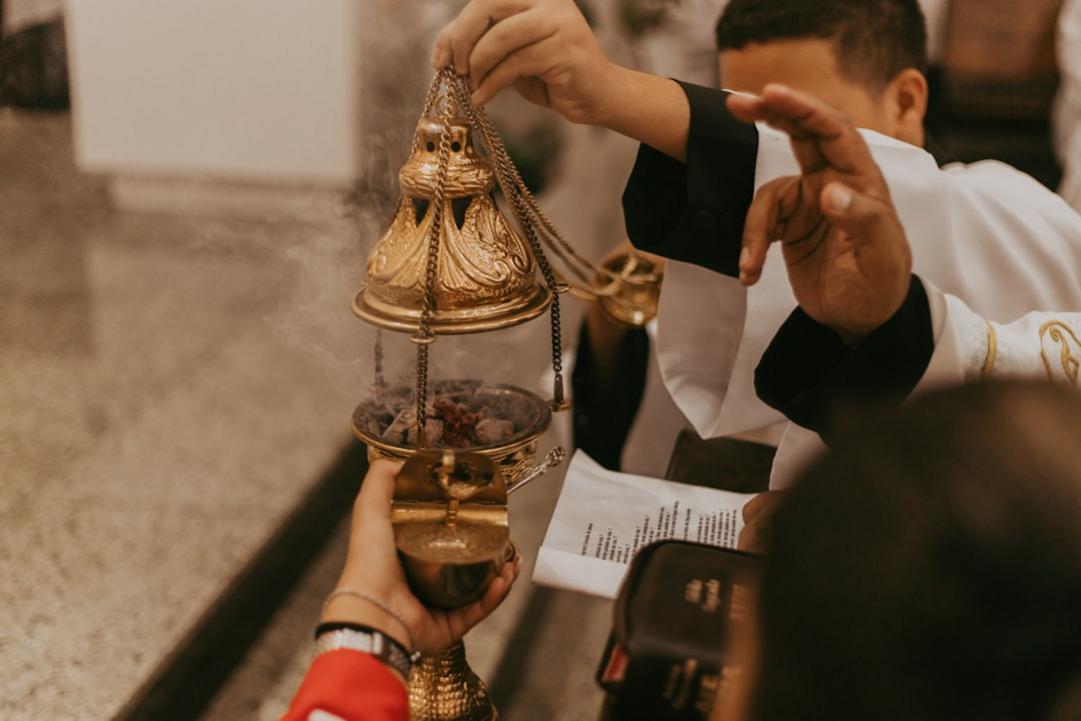
Religion in Brazil is a vivid part of daily life, especially in Brasília and the surrounding Federal District. Catholic bells ring regularly from iconic sites like the Cathedral of Brasília, designed by Oscar Niemeyer, marking prayer times and drawing attention to Sunday Mass. Evangelical churches fill neighborhoods such as Ceilândia with lively singing and rhythmic clapping, often spilling into public streets. The smell of incense and candles is common near churches, especially during major Catholic feast days like Corpus Christi and Christmas, when processions and festivals temporarily close streets. Afro-Brazilian spiritist practices, though less visible, appear in cultural events and small community gatherings, often in areas like Gama. Visitors will notice a weekly rhythm: Sundays are quieter for business but vibrant with church attendance. The 2022 IBGE census shows this religious landscape shapes Brasília’s soundscape, schedules, and public spaces, making faith a tangible presence beyond just buildings or rituals.
| Religion | % | Core value | What you see |
|---|---|---|---|
| Catholic | 50.0% | Tradition, sacraments, community | Cathedral bells and Sunday Mass crowds |
| Evangelical | 26.9% | Personal faith, worship, evangelism | Loud street worship and gospel singing |
| None | 9.3% | Secularism, individualism, skepticism | Absence of religious symbols in public life |
| Spiritist/Afro-Brazilian | 4.0% | Spiritual healing, ancestral respect | Incense and ritual gatherings in small communities |
At sacred sites
At the Cathedral of Brasília, remove hats and keep feet pointed forward when entering. Avoid loud talking and photography inside; flash is banned. Donations go into a box near the entrance—use your right hand to drop money respectfully. At the Candomblé terreiros in Rio de Janeiro’s favelas, always ask your guide before photographing due to cartel rules. Approach elders with a slight bow; avoid touching ritual objects. In Afro-Brazilian spiritist centers, wait for invitation before interaction. Military and police sites like the National Shrine of Our Lady of Aparecida strictly ban photos; violations risk confiscation of devices or fines. Always follow posted signage and local instructions to avoid conflict.
Mixed with specific carve-outs. Religion influences daily life mostly through weekly rhythms—Sundays slow down for church attendance and some businesses close early. In Brasília, dress is casual but modest near churches, especially on holy days. Food culture reflects religious fasting or feasting periods, such as Lent. Outside sacred sites, religion rarely dictates behavior, but expect public displays of faith in neighborhoods dominated by Evangelical or Catholic communities. Rural areas show stronger religious dress codes and observance than urban centers.
Handle with care
Photographing police or military inside sacred sites like the National Shrine of Our Lady of Aparecida is banned and can lead to confiscation of devices or fines.
How locals actually live
A median-income resident of Brasília, earning BRL 1,500 (~$300) monthly, typically lives in a modest apartment or small house in districts like Ceilândia or Taguatinga. Housing is functional, often in multi-story buildings or compact single-family homes built from concrete to handle the dry season heat and occasional rain. Their commute is mostly by bus or motorcycle taxi, averaging 45 minutes to an hour to reach central Brasília. Breakfast costs around BRL 5 (~$1), usually pão francês (French bread) with coffee and butter from local bakeries. The workday runs from 8 a.m. to 5 p.m., often in public administration, retail, or service sectors. Lunch is the main meal, eaten at workplace cafeterias or nearby restaurants serving rice, beans, and meat for about BRL 15 (~$3). Evenings are simple: dinner at home or street food like pastel or tapioca. Weekends often include family gatherings in local parks or informal soccer games. Ceilândia’s community markets and Taguatinga’s shopping centers provide social hubs, reflecting a routine balancing work, family, and affordable leisure within Brasília’s urban layout.
Brasília’s wealth gap is sharply visible between Lago Sul, an affluent district with gated mansions and manicured gardens, and Estrutural, a working-class area known for informal settlements and precarious housing. 9% of income (WID 2022). Lago Sul features private schools, luxury cars, and private security, while Estrutural residents rely on informal jobs and public transport. Despite this divide, tourists encounter both worlds easily: Lago Sul’s scenic lakefront and Estrutural’s vibrant street markets are stops on city tours. Political tours and cultural festivals also cross class lines, revealing Brasília’s economic contrasts without leaving the tourist bubble.
| Region | What's distinctive | What it means for you |
|---|---|---|
| Southeast (SP, Rio, MG) | Industrial-cultural core, cosmopolitan vibe with strong urban influence. | Use urban transit apps; dress casual but neat for city tours. |
| South (RS, SC, PR) | German, Italian, and Polish settler heritage with European cultural tilt. | Expect cooler weather; pack wool or fleece for evenings. |
| Northeast (Bahia, Pernambuco, Ceará) | Afro-Brazilian stronghold with Candomblé and Olodum religious traditions. | Wear lightweight cotton; modest clothing needed for religious sites. |
| North/Amazon (Amazonas, Pará) | Indigenous and ribeirinho lifestyles centered on forest and river life. | Bring insect-repellent clothing; waterproof gear essential for rain. |
In Brasília, nuclear families dominate, but multigenerational households are common in lower-income areas. Approximately 40% of workers engage in informal economy activities like street vending or domestic work. Renting is prevalent in central districts such as Asa Sul and Taguatinga, while ownership rates rise in outer areas like Sobradinho. Housing quality varies sharply, with many informal settlements lacking adequate infrastructure. Public housing programs target low-income families but face long waitlists.
Where your path crosses theirs
Tourists cross income groups daily: from street-food stalls in Ceilândia to upscale malls in Lago Sul, or from shared Uber rides to hotel concierge services. Night markets buzz with locals from all classes, while rooftop bars cater to wealthier visitors. Tip street vendors 10% in cash; in formal settings, use card and follow local custom of rounding up. Bargain politely at markets but respect fixed prices in malls. Speak simply and smile to bridge social gaps without awkwardness.
Etiquette and the behavior code

The default greeting: Handshake is the default greeting; men shake hands firmly, women usually wait for men to initiate. A full phrase and pronunciation guide lives on the Brazil language page.
Dining
Utensils: Brazilians use a fork in the left hand and knife in the right, but often switch the fork to the right for eating rice and beans. Rice is served as a staple alongside beans, never eaten with fingers. Paying: Usually, the host or the person who invited pays; splitting the bill is uncommon but growing in urban areas. To indicate the check, raise your hand subtly or ask the waiter directly; street meals cost around 15–30 BRL ($3–6 USD), restaurants range 40–100 BRL ($8–20 USD). Alcohol: Drinking is social and often reserved for celebrations; never drink before a meal unless invited. At a host’s home, wait for the host to offer alcohol and never pour your own drink.
What to wear where
| Context | Requirement | Why |
|---|---|---|
| temple/sacred-site | Clothes must cover shoulders and knees; lightweight cotton or linen; no hats indoors. | Denial of entry or asked to cover up for modesty and respect. |
| beach/resort | Swimwear only on the sand; cover-ups or light shirts required when leaving beach area. | Social offense and local disapproval for walking in swimwear off beach. |
| government/formal | Lightweight dress shirt or blouse with slacks or skirt; natural fibers preferred; no shorts or tank tops. | Denied entry or viewed as disrespectful in official buildings. |
| everyday/street | Breathable cotton or moisture-wicking synthetics; shorts, T-shirts common; closed shoes recommended for safety. | Heat exhaustion risk and safety concerns in Brasília’s humid 70–90% environment. |
Photography rules
Military and police sites are strictly banned from photography. Photographing favelas requires explicit guide permission due to cartel rules. Never photograph police officers or military personnel; doing so risks camera confiscation or detention. Photographing individuals without consent can provoke confrontation or legal trouble. Religious ceremonies and sacred objects inside Afro-Brazilian spiritist centers and Catholic churches prohibit photography. Violations may lead to fines or confiscation of devices.
Gestures to avoid
1. Pointing with a single finger is rude and aggressive; use whole hand instead. 2. Showing the soles of your feet when sitting offends and signals disrespect. 3. Avoid beckoning someone with a finger; it is considered insulting. 4. Using the left hand to give or receive items is frowned upon in formal contexts. 5. Nodding excessively or with exaggerated head movements can be seen as sarcasm or disbelief.
Temple / mosque conduct
Upon entering Catholic churches or spiritist centers, remove shoes if requested and ensure shoulders and knees are covered. Approach quietly, feet pointed forward, avoiding loud talking or flash photography. Do not touch altars, sacred objects, or ritual items. Donations go into boxes near entrances; always use your right hand to drop money. Avoid directly addressing priests, monks, or spiritist leaders unless invited. Maintain a respectful distance and wait for invitations before interaction, especially in Afro-Brazilian spiritist terreiros.
Do's and don'ts in Brazil
Do
- Remove shoes before entering Brasília temples
Temples require bare feet for respect and entry is denied otherwise.
- Ask permission before photographing favelas
Cartel rules in Rocinha and Complexo do Alemão forbid photos without consent.
- Tip 10% in restaurants nationwide
Service charge is typically included, but rounding up is appreciated and expected.
- Bargain 10-20% at beach markets
Vendors expect haggling; fixed prices apply only in malls and large stores.
- Use 99 app for night transport in São Paulo
Avoids unsafe night buses in Northeast interior and ensures safer rides after 21:00.
- Wear modest clothing inside Brasília churches
Shorts and sleeveless tops are denied entry; cover shoulders and knees.
- Queue patiently at Brasília bus stops
Pushing or cutting lines causes local irritation and can provoke confrontation.
Don't
- Don't photograph military or police personnel
Illegal and can cause detention or confiscation of equipment under security laws.
- Don't romanticize favelas in Rio or São Paulo
Misrepresents danger and social complexity; locals reject this portrayal.
- Don't discuss Bolsonaro or Lula politics in public
Polarizing topic that can lead to heated arguments or social exclusion.
- Don't take photos in Rocinha or Complexo do Alemão unguided
Violates cartel rules and risks violent retaliation or confiscation.
- Don't ignore Amazon deforestation controversies
Can provoke hostile reactions from environmental activists or locals.
- Don't resist robbery if targeted
Violence risk is high; comply and use a decoy wallet to minimize loss.
- Don't use night intercity buses in Northeast interior
Unsafe due to crime; flights are the recommended alternative for night travel.
For solo female travelers
Ride 99 app for night transport after 21:00 to avoid unsafe buses in the Northeast interior. Avoid Rio favelas unguided, especially Rocinha and Complexo do Alemão, plus São Paulo’s Cracolândia, Luz, and Liberdade late at night. Dress for everyday streets with lightweight, breathable fabrics that cover shoulders and knees; avoid flashy jewelry to reduce unwanted attention. Catcalling happens frequently in urban areas. Use a decoy wallet during any robbery attempt to protect valuables. Locals often switch to prepaid SIM cards on arrival to maintain constant contact and avoid scams, a move many travelers miss.
For LGBTQ+ travelers
Same-sex relationships have been legal in Brazil since 1830, with same-sex marriage legalized in May 2013 by CNJ resolution. Public displays of affection (PDA) are widely accepted in liberal urban districts like Rio’s Ipanema and São Paulo’s Paulista and Augusta avenues. In contrast, rural Northeast and interior regions remain hostile, with the highest trans murder rates globally. No criminal penalties exist for same-sex PDA, but social friction and occasional harassment persist outside major cities. Urban areas provide relative safety and acceptance, while conservative Bible Belt interior districts maintain strong opposition.
For couples
Holding hands and light kissing are accepted on beaches and in restaurants, especially in liberal urban areas like Rio’s Ipanema and São Paulo’s Paulista. Public transport tolerates minimal PDA, but overt displays near religious sites and churches are frowned upon. Same-sex couples experience similar acceptance in urban liberal districts but face more stares and occasional denial of service in conservative or rural areas. Overstepping PDA norms can lead to uncomfortable stares, verbal warnings, or service refusal but no legal fines.
Traveling with kids
Children are welcomed in public spaces across Brazil, though noisy behavior may draw attention in formal settings. Brasília’s sidewalks are mostly concrete and stroller-friendly, but older neighborhoods may have uneven pavement. Kid menus are rare outside international chains and upscale restaurants. Breastfeeding in public is socially accepted without stigma. Car seats are legally required for children under 7 years old, but enforcement is inconsistent. Helmets for child scooter riders are recommended but not legally mandated.
Frequently asked questions
1Do I tip at street-food stalls in Brazil?
Yes. Street-food vendors expect a small tip of 1-2 BRL, separate from restaurant tipping. Casual restaurants always include 10% serviço in the bill, so no extra tip is needed unless service was exceptional.
2Is tap water safe to drink in Brazil?
Tap water is generally safe in major cities like Brasília but not recommended in rural or Northeast interior areas. Bottled water is the safest choice nationwide. Boiling tap water is an option if bottled water is unavailable.
3Where can I bargain when shopping in Brazil?
Bargaining is accepted at beach vendors and local markets with a 10-20% range. Malls and fixed-price stores do not allow bargaining. Always respect vendor limits, especially in tourist-heavy areas.
4What is the legality of alcohol and drugs in Brazil after 2024?
Alcohol is legal nationwide with a 18+ age limit. Marijuana remains illegal federally, though some cities tolerate personal use discreetly. Drug laws are strictly enforced, especially post-2023 political crackdowns.
5When must I remove my shoes in Brazil?
Shoes are removed in private homes and some religious temples, especially Catholic churches during certain ceremonies. Shops and restaurants do not require shoe removal. Always watch local cues or ask.
6What is a key public transport etiquette rule in Brazil?
Priority seats are reserved for elderly, pregnant, and disabled passengers. Eating or drinking on buses is frowned upon, and loud phone conversations should be avoided to respect fellow riders.
7What hand gesture should I avoid in Brazil?
Avoid the 'OK' sign made with thumb and forefinger; it is considered offensive and vulgar in Brazil, unlike in many other countries.
8What is the one Portuguese phrase worth learning for Brazil?
Learn the phrase for greeting and polite conversation starters; it opens doors socially and shows respect, helping navigate polarized social environments effectively.
9Can I photograph police, military, or favelas in Brazil?
Never photograph police or military personnel. Photographing favelas requires a local guide’s permission due to cartel rules. Religious ceremonies vary—always ask before taking pictures.
10Is public affection acceptable in Brazil?
Same-sex and opposite-sex PDA is widely accepted in urban areas like Rio’s Ipanema and São Paulo’s Paulista. Rural Northeast and interior are hostile environments, especially for LGBTQ+ displays.
The bottom line
Brazil’s daily life blends deep religious shifts and political polarization, shaping social norms, etiquette, and local customs travelers must respect.