


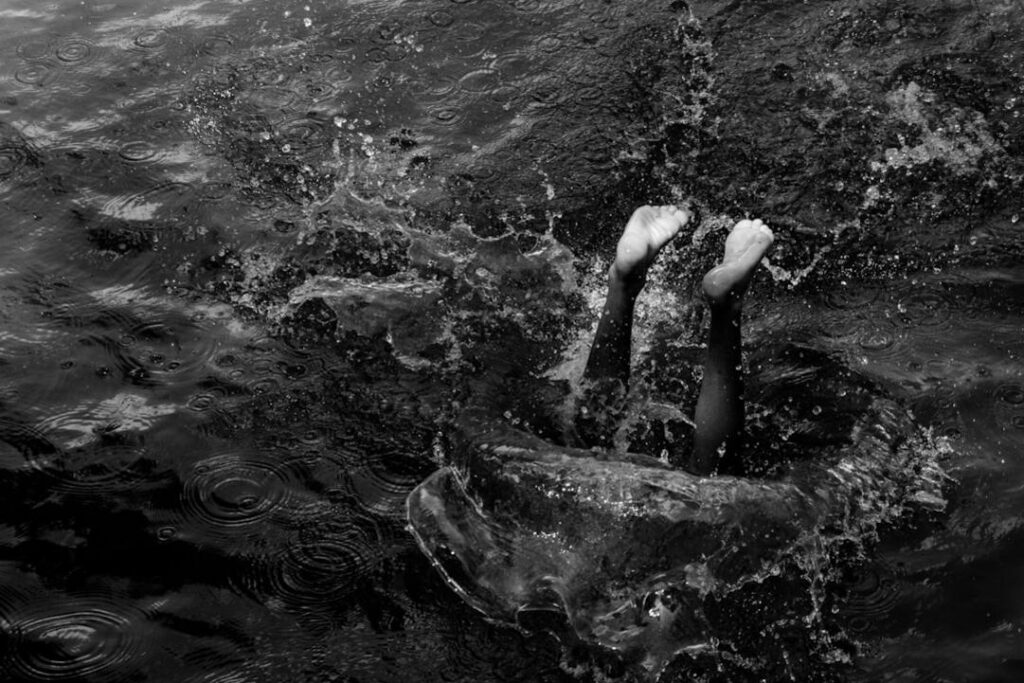
Brazil’s diving demands respect for currents, deep reefs, and varied visibility from 10 to 30 metres. Expect strong currents at Fernando de Noronha and Abrolhos Archipelago, with water temperatures ranging 22 – 28°C. The coastline offers mostly reef and wreck dives, with clarity peaking early mornings. Fernando de Noronha carries Brazil’s reputation with its pristine reefs, large schools of fish, and regular dolphin sightings, setting the tone for serious divers.
The 12 dive spots span beginner-friendly reefs like Porto de Galinhas to advanced current-swept walls at Abrolhos Archipelago. Key sites include Ilha das Couves’ clear water and octopus, Ilha do Arvoredo’s rocky reefs, and the wrecks at Búzios. If you want challenging dives with big marine life, Brazil delivers; if you seek gentle drift or tropical coral gardens, look elsewhere.
Key takeaways
- Fernando de Noronha demands advanced skills due to strong currents and offshore reefs; skip if uncomfortable with drift diving.
- Porto de Galinhas suits Open Water divers with shallow reefs averaging 6 – 6 m depth; avoid deep wrecks requiring advanced certification.
- Abrolhos Archipelago’s best diving is July to November during humpback whale season; book a guided trip and permit in advance.
- Pair Ilha das Couves and Bombinhas for a southern Brazil dive trip with clear water and diverse reef fish.
- Arraial do Cabo offers visibility up to 30 metres but avoid weekends when crowds reduce water clarity.
- Guarapari’s wreck and reef dives stay within 15 metres depth, ideal for Open Water divers wanting easy shore access.
- Ilha do Arvoredo requires a 90-minute boat ride and suits divers seeking groupers and snappers in clear water.
- Maracajaú’s artificial reef is best before noon; avoid shallow beach areas that lack marine life and get crowded midday.
Dive site comparison
| Dive site | Character | Level & depth | Signature sighting | Verdict |
|---|---|---|---|---|
| Arraial do Cabo | Current-swept reef walls | Intermediate · 10-30m | Groupers, rays, sea turtles | Good for intermediate divers; skip crowded Praia Grande beach for better boat dives. |
| Fernando de Noronha | Current-swept offshore reefs | Advanced · 15-40m | Dolphins and large schools of fish | For experienced divers comfortable with currents; avoid shallow crowded snorkeling spots. |
| Abrolhos Archipelago | Strong current coral walls | Advanced · 10-40m | Humpback whales (seasonal) | Serious divers only; best July-November with permits and guides required. |
| Ilha Grande | Calm tropical reefs | Beginner/Intermediate · 5-25m | Tropical reef fish and coral formations | Ideal for less experienced divers; avoid village pier with poor visibility. |
| Porto de Galinhas | Shallow coral gardens | Open Water · 2-6m | Colorful coral and small reef fish | Perfect for Open Water divers; skip deep wrecks requiring advanced certification. |
| Búzios | Wreck and rocky reefs | Intermediate · 12-18m | Groupers and snappers | Best for intermediate divers; avoid shallow crowded beach dives. |
| Ilha do Mel | Rocky reefs and caves | Beginner · 6-20m | Sea turtles and coral formations | Quiet spot for relaxed diving; skip crowded Praia de Leste. |
| Ilha das Couves | Rocky walls with octopus | Intermediate · 10-25m | Octopus and colorful reef fish | Clear water and marine life for intermediate divers; avoid nearby non-diving beaches. |
| Bombinhas | Protected reef park | Beginner/Intermediate · 5-20m | Diverse reef fish and underwater caves | Easy shore diving with good visibility; skip offshore wrecks for safety. |
| Maracajaú | Artificial reef gardens | Beginner · 5-15m | Tropical fish schools | Best before noon; avoid shallow crowded beach areas. |
| Ilha do Arvoredo | Rocky reefs with wrecks | Intermediate/Advanced · 15-30m | Groupers and snappers | Requires boat ride; suited for divers seeking large fish in clear water. |
| Guarapari | Shallow wreck and reefs | Open Water · 5-18m | Accessible shipwrecks and coral reefs | Great for Open Water divers; avoid deep wrecks needing advanced certification. |

Where the dive sites are
The dive sites in detail
Arraial do Cabo – Brazil’s Clearwater Reef Experience
- Crowds: Moderate
Descend into visibility reaching 30 metres, drifting along reefs alive with groupers, rays, and sea turtles. Currents here concentrate fish, creating vibrant scenes at Pontal do Atalaia and Ilha do Farol. Swim through rocky ledges and caves like Gruta Azul, ending your dive spotting turtles gliding near sunlit coral formations.
Best for intermediate divers comfortable with currents, Arraial do Cabo demands early starts to beat afternoon winds. Boat dives from the town avoid crowded shore spots, delivering richer marine life and clearer water. Skip weekends for better visibility and focus on Pontal do Atalaia or Ilha do Farol for your top dives.
Expect moderate currents, visibility up to 30 metres, and water temperatures around 23 – 26°C depending on season.
- ▸ Large groupers patrolling reef ledges
- ▸ Spotted eagle rays gliding over sandy bottoms
- ▸ Green sea turtles resting near coral heads
Arraial do Cabo delivers some of Brazil’s clearest waters and concentrated marine life, ideal for divers ready to handle moderate currents and mid-depth reefs.
Skip Praia Grande beach snorkeling; afternoon winds reduce visibility and crowds overwhelm the area.
Who it suits: Right for intermediate divers comfortable with currents; skip if you prefer calm, shallow dives.

Fernando de Noronha – Brazil’s Remote Big-Life Reef
- Crowds: Moderate
Dive into reefs with visibility over 30 metres, swimming through natural aquariums of dense coral and large schools of fish. Expect regular dolphin passes and sea turtles cruising near Baía do Sancho. The topography includes steep walls and pinnacles, with currents that challenge but reward experienced divers with vibrant pelagic encounters.
This UNESCO site requires advanced skills to manage strong currents at sites like Cacimba do Padre. Book early morning boat trips to avoid afternoon wind chop and tourist crowds. The island’s remoteness and strict access rules make day trips the only practical option.
Strong currents common, visibility 25 – 30 metres, water temperatures steady around 26 – 28°C year-round.
- ▸ Regular dolphin pods cruising offshore
- ▸ Green and hawksbill turtles near reef edges
- ▸ Dense schools of snapper and jacks around pinnacles
Fernando de Noronha sets Brazil’s diving standard with big marine life and pristine reefs, rewarding divers who can handle currents and plan early starts.
Skip shallow reefs at Praia do Leão; they are crowded and less diverse than offshore sites.
Who it suits: Right for advanced divers comfortable with strong currents; skip if you lack current experience or prefer easy dives.

Abrolhos Archipelago – South Atlantic Coral Riches
- Crowds: Moderate
Explore the largest coral formations in the South Atlantic, with reefs displaying dense coral heads and walls. The marine life includes rare species and seasonal humpback whales passing nearby. Dive profiles vary but include strong currents at advanced sites like Paredão do Leste, with mid-morning light bringing out the best coral colors at Parcel dos Abrolhos.
Only accessible by liveaboard or organized day trips with mandatory permits and guides, Abrolhos demands advanced certification and current experience. Dive between July and November for whale encounters. Book well in advance to secure permits and avoid crowded weekends.
Moderate to strong currents, visibility 15 – 25 metres, water temperature around 24 – 27°C depending on season.
- ▸ Dense coral formations with diverse reef fish
- ▸ Seasonal humpback whales migrating offshore
- ▸ Rare endemic species unique to the archipelago
Abrolhos offers unmatched coral density and seasonal whale encounters, but only for experienced divers with permits and guide access.
Skip shallow mainland reefs; they lack the coral density and marine variety of the archipelago.
Who it suits: Right for advanced divers seeking coral and whale encounters; skip if you lack current-handling skills or permit access.

Ilha Grande – Calm Tropical Reefs for Variety
- Crowds: Moderate
Dive calm reefs with tropical fish and clear water, exploring sites like Lagoa Azul and Lopes Mendes. The topography features gentle slopes and coral formations, with visibility peaking between 9 AM and 3 PM. Swim through schools of reef fish and colorful coral heads, ending with easy ascent zones in sheltered bays.
Ideal for divers who want diverse reef experiences without strong currents, Ilha Grande suits day trips from the mainland. Avoid weekends when boat traffic spikes, especially at Lopes Mendes. Early and mid-day dives offer the best visibility and fewer crowds.
Mild currents, visibility 10 – 20 metres, water temperatures around 24 – 27°C depending on season.
- ▸ Tropical reef fish schooling around coral heads
- ▸ Colorful soft and hard corals at Lagoa Azul
- ▸ Calm bays with sandy bottoms hosting juvenile fish
Ilha Grande delivers calm waters and reef variety, perfect for divers avoiding strong currents but wanting multiple dive options.
Avoid diving near the main village pier; water clarity rarely exceeds 3 metres there.
Who it suits: Right for beginner to intermediate divers seeking calm conditions; skip if looking for advanced current challenges.
Porto de Galinhas – Shallow Reefs for Easy Diving
- Crowds: Moderate
Descend into shallow reefs mostly between 2 and 6 metres, swimming over vibrant coral gardens and natural tide pools. The dive profile is relaxed, with calm water and minimal currents. Expect colorful reef fish and coral formations best seen in morning light before boat traffic increases.
Perfect for Open Water divers, Porto de Galinhas offers easy boat rides to shallow reefs. Morning dives deliver the best visibility and conditions. Avoid weekends when local tourists crowd snorkel spots. Skip deep wreck dives requiring advanced certification to stay within comfort limits.
Minimal currents, visibility around 15 metres, water temperatures steady near 28°C year-round.
- ▸ Colorful coral gardens teeming with reef fish
- ▸ Natural tide pools revealing small tropical species
- ▸ Calm sandy bottoms hosting juvenile rays
Porto de Galinhas suits Open Water divers seeking easy, shallow reef dives with reliable visibility and warm water.
Skip deep wreck dives off the coast; they require advanced certification and are overhyped for beginners.
Who it suits: Right for Open Water divers wanting relaxed shallow dives; skip if you want more challenging or deeper sites.
Búzios – Wrecks and Rocky Reefs for Intermediate Divers
- Crowds: Moderate
Explore accessible wrecks like the Cabo Frio shipwreck at 12 – 18 metres depth, surrounded by rocky reefs rich with groupers and snappers. Visibility ranges 15 – 20 metres, with underwater terrain featuring ledges and reef walls. Swim through schools of colorful reef fish and inspect wreck structures teeming with marine life.
Ideal for intermediate divers, Búzios offers morning boat trips to wrecks and reefs. Avoid weekends when local divers crowd popular sites. Skip shallow beach dives near town; they are crowded and lack marine variety. Focus on wrecks 15 minutes offshore for the best experience.
Light to moderate currents, visibility 15 – 20 metres, water temperature around 23 – 26°C seasonally.
- ▸ Groupers and snappers patrolling wreck sites
- ▸ Schools of colorful reef fish around rocky outcrops
- ▸ Small moray eels hiding in crevices of wrecks
Búzios delivers rewarding wreck and rocky reef dives for intermediate divers, with solid visibility and diverse fish life.
Skip shallow beach dives near the town center; they are crowded and offer little marine variety.
Who it suits: Right for intermediate divers interested in wrecks; skip if you prefer calm, shallow reef dives.
Ilha do Mel: Quiet Reefs and Turtle Encounters
- Crowds: Moderate
Ilha do Mel features calm dives with rocky formations and healthy coral reefs supporting diverse marine life. Visibility ranges between 6 and 9 metres, ideal for relaxed exploration rather than strong currents or drift dives. Key highlights include Costão do Santinho reef’s calm waters, the unique underwater cave system at Gruta das Encantadas, and rich coral gardens near Ponta do Farol where sea turtles are often spotted.
Best for divers seeking peaceful Brazilian sites, Ilha do Mel suits early morning dives before currents pick up. Certification levels vary by site, but generally accessible for Open Water and above. Avoid the crowded Praia de Leste dive site nearby, which lacks marine life and has strong currents. Dive operators on the island maintain visitor limits to keep conditions serene and safe.
Expect mild currents and visibility between 6 – 9 metres, with water temperatures around 22 – 26°C depending on season.
- ▸ Sea turtles grazing near coral formations at Ponta do Farol
- ▸ Colorful reef fish around Costão do Santinho
- ▸ Unique cave formations and small marine critters inside Gruta das Encantadas
Ilha do Mel offers quiet, healthy reefs for relaxed diving away from crowds, perfect for divers wanting peaceful underwater topography and turtle sightings.
Skip the Praia de Leste dive site due to crowding, fewer fish, and strong currents that challenge less experienced divers.
Who it suits: Right for Open Water divers seeking calm, non-drifting dives; skip if you want strong currents or pelagic encounters.
Ilha das Couves: Clear Water and Vibrant Marine Life
- Crowds: Moderate
Ilha das Couves is known for some of Brazil’s clearest water, with visibility often exceeding 21 metres midday. The dive features rocky underwater walls and formations that shelter octopus, groupers, and colorful schools of fish. Expect moderate depths around rocky reefs that reward careful exploration. Night dives reveal octopus and crab activity, adding to the site’s dynamic marine life.
This site suits divers beyond beginner level due to deeper rocky terrain and currents. Access via 20-minute boat rides from Bombinhas, with best visibility from 9 AM to 2 PM. Avoid weekends when local boats crowd the site. Skip the nearby Praia do Rosa, which draws surfers but offers no diving opportunities.
Currents moderate with visibility up to 21 metres midday; water temperature typically ranges 22 – 26°C during peak dive hours.
- ▸ Octopus hiding in crevices along rocky walls
- ▸ Schools of colorful reef fish around northeast reef
- ▸ Groupers patrolling the rocky underwater formations
Ilha das Couves stands out for crystal-clear water and vibrant marine life, rewarding intermediate divers who time dives right and avoid weekend crowds.
Skip Praia do Rosa for diving – it’s crowded on weekends and offers no underwater attractions.
Who it suits: Right for Advanced Open Water divers comfortable with currents and rocky terrain; skip if you want shallow, calm reef dives.
Bombinhas: Shore Dives in a Protected Marine Park
- Crowds: Moderate
Bombinhas offers excellent visibility often over 20 metres within a protected marine park. The dive sites feature diverse reef fish and underwater caves with swim-throughs, accessible by shore entry from beaches like Mariscal or Bombas. Sepultura Beach is known for its caves, while Zimbros Bay offers quieter waters and the best visibility. These sites provide varied topography with reefs, caves, and sandy patches.
Ideal for divers wanting easy shore access and clear water, Bombinhas suits Open Water and above. Morning dives before 11 AM bring calmer currents and peak fish activity. Skip the offshore wreck dive unless you’re experienced; strong currents and poor visibility make it a tough challenge. Stick to shore dives for maximum fun and safety.
Currents are mild in the morning with visibility around 20 metres, water temperature usually 22 – 26°C.
- ▸ Colorful tropical reef fish around Mariscal Beach
- ▸ Underwater caves and swim-throughs at Sepultura Beach
- ▸ Less crowded reefs with excellent visibility in Zimbros Bay
Bombinhas delivers reliable shore diving with clear water and diverse reef life, perfect for photographers and casual divers.
Avoid the offshore wreck dive due to strong currents and limited visibility that challenge most divers.
Who it suits: Right for Open Water divers seeking easy shore entries and calm conditions; skip if you want deep wreck or current-heavy dives.
Maracajaú: Latin America’s Largest Artificial Reef
- Crowds: Moderate
Maracajaú’s dive highlights include the largest artificial reef in Latin America surrounded by vibrant coral gardens and schools of tropical fish. The site offers clear water with easy reef access, ideal for relaxed reef exploration. Dives focus on colorful fish congregations around coral structures, with sandy patches nearby. Visibility peaks in the morning, revealing abundant marine life in calm conditions.
This spot suits Open Water divers and snorkelers looking for colorful reefs without complex navigation. Best dive between 8 AM and noon to avoid weekend crowds and maximize visibility. Skip shallow beach areas near the jetty, which lack marine life and get crowded midday. Operators run daily trips from Maracajaú town for straightforward day dives.
Visibility ranges 10 – 15 metres in calm waters with mild currents; water temperature sits between 24 – 28°C during peak months.
- ▸ Dense schools of tropical reef fish around artificial reef structures
- ▸ Healthy coral gardens with vibrant colors
- ▸ Occasional sightings of reef fish species typical to northeast Brazil
Maracajaú impresses with its expansive artificial reef and vibrant coral gardens, ideal for easy reef dives and underwater photography.
Skip the sandy beach near the jetty, which offers little marine life and becomes crowded midday.
Who it suits: Right for Open Water divers wanting calm, colorful reef dives; skip if seeking pelagic species or strong currents.
Ilha do Arvoredo: Marine Reserve with Big Fish Action
- Crowds: Moderate
Ilha do Arvoredo is a marine biological reserve featuring rocky reefs with clear water often exceeding 18 metres visibility. The underwater landscape includes reefs and the Naufragados wreck, attracting large groupers and snappers. Expect moderate depths and strong underwater structure that appeals to photographers and divers after bigger reef fish and varied topography.
This site demands Advanced Open Water certification due to current strength and boat access from Florianópolis, which takes about 90 minutes. Dive best between December and March when water warms and calms. Avoid weekends to skip crowded dive boats. This remote reserve rewards patient divers seeking large reef fish in pristine conditions.
Currents can be strong with visibility around 18 metres; water temperatures range from 22 – 26°C in peak season.
- ▸ Large groupers patrolling rocky reefs
- ▸ Frequent snappers near reef edges
- ▸ Naufragados wreck hosting diverse reef fauna
Ilha do Arvoredo offers clear water and abundant large reef fish, rewarding experienced divers willing to handle currents and boat rides.
Skip the sandy beach on the island; it offers no dive attractions beyond a rest spot.
Who it suits: Right for Advanced divers comfortable with currents and boat access; skip if not certified for offshore, current-exposed dives.
Guarapari: Accessible Wrecks and Reefs for Open Water
- Crowds: Moderate
Guarapari features several shipwrecks and coral reefs within 1.6 km of shore, offering easy access and shorter surface intervals. Dive sites include the shallow Pampo wreck at 15 metres, colorful Setiba reef reachable by 20-minute boat, and calm shore dives at Praia do Morro. The underwater topography is varied but generally moderate depth and current, ideal for less experienced divers.
Best dived July to November when visibility reaches 9 – 15 metres. Avoid weekends and holidays to dodge crowded dive boats. Open Water certified divers will find Pampo wreck and Setiba reef accessible and rewarding. Skip deep wrecks beyond 18 metres requiring advanced certification; they rarely offer better marine life or conditions.
Currents are mild to moderate with visibility between 9 – 15 metres; water temperature ranges 22 – 26°C during best months.
- ▸ Shallow Pampo wreck at 15 metres with abundant reef fish
- ▸ Vibrant coral formations and fish schools at Setiba reef
- ▸ Calm, easy-entry shore dive at Praia do Morro
Guarapari suits Open Water divers seeking accessible wrecks and reefs close to shore with manageable conditions.
Skip deep wrecks beyond 18 metres; they require advanced certification and rarely offer more than shallow sites.
Who it suits: Right for Open Water divers wanting easy wreck and reef dives; skip if not certified for deeper, more technical wrecks.
Compare dive trips, courses and liveaboards in Brazil

Marine life: what you see underwater
Fernando de Noronha leads Brazil’s diving with frequent dolphin encounters, large schools of fish, and sea turtles, while the Recife wrecks add pelagic thrills. Coastal reefs across Brazil host groupers, snappers, rays, and octopus, but currents and visibility vary wildly. Expect strong currents at Fernando de Noronha and Abrolhos Archipelago, with calmer reefs at Ilha Grande and Bombinhas for balanced experiences.
Regularly seen around Fernando de Noronha, dolphins swim close to boats and divers, especially early mornings. The best encounters happen year-round but peak visibility and calm seas are in the dry season. Expect active, curious pods passing near reefs.
Where: Fernando de Noronha
Common on reefs at Fernando de Noronha, Arraial do Cabo, and Ilha do Mel. These slow-moving grazers appear year-round; best sightings occur mid-morning in clear water near reef edges and shallow flats.
Where: Fernando de Noronha, Arraial do Cabo, Ilha do Mel
Large, territorial groupers dominate rocky reefs from Ilha do Arvoredo to Arraial do Cabo. Look for them resting in caves or patrolling reef ledges. Visibility and calm conditions favor sightings between 9 AM and 2 PM.
Where: Arraial do Cabo, Ilha do Arvoredo, Ilha das Couves, Búzios
Schools of snappers swarm around reefs at Ilha do Arvoredo and Búzios. Expect fast-moving groups near reef edges, especially in warmer months from December to March when visibility is best.
Where: Ilha do Arvoredo, Búzios
Spotted frequently at Arraial do Cabo and Ilha do Mel, rays glide close to sandy bottoms and reef flats. Sightings peak during calmer months; approach slowly to avoid spooking them.
Where: Arraial do Cabo, Ilha do Mel
Nocturnal and shy, octopus appear in rocky formations at Ilha das Couves and Ilha do Mel. Night dives between 8 PM and 10 PM increase chances, revealing their camouflage and hunting behavior.
Where: Ilha das Couves, Ilha do Mel
Tropical reef fish like angelfish, parrotfish, and butterflyfish populate reefs from Porto de Galinhas to Bombinhas. Best viewed during calm mornings with visibility over 15 metres, especially in dry months.
Where: Porto de Galinhas, Bombinhas, Ilha Grande, Maracajaú
Shipwrecks off Recife and Búzios attract large fish such as groupers and snappers. These sites require intermediate certification due to depth and currents; visibility varies but usually stays around 15 – 20 metres.
Where: Búzios, Guarapari
Water conditions
Visibility ranges widely, from 6 metres in Ilha do Mel to over 30 metres at Fernando de Noronha and Arraial do Cabo. Afternoon winds reduce clarity; morning dives consistently offer the best conditions.
Water temperatures vary roughly between 22°C in southern sites like Ilha do Arvoredo and 28°C in tropical northeast spots like Porto de Galinhas. A 3 – 5 mm wetsuit suffices year-round; thicker suits help in the south during winter.
Diving is best year-round but peaks from December to March in the south and July to November in the northeast due to calmer seas and marine animal migrations like humpback whales at Abrolhos.
Snorkelling vs diving
Most of Brazil’s best marine life requires scuba to reach – Fernando de Noronha’s offshore reefs and Abrolhos’ coral formations are too deep or current-strong for snorkelers. Shallow reefs at Porto de Galinhas and Maracajaú offer vibrant coral gardens easily accessed by snorkelers. Skip crowded beach spots with poor visibility and focus on boat-accessed reefs for real underwater life.
When to dive
| Month | Diving | Conditions |
|---|---|---|
| January | Good | Warm water, moderate visibility, calm northeast coast |
| February | Good | Warm water, moderate visibility, calm northeast coast |
| March | Good | Stable conditions, good visibility northeast coast |
| April | Marginal | Increasing currents, lower visibility southeast coast |
| May | Poor | Rough seas, poor visibility southeast coast |
| June | Poor | Strong currents, low visibility southeast coast |
| July | Peak | Calm seas, best visibility northeast coast |
| August | Peak | Calm seas, best visibility northeast coast |
| September | Good | Stable water, good visibility northeast coast |
| October | Good | Improving conditions, moderate visibility southeast coast |
| November | Marginal | Variable currents, mixed visibility southeast coast |
| December | Marginal | Increasing winds, variable visibility southeast coast |
When to Dive in Brazil
Dive Brazil from July through September for calm seas and best visibility on the northeast coast, especially around Fernando de Noronha and Maracajaú. Avoid May to June when the southeast coast faces strong currents and poor visibility. The northeast and southeast coasts have opposite seasons; northeast peaks in winter months, southeast improves in spring and fall. Plan accordingly to match your target region and dive conditions.
Planning Your Dive Trip
Base yourself in Fernando de Noronha or Arraial do Cabo for day trips to top sites. Most spots like Ilha Grande and Búzios allow easy boat access within 30 minutes. Abrolhos Archipelago and Ilha do Arvoredo require longer boat rides or liveaboards due to offshore location. Budget at least five days to cover multiple sites without rushing. Skip liveaboards unless targeting Abrolhos or Ilha do Arvoredo for serious exploration.
Combining Dive Spots Efficiently
Pair Fernando de Noronha with Maracajaú for northeast Brazil’s best marine life and visibility on one trip. In Rio de Janeiro state, combine Arraial do Cabo, Ilha Grande, and Búzios easily by boat from local bases. For southern Brazil, link Ilha das Couves, Bombinhas, and Ilha do Arvoredo in Santa Catarina with short boat rides. Skip mixing northeast and southeast spots in one trip unless you have two weeks. Focus on one region for maximum dive quality and less transit hassle.
Certification, operators and safety
Certification requirements
Brazil’s diving demands at least Open Water certification, but many top spots require Advanced Open Water or equivalent due to currents and depth. Fernando de Noronha and Abrolhos Archipelago are off-limits without advanced skills because of strong currents and deeper reefs. While some sites like Porto de Galinhas and Guarapari suit beginners, Brazil is not ideal for learning to dive due to variable conditions and limited beginner-focused courses.
Choosing an operator and costs
Pick dive operators with solid local reputations, PADI or SSI affiliation, and good safety records – especially around Fernando de Noronha and Abrolhos. Avoid operators that rush briefings or overload boats. Expect day trips to cost roughly $70 – $120, with courses starting near $400 for Open Water. Liveaboards are rare but can run $1,000+ for multi-day trips. Always check recent reviews and confirm equipment quality before booking.
Diving safely
Brazil’s main hazards are strong currents at Fernando de Noronha, Abrolhos, and some Recife wrecks, plus remote sites with limited emergency access. Visibility varies from 6 to 30 metres, often dropping with afternoon winds. Medical facilities and recompression chambers are scarce outside major cities. Dive insurance covering evacuation is essential. Stay conservative on current-exposed dives, avoid weekend crowds, and always dive with a guide familiar with local conditions.
Responsible diving
Respect Brazil’s protected marine parks by avoiding contact with coral and marine life; touching or chasing turtles and fish is prohibited. Use reef-safe sunscreen and support operators enforcing conservation rules, especially in Fernando de Noronha and Abrolhos where permits and guides are mandatory. Report any illegal fishing or damage. Responsible diving here protects fragile reefs and the seasonal humpback whales visible offshore.
Frequently asked questions
1What is the best time of year to dive in Brazil?
Diving is viable year-round but visibility and conditions peak from July to November, especially at Abrolhos Archipelago during humpback whale season. Fernando de Noronha offers good conditions almost all year, but avoid weekends when crowds and boat traffic increase. Early mornings generally provide calmer water and better visibility.
2Are there dive sites suitable for beginners in Brazil?
Yes, Porto de Galinhas and Guarapari offer shallow reefs with mild currents ideal for Open Water divers. Ilha Grande’s Lopes Mendes also suits beginners with calm waters. Avoid Fernando de Noronha and Abrolhos until you have advanced certification due to strong currents and depth.
3How strong are the currents at Fernando de Noronha?
Currents at Fernando de Noronha can be strong and unpredictable, especially around Cacimba do Padre and Pedra do Atalaia. These sites require advanced skills and good current management. Stick to early morning dives and dive with experienced guides to maintain control and safety.
4Is it worth diving at Arraial do Cabo?
Arraial do Cabo offers some of Brazil’s clearest waters with visibility up to 30 metres and abundant marine life like groupers and turtles. It’s a solid mid-budget choice with accessible boat dives to Pontal do Atalaia and Ilha do Farol. Skip the crowded Praia Grande beach for better underwater experiences.
5Can I dive wrecks in Brazil without advanced certification?
Most wreck dives, like those at Búzios and Guarapari, require at least intermediate certification due to depth and currents. Shallow wrecks like Pampo Wreck in Guarapari are suitable for Open Water divers. Avoid deep or strong-current wrecks off Recife and Abrolhos without advanced training.
6What should I expect from dive visibility in Brazil?
Visibility varies widely: 6 – 9 metres around Ilha do Mel, 15 – 20 metres at Búzios and Guarapari, and up to 30 metres at Arraial do Cabo and Fernando de Noronha. Afternoon winds often reduce clarity, so plan dives early and avoid weekends when sites get crowded and stirred up.
7Are there local dive fees or permits in Brazil?
Yes, Abrolhos Archipelago requires a roughly $50 USD permit and mandatory guides. Fernando de Noronha also enforces strict park fees and dive regulations to protect its ecosystem. Always check with your operator for current fees and follow local rules to avoid fines and support conservation.
8How safe is shore diving in Bombinhas?
Bombinhas offers safe, easy shore diving with calm conditions and visibility around 20 metres. Beaches like Mariscal and Sepultura provide quick entry and diverse reef fish, making it ideal for divers wanting relaxed dives without boat logistics. Avoid offshore wreck dives here unless experienced due to currents.
Some links on this page are affiliate links. We may earn a small commission at no extra cost to you when you book through them.