


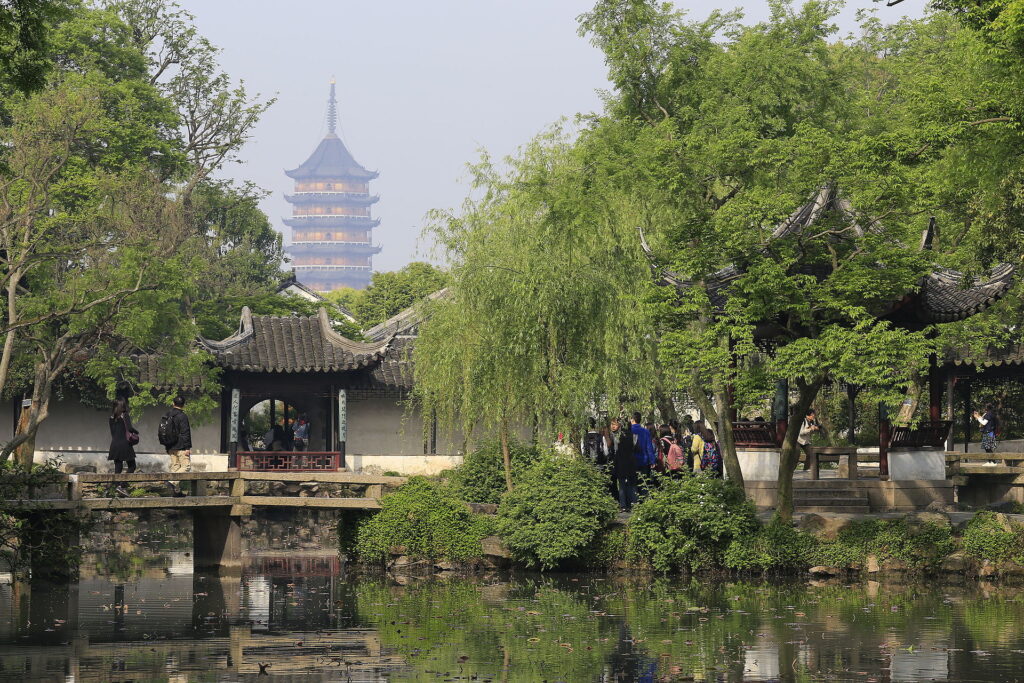
Walking through the Humble Administrator’s Garden reveals a maze of stone pathways and water features that demand your attention.
This garden in Suzhou is a UNESCO World Heritage Site, renowned for its intricate layout and historical significance. It offers a glimpse into Ming Dynasty garden design, with winding corridors, small pavilions, and ponds filled with carp. Visiting here means stepping into a space that has been carefully preserved for centuries, making it a must for culture seekers.
Entry costs a modest fee, and the garden opens early in the morning. Expect to spend around two hours exploring, but plan your visit for a clear day to fully appreciate the details in the sunlight. Crowds tend to gather mid-morning and late afternoon, so an early start helps avoid the busiest times.

What to expect
- Walk along narrow stone paths that curve around water channels and small bridges.
- Pause at carved wooden pavilions that overlook the ponds filled with koi fish.
- Notice the textured surfaces of ancient bricks and the moss growing on stone steps.
- Listen to the gentle splash of water from small fountains and waterfalls.
- Feel the cool shade of bamboo and willow trees lining the walkways.
Is the Humble Administrator’s Garden worth your time?
Core stopThis garden offers a deep dive into Ming Dynasty landscape design, with a history dating back to the 16th century. It is worth visiting only if you appreciate historic Chinese gardens and are prepared for the crowds during peak hours. The entry fee is low, but the site can get busy, especially mid-morning. To maximize your experience, arrive early or late in the afternoon when the light is softer and fewer visitors are present. If your schedule is tight, prioritize other nearby gardens or cultural sites, but for a focused look at traditional Chinese garden art, this remains a top choice.
Quick facts about the Humble Administrator’s Garden
| Cost | a modest entrance fee |
| Season | open year-round |
| Time needed | around 2 hours |
| Getting there | located at 178 Northeast Street, Gusu District |
| Best timing | early morning or late afternoon |
| Dress code / entry rules | casual attire, no specific restrictions |
Walking Through the Humble Administrator’s Garden in Suzhou
Arrive early in the morning around 8 am to beat the larger tour groups. Purchase your ticket at the gate for a modest entrance fee of around 90 RMB, and enter as the garden opens. Start by walking along the main stone pathway that runs through the central pond, where the water reflects the surrounding pavilions and willow trees. Focus on the intricate rock arrangements and the small bridges crossing the water, which are designed to guide your eye and create a sense of harmony.
As you move deeper into the garden, visit the Hall of Distant Fragrance, a key structure built to house scholars and poets. Spend a few minutes here to appreciate the calligraphy and the layout that emphasizes balance. Continue toward the eastern section, where the Lotus Pool is at its fullest in late spring; avoid this area in the afternoon when the sun hits directly overhead, making reflections less clear. If you have limited time, skip the southern rockery and focus on the main water courtyards, which best showcase the garden’s traditional layout. Finish your visit by exiting through the west gate, ideally before 11 am, to avoid the midday crowds and enjoy the quiet serenity that remains in the early hours.
Key Highlights and Insider Hacks
Main Water Courtyard
This central area features a large pond with a small island and several bridges, exemplifying classic Chinese garden design. It’s the best spot to observe the symmetry and the way water connects different sections of the garden.
TipVisit this area early in the morning when the light hits the water from the east, creating gentle ripples and reflections that are perfect for photos.
Hall of Distant Fragrance
Built as a scholar’s retreat, this hall offers insight into traditional Chinese aesthetics and the importance of harmony between architecture and nature. The calligraphy and woodwork inside are authentic and well-preserved.
TipSpend a few minutes here during the first hour of opening; the quiet allows for better appreciation of the details and fewer visitors blocking your view.
Lotus Pool
Located in the eastern part of the garden, this pond is filled with blooming lotus in summer, adding color and texture to the landscape. It’s a favorite spot for photographers seeking clear reflections and natural framing.
TipCome late in the morning when the sun is high enough to illuminate the water surface without creating glare, and avoid the crowded midday hours.
Rockery in the South
This section features carefully arranged rocks that symbolize mountains, a common motif in Chinese gardens. It’s less crowded but less photogenic than the main water areas.
TipSkip this section if pressed for time; it offers little more than aesthetic rocks, which are less compelling than the water features.
West Exit Gate
Exiting through this gate allows you to leave before the bulk of the day-trippers arrive, maintaining the peaceful atmosphere. It also offers a view of the garden’s perimeter walls and traditional architecture.
TipPlan your exit around 11 am to avoid the rush and enjoy the garden’s quietest moments.
Essential Gear for Visiting Humble Administrator’s Garden
- Cash in Chinese yuan
The entrance fee is cash-only and the ticket counter does not accept cards. - Comfortable shoes
The garden covers a large area with paved paths and uneven stone bridges, so sturdy footwear prevents fatigue. - Sun protection (hat or umbrella)
The garden opens early and has open sections with limited shade, making sun exposure likely during midday. - Light rain jacket
Weather can change quickly in Suzhou, especially in spring and summer, and light rain can occur unexpectedly. - Guidebook or app with garden map
The garden is complex with multiple courtyards and pavilions; a map helps avoid missing key features.
How to Reach Humble Administrator’s Garden from Suzhou
The garden is located at 178 Northeast Street, Gusu District, about 2 miles / 3 km from central Suzhou.
- Taxi
Ask for ‘Northeast Street, near the entrance of Humble Administrator’s Garden’ to avoid detours. - Bus
Take bus number 2 or 4 from Suzhou Railway Station; confirm the stop name ‘Gusu District’ and watch for the garden’s exit. - Bike
Rent a shared bike from local stations; use a navigation app to find the shortest route along quiet streets.
Risks and How to Avoid Them at Humble Administrator’s Garden
- Crowds during peak hours can make navigation difficult.
Visit early in the morning or late in the afternoon to avoid the busiest times. - Unregulated vendors near the entrance may overcharge or sell counterfeit souvenirs.
Buy souvenirs inside the designated shop and avoid bargaining outside the main gate. - Slippery stone surfaces, especially after rain.
Wear shoes with good grip and walk carefully on wet stones. - Limited shade in open sections can cause sunburn or heat exhaustion.
Bring a hat and stay hydrated, especially in summer months.
Expert Insight: Maximize Your Visit
Start your tour at the eastern entrance early in the day to beat the crowds and enjoy the quiet of the water pavilions before the midday rush. Use the garden map to focus on the original Ming-era sections, which are less restored and offer more authentic layouts.
Humble Administrator’s Garden FAQ
1What is the best time of day to visit the Humble Administrator’s Garden?
Visit early in the morning around opening time to avoid the largest crowds and enjoy the garden’s features with softer light. Midday tends to be busier and the sunlight can create harsh shadows on the structures and plants, so plan accordingly.
2How does weather affect the experience at the garden?
Cloudy days reduce glare and make the garden’s details easier to see, especially in summer. Heavy rain can close certain pathways and limit access to outdoor features, so check the forecast and plan to arrive early or reschedule if rain is forecasted.
3Are there any restrictions on photography inside the garden?
Photography is allowed throughout most of the garden, but avoid using tripods or flash in indoor pavilions. Respect signs indicating no photography in specific areas, and consider the lighting conditions when planning your shots.
4Is it possible to visit the garden with a wheelchair or mobility aid?
The garden has some paved paths suitable for wheelchairs, but certain historic bridges and narrow walkways may pose challenges. If mobility is limited, consider visiting during off-peak hours when paths are less crowded, and plan your route accordingly.
5What should I do if the garden is crowded during my visit?
Head to the less trafficked sections like the east or west courtyards, which tend to be quieter. Visiting early or late in the day also helps avoid peak crowds, allowing a more relaxed experience.
6Are there guided tours available, and are they worth it?
Guided tours provide detailed insights into the garden’s history and design, which can enhance your visit. However, if you prefer to explore independently and focus on specific features, a self-guided visit is equally rewarding and saves money.
After the Garden
Head to nearby Pingjiang Road for a walk along the canal, where you can browse shops and sample local snacks. Avoid rushing straight to your next destination; take time to observe the small details of Suzhou’s traditional streets.
Photos via Unsplash and Wikimedia Commons.
Some links on this page are affiliate links. We may earn a small commission at no extra cost to you when you book through them.