


Choose Slovakia for mountain adventures and medieval towns; Estonia suits digital city lovers and Baltic coast fans.
Travelers seeking active hikes or city tech scenes should pick their country based on terrain preference.
Deciding between mountain peaks or Baltic coast? Here’s what you need to know.
Planning a short Europe trip? You’re weighing Slovakia’s rugged mountains against Estonia’s flat forests and Baltic shoreline. Both countries offer low tourist saturation and high safety, making them appealing for a quick escape. But the choice hinges on what kind of experience you want—mountain hikes and medieval towns or coastal walks and digital hubs. Your decision impacts travel time, costs, and daily pace. This comparison cuts through the noise, helping you pick the country that matches your trip style without wasting time or money.

Right now, travelers are looking for authenticity without the crowds. Slovakia’s mountains deliver active adventures, while Estonia’s forests and digital city vibe offer a different kind of escape. Knowing the key differences in costs, safety, and logistics can save you headaches. Keep reading to see which country aligns with your travel goals and budget, so you can book with confidence and start packing the right gear.
Insider tip: Choose Slovakia if mountain scenery and hiking are your priorities; pick Estonia for a tech-savvy city with Baltic coast access.
Estonia typically requires longer flights from the US, adding planning time and cost.
Key Differences Between Slovakia and Estonia
| Topic | Slovakia | Estonia |
|---|---|---|
| Travel vibe | Mountain villages, medieval towns, active hikes | Flat forests, coastal cities, digital hubs |
| Budget level | Daily costs around $90-120 | Daily costs around $100-130 |
| Top destinations | High Tatras, Bratislava | Tallinn, Parnu |
| Nature & landscape | Mountains, alpine lakes | Forests, Baltic beaches |
| Food & cuisine | Hearty Slovak stews, bryndza | Seafood, smoked fish |
| Accommodation quality | Range from hostels to mountain lodges | Boutique hotels, modern apartments |
| Crowds in peak season | Moderate, especially in Tatras | Low, even summer |
| Transport & infrastructure | Good train and bus network | Efficient buses, limited rail |
| Safety | Pack Lightly safety score 90 | Pack Lightly safety score 90 |
| Visa requirements | Visa-free for US citizens | Visa-free for US citizens |

Best for Slovakia
- Hikers seeking mountain trails and alpine scenery
- History buffs exploring medieval towns
- Budget travelers comfortable with mountain lodges
Best for Estonia
- Digital nomads wanting Baltic city access
- Beach lovers visiting coastal resorts
- Culture seekers interested in modern art and design
Top Reasons to Pick Each Country
- Choose Slovakia if mountain hikes and alpine lakes are your focus — Pack Lightly’s nature score (85/100).
- Opt for Estonia if you prefer a digital city with Baltic coast access — Pack Lightly’s city score (80/100).
- Both countries are safe, with safety scores around 90/100, making them low-risk options.
- Budget-wise, Slovakia offers more affordable lodging and food, averaging $90-120/day.
- Estonia’s longer flights (around 15 hours from the US) add planning time and cost.
- Peak season crowds stay moderate in both, but Estonia’s flat landscape keeps it less busy overall.
Pack Lightly Scores
11 categories scored from 0 (low) to 100 (high)
Still can’t decide?
Use our comparison tool to see how Slovakia and Estonia stack up across 11 categories tailored to your travel style. Adjust timing filters to find the best season for your trip.
Cost breakdown

For mid-range travelers, Slovakia is cheaper than Estonia by about $15 per day. Slovakia’s daily budget ranges from $70 to $130 USD, while Estonia’s is $85 to $150 USD. Both countries offer affordable options, but Slovakia’s overall costs are lower for a typical trip.
Estimated daily costs in USD
| Category | Slovakia | Estonia |
|---|---|---|
| Backpacker daily budget | $30 – $60 (≈ $70 – $130) | $35 – $70 (≈ $85 – $150) |
| Mid-range daily budget | $70 – $130 (≈ $2200 – $4100) | $85 – $150 (≈ $2650 – $4700) |
| Luxury daily budget | $150 – $250 (≈ $4700 – $7850) | $180 – $300 (≈ $5600 – $9400) |
| Street food meal | $4 – $8 (≈ $0.13 – $0.26) | $5 – $10 (≈ $0.16 – $0.33) |
| Restaurant meal | $8 – $15 (≈ $0.26 – $0.49) | $10 – $20 (≈ $0.33 – $0.66) |
| Local transport (per day) | $3 – $6 (≈ $0.10 – $0.20) | $4 – $8 (≈ $0.13 – $0.26) |
| Activities/tours (average) | $15 – $30 (≈ $0.49 – $0.99) | $20 – $40 (≈ $0.66 – $1.32) |
| Hidden costs | Tipping, incidentals | Tipping, incidentals |
Slovakia wins on price with a mid-range daily budget around $100 USD, compared to Estonia’s $120. Pack Lightly budgetFriendly scores are Slovakia 75, Estonia 70. You get more value for less in Slovakia Hotels Slovakia versus Estonia Hotels Estonia.
Pro tip: Book accommodations with free cancellation to switch plans if prices drop last minute.
Watch out: Hidden costs like accommodation or park fees can add up if not planned ahead.
What You’ll Eat
In Slovakia, bryndzové halušky — potato dumplings with sheep cheese — cost around $8 at local markets. Estonia’s smoked fish sandwiches run about $7 in Tallinn’s Old Town. Slovakia wins for hearty, filling street eats.
Vegetarian options are solid in Estonia, with salads and veggie wraps easily available. Slovakia struggles a bit with vegan choices outside major cities but offers good vegetarian dishes. Gluten-free options are limited in both, but Estonia’s cafes are slightly more accommodating.
Drinks are a social affair. Slovakia’s pilsners like Zlatý Bažant are cheap and plentiful. Estonia’s local beers like Saku are easy to find, plus vodka shots are common in both. Estonia’s craft scene is growing fast, especially in Tallinn’s bars.
Table:
| Signature Dish | Street Food Quality | Vegetarian-Friendly | Restaurant Variety | Drink Culture |
| Bryndzové halušky | 75 | 80 | 70 | 75 |
| Smoked Fish Sandwich | 85 | 75 | 80 | 75 |
| Vegetarian options | Good | Excellent | Fair | Good |
| Local beers & spirits | Strong | Moderate | Wide | Wide |
Bryndzové Halušky
Authentic, filling, and affordable local specialty that defines Slovak cuisine.
Insider tip: Order bryndzové halušky with crispy bacon bits at Lokál Dlouhá in Bratislava for best flavor.
Where to Sleep
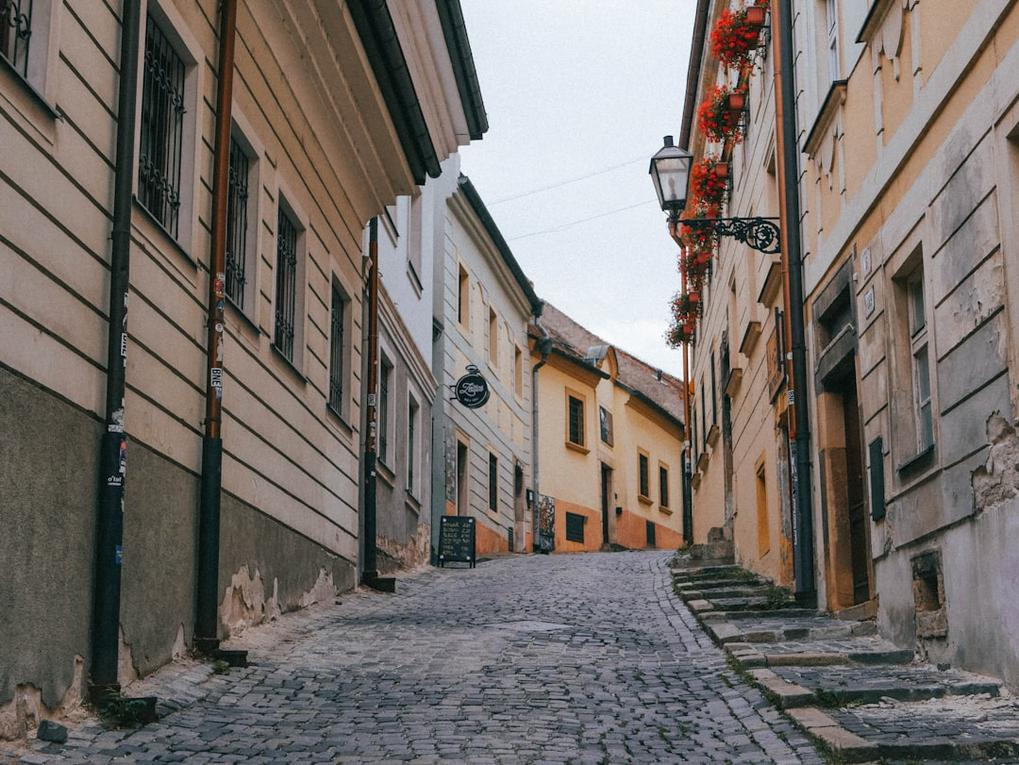
In Slovakia, budget hostels score a 75 and are common in Bratislava’s Old Town and Petržalka. Mid-range hotels in the city center run $50–$80 per night. Estonia’s hostels hit an 85, especially in Tallinn’s Kalamaja district, with prices around $40–$70.
Both countries have weak spots. Slovakia’s outskirts lack quality options, and Estonia’s rural stays are limited. Avoid poorly reviewed listings on less-known platforms. For better value, book early in the city centers or trendy neighborhoods like Tallinn’s Telliskivi or Bratislava’s Staré Mesto.
Hotels Slovakia Typical mid-range hotels in Bratislava’s Old Town cost $60–$80, with good reviews. Estonia’s Tallinn boutique stays in Kalamaja are $70–$90, with modern amenities.
See full lodging breakdown by budget
Typical Accommodation Options
| Type | Country A | Country B |
|---|---|---|
| Budget hostels | Hostels in Petržalka, $20–$35 | Hostels in Kalamaja, $20–$35 |
| Mid-range hotels | Old Town, $60–$80 | Kalamaja, $70–$90 |
| Boutique stays | Design hotels in Bratislava, $80–$120 | Stylish guesthouses in Tallinn, $90–$130 |
| Luxury resorts | Spa hotels near High Tatras, $150–$250 | Seaside resorts in Pärnu, $180–$300 |
| Alternatives | Airbnb apartments in city centers | Apartments in Tallinn’s Old Town |

Booking tip: Book mid-range hotels early via Booking.com, especially in summer, for best rates and availability.
What It Feels Like on the Ground

In Slovakia, mornings start with the crisp mountain air in Tatranská Lomnica, the peaks towering above. Streets are quiet, with a sense of raw nature just outside.
In Estonia, Tallinn’s Old Town hums with midday energy, cobblestone streets packed with locals and tourists. The Baltic breeze carries a fresh, digital vibe from the city’s modern core.
Slovakia demands you deal with mountain roads and small-town logistics, which can slow you down. Estonia’s flat landscape makes travel easy but can feel less adventurous. Each country tests your patience differently.
A trip in Slovakia leans into mountain hikes and alpine scenery, while Estonia suits those craving forest walks and coastal chill. Choose based on whether you want rugged peaks or Baltic breezes.
How safe is it really
Safety overview
Slovakia
Estonia

Slovakia scores 90 on safety, Estonia also scores 90. Both are very safe, but Slovakia has slightly fewer petty crimes. Solo female travelers face minimal risks in either country, but always stay aware of your surroundings. Health risks are low, and natural disasters are rare. Road safety is good, with well-maintained roads and clear signage.
See detailed safety factors table
Safety Factors Comparison
| Factor | Slovakia | Estonia | Practical Tip |
|---|---|---|---|
| Pickpocketing | Low risk in busy city centers like Bratislava, but stay alert in crowded markets. | Low risk, especially in Tallinn’s Old Town, but watch out during festivals. | |
| Tourist scams | Occasional taxi overcharging near major sights. | Fake police checks in Tallinn, especially near train stations. | |
| Solo female traveler safety | Generally safe, avoid poorly lit areas at night. | Safe in most areas, but avoid deserted streets after dark. | |
| Health risks | Minimal health risks; tap water is safe in cities. | Same, but ensure travel insurance covers minor illnesses. | |
| Road safety | Good roads, but watch for rural narrow lanes. | Excellent roads, especially in urban areas. | |
| Natural disasters | Rare, mostly mountain snowstorms. | Rare, mostly coastal storms. |
Scam spotlight: Tallinn Old Town taxi stands
How it works: Some taxis overcharge tourists or take longer routes intentionally.
How to avoid: Always use licensed taxis or ride apps like Bolt.
Watch out: Booking overpriced taxi rides or falling for fake police checks can cost $50–$100 or more.
Insider tip: In Slovakia, avoid ATM scams by using ATMs inside banks or malls.
Visa & Entry Requirements
US citizens do not need a visa for Slovakia or Estonia for stays up to 90 days within 180 days. ETIAS is not yet operational or required for either country. Both countries use the EES biometric border system, and their entry processes are otherwise straightforward.
Full visa & entry requirements table
Visa & Entry Details
| Factor | Slovakia | Estonia | Practical Note |
|---|---|---|---|
| Visa requirement | No visa needed for 90 days | No visa needed for 90 days | ETIAS is not yet operational for either country. |
| Visa type & cost | Schengen visa-free, no current fee | Schengen visa-free, no current fee | EES biometric registration applies at the border. |
Entry rules can change quickly; always check official government sites before traveling. ETIAS is expected to launch later but is not yet required.
Getting Around with Ease

Estonia’s infrastructure scores higher at 85 compared to Slovakia’s 75, making Tallinn easier to navigate. Both countries have solid public transit, but Estonia’s system is more modern and reliable. Pack Lightly for either, but Estonia’s transit is slightly more streamlined for quick city travel.
Compare every transport option side-by-side
Transport Options Comparison: Slovakia vs Estonia
| Mode | Slovakia | Estonia | Practical Note |
|---|---|---|---|
| Domestic flights | Rare, mainly to neighboring countries | Limited, mostly regional flights | Useful for long-distance travel, but not essential for short trips |
| Buses | Extensive network, affordable, 1-3 hours between major cities | Very reliable, frequent, 30 min to 2 hours depending on route | Best for city-to-city and regional travel |
| Trains | Limited routes, mainly between Bratislava and Košice | Better coverage, especially around Tallinn and Tartu | Use for longer overland trips; Estonia’s train network is more comprehensive |
| Taxi/ride-hailing | Available in cities, affordable | Widely available, slightly more expensive | Convenient for short trips or late-night travel |
| Ferries | Few, mostly for crossing rivers | Limited, mostly seasonal coastal crossings | Not a primary transport mode in either country |
| Scooter rental | Available in Bratislava, good for city exploring | Available in Tallinn, easy to navigate city streets | Ideal for short, quick trips around city centers |
| Bicycle rental | Widely available, scenic routes | Popular, bike-friendly cities | Great for active travelers wanting flexibility |
Estonia’s public transit is more modern and reliable, making Tallinn easier to explore efficiently. Slovakia’s network is decent but less seamless, especially outside major cities. Both countries are walkable, but Estonia’s infrastructure gives it a slight edge for quick, hassle-free movement. Book transport
App tip: Use Bolt for ride-hailing in Tallinn and Bratislava
Clear English Works in Both Countries
English is widely spoken in Estonia’s capital, Tallinn, especially in cafes and hotels. Slovakia’s major cities like Bratislava have decent English coverage, but rural areas can be tricky. In Slovakia, learning a few basic phrases helps, especially outside the capital. Apps like Google Translate can bridge the gap when needed, especially in smaller towns or with older locals.
App tip: Google Translate app, available on iOS and Android, quickly translates text and speech offline.
Essential phrases cheat sheet
| English | Slovakia | Estonia | When to use |
|---|---|---|---|
| Hello | Ahoj | Ahoj | Greeting in both countries, casual and formal settings |
| Thank you | Ďakujem | Aitäh | Showing appreciation in shops, restaurants |
| Where is the bathroom? | Kde je toaleta? | Kus on tualet? | Asking for directions in public places |
Connectivity and Mobile Data
Wi-Fi is reliable in cities, but expect spotty coverage in rural Slovakia. Estonia’s urban areas have solid mobile networks, making it easy to stay connected. Cash is still common for small purchases, but cards are accepted almost everywhere. eSIM Slovakia and eSIM Estonia make staying online simple without local SIM fuss.
eSIM picks:
Slovakia: Airalo, $10, 1GB for Slovakia
Estonia: Truphone, $12, 1.5GB for Estonia
Cards are accepted almost everywhere, but carry cash for small vendors and rural stops.
Optimal Months for Visiting
When to go — month by month
Slovakia
Estonia
Slovakia
Estonia

The best time to visit Slovakia is late spring through early fall, especially May to September. Estonia shines in summer, from June to August, but spring offers fewer crowds and milder weather. Slovakia’s shoulder seasons are more forgiving, with less rain and still pleasant temperatures. Estonia’s weather can be unpredictable outside summer, but May and September are manageable for outdoor activities.
Full season-by-season climate breakdown
Seasonal Travel Windows
| Season | Slovakia | Estonia | Best Pick | Notes |
|---|---|---|---|---|
| Winter (Dec–Feb) | Temps 1–9°F, rain and snow common, 52–191mm rain, cold and damp. | Temps -7–17°F, snow likely, 40–77mm rain, cold and dark. | depends | Winter limits outdoor activities, but ski resorts operate. |
| Spring (Mar–May) | Temps 30–63°F, 33–94mm rain, spring blooms, still chilly early months. | Temps 20–65°F, 30–105mm rain, mild, some rain, longer days. | Slovakia | Spring offers fewer tourists and decent weather for outdoor exploring. |
| Summer (Jun–Aug) | Temps 64–75°F, 11–191mm rain, warm, mountain hikes ideal. | Temps 47–66°F, 16–124mm rain, warmest months, longer days. | Estonia | Peak season for outdoor activities, but expect more tourists. |
| Fall (Sep–Nov) | Temps 37–70°F, 20–52mm rain, colorful foliage, cooler weather. | Temps 39–55°F, 59–83mm rain, early fall still pleasant. | Slovakia | Shoulder season with fewer crowds, good for hiking and sightseeing. |
Climate tip: Visit Slovakia in May or September for mild weather and fewer tourists.

The Clear Choice
For most travelers, Slovakia offers better weather, more outdoor options, and a longer shoulder season. Estonia is ideal if you prefer coastal scenery and summer warmth. Budget travelers will find Slovakia slightly more affordable outside peak months. Both are safe, but Slovakia’s mountain terrain provides more active pursuits year-round. If your trip is flexible, late spring or early fall in Slovakia is optimal. For summer beach and forest, Estonia wins, but expect crowds.
Key Factors Comparison
| Topic | Winner | Reason |
|---|---|---|
| Budget | Slovakia | Slightly lower costs outside peak season. |
| Nature | Slovakia | Mountains and high Tatras dominate outdoor options. |
| Culture | tie | Both have rich histories and vibrant traditions. |
| Cities | Estonia | Tallinn offers a more compact, digital-friendly city experience. |
| Food & drinks | tie | Both serve hearty, local cuisine. |
| Accommodation | tie | Wide range in both countries. |
| Transport | Slovakia | Better internal train and bus networks. |
| Safety | tie | Both are very safe for travelers. |
| Crowds | Slovakia | Less crowded outside summer. |
| Digital infrastructure | Estonia | Leading in digital services and connectivity. |
The bottom line
Slovakia is the better all-around choice for active, budget-conscious travelers seeking mountain scenery.
Choose Slovakia if mountain adventures and lower costs matter most. Opt for Estonia if you want a compact city with Baltic coast access. Both are safe and low on tourist saturation, but Slovakia’s outdoor scene is more versatile.
Book your trip
Using these links supports Pack Lightly at no extra cost to you.
Quick Questions About Slovakia vs Estonia
01Which country is cheaper in 2026?
Estonia tends to be slightly more budget-friendly, especially in accommodation and dining. Slovakia’s mountain resorts can push costs higher during peak seasons. Expect to spend around $90-150 daily in Estonia, $100-180 in Slovakia.
02Best time to visit — month-by-month comparison
Visit Slovakia in summer (June to August) for mountain hikes and outdoor activities. Estonia shines in late spring and early fall, with mild weather and fewer tourists. Both countries are best avoided in winter unless you love cold and snow.
03Safety comparison for solo travelers
Both countries score high on safety, with Slovakia at 90 and Estonia at 90. Solo travelers will find both very safe, with Estonia’s Tallinn offering a slightly more relaxed vibe for night outings.
04Visa requirements and process for US citizens
US citizens do not need a visa for either Slovakia or Estonia for stays up to 90 days within 180 days. ETIAS is not yet operational or required for either country. No major hassle involved.
05Which country for first-time visitors to this region?
Slovakia offers more variety in a compact area—mountains, cities, castles—making it ideal for a first trip. Estonia’s digital capital and coastline are great if you prefer a modern, laid-back vibe.
06Which has better street food and local cuisine?
Slovakia’s hearty, mountain-inspired dishes beat Estonia’s seafood and Baltic fare for flavor and authenticity. Expect pierogis, goulash, and roasted meats in Slovakia, while Estonia offers smoked fish and rye bread.
07Which country is better for nature, hiking, and adventure?
Slovakia’s High Tatras are a mountain hiker’s paradise, scoring 85 for nature. Estonia’s forests and coast score 80, but the terrain is flatter and less rugged for serious adventure.
08Which has richer cultural experiences and historical sites?
Slovakia’s castles, old towns, and folk traditions give it a slight edge. Estonia’s medieval Tallinn is a must-see, but Slovakia’s diverse history offers more depth for culture lovers.
Insider tip: Visit Slovakia in September for fewer crowds and better hotel deals, especially in mountain resorts. Estonia’s shoulder season in May offers quiet coastlines and lower prices.


