


The scent of fresh herbs and grilled seafood fills the air at Mandraki Harbor as fishermen unload their catch at dawn.
Rhodes is the largest Dodecanese island, known for its walled medieval old town and the hilltop Acropolis of Lindos. Visitors come for the intact heritage and lively neighborhoods like the Old Town and the modern city center. The medieval walls shape much of Rhodes’ character, offering a walk through history unmatched by nearby islands. The east coast beaches are popular but less culturally rich than the historic core. With roughly 50,000 residents, Rhodes balances tourist energy with local life, especially in neighborhoods like Socratous Street and the Jewish Quarter. Expect to spend mornings exploring archaeological sites and afternoons wandering narrow alleys or visiting museums focused on Rhodes’ layered past.
Explore the medieval old town’s fortified walls, climb Lindos Acropolis for history and views, visit the Archaeological Museum for local artifacts, and stroll Mandraki Harbor to watch daily fishing life.
Key takeaways
- Book Lindos Acropolis tickets online to avoid long lines, especially in summer months.
- Stay inside Rhodes Old Town for immediate access to historic sites and local eateries.
- Visit the Archaeological Museum in the morning when it’s less crowded and cooler.
- Mandraki Harbor is best early morning for active fish markets and authentic local scenes.
- Avoid the east coast beaches during peak season if focused on culture over resorts.
- Plan at least one afternoon walk through the Jewish Quarter to understand Rhodes’ diverse heritage.
- Expect entry fees around $10-$15 for major sites like the Palace of the Grand Master (2026).

Why visit Rhodes

Rhodes stands apart from nearby Greek islands like Crete and Santorini by combining a remarkably intact medieval old town with a lively local village scene. The walled medieval old town offers narrow cobblestone streets and fortifications that feel like stepping into history, unlike Crete’s sprawling archaeological sites or Santorini’s cliffside villages. The hilltop Acropolis of Lindos overlooks a whitewashed village, blending heritage with daily life in a way few islands manage. This focus on preserved heritage and village rhythms makes Rhodes a top pick for culture seekers who want more than just beaches.
- Explore the medieval old town’s fortified walls, one of Europe’s best-preserved and still fully inhabited urban centers.
- Climb the Acropolis of Lindos for a layered view of ancient ruins above a living village with traditional crafts and tavernas.
- Visit the Archaeological Museum in the old town, housed in a Knights’ Hospital, for Rhodes-specific artifacts and history.
- Experience local life in the neighborhood of Socratous Street, where family-run shops and cafes thrive away from tourist crowds.
Best for
Solo travelers and friends focused on heritage and village life will appreciate Rhodes’ walkable old town and authentic neighborhood cafes. Culture seekers who want a deep dive into medieval and classical layers without resorting to resort beaches will find Rhodes rewarding.
Skip if
Skip Rhodes if your priority is iconic Aegean caldera views or large-scale archaeological sites; Santorini and Crete offer stronger draws for those interests.
Top things to do in Rhodes
1. Medieval Old Town Walk ·
Explore Rhodes’ medieval old town to see its fortified walls, cobbled alleys, and Ottoman and Knights of St. John architecture alive with local shops and tavernas.
Walk through the walled medieval old town starting at the Palace of the Grand Master, following the Street of the Knights and the cobbled lanes of the Jewish Quarter. The architecture blends Gothic, Ottoman, and Renaissance styles, with local shops selling crafts and tavernas serving traditional Dodecanese dishes. Explore the central plazas like Hippocrates Square, where locals gather, and peek into the small museums and churches tucked into narrow alleys. The old town’s compact layout makes it easy to cover on foot, with plenty of shaded spots for a coffee break.
This walk offers a direct encounter with Rhodes’ layered history, unlike the more isolated archaeological sites outside town. It’s the best way to see medieval architecture integrated with daily local life.
- When: Morning or late afternoon to avoid midday heat, from April to October when the old town’s shops and cafes are fully open.
- Cost: Free
- Duration: 2-3 hours
- How to reach: Start from the central Mandraki Harbor or the main bus station; the old town is a 10-minute walk along Orfanidou Street. Walking is the only practical way inside the walls.
2. Acropolis of Lindos ·
Climb to the Acropolis of Lindos for panoramic views and well-preserved ancient ruins overlooking the iconic whitewashed village below.
Reach Lindos village by bus or rental car from Rhodes town, then climb the steep path to the Acropolis, passing through the whitewashed streets lined with bougainvillea. The site features Doric temples, Hellenistic walls, and Byzantine chapels with views over the Aegean Sea and the village’s small harbor. The climb takes about 20 minutes and rewards with sweeping panoramas and well-preserved ruins rarely crowded early or late in the day. The village below offers local cafes and shops to explore after the visit.
Lindos’ Acropolis combines ancient Greek ruins with a living village atmosphere, unlike the more fortress-focused sites in Rhodes town. It’s the best cultural contrast on the island.
- When: Early morning or late afternoon to avoid the heat and crowds, best from May to September when the village is lively but not overly touristy.
- Cost: ~$12, 2026
- Duration: Half day
- How to reach: Take a public bus or taxi from Rhodes town to Lindos village, about 30 miles / 48 km southeast; the Acropolis is a short uphill walk from the village center.
Insider tip: If closed
Visit the Archaeological Museum of Rhodes to connect with the island’s classical past indoors.
Solo female travel: Avoid the steep climb after dark; the village streets are quiet and less lit in the evening.
3. Archaeological Museum of Rhodes ·
Visit the Archaeological Museum housed in a medieval hospital to connect Rhodes’ classical past with its medieval heritage through curated artifacts.
Located in the medieval Hospital of the Knights near the old town’s center, the museum displays artifacts from Rhodes and the Dodecanese, including sculptures, pottery, and inscriptions from the classical and Hellenistic periods. The building itself is a Gothic structure with vaulted ceilings and stone courtyards, adding context to the exhibits. The museum offers a quieter, more focused look at Rhodes’ ancient history than the outdoor ruins, with detailed labels and some English explanations.
This museum provides the classical context missing from the medieval old town walk and complements the outdoor ruins at Lindos with indoor exhibits.
- When: Open daily except Monday, best visited mid-morning or mid-afternoon to avoid local school groups, from April through October.
- Cost: ~$8, 2026
- Duration: 1.5-2 hours
- How to reach: Walk from the old town center via Ippoton Street; the museum is near the Palace of the Grand Master, easily accessible on foot.
Insider tip: If closed
Explore the Street of the Knights and the Palace of the Grand Master for medieval history outdoors.
4. Street Food and Market Tour ·
Taste Rhodes’ local flavors on a guided street food tour through the central market and surrounding neighborhoods where locals shop and eat.
Join a licensed local guide for a 3-hour walking tour through the central market near Eleftherias Square and the surrounding neighborhoods. Sample specialties like pitaroudia (chickpea fritters), local cheeses, olives, and freshly baked bread from family-run stalls. The tour includes stops at small tavernas and bakeries where you can taste traditional sweets and learn about Rhodes’ culinary history. This tour offers direct interaction with vendors and chefs, giving insight into daily food culture beyond tourist menus. Book on GetYourGuide.
This tour provides a focused introduction to Rhodes’ food culture that self-guided visits to markets or restaurants can’t match, with insider tips on what to try and where.
- When: Late morning or early afternoon, Tuesday through Saturday when the market is busiest and freshest, from May to September.
- Cost: ~$45-$60, 2026
- Duration: 3 hours
- How to reach: Meet at the central market near Eleftherias Square in Rhodes old town, accessible on foot from most central accommodations.
Insider tip: If closed
Explore the local bakeries and tavernas around the old town’s central plazas independently.
Solo female travel: Book in advance to secure a small group spot; guides are experienced with solo female travelers and keep groups manageable.
5. Jewish Quarter Walk ·
Discover the Jewish Quarter’s narrow lanes and synagogues to understand a lesser-known chapter of Rhodes’ multicultural history.
Explore the Jewish Quarter in the northeast section of the medieval old town, where narrow alleys open onto small squares with synagogues and memorials. Visit the Kahal Shalom Synagogue, one of the oldest in Europe, and the Jewish Museum nearby. The area reveals the history of Rhodes’ Jewish community before World War II, with plaques and restored buildings. The walk is quiet and reflective, contrasting with the bustling market areas, and offers insight into the island’s diverse past.
This walk uncovers a cultural layer often overlooked by visitors focused on medieval or ancient sites, adding depth to Rhodes’ complex history.
- When: Morning or early afternoon, any day except major Jewish holidays, best from April to October when the synagogues are open for visits.
- Cost: Free to walk; small donation (~$5) for synagogue entry
- Duration: 1-1.5 hours
- How to reach: Walk from the old town center via Ippoton Street or the Street of the Knights; the Jewish Quarter is signposted and within the walled city.
Insider tip: If closed
Visit the Archaeological Museum of Rhodes for a broader historical perspective.
6. Palace of the Grand Master ·
Tour the Palace of the Grand Master to see restored medieval halls and learn about the Knights’ rule over Rhodes.
Explore the fortified halls and courtyards of the Palace of the Grand Master, a key symbol of the Knights Hospitaller’s medieval rule. The restoration highlights Gothic architecture alongside Ottoman and Italian influences, with detailed frescoes and stonework. Guided tours by licensed operators explain the palace’s strategic role and the layers of Rhodes’ history embedded in its walls. The site sits inside the walled old town, making it easy to combine with nearby medieval streets.
This palace offers the clearest window into Rhodes’ medieval past compared to other castles, which are less intact or less central. It beats the less accessible Fort of St. Nicholas for historical depth and architectural detail.
- When: Visit early morning (8:30 – 10:30 AM) to avoid crowds and afternoon heat, especially from April to October.
- Cost: ~$12, 2026
- Duration: 1.5 hours
- How to reach: Walk from the old town center via the Street of the Knights, following signs to the palace entrance near the Archaeological Museum.
Insider tip: If closed
Visit the Archaeological Museum of Rhodes nearby for a broader view of the island’s ancient to medieval history.
7. Local Cooking Class ·
Join a cooking class focused on Dodecanese recipes to learn how Rhodes’ culinary traditions reflect its layered history.
Participate in a hands-on cooking class led by local chefs or family kitchens specializing in Dodecanese cuisine. Expect to prepare dishes like pitaroudia (chickpea fritters) and fresh seafood recipes that showcase Rhodes’ blend of Greek, Turkish, and Italian influences. Classes often include a market visit to select ingredients, grounding the experience in local food culture. Most operators offer small groups, making it easy to ask questions about the island’s culinary heritage. Book on GetYourGuide.
This class connects food directly to Rhodes’ cultural layers, unlike generic Greek cooking classes that focus on mainland dishes. It’s more immersive than just dining out.
- When: Book afternoon sessions (2:00 – 5:00 PM) from May through September when fresh local produce is at its peak.
- Cost: ~$50-$70, 2026
- Duration: 3 hours
- How to reach: Classes usually take place in the old town or nearby neighborhoods; walk or take a short taxi ride from the city center.
Insider tip: If closed
Dine at a family-run taverna in the old town that serves traditional Dodecanese dishes with a local chef’s touch.
Solo female travel: Book in advance to secure a spot in small groups, which tend to be safer and more social for solo female travelers.
8. Mandraki Harbor and Windmills ·
Walk the harbor to see the famous windmills and the site of the Colossus, blending maritime history with daily fishing life.
Stroll along Mandraki Harbor’s waterfront to see the iconic 15th-century windmills that once powered local mills. The harbor marks the legendary site of the Colossus of Rhodes, with two deer statues symbolizing the city’s maritime heritage. Watch fishing boats unload their catch and locals gather at waterfront cafes. The walk offers a mix of history and everyday life, framed by views of yachts and the old town walls.
Mandraki Harbor combines historical landmarks with active local fishing culture, unlike the quieter commercial ports elsewhere on the island.
- When: Late afternoon (4:00 – 7:00 PM) when the light softens and fishermen return, from April to October.
- Cost: Free
- Duration: 1 hour
- How to reach: Walk from the old town center along the harbor promenade, accessible via the main gate near the Palace of the Grand Master.
Insider tip: If closed
Visit the nearby Archaeological Museum for maritime artifacts if the harbor area is under maintenance.
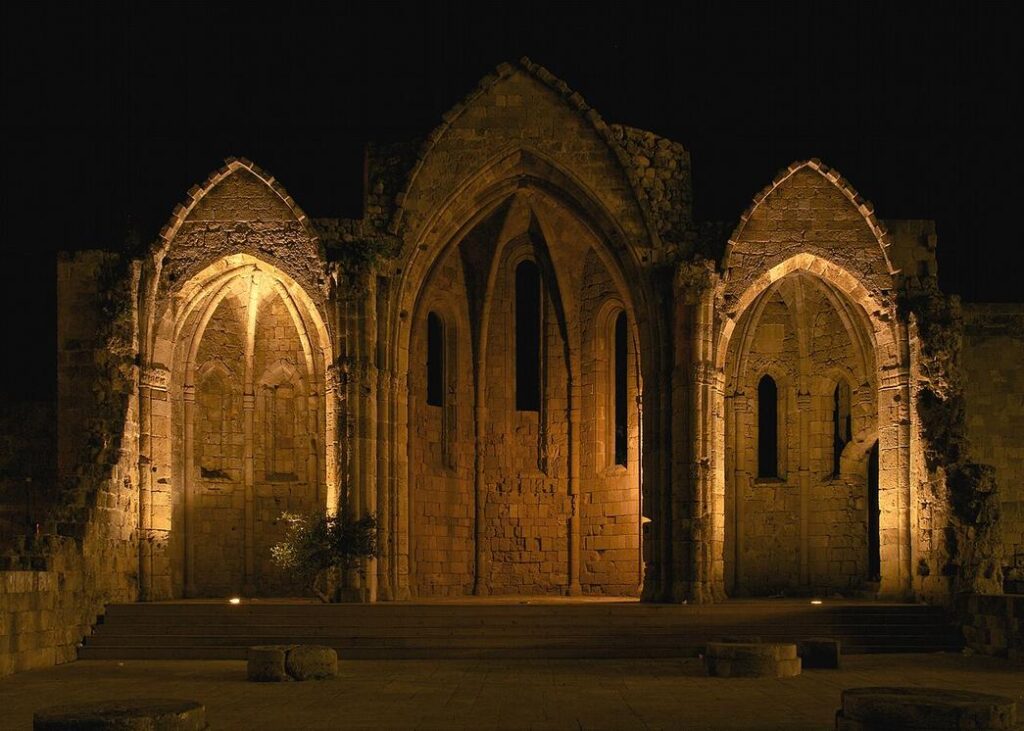
9. Byzantine Museum of Rhodes ·
Explore Byzantine art and religious artifacts in a former church to deepen understanding of Rhodes’ medieval spiritual life.
Enter the Byzantine Museum housed in the Church of the Virgin of the Burgh to see icons, frescoes, and religious relics from Rhodes and the Dodecanese. The museum’s collection highlights the island’s role as a crossroads of Orthodox Christianity during the medieval period. The quiet, contemplative space contrasts with the bustling old town outside. Audio guides or local guides provide context on the symbolism and history behind the exhibits.
This museum offers a focused look at Rhodes’ spiritual and artistic heritage, unlike the broader Archaeological Museum which covers multiple eras.
- When: Morning visits (9:00 – 11:30 AM) on weekdays avoid crowds and allow time for reflection, best from March to November.
- Cost: ~$6, 2026
- Duration: 1 hour
- How to reach: Walk from the old town center via the Street of the Knights, located near the Palace of the Grand Master.
Insider tip: If closed
Visit the Church of the Panagia tou Kastrou nearby to see Byzantine frescoes in situ.
10. Evening Stroll in Socratous Street ·
Experience Socratous Street’s lively evening atmosphere with local cafes and shops in the heart of the old town.
Walk Socratous Street after sunset to see locals and visitors mingle at cafes, bars, and small shops. The street’s narrow layout and stone facades create an intimate setting for people-watching and casual dining. Street musicians and vendors add to the atmosphere, making it a social hub without the tourist-heavy feel of the main squares. It’s a good spot to sample local wines or small plates in a relaxed setting.
Socrateous Street offers a more authentic evening vibe than the crowded Mandraki area or the tourist-heavy Elli Beach strip.
- When: Evenings from 7:00 PM to midnight, especially Thursday through Saturday during the high season (May to September).
- Cost: Free to stroll; drinks and snacks vary (~$5-$15)
- Duration: 1-2 hours
- How to reach: Walk from the old town center; Socratous Street runs parallel to the Street of the Knights and is well signposted.
Insider tip: If closed
Explore the nearby Orfeos Street for a quieter evening walk with similar local cafes.
Solo female travel: The street stays lively and well-lit late into the evening, making it comfortable for solo female travelers.
11. Ancient Kamiros Ruins ·
Visit the archaeological site of Kamiros to see the remains of an ancient city that predates the medieval town.
Explore the open-air ruins of Kamiros, an ancient city on Rhodes’ northwest coast, featuring well-preserved houses, streets, and an agora. The site reveals urban planning from the Classical period, with views over the Aegean Sea. Licensed guides provide detailed historical context about daily life and the city’s destruction by an earthquake. The site is less crowded than the old town, offering a quieter glimpse into Rhodes’ pre-medieval past.
Kamiros offers a direct contrast to the medieval old town, showing Rhodes’ classical roots rather than its Knights’ era history.
- When: Morning visits (8:00 – 11:00 AM) avoid midday heat, best from April to October.
- Cost: ~$8, 2026
- Duration: 2 hours
- How to reach: Reach by rental car or taxi via the coastal road from Rhodes city center, about 18 miles / 29 km northwest.
Insider tip: If closed
Visit the nearby Filerimos archaeological site for another ancient experience closer to town.
12. Museum of Modern Greek Art ·
Browse modern Greek artworks in a quiet setting to contrast Rhodes’ ancient and medieval heritage with contemporary culture.
Visit the Museum of Modern Greek Art housed in a neoclassical building near the old town to see paintings, sculptures, and prints from 19th and 20th-century Greek artists. The collection highlights Rhodes’ evolving cultural identity beyond its historical sites. The calm galleries offer a break from outdoor touring and a chance to engage with Greece’s modern artistic movements. Temporary exhibitions often focus on local artists or themes connected to the Dodecanese.
This museum balances the heavy focus on medieval and ancient history with a look at Rhodes’ contemporary cultural scene.
- When: Afternoon visits (2:00 – 5:00 PM) on weekdays avoid weekend crowds, open year-round except Mondays.
- Cost: ~$5, 2026
- Duration: 1 hour
- How to reach: Walk from the old town center via the main road leading south toward the new town area, about a 15-minute walk.
Insider tip: If closed
Visit the Municipal Art Gallery in Rhodes town for a smaller but related collection of modern works.
48 hours in Rhodes
This two-day plan focuses on exploring Rhodes through its medieval old town and the hilltop Acropolis of Lindos, ideal for culture seekers who want to dive deep into heritage and village life. It balances historic sites, local markets, and authentic dining spots to help you experience Rhodes beyond the tourist surface.
Day 1
Morning
Start early in the walled medieval old town to beat the crowds and the midday heat. Head straight to the Palace of the Grand Master just as it opens to enjoy the morning light on the stone walls and avoid the 11 AM queue. Afterward, stroll the cobbled streets toward the Street of the Knights, then pause for a coffee at a café near the central square where locals gather mid-morning.
Afternoon
Spend your afternoon at the Archaeological Museum, located in the medieval hospital building, which is quieter after lunch hours. Grab a light lunch at the covered market nearby, choosing from fresh local olives, cheeses, and grilled seafood stalls. Afterward, walk the city walls clockwise to the Mandraki Harbor, timing your visit to catch the late afternoon sun on the fortifications and the old windmills.
Evening
For sunset, head to the bastion near the harbor for unobstructed views over the Aegean. Dine in the Old Town’s Jewish Quarter, where small family-run tavernas serve Rhodes-specific dishes like pitaroudia chickpea fritters and fresh octopus. The evening here is relaxed but lively, with locals enjoying late-night coffee or ouzo in tucked-away squares.
Day 2
Morning
Take a morning trip to the Acropolis of Lindos, leaving Rhodes town by 8:00 AM to avoid the midday heat and crowds. Walk up the hill early to explore the ruins in soft morning light and enjoy panoramic views over the whitewashed village and the bay. After descending, have breakfast at a terrace café in Lindos village, sampling local honey and fresh bread while watching village life unfold.
Afternoon
Return to Rhodes town for a slower-paced afternoon exploring the neighborhood around the Jewish Quarter and the Street of the Knights’ quieter side streets. Visit a small workshop or artisan shop specializing in traditional crafts like embroidery or ceramics. For lunch, choose a family-run kitchen in the historic center serving slow-cooked lamb with local herbs, offering a contrast to the lighter fare of the previous day.
Evening
Spend your last evening dining by the sea at a waterfront taverna in the Mandraki area, focusing on grilled fish and local wines. Time your meal to catch the sunset over the harbor, then take a gentle post-dinner walk along the illuminated city walls. The atmosphere here is calm and reflective, a fitting end to a culturally rich two days.
If you have a third day
Explore the less-visited neighborhood of Socratous Street for its blend of Ottoman and medieval architecture, combined with small cafés and bookshops. Alternatively, join a morning fishing boat from Mandraki Harbor to see the island from the water and visit nearby fishing villages not covered by the main day trips.
Best time to visit Rhodes
Quick answer
Visit Rhodes from April to June or October to early December for pleasant weather and fewer crowds.
| Months to go | April to June, October to early December |
|---|---|
| Months to avoid | July and August due to extreme heat and tourist crowds. |
The climate in Rhodes is ideal for cultural exploration from April to June and October to early December, with average temperatures ranging from 68°F / 20°C to 82°F / 28°C. During these months, outdoor activities like visiting the Acropolis of Lindos and wandering the medieval old town are particularly enjoyable. July and August can be sweltering, with temperatures soaring above 90°F / 32°C, making daytime exploration uncomfortable. Additionally, these peak summer months attract large crowds, which can detract from the experience. Late fall and early spring offer a more relaxed atmosphere, making it easier to connect with local culture and history.
Average temperature (°F)
Monthly weather
Cool and rainy, few tourists.
Mild, still some rain.
Spring begins, pleasant.
Great for sightseeing.
Warm, ideal for outdoor.
Sunny, perfect for exploring.
Hot, crowded beaches.
Very hot, busy season.
Warm, crowds start to thin.
Pleasant, fewer tourists.
Cooler, still enjoyable.
Cool and quiet, off-season.
How to get to Rhodes
Nearest airport
Rhodes International Airport (RHO), approximately 9 miles / 14 km from the city center
From the airport
Take the public airport bus to the city center for around $10, 2026. Alternatively, a metered taxi costs about $30, 2026.
Other ways to arrive
- Fly from Athens to Rhodes, approximately 1 hour, costing around $50-$100, 2026.
- Ferry from Kos to Rhodes, approximately 1.5 hours, costing around $30, 2026.
- Ferry from Marmaris, Turkey to Rhodes, approximately 1 hour, costing around $25, 2026.
Getting around Rhodes
Public buses are the most common way to navigate Rhodes, but renting a scooter or car offers more flexibility for exploring the island.
- Public bus: Use for city and intercity travel, around $2 per ride.
- Taxi: Convenient for short distances, starting at $5, 2026.
- Scooter rental: Ideal for exploring, around $25 per day, 2026.
- Car rental: Best for full-day trips, starting at $40 per day, 2026.
- Bicycle rental: Great for short distances, around $10 per day, 2026.
Avoid
Avoid relying solely on taxis during peak hours; they can be scarce.
Day trips from Rhodes
These day trips enhance your Rhodes experience, showcasing the island’s rich history and stunning landscapes.
Lindos
Visit the iconic Acropolis and explore the charming village.
Why: Lindos offers breathtaking views and a glimpse into ancient Greek history. The whitewashed buildings and narrow streets create a picturesque setting.
Skip if: Skip if you’re not interested in historical sites.
Symi Island
Experience the colorful harbor and traditional architecture.
Why: Symi is known for its stunning neoclassical buildings and vibrant waterfront, perfect for a relaxing day trip.
Skip if: Skip if you prefer more active excursions.
Prasonisi
Enjoy the unique beach where the Aegean and Mediterranean seas meet.
Why: Prasonisi is a paradise for windsurfing and kitesurfing enthusiasts, with a stunning landscape to enjoy.
Skip if: Skip if you’re not into water sports.
Combine Rhodes with
Extend your trip by combining Rhodes with nearby destinations for a richer experience.
Rhodes to Santorini Rhodes → Ferry to Santorini
Santorini offers stunning sunsets and unique volcanic landscapes, making it a perfect complement to your Rhodes adventure.
Rhodes to Crete Rhodes → Ferry to Crete
Crete’s rich history and diverse landscapes provide a great contrast to Rhodes, with plenty of archaeological sites to explore.
Where to stay in Rhodes
Compare prices across booking sites on the map below and see which neighbourhood fits your plans.
Rhodes offers a variety of neighborhoods catering to different traveler preferences. The Old Town is perfect for those who want to immerse themselves in history and culture, while the beachfront areas like Elli Beach are ideal for sun-seekers. For a quieter experience, consider staying in the residential area of Ixia, which is still close to the action but offers a more relaxed vibe. Lindos, with its stunning views and charming village atmosphere, is perfect for those looking to explore the Acropolis and enjoy local tavernas.
Old Town
Hostels in Rhodes provide a social atmosphere for budget travelers. Dormitory-style accommodations are common, offering shared facilities and communal areas to meet fellow travelers. Expect basic amenities but a lively environment, especially in the Old Town.
Insider tip: Look for hostels near the city walls for a quieter stay, as those closer to bars can be noisy at night.
Ixia
Family-run guesthouses in Ixia provide a cozy atmosphere with personalized service. These properties often include breakfast and are a short walk from the beach, making them a great choice for those wanting comfort without breaking the bank. Expect clean rooms and local charm.
Insider tip: Request a room with a sea view for a peaceful morning with stunning sunrises.
Lindos
Boutique hotels in Lindos offer luxurious accommodations with stunning views of the Acropolis and the sea. These properties often feature elegant decor, fine dining options, and exceptional service. While they provide a high-end experience, they can be pricier during peak season.
Insider tip: Book well in advance during summer months to secure the best rates and views.
Where not to stay
The strip along Elli Beach can be overly touristy and noisy, especially during peak season, making it less ideal for a relaxing stay.
Solo female travelers
Choose a hostel in the Old Town with a strong social vibe, as the area is well-lit and lively at night, providing a sense of safety.
Booking through these links supports Pack Lightly at no extra cost to you.
Where to eat and drink in Rhodes
Rhodes boasts a culinary scene shaped by its rich history and diverse influences, particularly from the Mediterranean and the Aegean. The island is known for its fresh seafood, local cheeses, and the use of regional herbs and spices. The vibrant food markets and family-run tavernas highlight the island’s commitment to traditional cooking methods, making it a unique destination for food lovers.
Must-try dishes
Moussaka (Μουσακάς)
A layered dish made with eggplant, ground meat, and béchamel sauce.
Rhodes has its own twist on this classic dish, often featuring local lamb and spices unique to the island.
Insider tip: The moussaka here is heartier and richer than elsewhere, thanks to the local lamb.
Kleftiko (Κλέφτικο)
Slow-cooked lamb marinated with herbs and wrapped in parchment paper.
This dish reflects the island’s pastoral traditions, using locally sourced lamb and aromatic herbs.
Insider tip: The lamb is so tender it falls off the bone, making it a true local favorite.
Pitaroudia (Πιταρούδια)
Chickpea fritters seasoned with local herbs and spices.
These fritters are a specialty of Rhodes, often served as a street food snack or appetizer.
Insider tip: Grab them fresh from a vendor for the best taste and texture.
Local Cheese (Φέτα Ρόδου)
A variety of cheeses made from sheep and goat milk, unique to Rhodes.
Rhodes is known for its artisanal cheese producers, offering a distinct flavor profile not found elsewhere in Greece.
Insider tip: Pair it with local olives for a perfect appetizer.
Local drinks
- Local Wine (Κρασί Ρόδου)Visit a local winery in the countryside for tastings or order a glass at a taverna in the Old Town.
Wines produced from indigenous grape varieties grown on the island. - Ouzo (Ούζο)Enjoy a glass at a seaside taverna while watching the sunset.
An anise-flavored aperitif that is popular throughout Greece.
Where to eat – by neighborhood
Old Town
A maze of narrow streets filled with traditional tavernas, cafes, and food stalls offering local delicacies.
Insider tip: Order a meze platter to share, sampling various dishes and flavors.
Lindos
A picturesque village with stunning views and numerous eateries serving fresh seafood and local dishes.
Insider tip: Look for the small family-run places where locals gather for the freshest catches of the day.
Local markets
| Municipal Market of Rhodes | Monday to Saturday, 7 AM – 3 PM. – Fresh produce, local cheeses, and traditional snacks. |
|---|
Dietary note
Vegetarians will find plenty of options, especially in the form of meze dishes and fresh salads.
Daily budget for Rhodes
Rhodes offers a mix of affordable and premium experiences, making daily costs vary significantly. The island’s popularity as a tourist destination can drive prices up, especially in the Old Town and near the beach.
Shoestring
- lodging – Stay in a dormitory at a local hostel.
- food – Eat at street vendors and local tavernas.
- transport – Use public buses for getting around.
- activities – Visit free attractions like the Old Town.
- buffer – Small expenses for snacks or drinks.
Trade-offs: Expect to compromise on comfort and convenience, especially with lodging.
Comfort
- lodging – Book a mid-range guesthouse in the historic center.
- food – Enjoy meals at local restaurants.
- transport – Use taxis or rental bikes for convenience.
- activities – Participate in guided tours or entry fees.
- buffer – For occasional treats or souvenirs.
Trade-offs: This tier allows for a comfortable stay but limits some premium experiences.
Splurge
- lodging – Stay at a boutique hotel with sea views.
- food – Dine at high-end restaurants with local cuisine.
- transport – Opt for private transfers or car rentals.
- activities – Book exclusive tours or experiences.
- buffer – For spontaneous activities or indulgences.
Trade-offs: This tier provides luxury but may limit the number of activities you can afford.
Money-saver tip
Visit local markets for fresh produce and affordable meals, like the market in the Old Town.
Splurge that’s worth it
Consider a sunset dinner at a seaside restaurant for an unforgettable dining experience.
Skip to save
Avoid overpriced tourist shops in the Old Town; local artisans offer better deals in less touristy areas.
Practical tips for Rhodes
Money
Cash or card. Most places in Rhodes accept credit and debit cards, but smaller shops and some tavernas may only take cash. It’s wise to carry some euros for those instances.
ATMs. ATMs are widely available throughout Rhodes, especially in tourist areas. Expect foreign transaction fees; using a card with no foreign fees is recommended.
Tipping. Tipping is customary in restaurants, typically around 10% of the bill. For example, if your meal costs $50, leaving a tip of $5 is appreciated.
Safety
Rhodes is generally safe for travelers, with a visible police presence in tourist areas. However, it’s advisable to stay alert in crowded places and avoid poorly lit areas at night.
Common scams:
- Overcharging at tourist traps
- Fake tour guides offering services
- Pickpocketing in crowded markets
Local warnings:
- Beware of strong currents at some beaches
- Watch for uneven cobblestones in the old town
- Sun exposure can be intense; use sunscreen
Connectivity
Mobile data. Mobile coverage is good across Rhodes, with several local SIM options available. Providers like Cosmote offer plans starting around $15 for 10GB.
Wi-Fi. Most cafes and accommodations provide free Wi-Fi, especially in the Old Town. The area around the Palace of the Grand Master has reliable connections.
Language
Main language: Greek. English level: English is commonly spoken in tourist areas, but proficiency may vary among locals. In more remote areas, communication might be more challenging.
Cultural notes
- Dress modestly when visiting churches and monasteries.
- Ask permission before taking photos of locals.
- Greet with a smile and a friendly ‘Kalimera’ in the morning.
Solo female travel
Solo female travelers in Rhodes generally find the atmosphere welcoming and friendly. The streets are lively during the day, and many cafes and bars are safe for solo visits.
- Transport: Public transport is reliable, but consider using taxis at night for added safety.
- Meeting people: Hostels like the one near the Old Town often have social events, making it easy to meet other travelers.
Frequently asked questions about Rhodes
1Is the Acropolis of Lindos worth visiting?
Yes, the Acropolis of Lindos is a highlight. The stunning views and ancient ruins make it a must-see, especially at sunrise.
2How many days should you spend in Rhodes?
Roughly 3 to 4 days is ideal. This allows time to explore the medieval old town, visit Lindos, and relax on the beaches.
3What is the best time to visit Rhodes?
Late spring (May to June) and early fall (September to October) are best. The weather is warm, and crowds are smaller.
4Is Rhodes safe for solo female travelers?
Yes, Rhodes is generally safe for solo female travelers. Stick to well-lit areas at night, especially in the old town.
5Do you need a car to explore Rhodes?
No, you don’t need a car. Public transport and taxis are reliable, especially for reaching Lindos and other attractions.
6Can you swim at the beaches in Rhodes?
Yes, the beaches in Rhodes are excellent for swimming. Try Tsambika Beach for clear waters and soft sand.
7What is the local cuisine like in Rhodes?
Rhodes offers delicious local cuisine, including fresh seafood and traditional dishes like moussaka and dolmades. Visit local tavernas for authentic meals.
8Are there any health risks to be aware of in Rhodes?
No specific health risks are noted. Tap water is generally safe to drink, but bottled water is recommended in rural areas.
Estimate your daily budget
See realistic daily costs by tier and category.