



Vendors chant and barter loudly at the central plaza market beneath the towering Santo Tomás Church.
Chichicastenango is a Highland K’iche’ Maya town in Guatemala‘s El Quiché department. It draws visitors for its indigenous market, the largest in Central America, held every Thursday and Sunday. The town’s colonial Santo Tomás Church anchors the plaza, where centuries-old rituals blend with daily commerce. Located roughly 75 miles / 120 km from Guatemala City, Chichicastenango offers a window into Maya heritage through crafts, food, and ceremonies. This place demands slowing down to understand the market’s role in community life and the living traditions that shape it.
Visit the indigenous market to see traditional textiles, explore Santo Tomás Church for Maya rituals, and join a weaving cooperative tour to understand local craft techniques.
Key takeaways
- Indigenous market runs every Thursday and Sunday from 6:00 AM to 5:00 PM.
- Santo Tomás Church hosts daily Maya ceremonies starting at 8:00 AM.
- Weaving cooperatives offer tours for about $10 (2026) near the central plaza.
- Chichicastenango sits roughly 75 miles / 120 km from Guatemala City.
- Market stalls sell textiles with K’iche’ patterns for around $20 each.
Why visit Chichicastenango
Chichicastenango stands apart from Antigua and Lake Atitlán by hosting Central America’s largest indigenous market every Thursday and Sunday. The town pulses with K’iche’ Maya life, anchored by the centuries-old Santo Tomás Church and vibrant market plazas. The market spills into colorful neighborhoods where you can watch traditional weaving and ritual offerings alongside daily commerce. This blend of living heritage and village life offers a deep cultural immersion beyond Guatemala’s better-known colonial hubs.
- Experience the massive Thursday and Sunday market, where over 1,500 vendors gather from the highlands.
- Visit Santo Tomás Church during early morning ceremonies blending Catholic and Maya rituals.
- Explore local weaving cooperatives in the San Andrés neighborhood, active year-round, not just market days.
- Skip the weekend crowds by arriving Friday morning to see market setup and local trade dynamics.
Best for
Solo travelers comfortable with rustic buses and village rhythms will find Chichicastenango rewarding. Those wanting to understand indigenous market life and K’iche’ traditions in a highland town will thrive here.
Skip if
Skip Chichicastenango if you want polished colonial charm or lakeside relaxation; choose Antigua for cobblestone streets or Lake Atitlán for scenic lakeside villages instead.
Top things to do in Chichicastenango
Chichicastenango’s identity pulses through its massive indigenous market and the vibrant rituals that fill its streets. Start here to grasp the living heart of Guatemala’s largest indigenous market before exploring its sacred sites and artisan traditions.
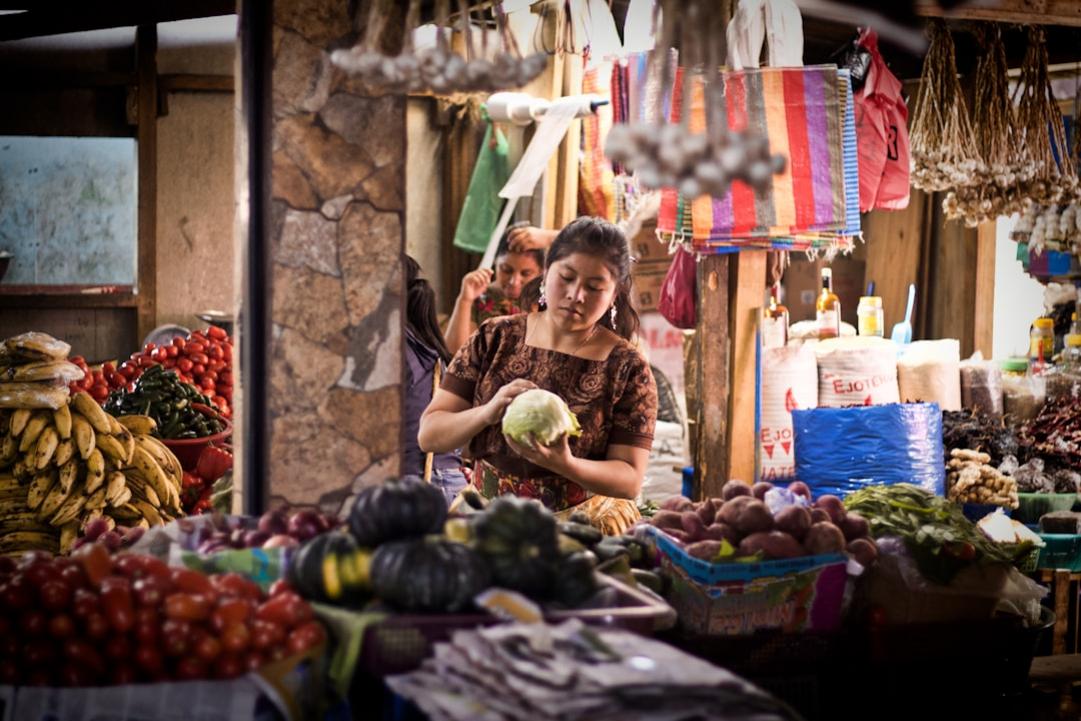
1. Chichicastenango Market ·
The largest indigenous market in Central America, where K’iche’ Maya culture unfolds in vivid color and craft.
Explore the sprawling market on Thursdays or Sundays, where locals trade textiles, masks, fresh produce, and ritual items. Watch vendors in traditional dress negotiate prices, and observe how the market doubles as a social hub and cultural stage. The market’s pulse reveals the town’s unique blend of commerce and indigenous identity.
This market is the cultural core, far surpassing any other local shopping scene in scale and authenticity, making it the essential Chichicastenango experience.
- When: Thursday and Sunday mornings, ideally arriving before 10:00 AM to avoid afternoon crowds and heat.
- Cost: Free
- Duration: Half day
- How to reach: Walk from anywhere in town; the market fills the central plaza and surrounding streets along Central Avenue.
Insider tip: If closed
Visit the nearby artisan cooperatives outside the market for textiles and woodcarvings.
Solo female travel: Daytime market areas stay busy and sociable; keep valuables secure but the crowd offers natural protection.
2. Santo Tomás Church Rituals ·
A living spiritual crossroads where Catholic and K’iche’ Maya practices blend in daily ceremonies.
Attend the ritual ceremonies inside and outside Santo Tomás Church, where Maya priests burn copal incense and perform offerings alongside Catholic masses. The church’s 18 steps represent the Maya calendar, and watching the ritual interplay offers insight into syncretic faith. Local families bring candles and flowers, creating a layered spiritual atmosphere.
This site reveals Chichicastenango’s religious fabric more deeply than any museum or plaza, capturing the town’s spiritual duality.
- When: Mornings and afternoons daily, with the strongest activity on market days (Thursday and Sunday).
- Cost: Free
- Duration: 1 – 2 hours
- How to reach: Walk from the market; the church sits on the eastern edge of the main plaza along Central Avenue.
Insider tip: If closed
Visit a local household altar or small temple near the market for a quieter ritual experience.
Solo female travel: The church and plaza stay lively during ceremonies, making it a safe and engaging spot to observe alone.
3. Visit the Pascual Abaj Shrine ·
An open-air sacred site where Maya priests continue ancient rites atop a hill just outside town.
Climb a short trail to Pascual Abaj, a carved stone altar still used for offerings and ceremonies. Local Maya priests perform rituals here, especially on market days, connecting visitors with pre-Columbian spiritual practices. The hike offers views of the surrounding highlands and a quiet contrast to town bustle.
Pascual Abaj is the rare place where ancient Maya religious traditions remain actively practiced outside church walls.
- When: Morning visits before noon avoid afternoon heat and allow witnessing morning rituals on market days.
- Cost: ~$5, 2026 (donation to site caretaker)
- Duration: 2 hours
- How to reach: Take a short colectivo or tuk-tuk ride east along the main road (Highway 9) to the trailhead, then a 10-minute walk uphill.
Insider tip: If closed
Spend more time at Santo Tomás Church observing its rituals.
Solo female travel: Daylight visits only; the trail is well-trodden and locals are welcoming but respect privacy during ceremonies.
4. Textile Workshop Tour ·
See traditional K’iche’ weaving techniques firsthand and understand their cultural significance.
Join a guided visit to one of the local weaving cooperatives near the market, where artisans demonstrate backstrap loom weaving. Learn how patterns encode family and community identity, then watch natural dyeing processes using native plants. This hands-on experience connects you directly with the artisans’ daily craft and heritage.
Textile workshops offer context to the market’s colorful fabrics and deepen appreciation for the skill behind the products.
- When: Weekdays, morning to early afternoon, when workshops are active and less crowded.
- Cost: ~$15-$20, 2026
- Duration: 2 – 3 hours
- How to reach: Walk 10 minutes northeast from the main plaza along Calle del Mercado to the cooperative buildings.
Insider tip: If closed
Browse textile stalls in the market and ask vendors about their weaving process.
Solo female travel: Workshops welcome solo visitors and provide safe, respectful interaction with artisans.
5. Explore the Local Cemetery ·
A culturally rich site where funerary traditions and Maya symbolism offer deep insight into local beliefs.
Walk through the cemetery on the town’s western edge to observe painted tombs, carved crosses, and flower offerings. The cemetery reflects syncretic beliefs, with some graves marked by traditional Maya symbols and others by Catholic iconography. Local families maintain the space carefully, especially before Day of the Dead celebrations.
This site reveals how Chichicastenango’s residents honor ancestors, blending indigenous and colonial influences uniquely.
- When: Late morning or late afternoon for softer light and quieter surroundings.
- Cost: Free
- Duration: 1 hour
- How to reach: Walk west from the central plaza along Calle de la Cruz to the gated cemetery entrance.
Insider tip: If closed
Visit the public plaza’s artisan stalls featuring funerary crafts and symbolic wood carvings.
Solo female travel: The cemetery is safe during daylight hours; locals appreciate respectful visitors.
6. Museum of Regional Culture ·
A compact museum showcasing K’iche’ Maya artifacts, textiles, and colonial history to frame the town’s identity.
Spend an hour or two in this small museum located near the market, which features pre-Columbian pottery, ritual objects, and detailed explanations of local history. The exhibits highlight how indigenous traditions adapted post-conquest and provide context to the market’s goods and the town’s rituals.
This museum offers a concentrated, clear narrative that helps unpack the layers you see in daily life and market trade.
- When: Weekdays, morning hours before 3:00 PM for quieter visits.
- Cost: ~$3, 2026
- Duration: 1 – 2 hours
- How to reach: Walk 5 minutes south from the main plaza along Central Avenue to the museum entrance.
Insider tip: If closed
Attend a guided tour at the textile workshops for hands-on cultural learning.
Book tours and tickets
Booking through these links supports Pack Lightly at no extra cost to you.
24 hours in Chichicastenango
This day plan fits travelers who want to dive deep into the largest indigenous market in Central America and the K’iche’ Maya culture that thrives here. It balances market immersion with heritage walks and local flavors, perfect for curious explorers focused on culture and village life.

Morning
Start at the main market plaza by 7:00 AM to catch vendors setting up and avoid the mid-morning crowd. Watch the K’iche’ Maya artisans arrange vibrant textiles and hand-carved masks, then slip into the Santo Tomás Church to observe locals performing traditional ceremonies. Grab breakfast at a street-side food stall serving fresh tamales and atole, fueling up before the market swells around 10:30 AM when the crowd peaks.
Afternoon
Spend midday walking the narrow streets around the market, visiting the craft workshops where potters and weavers work in small family-run spaces. Stop for lunch at one of the eateries near the main plaza offering pepián, a hearty regional stew that reflects the town’s culinary heritage. After lunch, explore the nearby cemetery where locals prepare colorful flower offerings, revealing layers of ancestral reverence woven into daily life.
Evening
Head to the elevated viewpoint overlooking the town just before sunset for a quiet moment watching the shifting colors on the tiled roofs and market below. Return to the central plaza for dinner at a modest comedor specializing in local grilled meats and fresh corn tortillas. The evening unfolds with a calmer market vibe, where you can chat with vendors packing up and enjoy the scent of wood smoke drifting from open fires.
If you have a second day
Dedicate the next morning to visiting the nearby weaving cooperatives outside town for hands-on insight into K’iche’ textile traditions. Follow that with a visit to the local museum to deepen your understanding of the region’s history and cultural resilience.
Best time to visit Chichicastenango
Quick answer
Go from April to June or October to early December for dry weather and vibrant market days with fewer crowds.
| Months to go | April to June, October to early December |
|---|---|
| Months to avoid | July to September due to heavy rain and muddy market conditions |
Chichicastenango’s market thrives in dry months when walking the colorful stalls is comfortable and the streets stay clear. Average temperatures range from 60°F / 16°C to 75°F / 24°C during these periods, making it easier to explore the indigenous crafts and rituals without rain interruptions. The rainy season from July through September brings daily downpours that turn dirt paths into mud, limiting market access and outdoor activities. Cooler mornings in December and January hover around 58°F / 14°C, which adds crispness to early market visits but rarely stops the flow of local life.
Average temperature (°F)
Monthly weather
cool mornings, light rain
dry and pleasant, fewer crowds
warming up, dry market days
dry, vibrant market atmosphere
early rains, still market-friendly
wet afternoons, morning markets
heavy rain, muddy streets
rain disrupts market flow
persistent rain, limited outdoor
rain easing, market revives
cooler, dry market days
cool mornings, steady market
How to get to Chichicastenango
Nearest airport
La Aurora International Airport (GUA), Guatemala City, about 70 miles / 113 km southeast, roughly 2.5 hours by road
From the airport
Skip the expensive airport taxis charging around $60 (2026). Take a direct shuttle from the airport to Chichicastenango for about $25, bookable at the official shuttle counters inside the terminal. This option balances cost, comfort, and reliability better than colectivos or rental cars on rough roads.
Other ways to arrive
- Guatemala City, colectivo minivan, 2.5 hours, $10-$15 (2026)
- Quetzaltenango, bus, 3.5 hours, $8-$12 (2026)
- Antigua Guatemala, shuttle or colectivo, 2 hours, $12-$20 (2026)
Getting around Chichicastenango
Walk the compact town center to explore markets and churches. For trips outside town, use tuk-tuks for quick, cheap rides under $2 (2026).
- Walking – best for exploring the market and old town, free
- Tuk-tuk – use for short trips to neighborhoods or bus station, ~$1.50-$2 per ride
- Local bus – for travel to nearby villages or market days, under $1
- Taxi – rare and more expensive, avoid unless arranged through your accommodation, ~$5+
Avoid
Avoid renting a car; roads around Chichicastenango are often unpaved and challenging for unfamiliar drivers.
Day trips from Chichicastenango
These day trips deepen your understanding of the highland Maya culture beyond the market bustle.
Santo Tomás Chichicastenango
Explore the town’s main church and local ritual sites beyond the market.
Why: It offers a quieter, more intimate look at K’iche’ Maya religious practices than the busy market plaza.
Zunil
Visit hot springs and small indigenous villages with active weaving cooperatives.
Why: Zunil’s hot springs provide a cultural and physical contrast to Chichicastenango’s market day energy.
Skip if: Skip if short on time or uninterested in thermal baths.
Santa Cruz del Quiché
See the regional capital’s museums and colonial architecture for historical context on the K’iche’ kingdom.
Why: It adds depth to your understanding of the region’s colonial and indigenous history beyond market commerce.
Skip if: Skip if focused solely on market and village life.
Combine Chichicastenango with
Chichicastenango fits naturally into a Guatemala itinerary focused on indigenous culture, colonial towns, and highland history.
7-day Guatemala highlands circuit Antigua Guatemala → Chichicastenango → Santa Cruz del Quiché → Quetzaltenango
This route moves from colonial heritage to indigenous market life, then deeper into highland Maya culture and urban centers, with manageable road times and cultural layering.
10-day Guatemala cultural loop Guatemala City → Chichicastenango → Lake Atitlán → Panajachel
Start in the capital, dive into the largest indigenous market, then relax and explore Maya lakeside villages, balancing intense cultural immersion with scenic calm.
Where to stay in Chichicastenango
Compare prices across booking sites on the map below and see which neighbourhood fits your plans.
Most travelers choose lodging near the central plaza or along Calle Principal for easy access to the indigenous market and colonial churches. The neighborhoods around the market offer walkability and vibrant local life, while accommodations on the town’s outskirts provide quieter nights and views of surrounding hills.
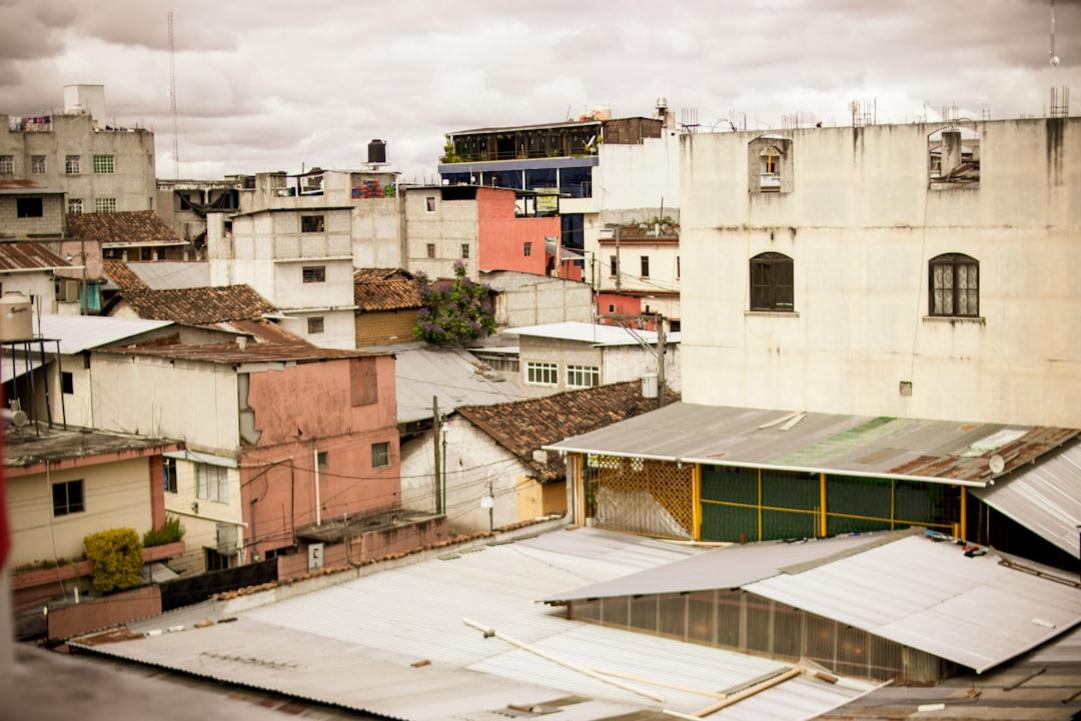
Budget – Calle Principal near the market
Hostel dorms and simple guesthouses offer basic beds and shared bathrooms, placing you steps from the market hustle but with no frills. These are practical for early risers wanting the market buzz but lack private amenities and soundproofing.
Insider tip: Request a room on the upper floors facing away from the plaza to avoid market noise early morning.
Mid-range – Near Santo Tomás Church and Calle Principal
Family-run guesthouses with private rooms and hot water balance comfort and local style. These places often have patios or gardens and walkable distances to the market and Santo Tomás Church but rarely offer luxury extras.
Insider tip: Book directly a few days ahead to secure a room with a balcony overlooking the plaza during market days.
Where not to stay
Avoid the stretch along 3a Avenida between the central plaza and the bus terminal; it gets loud late with bus idling and street vendors, disrupting sleep.
Solo female travelers
Stay near the market square or Santo Tomás Church where street lighting and local shops keep the area active and well-lit after dark.
Book your stay
Booking through these links supports Pack Lightly at no extra cost to you.
Where to eat and drink in Chichicastenango
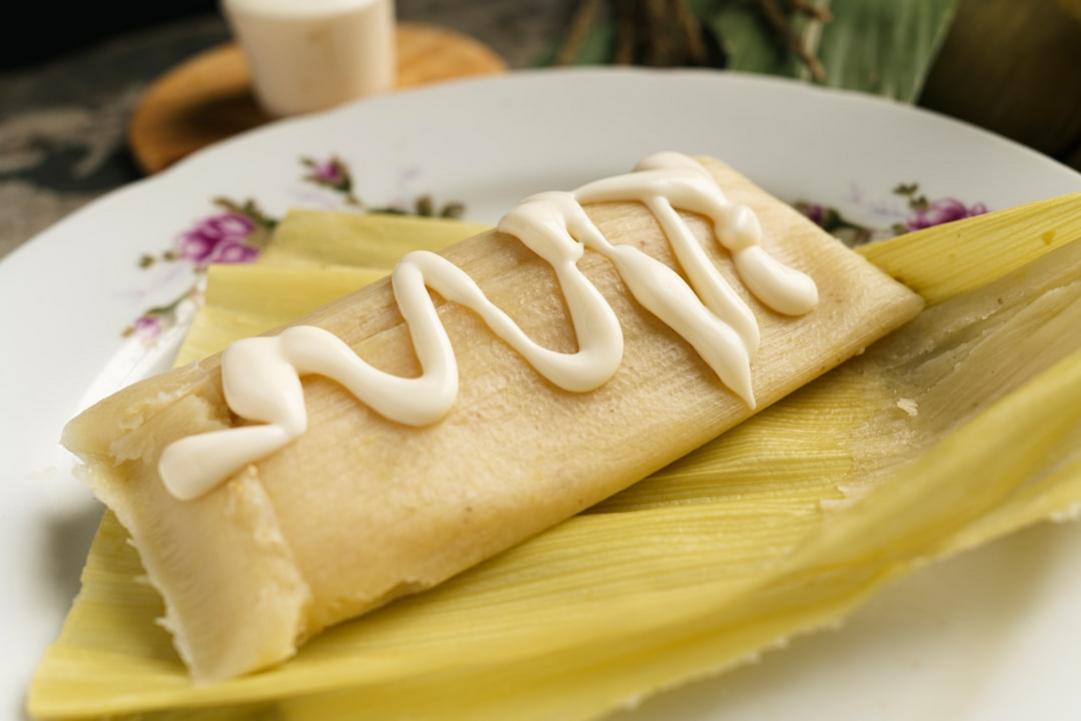
Chichicastenango’s food reflects the K’iche’ Maya heritage with heavy use of native ingredients like corn, chilies, and fresh herbs. The market pulses with vendors selling traditional stews and tamales unique to this highland town. Local cooking highlights slow-cooked meats and handmade corn tortillas, distinct from lowland or coastal Guatemalan fare.
Must-try dishes
Paches (Potato Tamales)
A tamale made from mashed potatoes instead of corn dough, filled with pork, tomato sauce, and spices, wrapped in banana leaves and steamed.
Insider tip: Buy paches in the morning when they’re fresh and still warm; afternoon batches tend to be drier and less flavorful.
Kaq’ik (Maya Red Turkey Soup)
A rich, spicy soup made with turkey, tomatoes, chilies, and local herbs, traditionally served with white rice and corn tortillas.
Insider tip: Ask for extra chili on the side if you want the authentic heat; some stalls tone it down for tourists.
Chuchitos
Small tamales made from corn dough, filled with tomato sauce and pork or chicken, wrapped in corn husks and steamed.
Insider tip: Grab chuchitos as a quick snack mid-morning; avoid overly crowded stalls where turnover is slow and tamales sit too long.
Local drinks
- Atol de EloteAvailable at beverage stands within the market and near the church steps, especially popular during early market hours.
A warm, sweet corn-based drink made from fresh corn, cinnamon, and sugar, thick and comforting in chilly highland mornings. - PinolTry pinol at small market kiosks specializing in local beverages around the eastern side of the market.
A traditional drink made from ground toasted corn and spices mixed with water or milk, served cold or warm.
How to eat like a local in Chichicastenango
Plan to eat your main meal around 12:00 PM, when market vendors serve fresh stews and tamales. Most kitchens close by 4:00 PM, reopening as informal bars after dark. Skip dinner rush spots near the plaza; locals favor small family stands by the church for authentic flavors.
Dietary note
Vegetarian options exist but are limited since many dishes center on meat or poultry; markets offer fresh corn tamales and vegetable soups, but confirm preparation to avoid lard or chicken broth.
Daily budget for Chichicastenango
Chichicastenango’s daily costs sit slightly above Guatemala’s average due to its status as the largest indigenous market hub, attracting steady tourist traffic and driving up lodging and food prices.
Shoestring
- lodging – dorm beds or basic guesthouses on the market outskirts
- food – local market meals and street food
- transport – colectivo rides and local buses
- activities – self-guided market visits and free church entry
- buffer – small emergency or snack fund
Trade-offs: Expect spartan lodging with limited privacy and minimal amenities; avoid guided tours or private transport.
Comfort
- lodging – modest private rooms near the central plaza
- food – mix of market stalls and casual local restaurants
- transport – taxis or colectivos with flexible schedules
- activities – guided market tours and entrance to cultural sites
- buffer – for souvenirs or occasional splurges
Trade-offs: You gain comfort and convenience but still skip upscale dining or private guides beyond the market experience.
Splurge
- lodging – boutique hotels or well-rated guesthouses near the plaza
- food – sit-down meals at higher-end local restaurants
- transport – private taxis or arranged day trips
- activities – private cultural tours and artisan workshop visits
- buffer – for shopping or unexpected expenses
Trade-offs: You pay a premium for privacy, personalized tours, and better food, but you might miss out on the raw market hustle that defines the town.
Money-saver tip
Buy fresh meals at the Sunday market’s food stalls instead of tourist-targeted eateries; prices drop by half and the flavors are more traditional.
Splurge that’s worth it
Book a private visit to a local weaving cooperative outside market hours to understand K’iche’ heritage beyond the market bustle – this experience justifies the cost.
Skip to save
Avoid hiring official market guides at the plaza entrance; they charge double for routes you can explore solo with a good map and local advice.
Practical tips for Chichicastenango
Money
| Cash or card | Bring mostly cash; card acceptance is rare outside a few small shops and hotels. |
|---|---|
| ATMs | ATMs exist but often run out or reject foreign cards; withdraw cash in Quetzaltenango or Guatemala City first. |
| Tipping | Tip 10% in restaurants if service is good; round up small purchases but tipping is not expected in markets. |
Safety
Chichicastenango feels controlled during market days but avoid the market after dark; stick to main plazas and well-lit streets.
Common scams:
- Overcharging tourists in market stalls by inflating prices after bargaining
- Fake guides offering tours near the market who pressure for high fees
Local warnings:
- Uneven cobblestone streets can cause trips, especially in the rain
- Market crowds get dense early morning; keep valuables close
Connectivity
| Mobile data | Coverage is patchy but improving; buy a Tigo SIM for best local data service. |
|---|---|
| Wi-Fi | Wi-Fi is spotty; some cafes and guesthouses offer slow connections, so plan for offline access. |
Language
| Main language | K’iche’ Maya is dominant, with Spanish widely spoken in town. |
|---|---|
| English level | English is rare outside market vendors and younger locals; basic Spanish helps for all interactions. |
Cultural notes
| Dress modestly and cover shoulders when visiting Santo Tomás Church to respect local customs. |
| Ask permission before photographing people, especially during rituals or in the market. |
| Avoid discussing politics or religion with locals unless invited; these topics are sensitive. |
Solo female travel
Solo female travelers navigate Chichicastenango well by staying alert and dressing respectfully; daytime market visits are best.
| Neighborhood | Stay near the central plaza for easy access to main sites and safer foot traffic. |
|---|---|
| Transport | Use shared tuk-tuks or arrange hotel transport after dark rather than walking alone. |
| Meeting people | Meet locals and travelers at small cafes around the central square, especially those with community boards or local crafts displays. |
Frequently asked questions about Chichicastenango
1Why is Chichicastenango known for its market?
Chichicastenango hosts the largest indigenous market in Central America every Thursday and Sunday. The market showcases K’iche’ Maya crafts, textiles, and ceremonial goods, reflecting deep local traditions still alive today.
2How many days do you need in Chichicastenango?
Two days cover the main market days and local culture. Plan one day for the Thursday or Sunday market and another to explore the colonial church, local weaving cooperatives, and village neighborhoods.
3Is Chichicastenango safe for solo female travelers?
Yes, the town is safe for solo female travelers who stay in the central market area and nearby neighborhoods like Santa Cruz. Use registered taxis after dark and avoid isolated streets outside the main plaza.
4Can you visit Chichicastenango year-round?
Yes, the market runs every Thursday and Sunday throughout the year. The dry season from November to April offers more comfortable conditions for walking the market and village streets.
5Do you need a car or 4×4 to visit Chichicastenango?
No car or 4×4 is necessary. Public shuttles and chicken buses run regularly from Guatemala City and Quetzaltenango. Walking the town and market is easiest without a vehicle.
6What are the local customs or cultural rules in Chichicastenango?
Respect the K’iche’ Maya customs by asking before photographing people, especially during ceremonies at Santo Tomás Church. Bargain politely at the market and avoid touching sacred objects without permission.
7Is it safe to walk around Chichicastenango at night?
Walking at night is safe around the main plaza and market area but avoid poorly lit side streets. Use taxis for late returns to lodging outside the central zone.
8What does a day in Chichicastenango cost?
Roughly $40-60 per day covers lodging in family-run guesthouses (~$25), meals at market stalls (~$10), and local transport (~$5). Entrance fees are minimal since the market is public.