


Morning light filters through the colorful stalls of Santiago Atitlán’s central market, alive with Tz’utujil crafts and chatter.
Santiago Atitlán sits on Lake Atitlán’s southern shore, home to the largest Tz’utujil Maya community in Guatemala. Visitors come to witness Cofradía religious traditions and visit the Maximón shrine, a focal point of local spirituality. The town’s streets pulse with markets, weaving cooperatives, and lakeside views. Located roughly 75 miles / 120 km from Guatemala City, Santiago Atitlán offers a deep dive into indigenous village life framed by rich cultural layers. This is a place to learn who the Tz’utujil are today, not just who they were centuries ago.
Visit the Maximón shrine to understand local spirituality, explore the central market for Tz’utujil crafts, and join a weaving cooperative tour to see living traditions.
Key takeaways
- Central market open daily from 7:00 AM to 3:00 PM with fresh produce and textiles
- Maximón shrine accessible year-round, busiest during Holy Week in April
- Weaving cooperative tours run mornings, cost around $10, 2026
- Lake Atitlán shore walk stretches 1.5 miles / 2.4 km along the town’s waterfront
- Santiago Atitlán lies about 75 miles / 120 km from Guatemala City, reachable by shuttle
Why visit Santiago Atitlán
Santiago Atitlán stands apart from Panajachel and San Pedro La Laguna by centering on Tz’utujil Maya life, not just lake tourism. The town’s narrow streets lead to the shrine of Maximón, a living symbol of local spiritual fusion. The bustling central market and Cofradía religious ceremonies reveal daily rhythms rooted deeply in indigenous tradition. Lake Atitlán’s volcanic backdrop frames a cultural immersion more intense and less commercialized than nearby hubs.
- Visit the Maximón shrine to witness syncretic rituals unique to Santiago Atitlán’s Tz’utujil community.
- Explore the central market early morning for handwoven textiles crafted by local cooperatives, not tourist stalls.
- Attend Cofradía ceremonies between late October and early November for an intimate look at indigenous religious leadership.
- Avoid the high season rush; late fall offers quieter streets and more authentic local interactions, overlooked by most guides.
Best for
Solo travelers focused on indigenous culture and village life will thrive here, especially those willing to navigate basic transport. Visitors who prefer deep cultural context over nightlife or polished tourist services will appreciate Santiago Atitlán’s raw authenticity.
Skip if
Skip Santiago Atitlán if you want lakeside nightlife or upscale amenities; Panajachel offers more comfort and easier access to boat tours.
Top things to do in Santiago Atitlán
Santiago Atitlán centers on the vibrant Tz’utujil Maya traditions visible in its markets, shrines, and craft workshops. Start with the Maximón shrine to grasp the town’s spiritual core before exploring the weaving cooperatives and lively food markets.

1. Visit the Maximón Shrine ·
Engage directly with Santiago Atitlán’s complex blend of indigenous belief and Catholic influence at the renowned Maximón shrine.
Join one of the local guides or Cofradía members to visit the Maximón shrine, where offerings and prayers happen daily. The shrine is a focal point of syncretic worship, blending Catholic saints with Maya rituals, offering a rare insight into the town’s spiritual life. Observe the shrine’s seasonal decorations and the role of the Cofradía brotherhood in maintaining it.
This shrine experience beats a generic church visit by immersing you in living religious practice that ties Santiago Atitlán’s past and present. Skip the tourist-heavy San Pedro shrine in nearby villages for this authentic local encounter.
- When: Go mid-morning on weekdays to avoid crowds and see active rituals; avoid Sundays when local families crowd the plaza.
- Cost: Free
- Duration: 1-2 hours
- How to reach: Walk from Santiago Atitlán’s central plaza along Calle Real to the shrine near the waterfront; the path is well-marked and busy with locals.
Insider tip: If closed
Explore the town’s municipal market to see traditional crafts and daily life instead.
Solo female travel: Daylight visits are straightforward; the shrine area is busy and safe for solo females with many locals around.
2. Explore the Santiago Atitlán Municipal Market ·
Dive into the vibrant daily life and Tz’utujil craft traditions at the bustling municipal market.
Wander the maze of stalls selling handwoven textiles, fresh produce, and traditional foods like tamales wrapped in banana leaves. Local artisans sell embroidered huipils and backstrap-woven belts, reflecting centuries of Tz’utujil heritage. Chatting with vendors reveals stories of family weaving cooperatives and the symbolism behind patterns.
This market offers a deeper understanding of local economy and culture than the more tourist-oriented crafts stalls near the lakefront. It’s where Santiago Atitlán’s cultural heartbeat pulses daily.
- When: Arrive early, between 7:00 AM and 10:00 AM, when stalls are fully stocked and artisans are present.
- Cost: Free entry; bring ~$10 if buying textiles, 2026
- Duration: 2 hours
- How to reach: Walk 5 minutes from the central plaza via Calle Real; the market occupies several blocks along the main street.
Insider tip: If closed
Visit one of the weaving cooperatives for a quieter, more focused look at textile production.
Solo female travel: Stick to main aisles and avoid isolated corners; the market is lively and full of women vendors who welcome conversation.
3. Tour a Weaving Cooperative ·
Witness traditional backstrap loom weaving and learn the meanings behind Tz’utujil textile patterns.
Book a visit with one of the family-run weaving cooperatives in town, where you see women dyeing threads with natural pigments and weaving intricate designs on backstrap looms. The guides explain how each pattern relates to local stories, rituals, and the lake’s landscape. Many cooperatives sell directly, supporting community artisans.
This hands-on cultural insight beats generic souvenir shopping by connecting you with the makers and their heritage. It’s more personal than visiting the municipal market alone.
- When: Morning visits between 8:00 AM and 11:00 AM catch the full weaving process before afternoon heat slows production.
- Cost: ~$10-$15 donation, 2026
- Duration: 1-1.5 hours
- How to reach: Walk or take a short colectivo ride from the plaza to neighborhoods east of town where cooperatives cluster.
Insider tip: If closed
Spend extra time at the municipal market to see finished textiles and meet vendors.
Solo female travel: Cooperatives are welcoming and safe; solo females often find the visits socially rewarding and informative.
4. Attend a Cofradía Ceremony ·
Experience Santiago Atitlán’s unique religious brotherhood rituals that fuse Maya and Catholic traditions.
If timing allows, observe a Cofradía ceremony, where brotherhood members perform dances, prayers, and offerings to honor saints and ancestral spirits. These ceremonies often happen on feast days or key religious holidays, involving colorful costumes and masked dancers. Local guides can arrange respectful attendance and explain ritual symbolism.
This activity offers a deeper cultural layer than visiting churches alone, revealing how community identity and spirituality intertwine here. It’s more immersive than attending a typical Sunday mass in Guatemala.
- When: Plan visits around major local feast days like Saint James’ Day (July 25) or All Saints’ Day (November 1); mornings are best for ceremonies.
- Cost: Free
- Duration: 2-3 hours
- How to reach: Reach the ceremony site by walking from the central plaza or via short tuk-tuk rides to neighborhood chapels.
Insider tip: If closed
Visit the Maximón shrine for a continuous spiritual experience.
Solo female travel: Ceremonies are public and family-oriented; solo females should attend in daylight and remain with groups.
5. Sample Traditional Tz’utujil Cuisine ·
Taste dishes that reflect the lake’s bounty and local farming traditions in family-run eateries.
Try local specialties like fish from Lake Atitlán cooked with achiote and fresh herbs, tamales wrapped in banana leaves, and thick corn tortillas. Small family-run comedores near the plaza serve these dishes alongside fresh fruit juices and atole. Chatting with cooks reveals how recipes pass through generations, tied to seasonal harvests.
Eating here connects you to everyday life and agricultural rhythms more than tourist-focused restaurants. It’s a culinary entry point into Tz’utujil culture that goes beyond standard Guatemalan fare.
- When: Lunch between 12:00 PM and 2:00 PM when kitchens are busiest and food is freshest.
- Cost: ~$5-$8 per meal, 2026
- Duration: 1 hour
- How to reach: Walk from the central plaza to any comedor on Calle Real or the nearby streets; all are within a 10-minute stroll.
Insider tip: If closed
Visit the market’s food stalls for snacks and fresh fruit.
Solo female travel: Comedores are safe and frequented by locals; solo females find them welcoming and good for casual conversation.
6. Walk the Lakeside Path to San Juan La Laguna ·
Step beyond Santiago Atitlán for a cultural walk along the lake to neighboring Tz’utujil villages known for art and cooperatives.
Follow the lakeside trail west to San Juan La Laguna, passing small docks and fishing boats. The walk reveals daily lake life, with stops at cooperatives specializing in natural dyes and paintings. This route offers a quieter cultural counterpoint to Santiago Atitlán’s busier streets, showcasing interconnected Tz’utujil traditions.
This walk balances Santiago Atitlán’s intense cultural immersion with a slower, village-level perspective. It beats a boat taxi by giving you time to observe daily routines on foot.
- When: Start early morning between 7:00 AM and 9:00 AM to avoid midday heat and enjoy calm lake waters.
- Cost: Free
- Duration: 2-3 hours round trip
- How to reach: Begin at Santiago Atitlán’s waterfront; the path is a well-known dirt trail along the lake’s edge heading west.
Insider tip: If closed
Explore the weaving cooperatives inside Santiago Atitlán for indoor cultural depth.
Solo female travel: The trail is safe during daylight with locals fishing or walking; carry water and phone for emergencies.
Book tours and tickets
Booking through these links supports Pack Lightly at no extra cost to you.
24 hours in Santiago Atitlán
This day plan guides you through Santiago Atitlán’s Tz’utujil Maya heart, focusing on village life, ritual, and heritage. It suits travelers who want to understand local traditions and crafts deeply.
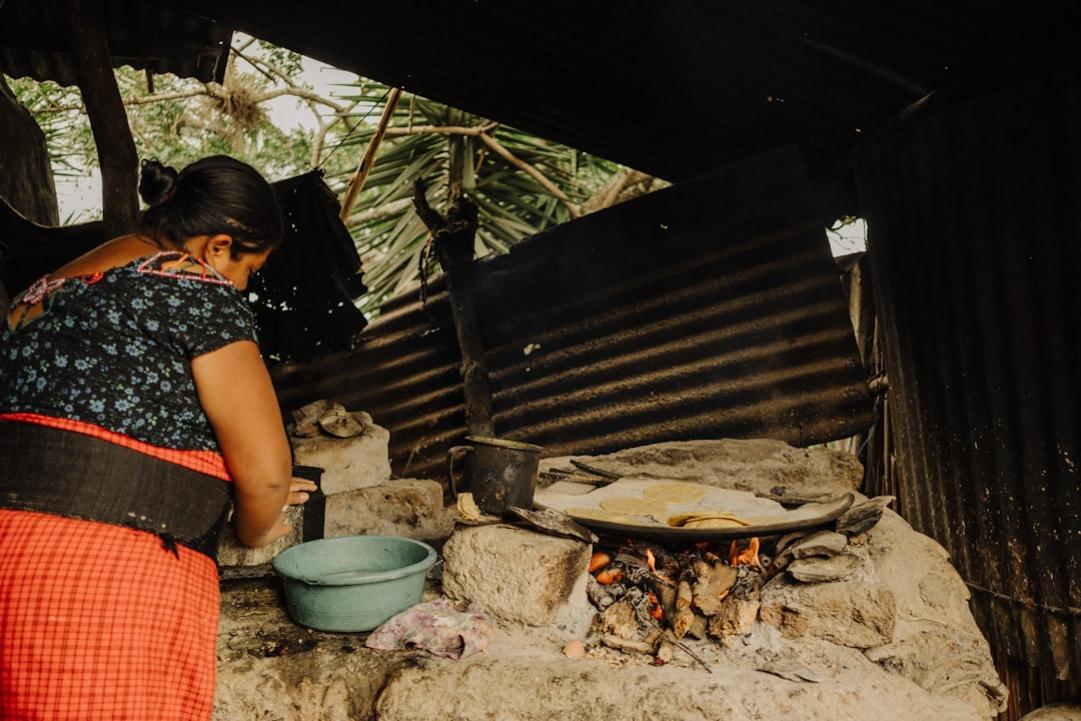
Morning
Start at the bustling Santiago Atitlán market by 8:00 AM, when vendors arrange fresh produce and handwoven textiles. Walk the narrow lanes to spot traditional cofradía members preparing offerings near the Maximón shrine. Grab a breakfast of tamales and fresh coffee from a stall by the central plaza, soaking in the layered rituals that shape daily life here.
Afternoon
After the market, join a guided visit to a local weaving cooperative where artisans demonstrate backstrap loom techniques passed down generations. For lunch, pick a family-run comedor serving Tz’utujil specialties like pepián, a rich meat stew unique to this region. Spend the early afternoon wandering the lakeside neighborhoods, observing fishermen’s routines and the interplay of Catholic and Maya symbolism on home altars.
Evening
Head to the waterfront before sunset to watch fishermen return with their catch, the lake reflecting the fading light. Choose a lakeside eatery serving grilled rainbow trout, a local staple, and listen to live marimba music drifting from the plaza. The town slows after dusk, with locals gathering quietly around the Cofradía house for evening prayers – a chance to witness the spiritual pulse of Santiago Atitlán.
If you have a second day
Dedicate the next morning to a boat trip across Lake Atitlán to nearby Tz’utujil villages with distinct craft traditions. Follow this with a visit to the town’s small museum to contextualize the Cofradía practices and Maximón’s evolving role.
Best time to visit Santiago Atitlán
Quick answer
Visit from April to June or October to early December for the driest weather and comfortable temperatures, ideal for exploring local markets and cultural sites.
| Months to go | April to June, October to early December |
|---|---|
| Months to avoid | July to September due to heavy rain and muddy trails that limit village walks and outdoor activities |
Santiago Atitlán’s climate swings between a dry season from November through May and a rainy season from June to October. Temperatures stay mild year-round, ranging from about 64°F / 18°C in January to 75°F / 24°C in April. The rainy months bring daily afternoon showers that can disrupt walking tours and visits to the Maximón shrine. April to June offers warm, sunny days perfect for market visits and village walks without the mud. October to early December sees the rain taper off, reopening trails and allowing deeper cultural exploration before the dry season fully sets in.
Average temperature (°F)
Monthly weather
cool dry, easy village walks
dry, good for markets
warming, low rain
warm dry, cultural visits prime
start of rains, afternoon showers
wet, muddy trails limit walks
heavy rain, outdoor plans disrupted
peak rain, village access tough
wet, trails slippery
rain tapering, trails reopening
dry returns, market bustle
cool dry, cultural events start
How to get to Santiago Atitlán
Nearest airport
La Aurora International Airport (GUA), Guatemala City, about 110 miles / 177 km away
From the airport
Take a direct shuttle from Guatemala City to Panajachel for around $25 (2026), booked online or at the airport shuttle desk. From Panajachel, catch a 30-minute public boat to Santiago Atitlán for about $3, paid at the dock. This combo is the fastest and easiest way to reach the town without juggling multiple transport modes.
Other ways to arrive
- Antigua Guatemala, shuttle + boat, 3 hours total, $30-$35 (2026)
- Panajachel, direct boat, 30 minutes, $3 (2026)
- Sololá, colectivo + boat, 1 hour, $5-$7 (2026)
Getting around Santiago Atitlán
Walking dominates movement within Santiago Atitlán’s compact center, letting you absorb local daily life up close. For short trips or carrying purchases, tuk-tuks offer a quick, affordable option.
- Walk: Best for exploring markets, shrines, and neighborhoods, free and immersive.
- Tuk-tuk: Use for trips to the town outskirts or carrying luggage, around $0.50-$1 per ride (2026).
- Boat: Take for crossing the lake to nearby villages, about $3 per trip (2026).
Avoid
Avoid renting cars; roads are unpaved and narrow, making driving difficult and unnecessary.
Day trips from Santiago Atitlán
These day trips deepen your understanding of Tz’utujil culture and the surrounding highland communities.
San Juan La Laguna
Visit cooperative weaving workshops and community art projects.
Why: San Juan’s artisan cooperatives offer a hands-on look at Tz’utujil textile traditions that complement Santiago’s spiritual focus.
Panajachel
Explore the main commercial hub for Lake Atitlán with its markets and museums.
Why: Panajachel’s market scene and lakeside promenade contrast Santiago’s village pace, giving context to regional trade and tourism.
Skip if: Skip if you want to avoid tourist crowds.
Maximón Shrine in Santiago Atitlán
Experience the unique syncretic religious traditions centered on Maximón.
Why: No other site offers such a direct window into Tz’utujil spiritual life and living ritual practice.
Combine Santiago Atitlán with
Santiago Atitlán fits naturally into a Guatemala trip focused on indigenous culture, colonial heritage, and highland villages.
7-day Western Highlands cultural loop Guatemala City → Antigua Guatemala → Panajachel → Santiago Atitlán → San Juan La Laguna → Chichicastenango
This route layers colonial cities with indigenous towns, using Lake Atitlán as a cultural hub. Transport is straightforward by shuttle and boat, pacing well for cultural immersion.
10-day Guatemala highlands and ruins Guatemala City → Antigua Guatemala → Santiago Atitlán → Quetzaltenango → Xela Markets → Iximché Ruins
This path blends Tz’utujil village life with highland urban culture and Mayan archaeology, offering a broad view of Guatemala’s layered history and living traditions.
Where to stay in Santiago Atitlán
Compare prices across booking sites on the map below and see which neighbourhood fits your plans.
Santiago Atitlán splits into two practical zones: the lakeside area near the central plaza and the hillside neighborhoods climbing toward the trails. Lakeside stays put you steps from the market, Maximón shrine, and lakeshore bustle. Hillside lodging offers quieter nights and easier access to village craftspeople and local weaving cooperatives.
Budget – Central plaza neighborhood near the lakeshore
Basic family-run guesthouses offer dorm beds or simple private rooms with shared bathrooms, focusing on affordability and local interaction. These places rarely have hot water or Wi-Fi, but put you close to the central plaza and market life.
Insider tip: Request a room on the upper floors away from street noise and closer to the communal kitchen for evening socializing.
Mid-range – Lakeshore streets around Calle Principal and Avenida Atitlán
Family-run guesthouses and small inns with private bathrooms and modest amenities dominate this tier. You get more comfort, dependable hot water, and often a breakfast option, with easy walking access to the plaza or lakefront.
Insider tip: Book rooms facing the lake to catch the morning light and avoid late-night street noise from festival crowds.
Where not to stay
Avoid the street strip along Calle Principal after 10 PM; it fills with loud music and crowds during local festivals and weekend nights, disrupting sleep.
Solo female travelers
Choose guesthouses near the central plaza with well-lit streets and a steady evening presence of locals and vendors; these spots offer safer, more sociable nights.
Book your stay
Booking through these links supports Pack Lightly at no extra cost to you.
Where to eat and drink in Santiago Atitlán
Santiago Atitlán’s cuisine centers on Tz’utujil Maya traditions, with freshwater fish from Lake Atitlán and corn-based dishes standing out. The local market near the church pulses with vendors selling regional staples, while fishing communities shape the freshest offerings. Expect flavors tied closely to indigenous customs and lake resources.
Must-try dishes
Pescado Blanco a la Plancha (Grilled Whitefish)
Fresh whitefish from Lake Atitlán grilled simply with local herbs and served with corn tortillas and pickled vegetables.
Insider tip: Order this at lunchtime when the catch is freshest; avoid fish dishes late in the day when leftovers circulate.
Jocon de Pollo (Chicken in Green Sauce)
Chicken cooked in a sauce of tomatillos, cilantro, and local green herbs, served with rice and corn tortillas.
Insider tip: Try this on market days for the most authentic versions cooked by local women balancing tradition and seasonality.
Kaq’ik (Tz’utujil Red Chicken Soup)
A rich, spicy chicken soup made with red chilies, coriander, and local spices, served with rice and corn tortillas.
Insider tip: Order early; this soup sells out fast among locals and is best paired with fresh corn tortillas from the market.
Tamales de Frijol (Bean Tamales)
Steamed corn masa filled with seasoned black beans, wrapped in banana leaves and cooked over a wood fire.
Insider tip: Grab these for a quick breakfast on market days; avoid tamales from tourist stands that use cheaper fillings.
Local drinks
- Atol de EloteAny street vendor near the market or central plaza serves this in the mornings and late afternoons.
A warm, sweet corn drink made from fresh corn masa, cinnamon, and sugar, thick and comforting. - Tz’utujil Herbal TeaSmall family kitchens and market stalls offer this tea, especially in the early morning or after meals.
A brewed infusion of local herbs like muicle and chamomile, used traditionally for digestion and relaxation.
How to eat like a local in Santiago Atitlán
Lunch is the principal meal, served between 12:00 PM and 2:00 PM; many family kitchens close by 4:00 PM and reopen only as bars. Order from market stalls before noon for the freshest fish and tamales, and skip dinner crowds that cater mainly to tourists.
Dietary note
Vegetarian options exist but often rely on eggs or cheese; strict vegans should bring snacks since many traditional dishes include chicken broth or lard.
Daily budget for Santiago Atitlán
Santiago Atitlán’s daily costs sit slightly above Guatemala’s average due to its cultural tourism draw and limited lodging variety. Expect modest inflation compared to rural towns but still well below Guatemala’s tourist hotspots like Antigua.
Shoestring
- lodging – dorm bed or basic guesthouse room
- food – local markets and small eateries around the plaza
- transport – local tuk-tuks or shared boats
- activities – self-guided visits to Maximón shrine and village walks
- buffer – small emergency fund or snacks
Trade-offs: You sacrifice private rooms and guided cultural tours, relying on self-navigation and basic facilities.
Comfort
- lodging – private room in a family-run guesthouse with basic amenities
- food – mix of local restaurants and occasional specialty dishes
- transport – tuk-tuks and occasional private boat rides
- activities – guided visits to Cofradía ceremonies and artisan workshops
- buffer – souvenirs or small extras
Trade-offs: You get comfort and cultural insight but skip upscale dining and private transport options.
Splurge
- lodging – boutique-style guesthouse with lake views and private bath
- food – premium meals featuring local ingredients in nicer restaurants
- transport – private boat transfers and tuk-tuks
- activities – private cultural tours, weaving cooperative visits, and spiritual ceremonies
- buffer – tipping, gifts, and unexpected expenses
Trade-offs: You pay a premium for privacy and curated cultural access but miss out on the raw village vibe found in simpler stays.
Money-saver tip
Book boat rides from the public dock instead of hotel-arranged transfers to save up to 70% on transport across Lake Atitlán.
Splurge that’s worth it
Hiring a local guide for a full-day cultural immersion, including visits to Cofradía ceremonies and the Maximón shrine, delivers unmatched context and access.
Skip to save
Avoid overpriced souvenir stalls near the main dock; local artisans sell better-quality textiles in the village market at half the price.
Practical tips for Santiago Atitlán
Money
| Cash or card | Bring mostly cash; card acceptance is rare outside a few hotels and restaurants near the lakefront. |
|---|---|
| ATMs | ATMs exist but often run out or reject foreign cards; withdraw larger amounts in Panajachel (~8 miles / 13 km away) before arriving. |
| Tipping | Tip 10% in restaurants if service is not included; round up small purchases or pay 5-10 Q (~$0.70-$1.40, 2026) to market vendors if you feel service was helpful. |
Safety
Santiago Atitlán feels controlled for solo travelers during daylight; avoid wandering alone after dark, especially in poorly lit areas.
Common scams:
- Overpriced boat rides without clear rates – agree on price before boarding.
- Fake tour guides near the central plaza offering unofficial cultural tours.
Local warnings:
- Strong sun exposure above 6,000 feet / 1,830 m elevation requires sunscreen and hats.
- Uneven cobblestone streets can cause trips; wear sturdy shoes.
- Local lake water is untreated; avoid drinking tap water.
Connectivity
| Mobile data | Mobile coverage is spotty; Tigo SIMs work best but expect slow speeds; buy SIM in Panajachel for better activation support. |
|---|---|
| Wi-Fi | Wi-Fi is available in most guesthouses and cafes around the plaza but often slow and unreliable. |
Language
| Main language | Tz’utujil Maya is widely spoken alongside Spanish. |
|---|---|
| English level | English is rare; basic Spanish helps, and locals appreciate any effort to speak Tz’utujil phrases. |
Cultural notes
| Dress modestly when visiting Maximón shrine and Cofradía ceremonies; cover shoulders and knees. |
| Always ask permission before photographing people, especially during religious events. |
| Greet with a respectful nod or handshake; avoid political topics linked to local indigenous movements. |
Solo female travel
Solo female travelers can navigate Santiago Atitlán confidently during the day; keep evenings to well-trafficked areas near the plaza.
| Neighborhood | Stay near the central plaza or the lakeside for easier access to social spots and safer walking routes. |
|---|---|
| Transport | Use shared boats or tuk-tuks before 6:00 PM; avoid unmarked night rides or walking alone after dark. |
| Meeting people | Connect with locals and travelers at the community craft markets around the plaza, where artisans often gather in the afternoons. |
Frequently asked questions about Santiago Atitlán
1Is Santiago Atitlán safe for solo female travelers?
Yes. The central neighborhoods around the main plaza and lakefront are safe with visible local life and steady foot traffic. Stick to these areas after dark and use tuk-tuks or shared boats for night returns.
2How do you get to Santiago Atitlán from Guatemala City?
Take a shuttle or chicken bus to Panajachel (about 3.5 hours), then a 30-minute boat across Lake Atitlán. Avoid private taxis from the airport; shuttles cost roughly $15-20, 2026.
3Can you actually drink the water in Santiago Atitlán?
No. Tap water is untreated and causes stomach issues. Buy bottled water or use filtered water available at most guesthouses and cafes.
4What is the food like in Santiago Atitlán?
Expect hearty Tz’utujil Maya dishes like pepián and tamales alongside fresh lake fish. Small family-run eateries near the central plaza serve meals for ~$3-5, 2026.
5Are there any health risks specific to Santiago Atitlán?
Yes. Mosquitoes can carry dengue and chikungunya, especially during the rainy season (May to October). Use insect repellent and wear long sleeves at dawn and dusk.
6Is it safe to walk around Santiago Atitlán at night?
No. Streets beyond the main plaza get poorly lit and quiet after dark. Use tuk-tuks or boats for safe nighttime transport.
7What are the local customs or cultural rules in Santiago Atitlán?
Respect the Cofradía religious ceremonies and the Maximón shrine rituals by observing quietly and asking before photographing. Dress modestly in traditional woven clothing areas.
8How many days do you need in Santiago Atitlán to understand local culture?
Book 3 full days. Spend time in markets, attend a Cofradía ceremony if possible, visit the Maximón shrine, and walk the lakeside neighborhoods to see daily Tz’utujil life.
Estimate your daily budget
See realistic daily costs by tier and category.