To overcome a fear of flying, learn what the normal sounds and sensations of a flight actually are so your brain stops reading them as danger, use slow controlled breathing to manage the physical panic, choose a seat over the wing where motion is felt least, and distract yourself deliberately during takeoff and turbulence. For a persistent fear, a structured fear-of-flying course or therapy works better than willpower alone.
Why flying feels scarier than it is
Fear of flying is rarely about the odds. Most anxious flyers know the statistics and are frightened anyway, because the fear is wired somewhere the numbers do not reach. Being sealed in a metal tube, handing all control to strangers, and feeling movements your body cannot explain is a combination the brain treats as threat, regardless of how safe the activity is.
That is the key to working with it. The goal is not to argue yourself out of the fear with facts, it is to remove the mystery from the sensations that trigger it. A bump you understand is a bump. A bump you cannot explain becomes evidence that something is wrong. Most of the work is turning the second into the first.
What is actually happening up there
Almost every alarming moment on a flight is a normal, planned event that simply feels dramatic from a passenger seat. Naming them takes away most of their power.
| What you feel or hear | What it actually is |
|---|---|
| A stomach-drop sensation after takeoff | The aircraft reducing its steep initial climb to a normal one, and the flaps retracting. Routine, and planned. |
| Bumps and jolts in the cruise | Turbulence, which is rough air, not a structural problem. Aircraft are built to flex far beyond anything you will feel. |
| A loud whirring or clunk under the floor | The landing gear retracting or extending, and the flaps moving. Mechanical and expected. |
| The engines seeming to quiet after climb | The pilots throttling back to cruise power once the hard work of climbing is done. |
| A banking turn that feels steep | A gentle, deliberate turn that the tilt of the cabin exaggerates. The angle is smaller than it feels. |
Turbulence is the one that frightens people most, and it is worth being blunt about it: rough air is uncomfortable, not dangerous. Pilots slow down and change altitude to smooth it out for comfort, not survival. Our guide to what causes turbulence goes into why it happens and why the wing is built to handle far more than you will ever experience.

Techniques that actually work
You cannot think your way calm, but you can act your way there. These are the tactics that reliably help, drawn from how fear-of-flying programs are structured.
- Breathe slowly and deliberately. A long, slow exhale, longer than the inhale, tells your nervous system the emergency is over. This is the single most effective thing you can do in the moment.
- Sit over the wing. It is the steadiest part of the aircraft, so choosing the right seat reduces the very motion that triggers you.
- Give your hands and mind a job. A gripping film, an absorbing game, a playlist you know well. Occupied attention has less room for catastrophic thoughts.
- Tell the crew you are a nervous flyer. Cabin crew do this constantly and often check on you or explain what a noise was. It helps more than people expect.
- Avoid alcohol and too much caffeine. Both amplify the physical symptoms of anxiety. Water and a steady blood-sugar level do the opposite.
Key takeaways
- The fear is wired, not rational, so removing the mystery from every noise and bump does more than reciting safety statistics.
- Turbulence is uncomfortable, not dangerous. Pilots slow down for your comfort, not for the aircraft.
- Slow breathing, an over-wing seat and deliberate distraction are the three tactics that help most in the moment.
- A persistent, trip-cancelling fear responds well to a structured fear-of-flying course or therapy. It is a treatable phobia.
What to do on the day
A calmer flight starts before you reach the airport. A little structure keeps the anxiety from building.
- Get there with time to spare. A rushed, stressed arrival primes you to panic. A calm, early one does the opposite.
- Choose your seat in advance. Lock in an over-wing seat when you book so it is one less thing to manage at the gate.
- Eat something light and drink water. An empty stomach and dehydration make anxiety symptoms worse.
- Board with a plan for takeoff. Have your breathing pattern and your distraction ready for the first ten minutes, which are the hardest for most nervous flyers.
Make the flight worth it
A trip you are genuinely excited about is easier to fly toward. See when each destination is at its best before you plan.
When to get proper help
If the fear is stopping you from flying at all, cancelling trips, or dominating the weeks before a flight, it has crossed from nerves into a phobia, and that is treatable. Structured fear-of-flying courses, many run by airlines and staffed by pilots and psychologists, combine explanation, exposure and coping techniques and have strong track records. Cognitive behavioural therapy works on the same principle.
There is no prize for suffering through it alone. Plenty of confident flyers today started as people who could not board without dread and worked through it methodically. The fear responds to the right approach, and the right approach is rarely just willpower.
FAQ
01How do I calm down during a flight?
Breathe slowly with a long exhale, which signals your nervous system to stand down, and give your attention a job with a film, game or music. Telling the cabin crew you are anxious also helps, since they are used to reassuring nervous flyers.
02Is turbulence dangerous?
No. Turbulence is rough air and is uncomfortable rather than dangerous. Aircraft wings are built to flex far beyond anything passengers feel, and pilots slow down or change altitude mainly for comfort. Keeping your seatbelt fastened is the sensible precaution.
03Where should a nervous flyer sit?
Over the wing, which is the steadiest part of the aircraft and moves the least in turbulence. A window seat can also help some people by making the motion visible and predictable, while others prefer an aisle to feel less enclosed.
04Should I take medication or drink to cope?
Alcohol tends to make anxiety worse and dehydrates you, so it is best avoided. Any medication is a decision for you and a doctor, not a casual choice. Breathing techniques and distraction carry no side effects and work for most people.
05Do fear-of-flying courses work?
Yes, they have strong track records. Many are run by airlines and combine explanation from pilots, coping techniques from psychologists and gradual exposure. Cognitive behavioural therapy uses the same principles and is effective for a persistent flying phobia.
06Why does takeoff feel so intense?
Takeoff involves the most noticeable changes: full engine power, a steep climb, and the gear and flaps moving. The stomach-drop shortly after is simply the aircraft easing from a steep climb into a normal one. It is planned and routine, though it feels dramatic.
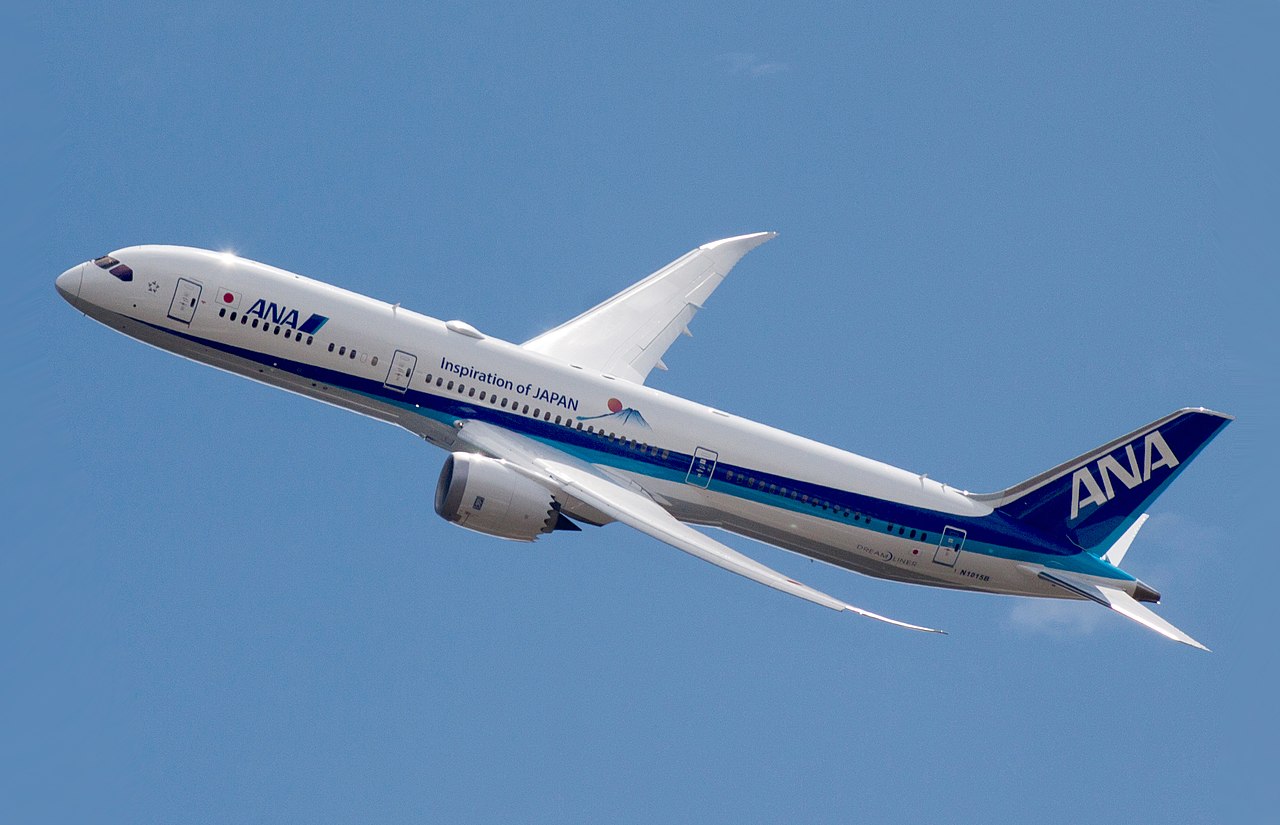
Image credits: Cumulonimbus cloud: NOAA/AOML/Hurricane Research Division / Wikimedia Commons (Public domain). Airliner cockpit: Kārlis Dambrāns from Latvia / Wikimedia Commons (CC BY 2.0). Boeing 787: pjs2005 from Hampshire, UK / Wikimedia Commons (CC BY-SA 2.0).