


On your first flight, expect a fixed sequence: check in online the day before, arrive around two hours early for a domestic flight or three for international, drop any checked bag, clear security by putting liquids and electronics in a tray, wait at your gate, then board when your group is called. On the plane, keep your seatbelt fastened when the sign is on. After landing, follow signs to passport control, then baggage claim, then customs.
Before you leave home
Most first-flight stress is preventable at home the night before. Check in online when the airline opens it, usually 24 hours ahead, which lets you pick a seat and often skip a queue. Confirm your documents: a valid passport for international travel, plus any visa, and photo ID for domestic. Weigh your bag against the airline’s limit, and separate your carry-on liquids into containers of 100 millilitres or less in a clear bag, because security will make you do it anyway.
Then give yourself time. Aim to arrive about two hours before a domestic flight and three before an international one. Arriving early turns the whole experience from a panic into a slow walk, which is exactly what you want the first time.
At the airport, step by step
Here is the exact order once you walk through the terminal doors. Follow the overhead signs and you cannot really get lost.
| Stage | What you do |
|---|---|
| Check-in or bag drop | Get your boarding pass if you did not online, and hand over any checked bag. Keep your carry-on with you. |
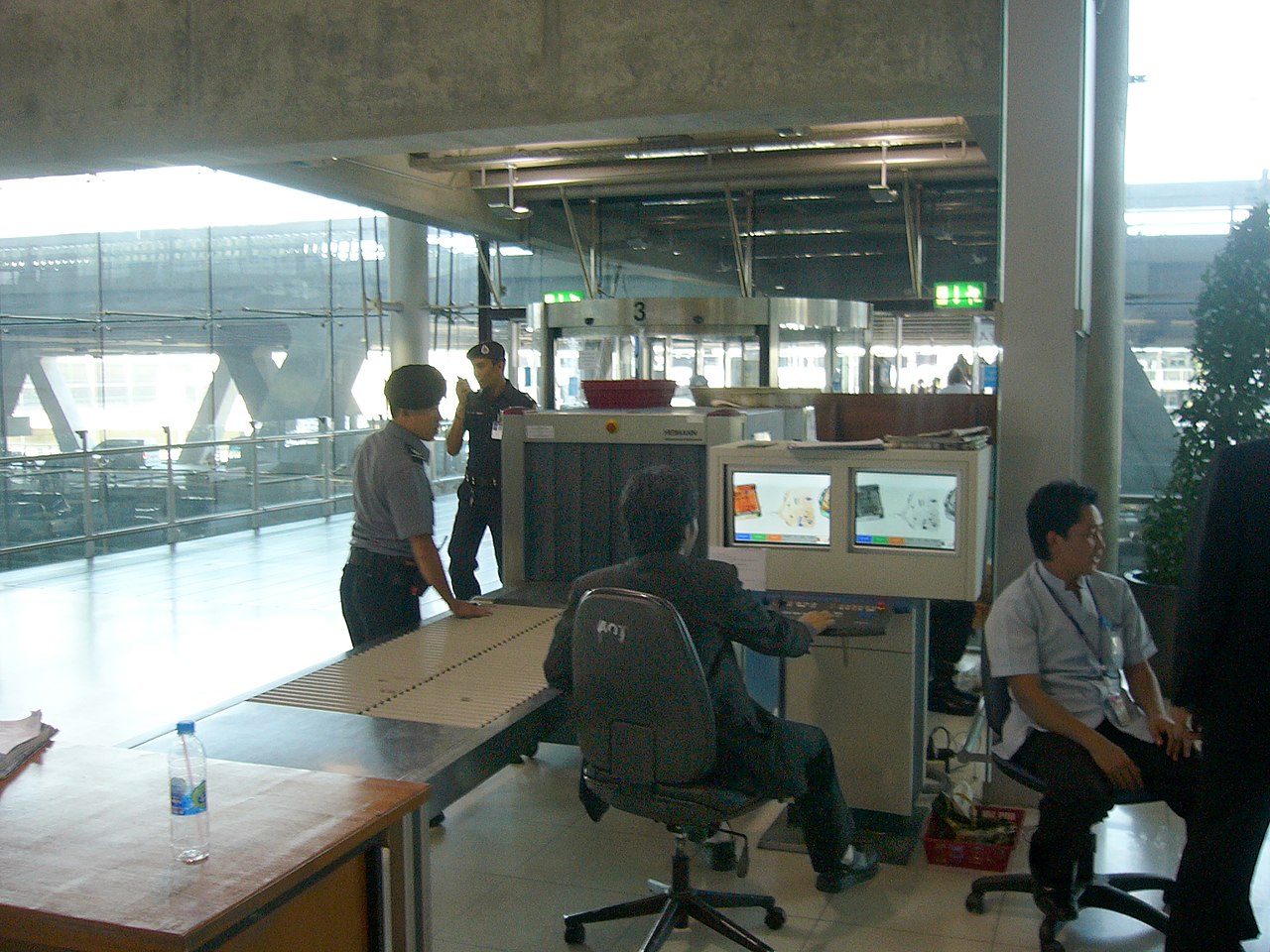
| Security screening | Put liquids, laptop, belt and jacket in a tray, walk through the scanner, collect everything on the other side. |
| Passport control (international) | Show your passport, and any visa, to the border officer. Domestic flights skip this. |
| The gate | Find your gate number on the screens, walk there, and wait. Gates can change, so keep checking the boards. |
| Boarding | Board when your zone or group is called. Have your boarding pass and passport ready to scan. |
On the plane
Once you board, find your seat row by the numbers above the aisle and stow your carry-on in the overhead bin or under the seat in front. Fasten your seatbelt and keep it on whenever the sign is lit, which is a comfort as much as a rule. Takeoff brings the most noticeable sensations: full engine power, a firm push back into your seat, and a stomach-light feeling as the aircraft eases from its steep initial climb into a normal one. All of it is routine.
During the flight the crew may serve drinks or food, and the seatbelt sign will come on for any turbulence, which is simply rough air and nothing to worry about. If the noises unsettle you, our guide to what causes turbulence explains every bump. Choosing the right seat in advance makes the first flight more comfortable too.
Landing and arrival
After the aircraft lands and reaches the gate, wait for the seatbelt sign to go off before standing. Then it is another short sequence. On an international arrival you follow signs to passport control or immigration, show your documents, and continue to baggage claim, where a screen lists which carousel your flight’s bags arrive on. If you checked a bag, collect it there.
The last step is customs. Most airports use a green channel for travelers with nothing to declare and a red channel for those carrying goods over the allowance. If you are unsure whether something must be declared, our guide on what to declare at customs covers it. Then you walk out into arrivals, and the first flight is behind you.
Still deciding where to go
If the destination is not fixed yet, answer a few prompts and get a shortlist that fits how you like to travel.
First-flyer mistakes to avoid
A handful of avoidable errors catch out almost every first-time flyer. None of them are serious if you know about them in advance.
- Packing a full water bottle or oversized liquids. Security will confiscate them. Bring an empty bottle and fill it after the checkpoint.
- Cutting the timing fine. The gate closes 15 to 20 minutes before departure, not at departure. Early is calm, late is panic.
- Not checking the gate boards. Gates change, and a missed announcement can mean a sprint. Glance at the screens periodically.
- Putting essentials in a checked bag. Keep medication, documents, valuables and a change of clothes in your carry-on in case the checked bag is delayed.
- Standing up the second the plane lands. Wait for the seatbelt sign. Nothing moves faster because you are on your feet.
The airport is designed to move millions of first-time flyers a year, and the staff at every step are used to answering questions. Ask if you are unsure. Nobody expects you to have it memorized on day one.
FAQ
01How early should I arrive for my first flight?
Around two hours before a domestic flight and three before an international one. Arriving early removes the pressure at every step and leaves room for a slow security line or a long walk to a distant gate.
02What happens at airport security?
You place your carry-on liquids, laptop, belt and jacket in a tray, walk through a body scanner, and collect everything on the other side. Liquids must be in containers of 100 millilitres or less inside a clear bag. It is quick once you know the routine.
03How do I know which gate to go to?
Your gate number appears on the departure screens throughout the terminal and often on your boarding pass, though it can change. Find it on a screen after security and keep glancing at the boards, since a gate change is common and easy to miss.
04What does takeoff feel like?
You feel firm acceleration down the runway, a push back into your seat as the aircraft climbs, and a brief stomach-light sensation as the steep initial climb eases to a normal one. It is loud and noticeable but entirely routine.
05What do I do after the plane lands?
Wait for the seatbelt sign to switch off, then follow signs. On an international arrival you clear passport control, collect any checked bag at baggage claim, and pass through customs. On a domestic flight you usually go straight to baggage claim and out.
06What should I keep in my carry-on?
Documents, medication, valuables, phone, charger and a change of clothes. Anything you cannot afford to lose or would need if a checked bag were delayed should stay with you in the cabin rather than in the hold.
Image credits: Check-in counters: User:Mattes / Wikimedia Commons (Public domain). Security screening: User:Mattes / Wikimedia Commons (Public domain). United aircraft at Denver: DReifGalaxyM31 / Wikimedia Commons (CC BY 3.0).


