


Standing at the edge of Vatnajokull glacier reveals a landscape carved by ice and time.
Vatnajokull National Park covers the largest glacier in Europe, offering vast ice fields, deep crevasses, and ice caves that change with the seasons. Visiting here means witnessing a constantly shifting frozen landscape that demands careful planning and respect for weather conditions.
Access is straightforward but weather-dependent; most tours start early in the day to avoid afternoon storms and crowds. Expect to spend about four hours on a guided trip, which includes transportation, gear, and safety briefings. The park’s remote location means a half-day commitment, but the visual payoff is worth the effort if you choose the right window.
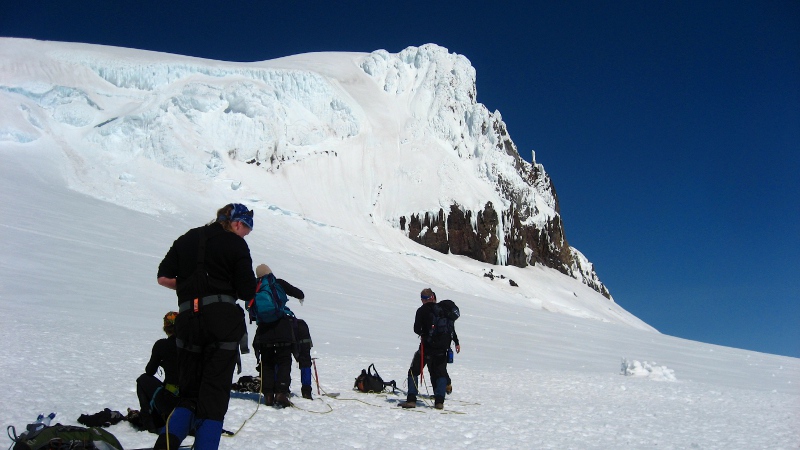
What to expect
- Stand on a glacier surface that stretches for miles, with cracks and ridges visible underfoot.
- See ice caves with walls that glow blue when sunlight filters through the ice.
- Feel the crunch of snow and ice under your boots during a guided walk.
- Watch the weather shift from clear skies to snow flurries within minutes.
- Experience the silence of a vast ice field broken only by distant cracking sounds.
Is a visit to Vatnajokull worth your time?
Highly recommended for adventure seekersVisiting Vatnajokull requires an early start and a willingness to face unpredictable weather, but the chance to walk on Europe’s largest ice cap and explore its ice caves makes it a top priority for those who want a true glacier experience. Tours are guided, safety is managed, and the scenery is constantly changing, ensuring a memorable trip. Skip if weather looks severe or if a half-day trip doesn’t fit your schedule, but otherwise, this is a highlight for anyone interested in ice landscapes.
Quick facts about Vatnajokull National Park
| Cost | Most guided tours around 65 USD |
| Open season | Year-round, weather permitting |
| Time needed | Approximately 4 hours |
| Getting there | Start from Hofn, 1-2 hours drive |
| Best timing | Early morning for clear weather and light |
| Difficulty | Moderate; includes walking on ice with crampons |
Hiking the Vatnajokull Glacier and Surroundings
Start your visit early in the morning, around 8 AM, at the Skaftafell Visitor Center, where the park’s entry fee is included in the national park pass. From here, you’ll take the marked trail that leads toward the glacier, which takes approximately 2 hours round trip to reach the edge of Vatnajokull. The trail climbs gradually through volcanic ash and moss-covered lava fields, with occasional views of the ice cap looming above. As you approach the glacier, the terrain shifts to ice and snow, so bring sturdy waterproof boots and layered clothing. Do not attempt to go onto the ice without a certified guide and proper gear, as crevasses and unstable ice pose serious risks. If weather conditions turn foggy or stormy, turn back at the designated turnaround point near the glacier’s edge; visibility can drop sharply, and safety becomes a concern. After returning to the visitor center, consider a quick visit to the nearby Svartifoss waterfall, which is a 45-minute walk from the parking lot, but skip the longer glacier ice cave tours unless booked through a licensed operator. The entire trip, including breaks, takes about 4 hours, so plan accordingly to avoid late afternoon storms or heavy wind. Remember, the park enforces strict safety rules around ice and snow, so stay on marked paths and heed local warnings.
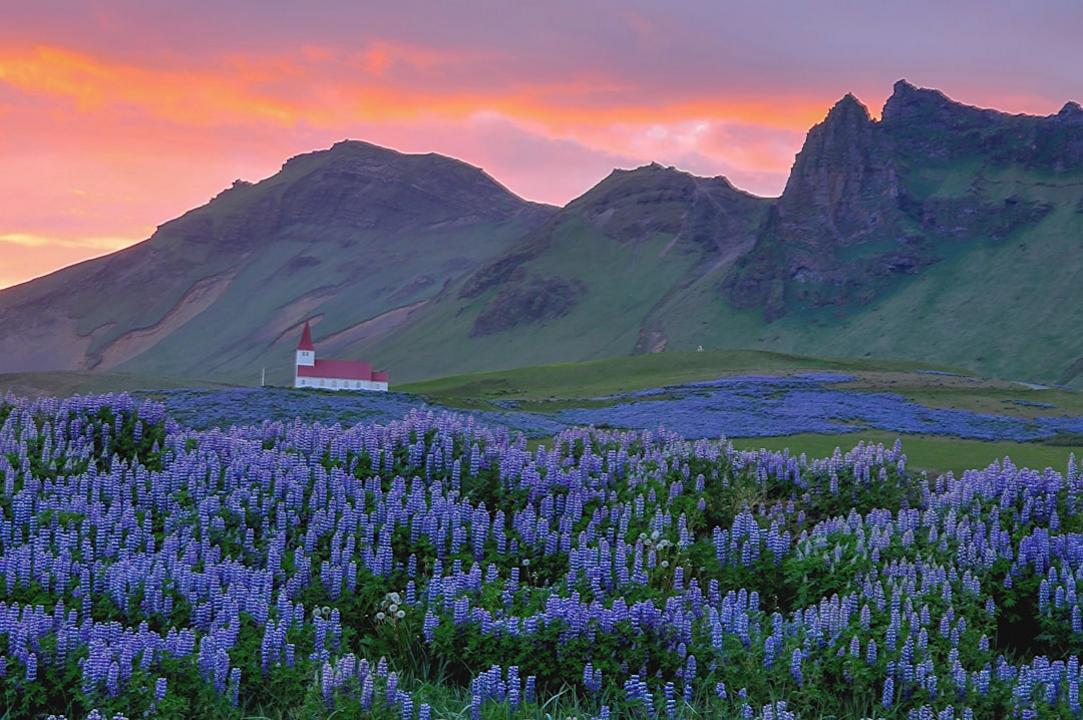
Key Highlights of Vatnajokull National Park
Skaftafell Viewpoint
This vantage point offers a clear view of the glacier’s terminus and the surrounding volcanic landscape. It’s the best spot to observe the ice cap’s scale and the contrast with black volcanic rock. The trail here is well-marked and accessible, making it ideal for a quick photo stop.
TipVisit early in the morning to avoid the crowds and catch the glacier in soft light, which enhances the ice’s blue hues.
Svartifoss Waterfall
A striking waterfall framed by dark basalt columns, this site is a 45-minute walk from the parking lot. The columns are the result of ancient lava flows, and the waterfall’s plunge creates a steady mist that cools the air around it.
TipTake the trail counterclockwise to arrive at the waterfall from the sun’s side, which prevents glare and makes for better photos.
Glacier Edge Viewing Area
Located near the end of the marked trail, this spot provides a close-up look at Vatnajokull’s ice face. It’s the safest place to observe the glacier’s surface and note the crevasses and seracs up close.
TipVisit during late morning when the sun hits the ice face directly, revealing the deep blue ice and ice formations more vividly.
Ice Cave Entrance (via Guided Tour)
Access to the ice caves is only possible through licensed operators, typically between November and March. These caves form naturally within the glacier and are carved by meltwater channels, creating surreal blue tunnels.
TipBook your tour at least two weeks in advance, and confirm the departure time early in the day to avoid afternoon weather shifts that can close access.
Lava Field near Skaftafell
This area showcases volcanic activity from past eruptions, with black lava rocks and sparse vegetation. It provides a stark contrast to the glacier and is ideal for understanding the park’s volcanic history.
TipWalk the trail during late afternoon to catch the low sun casting shadows over the lava field, highlighting its textures and formations.
Essential Gear for Visiting Vatnajokull National Park
- Waterproof hiking boots
the terrain around the glacier includes uneven ice and snow patches that can be slippery - Windproof jacket
the weather can shift quickly, especially near the glacier edge where wind speeds reach 30 mph - Map and compass or GPS device
the area is vast and signage is limited, so navigation tools prevent getting lost on the glacier or surrounding trails - Thermal base layer
temperatures can drop below freezing even in summer, especially at higher elevations - Sunglasses and sunscreen
the glacier reflects sunlight intensely, increasing UV exposure and risk of snow blindness
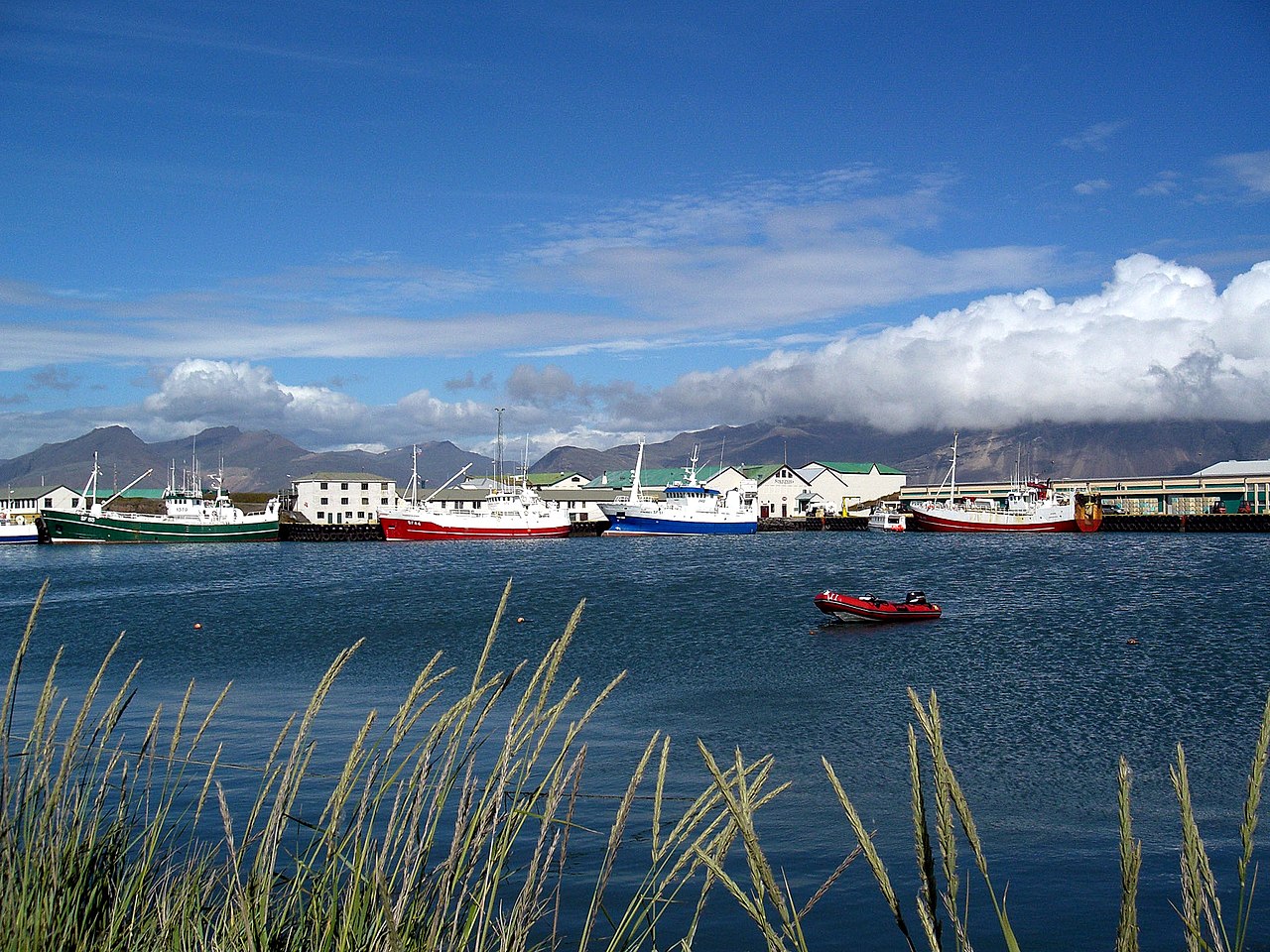
Getting to Vatnajokull National Park from Hofn
The park is approximately 45 minutes by car from Hofn, covering about 35 miles / 56 km of paved and gravel roads.
- Rental car
rent a 4WD vehicle to handle the gravel sections and ensure access during winter or wet conditions - Guided tour bus
book a tour that departs early morning; it often includes gear and a guide, saving time on planning - Taxi or private transfer
confirm the driver can handle gravel roads and ask for a flexible pickup time to avoid crowds
Site-specific Risks and How to Avoid Them
- Sudden weather changes near the glacier can cause whiteout conditions
check weather forecasts daily and avoid venturing onto the glacier if high winds or snow are forecasted - Unmarked crevasses on the glacier surface
stick to guided routes and avoid wandering off established paths or tour tracks - Loose gravel and ice on trails
wear footwear with good traction and move slowly on steep or icy sections - Limited cell service in remote areas
download offline maps and inform someone of your plans before heading out
Expert Insight: Timing Your Visit for Better Light
Visit early in the morning or late in the afternoon when the sun is low; this reduces glare on the ice and improves visibility for photos and safety.
Vatnajokull National Park FAQ
1How does weather affect visiting Vatnajokull National Park?
Cloud cover can obscure glacier views, especially in winter. Heavy snowfall or fog may limit visibility and safety, so plan to visit on clear days for the best experience.
2Is it safe to hike on Vatnajokull glacier during winter?
Winter conditions create crevasses and unstable snow bridges. Hire a guide if you plan to venture onto the glacier in winter, because they have the experience and equipment to navigate safely.
3What are the best times of day to see the glacier?
Mid-morning offers the clearest light and less wind, making it ideal for photography. Avoid late afternoon when shadows lengthen and weather can shift quickly, so consider your preferences.
4Can I visit Vatnajokull without a guide?
Yes, you can explore designated trails and viewpoints independently, but for glacier excursions or ice cave visits, hiring a guide is essential for safety and navigation. Choose guided tours if you want expert knowledge and peace of mind.
5Are there age restrictions for glacier hikes?
Most guided glacier tours set a minimum age of 12 years old. If traveling with children younger than that, stick to viewing points and avoid ice activities, because safety risks increase with age and experience.
6What should I do if the weather suddenly worsens during my visit?
Seek shelter immediately and avoid venturing further onto the glacier or into exposed areas. Both options are risky; weigh your comfort level and consider turning back if conditions deteriorate rapidly.
Next Step
After visiting the glacier viewpoints, head to Hofn for a seafood dinner at a local restaurant. Avoid staying in the park after dark if you are not experienced with Icelandic winter conditions, as weather can change quickly and roads may become unsafe.
Photos via Unsplash and Wikimedia Commons.
Some links on this page are affiliate links. We may earn a small commission at no extra cost to you when you book through them.