


At the edge of Hornstrandir, the cliffs echo with the calls of puffins nesting along the shoreline.
Hornstrandir is a remote nature reserve at the northern tip of the Westfjords, accessible only by boat. Travelers flock here for multi-day backpacking, breathtaking bird cliffs, and the chance to spot arctic foxes in their natural habitat. With no permanent population, the area offers a true escape into Iceland‘s wild landscapes. The reserve spans approximately 200 square miles, making it a haven for outdoor enthusiasts.
In Hornstrandir, hike the dramatic cliffs, observe puffins, and spot arctic foxes in their natural habitat.
Key takeaways
- Hike the 12-mile Hornbjarg cliffs for stunning birdwatching.
- Spot arctic foxes during summer months, especially in July.
- Expect daily boat departures from Ísafjörður to Hornstrandir.
- Plan for multi-day backpacking trips; camping is allowed.
- Visit in July for the best wildlife encounters.
Why visit Hornstrandir
Hornstrandir stands out from Iceland’s more popular destinations like Reykjavik and the Golden Circle due to its untouched wilderness and remote access. This roadless nature reserve at the northern tip of the Westfjords offers breathtaking views of towering bird cliffs and the chance to encounter arctic foxes in their natural habitat. The dramatic coastline and pristine landscapes create an ideal setting for outdoor adventures.
- Experience multi-day backpacking trails with minimal crowds.
- Spot arctic foxes during summer, especially in the Hornbjarg cliffs.
- Join guided tours from local operators who prioritize ethical wildlife encounters.
- Visit in late summer for the best weather and wildlife visibility.
Best for
Solo travelers seeking adventure and nature will thrive here, especially those comfortable with basic accommodations and rugged terrain. It’s perfect for eco-conscious visitors who prioritize wildlife experiences over nightlife.
Skip if
Skip Hornstrandir if you prefer urban amenities and vibrant nightlife; consider visiting Reykjavik instead for a more lively atmosphere.
Top things to do in Hornstrandir
Hornstrandir offers unparalleled wildlife encounters and breathtaking landscapes, making it a must-visit for nature enthusiasts. Start your adventure with a guided hike to spot the elusive arctic fox.

1. Guided Arctic Fox Trek ·
Experience the thrill of spotting arctic foxes in their natural habitat.
Join one of the licensed guide outfits for a trek through Hornstrandir’s rugged terrain, where you’ll have the chance to see arctic foxes up close. The guides share insights about the local ecosystem while navigating the stunning landscapes, including cliffs and valleys. This immersive experience connects you with the unique wildlife of the area.
This trek is the best way to see arctic foxes, as opposed to simply hiking on your own, where sightings are less likely.
- When: Plan for late June to early August when the foxes are most active and visible.
- Cost: ~$100
- Duration: Half day
- How to reach: Meet at the main harbor in Hornstrandir, where guides will provide transportation to the trailhead.
Insider tip: If closed
If the trek is canceled due to weather, consider a self-guided hike along the coastal trails.
2. Birdwatching at Látrabjarg Cliffs ·
Witness thousands of seabirds nesting on the dramatic cliffs of Látrabjarg.
Take a boat to the iconic Látrabjarg Cliffs, where you can observe puffins, guillemots, and razorbills in their natural nesting sites. The cliffs rise steeply from the ocean, providing a stunning backdrop for photography. This experience is perfect for bird lovers and offers a chance to enjoy the breathtaking coastal scenery.
Látrabjarg is renowned for its birdlife, making it a superior choice over other viewing spots in Iceland.
- When: Visit from late April to early August for the best birdwatching opportunities.
- Cost: ~$80
- Duration: Half day
- How to reach: Access the cliffs via a guided boat tour departing from the main harbor.
Insider tip: If closed
If the boat tour is canceled, explore the nearby hiking trails for scenic views.
3. Kayaking in the Fjords ·
Paddle through the serene waters of Hornstrandir’s fjords for a unique perspective.
Rent a kayak from a local outfitter and glide through the tranquil fjords, surrounded by towering cliffs and abundant wildlife. This activity allows for a peaceful exploration of the coastline, where you might spot seals and various bird species. The calm waters make it accessible for all skill levels.
Kayaking offers a different viewpoint of Hornstrandir’s stunning landscapes compared to hiking.
- When: Best from June to September when the weather is milder and conditions are favorable.
- Cost: ~$60
- Duration: 2 hours
- How to reach: Head to the local kayak rental shop near the harbor to get started.
Insider tip: If closed
If kayaking is not available, consider a guided boat tour of the fjords instead.
4. Hiking the Hornstrandir Nature Reserve ·
Explore the untouched beauty of Hornstrandir on its scenic hiking trails.
Embark on a self-guided hike through the Hornstrandir Nature Reserve, where trails wind through lush valleys and along dramatic coastlines. The trails vary in difficulty, allowing you to choose an adventure that suits your level. Along the way, enjoy the stunning views and the chance to encounter local wildlife.
Hiking offers flexibility and the opportunity to explore at your own pace, unlike guided tours that follow a set route.
- When: Optimal hiking conditions are from late June to early September when the trails are accessible.
- Cost: Free
- Duration: Full day
- How to reach: Access the trails from various points along the main paths starting from the harbor.
Solo female travel: Hiking solo is common, but it’s advisable to inform someone of your plans.
5. Fishing in the Fjords ·
Try your hand at fishing in the rich waters of Hornstrandir’s fjords.
Join a local fishing charter for a day of angling in the fjords, where you can catch cod, haddock, and more. The experienced guides provide all necessary equipment and share tips for a successful catch. This hands-on experience connects you with the local fishing culture while enjoying the stunning scenery.
Fishing with a guide ensures you have the best chance of success and local knowledge, unlike fishing from shore.
- When: Best from June to September when the fish are plentiful.
- Cost: ~$120
- Duration: Half day
- How to reach: Depart from the main harbor where charters are available.
Insider tip: If closed
If fishing is not an option, consider a scenic boat tour of the fjords.
6. Relaxing at the Beach ·
Unwind on the pristine beaches of Hornstrandir for a peaceful retreat.
Spend a leisurely afternoon at one of Hornstrandir’s secluded beaches, where you can soak up the sun and enjoy the tranquil surroundings. The soft sands and clear waters create a perfect setting for relaxation or a picnic. This is an ideal way to recharge after a day of adventure.
While hiking and wildlife watching are highlights, taking time to relax at the beach offers a different, calming experience.
- When: Visit during the summer months, especially in July and August, for the best weather.
- Cost: Free
- Duration: 2 hours
- How to reach: Access the beach via a short walk from the main hiking trails.
Solo female travel: The beaches are generally safe and quiet, making them suitable for solo visits.
Book tours and tickets
Booking through these links supports Pack Lightly at no extra cost to you.
24 hours in Hornstrandir
This itinerary is perfect for adventurous travelers eager to explore the wild landscapes of Hornstrandir, focusing on a day of hiking and wildlife encounters.
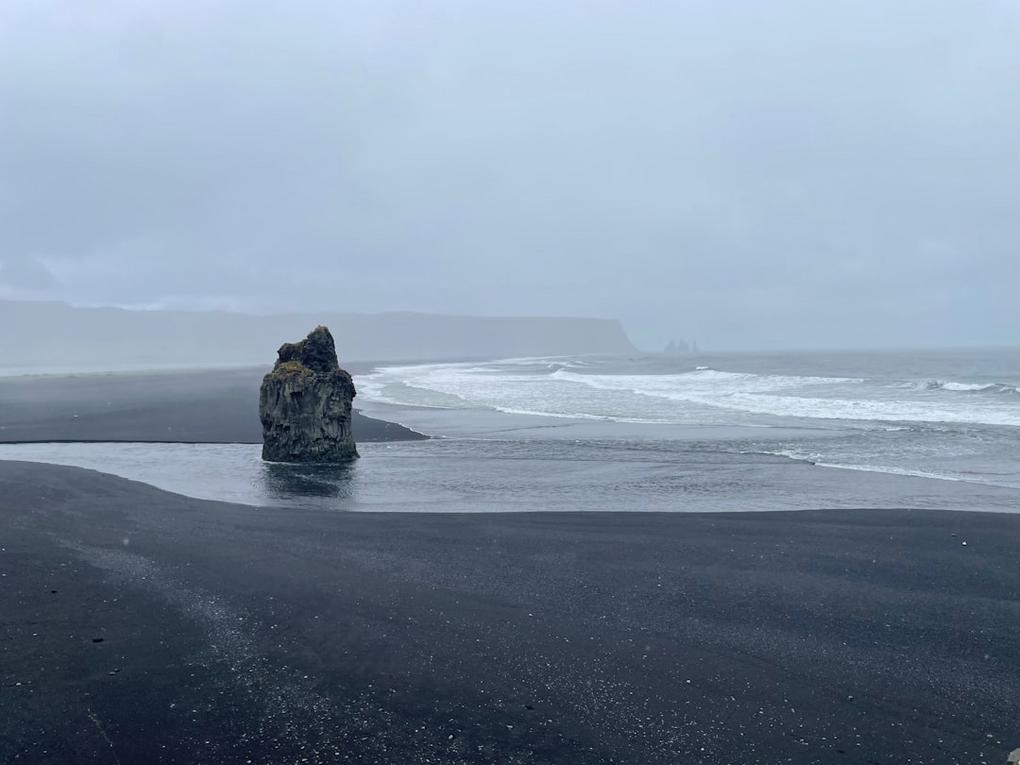
Morning
Start your day early at 6:00 AM with a guided hike from your eco-lodge, heading towards the towering bird cliffs. The morning light casts a golden hue over the rugged terrain, making it an ideal time for photography and spotting puffins. Your naturalist guide will share insights about the local flora and fauna, enhancing your connection to this remote wilderness.
Afternoon
By noon, return to your lodge for a hearty lunch featuring local ingredients, perhaps a fresh fish dish paired with seasonal vegetables. Afterward, take a leisurely stroll along the coastline, keeping an eye out for arctic foxes. The afternoon sun provides a warm backdrop as you explore the rocky shores and enjoy the serene atmosphere.
Evening
As the sun begins to set around 8:00 PM, head to a nearby viewpoint to witness the breathtaking colors of the sky reflecting off the water. For dinner, enjoy a cozy meal at your lodge, where the focus is on sustainable, locally sourced dishes. The evening winds down with the sounds of nature surrounding you, creating a peaceful end to your day.
If you have a second day
If you have another day, consider a full-day boat trip to explore the remote coves and cliffs, offering a chance to see more wildlife and perhaps even whales. Alternatively, a longer hike into the interior will reveal stunning landscapes and more opportunities to spot the elusive arctic fox.

Best time to visit Hornstrandir
Quick answer
Aim for summer (Jun-Aug): crisp, clear conditions, and lighter crowds than the peak weeks. Skip Sep-Mar unless you can handle the heaviest rain plus cold and short days.
| Months to go | Jun-Aug |
|---|---|
| Months to avoid | Sep-Mar |
Hornstrandir has distinct seasons. Summer (Jun-Aug) is the chilly time, averaging around 42F, and its wettest stretch. Winter (Dec-Feb) is freezing, near 24F with short daylight and very wet.
Spring (Mar-May, around 28F) and autumn (Sep-Nov, around 33F) are the comfortable shoulders and the easiest time to explore on foot. The toughest stretch is Sep-Mar, worth pushing through only for the heaviest rain plus cold and short days. Apr-May is the cold, low-key season: cheaper, quieter, and fine if you do not mind bundling up.
Average temperature (°F)
Monthly weather
Cold, bundle up
Cold, bundle up
Cold, bundle up
Cold, bundle up
Cold, bundle up
Chilly, thinner crowds
Chilly, thinner crowds
Chilly, thinner crowds
Chilly and wet
Cold, bundle up
Cold, bundle up
Cold, bundle up
Time it around
Expect the biggest crowds and highest prices in Jun-Aug, Dec. Shoulder months on either side stay calmer.
How to get to Hornstrandir
Nearest airport
Ísafjörður Airport (IFJ), about 30 miles / 50 km south by road and boat
From the airport
From Ísafjörður Airport, take a taxi or rental car to Ísafjörður harbor, then catch the scheduled boat to Hornstrandir for around $80, 2026, booked via the harbor office or online. This combined boat transfer is the most reliable and time-efficient route.
Other ways to arrive
- Reykjavík, domestic flight to Ísafjörður + boat transfer, 3-4 hours total, $100-$130, 2026
- Bolungarvík, ferry from Ísafjörður harbor, then boat to Hornstrandir, 4-5 hours, $90-$110, 2026
- Hólmavík, rental car to Ísafjörður + boat, 5-6 hours, $120-$150, 2026
Getting around Hornstrandir
Hornstrandir has no roads or motorized transport; hiking and boat are the only ways to move. For a wildlife-focused stay, plan daily hikes with a certified naturalist guide to maximize sightings and safety.
- Hiking – primary mode for exploring the reserve, free but physically demanding
- Boat – use for transfers between fjords or to reach remote trailheads, around $50-$80 per trip, 2026
- Guided walks – book through your eco-lodge for expert navigation and wildlife spotting, $60-$100 per day, 2026
Avoid
Avoid attempting any motorized transport inside the reserve; no roads exist and off-trail travel risks damaging fragile habitats.
Day trips from Hornstrandir
Day trips from Hornstrandir focus on reaching isolated fjords and bird cliffs accessible only by boat and foot, perfect for extending wildlife encounters.
Jökulfirðir Fjords
Exploring glacier-carved fjords and spotting arctic foxes in their natural habitat.
Why: Less visited than main fjords, offering quieter wildlife encounters and dramatic cliffs.
Skip if: Skip if you prefer shorter, less strenuous hikes.
Hornvík Bay Bird Cliffs
Close-up views of towering seabird colonies and puffins in summer.
Why: The cliffs are among the largest in Iceland, with fewer crowds than other birdwatching spots.
Hesteyri Village Ruins
Visiting abandoned settlement ruins and learning about local history.
Why: Combines light hiking with cultural context, breaking up long wildlife treks.
Skip if: Skip if focused solely on wildlife and want to maximize animal sightings.
Combine Hornstrandir with
Hornstrandir fits best as a remote nature segment within a Westfjords or broader Iceland itinerary, offering a sharp contrast to road-accessible destinations.
7-day Westfjords loop Ísafjörður → Hornstrandir → Bolungarvík → Dynjandi Waterfall → Patreksfjörður
This route balances rugged hiking in Hornstrandir with accessible Westfjords highlights, using Ísafjörður as the gateway and recovery hub.
10-day Iceland nature circuit Reykjavík → Ísafjörður → Hornstrandir → Akureyri → Lake Mývatn
Starting in Reykjavík, this route moves north to Ísafjörður for Hornstrandir’s wilderness, then continues to northern Iceland’s volcanic and lake landscapes.
5-day Ísafjörður and Hornstrandir escape Ísafjörður → Hornstrandir → Ísafjörður
Ideal for travelers focused on deep nature immersion with a base in Ísafjörður, allowing day trips and overnight stays in the reserve.
Where to stay in Hornstrandir
Compare prices across booking sites on the map below and see which neighbourhood fits your plans.
Accommodations in Hornstrandir are limited due to its remote nature, with options primarily focused around the few eco-lodges and guesthouses near the coastline. Travelers often choose lodgings near the hiking trails for easy access to the stunning landscapes and wildlife encounters.
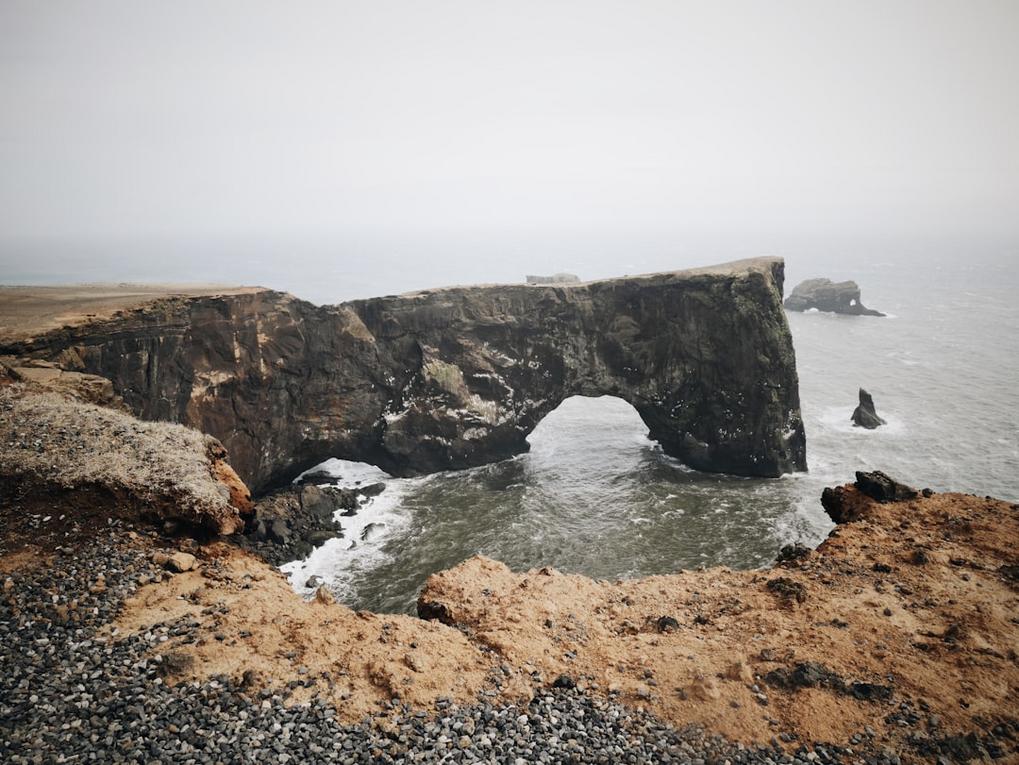
Mid-range – near the Hornstrandir Nature Reserve
Stay in family-run guesthouses that offer cozy rooms and home-cooked meals, providing a comfortable base for exploring the wilderness. These lodgings typically lack luxury amenities but make up for it with local charm and hospitality.
Insider tip: Request a room with a view of the fjord for a memorable sunrise experience.
Solo female travelers
Choose a guesthouse that has a strong social atmosphere, as they often provide a welcoming environment for solo female travelers.
Book your stay
Booking through these links supports Pack Lightly at no extra cost to you.
Where to eat and drink in Hornstrandir

Hornstrandir’s culinary scene is shaped by its remote location and access to fresh seafood, particularly from the surrounding waters. The local fishing communities emphasize sustainable practices, making the seafood here distinctively fresh and flavorful.
Must-try dishes
Harðfiskur (Dried Fish)
Dried fish, typically cod or haddock, served as a snack or appetizer.
Insider tip: Try it with a bit of butter for a local twist.
Plokkfiskur (Fish Stew)
A hearty stew made from boiled fish, potatoes, and onions, often served with rye bread.
Insider tip: Order it for lunch to enjoy the freshest version, as it’s often made daily.
Svið (Singed Sheep Head)
A traditional dish featuring a sheep’s head, singed and boiled, served with mashed potatoes.
Insider tip: Try it during a local festival for the best experience.
Local drinks
- BrennivínAny local bar or restaurant, particularly those serving traditional dishes.
Icelandic schnapps made from fermented grain or potato mash, flavored with caraway. - Local Craft BeerSmall pubs or bars in the area that focus on local brews.
Beer brewed by local microbreweries, often featuring unique flavors inspired by local ingredients.
How to eat like a local in Hornstrandir
Lunch is the main meal of the day, so plan to enjoy your biggest meal around 1:00 PM. Many local eateries close early in the afternoon, so arrive before 3:00 PM to avoid missing out.
Daily budget for Hornstrandir
Hornstrandir’s remote location makes it more expensive than other parts of Iceland, primarily due to limited access and fewer services. Expect to pay a premium for lodging and activities that cater to nature enthusiasts.
Shoestring
- lodging – dormitory-style accommodation or camping
- food – self-catered meals or simple cafes
- transport – shared boat rides to Hornstrandir
- activities – self-guided hikes or wildlife watching
- buffer – miscellaneous expenses
Trade-offs: You’ll miss out on guided tours and comfortable lodging.
Comfort
- lodging – private room in a guesthouse or eco-lodge
- food – meals at local eateries
- transport – private boat transfers
- activities – guided wildlife tours
- buffer – miscellaneous expenses
Trade-offs: You may sacrifice some flexibility in dining and activities.
Splurge
- lodging – upscale eco-lodge with amenities
- food – fine dining experiences
- transport – private charters or luxury transfers
- activities – exclusive guided tours or experiences
- buffer – miscellaneous expenses
Trade-offs: You’ll pay a premium for comfort and convenience.
Money-saver tip
Book your boat transfer in advance to secure the best rates – last-minute tickets can be significantly higher.
Splurge that’s worth it
Invest in a guided wildlife tour to maximize your chances of spotting arctic foxes and other unique wildlife.
Skip to save
Avoid overpriced meals at the few touristy spots near the docks; local markets offer better value.
Practical tips for Hornstrandir
Money
| Cash or card | Cash is essential in Hornstrandir; credit cards are not widely accepted. |
|---|---|
| ATMs | There are no ATMs in Hornstrandir, so bring enough cash for your stay. |
| Tipping | Tipping is not customary; rounding up the bill is appreciated. |
Safety
Hornstrandir is generally safe for travelers, but prepare for remote conditions.
Local warnings:
- Watch for slippery rocks along the coastline.
- Be cautious of sudden weather changes in the wilderness.
Connectivity
| Mobile data | Mobile coverage is limited; consider a local SIM from Síminn for better connectivity. |
|---|---|
| Wi-Fi | Wi-Fi is typically available only in accommodations, not in public spaces. |
Language
| Main language | Icelandic |
|---|---|
| English level | Most locals speak English, especially in tourism-related contexts. |
Solo female travel
Hornstrandir is safe for solo female travelers, but stay aware of your surroundings.
Frequently asked questions about Hornstrandir
1Is Hornstrandir worth visiting?
Yes – Hornstrandir is a unique wilderness area known for its stunning landscapes and wildlife, especially the arctic fox. If you enjoy hiking and nature, this destination is a must.
2How many days do you need in Hornstrandir?
Plan for at least 2-3 days to fully explore Hornstrandir. This allows time for hiking, wildlife watching, and enjoying the remote beauty of the area.
3When is the best time to visit Hornstrandir for wildlife viewing?
Visit from June to August for the best wildlife encounters, particularly with arctic foxes and seabirds. This is when the area is most accessible and wildlife is active.
4Do you need a car to visit Hornstrandir?
No – you cannot drive to Hornstrandir. Access is only by boat, typically from Ísafjörður, so plan your transport accordingly.
5Is Hornstrandir safe for solo female travelers?
Yes – Hornstrandir is generally safe for solo female travelers, especially during the summer months when other hikers are present. However, always inform someone of your plans.
6Can you swim in the waters around Hornstrandir?
Skip it – the waters are cold and not ideal for swimming. Focus on hiking and wildlife watching instead, as the scenery is breathtaking.
Hero image: Evgeniy Metyolkin (CC BY-SA 3.0), via Wikimedia Commons. Other photos via Unsplash and Wikimedia Commons.