


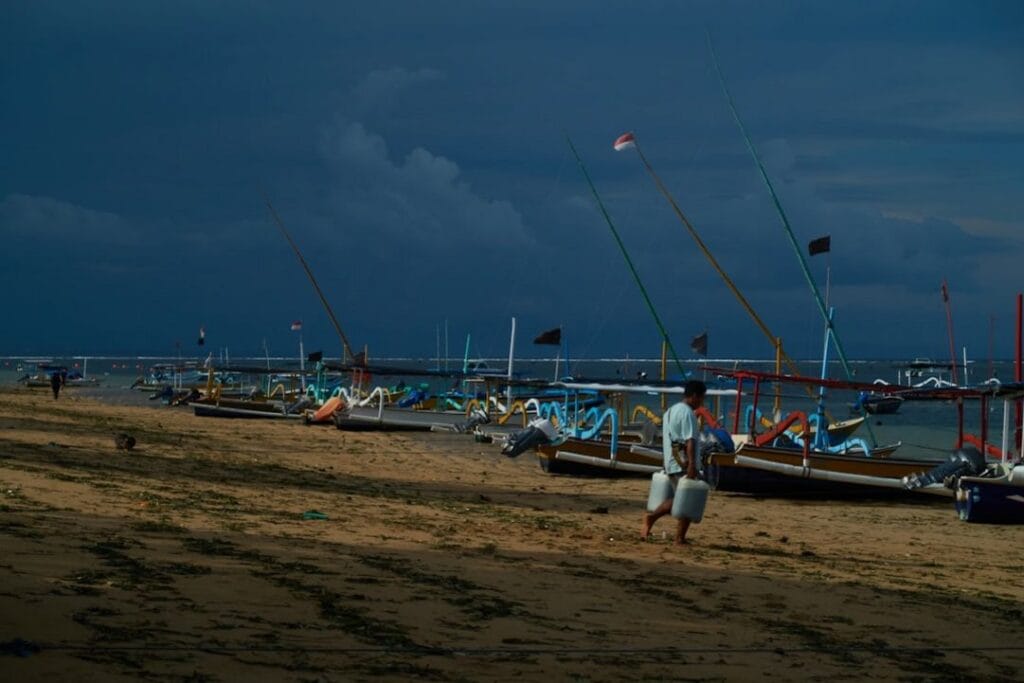
The scent of fresh jasmine tea drifts through the air at the Lembang tea plantations just outside Bandung’s city center.
Bandung is a cool-climate city in West Java known for its colonial-era architecture and thriving food scene. Visitors come for the factory outlets in Dago and the leafy cafes in Braga Street. With a population around 2.5 million, Bandung offers a distinct contrast to Jakarta’s heat and chaos. The city’s proximity to tea plantations and the Tangkuban Perahu crater makes it a cultural and culinary hub. Unlike coastal cities, Bandung’s cooler weather shapes its food culture around tea and fresh produce. Staying near Dago gives easy access to cafes and markets, while Braga offers a walkable historic vibe. Expect more cultural depth here than beach resorts, with a focus on heritage and local flavors.
Explore the Lembang tea plantations for cool-climate tea tastings, stroll Braga Street for colonial architecture, shop factory outlets in Dago, and visit the Tangkuban Perahu crater for volcanic views.
Key takeaways
- Book a morning tour at Lembang tea plantations to avoid crowds and catch fresh harvests.
- Stay in Dago for easy access to factory outlets and cafes with local produce menus.
- Visit Braga Street before 5 PM to enjoy open galleries and street food stalls.
- Reserve a crater tour at Tangkuban Perahu early; afternoon fog often obscures views.
- Expect daytime temperatures around 70°F (21°C) year-round; pack layers for evenings.
- Local transport options include ride-hailing apps; avoid airport taxis costing ~$30.
- Factory outlets close by 8 PM; plan shopping trips accordingly to maximize daylight.
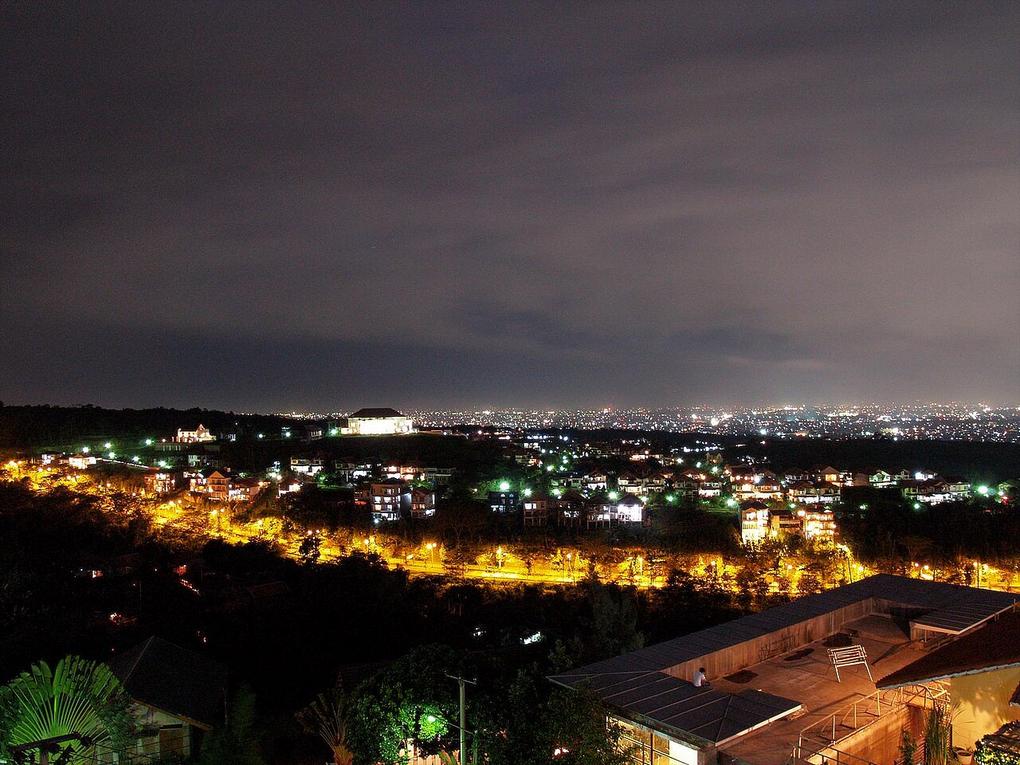
Why visit Bandung
Bandung stands out from Jakarta and Yogyakarta with its cool highland climate and colonial-era streets. Unlike Jakarta’s tropical heat and Yogyakarta’s cultural hubs, Bandung offers a food and tea-plantation scene shaped by its altitude. The city’s Gedung Sate landmark anchors a walkable downtown filled with cafes and factory outlets. Nearby tea plantations and the Tangkuban Perahu crater provide cultural and natural escapes within easy reach.
- Explore Jalan Braga’s colonial architecture paired with cafes serving locally sourced highland tea blends.
- Visit tea plantations like Malabar for tasting tours that connect altitude to flavor profiles.
- Tangkuban Perahu crater offers a cultural hike with volcanic history just 12 miles / 19 km north of the city.
- Factory outlets in Dago provide shopping tied to Bandung’s textile industry, unlike typical tourist markets elsewhere.
- Bandung’s cool climate drives a distinct culinary scene focused on fresh vegetables and local mountain herbs.
Best for
Solo travelers and food-focused visitors who appreciate urban walks and cultural layers will thrive here. Those who want a break from tropical heat and seek a mix of city life with accessible rural heritage will find Bandung rewarding.
Skip if
Skip Bandung if nightlife or beach access is your priority; choose Jakarta for urban buzz or Yogyakarta for classical Javanese culture instead.
Top things to do in Bandung
1. Braga Street Heritage Walk ·
Explore Bandung’s colonial past and vibrant cafe culture along Braga Street, the city’s historic artery for food and art.
Walk along Braga Street from Asia Afrika Street to the Braga City Walk area, where colonial-era architecture mixes with modern cafes and art galleries. Notice the Dutch colonial facades, old theaters, and street art that reflect Bandung’s layered history. Stop at a few cafes for local coffee blends and pastries influenced by the city’s cool climate. The street buzzes with activity during weekends, especially around the Braga City Walk plaza.
Braga Street offers a direct window into Bandung’s colonial heritage combined with its evolving food scene, unlike the more commercial factory outlet areas. It’s the best place to connect history with contemporary local culture.
- When: Go mid-morning on weekdays or early weekend afternoons to avoid crowds and enjoy open galleries and cafes.
- Cost: Free
- Duration: 2 hours
- How to reach: Walk or take a short ride from Bandung’s city center to Braga Street, accessible via Jalan Asia Afrika or Jalan Braga itself.
Insider tip: If closed
Visit the Museum of the Asian-African Conference for a deeper dive into Bandung’s historical significance.
2. Tea Plantation Visit in Lembang ·
Tour one of the nearby tea plantations to see how Bandung’s cool climate nurtures tea production and sample fresh brews onsite.
Take a guided tour at a tea plantation near Lembang, about 9 miles / 15 km north of Bandung. Walk through neatly trimmed tea bushes on gentle hillsides, learning about harvesting and processing methods adapted to the highland climate. Many plantations offer tastings of fresh green and black teas in onsite cafes overlooking the fields. Licensed operators provide transport and interpretive tours, often including a visit to a small factory or museum on site. Book on GetYourGuide.
This visit connects Bandung’s cool climate directly to its tea production, a local specialty not found in Indonesia’s lowland cities. It beats generic plantation tours near Jakarta or Bogor by focusing on tea’s role in Bandung’s identity.
- When: Morning tours between 8:00 AM and 11:00 AM offer the best light and cooler temperatures for walking.
- Cost: ~$15-$25, 2026
- Duration: Half day
- How to reach: Hire a driver or join a tour from Bandung city center; the plantations are reachable via Jalan Raya Lembang.
Insider tip: If closed
Visit the nearby Tangkuban Perahu crater for a volcanic landscape experience instead.
Solo female travel: Book tours through reputable operators recommended by guesthouses in Lembang to ensure safe transport and group sizes.
3. Bandung Food Market Tour ·
Dive into local flavors at Pasar Baru or Cihapit Market, where street food vendors serve Sundanese specialties unique to the region.
Join a guided walking tour through Pasar Baru or Cihapit Market, two of Bandung’s busiest traditional markets. Sample Sundanese dishes like nasi timbel (rice wrapped in banana leaf), batagor (fried fish dumplings), and fresh karedok (raw vegetable salad with peanut sauce). The markets bustle with vendors selling spices, fresh produce, and snacks, providing a full sensory immersion into local food culture. Tours often include stops at small warungs where recipes have been passed down for generations. Book on GetYourGuide.
These markets showcase Bandung’s regional Sundanese cuisine in a way that factory outlet food courts or tourist menus cannot match. Pasar Baru is more historic, while Cihapit offers a livelier street food scene.
- When: Early morning from 7:00 AM to 10:00 AM is best for fresh ingredients and fewer crowds.
- Cost: ~$20-$30, 2026
- Duration: 2-3 hours
- How to reach: Reach Pasar Baru by angkot or short taxi ride from Bandung center; Cihapit Market is a 10-minute drive east along Jalan Cihapit.
Insider tip: If closed
Explore Braga Street cafes for a more modern take on Bandung’s food scene.
Solo female travel: Stick to guided tours or busy market sections; avoid isolated stalls after dark.
4. Museum of the Asian-African Conference ·
Visit this museum to understand Bandung’s role in post-colonial diplomacy and the birth of the Non-Aligned Movement.
Explore exhibits detailing the 1955 Asian-African Conference held in Bandung, which shaped global post-colonial relations. The museum displays original documents, photographs, and artifacts from the event, housed in a building near the Asia Afrika Street. Interactive displays explain the conference’s impact on diplomacy and Bandung’s place in world history. The museum is compact but rich in context for visitors interested in political history beyond typical tourist stops.
This museum offers a focused cultural and historical perspective unique to Bandung, unlike general history museums in Jakarta or Yogyakarta.
- When: Open weekdays from 9:00 AM to 4:00 PM; avoid weekends when local school groups visit.
- Cost: ~$3, 2026
- Duration: 1-2 hours
- How to reach: Walk or take a short taxi ride from Bandung city center to Jalan Asia Afrika near the Gedung Merdeka complex.
Insider tip: If closed
Visit Gedung Sate for colonial architecture and government history instead.
5. Gedung Sate Architectural Tour ·
Admire Bandung’s iconic colonial government building and learn about its unique blend of Dutch and local design influences.
Tour the exterior and public areas of Gedung Sate, a landmark government building with a distinctive satay skewer-shaped pinnacle. The architecture combines Dutch colonial style with local Sundanese motifs, visible in the stonework and ornamentation. Guided tours explain the building’s history as the former Dutch East Indies government office and its current role in West Java’s administration. The surrounding gardens and nearby Jalan Diponegoro offer a pleasant walking route to explore Bandung’s colonial urban fabric.
Gedung Sate stands out for its architectural symbolism and accessibility, unlike other government buildings that are off-limits or less visually distinctive.
- When: Visit during weekday mornings when guided tours are available and the gardens are quiet.
- Cost: Free
- Duration: 1 hour
- How to reach: Take a taxi or walk from Bandung’s central area to Jalan Diponegoro, where Gedung Sate is located.
Insider tip: If closed
Walk Braga Street for colonial architecture and street life instead.
6. Culinary Workshop on Sundanese Cuisine ·
Join a hands-on cooking class focused on Sundanese dishes, connecting you directly to Bandung’s regional food heritage.
Participate in a guided cooking session where you prepare classic Sundanese dishes like nasi timbel and sayur asem under the instruction of local chefs. The workshop often includes a market visit to select fresh ingredients, grounding you in the regional food culture. Expect a small group setting that encourages questions and interaction, with a focus on traditional techniques and flavors. The experience ends with tasting your own creations in a communal dining area. Book on GetYourGuide.
This workshop offers direct engagement with Bandung’s food heritage, unlike generic Indonesian cooking classes that focus on broader national dishes.
- When: Morning sessions from 9:00 AM to 12:00 PM work best to catch fresh market ingredients and avoid afternoon traffic.
- Cost: ~$30, 2026
- Duration: 3 hours
- How to reach: Reach the workshop location by ride-hailing app or taxi from Bandung’s city center, typically within 15 minutes via Jalan Dago or Jalan Riau.
Insider tip: If closed
Visit the Bandung Culinary Museum for an overview of Sundanese food culture and history.
7. Kampung Gajah Wonderland Cultural Village ·
Experience local village life and traditional crafts in this cultural park just outside Bandung, blending leisure with heritage.
Explore this cultural park that combines traditional Sundanese architecture with craft workshops and family-friendly attractions. You can watch artisans at work, try bamboo crafts, or sample local snacks at the food stalls. The park’s layout mimics a Sundanese village, offering insight into rural life while providing leisure activities like paddle boating and mini-zoo visits. It’s a mix of cultural exposure and light entertainment, located about 6 miles / 10 km from central Bandung. Book on GetYourGuide.
Kampung Gajah offers a more interactive and relaxed cultural experience compared to the more formal museum visits in the city center.
- When: Arrive in the morning on weekdays to avoid crowds and enjoy cooler temperatures, especially from June to September.
- Cost: ~$10, 2026
- Duration: Half day
- How to reach: Take a taxi or ride-hailing service from Bandung’s center via Jalan Sersan Bajuri; the trip takes about 30 minutes depending on traffic.
Insider tip: If closed
Visit the nearby Dusun Bambu Leisure Park for a similar mix of culture and nature.
8. Bandung Textile Museum ·
Discover the history of local textile crafts, including batik and ikat, and their role in West Java’s cultural identity.
Walk through exhibits showcasing the evolution of textile production in Bandung, focusing on batik and ikat techniques unique to West Java. The museum displays traditional looms, dyeing tools, and finished fabrics, explaining their cultural significance and production processes. It also highlights the colonial-era influence on textile trade and design. The museum sits near the city center, making it an easy cultural stop during a day of urban exploration.
This museum provides a focused look at textile heritage, unlike general art museums that cover broader themes without depth on local crafts.
- When: Open weekdays from 9:00 AM to 4:00 PM; mornings are quieter and better for detailed viewing.
- Cost: ~$3, 2026
- Duration: 1.5 hours
- How to reach: Reach the museum by walking or short taxi ride from Bandung’s Braga Street area, located near Jalan Ahmad Yani.
Insider tip: If closed
Browse textile shops around Jalan Cihampelas for contemporary batik and ikat pieces.
9. Saung Angklung Udjo Performance ·
Attend a live angklung music and dance show to experience Sundanese performing arts in an intimate setting.
Watch a vibrant performance featuring angklung, a traditional bamboo instrument, alongside Sundanese dance and puppetry. The venue is a dedicated cultural center where performers engage the audience with interactive segments and explanations of the instruments. The show lasts about 90 minutes and includes a chance to try playing the angklung yourself. Located in the northern part of Bandung, it offers a deep dive into local performing arts beyond the usual tourist spots. Book on GetYourGuide.
Saung Angklung Udjo is the definitive place for angklung music, unlike scattered street performances or generic cultural shows elsewhere in the city.
- When: Evening shows start around 7:00 PM, best booked in advance to secure a seat, especially on weekends.
- Cost: ~$15, 2026
- Duration: 1.5 hours
- How to reach: Take a taxi or ride-hailing app from central Bandung via Jalan Padasuka; the ride takes about 20 minutes.
Insider tip: If closed
Visit the local music cafes around Jalan Braga for live Sundanese music sessions.
Solo female travel: Shows end by 8:30 PM; taxis and ride-hailing apps are reliable for solo female travelers returning to central Bandung after the performance.
48 hours in Bandung
This two-day plan focuses on Bandung’s cool-climate food scene and colonial heritage, tailored for travelers who want to explore culture through markets, workshops, and tea plantations. It suits solo travelers or friends who value deep local connections over tourist shortcuts.
Day 1
Morning
Start your morning at the Pasar Baru trade market before 9:00 AM to catch the best light and avoid the midday crowd. Wander the colonial-era streets nearby, then grab a kopi tubruk at a street-side stall on Jalan Asia Afrika, where locals fuel up before work. This early rhythm sets you up for a day steeped in Bandung’s heritage and food culture.
Afternoon
Head to a tea plantation on the city’s outskirts for a guided walk through the cool, misty fields. Book a tasting session at the plantation’s small café around 2:00 PM, when the afternoon sun softens and the views open up. Return to the city via the quieter back roads, stopping for a late lunch of Sundanese dishes at a family-run restaurant in the Dago neighborhood, known for sourcing local ingredients.
Evening
Finish the day at the Braga Street area, arriving before sunset to enjoy the fading light on the colonial facades. Choose a restaurant specializing in regional West Javanese cuisine, where the chef’s provenance shines in every course. The evening buzz here is lively but manageable, perfect for a relaxed walk after dinner.
Day 2
Morning
Begin with a visit to the Cihampelas Walk area, arriving by 8:30 AM to explore the local shops and artisan stalls before the crowds swell. Grab breakfast at a café known for its Bandung-grown tea blends and freshly baked pastries, soaking in the neighborhood’s blend of modern and traditional vibes. This slower start contrasts with Day 1’s early market rush.
Afternoon
Spend the afternoon in the Lembang area with a visit to a local workshop producing traditional crafts tied to the region’s culture. Time your visit to coincide with a hands-on demonstration around 1:00 PM, then enjoy a light lunch at a nearby farm-to-table eatery featuring vegetables grown in the cool highland soil. This cultural immersion offers a hands-on perspective beyond the city center.
Evening
Return to Bandung’s city center for a casual dinner at a noodle house in the Setiabudi neighborhood, known for its authentic street food scene. Arrive early to beat the dinner rush and secure a seat by the open kitchen. Afterward, take a short walk to a quiet tea bar for a nightcap, sampling single-origin teas sourced from the surrounding plantations.
If you have a third day
Explore the northern outskirts with a morning walk through the less-visited Kampung Gajah area, where you can observe local farming life and small-scale tea gardens. Pair this with a visit to a nearby traditional Sundanese village to see daily rituals and crafts not covered in the main city tours.
Best time to visit Bandung
Quick answer
Visit from April to June and October to early December for the best weather and outdoor activities.
| Months to go | April to June, October to early December |
|---|---|
| Months to avoid | January to March due to heavy rain and potential flooding. |
Bandung’s climate offers a cool respite, with average temperatures ranging from 68°F / 20°C to 77°F / 25°C. The dry months from April to June are ideal for exploring the city’s vibrant food scene and visiting nearby tea plantations. October to early December also provides pleasant weather, perfect for outdoor activities like hiking around Tangkuban Perahu. However, January to March sees significant rainfall, which can hinder outdoor plans and lead to trail closures. This period is best avoided if you want to fully enjoy Bandung’s cultural and culinary offerings.
Average temperature (°F)
Monthly weather
Wet and humid, avoid outdoor activities.
Continued rain, less ideal for exploring.
Rainy season peaks, limited activities.
Drying up, great for outdoor visits.
Pleasant weather, perfect for sightseeing.
Ideal for exploring Bandung’s culture.
Cool and dry, great for hiking.
Comfortable weather, enjoy outdoor cafes.
Dry and pleasant, ideal for tours.
Start of the dry season, good for visits.
Rain increases, but still manageable.
Rainy, but festive atmosphere in the city.
How to get to Bandung
Nearest airport
Husein Sastranegara International Airport (BDO), approximately 3 miles / 5 km from the city center
From the airport
Take a metered taxi or a rideshare service like Grab for around $5-$10, 2026. The airport is small, so transfers are quick and straightforward.
Other ways to arrive
- From Jakarta: Take a train from Gambir Station to Bandung, about 3 hours, costing around $10-$15, 2026.
- From Jakarta: Use a long-distance bus service, approximately 2.5-3 hours, costing around $5-$10, 2026.
- From Cirebon: Take a train to Bandung, roughly 2 hours, costing around $8-$12, 2026.
Getting around Bandung
The best way to navigate Bandung is by using rideshare apps like Grab, which are widely available and affordable. Public transportation options are limited, so rideshares provide the most convenience.
- Use Grab for door-to-door service, ideal for solo travelers, costing around $2-$5 per ride.
- Take local angkot (minibuses) for short distances, costing around $0.50-$1, but be prepared for crowded conditions.
- Rent a scooter for more freedom to explore, costing around $5-$10 per day.
- Consider walking in central areas to enjoy the colonial architecture and local cafes.
Avoid
Avoid relying solely on public buses, as they can be infrequent and confusing.
Day trips from Bandung
Bandung’s location makes it a great base for exploring nearby attractions. These day trips offer a mix of nature, culture, and adventure.
Tangkuban Perahu Crater
Visit this active volcano and hike around its crater.
Why: The views from the top are stunning, and you can learn about volcanic activity in the region.
Skip if: You have limited time and prefer urban activities.
Ciwidey
Explore the beautiful Kawah Putih crater lake and tea plantations.
Why: The turquoise lake and surrounding hills create a picturesque setting, perfect for photography and relaxation.
Skip if: You are not interested in nature or outdoor activities.
Lembang
Enjoy the cooler climate and visit local farms and attractions.
Why: Lembang is known for its fresh produce and fun family-friendly activities, making it a great escape from the city.
Skip if: You prefer a more urban experience.
Combine Bandung with
For a more extensive trip, consider combining Bandung with nearby destinations. This allows you to experience more of West Java’s diverse offerings.
Bandung to Yogyakarta Bandung → Cirebon → Yogyakarta
Traveling through Cirebon allows you to explore its historical sites before reaching the cultural hub of Yogyakarta.
Bandung to Jakarta Bandung → Jakarta
A direct route to Jakarta offers a chance to experience Indonesia’s bustling capital and its vibrant food scene.
Where to stay in Bandung
Compare prices across booking sites on the map below and see which neighbourhood fits your plans.
Bandung offers a variety of neighborhoods catering to different traveler preferences. For a vibrant atmosphere, head to Braga Street, known for its colonial architecture and lively cafes. If you prefer a quieter stay, consider the upscale Dago area, which is close to nature and offers stunning views. For those looking to shop, the Cihampelas area is famous for its factory outlets. Lastly, the historic center provides easy access to museums and cultural sites.
Braga Street
Hostels in Bandung often feature dormitory-style accommodations with shared facilities, making them ideal for budget-conscious travelers. Expect a social atmosphere where you can meet fellow travelers. However, amenities may be basic, and private rooms can be limited.
Insider tip: Look for hostels that offer free breakfast; it’s a great way to save on meals while meeting other travelers.
Dago
Mid-range options include family-run guesthouses and boutique hotels that provide a cozy atmosphere with personalized service. These properties often feature unique decor and may include breakfast. While they offer more comfort than budget options, they might lack some amenities found in larger hotels.
Insider tip: Choose guesthouses that offer guided tours to nearby tea plantations; it’s a fantastic way to explore the local culture.
Cihampelas
Luxury accommodations in Bandung typically feature upscale amenities, including spas, fine dining, and stunning views of the surrounding hills. These hotels provide a tranquil retreat with high-end service but may be located farther from the city center.
Insider tip: Request a room with a balcony for the best views of the sunset over the hills.
Where not to stay
Avoid the area around the train station, as it can be noisy and less safe at night due to heavy traffic and crowds.
Solo female travelers
Stay in a hostel in the Dago area; it’s well-lit at night and has a friendly vibe, making it easy to meet other travelers.
Booking through these links supports Pack Lightly at no extra cost to you.
Where to eat and drink in Bandung
Bandung’s culinary scene stands out for its focus on fresh, local ingredients and a vibrant street food culture. The city’s cool climate supports a variety of produce, particularly vegetables and fruits, which feature prominently in its dishes. Influenced by Sundanese traditions, Bandung offers a unique blend of flavors that reflect its agricultural surroundings, making it a hotspot for food lovers seeking authentic local experiences.
Must-try dishes
Nasi Liwet
A fragrant rice dish cooked in coconut milk and served with various side dishes.
Nasi Liwet is a city signature dish, often enjoyed during special occasions and family gatherings, showcasing local cooking techniques.
Insider tip: This dish is a must-try for its rich flavors and communal dining experience.
Sate Maranggi
Grilled skewers of marinated beef served with a spicy peanut sauce.
This dish is a local favorite, with many street vendors in Bandung specializing in their own versions, making it a culinary staple.
Insider tip: The smoky flavor from the grill makes this a standout dish that captures the essence of Bandung’s street food scene.
Karedok
A raw vegetable salad served with a spicy peanut sauce.
Karedok is a community-specific dish that reflects the Sundanese preference for fresh, raw ingredients, making it a healthy choice.
Insider tip: Pair it with some fried tofu for a delightful crunch and added protein.
Bubur Ayam
Chicken porridge topped with various condiments like fried shallots and soy sauce.
This dish is a beloved breakfast option in Bandung, often enjoyed at local stalls that specialize in porridge.
Insider tip: The combination of textures and flavors makes this a comforting start to your day.
Local drinks
- Bandung’s Milk Coffee (Kopi Susu Bandung)Head to one of the local cafes in the Braga area, where this drink is a popular choice among coffee lovers.
A rich coffee blended with sweetened condensed milk, creating a creamy beverage. - Es CendolFind it at street vendors throughout the city, especially in the Cihampelas area, where it’s served cold.
A refreshing dessert drink made from rice flour jelly, coconut milk, and palm sugar.
Where to eat – by neighborhood
Cihampelas
Known for its vibrant street food scene, Cihampelas is packed with stalls and small eateries serving local favorites.
Insider tip: Try to visit in the evening when the street comes alive with food vendors and locals enjoying their meals.
Braga
Braga is a historic street lined with cafes and restaurants, offering a mix of traditional and modern dining options.
Insider tip: Order a coffee and a snack at one of the cafes, and take your time to enjoy the atmosphere.
Dietary note
Many dishes are halal, but it’s advisable to check with vendors for specific dietary needs.
Daily budget for Bandung
Bandung offers a unique blend of affordability and mid-range options, making it stand out in Indonesia. With its vibrant food scene and cultural attractions, daily costs can vary significantly based on your choices.
Shoestring
- lodging – Stay in a budget guesthouse or hostel.
- food – Enjoy local street food and casual dining.
- transport – Use public transport or shared rides.
- activities – Visit local markets and parks.
- buffer – For snacks or small purchases.
Trade-offs: Expect basic accommodations and limited dining options.
Comfort
- lodging – Book a mid-range hotel or boutique guesthouse.
- food – Dine at popular local restaurants and cafes.
- transport – Use rideshare services for convenience.
- activities – Participate in guided tours or workshops.
- buffer – For unexpected expenses.
Trade-offs: Enjoy more comfort and variety, but at a higher cost.
Splurge
- lodging – Stay at a luxury hotel with amenities.
- food – Experience fine dining and tasting menus.
- transport – Opt for private drivers or premium transport.
- activities – Engage in exclusive experiences or private tours.
- buffer – For additional indulgences.
Trade-offs: Indulge in luxury, but be prepared for significantly higher expenses.
Money-saver tip
Eat at local warungs (small eateries) for authentic meals at lower prices.
Splurge that’s worth it
Consider a tasting menu at a renowned restaurant to experience Bandung’s culinary excellence.
Skip to save
Avoid tourist traps like overpriced cafes in the city center that don’t offer authentic local flavors.
Practical tips for Bandung
Money
Cash or card. In Bandung, cash is still king, especially at local markets and street food stalls. Many small businesses do not accept cards, so keep some cash handy for these transactions.
ATMs. ATMs are widely available throughout Bandung, particularly in shopping areas. Look for ATMs from major banks like BCA or Mandiri, which generally have lower foreign transaction fees.
Tipping. Tipping is appreciated but not mandatory; rounding up the bill is common. For example, if your meal costs around $10, leaving an extra dollar is a nice gesture.
Safety
Bandung is relatively safe for travelers, but like any urban area, it’s wise to stay alert, especially in crowded places. Avoid displaying valuables and be cautious when using your phone in public.
Common scams:
- Taxi drivers may try to overcharge tourists; always use a metered taxi or rideshare app.
- Street vendors might offer inflated prices for tourists; negotiate before purchasing.
Local warnings:
- Be cautious of uneven sidewalks in busy areas, which can be a tripping hazard.
- Watch out for heavy traffic when crossing streets; vehicles may not always stop for pedestrians.
Connectivity
Mobile data. Mobile data coverage is generally good in Bandung, with 4G available in most areas. Consider purchasing a local SIM card from providers like Telkomsel or XL, with prices around $10 for a month of data.
Wi-Fi. Many cafes and accommodations offer free Wi-Fi, particularly in the central areas like Dago and Braga. However, the connection can be spotty, so don’t rely solely on it for important tasks.
Language
Main language: Indonesian. English level: English is commonly spoken in tourist areas, but proficiency varies among locals. You may find it more challenging to communicate in less touristy neighborhoods.
Cultural notes
- Dress modestly when visiting religious sites; covering shoulders and knees is expected.
- Always ask for permission before taking photos of people, especially in rural areas.
Solo female travel
Solo female travelers in Bandung generally find the city welcoming, with a vibrant street life and plenty of cafes. Public transport is available, but it’s best to use rideshare apps at night for convenience and safety.
- Transport: Use rideshare apps like Grab for safe and affordable transport, especially after dark.
- Meeting people: Consider staying at hostels with female-only dorms, which often have a friendly atmosphere and opportunities to meet other travelers.
Frequently asked questions about Bandung
1Is Bandung better than Jakarta?
Yes, Bandung offers a cooler climate and a vibrant food scene, making it a refreshing escape from Jakarta’s hustle. The colonial architecture and tea plantations add unique charm.
2How many days should I spend in Bandung?
Two to three days is ideal to explore the city and enjoy day trips to nearby attractions like Tangkuban Perahu. This allows time for food tours and local markets.
3What is Bandung known for?
Bandung is known for its cool climate, tea plantations, and rich culinary scene. The city also features colonial-era architecture and numerous factory outlets for shopping.
4Is Bandung safe for solo female travelers?
Yes, Bandung is generally safe for solo female travelers. Stick to well-lit areas in neighborhoods like Dago and avoid isolated spots at night.
5What is the best time to visit Bandung?
The best time to visit is during the dry season from May to September. This period offers pleasant weather for outdoor activities and exploring the city.
6Can you swim or surf in Bandung?
Skip it; Bandung is inland and lacks beaches for swimming or surfing. However, you can enjoy hot springs nearby for relaxation.
7What are the health risks in Bandung?
Be cautious of street food hygiene; stick to busy vendors. Tap water isn’t safe to drink, so opt for bottled water during your stay.
Estimate your daily budget
See realistic daily costs by tier and category.
More in Bandung