


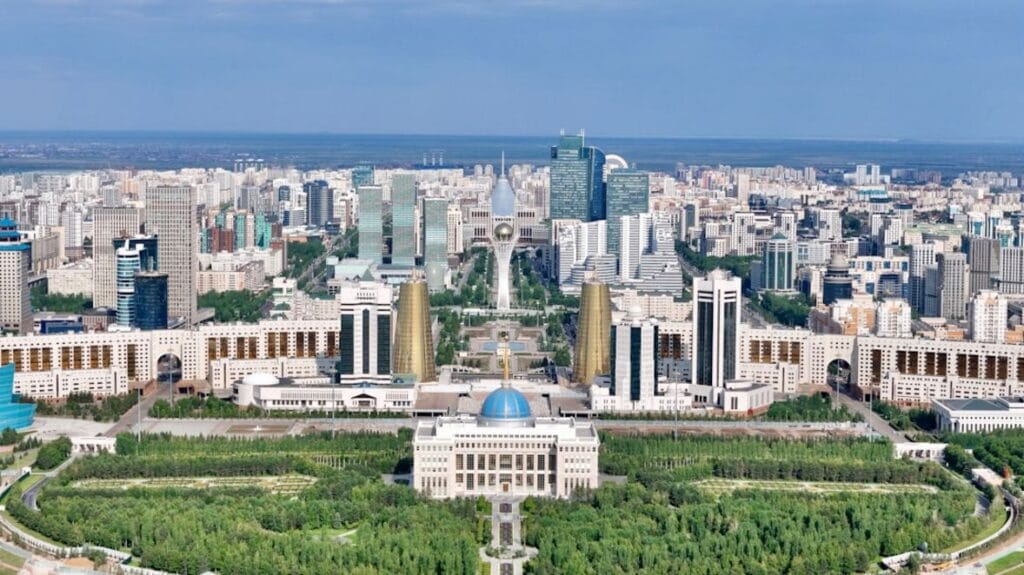
Kazakhstan asks you to pack for two different countries. In January, Astana sits at 7°F / -14°C and the wind off the steppe makes that number feel optimistic. In July, the same country runs to 104°F / 40°C in the southern deserts. There is no single Kazakhstan wardrobe, only a January one and a July one, and the most common tourist mistake is packing something halfway between the two.
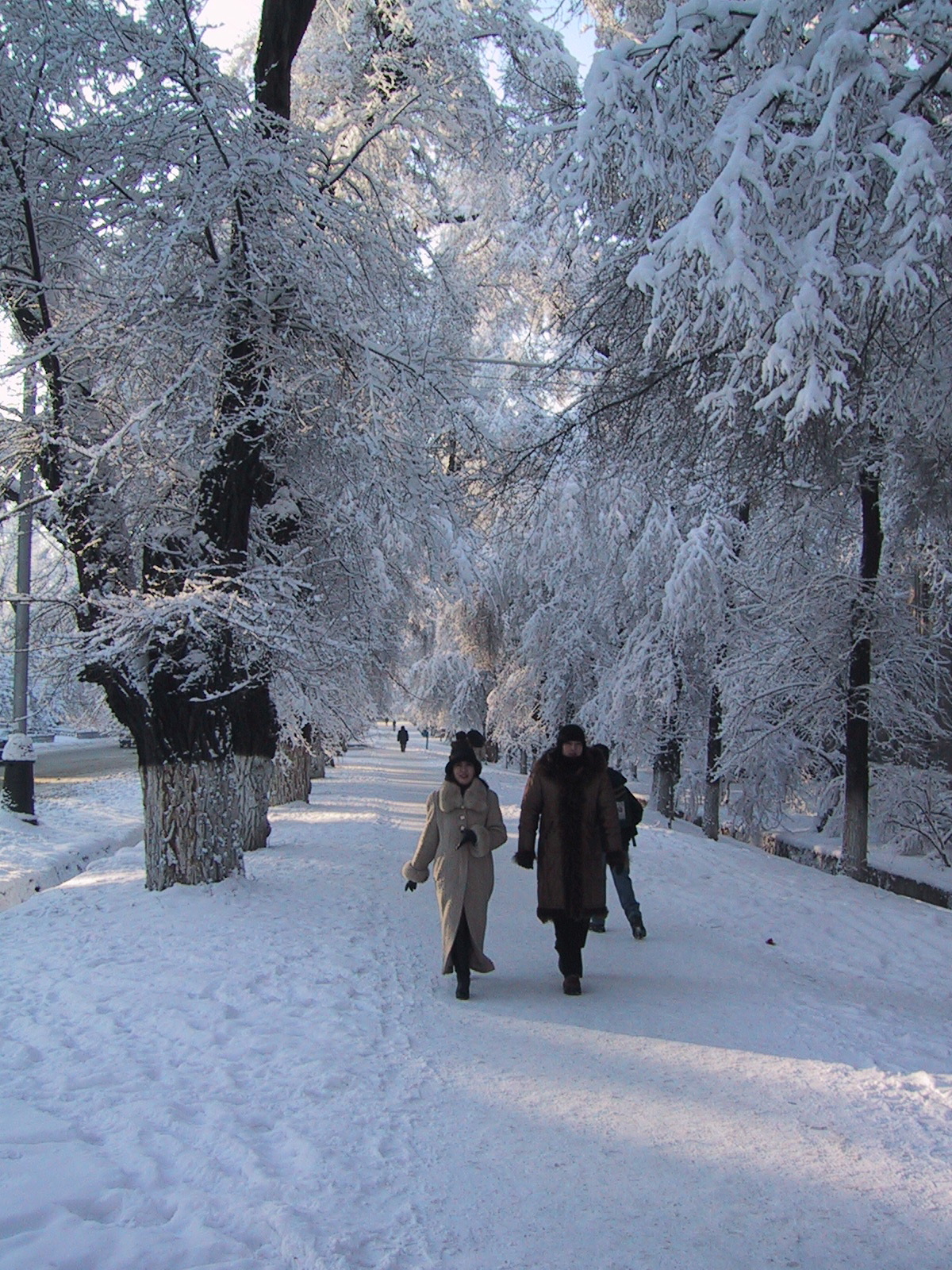
Coming between November and March, bring a genuine insulated coat, thermal base layers and boots with grip. Coming between June and August, bring sun cover and light layers, and expect cool mountain evenings around Almaty.
Everyday dress is secular and relaxed. The only real cover-up rule applies inside working mosques, and that is a single exception, not a national dress code.
What follows is the month-by-month picture, the fabrics that actually earn their place in a continental climate, the one situation where covering up matters, and what is worth buying in Almaty instead of carrying from home. For everything that is not clothing, see the Kazakhstan packing list.
Kazakhstan Packing Snapshot
Hotel laundry and some coin laundry in Almaty and Astana. $3-5 per load.
Kazakhstan Month by Month: Two Wardrobes, One Country
Find your travel month. Only the things that actually change month to month are listed here; the fabric reasoning sits further down, once.
Off-season
Deep winter and the second-coldest month of the year. At 15°F / -10°C a fashion coat is not enough; you want real insulation and boots that grip packed snow.
Priority: deep winter
Almaty pavements ice over. Boot tread matters more here than any other item.
Off-season
Still deep winter at 19°F / -7°C, and the windiest stretch across the open steppe around Astana. Same kit as January with the wind taken seriously.
Priority: deep winter
Astana wind chill is the reason a windproof outer layer beats a thicker soft one.
Right around freezing at 31°F / -1°C and the trend has turned. Nauryz falls on 22 March and the streets fill up, so this is a crowd month spent standing outdoors in the cold.
Priority: late winter
Nauryz means hours outdoors on a cold day. Dress for standing still, not for walking.
The first genuinely mild month at 47°F / 9°C, and the swing between morning and afternoon is at its widest. A coat you can carry once it warms up is the whole trick.
Priority: wide daily swing
Mornings still hit freezing. Pack something you will actually want to carry by 2pm.
The wettest month of the year at 47mm, though in a semi-arid country that still means a shower rather than a rainy season. Warm at 60°F / 16°C, and a packable shell earns its space.
Priority: wettest month
47mm is the annual peak, which is modest. A packable shell beats a hotel umbrella.
Peak season
Summer proper at 70°F / 21°C in the averages, though the southern deserts run far hotter. Sun cover starts mattering more than warmth.
Priority: sun cover
Steppe and desert sun is unfiltered. A brimmed hat does more than sunscreen alone.
Peak season
The hottest month at 74°F / 23°C, and where the national average misleads badly: the south around Turkistan and the deserts push past 104°F / 40°C while the mountains stay cool.
Priority: regional split
Loose long sleeves beat bare arms in desert heat. Locals cover, and they are right.
Peak season
Barely off July’s peak at 70°F / 21°C, the driest stretch of the summer at 34mm, and the best month for the mountain lakes. Same summer kit plus one warm layer for altitude.
Priority: altitude layer
Kolsai and Big Almaty Lake sit high enough to be cold at midday. Carry a fleece up.
Peak season
The most comfortable travel month at 59°F / 15°C with the year’s lowest rainfall at 29mm. Warm afternoons, genuinely cold evenings.
Priority: best all-round
If you can only pick one month for a mixed itinerary, this is it.
The handover month at 45°F / 7°C. Winter kit becomes necessary rather than optional partway through, and the first snow in Almaty often falls before the month ends.
Priority: winter begins
Book late October and pack as though it is November. It usually is.
Back around freezing at 29°F / -2°C and the light goes early. Full winter kit from here on, with no useful difference from December.
Priority: full winter
Daylight is short. Something reflective is worth having for evening walking.
Off-season
Nothing changes from November except that it gets darker and colder, ending at 19°F / -7°C. The ski season above Almaty opens, which is the one reason to come.
Priority: full winter
Shymbulak and Medeu are the December draw. Rent skis locally, bring your own base layers.
Climate Overview: Kazakhstan
Rainfall: Kazakhstan
Best time to visit (for clothing)
Dressing for the Kazakh Winter and Summer
The national averages on this page hide the thing that actually decides your packing. Kazakhstan is the ninth-largest country on earth and the climate is sharply continental, which means the gap between seasons is enormous and the gap between regions is nearly as large. In July the deserts north of Turkistan run past 104°F / 40°C while the gorges above Almaty stay cool enough for a fleece at midday. In January the whole country is frozen, and Astana is one of the coldest capital cities in the world.
So the honest advice is: decide which of the two Kazakhstans you are visiting, then pack for that one properly rather than compromising between them. A mid-weight jacket that would be sensible in most countries is the single worst thing to bring here. It is too much for July and nowhere near enough for January.
Winter, December to February: 15°F / -10°C to 19°F / -7°C on average, with cold snaps far below that
This is the season people underestimate. Astana regularly sits below -4°F / -20°C and the wind across flat open steppe removes any margin you thought you had. What works is what locals wear: a genuinely insulated long coat rather than a technical ski shell, a thermal base layer under everything, and boots with real tread because city pavements ice over rather than get cleared.
Bring a proper coat from home. This is the one item where buying on arrival is a gamble on sizing and a waste of a travel day, and a merino base layer under it does more for warmth per gram than a second sweater.
The mistake that ruins a winter trip
Treating -22°F / -30°C as a colder version of a European winter. It is a different category. Exposed skin at that temperature is a problem in minutes, so hat, gloves and something over your face are not optional extras.
Spring, March to May: 31°F / -1°C to 60°F / 16°C
March is still winter in practice. April is the month with the widest daily swing, where a freezing morning becomes a mild afternoon and back again, so the useful item is a layer you are willing to carry rather than wear. May brings the wettest weather of the year at 47mm, only slightly ahead of March at 38mm.
May is the one month that genuinely justifies a packable waterproof shell in the bag, because the rain arrives in bursts rather than as steady drizzle and there is very little shelter once you are outside a city.
Nauryz, 22 March
The spring festival is the best street-level day of the year to be here, and it is spent standing outdoors in near-freezing temperatures watching things happen. Dress for standing still rather than for walking; you will be much colder than the temperature suggests.
Summer, June to August: 70°F / 21°C to over 104°F / 40°C in the south
The national average of 74°F / 23°C in July is misleading here, and this is where regional thinking matters most. The southern deserts and the steppe are genuinely hot with unfiltered sun and no shade for hours at a time. Loose long sleeves beat bare arms in that environment, which is why local men in the south wear covered rather than minimal clothing. Meanwhile the mountains and lakes above Almaty stay cool, and afternoons at Kolsai or Big Almaty Lake can be cold enough to want a warm layer.
A brimmed sun hat earns its space more reliably here than sunscreen alone, because the sun exposure on the steppe is continuous rather than intermittent.
The altitude trap
People pack for Almaty city heat and then take the cable car to Shymbulak or drive up to the lakes in the same clothes. The temperature drop with altitude is severe and catches visitors out on nearly every summer itinerary.
Autumn, September to November: 29°F / -2°C to 59°F / 15°C
September is the most comfortable month of the year to travel here and the driest at 29mm: warm afternoons, cold evenings, and the mountains still open. October is the handover, and the first snow in Almaty often arrives before the month is out. By November you are back in full winter kit with short daylight.
If you are choosing dates for a mixed itinerary that includes both cities and mountains, September is the answer and it is not close.
Fabrics That Work on the Steppe
This is the one place on the page where fabric gets discussed, so it is worth being specific. A continental climate punishes materials differently than a tropical one does: the problem is not staying dry in humidity, it is holding warmth without bulk in winter and shedding sun without burning in summer. Those are two different jobs and very few fabrics do both.
For winter, merino wool is the answer and it is not a close call. It holds warmth when slightly damp from sweat, which matters when you are moving between an overheated Almaty metro carriage and -4°F / -20°C outside several times a day. For summer in the south, loose-weave cotton and linen beat synthetics, because the heat is dry and the priority is airflow and sun cover rather than moisture wicking.
| Material | Best for | Avoid when | Why here specifically |
|---|---|---|---|
| Merino wool | Winter base layers, shoulder-season mid-layers | Peak summer heat in the south | The indoor-outdoor cycle in Kazakh winter means you sweat indoors and freeze outdoors. Merino handles that swing where cotton fails and synthetics start to smell after a day. |
| Down or synthetic insulation | The winter outer coat | Anywhere from May to September | Below -4°F / -20°C the amount of insulation matters more than the fabric. A long insulated coat is what locals wear, not a shell over layers. |
| Linen | Southern summer, desert days near Turkistan | Winter and shoulder seasons | Dry heat with strong sun favours loose covered clothing over bare skin. Linen gives you sleeve coverage without the heat penalty. |
| Cotton | City summer wear, anything bought locally | Winter base layers, May rain | Perfectly fine in a dry continental summer, which is where the usual travel advice against cotton stops applying. It is only a problem next to your skin in the cold. |
| Windproof synthetics | Astana and the open steppe, any cold month | As a standalone winter coat | Steppe wind is the variable that turns a manageable temperature into a painful one. A thin windproof outer beats a thicker but porous layer. |
| Fleece | Mountain days above Almaty, summer evenings | As the only winter warmth | The altitude drop at Shymbulak, Kolsai and Big Almaty Lake is the single most reliable reason to carry a warm layer in July. |

One practical note on winter laundry: indoor heating in Kazakh apartments and hotels is aggressive, so hand-washed items dry overnight without any effort. That works in your favour if you are packing light for a winter trip.
What You Can Wear in Kazakhstan
Short version: almost anything. Kazakhstan is a secular state with a Muslim majority, and everyday dress in Almaty and Astana is indistinguishable from any European city. Women wear whatever they like. Shorts are normal in summer. There is no national modesty code, no dress-related fines, and no expectation that visitors cover up in public.
That answer surprises people who arrive expecting something closer to the Gulf states, so it is worth being clear about where the exception actually is: working mosques, and only working mosques. Everything else on this page is a matter of comfort or of not looking scruffy, not of rules.
If your itinerary includes the Mausoleum of Khoja Ahmed Yasawi in Turkistan or the Nur-Astana mosque in the capital, a light scarf handles it: women cover their hair and shoulders, everyone removes shoes at the threshold, and knees stay covered. Most of the larger sites lend headscarves at the entrance, so this is a convenience rather than a requirement. If mosques are not on your itinerary, skip the item entirely.
Can women wear what they want?
Yes, and it is worth saying plainly because the question comes up constantly. Almaty is a fashion-conscious city and local women dress with more deliberate style than most visitors do. Sleeveless tops, dresses, shorts and swimwear at the lakes are all unremarkable. The only place the answer changes is inside a mosque, and there the expectation is covered hair and shoulders for the duration of the visit.
Shorts for men, in short
Fine in summer in both cities and at the lakes. Less common in small towns and in the south, where you will notice men wearing long trousers even in serious heat, partly for sun cover rather than modesty. Nobody will comment either way, but long lightweight trousers are genuinely more comfortable in desert sun than shorts are.
Shorts, Mosques and the Few Real Rules
Most clothing etiquette guidance written about Central Asia is imported from somewhere else, so here is what is actually true in Kazakhstan and what is not.
Actually true
- Take your shoes off in someone’s home
Universal here, and slippers are usually waiting by the door. This is the etiquette rule visitors most often miss. - Cover hair and shoulders inside a working mosque
At Turkistan and Nur-Astana. Scarves are often available at the entrance if you arrive without one. - Dress up a little for dinner in Almaty
Not a rule, but the city is noticeably better dressed than most travellers expect and you will feel underdressed in hiking gear. - Bring winter footwear with real grip
Pavements ice over rather than get cleared, and the most common visitor injury here is a fall, not the cold.
Not true, despite what you may have read
- That women need to cover up in public
They do not. This is a secular country and Almaty dresses accordingly. - That there is a beachwear rule or a fine
There is no such regulation. The lakes are relaxed and nobody polices what you walk back to the car in. - That shorts will cause offence
They are normal in summer. In the far south you may simply find long trousers cooler under direct sun. - That you need formal clothes for banks or offices
Ordinary travel clothes are fine anywhere a tourist actually needs to go.
Worth knowing
Traditional Kazakh dress, the embroidered chapan and the tall kalpak hat, appears at Nauryz and at weddings rather than in daily life. You will see it in March in city squares and almost never otherwise, so do not expect the everyday street to look traditional.
Build your packing list
Use our free Packing List Generator to create a personalized list for this destination.
What to Wear for Canyons, Mountains and Cities
Kazakhstan’s headline activities are outdoor and involve real altitude or real exposure, which changes the footwear question. Almaty sits at the foot of the Tian Shan and most of what visitors come for is somewhere above it or several hours out across the steppe. City shoes will not cover a Charyn Canyon day.

One pair of proper walking shoes with ankle support and grip covers the canyon, the lake trails and the cities. That is the one footwear decision worth getting right; everything else can be whatever you already own.
| Where you are going | What to wear | Footwear | The thing people get wrong |
|---|---|---|---|
| Charyn Canyon | Layers plus a windproof outer, whatever the forecast says | Grippy walking shoes or light boots | Dressing for the temperature rather than the wind. The canyon is fully exposed and there is no shade on the valley floor. |
| Kolsai Lakes and Big Almaty Lake | Summer clothes plus a fleece you carry up | Trail shoes with tread | Leaving the warm layer in Almaty. The altitude drop makes a hot city day into a cold lake afternoon. |
| Shymbulak and Medeu in winter | Ski kit if skating or skiing, otherwise full winter dress | Insulated boots | Rentals cover skis and boards, not thermal base layers. Bring those. |
| Almaty and Astana on foot | Ordinary city clothes, adjusted for season | Comfortable shoes, gripped in winter | Underestimating how much walking Astana involves between its widely spaced landmarks. |
| Turkistan and the southern sites | Loose long sleeves and light trousers, scarf for the mausoleum | Slip-on shoes, since you remove them at the threshold | Laced boots at a site where you take shoes on and off repeatedly. |
| Steppe drives and overnight trains | Something comfortable to sleep in, plus one warm layer | Slip-ons | Distances here are enormous and carriages swing between overheated and cold. |
Laundry Options in Kazakhstan
Laundry is easy in the two big cities and awkward everywhere else, which matters if your itinerary runs out across the steppe for several days at a time. Hotel service in Almaty and Astana is cheap and quick; outside them, plan on washing things yourself.
The upside of a Kazakh winter is that indoor heating is fierce, so anything hand-washed in the evening is genuinely dry by morning. That is not true in the humid summer south, where drying takes considerably longer.
View all 5 laundry options
| Option | Where to find | How it works | Cost | Speed | Quality & risk | How to avoid problems | Best for |
|---|---|---|---|---|---|---|---|
| Hotel laundry service | Most hotels in Almaty and Astana | Drop off; same-day service possible | $3-5 per load | 1-2 days | Good quality; check for shrinkage | Specify delicate items clearly | Everyone |
| Local laundry shops | Almaty city centre | Drop off; charged by weight | $1-3 per kg | 1-2 days | Variable quality; inspect before use | Ask your accommodation for a recommendation | Budget travellers |
| Self-service laundromats | Rare; a handful in Almaty | Coin-operated machines | $2-4 per load | 1-3 hours | Depends on machine condition | Bring detergent; check settings before starting | Independent travellers |
| Hand washing | In your accommodation | Sink or shower | Free | Overnight in winter, longer in summer | Winter heating dries things fast | Wring out thoroughly before hanging | Anyone heading out to the steppe |
| Dry cleaning | Limited to the major cities | Drop off; 1-2 days | $10-20 per item | 1-2 days | Good quality; keep your ticket | Label items clearly | Business travellers |
Plan around the gaps
Between Almaty and Astana there is very little in the way of laundry infrastructure. If your route includes several days out west or on the steppe, do a wash before you leave rather than counting on finding something along the way.
Buying Clothes in Almaty and Astana
Kazakhstan is a straightforward place to buy clothes, which changes what you need to carry. Both major cities have full-size Western-brand shopping malls with the same labels and roughly the same prices you would find at home, so anything you forget is replaceable within an hour. That is not true of most Central Asian destinations and it removes a lot of packing anxiety.
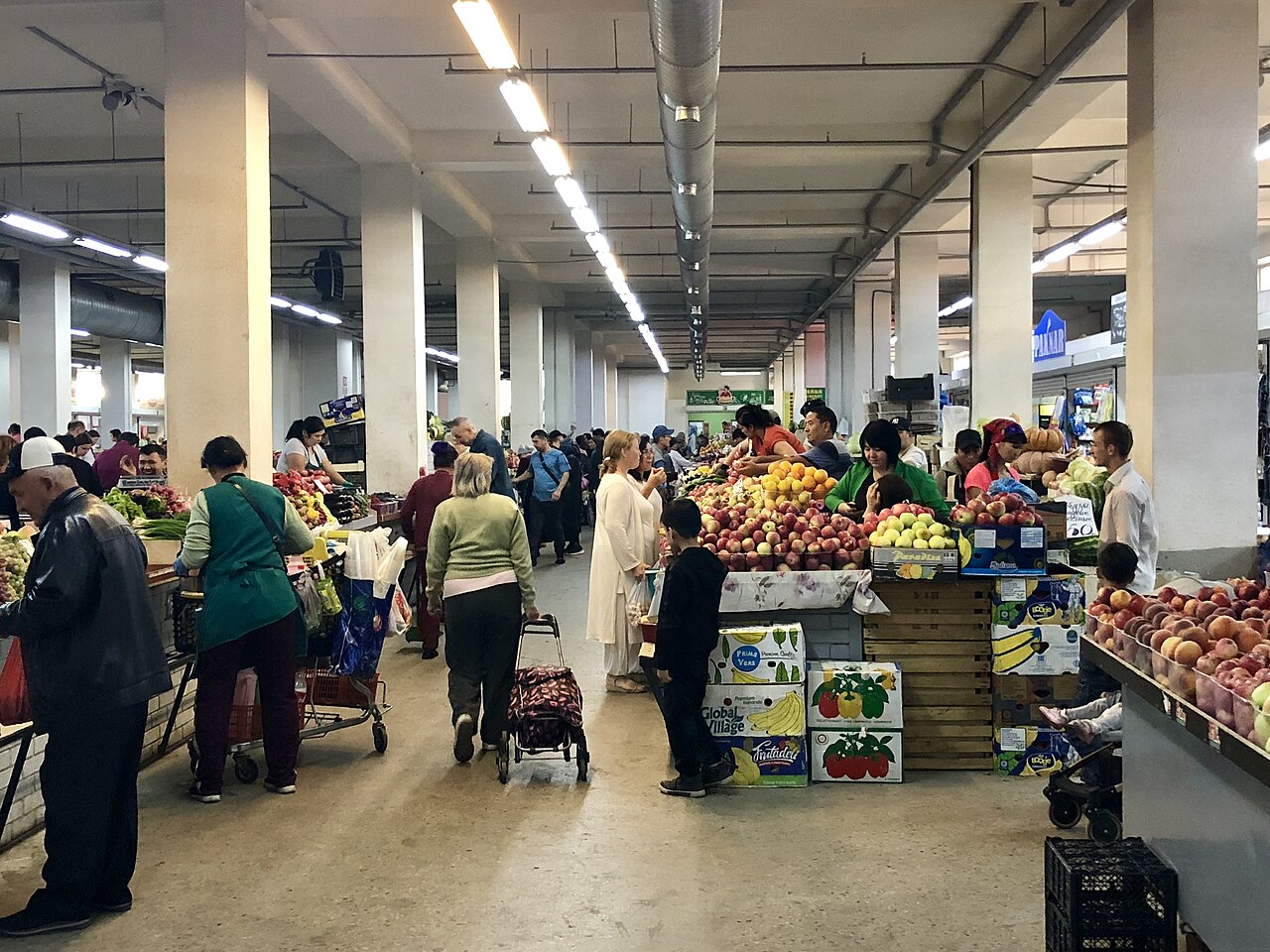
The thing genuinely worth buying here rather than bringing is winter accessories. Kazakh-made wool hats, scarves and gloves are made for this climate rather than for a mild European winter, they cost a fraction of the equivalent at home, and the Green Bazaar in Almaty is the obvious place to look. Your coat should still come from home, because that is a fit-critical item you do not want to be shopping for on day one.
View all 5 shopping options
| Shop type | Where to find | What to buy | Price level | Bargaining | Payment | Tips |
|---|---|---|---|---|---|---|
| Shopping malls | Almaty and Astana city centres | Western brands, familiar sizing | Comparable to Western Europe | Fixed price | Cards widely accepted | The fallback for anything you forgot or that failed. |
| Green Bazaar | Almaty, Zhibek Zholy | Wool hats, scarves, gloves, socks | Well below Western prices | Some room at the clothing stalls | Cash preferred | The best-value winter accessories in the country. |
| Supermarkets | Any city | Socks, underwear, basics | Similar to home | Fixed price | Cards accepted | Fine for emergencies, unremarkable otherwise. |
| Outdoor and sports shops | Almaty, near the mountain access roads | Thermals, fleeces, gloves | Moderate | Fixed price | Cards accepted | Where to fix an underestimated winter or an unplanned mountain day. |
| Brand outlets | Outskirts of the major cities | Discounted brand clothing | Below mall prices | Fixed price | Cards accepted | Worth the trip only if you have a spare half-day. |
Sizing notes
Clothing sold in the malls uses standard European sizing, so if you know your EU size you are fine. Market and locally made items run less consistent, so try things on rather than trusting the label. Larger shoe sizes are harder to find than larger clothing sizes.
The three things worth sorting before you fly
Everything else on this list is replaceable in an Almaty mall within an hour of landing. These three are the fit-critical ones, and the winter items in particular are worth owning before you arrive rather than shopping for on day one.
Links go to Amazon search results. As an Amazon Associate we earn from qualifying purchases.
The Bottom Line: Packing for Kazakhstan
Leave behind the mid-weight jacket that seems like a sensible compromise. It is the wrong item for both Kazakh seasons. Pick the season you are actually travelling in and commit to it, then use the Almaty malls as your safety net for everything else. For the non-clothing half of the bag, see the Kazakhstan packing list.
Travel Clothing FAQs
The questions that come up most often about dressing for Kazakhstan.
1Do women need to cover up in Kazakhstan?
No. Kazakhstan is a secular country and women dress as they would anywhere in Europe. The only exception is inside a working mosque, such as the Mausoleum of Khoja Ahmed Yasawi in Turkistan or Nur-Astana in the capital, where hair and shoulders are covered and shoes come off. Many sites lend a headscarf at the entrance.
2Can I wear shorts in Kazakhstan?
Yes, throughout the summer, in both cities and at the lakes. In small towns and the far south you will see fewer of them, but that is habit rather than a rule. In desert heat around Turkistan, loose long trousers are genuinely more comfortable than shorts because of the sun.
3How cold does it actually get in winter?
Astana averages 7 degrees F / -14 degrees C in February and regularly drops below -4 degrees F / -20 degrees C, which makes it one of the coldest capital cities in the world. Almaty is milder but still firmly below freezing. This is a real winter and a fashion coat is not enough.
4What is the single most important thing to get right?
Footwear, in both directions. In winter you need boots with real tread because pavements ice over rather than get cleared, and falls are the most common visitor injury. In summer you need walking shoes that can handle Charyn Canyon and the lake trails, not just city pavements.
5Which month is easiest to pack for?
September. It averages 59 degrees F / 15 degrees C, it is the driest month of the year at 29mm, the mountains are still open and the evenings are cold but manageable. One warm layer plus normal clothes covers the whole trip.
6Do I need waterproofs?
No month here is genuinely wet. Kazakhstan is semi-arid and every month sits between 24mm and 47mm. May is the peak at 47mm, and a packable shell is worth the space from spring through early autumn rather than for one month alone.
7Can I buy clothes there if I underpack?
Easily. Almaty and Astana both have full Western-brand shopping malls with European sizing, so anything forgotten is replaceable within an hour. Winter accessories at the Green Bazaar are better value than at home. The one item to bring rather than buy is your coat.
8What should I wear for the mountains near Almaty?
Whatever you are wearing in the city, plus a warm layer you carry up. Kolsai, Big Almaty Lake and Shymbulak sit high enough that a hot city afternoon becomes a cold one at altitude, and this catches out visitors on nearly every summer itinerary.
9Is traditional Kazakh dress something I will see?
Mainly at Nauryz on 22 March and at weddings. The embroidered chapan and tall kalpak hat are festival and ceremonial wear rather than daily clothing, so the everyday street looks much like any other.