


Imagine vast steppes stretching to the horizon, mountain peaks piercing the sky, and flamingos wading in remote lakes – Kazakhstan’s parks demand control and planning.
These are the 13 best national parks in Kazakhstan, picked from the country’s 24 national nature parks for how easy they are to reach and how much they reward the trip. Karkaraly and Katon-Karagay anchor the list with their rugged mountain scenery and rich fauna. Korgalzhyn (strict nature reserve) offers flamingo spectacles, while Altyn-Emel’s dunes and canyons showcase the country’s diverse landscapes. These parks define the offgrid adventure, demanding preparation and patience.
This guide provides concrete advice on permits, best seasons, and access points. Expect limited infrastructure, strict rules, and remote locations that reward careful planning. Use it to prioritize the 13 parks that reward the trip, those close enough to a hub city or with enough infrastructure to plan around, with high wildlife density and manageable logistics for a true offgrid experience.
Key Takeaways
- Permits required for Ustyurt and West Altai, check months in advance.
- Best months for wildlife are May through September.
- Crowds are minimal outside peak seasons, plan accordingly.
- Access often involves long drives and rough roads.
- Wildlife density varies; Korgalzhyn and Katon-Karagay top for fauna.
- Early morning and late afternoon are best for sightings.
- Camping is limited; plan for remote overnight stays.
- Seasonal restrictions may apply; verify before visiting.
Which of these parks are actually worth your time
These 13 picks are the best national parks in Kazakhstan out of the country’s 24 national nature parks, selected for how easy they are to reach from a hub city and how much infrastructure exists to plan a visit around. Start with Korgalzhyn (strict nature reserve) for flamingos and birdwatching, especially in May and September when lakes are alive with waterfowl. Katon-Karagay offers challenging hikes and Altai isolation, best in summer. Aksu-Zhabagly (strict nature reserve) is ideal for spring tulips and ranger-led walks, but requires permits. Parks like Ustyurt and West Altai (strict nature reserve) are for seasoned explorers only, due to access restrictions and minimal infrastructure. Skip parks with limited wildlife or difficult access unless you seek true solitude.
Overview of Kazakhstan’s National Parks
This table summarizes key data for the 13 parks that made the cut, plus the reserves worth knowing about, helping you plan your offgrid adventure.
| Park | Region | Size (km2) | Best months | Crowds | Verdict |
|---|---|---|---|---|---|
| Karkaraly National Park | – | null | Apr-Oct | Low | Worth a detour |
| Altyn-Emel National Park | – | null | Apr-Oct | Low | Worth a detour |
| Kokshetau National Park | – | null | May-Sep | Low | Worth a detour |
| Kölsay Lakes National Park | – | null | May-Sep | Low | Worth a detour |
| Katon-Karagay National Park | – | null | Jun-Sep | Low | Start here for mountain hikes |
| Ile-Alatau National Park | – | null | Jun-Sep | Low | Combine with Almaty city |
| Zhongar-Alatau National Park | – | null | Jun-Sep | Low | Combine with Ile-Alatau |
| Bayanaul National Park | – | null | May-Sep | Low | Good for quick escapes |
| Charyn National Park | – | null | May-Sep | Low | Best for canyon views |
| Sayram-Ugam National Park | – | null | May-Sep | Low | Good for hiking and birding |
| Tarbagatai National Park | – | null | May-Sep | Low | Remote, for experienced hikers |
| Burabay National Park | – | null | May-Sep | Low | Accessible, but less wildlife |
| Aksu-Zhabagly Nature Reserve (strict nature reserve) | – | 1319 | Apr-Sep | Moderate | Best for spring tulips |
| Markakol State Nature Reserve (strict nature reserve) | – | 1029 | Jun-Sep | Low | For true Altai isolation |
| West Altai State Nature Reserve (strict nature reserve) | – | 561 | Jun-Sep | Low | Skip unless botanist |
| Naurzum Nature Reserve (strict nature reserve) | – | 1914 | May-Sep | Low | Best in May for waterfowl |
| Korgalzhyn State Nature Reserve (strict nature reserve) | – | 5430 | May-Sep | Low | Top for flamingos |
| Buiratau National Park | – | 882 | May-Sep | Low | Backup for flamingo season |
| Ustyurt Nature Reserve (strict nature reserve) | – | 2233 | Apr-Nov | Very Low | For seasoned explorers only |
| Alakol State Nature Reserve (nature reserve) | – | 657 | Jun-Sep | Low | For a quick swim stop |
| Karatau State Nature Reserve (nature reserve) | – | 343 | Apr-Oct | Low | Spring bloom alternative |

Where these parks are
Kazakhstan National Parks: Offgrid Adventures for the Prepared Explorer
These 13 parks are evaluated through the lens of offgrid adventurers who prioritize control, safety, and efficiency, picked from Kazakhstan’s 24 national nature parks for reachability and reward. This guide highlights which parks deliver genuine wilderness experiences and which require careful planning or should be skipped unless seeking solitude. Focus is on terrain, wildlife, access, and seasonality to help you make informed decisions.
Karkaraly National Park
Verdict
Skip this one unless you seek a low-key, accessible nature experience; wildlife density is limited and infrastructure is basic.
Karkaraly offers rolling hills, sparse forests, and a quiet atmosphere. It’s suitable for short hikes and camping, but wildlife sightings are rare and the terrain is gentle. The park provides a straightforward escape into Kazakhstan’s steppe landscape, ideal for those wanting a quick, controlled outing.
Located in the Karaganda Region, it’s accessible by local roads from nearby towns. Expect few visitors outside peak weekends; weekdays are quieter. The park’s facilities are minimal, and some trails are unmarked, so bring your navigation gear. Be aware that weather can change rapidly in the hills, especially in spring and fall.
- Best time: May to September
Wildlife to look for: roe deer · foxes · ground squirrels · wildflowers
What to do: short forest walks · wildlife watching · camping · picnicking
Why it earns the detour:
- The panoramic views from the Karkaraly Peak are accessible via a moderate trail that rewards with wide vistas.
- The park’s remote location means fewer visitors, especially outside summer weekends.
- Camping options are available but basic; plan to bring your own gear and supplies.
- Wildlife sightings are infrequent but include foxes and small mammals during dawn and dusk.
- The park is best visited in late spring or early fall when weather is stable and wildlife activity peaks.
Insider tip
Start your hike early in the morning and avoid weekends; bring a GPS device as trail markings are limited.

Altyn-Emel National Park
Verdict
A worthwhile destination for offgrid explorers willing to navigate basic infrastructure; wildlife and scenery justify the effort.
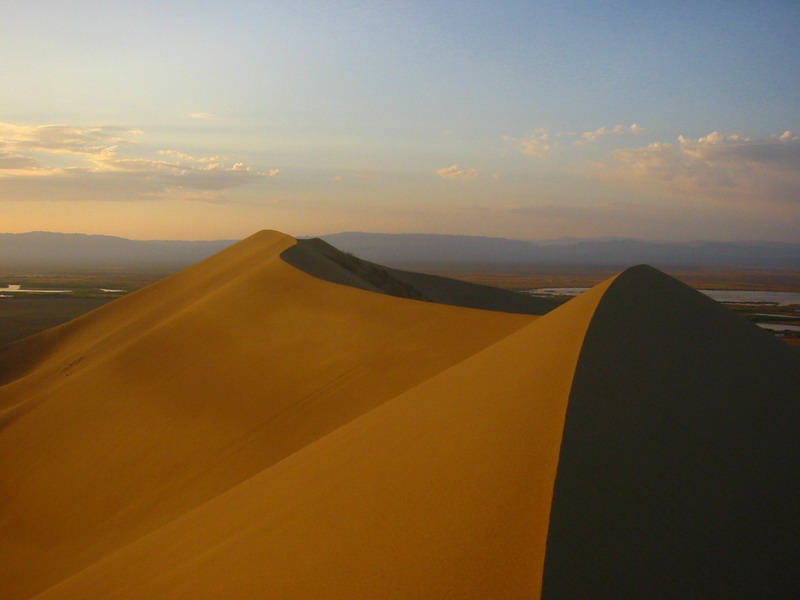
Altyn-Emel features vast steppes, sand dunes, and rare wildlife like the saiga antelope. It’s a rugged park with limited facilities, demanding self-sufficiency. The landscape varies from desert to semi-forests, offering a true Kazakhstan wilderness experience for those prepared to plan ahead.
Located in the southeastern part of the country, access is via rough roads from regional hubs. Expect few visitors outside guided tours; self-drive requires a high-clearance vehicle. Some areas, like the Aktau Dunes, are remote and can be challenging to reach without local knowledge. Weather can be extreme, so pack accordingly.
- Best time: April to June and September to October
Wildlife to look for: saiga antelope · steppe eagles · foxes · wild tulips
What to do: desert hikes · wildlife observation · offroad driving · birdwatching
Why it earns the detour:
- The Aktau Dunes are a vast, shifting landscape perfect for offroad exploration and photography.
- Spring brings wild tulips and other rare plants, making it ideal for botanists and nature lovers.
- Guided tours can enhance wildlife sightings, but self-guided exploration is possible with proper planning.
- The park’s remote location means limited services; bring sufficient water and fuel.
- Visit in early spring or late autumn for milder weather and active wildlife.
Insider tip
Use a high-clearance vehicle and carry extra fuel; avoid the park’s more remote zones without local guidance.

Kokshetau National Park
Verdict
Recommended for physically fit explorers seeking challenging hikes and diverse terrain; wildlife is present but not abundant.
Kokshetau combines forested hills, lakes, and rocky outcrops, offering demanding trails and scenic viewpoints. It’s a good choice for those wanting a mix of hiking and solitude, with some archaeological sites along the way. The terrain is rugged, with steep ascents and technical sections, perfect for experienced hikers.
Situated in northern Kazakhstan, access is straightforward from regional centers. Expect moderate crowds during summer weekends; weekdays are quieter. Trails are well-marked but require good navigation skills. Weather can be unpredictable, especially at higher elevations, so prepare for sudden changes.
- Best time: May to September
Wildlife to look for: elk · brown bears · golden eagles · wildflowers
What to do: multi-day hikes · rock scrambling · wildlife spotting · lake kayaking
Why it earns the detour:
- The summit of Mount Kokshetau offers panoramic views after a challenging climb.
- Archaeological sites along the trails reveal ancient settlements and petroglyphs.
- The park’s lakes are suitable for kayaking, with quiet coves ideal for solitude.
- Technical trails require good fitness and navigation skills; avoid if unprepared.
- Best visited in late spring or early fall when trails are less crowded and weather is stable.
Insider tip
Start your hike early and carry a topographic map; some trails are unmarked and require GPS navigation.
Kölsay Lakes National Park- Best time: May to September
Verdict
Suitable for offgrid explorers seeking remote lakes and minimal infrastructure; wildlife is modest but the scenery is rewarding.
Kolsay Lakes are a series of alpine lakes surrounded by forested slopes and rocky peaks. The area is quiet, with limited facilities, demanding self-sufficient planning. The lakes are accessible via a moderate trail, but the surrounding terrain remains wild and less developed.
Located near Almaty, the park is reachable by a well-maintained road, but parking and services are limited. Expect few visitors outside peak summer weekends; weekdays are much quieter. Weather can change quickly, especially in the mountains, so pack accordingly. The trail to the lakes is popular but still offers solitude if started early.
- Best time: May to September
Wildlife to look for: ibis billbirds · mountain goats · wildflowers · waterfowl
What to do: mountain hiking · wildlife observation · lake swimming · photography
Why it earns the detour:
- The upper Kolsay Lake offers crystal-clear waters and dramatic mountain views.
- Early morning visits provide the best chance to see waterfowl and mountain goats.
- The trail is accessible for experienced hikers; technical skills are not required but good fitness is necessary.
- Camping is possible near the lakes, but facilities are minimal; bring your own gear.
- Visit in late spring or early autumn for fewer crowds and stable weather.
Insider tip
Use a GPS device and carry extra water; avoid the more popular trail during peak midday hours.
Katon-Karagay National Park- Best time: July to September
Verdict
A top choice for serious offgrid explorers willing to navigate remote terrain; wildlife and rugged landscapes justify the effort.
Katon-Karagay is Kazakhstan’s largest national park, with high-altitude forests, mountain streams, and alpine meadows. It’s suited for multi-day hikes and remote camping, with few facilities. The park’s vastness and border location mean it’s ideal for those seeking true wilderness and solitude.
Located on the eastern edge, access is via rough roads from regional hubs. Expect minimal infrastructure and limited services; a high-clearance vehicle and local guides are recommended. Some areas are difficult to reach without detailed planning, especially in winter or early spring. Weather can be severe, with snow lingering into late spring.
- Best time: July to September
Wildlife to look for: snow leopards · brown bears · mountain goats · eagles
What to do: multi-day trekking · wildlife tracking · remote camping · mountain photography
Why it earns the detour:
- The border region offers unique opportunities for wildlife tracking, including rare snow leopards.
- High-altitude meadows bloom with wildflowers in summer, attracting botanists and photographers.
- The park’s remote valleys are perfect for solitude, with no crowds or infrastructure.
- Guided multi-day hikes are recommended to navigate the challenging terrain safely.
- Visit in late summer when the weather is more stable and wildlife activity peaks.
Insider tip
Arrange permits and guides well in advance; avoid winter visits unless experienced in snow travel.
Ile-Alatau National Park- Best time: May to September
Verdict
A good choice for offgrid hikers near Almaty, but expect limited wildlife and basic facilities; plan carefully.
Ile-Alatau features rugged mountains, alpine lakes, and forested slopes just south of Almaty. It’s suitable for day hikes and short overnight trips, with some technical sections. The terrain is steep and often remote, demanding good navigation skills and physical fitness.
Located close to the city, access is straightforward, but some trailheads require a 4WD or local transport. Expect crowds during weekends, especially in popular areas like Big Almaty Lake. Weather can be unpredictable, with sudden storms common in summer. Facilities are limited outside main trailheads, so bring your own supplies.
- Best time: May to September
Wildlife to look for: ibis billbirds · mountain goats · eagles · wildflowers
What to do: day hikes · wildlife watching · mountain photography · short overnight camping
Why it earns the detour:
- Big Almaty Lake offers stunning views after a moderate hike, popular but still manageable for fit explorers.
- The park’s rugged terrain provides opportunities for technical scrambling and photography.
- Wildlife sightings are possible during early mornings, especially eagles and mountain goats.
- The park is accessible from Almaty, but avoid peak weekends to escape crowds.
- Spring and early summer are best for wildflower blooms and stable weather.
Insider tip
Start your hike early and carry a GPS; some trails are unmarked and require navigation skills.
Zhongar-Alatau National Park- Best time: June to September
Verdict
Suitable for experienced offgrid explorers interested in unique ecology; limited wildlife and infrastructure make it a niche choice.
Zhongar-Alatau is known for its glaciated peaks, wild fruit forests, and isolated valleys. It’s a remote park with few visitors, ideal for those seeking solitude and ecological diversity. The forests support wild apricots, cherries, and currants, making it a botanist’s haven.
Located in southeastern Kazakhstan, access is via rough roads from regional centers. Expect minimal facilities and challenging terrain; a high-clearance vehicle and local guides are recommended. Weather can be severe, especially in winter, so plan visits in summer or early fall. Trails are unmarked in many areas, requiring good navigation skills.
- Best time: June to September
Wildlife to look for: wild fruit trees · wild boars · eagles · mountain flowers
What to do: ecological hikes · wildlife observation · botanical surveys · remote camping
Why it earns the detour:
- The forests support wild fruit trees like apricots and cherries, rare in other parks.
- The rugged terrain offers challenging hikes with rewarding views of glaciers and valleys.
- Wildlife is modest but includes eagles and wild boars, best seen at dawn or dusk.
- The park’s remoteness means no crowds, but also limited services; plan accordingly.
- Visit in summer for the best weather and ecological activity.
Insider tip
Use a GPS and carry extra supplies; avoid the more remote zones without local guidance.
Burabay National Park- Best time: May to September
Verdict
Skip this one unless you want a straightforward forest and lake experience near Astana; wildlife density is moderate and the landscape is accessible without complex planning.
Burabay offers a mix of forested hills, lakes, and rocky outcrops. It’s a good option for quick escapes from the city, with easy trails and scenic views. The landscape is shaped by volcanic activity, creating rugged terrain and clear lakes. Expect well-marked paths and some developed viewpoints. It’s suitable for a half-day trip or a relaxed day hike.
Located in Aqmola Region, Burabay is accessible by car from Astana in about 2 hours. It can get crowded on weekends, especially in summer, so start early or visit on a weekday. The main roads are paved, but some trails may be muddy after rain. Be aware that some popular spots can be busy, so plan your visit for early morning or late afternoon.
- Best time: May to September
Wildlife to look for: elk · roe deer · gray wolf · common waterfowl
What to do: walk along forest trails · visit lakeside viewpoints · photograph rock formations · picnic in designated areas
Why it earns the detour:
- Climb the Kokshetau massif for panoramic views of the surrounding lakes and forests.
- Explore the Bolektau Rocks, a series of volcanic outcrops with accessible trails.
- Visit the Burabay resort area for basic amenities and local food options.
- Take a boat ride on Lake Borovoye for a different perspective of the landscape.
- Use the main entrance gate early in the morning to avoid the weekend crowds and secure parking.
Insider tip
Start your day at the northern entrance and hike towards the Kokshetau summit for the best views without the crowds.
Aksu-Zhabagly Nature Reserve (strict nature reserve)- Area: 1319 km2
- Best time: April to May
Verdict
Visit only in spring or early summer when wild tulips bloom; it’s worth the effort for serious nature lovers, but permits and guides are required.
Aksu-Zhabagly (strict nature reserve) is Kazakhstan’s oldest protected area, famous for its carpets of wild tulips in April and May. The reserve’s rugged terrain includes gorges, waterfalls, and alpine meadows. Guided tours are mandatory, and access is limited to registered guides from Zhabagly village. The landscape is a mix of steppe and mountain flora, with some wildlife like ibex and marmots.
Located in the Western Tien Shan, it’s best reached by a 2-3 hour drive from the nearest town. The area sees fewer visitors outside the tulip season, making it ideal for solitude. Permits are needed for entry, and most tours are organized through local agencies. The terrain involves some steep, uneven paths, so be prepared for a physically demanding visit.
- Area: 1319 km2
- Best time: April to May
Wildlife to look for: ibex · marmots · Greigii tulips · kaufmanniana tulips
What to do: guided mountain walks · wildflower viewing · birdwatching · petroglyph exploration
Why it earns the detour:
- Witness the tulip carpets in full bloom, a rare spectacle in Central Asia.
- Hike the Zhabagly Gorge for waterfalls and panoramic mountain views.
- Visit the petroglyph sites above the gorge, dating back thousands of years.
- Join a ranger-led walk to learn about local flora and fauna.
- Plan your visit for late April or early May to catch the tulip bloom at its peak.
Insider tip
Book your guide and permit well in advance, and focus on the Zhabagly Gorge trail for the best wildlife and scenery.
Markakol State Nature Reserve (strict nature reserve)- Area: 1029 km2
- Best time: July to August
Verdict
Skip unless you already explored Katon-Karagay and seek true Altai isolation; this park demands serious planning and is suited for experienced off-grid explorers.
Markakol (strict nature reserve) is a remote mountain reserve in East Kazakhstan, centered around the 48 km² Markakol Lake. The terrain features high-altitude forests, alpine meadows, and rugged peaks. It offers challenging hikes and a chance to see endemic species like uskuch fish and brown bears. The area is largely untouched, with few facilities and limited access points.
Reaching Markakol requires a long drive from major hubs, with permits needed for border zone entry. The park is best visited in summer, July and August, when trails are accessible. Expect minimal infrastructure; most routes involve off-road driving and multi-day hikes. The region is isolated, with few services or guided options available locally.
- Area: 1029 km2
- Best time: July to August
Wildlife to look for: brown bears · uskuch fish · golden eagles · mountain goats
What to do: multi-day mountain hikes · wildlife tracking · fishing in Markakol Lake · backcountry camping
Why it earns the detour:
- Experience the solitude of the Altai mountains away from tourist routes.
- Hike the challenging trails to the summit of Mount Markakol for panoramic views.
- Spot endemic fish species in the lake and streams.
- Observe rare wildlife like golden eagles and mountain goats in their natural habitat.
- Prepare thoroughly: bring supplies, maps, and be ready for unpredictable weather.
Insider tip
Coordinate your permit and guide arrangements well in advance, and plan for at least 3 days of hiking and camping.
West Altai State Nature Reserve (strict nature reserve)- Area: 561 km2
- Best time: June to September
Verdict
Skip unless you are a dedicated botanist; the reserve’s landscapes are similar to surrounding areas, but access is restricted and guided-only.
West Altai (strict nature reserve) is a strict reserve protecting Siberian cedar forests at elevations up to 2800 meters. Its landscapes include dense old-growth forests and high-altitude meadows. The reserve is primarily for research, with limited public access. The surrounding buffer zone offers some day-hikes, but the core area is off-limits without special permits.
Located north of Ridder, the reserve requires research permits for entry, which are difficult to obtain. The buffer zone allows short walks, but expect minimal infrastructure. Visiting outside the main research season is not possible. The terrain involves steep forested slopes and remote trails, suitable only for experienced hikers with permits.
- Area: 561 km2
- Best time: June to September
Wildlife to look for: Siberian cedar · Siberian roe deer · Siberian blue robin · Siberian pine
What to do: day-hikes in buffer zone · botanical surveys · birdwatching · nature photography
Why it earns the detour:
- See ancient Siberian cedar forests that are rare in the region.
- Hike in the buffer zone for a chance to spot Siberian roe deer and birds.
- Enjoy the quiet and undisturbed landscape, ideal for nature photography.
- Learn about the ecological significance of the reserve from local guides.
- Avoid the core zone unless you have research permits and are part of a scientific project.
Insider tip
Plan your visit through a registered guide and focus on the buffer zone trails for a safe, legal experience.
Naurzum Nature Reserve (strict nature reserve)- Area: 1914 km2
- Best time: May to September
Verdict
Visit in spring or early summer for migratory bird spectacle; it’s a quiet steppe reserve with good birdwatching, but wildlife viewing is seasonal and limited outside migration periods.
Naurzum (strict nature reserve) is a vast steppe reserve with salt lakes, pine forests, and wetlands. It’s a prime spot for birdwatchers, especially in May and September when waterfowl gather. The landscape is flat, with demoiselle cranes and white-tailed eagles as highlights. The reserve offers a peaceful environment for off-grid exploration.
Located in Kostanay Region, access is via the Karamendi ranger station. The best months are May to September, with May and September being peak migration times. Roads are mostly gravel and can be rough after rain. Expect minimal facilities; bring your own supplies and be prepared for a remote experience.
- Area: 1914 km2
- Best time: May to September
Wildlife to look for: demoiselle cranes · white-tailed eagles · elk · wild boar
What to do: birdwatching during migration · wildlife photography · walking along wetlands · exploring pine forests
Why it earns the detour:
- Witness the spectacle of thousands of waterfowl during migration seasons.
- Spot white-tailed eagles nesting on the lakeshores.
- Explore the salt lakes with mineral-rich waters and pink algae.
- Enjoy the quiet steppe landscape away from tourist crowds.
- Visit in May or September for the best bird activity and fewer visitors.
Insider tip
Arrive at the Karamendi station early and focus on wetlands and lakes for the best birdwatching opportunities.
Korgalzhyn State Nature Reserve (strict nature reserve)- Area: 5430 km2
- Best time: May to September
Verdict
A worthwhile half-day trip from Astana for flamingo viewing; it’s accessible, with reliable bird populations, but avoid peak weekends to beat the crowds.
Korgalzhyn (strict nature reserve) is a UNESCO-listed steppe and lake reserve, famous for its large flamingo colonies. The lakes are shallow and attract waterfowl from May to September. The reserve’s terrain is flat, with accessible routes for wildlife viewing. It’s ideal for a quick, wildlife-focused outing from the capital.
130 km southwest of Astana, it’s easiest reached by car or organized tour. The best time is May through September, when flamingos are nesting and waterfowl are abundant. Expect a 90-minute drive plus a ranger-led 4WD tour to the flamingo lakes. Weekends can be crowded, so plan for early morning visits.
- Area: 5430 km2
- Best time: May to September
Wildlife to look for: greater flamingos · saiga antelope · waterfowl · terns
What to do: birdwatching at Tengiz lake · ranger-guided 4WD tours · photographing flamingos · short walks around lakes
Why it earns the detour:
- Observe the largest flamingo colonies in the world at Tengiz lake.
- See saiga antelope roaming the steppe during early mornings.
- Join a ranger-led tour for close-up wildlife encounters.
- Capture photos of flamingos with the sunrise or sunset for best light.
- Plan your visit in May or June for the peak of bird nesting.
Insider tip
Book your tour and permit in advance, and start your day at dawn for the best flamingo activity.
Other national parks worth knowing
Kazakhstan runs 24 national nature parks in total, and the 13 above cover the ones easiest to build a trip around. These are worth knowing if you have more time or a specific region already on your route.
- Charyn National Park: home to the Charyn Canyon east of Almaty, a smaller echo of the Grand Canyon carved by the Charyn River.
- Bayanaul National Park: granite outcrops and lakes in the Pavlodar Region, one of Kazakhstan’s oldest protected landscapes.
- Sayram-Ugam National Park: borders Aksu-Zhabagly in the Western Tien Shan, with high-altitude hiking and fewer visitors.
- Tarbagatai National Park: a remote range near the Chinese border, mostly visited by experienced hikers.
- Buiratau National Park: steppe and lake habitat near Korgalzhyn, a quieter alternative during flamingo season.
- Alakol State Nature Reserve (nature reserve): protects the shoreline of Lake Alakol, a saline lake known for its mineral-rich water.
When to go, and what to do if your dates are fixed
Timing is the most critical factor when planning a trip to Kazakhstan’s parks. The seasonal variations determine wildlife activity, accessibility, and the overall experience, especially for offgrid adventurers seeking solitude and raw nature.
The spring season, and why it is prime
April to early June
Spring offers the best chance to see wildflowers bloom across the steppes and mountain valleys, especially in Aksu-Zhabagly and Korgalzhyn. Wildlife becomes more active, and migratory birds arrive in large numbers, creating excellent wildlife viewing opportunities. Expect moderate crowds at popular spots like Korgalzhyn during this period. Prepare for variable weather – some snow may linger in higher elevations, so pack accordingly.
The summer months, and why they are challenging
June to August
Summer brings warmer temperatures, especially in lowland reserves like Naurzum and Buiratau, making daytime activities more comfortable. However, many mountain parks, such as Ile-Alatau and Katon-Karagay, can become crowded with local visitors and tourists. Trails may be busier, and some remote areas can be less accessible due to snowmelt or seasonal closures. Use early mornings for wildlife spotting and avoid peak midday heat.
The autumn season, and why it is underrated
September to October
Autumn offers cooler weather and fewer visitors, ideal for offgrid exploration. The fall foliage in the mountains adds to the landscape’s drama, especially in Zhongar-Alatau and West Altai. Wildlife activity diminishes but remains rewarding, with some species preparing for winter. Be aware that some high-altitude routes may close as snow begins to fall later in October.
- Wildlife migration at Korgalzhyn – approximately May to early June
This is the peak period when hundreds of thousands of waterfowl gather at the lakes, offering a rare chance to observe large-scale bird migration in a remote setting. Parks: Korgalzhyn State Nature Reserve - Wild tulip bloom in Aksu-Zhabagly – late April to early May
The wild tulip bloom transforms the landscape into a sea of color, making it the best time for offgrid flower enthusiasts to visit. Parks: Aksu-Zhabagly Nature Reserve
How to dodge crowds and optimize your experience
Visit parks during weekdays and outside of local holidays to avoid local crowds. Early mornings and late afternoons are quieter, especially in popular reserves like Korgalzhyn and Buiratau. If possible, plan your trip in shoulder seasons – spring and autumn – when visitor numbers are lower. Be prepared for some remote areas to have minimal facilities, and always check access conditions before heading into mountain parks.
Country-wide permit trick
Always secure your permits through the official government portal well in advance – at least four weeks before your planned visit. Many reserves, especially those requiring guides like Aksu-Zhabagly, have limited daily quotas, and last-minute applications are often rejected or delayed. Planning ahead ensures smooth access and avoids unnecessary delays.
Choosing the right park for your travel style
Use this table to match your travel archetype with the best park option in Kazakhstan. Each recommendation is based on terrain, access, and experience level.
| Traveler type | Best park for them | Why |
|---|---|---|
| Wildlife photographer | Korgalzhyn State Nature Reserve (strict nature reserve) | Reliable flamingo sightings and diverse wetlands for bird photography. |
| Family with young children | Burabay National Park | Easy trails, lakes, and accessible facilities make it suitable for kids. |
| Hard-hiking pair | Katon-Karagay National Park | Challenging trails, high-altitude hikes, and remote scenery for experienced hikers. |
| First-time nature traveler | Burabay National Park | Accessible landscapes and well-marked paths provide a gentle introduction. |
| Comfort-first traveler | Aksu-Zhabagly Nature Reserve (strict nature reserve) | Guided tours and permits ensure a comfortable, hassle-free experience. |
| Budget/off-grid traveler | Karatau State Nature Reserve | Fewer agencies, more direct ranger-led walks, and lower costs. |
Step-by-step planning for Kazakhstan parks
Follow these concrete steps to organize your offgrid adventure efficiently and safely.
Decide which parks align with your interests and season timing, focusing on permits and access restrictions.
Check the official government or park websites for permit requirements and processing times, especially for Aksu-Zhabagly and Markakol.
Book permits at least four weeks in advance via the Kazakhstan e-government portal or through authorized local guides.
Arrange transport – consider renting a 4WD vehicle for remote parks like Markakol or Ustyurt, or plan guided transfers for parks with strict access rules.
Prepare gear suited for variable mountain and steppe conditions: layered clothing, sturdy hiking boots, binoculars, and a camera with extra batteries.
Carry sufficient cash in local currency for entrance fees, guide services, and tips – many parks do not accept cards.
Review park-specific rules: stay on designated trails, respect wildlife, and avoid drone use unless explicitly permitted.
On the day, confirm permit validity, park opening hours, and weather conditions. Follow local guidelines for safety and conservation.
Frequently asked questions about Kazakhstan parks
1Can I visit Korgalzhyn without a guide?
No, access to the flamingo lake at Tengiz requires a ranger-led 4WD tour from Astana, and permits must be arranged in advance.
2When is the best time to visit Aksu-Zhabagly for wild tulips?
Late April to early May offers the peak bloom, but check local guides for exact timing as it varies slightly year to year.
3Are there entrance fees for Burabay National Park?
Yes, expect to pay a small fee (~$10) at the main entrance, with additional charges for guided activities or boat rentals.
4Is it safe to hike alone in Markakol?
Only if you are experienced, have a local guide, and inform someone of your itinerary. The park’s remoteness demands caution.
5Can I camp overnight in West Altai?
No, overnight stays are restricted to research permits. Day hikes are possible from the surrounding buffer zone in Ridder.
6Are drones allowed in Kazakhstan’s national parks?
Drones are generally prohibited unless explicitly permitted by park authorities; always check local regulations before use.
7What is the typical permit cost for remote parks like Ustyurt?
Permits usually cost around $50-$100 and must be obtained through a registered guide or the park’s official channels.
8What safety precautions should I take in steppe reserves?
Carry sufficient water, inform someone of your plans, avoid wildlife disturbances, and be prepared for sudden weather changes.
Some links on this page are affiliate links. We may earn a small commission at no extra cost to you when you book through them.