


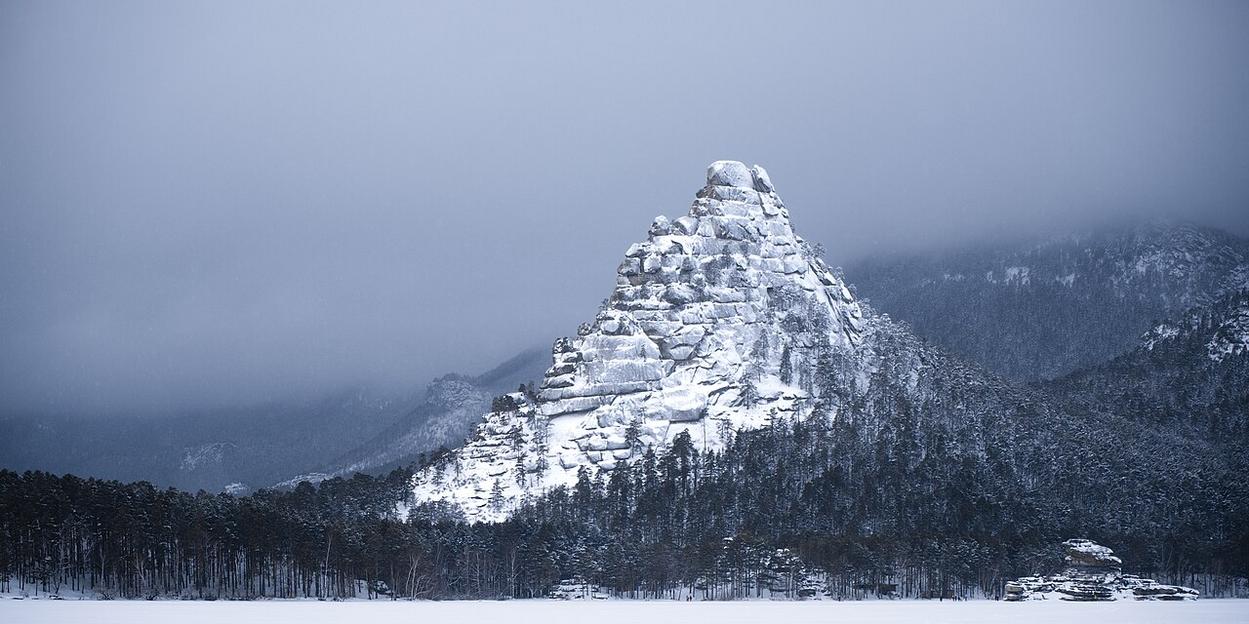
Hear pine needles crunch underfoot on the forest trail near Lake Shchuchye’s rocky shoreline at dawn.
Burabay National Park is a protected area of pine forests, clear lakes, and granite outcrops in northern Kazakhstan, about 90 miles / 145 km from Astana. Visitors come mainly for active outdoor adventures like lakeside hiking and rock scrambling around Lake Shchuchye and the Burabay resort zone. The park’s northern steppe setting offers a different wildlife and landscape focus than southern Kazakhstan’s deserts. The Burabay resort area has tourist infrastructure but lacks the remoteness of more isolated reserves. Expect early mornings for guided wildlife walks and midday breaks to avoid the heat. Staying inside the buffer zone at an eco-lodge gives the best access to wildlife and natural features without the crowds found near the main resort.
Hike the granite rock trails around Lake Shchuchye for wildlife spotting, scramble the granite outcrops near Burabay resort, kayak on Lake Borovoe, and join early morning guided nature walks for the best animal sightings.
Key takeaways
- Book a certified naturalist guide for 5 AM wildlife walks inside the buffer zone.
- Stay at an eco-lodge near Lake Shchuchye for direct access to wildlife habitats.
- Avoid midday hikes; rest between 11 AM and 3 PM to beat the heat.
- Entry fees to the park are around $10 per day, 2026, payable at the main gate.
- Rent kayaks on Lake Borovoe in the afternoon for calm water and fewer crowds.
- The Burabay resort zone has more tourists; choose lodges in the buffer zone for quiet.
- Pack sturdy shoes for granite rock scrambles; some trails require moderate climbing.
Why visit Burabay National Park
Burabay National Park stands out from Kazakhstan’s Karkaraly and Charyn Canyon by combining clear lakes with granite rock formations in the northern steppe. Unlike the arid canyons, Burabay offers pine forests and easy rock scrambles around Lake Burabay. The park’s mix of lakeside trails and granite outcrops creates an active outdoor playground rarely found in the region. Its proximity to Astana makes it a practical base for multi-day wildlife and nature adventures focused on hiking and scrambling.
- Explore granite outcrops like Okzhetpes Rock, ideal for scrambling and panoramic views over pine forests and lakes.
- Book certified naturalist-guided walks starting at 5 AM to catch wildlife active near Lake Shchuchye’s shores.
- Stay inside the buffer zone at eco-lodges that prioritize ethical wildlife viewing and minimize disturbance.
- Avoid the weekend crowds by visiting midweek; locals flood Burabay on Saturdays, limiting trail access and parking.
- Unlike Charyn Canyon’s dry heat, Burabay’s northern steppe climate offers cooler mornings perfect for early hikes.
Best for
Solo travelers focused on wildlife and active hiking will appreciate Burabay’s early guided walks and scrambling routes. Mid-range budget travelers who want eco-lodge stays inside the park’s buffer zone will find the rhythm of morning walks and afternoon rests suits the climate and terrain.
Skip if
Skip Burabay if you want desert landscapes or dramatic canyon hikes; head to Charyn Canyon instead for those experiences.
Top things to do in Burabay National Park
1. Granite Rock Scrambles at Okzhetpes ·
Climb the granite outcrop Okzhetpes for panoramic views and a hands-on adventure in the northern steppe’s signature terrain.
Okzhetpes is a prominent granite outcrop rising sharply from the northern steppe, offering a hands-on scramble rather than a simple hike. The climb involves navigating rocky ledges and small boulders, rewarding you with sweeping views over Lake Burabay and the surrounding pine forests. Licensed local guides lead groups from the trailhead near the park’s main entrance, ensuring safe passage and sharing insights on the geology and local legends tied to the rock. The scramble demands sturdy footwear and moderate fitness but avoids technical climbing gear. Book on GetYourGuide.
This scramble offers direct contact with the park’s signature granite formations, unlike the forest trails that focus on flora and fauna. It’s the best way to experience the northern steppe’s rugged terrain up close.
- When: Start early morning between 7:00 AM and 9:00 AM to avoid midday heat and afternoon winds, ideally from May through September when the rock is dry and safe.
- Cost: ~$25, 2026
- Duration: 2-3 hours
- How to reach: Reach the Okzhetpes trailhead by rental car or local shuttle from the Burabay village center, following the main park road north for about 2 miles / 3 km to the marked parking area.
Insider tip: If closed
If weather or conditions close Okzhetpes, hike the nearby Burabay Pine Forest Trails for a less strenuous but still scenic option.
2. Guided Early-Morning Wildlife Walk ·
Join a certified naturalist for a 5 AM walk to spot elk, roe deer, and rare birds before midday heat sets in.
This guided walk starts at dawn from an eco-lodge inside the park’s buffer zone, where certified naturalists lead small groups along quiet forest paths. The early start maximizes wildlife sightings, including elk grazing near the lakeshore and roe deer slipping through pine groves. Birdwatching is strong here, with chances to see black storks and woodpeckers. The guides share detailed knowledge about animal behavior and conservation efforts, making it more than a casual stroll. The walk ends by 8:00 AM, allowing time to return to the lodge for breakfast and midday rest. Book on GetYourGuide.
This walk beats self-guided options by focusing on animal activity peaks and using expert knowledge to find elusive species, unlike the afternoon boat tours that focus on scenery.
- When: Book for early morning, 5:00 AM to 8:00 AM, from late May to early September when animals are most active and weather is mild.
- Cost: ~$40, 2026
- Duration: 3 hours
- How to reach: Most eco-lodges inside the buffer zone arrange pickup from Burabay village; otherwise, walk or bike 1-2 miles / 1.5-3 km from the village center to the lodge.
Insider tip: If closed
If wildlife walks are unavailable, schedule the late-afternoon boat tour on Lake Burabay for a different perspective on the park’s ecosystem.
Solo female travel: Joining small guided groups through eco-lodges inside the buffer zone offers a controlled environment with vetted guides, enhancing safety for solo female travelers.
3. Boat Tour on Lake Burabay ·
Take a late-afternoon boat ride to explore the clear waters and granite islands, combining active movement with scenic calm.
The boat tour departs from the main pier near Burabay village in the late afternoon, cruising around Lake Burabay’s clear waters and granite islands. The ride lasts about 90 minutes, passing close to rocky outcrops and pine-covered islets that are otherwise inaccessible on foot. Guides point out nesting birds and explain the lake’s geology and local folklore. The timing avoids midday heat and captures the soft light on the granite surfaces. Bring a light jacket as the breeze picks up on the water. Book on GetYourGuide.
This tour complements the land-based hikes by offering a water-level view of the granite formations and pine forests, which you can’t get from the trails or rock scrambles.
- When: Book for late afternoon, around 4:00 PM to 6:00 PM, from June through early September when the lake is calm and warm enough for comfort.
- Cost: ~$30, 2026
- Duration: 1.5 hours
- How to reach: Walk or take a short taxi ride from Burabay village center to the main pier on Lake Burabay’s southern shore.
Insider tip: If closed
If the lake is too windy or cold for boating, opt for the morning wildlife walk inside the buffer zone instead.
4. Hiking the Burabay Pine Forest Trails ·
Trek through dense pine forests on marked trails that reveal the park’s diverse flora and occasional wildlife sightings.
The Burabay Pine Forest Trails weave through dense stands of pine and birch, offering moderate hikes on well-marked paths like the Sosnovka Loop near the park’s southern edge. Along the way, you’ll spot wildflowers, mushrooms, and signs of wildlife such as tracks or distant calls. The trails vary from 2 to 5 miles / 3 to 8 km / 3 to 8 km, suitable for half-day treks. Local guides or eco-lodges can provide maps and advice, but the routes are easy to follow independently. The forest canopy offers shade, making it a good option for midday activity when the sun is strongest.
Choose these trails for a lower-impact, less strenuous way to experience the park’s natural diversity compared to the rock scrambles or boat tours.
- When: Hike mid-morning to early afternoon, 9:00 AM to 3:00 PM, from May through October when trails are dry and accessible.
- Cost: Free
- Duration: 2-4 hours
- How to reach: Access trailheads by walking or biking from Burabay village center; some trails start near eco-lodges inside the buffer zone.
Insider tip: If closed
If trails are closed due to weather or fire risk, take the early-morning wildlife walk for guaranteed access to natural areas.
5. Visit the Burabay Eco-Lodge Buffer Zone ·
Stay inside the buffer zone to access exclusive guided walks and support ethical conservation efforts in the park.
Booking accommodation inside the Burabay buffer zone places you steps away from protected pine forests and lakeshores, with direct access to certified naturalist guides. Eco-lodges here operate under strict conservation guidelines, limiting visitor numbers and minimizing environmental impact. Staying inside the buffer zone means early access to wildlife walks and private boat tours not available to day visitors. Lodges typically include meals sourced locally and offer quiet evenings away from the village crowds. This setup supports park conservation financially and provides a more immersive nature experience.
Choosing a buffer zone eco-lodge over village hotels gives you priority access to guided activities and a quieter, more natural setting.
- When: Book stays from late spring through early fall (May to September) to coincide with the best wildlife activity and weather for outdoor excursions.
- Cost: ~$100-$150 per night, 2026
- Duration: Overnight or longer
- How to reach: Reach the buffer zone lodges by taxi or shuttle from Burabay village center, typically a 10-15 minute drive along the main park road.
Insider tip: If closed
If buffer zone lodges are fully booked, stay in Burabay village and join guided walks departing from there.
Solo female travel: Eco-lodges inside the buffer zone often have female guides and small group sizes, which enhances comfort and safety for solo female travelers.
6. Rock Climbing on Granite Outcrops ·
Challenge yourself with technical climbs on the park’s granite formations, suitable for experienced climbers with gear.
Climb the granite outcrops scattered around Burabay National Park, focusing on routes that demand technical skill and proper equipment. Licensed guide outfits offer half-day or full-day climbs on formations near the central lake, where the rock quality is solid and the views open to the northern steppe. The climbs vary in difficulty, but all require prior experience and your own gear or rental from local operators. Expect to navigate exposed faces with clear footholds, finishing with panoramic views of pine forests and lakes. Book on GetYourGuide.
This activity stands out because it uses the park’s distinctive granite formations for real technical climbing, unlike the easier rock scrambles found elsewhere in the park.
- When: Morning climbs between May and September avoid afternoon heat and afternoon thunderstorms common in summer.
- Cost: ~$60-$90, 2026
- Duration: Half day to full day
- How to reach: Reach the climbing zones by rental car or shuttle from the park entrance area, then hike short distances to the base of the granite outcrops near the main lakeshore trails.
Insider tip: If closed
Try the easier rock scrambles around the central lake’s southern shore for views without technical gear.
7. Birdwatching at Shchuchye Lake ·
Explore the quieter Shchuchye Lake area for spotting waterfowl and migratory birds in their natural habitat.
Walk the trails along Shchuchye Lake’s less-visited eastern shore to find waterfowl like ducks, grebes, and herons, especially during migration seasons. The area’s calm waters and reed beds attract species that avoid the busier central lakes. Local naturalist guides offer early morning tours that increase your chances of spotting rare migratory birds. The flat trails make for easy hiking, with several hides positioned for discreet observation.
Shchuchye Lake offers a quieter alternative to the main park lakes, where birdwatching crowds and boat traffic limit sightings.
- When: Early mornings in late April to early June and September to October are best for migratory bird activity.
- Cost: Free to ~$20 for guided tours, 2026
- Duration: 2-3 hours
- How to reach: Access Shchuchye Lake by local shuttle or taxi from the park entrance, then walk from the nearest parking area along the eastern shore trails.
Insider tip: If closed
Visit the lakeshore near the park’s main entrance for common waterfowl and woodland birds.
8. Midday Rest and Sauna at a Local Lodge ·
Recover from morning hikes with a traditional sauna session offered by lodges near the park’s entrance.
After morning outdoor activities, head to one of the lodges near the park entrance that offer traditional saunas to relax tired muscles. These saunas use wood-fired stoves and often include cold plunge pools fed by natural springs. Booking a sauna session usually includes access to lounge areas and light refreshments. The experience helps you recover from the physical effort of hiking or climbing and prepares you for afternoon walks or boat trips.
This option provides a practical recovery method not available deeper in the park, unlike simple rest stops or cafes.
- When: Midday or early afternoon, especially from May through September when temperatures rise.
- Cost: ~$15-$25, 2026
- Duration: 1-2 hours
- How to reach: Walk or take a short taxi ride from the park’s main entrance lodges along the Burabay-Astana road.
Insider tip: If closed
Rest in shaded picnic areas near the lakeshore or visit a local café for refreshments.
Solo female travel: Book sauna sessions in advance during weekends, as lodges near the entrance fill quickly with local visitors.
9. Photography Walk Along the Lakeshore ·
Use the softer afternoon light to capture the interplay of granite rocks and lake reflections on a guided photo walk.
Join a guided photography walk along the lakeshore trails where granite outcrops meet calm water, creating striking reflections and contrasts. The guides focus on framing shots that highlight the park’s northern steppe setting, pine forests, and clear lakes. Walks typically last 2-3 hours, covering accessible paths with multiple vantage points. The afternoon light between 4:00 PM and 6:30 PM softens shadows and enhances textures, ideal for landscape and nature photography. Book on GetYourGuide.
This guided walk targets the park’s signature lakeside granite formations, unlike general hiking tours that skip photographic composition tips.
- When: Late afternoon from May to September offers the best light and fewer crowds.
- Cost: ~$40-$60, 2026
- Duration: 2-3 hours
- How to reach: Start from the main park entrance and follow the lakeshore trail accessible by foot or short taxi ride from nearby lodges.
Insider tip: If closed
Use the morning hours for general hiking and scouting photo spots independently.
48 hours in Burabay National Park
This two-day plan focuses on active exploration of Burabay’s lakes and granite rock formations, tailored for travelers who prioritize wildlife and nature adventure. It balances early guided walks with strategic rest periods, maximizing your chances to see animals in the open and enjoy the northern steppe’s rugged terrain.
Day 1
Morning
Start before dawn with a guided 5:00 AM walk along the forest trails near Lake Shchuchye, where the morning light hits the granite outcrops just right. The quiet hours increase wildlife sightings, especially deer and birds. Return to your eco-lodge by 8:00 AM for a hearty breakfast and a short rest to recharge before midday heat.
Afternoon
After lunch at the lodge, take the afternoon boat tour on Lake Borovoe to explore hidden bays framed by pine forests and granite cliffs. The late afternoon light softens the landscape, perfect for photography and spotting waterfowl. Stop by the small lakeside café near the park entrance for a fresh berry compote and light snack before heading back.
Evening
Head to the observation point near the Burabay village for sunset, where granite formations catch the last warm light. Dinner at a nearby family-run restaurant offers grilled fish from the lakes and traditional stews, a solid way to end a day of outdoor effort. The village quiets early, so plan to relax at your lodge or take a short lakeside stroll under stars.
Day 2
Morning
Shift gears with a half-day rock scramble on the Zhumbaktas granite massif, starting around 7:00 AM to avoid midday heat and crowds. The climb is moderate but rewarding, offering panoramic views over the steppe and lakes. Pack water and wear sturdy shoes; the trailhead is a short taxi ride from your lodge.
Afternoon
Recover with a slow-paced walk around the Burabay village market area, sampling local honey and dried berries from vendors. Grab lunch at a café specializing in regional mushroom dishes, a local flavor not often found elsewhere in Kazakhstan. Spend the early afternoon resting by the lodge’s small private beach on Lake Borovoe, swimming or reading in shade.
Evening
Finish your visit with a quiet dinner at a lakeside guesthouse restaurant featuring seasonal vegetables and fresh trout. Arrive early to catch the golden hour on the water, then enjoy a calm evening with minimal light pollution, ideal for stargazing. The village’s peaceful atmosphere contrasts with the previous day’s exertion, rounding out your Burabay adventure.
If you have a third day
Use a third day to explore the lesser-known pine forest trails east of Lake Burabay, where fewer visitors go and wildlife is more abundant. Join a local naturalist for a morning birdwatching session, then visit a small craft workshop in the village to see traditional woodworking techniques tied to the region’s granite and forest resources.
Best time to visit Burabay National Park
Quick answer
Visit from April to June and October to early December for the best weather and wildlife viewing.
| Months to go | April to June, October to early December |
|---|---|
| Months to avoid | July and August due to high temperatures and potential crowds. |
Spring and fall are ideal for exploring Burabay National Park. From April to June, temperatures range from 50°F / 10°C to 75°F / 24°C, making it perfect for hiking and wildlife observation as animals become more active. The trails remain open, and the scenery is vibrant with blooming flora. In October to early December, the weather cools to 30°F / -1°C to 50°F / 10°C, providing a crisp atmosphere for outdoor activities, though some trails may close due to snow. July and August can see temperatures soar above 85°F / 29°C, which can make outdoor activities uncomfortable and crowded.
Average temperature (°F)
Monthly weather
Cold and snowy, limited activities.
Still cold, winter activities possible.
Warming up, snow melting.
Pleasant for hiking and wildlife.
Ideal for outdoor activities.
Warm, great for exploration.
Hot, crowded, less enjoyable.
Still hot, avoid peak times.
Cooling down, good for hiking.
Crisp air, beautiful scenery.
Cold, some trails may close.
Cold, winter activities possible.
How to get to Burabay National Park
Nearest airport
Nursultan Nazarbayev International Airport (NQZ), 70 miles / 112 km
From the airport
Take a metered taxi from the airport to Burabay National Park, costing around $50-$70, 2026. Alternatively, consider renting a car for more flexibility during your stay.
Other ways to arrive
- From Almaty: Take a long-distance bus to Burabay, approximately 12 hours, costing around $30-$40, 2026.
- From Karaganda: Use a train to Nursultan, then a taxi to Burabay, taking about 6 hours total, costing around $40-$60, 2026.
- From Pavlodar: Drive to Burabay, roughly 5 hours, with fuel costs around $20-$30, 2026.
Getting around Burabay National Park
The best way to explore Burabay National Park is by renting a car, providing the freedom to visit various lakes and trails at your own pace. Public transport options are limited, making a rental the most efficient choice.
- Rent a car: Ideal for flexibility, costs around $30-$50 per day, 2026.
- Bicycle rental: Available at local shops, perfect for short distances, costing about $10 per day, 2026.
- Walking: Great for nearby trails and lakes, free of charge.
- Taxi: Useful for longer distances within the park, typically around $10-$20 per ride, 2026.
Day trips from Burabay National Park
These day trips enhance your Burabay experience, offering unique landscapes and cultural insights. Each destination is reachable within a few hours, making them perfect for a full day of exploration.
Kokshetau
Visit the city known for its beautiful parks and lakes.
Why: Explore the local culture, enjoy the scenic views at Lake Kopa, and visit the Kokshetau Regional Museum.
Zhezkazgan
Discover the mining town’s unique history and landscapes.
Why: Experience the local mining culture and visit the nearby Saryarka Steppe, known for its vastness and beauty.
Skip if: Short on time; focus on closer destinations.
Burabay Lake
Enjoy a relaxing day by the lake.
Why: Ideal for swimming, picnicking, and enjoying the stunning granite rock formations surrounding the lake.
Combine Burabay National Park with
Extend your adventure by combining Burabay with nearby destinations. Each route offers a unique experience, showcasing the diverse beauty of Kazakhstan.
Burabay to Kokshetau to Almaty Burabay National Park, Kokshetau, Almaty
Start in Burabay, explore Kokshetau, then head to Almaty for urban experiences and cultural sites.
Burabay to Astana Burabay National Park, Astana
After enjoying nature in Burabay, visit Astana for its modern architecture and vibrant city life.
Where to stay in Burabay National Park
Compare prices across booking sites on the map below and see which neighbourhood fits your plans.
Burabay National Park offers a variety of lodging options catering to different traveler preferences. The area near the lakeside is popular for those seeking beach access and scenic views, while the quieter zones further from the water provide a more tranquil atmosphere. The historic center is ideal for those wanting to explore local culture and amenities, while accommodations near the trailheads are perfect for outdoor enthusiasts. Expect to find options along the main roads leading to the park’s attractions, such as the routes to Lake Borovoe and the granite outcrops.
Lakeside area
Hostels and guesthouses in this tier provide basic amenities and a social atmosphere, perfect for budget-conscious travelers. Expect shared facilities and a communal vibe, which can be great for meeting fellow adventurers. While you may lack some privacy, the affordability allows for more spending on activities.
Insider tip: Look for hostels that offer group hikes or activities; this is a great way to connect with other travelers and explore the park together.
Historic center
Family-run guesthouses and boutique hotels offer a cozy atmosphere with comfortable rooms and personalized service. These properties often include breakfast and are located within walking distance of local attractions. While they may not have all the luxury amenities, they provide a welcoming environment and good value.
Insider tip: Choose a guesthouse that offers local cuisine for breakfast; it’s a delicious way to start your day and experience regional flavors.
Near Lake Borovoe
Upscale resorts and lodges in this tier provide luxurious accommodations with stunning views of the lakes and mountains. Expect high-end amenities, fine dining, and guided tours. While the price is higher, the experience includes exclusive access to nature and relaxation.
Insider tip: Request a room with a lake view; the sunrise over the water is breathtaking and worth the extra effort.
Where not to stay
Avoid the area along the main road leading into the park, as it can be noisy with traffic, especially during weekends.
Solo female travelers
Stay at a family-run guesthouse in the historic center; these often have a welcoming atmosphere and are located in well-lit areas.
Booking through these links supports Pack Lightly at no extra cost to you.
Where to eat and drink in Burabay National Park
Burabay National Park offers a unique culinary experience shaped by its natural surroundings and local communities. The region is known for its fresh fish from the nearby lakes and traditional Kazakh dishes prepared with a local twist. Expect to find hearty meals that reflect the area’s natural bounty, with an emphasis on simplicity and flavor, making it distinct from other parts of Kazakhstan.
Must-try dishes
Balyk (Балық)
Grilled fish, typically from the pristine lakes in the park.
This dish highlights the local fishing culture, using fresh catches from Burabay’s lakes, making it a regional ingredient + local producer dish.
Insider tip: The smoky flavor from the grill enhances the freshness of the fish, making it a must-try.
Kazy (Қазы)
A traditional horse meat sausage, seasoned and often served with bread.
Kazy is a staple in Kazakh cuisine, and local producers in Burabay prepare it with regional spices, making it a community-specific dish.
Insider tip: Pair it with fresh bread for an authentic taste of local culture.
Beshbarmak (Бешбармақ)
A traditional dish made from boiled meat (usually lamb or beef) served over pasta.
This dish is often served at family gatherings and local celebrations, making it a city signature dish.
Insider tip: The rich flavors and tender meat make it a hearty meal after a day of exploring.
Kymyz (Қымыз)
Fermented mare’s milk, a traditional drink in Kazakh culture.
Kymyz is a local specialty that reflects the nomadic heritage of the region, making it a local-only brand.
Insider tip: This refreshing drink is a unique experience that connects you to the local culture.
Local drinks
- Local Herbal TeaAvailable at various cafes around the main lake area, especially those focusing on local ingredients.
A blend of local herbs brewed into a fragrant tea.
Where to eat – by neighborhood
Burabay Village
This area features family-run eateries serving traditional Kazakh dishes and fresh fish from the lakes.
Insider tip: Order the daily special, which often features the freshest catch or seasonal ingredients.
Lakeside Cafes
A collection of casual dining spots along the lake offering stunning views and local fare.
Insider tip: Dine during sunset for the best atmosphere and to enjoy the local fish dishes fresh off the grill.
Daily budget for Burabay National Park
Burabay National Park offers a unique blend of natural beauty and accessibility, making it slightly more expensive than other regions in Kazakhstan. Expect to pay a bit more for activities and lodging due to its popularity as a weekend retreat from Astana.
Shoestring
- lodging – Stay at a budget-friendly hostel or guesthouse.
- food – Eat at local cafes or cook your own meals.
- transport – Use public transport or bike rentals.
- activities – Enjoy free or low-cost hiking trails.
- buffer – Set aside for unexpected expenses.
Trade-offs: Expect basic accommodations and limited dining options.
Comfort
- lodging – Book a mid-range lodge with amenities.
- food – Dine at local restaurants for a better experience.
- transport – Use taxis or private transfers for convenience.
- activities – Participate in guided tours or rentals.
- buffer – Keep some cash for souvenirs or extras.
Trade-offs: Enjoy more comfort but may miss out on local budget options.
Splurge
- lodging – Stay at a premium lodge with stunning views.
- food – Experience fine dining with local cuisine.
- transport – Opt for private transport for ease.
- activities – Engage in exclusive guided experiences.
- buffer – Reserve for spontaneous activities.
Trade-offs: Experience luxury but at a significantly higher cost.
Money-saver tip
Consider cooking your own meals at your accommodation to save on food costs.
Splurge that’s worth it
Invest in a guided wildlife tour to fully appreciate the park’s unique ecosystem and increase your chances of spotting rare animals.
Skip to save
Avoid overpriced souvenir shops near the park entrance; local markets offer better deals.
Practical tips for Burabay National Park
Money
Cash or card. Cash is still king in Burabay National Park, especially for small vendors and local markets. Many restaurants and shops accept cards, but it’s wise to carry cash for convenience.
ATMs. ATMs are available in the nearby town of Shchuchinsk, but foreign card fees can be high. Look for ATMs from major banks like Halyk Bank for better access.
Tipping. Tipping is appreciated but not mandatory; rounding up the bill is common. For example, if your meal costs $15, leaving $17 is a nice gesture.
Safety
Burabay National Park is generally safe for travelers, but it’s wise to stay aware of your surroundings, especially in less crowded areas. Stick to well-traveled paths and avoid wandering off alone at night.
Local warnings:
- Watch for slippery rocks near the lakes.
- Be cautious of sudden weather changes that can affect hiking conditions.
- Beware of strong winds near the water’s edge.
Connectivity
Mobile data. Mobile data coverage is decent in Burabay, with major carriers like Kcell offering good service. A local SIM card costs around $5-$10 and provides sufficient data for navigation and social media.
Wi-Fi. Most accommodations offer free Wi-Fi, but speeds can vary. The area around the main visitor center has reliable connections for those needing to stay online.
Language
Main language: Kazakh. English level: English is spoken in tourist areas, but proficiency can be limited among locals. Expect to encounter more English speakers in hotels and restaurants than in smaller shops.
Cultural notes
- Dress modestly when visiting local religious sites.
- Always ask before taking photos of people or private property.
- Greeting locals with a smile and a nod is appreciated.
Solo female travel
Solo female travelers can feel comfortable in Burabay, especially during the day when the area is lively with families and tourists. Evening outings are safe, but it’s best to stick to well-lit areas.
Frequently asked questions about Burabay National Park
1Is Burabay National Park worth visiting?
Yes, Burabay National Park is worth visiting for its stunning lakes and granite formations. The park offers excellent hiking, swimming, and scenic views that are unique to northern Kazakhstan.
2How many days should I spend in Burabay National Park?
Two days is ideal for exploring Burabay National Park. This allows time for hiking, enjoying the lakes, and relaxing in the natural surroundings without feeling rushed.
3What is the best time to visit Burabay National Park?
The best time to visit is from late spring to early fall (May to September) when the weather is warm and the park is fully accessible for outdoor activities.
4Is Burabay National Park safe for solo female travelers?
Yes, Burabay National Park is generally safe for solo female travelers. The park is frequented by families and groups, and the local community is welcoming.
5Can you swim in the lakes at Burabay National Park?
Yes, swimming is popular in the lakes, especially Lake Borovoe. The water is refreshing during the summer months, making it a great way to cool off after hiking.
6Do I need a car to get around Burabay National Park?
Yes, having a car is recommended for exploring Burabay National Park. It provides the flexibility to visit various sites and enjoy the scenic drives around the park.
7What is the cost of a day in Burabay National Park?
Roughly $65 per day covers accommodation, meals, and park entry fees. This budget allows for a comfortable experience while enjoying the park’s offerings.
8Are there any health risks specific to Burabay National Park?
No significant health risks are specific to Burabay National Park. However, it’s wise to bring insect repellent for outdoor activities, especially in warmer months.