


Hear the rustle of colobus monkeys near the canopy walkway, high above the forest floor in Nyungwe’s buffer zone.
Nyungwe Forest National Park is an ancient montane rainforest in southwest Rwanda, known for chimpanzee tracking and a 230-acre canopy walkway. Visitors focus on the Uwinka zone for primate encounters and the Gisakura area for hiking trails and waterfalls. The park lies roughly 90 miles / 145 km southwest of Kigali, making it accessible yet remote enough to avoid crowds. Unlike other parks, Nyungwe’s dense forest demands physical effort but rewards with close wildlife sightings and fewer tourist distractions. The canopy walkway offers a rare vantage point few other African parks provide. Expect early starts and guided treks to maximize wildlife encounters and beat midday heat.
Track chimpanzees with certified guides for close primate encounters, cross the 230-foot canopy walkway for forest views, hike the Isumo waterfall trail, and spot colobus monkeys on the Uwinka trail for active wildlife immersion.
Key takeaways
- Book chimpanzee tracking permits in advance; fees run about $90, 2026.
- Start morning treks by 5:00 AM to catch primates active before midday heat.
- Stay in buffer zone lodges near Uwinka for quickest access to tracking trails.
- Canopy walkway open 8:00 AM – 5:00 PM; best light and fewer crowds early morning.
- Carry waterproof gear during rainy season (March-May, October-November) for slippery trails.
- Park entrance fees are roughly $60 per day, payable on arrival, 2026.
- Avoid late afternoon hikes; wildlife activity drops and trails get slippery.
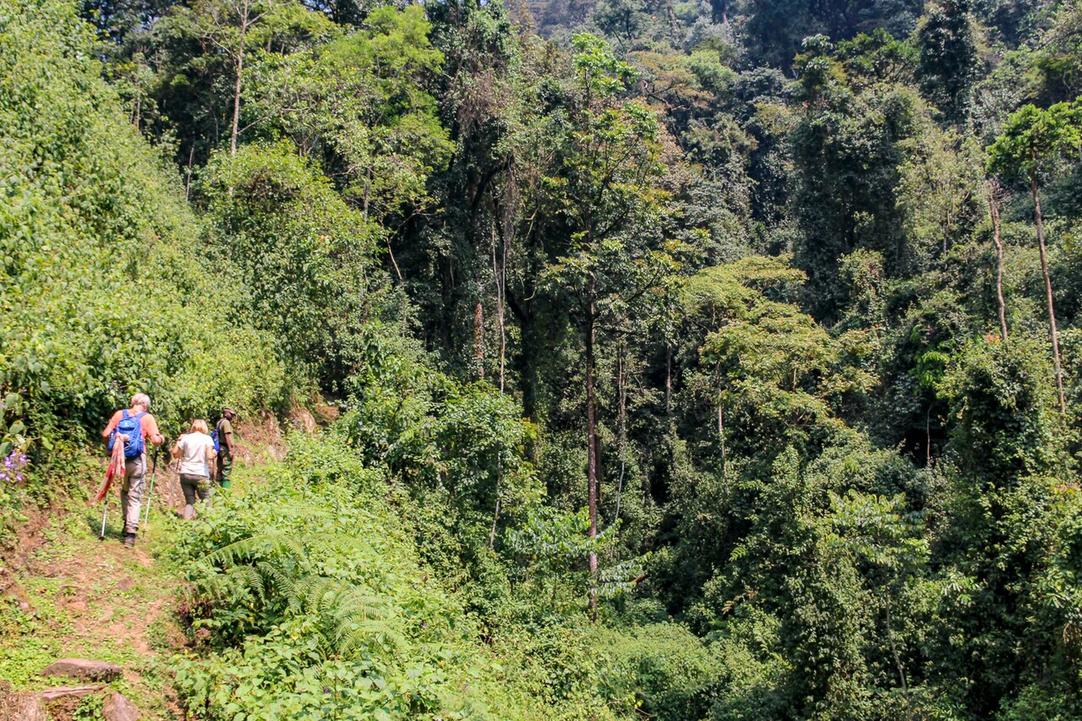
Why visit Nyungwe Forest National Park
Nyungwe Forest National Park stands apart from Volcanoes National Park and Akagera National Park by offering an ancient montane rainforest experience focused on active wildlife tracking and canopy exploration. Unlike Volcanoes, where gorilla trekking dominates, Nyungwe delivers chimpanzee tracking and colobus monkey sightings deep in dense forest. The park’s 70-meter high canopy walkway provides a rare vantage point over the treetops, unmatched in Rwanda’s other parks. Its network of waterfall and ridge trails demands physical effort but rewards with close encounters and diverse terrain. This is a destination built for adventure in nature’s complexity, not passive viewing.
- Track chimpanzee troops with certified naturalist guides inside the park’s buffer zone year-round.
- Cross the 70-meter high canopy walkway for a unique perspective on the rainforest canopy.
- Explore multiple waterfall and ridge hiking trails designed for active trekkers, not casual walkers.
- Stay at eco-lodges inside or adjacent to the reserve to maximize wildlife sightings and minimize transit.
- Unlike other guides, note that chimpanzee visibility peaks in the dry season, not the rainy season.
Best for
Solo travelers and small groups who prioritize active wildlife tracking and challenging hikes will thrive here. The park suits those who book certified guides and eco-lodges for immersive, ethical nature encounters.
Skip if
Skip Nyungwe if gorilla trekking or savannah game drives are your priority; Volcanoes National Park or Akagera National Park offer stronger options for those experiences.
Top things to do in Nyungwe Forest National Park
1. Chimpanzee Tracking ·
Track wild chimpanzee troops with a certified naturalist guide for a high-energy, wildlife-focused adventure deep in the forest.
Start before dawn with a certified naturalist guide from one of the licensed operators near Uwinka Visitor Center. The trek leads deep into Nyungwe’s dense montane forest, where chimpanzee troops move through the canopy and forest floor. The terrain is steep and slippery, requiring good fitness and sturdy boots. Expect close encounters with chimps, their calls echoing through the trees, and occasional sightings of other primates like blue monkeys along the way. Book on GetYourGuide.
This offers a more intense wildlife encounter than the canopy walkway, focusing on tracking active chimpanzee troops rather than stationary viewing. The alternative is the canopy walkway, which is less physically demanding but less immersive.
- When: Start early at 5:00 AM to catch chimps when they are most active; best from June to September during the dry season.
- Cost: ~$90, 2026
- Duration: Half day
- How to reach: Reach the Uwinka Visitor Center by shuttle or 4×4 from the park entrance; the trailhead is a short walk from there.
Insider tip: If closed
If chimpanzee tracking is unavailable, opt for the colobus monkey trek, which is less strenuous and offers reliable primate sightings.
Solo female travel: Book the morning slots in advance through the park office to ensure a small, guided group; guides are experienced with solo female trekkers.
2. Canopy Walkway ·
Cross the 70-meter-high canopy walkway to spot colobus monkeys and birds while navigating a thrilling suspended bridge.
The canopy walkway is a suspended bridge 230 feet / 70 m (70 meters) above the forest floor, offering a rare vantage point over Nyungwe’s montane rainforest. Walk slowly to spot Angola colobus monkeys leaping between branches and listen for calls of endemic birds. The walkway is accessed via a short hike from the Uwinka area, with a gradual climb through forest trails. The experience combines moderate physical effort with adrenaline as the bridge sways slightly in the breeze.
This activity provides a unique perspective on the forest canopy and wildlife not visible from the ground, unlike the chimpanzee or colobus treks which stay on forest trails.
- When: Visit mid-morning between 9:00 AM and 11:00 AM for better light and active wildlife; avoid rainy afternoons when the bridge can be slippery.
- Cost: ~$15, 2026
- Duration: 2 hours
- How to reach: Walk or take a short shuttle from Uwinka Visitor Center to the canopy walkway trailhead along the main park road.
Insider tip: If closed
If the canopy walkway is closed, use the birdwatching walks around Uwinka for elevated views and wildlife spotting.
3. Colobus Monkey Trek ·
Hike with a guide to find troops of rare Angola colobus monkeys, known for their striking black-and-white fur and acrobatic moves.
Join a guided trek from Uwinka or Gisakura to locate troops of Angola colobus monkeys, famous for their long white tails and black fur. The hike covers uneven terrain through dense forest and ridge trails, requiring moderate fitness. Along the way, guides point out other primates and bird species. The monkeys are often seen leaping between trees, offering excellent photo opportunities and close wildlife observation. Book on GetYourGuide.
This trek targets colobus monkeys specifically, unlike chimpanzee tracking which focuses on chimps; it’s less strenuous and offers reliable sightings of these rare primates.
- When: Morning treks starting between 7:00 AM and 9:00 AM maximize chances to see active monkeys; best during the dry season from June to September.
- Cost: ~$50, 2026
- Duration: 3 hours
- How to reach: Access the trailhead by shuttle or 4×4 from the park entrance to Uwinka or Gisakura, then hike with the guide on marked trails.
Insider tip: If closed
If the colobus trek is unavailable, the birdwatching walks near Uwinka offer sightings of other primates and forest birds.
4. Waterfall Hiking Trails ·
Challenge yourself on steep trails leading to multiple waterfalls, combining physical effort with rewarding natural sights.
Nyungwe’s waterfall trails start near Uwinka and Gisakura, winding through steep ridges and dense forest to reach several waterfalls. The hikes demand good stamina and hiking boots due to slippery rocks and elevation changes. Along the way, you pass streams, mossy cliffs, and thick vegetation. The waterfalls provide refreshing spots to rest and photograph, especially after rains when flow is strongest.
These trails offer a physical challenge and scenic payoff different from primate-focused treks, appealing to hikers who want varied terrain and water features.
- When: Hike mid-morning to early afternoon for better trail conditions; avoid rainy days from October to May when trails get muddy and slippery.
- Cost: ~$20, 2026
- Duration: Half day
- How to reach: Reach trailheads by shuttle or 4×4 from Uwinka or Gisakura lodges; trails start within a short walk of the parking areas.
Insider tip: If closed
If waterfall trails are closed due to weather, switch to the canopy walkway or birdwatching walks for safer terrain.
5. Birdwatching Walks ·
Join early morning guided birdwatching to spot rare species endemic to Nyungwe’s montane forest environment.
Start before sunrise with a naturalist guide from Uwinka or Gisakura lodges to explore trails rich in birdlife. Nyungwe hosts species like the Rwenzori turaco, green-breasted pitta, and several sunbirds. The walk involves quiet movement through varied forest habitats, focusing on spotting and identifying birds by sight and call. Binoculars and a field guide are essential, and the guides share detailed knowledge of bird behavior and habitat. Book on GetYourGuide.
Birdwatching here targets species endemic to Nyungwe’s unique ecosystem, unlike primate treks that focus on mammals; it suits travelers wanting a less strenuous but wildlife-rich activity.
- When: Go at dawn between 5:30 AM and 8:00 AM when birds are most active; best during the dry season from June to September.
- Cost: ~$40, 2026
- Duration: 2-3 hours
- How to reach: Walk from Uwinka or Gisakura lodges to nearby forest trails; guides meet guests at lodge entrances or visitor centers.
Insider tip: If closed
If birdwatching is limited by weather, the canopy walkway offers elevated views of forest birds in the late morning.
Solo female travel: Guides accommodate solo female travelers with small groups and flexible start times to avoid crowded trails.
6. Night Walks ·
Explore the forest after dark with a guide to spot nocturnal wildlife like bush babies and giant millipedes.
Night walks start just after dusk with a licensed naturalist guide leading you through designated forest trails near the park’s edge. Expect to see bush babies, giant millipedes, and other nocturnal creatures active under the cover of darkness. The experience relies on quiet observation and the guide’s flashlight to reveal wildlife that disappears by day. This walk covers uneven terrain, so sturdy shoes and a steady pace are essential. Book on GetYourGuide.
Night walks reveal species invisible during daylight, unlike daytime chimpanzee tracking or canopy hikes, offering a rare glimpse into Nyungwe’s nocturnal ecosystem.
- When: Start between 6:30 PM and 7:30 PM, best from June to September when nights are drier and insects less dense.
- Cost: ~$25, 2026
- Duration: 2 hours
- How to reach: Reach the trailhead by shuttle or taxi from the park’s main lodges, typically within a 10-15 minute drive on the Gisakura road.
Insider tip: If closed
If night walks are unavailable, try early morning birdwatching near the lodge for active wildlife in low light.
Solo female travel: Book night walks through your lodge or a licensed operator in advance; guides maintain small groups for safety and better wildlife spotting.
7. Bigodi Wetlands Sanctuary Visit ·
Walk through the nearby Bigodi Wetlands to see swamp birds and primates in a less strenuous setting outside the main forest.
Bigodi Wetlands lies about 6 miles / 10 km from Nyungwe’s main entrance, accessible by car or moto-taxi. The sanctuary features boardwalks and trails through swampy forest where you can spot swamp-dwelling birds, red-tailed monkeys, and sometimes sitatunga antelope. The terrain is flat and less challenging than Nyungwe’s interior trails, making it a good half-day option for a lighter walk. Local guides explain the wetland’s role in conservation and community livelihoods. Book on GetYourGuide.
Bigodi offers primate and birdwatching without the physical demand of Nyungwe’s ridge or canopy trails, ideal for recovery days or less intense outings.
- When: Morning visits between 8:00 AM and 11:00 AM maximize bird activity; avoid rainy afternoons from March to May.
- Cost: ~$15, 2026
- Duration: Half day
- How to reach: Take a moto-taxi or arrange a shuttle from Nyungwe lodges via the Gisakura road; the sanctuary is signposted from the main road.
Insider tip: If closed
If the wetlands are flooded or closed, opt for a tea plantation tour nearby for a dry, scenic walk.
8. Tea Plantation Tour ·
Visit a local tea plantation on the park’s edge to learn about Rwanda’s tea production and enjoy a brisk walk through the fields.
The tea plantations near Nyungwe’s buffer zone offer guided tours through neatly trimmed tea bushes, explaining harvesting and processing methods. Walks cover gentle slopes with panoramic views of the forested hills beyond. The tour includes a tasting session of fresh tea leaves and brewed samples. This activity combines light exercise with cultural insight into Rwanda’s tea economy, often led by plantation staff or local guides. Book on GetYourGuide.
This tour contrasts with forest hikes by focusing on agricultural landscapes and local industry, providing a refreshing change of pace.
- When: Visit mid-morning between 9:00 AM and 11:30 AM to avoid afternoon heat and catch workers in the fields during harvest season, mainly June to September.
- Cost: ~$20, 2026
- Duration: 2 hours
- How to reach: Reach the plantations by car or moto-taxi from Nyungwe lodges, usually within 10 minutes along the Gisakura road.
Insider tip: If closed
If the plantation is closed, the Bigodi Wetlands Sanctuary offers a nearby nature walk with wildlife viewing.
9. Ridge Trail Trek ·
Take a full-day trek along the park’s ridge trails for panoramic views and a demanding workout through diverse forest zones.
The Ridge Trail stretches roughly 7 miles / 11 km through montane forest, crossing ridges with sweeping views of valleys and distant hills. This trek demands good fitness due to steep ascents and uneven paths. Along the way, spot colobus monkeys, forest birds, and rare orchids. Guides from licensed outfits lead groups, ensuring navigation and wildlife spotting. The trail’s length and elevation changes make it a full-day commitment with a packed lunch.
Choose the Ridge Trail for a physically challenging day that rewards with varied scenery and wildlife, unlike shorter canopy or wetland walks.
- When: Start early around 7:00 AM to avoid midday heat and finish before 3:00 PM; best during dry months from June to September.
- Cost: ~$50, 2026
- Duration: Full day
- How to reach: Access the trailhead by shuttle or taxi from park lodges, typically a 15-minute drive on the Gisakura road to the Uwinka area.
Insider tip: If closed
If weather or fitness limits this trek, opt for the canopy walkway for a shorter, less strenuous forest experience.
10. Butterfly Watching ·
Spot colorful butterfly species on short guided walks, a low-impact option when weather limits longer treks.
Butterfly watching takes place on short trails near the park’s visitor center or lodge areas, where guides point out species like the African moon moth and swallowtails. These walks last about an hour and require minimal effort, making them ideal for hot or rainy days. The guides share details on butterfly life cycles and their role in the forest ecosystem. This activity suits travelers seeking wildlife observation without the physical demands of full treks.
Butterfly watching offers a gentle alternative to longer hikes, especially when rain or fatigue limits other options like chimpanzee tracking or ridge treks.
- When: Late morning between 9:00 AM and 11:00 AM is best when butterflies are most active; avoid rainy afternoons.
- Cost: ~$10, 2026
- Duration: 1 hour
- How to reach: Reach butterfly watching spots on foot from nearby lodges or by a short shuttle ride from the park’s main entrance.
Insider tip: If closed
If butterfly activity is low, try a cultural visit to a nearby village for a dry, engaging alternative.
11. Cultural Visit to Nearby Village ·
Engage with local communities near the park to understand traditional forest uses and conservation efforts firsthand.
This visit involves a guided walk to a village on Nyungwe’s outskirts where locals demonstrate traditional crafts, farming, and forest resource management. The experience includes meeting community members involved in conservation projects and learning how the forest shapes daily life. Visits usually last a couple of hours and are arranged through lodge operators or local NGOs. The walk is gentle, with opportunities to purchase handmade crafts directly from artisans. Book on GetYourGuide.
This cultural visit complements forest activities by showing how local people balance livelihood and conservation, unlike purely wildlife-focused treks.
- When: Schedule visits mid-morning between 9:00 AM and 12:00 PM on weekdays to avoid market days and community events.
- Cost: ~$20, 2026
- Duration: 2 hours
- How to reach: Reach villages by shuttle or moto-taxi from Nyungwe lodges, typically within a 10-minute drive along the Gisakura road.
Insider tip: If closed
If village visits are unavailable, the tea plantation tour nearby offers insight into local agriculture and economy.
Solo female travel: Women traveling solo should book through their lodge to ensure a female guide or group option is available for comfort.
48 hours in Nyungwe Forest National Park
This two-day plan focuses on high-impact wildlife and nature adventures inside Nyungwe Forest National Park, tailored for travelers who prioritize ethical chimpanzee tracking and canopy exploration. It balances early starts and active treks with well-timed breaks, maximizing your chances to see primates and experience the forest’s unique terrain.
Day 1
Morning
Start before dawn with the chimpanzee tracking guided by a certified naturalist. Arrive at the trailhead by 5:00 AM to catch the morning light filtering through the ancient montane rainforest canopy. The early start avoids midday heat and increases wildlife sightings, especially chimpanzees and colobus monkeys moving in the cooler hours.
Afternoon
Return to your eco-lodge for a midday rest and a fresh lunch featuring local produce. Afterward, head out for the canopy walkway in the late afternoon when the light softens and the forest sounds intensify. This 70-meter-high walkway offers a rare vantage point over the dense canopy and is less crowded after 3:00 PM, letting you move at your own pace.
Evening
Finish the day with a sunset viewpoint near the lodge, where the forest silhouettes against the fading light. Dinner at the lodge’s dining area focuses on regional dishes with fresh ingredients, providing a quiet, reflective atmosphere after a full day of trekking and canopy exploration.
Day 2
Morning
Begin with a guided waterfall and ridge hike on one of the less-traveled trails starting around 7:00 AM. This moderate-effort trek takes you through varied terrain, offering chances to spot birds and smaller primates while avoiding the crowds that gather later. Pack water and snacks from the lodge to keep energy steady.
Afternoon
After the hike, enjoy a relaxed lunch at a small café near the park’s buffer zone, specializing in grilled local fish and fresh vegetables. Spend the early afternoon resting or exploring the nearby village on foot to observe local life and crafts, a sharp contrast to the forest’s wildness and a chance to support community-based tourism.
Evening
Wrap up with a calm evening walk along the forest edge, perfect for spotting nocturnal wildlife starting their activity. Dinner at a nearby guesthouse offers a different menu focusing on Rwandan specialties, served in a lively setting where you can chat with other travelers and guides about the day’s sightings.
If you have a third day
Add a morning visit to a nearby tea plantation for a guided tour that explains the region’s agricultural heritage and offers panoramic views of the surrounding hills. Follow this with a late lunch at a hillside lodge featuring farm-to-table dishes, providing a scenic and cultural complement to the forest adventures.
Best time to visit Nyungwe Forest National Park
Quick answer
Visit from April to June and October to early December for the best wildlife viewing and pleasant hiking conditions.
| Months to go | April to June, October to early December |
|---|---|
| Months to avoid | January, February, and March due to heavy rainfall and muddy trails. |
The climate in Nyungwe Forest National Park significantly influences outdoor activities. From April to June and October to early December, temperatures range from 57°F / 14°C to 75°F / 24°C, creating ideal conditions for hiking and wildlife spotting. During these months, the forest is lush, and wildlife, including chimpanzees, is more active. Conversely, January, February, and March experience heavy rainfall, making trails muddy and less accessible, which can hinder hiking opportunities. The dry months provide clearer skies and better visibility for spotting the park’s diverse wildlife.
Average temperature (°F)
Monthly weather
Wet and muddy trails.
Continued rain, less ideal.
Heavy rainfall persists.
Improving conditions for hiking.
Great wildlife viewing.
Pleasant hiking weather.
Cool and dry.
Ideal for trekking.
Good wildlife activity.
Start of the dry season.
Great for hiking and wildlife.
Good conditions continue.
How to get to Nyungwe Forest National Park
Nearest airport
Kigali International Airport (KGL), approximately 130 miles / 210 km from Nyungwe Forest National Park
From the airport
Take a shuttle or a private taxi from Kigali to Nyungwe. Expect to pay around $60-$100, 2026, and book through your lodge or a local travel agency.
Other ways to arrive
- From Kigali, take a bus to Huye (Butare) for about $5, 2026, then hire a taxi to Nyungwe (around $30).
- Fly from Kigali to Kamembe Airport (KME), then take a taxi to Nyungwe, costing around $50-$70, 2026.
- Rent a car in Kigali for about $40-$70 per day, 2026, and drive to Nyungwe, which takes around 4 hours.
Getting around Nyungwe Forest National Park
The best way to navigate Nyungwe is by hiring a local guide or using a private vehicle. This ensures you access trails and attractions efficiently.
- Hire a local guide for personalized tours, costing around $30-$50 per day, 2026.
- Use a private vehicle for convenience, with rentals starting at $40 per day, 2026.
- Join organized tours that include transportation, typically priced around $100 per person, 2026.
- Walk the trails for a closer experience with nature; many trails are well-marked and accessible.
Avoid
Public transport options are limited and not recommended for navigating the park.
Day trips from Nyungwe Forest National Park
Exploring beyond Nyungwe offers unique experiences that complement your wildlife adventures. Consider these day trips to enrich your stay.
Lake Kivu
Relax by the lakeside or enjoy water activities.
Why: Lake Kivu is stunning, with opportunities for kayaking and enjoying local fish dishes. The scenery is a perfect contrast to the forest.
Huye (Butare)
Visit the National Museum of Rwanda and local markets.
Why: Huye offers rich cultural insights and is home to Rwanda’s best museum, showcasing the country’s history and heritage.
Skip if: You prefer wildlife-focused activities.
Nyanza
Explore the historical palace of the Rwandan kings.
Why: Nyanza provides a glimpse into Rwanda’s royal history and traditional architecture, making it a culturally enriching experience.
Skip if: You are not interested in Rwandan history.
Combine Nyungwe Forest National Park with
Extend your adventure by combining Nyungwe with other notable destinations in Rwanda. Here are some route ideas.
Nyungwe to Volcanoes National Park Nyungwe Forest National Park, Gisenyi, Volcanoes National Park
This route allows for a diverse experience of wildlife and stunning landscapes, including gorilla trekking.
Nyungwe to Kigali Nyungwe Forest National Park, Huye, Kigali
Traveling back to Kigali via Huye offers a cultural stop and a chance to explore the capital’s vibrant scene.
Where to stay in Nyungwe Forest National Park
Compare prices across booking sites on the map below and see which neighbourhood fits your plans.
Nyungwe Forest National Park offers a range of lodging options catering to different traveler types. The areas around the park’s entrance are popular for those seeking easy access to trails, while accommodations near the canopy walkway provide stunning views and unique experiences. For a more secluded stay, consider lodges nestled deeper in the forest. The main access road features several guesthouses that attract budget travelers, while luxury options are available closer to the park’s edge.
near the park entrance
Stay in a cozy guesthouse or a shared dormitory in a hostel. These budget-friendly options provide basic amenities and a chance to meet fellow travelers. Expect communal spaces and shared facilities, which foster a social atmosphere but may lack privacy.
Insider tip: Look for guesthouses that offer breakfast included; it’s a great way to fuel up before heading out for a day of hiking.
around the canopy walkway
Opt for a family-run lodge or a boutique hotel that balances comfort and affordability. These properties often feature private rooms with en-suite bathrooms, gardens, and dining options. They provide a more intimate experience compared to larger hotels, though amenities may be limited.
Insider tip: Request a room with a view of the canopy walkway; the sunrise views can be spectacular.
near the park entrance
Choose a luxury lodge that offers all-inclusive packages, gourmet dining, and guided tours. These upscale accommodations provide a high level of comfort and service, with spacious rooms and stunning forest views. They may lack the local charm of smaller lodges but make up for it with amenities.
Insider tip: Book well in advance, especially during peak seasons, to secure the best rooms with unobstructed views.
Where not to stay
Avoid accommodations near the main road leading to the park entrance; traffic noise can be disruptive, especially at night.
Solo female travelers
Stay at a hostel with a strong social vibe near the park entrance; these places often host group activities and are well-lit at night.
Booking through these links supports Pack Lightly at no extra cost to you.
Where to eat and drink in Nyungwe Forest National Park
Nyungwe Forest National Park offers a unique culinary experience shaped by its rich biodiversity and local communities. The park is known for its use of fresh, local ingredients, particularly the diverse fruits and vegetables grown in the surrounding areas. Expect to find dishes that highlight these ingredients, often prepared using traditional Rwandan cooking methods, and influenced by the local culture.
Must-try dishes
Isombe
A traditional dish made from cassava leaves cooked with ground peanuts and spices.
Isombe is often prepared using locally sourced cassava leaves and served in family-run eateries near the park, showcasing the regional ingredient and local cooking style.
Insider tip: This dish is a staple and a must-try for an authentic taste of local cuisine.
Ibihaza
Pumpkin stew made with local spices and often served with a side of rice or plantains.
Ibihaza is a common dish in the region, reflecting the agricultural practices of the area, and is best enjoyed in local homes or eateries.
Insider tip: This hearty stew is perfect after a day of hiking in the park.
Akabenz
Grilled pork marinated in local spices, typically served with vegetables.
Akabenz is popular in the region and often prepared by local vendors, making it a great way to experience the local flavor.
Insider tip: The smoky flavor from the grill makes this dish a favorite among locals.
Ubugari
A fermented cassava or plantain dough served as a staple side dish.
Ubugari is a traditional staple in Rwandan cuisine, often enjoyed with various stews and sauces in local households.
Insider tip: Pair it with any local stew for a true taste of Rwandan dining.
Local drinks
- IkivugutoAvailable at local markets and family-run eateries in the Nyungwe area.
A traditional fermented milk drink, slightly sour and refreshing. - AmatobeTry it at community gatherings or local festivals in the region.
A local brew made from fermented sorghum, often enjoyed during celebrations.
Where to eat – by neighborhood
Kitabi
A small village near the park with several family-run restaurants serving traditional Rwandan dishes.
Insider tip: Order a communal dish to share with friends or family, as this is a common practice among locals.
Butare
A nearby town known for its vibrant street food scene and local markets.
Insider tip: Visit the street food stalls in the evening for the best selection and freshest offerings.
Dietary note
Vegetarians will find plenty of options, especially with vegetable stews and fresh produce available in local eateries.
Daily budget for Nyungwe Forest National Park
Nyungwe Forest National Park’s daily costs can be higher than other regions in Rwanda due to its focus on eco-tourism and guided wildlife experiences. Expect to pay a premium for certified guides and accommodations within the park.
Shoestring
- lodging – Stay at budget-friendly hostels or campsites outside the park.
- food – Eat at local eateries or prepare your own meals.
- transport – Use shared taxis or local transport to get around.
- activities – Join group tours for chimpanzee tracking or hikes.
- buffer – For unexpected expenses.
Trade-offs: Expect basic amenities and limited dining options.
Comfort
- lodging – Book a mid-range eco-lodge near the park.
- food – Enjoy meals at the lodge or nearby restaurants.
- transport – Hire a private driver for convenience.
- activities – Participate in guided tours and activities.
- buffer – For incidental costs.
Trade-offs: Enjoy more comfort but may miss out on budget-friendly experiences.
Splurge
- lodging – Stay at a premium lodge with all-inclusive services.
- food – Dine at high-end restaurants with gourmet options.
- transport – Use private transfers for all travel needs.
- activities – Opt for exclusive guided experiences.
- buffer – For any additional expenses.
Trade-offs: Experience luxury but at a significantly higher cost.
Money-saver tip
Consider joining group tours for activities like chimpanzee tracking to reduce costs.
Splurge that’s worth it
Investing in a guided night walk can reveal the park’s unique nocturnal wildlife.
Skip to save
Avoid overpriced souvenir shops near the park entrance; local markets offer better deals.
Practical tips for Nyungwe Forest National Park
Money
Cash or card. Cash is preferred in Nyungwe Forest National Park, especially at local markets and small eateries. Larger establishments may accept cards, but always check in advance.
ATMs. ATMs are available in nearby towns like Kamembe, but they may charge foreign transaction fees. Use a card with no foreign transaction fees for the best experience.
Tipping. Tipping is appreciated but not mandatory; rounding up to the nearest dollar is common. For guides, consider tipping around $10 for a full day of service.
Safety
Nyungwe Forest National Park is generally safe for travelers, but it’s wise to stay aware of your surroundings, especially in less populated areas. Stick to well-trodden paths and travel in groups when possible.
Local warnings:
- Watch out for sandflies, especially during the wet season; use insect repellent.
- Be cautious of slippery trails after rain; proper footwear is essential.
- Altitude sickness can affect some visitors; acclimatize gradually if hiking to higher elevations.
Connectivity
Mobile data. Mobile data coverage is decent in Nyungwe, with the best service from the country’s main mobile carriers. A local SIM card costs around $5-$10 and provides good data plans.
Wi-Fi. Wi-Fi is limited; some lodges and cafes offer it, but expect slow speeds. The area around the park entrance has a few spots with better connectivity.
Language
Main language: Kinyarwanda. English level: English is commonly spoken in tourist areas, but proficiency varies among locals. You may encounter language barriers in more remote regions.
Cultural notes
- Dress modestly, especially when visiting local communities or religious sites.
- Always ask permission before taking photos of people.
- Greetings are important; a simple ‘Muraho’ (hello) goes a long way.
Solo female travel
Solo female travelers can navigate Nyungwe Forest National Park with confidence, as the area is generally welcoming. However, it’s advisable to travel during daylight hours and choose accommodations with good reviews.
Frequently asked questions about Nyungwe Forest National Park
1Is Nyungwe Forest National Park worth visiting?
Yes, Nyungwe Forest National Park is a top destination for wildlife enthusiasts. The park is renowned for its chimpanzee tracking and diverse primate populations, making it a unique experience in Rwanda.
2How many days should I spend in Nyungwe Forest National Park?
Plan for at least two to three days to fully explore the park. This allows time for guided walks, chimpanzee tracking, and enjoying the canopy walkway.
3What is the best time for chimpanzee tracking?
The best time for chimpanzee tracking is during the dry seasons, from June to September and December to February. These months offer better visibility and easier hiking conditions.
4Is Nyungwe Forest National Park safe for solo female travelers?
Yes, Nyungwe Forest National Park is generally safe for solo female travelers. The park has a good reputation for safety, especially during guided tours.
5Do I need a 4×4 vehicle to get to Nyungwe Forest National Park?
Yes, a 4×4 vehicle is recommended for accessing the park, especially during the rainy season. The roads can be rough and challenging to navigate without one.
6What activities should I prioritize in Nyungwe Forest National Park?
Prioritize chimpanzee tracking and the canopy walkway. Both experiences offer unique views of the park’s wildlife and stunning landscapes.
7Can you swim in Nyungwe Forest National Park?
Skip it; swimming is not permitted in Nyungwe Forest National Park. The focus is on wildlife observation and hiking rather than water activities.
8What is the cost of visiting Nyungwe Forest National Park?
Expect to spend around $65 per day, including park fees, guided tours, and accommodation. This budget allows for a comfortable experience while exploring the park.
Estimate your daily budget
See realistic daily costs by tier and category.